Brachycephalic Ocular Syndrome in a Shih Tzu
It’s truly heartbreaking when you see your beloved Shih Tzu squinting, rubbing their eyes, or dealing with constant discharge. These little lion dogs, with their adorable flat faces and big, expressive eyes, are incredibly susceptible to a cluster of eye problems that can cause discomfort, pain, and even lead to vision loss if not addressed. This comprehensive guide will walk you through understanding, identifying, and managing Brachycephalic Ocular Syndrome, helping you keep your furry friend's precious peepers healthy and bright.
Understanding Brachycephalic Ocular Syndrome in Shih Tzus
Brachycephalic Ocular Syndrome (BOS) isn't a single condition but rather a collection of anatomical quirks and health issues that are common in brachycephalic (flat-faced) breeds like our Shih Tzus. Their unique facial structure, while undeniably charming, unfortunately predisposes them to a host of eye-related woes. It’s a frustration many Shih Tzu parents share – loving those big, round eyes, but constantly worrying about their vulnerability.
The Unique Anatomy of a Shih Tzu's Head and Eyes
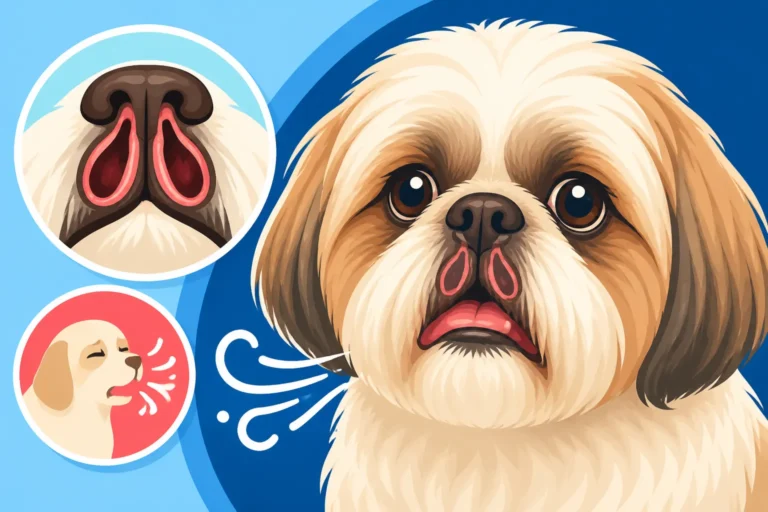
Think about the quintessential Shih Tzu look: a short snout, a broad skull, and those wonderfully prominent, dark eyes that seem to gaze right into your soul. This isn't an accident; it's a result of selective breeding over centuries. However, this distinct appearance comes with trade-offs. The orbital bone (the socket that holds the eye) is much shallower in a Shih Tzu compared to breeds with longer snouts. This means the eyes literally protrude more, making them significantly more exposed to the environment and potential injury. There's less protective bone structure around them, offering less buffer against bumps, scrapes, or even just dust and debris.
Beyond the shallow sockets, the eyelids themselves might not conform perfectly to the prominent eyeball. The eyelashes can grow in abnormal directions, or the eyelids might roll inwards or outwards. All these seemingly small anatomical variations compound to create an environment ripe for irritation and infection, which is why eye care is such a huge part of being a Shih Tzu owner.
Why the Breed is Prone to Eye Issues
The reason our Shih Tzus are so prone to eye issues boils down to their very defining characteristic: their brachycephalic head shape. Because their snouts are so short, there’s less space in their skull for everything. The eyes end up being disproportionately large for their sockets, leaving them vulnerable. Imagine living your life with your eyes constantly exposed and your eyelids not quite doing their job properly – that’s often the reality for a Shih Tzu with BOS.
This anatomical predisposition means that even minor environmental irritants that wouldn't bother a long-nosed dog can become a major problem for a Shih Tzu. Dust, wind, pollen, or even stray hairs from their magnificent double coat can quickly lead to painful inflammation and damage. It’s a constant battle, and it's easy to feel like you're always on high alert for the next eye emergency. Many breeders strive to minimize these traits through careful selection, but the inherent breed characteristics make it a lifelong management issue for most owners.
The Spectrum of Conditions Under the BOS Umbrella
When we talk about Brachycephalic Ocular Syndrome, we're not talking about just one problem, but a constellation of interconnected conditions. It's like a chain reaction where one anatomical flaw leads to several related issues. The shallow orbits are the primary culprit, leading to conditions like eye proptosis, where the eye literally pops out of its socket. You can learn more about What Shih Tzu Proptosis Actually Looks Like.
Beyond that terrifying possibility, Shih Tzus commonly suffer from chronic dry eye, because their eyelids don't close completely or their tear glands don't produce enough tears. Eyelid abnormalities such as entropion (eyelids rolling inward) or ectropion (eyelids rolling outward) are also prevalent, causing eyelashes to rub against the cornea or exposing too much of the eye surface. Pigmentary keratitis, where dark pigment migrates across the cornea, can eventually impair vision. Then there are the ever-present threats of corneal ulcers, which can occur from even slight trauma due to their exposed eyes. It's a lot to keep track of, and it can definitely feel overwhelming when your little one is facing multiple eye challenges.
Key Components of Brachycephalic Ocular Syndrome
Understanding the individual components that make up Brachycephalic Ocular Syndrome is crucial for any Shih Tzu owner. Each of these conditions, while distinct, often feeds into the others, creating a complex web of challenges for your dog's eye health. It’s not just one thing to worry about, but several, all linked by that adorable, yet challenging, flat face.
Shallow Eye Sockets and Eye Prominence Proptosis Risk
This is perhaps the most defining and alarming aspect of BOS. Shih Tzus possess what we call "exophthalmos," meaning their eyeballs protrude significantly. This isn't just about aesthetics; it's a major vulnerability. Their eye sockets are simply too shallow to adequately protect the large eyes they carry. This prominence means the eye is constantly exposed to the environment – dust, dirt, branches, or even just rough play can become a serious hazard.
The most extreme consequence of this prominence is Shih Tzu Eye Proptosis, the Emergency Owners Miss. This is when the eye actually "pops out" of its socket. It's a terrifying experience for both you and your dog, often caused by seemingly minor trauma like a fall, a bump, or even aggressive restraint. Imagine grooming your little one and suddenly their eye is out – it's a nightmare scenario that, sadly, many Shih Tzu owners have faced. The shallow socket provides little to no resistance, making the eye highly susceptible to this emergency. Knowing how to react calmly and swiftly is paramount, as the prognosis for vision often depends on immediate action.
Eyelid Abnormalities: Entropion, Ectropion, and Macroblepharon
Beyond the prominent eyes, the eyelids of a Shih Tzu can also contribute significantly to BOS. These aren't just minor cosmetic flaws; they directly impact the health and comfort of the eye.
-
Entropion: This is where the eyelid, usually the lower one, rolls inward towards the eyeball. The problem with entropion is that the eyelashes and facial hairs on the rolled-in lid constantly rub against the delicate surface of the cornea. This constant irritation is incredibly painful and can lead to chronic inflammation, excessive tearing, and potentially severe damage like Shih Tzu Corneal Ulcers and Dry Eye. You might see your Shih Tzu squinting frequently, rubbing their face, or having noticeable red eyes. In some cases, surgical correction is necessary to alleviate the discomfort and prevent permanent eye damage. We've seen many little ones transformed after corrective surgery, finally able to open their eyes without pain.
-
Ectropion: While less common in Shih Tzus than entropion, ectropion is the opposite condition, where the eyelid rolls outward, exposing the inner lining of the lid and the lower part of the eye. This creates a "droopy eye" appearance and leaves the eye even more exposed to dirt, debris, and dry air, increasing the risk of irritation and infection.
-
Macroblepharon: This refers to abnormally long eyelids or an excessively large eyelid opening. In Shih Tzus, this often means their eyelids can't completely cover their prominent eyes, even when they blink or sleep. This incomplete closure is a huge contributor to chronic dryness and exposure. You might notice your Shih Tzu's eyes look a bit "stary" or that they don't fully close when they nap. This constant exposure means the eye's surface is always vulnerable, making it harder for the tear film to do its job. For insights into related issues, you can check out Shih Tzu Eyelash and Eyelid Problems.
Tear Film Deficiencies and Dry Eye Keratoconjunctivitis Sicca
The tear film is a complex, three-layered liquid shield that constantly bathes and protects the eye. It cleanses, lubricates, and provides oxygen to the cornea. In Shih Tzus with BOS, this vital defense system is often compromised.
-
Tear Film Quality: Due to the combination of prominent eyes and eyelid abnormalities, the tear film often evaporates too quickly or doesn't spread effectively across the entire eye surface. The eyelids might not blink completely, preventing the proper distribution of tears. This leads to dry spots on the cornea, which are highly susceptible to irritation and damage.
-
Keratoconjunctivitis Sicca (KCS) / Dry Eye: This is a chronic condition where the eye doesn't produce enough tears, or the tears produced are of poor quality. It's incredibly common in Shih Tzus. Signs include thick, stringy discharge, redness, squinting, and rubbing at the eyes. The lack of proper lubrication leads to inflammation of the cornea and conjunctiva, making the eye vulnerable to infections and ulcers. Treating Dry Eye in a Shih Tzu and Lifelong Drops often involves daily medication to stimulate tear production and artificial tear supplements to keep the eyes hydrated. It's a commitment, but essential for their comfort and long-term vision.
Pigmentary Keratitis and Corneal Ulcers
These are two of the most serious consequences that often arise from the underlying issues of BOS. They can cause significant pain and, if left untreated, lead to permanent vision loss.
-
Pigmentary Keratitis: This condition involves the accumulation of dark pigment (melanin) on the surface of the cornea, the clear outer layer of the eye. It typically starts at the inner corner of the eye and slowly spreads across the cornea. This pigment is a direct response to chronic irritation and inflammation, often from ingrown hairs (entropion), dry eye, or simply the constant exposure of the eye surface. As the pigment covers more of the cornea, it blocks light, leading to impaired vision and eventually blindness if left unchecked. Early diagnosis and addressing the underlying cause (like treating dry eye or correcting entropion) are crucial for managing Pigmentary Keratitis in a Shih Tzu. It’s a progressive condition, and seeing that dark film spread can be very disheartening.
-
Corneal Ulcers: A corneal ulcer is an open sore on the surface of the cornea. Because Shih Tzus' eyes are so prominent and exposed, they are at a much higher risk of trauma that can lead to ulcers. A stray hair, a scratch from a rough nail during play, a bump against furniture, or even chronic dry eye can all cause a corneal ulcer. These ulcers are excruciatingly painful, and your dog will likely show signs of severe discomfort, such as intense squinting, rubbing the eye, excessive tearing, and redness. An untreated ulcer can quickly deepen, become infected, and even lead to rupture of the eyeball, which is an emergency situation. Prompt veterinary care is vital, as treatment often involves medicated eye drops and close monitoring to prevent worsening.
Recognizing the Red Flags: Signs Your Shih Tzu Has BOS
As a Shih Tzu parent, you become acutely aware of your dog's eyes. Knowing what to look for can make all the difference in catching problems early, minimizing discomfort, and potentially saving their sight. It's easy to dismiss a little redness or discharge, but with a Shih Tzu, these can be early warnings of something more serious.
Obvious Visual Cues: Redness, Discharge, and Squinting
These are the most common and often the first signs that something isn't quite right with your Shih Tzu's eyes. Don't ignore them, even if they seem minor.
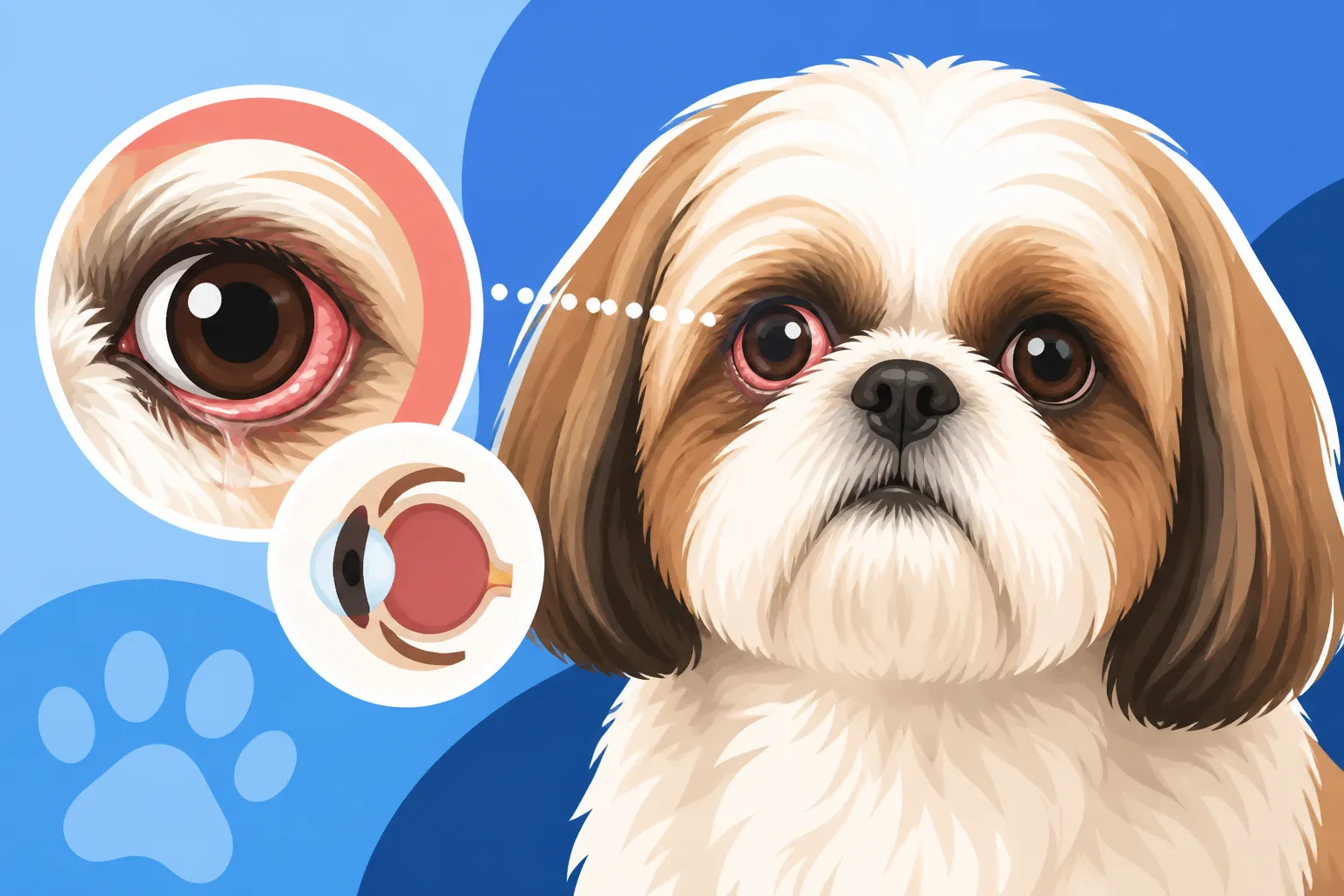
- Redness: If the white part of your Shih Tzu's eye (the sclera) or the pink membranes around the eye (conjunctiva) appear red or bloodshot, it's a clear indicator of inflammation or irritation. This can stem from allergies, a foreign body, dry eye, or even the start of an infection or ulcer. The redness might be constant or come and go.
- Discharge: Shih Tzus are known for some tear staining, but excessive or abnormal discharge is a different story. Look for:
- Thick, yellow, or greenish pus-like discharge: This almost always indicates a bacterial infection.
- Stringy, mucous-like discharge: Often a hallmark of dry eye (KCS), where the tears aren't lubricating properly.
- Excessive clear tearing: This might be a reaction to pain, irritation, or an attempt to flush out a foreign object.
- Squinting or Holding the Eye Shut: This is a universal sign of pain or discomfort in the eye. If your Shih Tzu is squinting, partially closing one eye, or constantly holding it shut, assume they are in pain and seek veterinary attention immediately. This could be due to a corneal ulcer, entropion, or a foreign body embedded in the eye.
- Cloudiness or Change in Eye Color: Any cloudiness, a bluish tint, or a spreading dark pigment across the clear part of the eye (cornea) should be examined by a vet. This could indicate a serious issue like a deep ulcer, glaucoma, or pigmentary keratitis. Similarly, if your A Shih Tzu Eye That Suddenly Turns Blue, it often signals corneal edema or pressure changes.
Behavioral Changes Indicating Discomfort
Sometimes, your Shih Tzu might not have obvious visual signs, but their behavior will tell you something is wrong. They're good at hiding pain, so subtle changes are important to notice.
- Rubbing or Pawing at the Face/Eyes: If your dog is constantly rubbing their face on the carpet, pawing at their eyes with their paws, or trying to scratch their face with their back feet, they're telling you their eyes are bothering them. This self-trauma can actually worsen the problem, especially if they have sharp nails.
- Increased Blinking: While some blinking is normal, excessive or rapid blinking (blepharospasm) is often a sign of irritation or pain.
- Lethargy or Reduced Playfulness: A dog in pain might become less active, more withdrawn, and simply not interested in their usual games or walks. Eye pain can be surprisingly debilitating.
- Sensitivity to Light: If your Shih Tzu shies away from bright lights, squints more in sunny areas, or prefers darker rooms, it could indicate photophobia, a common symptom of corneal pain or inflammation.
The Urgency of Certain Symptoms
Some symptoms demand immediate veterinary attention. Delaying treatment for these can lead to permanent damage or vision loss.
- Sudden Eye Trauma or Injury: Any direct hit to the eye, a scratch, or an encounter with a foreign object (like a thorn or sharp toy) needs to be assessed immediately.
- Eye Protruding from Socket (Proptosis): As mentioned, this is a severe emergency. If your Shih Tzu's eye pops out, cover it gently with a clean, moist cloth (saline or water) and get to an emergency vet immediately. Time is critical for saving the eye and potentially vision. You might wonder Whether a Proptosed Shih Tzu Eye Can Be Saved, and the answer heavily depends on how quickly you act.
- Sudden Blindness: If your Shih Tzu suddenly starts bumping into things, seems disoriented, or stops recognizing you visually, it's an emergency.
- Rapid Worsening of Symptoms: If mild redness quickly turns into severe pain, discharge, or cloudiness, don't wait.
- Unrelenting Pain: If your Shih Tzu is crying, constantly shaking their head, or aggressively trying to rub their eye, they are in significant pain and need urgent help.
When in doubt, always err on the side of caution and consult your veterinarian. Their eyes are far too precious to take chances.
Diagnosing Brachycephalic Ocular Syndrome
When you suspect your Shih Tzu might be struggling with eye issues, the diagnostic process is about pinpointing the exact problems and their severity. It’s not always a quick fix, as BOS often involves multiple interconnected conditions. Being prepared for a thorough examination is key.
Your Vet's Examination and Diagnostic Tests
When you bring your Shih Tzu in for eye concerns, your regular veterinarian will perform a comprehensive ophthalmic examination. They are usually the first line of defense and can identify many common issues.
- Thorough Visual Examination: Your vet will carefully examine your dog's face, eyelids, eyelashes, and the overall appearance of the eyes. They'll look for signs of redness, swelling, discharge, eyelid abnormalities like entropion or ectropion, and any obvious signs of trauma or pigment. They might even try to assess how well the eyelids close.
- Schirmer Tear Test (STT): This is a critical test for diagnosing dry eye (KCS). A small strip of filter paper is placed inside the lower eyelid for 60 seconds to measure the rate of tear production. Low readings confirm KCS. This is a quick and relatively painless test, but vital for understanding tear function.
- Fluorescein Stain Test: This test uses a special orange dye that adheres to damaged areas of the cornea. If there's an abrasion or ulcer, the dye will glow bright green under a blue light, revealing the size and depth of the damage. This is essential for diagnosing Shih Tzu Corneal Ulcers From a Shallow Socket and monitoring their healing.
- Ophthalmoscopy: Using an ophthalmoscope, your vet can examine the internal structures of the eye, including the lens, retina, and optic nerve, to rule out other issues like cataracts or retinal degeneration.
- Tonometry: This measures the intraocular pressure (IOP) within the eye. High pressure can indicate glaucoma, while very low pressure might suggest severe inflammation. This test is important for ruling out conditions that can cause sudden vision loss.
Your vet will compile all these findings to get a complete picture of your Shih Tzu's eye health. They'll also discuss your dog's history, recent symptoms, and any changes you've observed at home.
When to Seek a Veterinary Ophthalmologist
While your general practice vet can handle many common eye problems, there are times when a specialist is absolutely necessary. A board-certified veterinary ophthalmologist has advanced training and equipment specifically for diagnosing and treating complex eye conditions.
You should consider seeing an ophthalmologist if:
- Your Shih Tzu has been diagnosed with a severe or complex condition, like a deep corneal ulcer, advanced pigmentary keratitis, or glaucoma.
- Your dog's eye condition isn't responding to standard treatments.
- Surgery is required for conditions like entropion correction, removing a significant pigmentary keratitis, or repairing a severe proptosis. Your general vet might recommend this, or you might choose to seek a specialist's opinion for something as delicate as eye surgery. For costs related to these specialized procedures, you can look into Shih Tzu Eye Repairs Run at a Specialist.
- Your Shih Tzu's vision is rapidly declining, or they have experienced sudden blindness.
- You simply want the most advanced diagnostic and treatment options available.
Finding a specialist can provide peace of mind, knowing your dog is receiving expert care for their delicate eyes. They have specialized microscopes, imaging tools, and surgical expertise that general vets typically don't.
Understanding the Severity Scale
BOS isn't a "yes" or "no" condition; it exists on a spectrum. Understanding this severity scale can help you and your vet determine the best course of action.
- Mild BOS: Your Shih Tzu might have slightly prominent eyes, occasional mild discharge, or very subtle signs of dryness. Daily preventative care and regular monitoring might be sufficient.
- Moderate BOS: This often involves more noticeable issues like recurrent dry eye, mild entropion, or early signs of pigmentary keratitis. This level usually requires consistent medical management with eye drops or ointments, and possibly minor surgical intervention in the future.
- Severe BOS: This indicates significant anatomical defects, persistent pain, rapidly progressing pigmentary keratitis, severe dry eye unresponsive to initial treatment, or a history of proptosis or recurrent corneal ulcers. Dogs with severe BOS often require multiple daily medications, frequent veterinary check-ups, and are strong candidates for corrective surgeries to improve their quality of life and preserve vision.
The severity scale helps dictate the intensity of treatment and monitoring. It’s not just about managing symptoms, but often about proactively correcting underlying anatomical issues to prevent future pain and vision loss.
Managing and Treating BOS in Your Shih Tzu
Once Brachycephalic Ocular Syndrome is diagnosed, the focus shifts to management and treatment. This is where your commitment as an owner really shines, as many treatments require daily diligence. It's a lifelong partnership with your vet to keep your Shih Tzu's eyes as healthy and comfortable as possible.
Daily Care and Environmental Adjustments
For many Shih Tzus with BOS, daily care routines are the cornerstone of managing their condition and preventing flare-ups. This proactive approach can make a huge difference in their comfort and eye health.
- Regular Eye Cleaning: Due to their prominent eyes and potential tear drainage issues, Shih Tzus often experience tear staining and accumulation of discharge in the corners of their eyes. Gently cleaning the area twice a day with a soft, damp cloth or a veterinarian-approved eye wipe is essential. This helps prevent bacterial buildup and irritation. Make sure to be incredibly gentle; you don't want to accidentally put pressure on the eyeball. Many owners find specific Shih Tzu Eye Wipes and Tear Stain Products helpful for this routine.
- Topical Lubricants: For dogs with mild dry eye or simply exposed eyes due to macroblepharon, over-the-counter artificial tears or lubricating gels can provide a protective barrier and reduce irritation. Your vet can recommend suitable products. These often need to be applied multiple times a day to be effective.
- Controlling Environmental Irritants:
- Dust and Allergens: Keep your home as dust-free as possible. Use air purifiers if your dog seems sensitive to airborne particles. Be mindful of seasonal allergies, which can exacerbate eye irritation.
- Wind and Debris: Protect your Shih Tzu's eyes from direct wind, especially during car rides (no heads out the window!) or walks on windy days. A dog stroller or a carrier with a wind shield can be very beneficial.
- Grooming Products: Be incredibly careful when bathing or using sprays near their face. Ensure all shampoos and conditioners are tear-free and rinse thoroughly to avoid chemical irritation.
- Protective Gear: For very active Shih Tzus or those prone to injury, "doggles" (protective dog goggles) can sometimes be used during outdoor activities, though getting a Shih Tzu to accept them can be a training challenge!
- Managing Face Hair: Long hair around the eyes is a huge irritant. Regular trimming is non-negotiable. You can learn more about Trimming Face Hair Away From Shih Tzu Eyes to keep it out of their sensitive peepers.
Medical Therapies: Drops, Ointments, and Medications
When daily care isn't enough, or if specific conditions are diagnosed, your vet will prescribe targeted medications. Consistency is paramount with these treatments.
- Tear Stimulants (e.g., Cyclosporine, Tacrolimus): These are the go-to medications for Keratoconjunctivitis Sicca (KCS) or dry eye. They work by suppressing the immune system in the tear glands, allowing them to produce more natural tears. These are typically lifelong medications, administered once or twice daily, and are crucial for improving tear production and reducing inflammation.
- Antibiotic Eye Drops/Ointments: If a bacterial infection is present, whether from a corneal ulcer or severe conjunctivitis, antibiotics will be prescribed to clear the infection. It's vital to complete the entire course of medication, even if the eye appears to improve quickly.
- Anti-inflammatory Eye Drops (Steroidal or Non-Steroidal): These are used to reduce inflammation and redness in the eye. However, steroid drops must be used with extreme caution and only if a corneal ulcer has been ruled out, as steroids can worsen ulcers. Non-steroidal anti-inflammatory drugs (NSAIDs) are safer alternatives when an ulcer is present.
- Pain Relief: For painful conditions like corneal ulcers, your vet might also prescribe oral pain medication to keep your Shih Tzu comfortable.
- Myotics (e.g., Pilocarpine): In cases of pigmentary keratitis, especially early on, some vets may use drops like pilocarpine to constrict the pupil, which can sometimes slow pigment migration.
It's important to administer eye drops and ointments correctly. Many owners find it challenging, but patient practice makes perfect. Gently holding your Shih Tzu's head and opening the eyelids to apply the medication directly to the eye, then allowing them to blink, is the correct method. Rewarding them with a small, delicious treat from brands like Healthy Paws after each dose can turn a stressful experience into a more positive one.
Surgical Interventions for Lasting Relief
In many cases of BOS, especially when anatomical abnormalities are significant or medical management isn't sufficient, surgery offers the most effective, long-term solution.
- Entropion/Ectropion Correction (Blepharoplasty): These surgeries involve carefully removing a small wedge of tissue from the eyelid to either roll the eyelid outward (for entropion) or tighten it (for ectropion). This physically corrects the eyelid position, stopping hair from rubbing the cornea or reducing exposure. These procedures are highly successful in alleviating chronic irritation and pain.
- Lateral Canthoplasty (for Macroblepharon): If the eyelid opening is excessively wide (macroblepharon), a surgery called lateral canthoplasty can be performed. This involves surgically shortening the eyelid opening at the outer corner of the eye. This helps the eyelids close more completely, providing better protection and reducing tear evaporation.
- Cryotherapy or Superficial Keratectomy (for Pigmentary Keratitis): For significant pigmentary keratitis that is impairing vision, a veterinary ophthalmologist might recommend cryotherapy (freezing the pigmented area) or a superficial keratectomy (surgically scraping off the pigmented layer). These are specialized procedures aimed at restoring vision, but they aren't always a permanent fix if the underlying cause (like dry eye or irritation) isn't fully managed.
- Proptosis Repair: If the unthinkable happens and your Shih Tzu's eye proptoses, emergency surgery is required to reposition the eye back into the socket. The eyelids are then temporarily sewn together (tarsorrhaphy) for several weeks to allow the eye to heal and swell to subside. The success rate for retaining vision varies greatly depending on the severity of the trauma and how quickly treatment is sought.
- Corneal Ulcer Surgery: For deep or non-healing corneal ulcers, surgical options might include a conjunctival flap (where a piece of conjunctiva is moved to cover and provide blood supply to the ulcer) or even a corneal graft. These are complex procedures performed by specialists to save the eye.
While the thought of surgery can be daunting, for many Shih Tzus, these procedures offer a dramatic improvement in comfort and quality of life, often preventing future, more severe problems. It’s a huge investment, both emotionally and financially, but for many owners, the relief it brings their furry companion is immeasurable. When considering such an expense, knowing a reliable pet insurance provider like Healthy Paws covers a portion of these costs can be a significant comfort.
Proactive Care: Preventing and Minimizing BOS Impact
Given the inherent predispositions of our Shih Tzus, prevention and proactive care are truly the best defense against the challenges of Brachycephalic Ocular Syndrome. While we can't change their genetics, we can certainly implement strategies to minimize risk and promote lifelong eye health.
Grooming Practices to Protect the Eyes
A Shih Tzu's glorious coat, while beautiful, is often a major contributor to eye irritation if not meticulously managed. Grooming isn't just about looking good; it's vital for eye health.
- Regular Face Trims: This is non-negotiable. The hair around a Shih Tzu's eyes, nose, and mouth grows constantly and can easily poke or rub against the delicate corneal surface. Schedule regular trims with your groomer, or learn to do careful trims at home between professional appointments. Pay special attention to the hair on the bridge of the nose and the inner corners of the eyes. This helps prevent physical irritation and reduces the chance of moisture collecting and causing bacterial growth. You might find guidance on Trimming Face Hair Away From Shih Tzu Eyes helpful.
- Topknots or Bands: For Shih Tzus with longer hair on their head, a topknot is not just a fashion statement; it's a functional necessity. Tying the hair up and away from the eyes prevents it from falling into them, which is a common cause of irritation and even corneal ulcers. Ensure the bands used are soft and don't pull too tightly.
- Daily Brushing of the Face and Beard: Even with trims and topknots, small bits of food, dust, or discharge can get trapped in the facial hair. A soft brush or comb used daily around the face can keep the hair clean and free of debris that could potentially irritate the eyes.
- Careful Bathing: During bath time, be extremely cautious to prevent shampoo and water from getting into your Shih Tzu's eyes. Use a tearless shampoo and rinse their face gently with a soft cloth or a very low-pressure sprayer, tilting their head back slightly. A dab of ophthalmic lubricating ointment or a few drops of artificial tears before the bath can also provide a protective barrier.
Environmental Modifications for Eye Health
Your Shih Tzu's environment plays a big role in their eye health. Simple adjustments around the house and during outings can significantly reduce exposure to irritants.
- Elevated Food and Water Bowls: For dogs with prominent eyes and long facial hair/beards, food and water bowls can be a source of constant wetness and potential infection. Using elevated bowls, or bowls specifically designed for brachycephalic breeds (with a narrower opening), can help keep their face drier and cleaner, reducing the risk of bacterial growth around the eyes and nose fold. You can also wipe their face thoroughly after every meal.
- Avoid High-Dust Areas: Keep your Shih Tzu away from dusty construction zones, freshly mowed lawns, or heavily trafficked areas where dust and debris are more likely to be kicked up. If they love playing in the yard, consider hosing down dusty areas beforehand.
- Indoor Living: While all dogs enjoy fresh air, Shih Tzus are primarily indoor companions. Their eyes are far better protected indoors. If they are outside, ensure it's not for extended periods in harsh conditions (wind, extreme heat, very cold, or dusty environments).
- Safe Toys and Play: Choose toys that are soft and don't have sharp edges that could accidentally poke an eye during play. Supervise playtime, especially with other dogs, to prevent accidental eye injuries. Rough play, while fun, can inadvertently lead to problems like Restraining a Shih Tzu Without Popping an Eye.
- Humidifiers: If you live in a very dry climate or during winter when indoor heating dries the air, a humidifier in the room where your Shih Tzu sleeps can help keep their eyes (and skin) from drying out, particularly beneficial for dogs prone to KCS.
Regular Veterinary Check-ups and Early Intervention
No matter how diligent you are with home care, nothing replaces professional veterinary oversight. Regular check-ups are essential for detecting and addressing potential BOS issues early.
- Annual Wellness Exams: During these exams, your vet will always perform a basic eye check. This is an excellent opportunity to discuss any new concerns you might have noticed or to ask about preventative measures.
- Prompt Attention to Changes: As soon as you notice any changes in your Shih Tzu's eyes – redness, discharge, squinting, rubbing, or any behavioral shifts – contact your vet. Don't wait for it to get worse. Early intervention is key to preventing minor issues from escalating into painful and sight-threatening conditions.
- Discussing Breeding History: If you are acquiring a Shih Tzu puppy, discuss the parents' eye health history with the breeder. Reputable breeders should be health testing their dogs for common breed-specific conditions, including eye disorders. They should be able to provide clear eye certifications and discuss any history of Health Testing a Shih Tzu Breeder Should Do. This can give you an idea of your puppy's predispositions.
- Understanding Pet Insurance: Given the lifelong potential for eye issues, having pet insurance can be a huge financial relief. A policy from a company like Healthy Paws can help cover the costs of diagnostic tests, medications, and even major surgeries if Brachycephalic Ocular Syndrome becomes a significant problem. It’s always best to enroll your Shih Tzu before any eye conditions become pre-existing.
By embracing these proactive care strategies, you’re not just treating symptoms; you’re actively creating a safer, healthier world for your Shih Tzu’s precious eyes, allowing them to live a comfortable and happy life by your side.
| BOS Component | Common Symptoms | Treatment Options | Preventative Measures |
|---|---|---|---|
| Shallow Eye Sockets | Eye prominence, proptosis risk, dry eye | Emergency proptosis repair | Gentle handling, protective environment |
| Entropion (In-rolling lid) | Squinting, excessive tearing, redness, ulcers | Surgical correction (blepharoplasty) | Regular vet checks, careful grooming |
| Ectropion (Out-rolling lid) | Exposed eye, discharge, chronic conjunctivitis | Surgical correction (blepharoplasty) | Regular vet checks, hygiene |
| Macroblepharon (Wide lid opening) | Dry eye, exposure keratitis, pigmentary keratitis | Lateral canthoplasty (to shorten lid opening) | Topical lubricants, environmental control |
| Dry Eye (KCS) | Thick discharge, redness, squinting, pigment | Tear stimulant drops, artificial tears, antibiotics | Regular STT checks, maintaining humidity |
| Corneal Ulcers | Severe pain, squinting, tearing, cloudiness | Antibiotic drops, pain meds, surgery for deep ulcers | Protect eyes from trauma, treat underlying BOS components |
| Pigmentary Keratitis | Dark pigment on cornea, vision loss | Treat underlying cause (e.g., KCS, entropion), cryotherapy, keratectomy | Aggressive management of inflammation and irritation, eye protection |
Disclaimer
The information provided in this guide is intended for general educational purposes only and should not be considered a substitute for professional veterinary advice. Always consult with a qualified veterinarian regarding any health concerns or before making any decisions about your Shih Tzu's care. Eye conditions can be complex and require accurate diagnosis and treatment plans tailored to your individual pet.