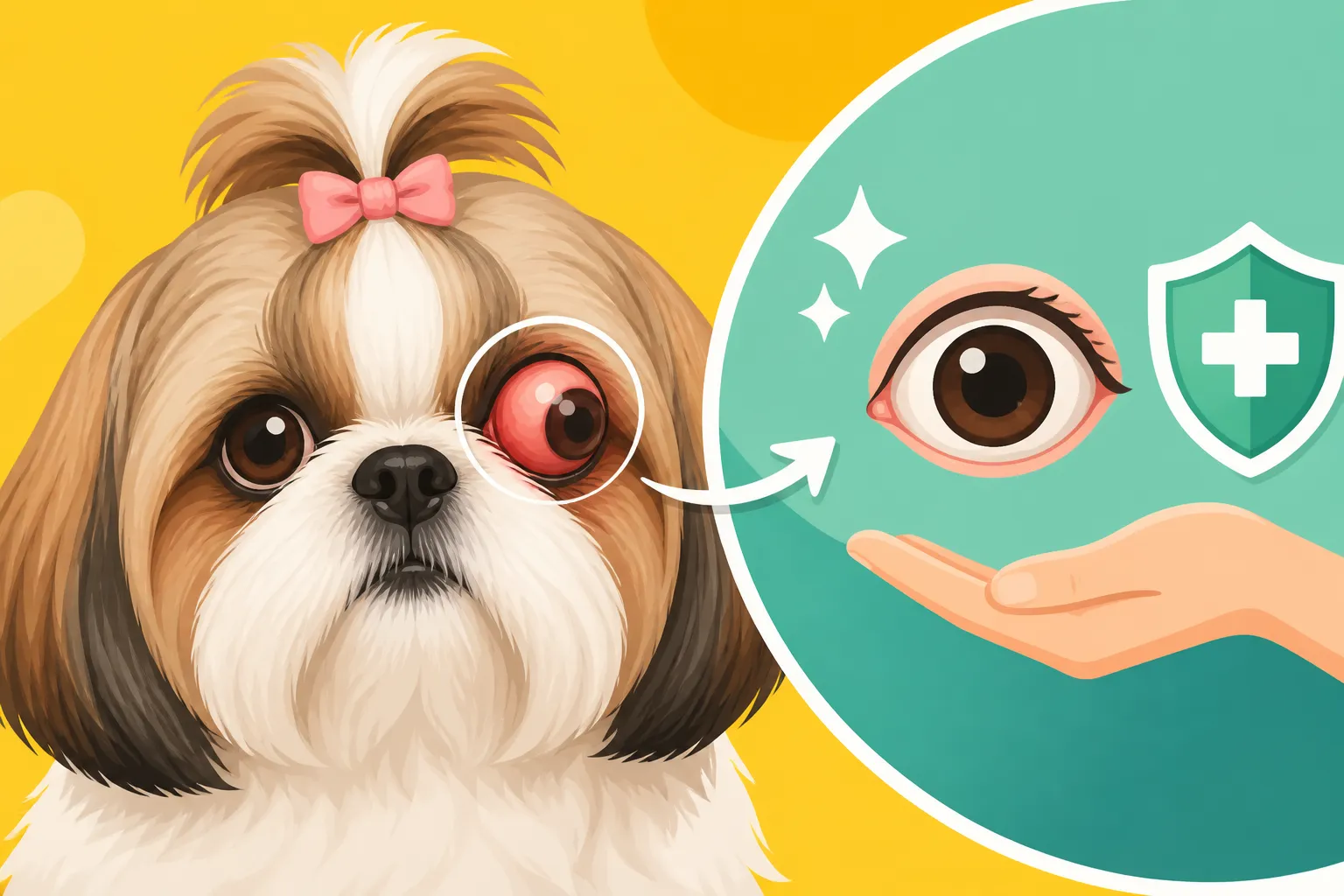
Whether a Proptosed Shih Tzu Eye Can Be Saved
When your beloved Shih Tzu's eye suddenly bulges out of its socket – a terrifying event known as proptosis – it's a moment of sheer panic and dread for any pet parent. The immediate thought is often, "Can this be fixed? Will my dog lose their sight, or even their eye?" This guide will meticulously walk you through what happens during a Shih Tzu eye proptosis, the critical factors that determine if the eye can be saved, the crucial first aid you can provide, and what to expect from veterinary care, giving you a clearer picture of this distressing emergency.
Understanding Shih Tzu Eye Proptosis
Shih Tzus, with their characteristic flat faces and prominent, endearing eyes, are unfortunately predisposed to a condition called eye proptosis. This isn't just an eye irritation; it's a full-blown emergency where the eyeball literally pops out of its socket. The sight can be horrifying: the eye appears to be hanging out, often accompanied by significant swelling and sometimes even bleeding. It's a shocking situation, and understanding Shih Tzu Eye Proptosis and How It Happens is the first step to knowing how to react.
The unique skull structure of a Shih Tzu plays a significant role here. Their shallow eye sockets and naturally large, protruding eyes mean there’s very little bone to hold the eyeball securely in place. Any sudden pressure, whether from rough play, a tight collar, or even an accidental fall, can cause the eye to be pushed forward and out of the orbit. It sounds extreme, but it's a very real danger these little dogs face. The muscles and tissues around the eye are stretched and often damaged during the event, and the optic nerve, which connects the eye to the brain, is under immense strain. This initial trauma is what kicks off a race against time to save the eye.
Critical Factors Influencing Eye Salvage
The immediate aftermath of a proptosis is a whirlwind of fear and urgency, but several key factors will profoundly influence whether your Shih Tzu's eye can actually be saved. It’s not a simple yes or no answer; rather, it's a complex interplay of circumstances and swift action.
The Race Against Time: Prompt Action is Key
Let me be absolutely clear: time is the single most critical factor when it comes to saving a proptosed eye. Every minute that passes increases the risk of irreversible damage. Once the eye proptoses, it's exposed to the air, which can quickly dry out the cornea, leading to conditions like Shih Tzu Corneal Ulcers and Dry Eye. The blood supply to the eye also becomes compromised as the muscles and optic nerve are stretched and compressed. The longer this compression lasts, the greater the chance of permanent vision loss or death of the eye tissue. Think of it like a limb losing blood supply – the faster it's restored, the better the outcome. This is why immediate action, even before reaching the vet, is paramount. There’s a direct correlation between how quickly you get to professional help and the likelihood of a successful outcome.
Severity of Trauma and Associated Damage
Not all proptosis events are equal. The degree of trauma involved can vary dramatically, and this directly impacts the eye's prognosis. Was it a gentle push that caused it, or did your Shih Tzu suffer a fall or a sudden impact? The type of force involved can lead to different levels of damage to the surrounding tissues, eyelids, and most critically, the optic nerve. If the eye has been severely scraped or punctured, or if the muscles that move the eye have been torn, the chances of saving the eye and its vision diminish significantly. Visible signs like lacerations to the eyelids or obvious damage to the cornea are serious red flags. Sometimes, the trauma is so severe that it also affects the bone structure around the eye, making repositioning difficult or even impossible.
Condition of the Eye Upon Presentation
When you arrive at the emergency vet, the condition of your Shih Tzu's eye will be meticulously assessed. This evaluation is crucial for determining the best course of action and managing expectations about prognosis. Veterinarians will look for several indicators:
- Corneal Integrity: Is the cornea (the clear front surface of the eye) intact, or is it dry, cloudy, or ulcerated? A severely damaged or dried-out cornea is much harder to save.
- Pupil Response: Does the pupil react to light? This is a vital indicator of optic nerve function. If the pupil is fixed and dilated, it suggests severe optic nerve damage, which usually means permanent blindness in that eye.
- Extraocular Muscle Damage: These are the muscles that move the eyeball. If they're torn or severely damaged, even if the eye is replaced, its movement and alignment may be permanently affected.
- Bleeding and Swelling: Extensive bleeding or severe swelling around the eye can indicate more profound trauma and can make repositioning more challenging and increase post-operative complications.
- Presence of a Hyphema: This is blood inside the eye, which can indicate internal damage and can also impair vision.
A proptosed eye that is still shiny, moist, has a responsive pupil, and minimal visible damage has a much better chance of being saved than one that is dry, cloudy, unresponsive, or extensively damaged. This initial assessment helps the veterinary team understand What a Shih Tzu Eye Can Leave the Socket with in terms of salvageability.
Immediate First Aid and Emergency Veterinary Care
When your Shih Tzu's eye proptoses, every second truly counts. The actions you take in those first few minutes, and how quickly you get to a vet, can make all the difference between saving the eye, saving the eye without vision, or needing surgical removal.
What You Must Do in the First Minutes
The moment you realize your Shih Tzu's eye has proptosed, it's natural to panic. Take a deep breath. Your calm demeanor will help your dog, who is undoubtedly in pain and distressed. Your immediate goal is to protect the exposed eye and get to the nearest emergency veterinary clinic. This is covered in detail in What to Do in the First Minutes of a Proptosis.
- Stay Calm and Secure Your Dog: Your dog will be scared and in pain. Try to keep them as still and calm as possible. Avoid letting them rub or scratch at their eye, as this can cause further damage. If necessary, have someone gently but firmly Restraining a Shih Tzu Without Popping an Eye while you tend to the eye.
- Keep the Eye Moist: This is absolutely critical. The exposed cornea will dry out very quickly, leading to irreparable damage. Gently apply a sterile saline solution (like contact lens solution or even plain bottled water if nothing else is available) to keep the eye wet. Then, cover the eye with a clean, moist cloth or gauze pad that has been soaked in saline or water. Do not use cotton balls, as fibers can stick to the eye.
- Do NOT Attempt to Push the Eye Back In: This is a common, understandable instinct, but it can do more harm than good. You could damage the delicate tissues, scratch the cornea, or cause further trauma to the optic nerve. Leave this to the professionals.
- Seek Immediate Veterinary Care: This is a non-negotiable emergency. Call your vet or the nearest emergency animal hospital while you are on your way. Let them know you're coming and describe the situation so they can prepare for your arrival. Don't stop for anything else; just go.
Emergency Room Procedures
Once you arrive at the emergency clinic, the veterinary team will swing into action. They will perform a quick initial assessment to stabilize your Shih Tzu and determine the eye's viability. This might involve:
- Pain Management: Your dog will be in considerable pain, so pain relief will be administered promptly.
- Sedation: To allow for a thorough examination and to prevent your dog from moving or scratching the eye, mild sedation is often necessary.
- Thorough Eye Examination: The vet will examine the eye's condition, checking for corneal integrity, pupil response, and any other visible damage, as discussed earlier. They might also check your dog's vital signs and overall health.
- Moisturizing and Protecting: The veterinary team will continue to keep the eye thoroughly lubricated, often using sterile ophthalmic lubricants or gels and covering it to prevent further drying.
Based on their assessment, the vet will discuss the prognosis and the best course of action, which almost always involves surgery to reposition the eye. This conversation can be difficult, as the outcome is never guaranteed, but your prompt arrival gives your Shih Tzu the best possible chance.
Surgical Intervention and Post-Operative Management
The goal of veterinary care for a proptosed eye is to reposition it back into the socket safely and effectively. This delicate procedure, often followed by extensive post-operative care, is crucial for preserving the eye and, hopefully, vision.
The Surgical Procedure to Replace the Eye
Once your Shih Tzu is stabilized and sedated, the veterinary team will prepare for surgery. This procedure is typically performed under general anesthesia to ensure your dog is comfortable and still. The steps generally involve:
- Cleaning and Lubrication: The exposed eye and surrounding area will be meticulously cleaned with a sterile solution. The eye itself will be generously lubricated to reduce friction during repositioning.
- Repositioning the Eyeball: The vet will gently, but firmly, manipulate the eyelids to stretch them over the globe, guiding the eyeball back into its socket. This often requires careful pressure and manipulation to overcome the swelling and muscle spasm. Sometimes, a special technique might be used to gently pry the eyelids open and allow the eye to slip back.
- Temporary Tarsorrhaphy: This is a critical step for successful healing. Once the eye is back in place, the eyelids are temporarily stitched together, either partially or completely, to hold the eye in its socket. This protective measure also helps reduce swelling, prevents the eye from proptosing again, and keeps it moist as it heals. These stitches typically remain in place for 10-14 days. The vet will leave a small opening, if possible, to allow for medication application and limited vision, but sometimes the eyelids are fully closed.
It's important to understand that while the surgery aims to save the eye, preserving vision is not always possible, especially if the optic nerve has been significantly damaged. The vet will discuss these possibilities with you transparently.
Medication and Home Care After Surgery
After the surgery, your Shih Tzu will require diligent home care to facilitate healing and prevent complications. This phase is just as critical as the surgery itself.
- Medication Regimen: You'll likely be sent home with a cocktail of medications, which will typically include:
- Antibiotics: To prevent infection, given orally and/or topically (drops or ointment applied to the eye, often through the small opening in the tarsorrhaphy).
- Anti-inflammatories/Pain Relievers: To manage pain and reduce swelling.
- Topical Lubricants: Even with the eyelids partially sewn shut, keeping the exposed parts of the eye moist is important.
- E-Collar (Cone of Shame): This is non-negotiable. Your dog must wear an Elizabethan collar at all times to prevent them from rubbing, scratching, or pawing at the surgical site. One slip can undo all the vet's hard work.
- Rest and Quiet: Limit your Shih Tzu's activity. No jumping, running, or rough play. Keep them in a quiet, confined space where they can rest comfortably. Consider a ramp to help them on and off furniture to protect their back and neck.
- Follow-Up Appointments: Strict adherence to your vet's schedule for follow-up visits is essential. The vet will need to monitor healing, remove stitches, and re-evaluate the eye's condition.
This post-operative period is often challenging, requiring patience and dedication. However, it significantly impacts the overall success of the procedure.
Potential Complications and Follow-Up
Even with successful repositioning, several complications can arise, which can impact the long-term prognosis for the eye and its vision.
- Re-proptosis: Though rare with a tarsorrhaphy in place, it's a risk if the stitches fail or are removed too soon.
- Corneal Ulcers and Scarring: Even with the best care, the initial exposure and trauma can lead to Shih Tzu Corneal Ulcers From a Shallow Socket or scarring, which can impair vision.
- Infection: Despite antibiotics, infections can occur, requiring further treatment.
- Keratoconjunctivitis Sicca (Dry Eye): The trauma can damage tear-producing glands, leading to chronic dry eye, which will require lifelong artificial tear drops.
- Glaucoma: Increased pressure within the eye can develop as a long-term complication, potentially leading to blindness.
- Permanent Blindness: As mentioned, optic nerve damage can lead to irreversible vision loss in the affected eye, even if the eye itself is saved.
- Strabismus (Misalignment): If the extraocular muscles were severely damaged, the eye might not sit perfectly straight or move normally.
- Eye Removal (Enucleation): In severe cases, or if complications make saving the eye impossible or too painful, the vet might recommend enucleation. While heartbreaking, this procedure relieves pain and prevents further issues.
Your vet will schedule follow-up appointments to monitor for these complications. Be prepared for regular check-ups, especially in the first few months after surgery.
Prognosis and Long-Term Outlook
So, can a proptosed Shih Tzu eye be saved? The answer is nuanced, but with prompt and appropriate care, yes, often the eye can be saved – meaning it remains in the socket and appears externally normal. However, "saved" doesn't always equate to "saved with vision."
When is the Eye Truly Saved?
An eye is considered successfully saved when it has been repositioned back into the socket, heals without severe complications, and remains viable. This means it doesn't need to be surgically removed, and the surrounding tissues heal well. For many Shih Tzus, the eye can be aesthetically salvaged, meaning it looks normal or near-normal, which is a huge relief for owners.
However, the preservation of vision is a separate, more challenging outcome. The prognosis for retaining vision is generally guarded and depends heavily on the factors we discussed earlier: how quickly the eye was repositioned, the extent of optic nerve damage, and the overall trauma. If the pupil was non-responsive to light upon presentation, the chances of restoring vision are very low. Even if some vision returns, it might not be 100%. Some dogs may have reduced peripheral vision, impaired depth perception, or develop chronic Cataracts Behind a Shih Tzu's Bulging Eye later on.
Managing a Compromised Eye
For Shih Tzus whose eyes are saved but with compromised vision or chronic issues like dry eye or glaucoma, lifelong management will be necessary. This might involve:
- Daily Eye Drops: For dry eye, lubricating drops will become a permanent part of your routine. For glaucoma, specific medications to lower intraocular pressure will be needed.
- Regular Ophthalmic Check-ups: Your vet might recommend routine visits to an ophthalmologist to monitor the eye's health, pressure, and vision, especially for the first year.
- Environmental Adjustments: If your Shih Tzu has partial or full vision loss in one eye, you might need to adjust your home environment to prevent bumps and falls. Keep pathways clear and avoid moving furniture frequently.
- Protective Measures: For dogs prone to recurrent proptosis, a comfortable, well-fitting harness should always be used instead of a collar to prevent pressure on the neck and head. Avoiding rough play that involves head manipulation is also crucial. This is why a proper fitting harness is better than a collar when leash walking.
Understanding the Costs Involved
Dealing with a proptosed eye is not only emotionally taxing but can also be financially demanding. Shih Tzu Surgery Costs From the Mouth to the Eye can run into thousands of dollars, especially for emergency care and specialized surgical procedures.
- Emergency Vet Visit: The initial emergency consultation, pain relief, and stabilization can easily be several hundred dollars.
- Surgery: The surgical procedure itself, including anesthesia, materials, and the vet's time, can range from $1,500 to $4,000 or more, depending on your location and the complexity of the case.
- Post-Operative Care: Medications, follow-up visits, and potential specialist consultations will add several hundred more.
- Long-Term Management: If your Shih Tzu develops chronic conditions like dry eye or glaucoma, the cost of lifelong medication and regular check-ups can accumulate.
This is where pet insurance can be an absolute lifesaver. Companies like Healthy Paws offer comprehensive plans that can cover a significant portion of emergency and surgical costs, alleviating the financial burden during an incredibly stressful time. However, it's vital to enroll your Shih Tzu in insurance before any incident occurs, as eye conditions are often considered pre-existing if diagnosed before coverage begins, as detailed in Eye Conditions as Pre-Existing on a Shih Tzu Policy. Understanding your policy's specifics, including your deductible and reimbursement percentage, is crucial. Even without insurance, it’s worth asking your vet about payment plans or veterinary credit options like CareCredit. While the costs are substantial, knowing that options like Healthy Paws can help cover unexpected events offers immense peace of mind. Getting a handle on Shih Tzu Insurance Premiums Month by Month early can save you a lot of stress if an emergency arises.
In conclusion, while a proptosed Shih Tzu eye is a terrifying emergency, the eye can often be saved with immediate, calm action and expert veterinary care. The key is speed, careful handling, and diligent post-operative management. While vision might not always be fully restored, saving the eye from removal is a very achievable goal.
Disclaimer
This article is intended for informational purposes only and does not constitute medical advice. If your Shih Tzu experiences eye proptosis or any other medical emergency, seek immediate veterinary attention from a qualified professional. Do not attempt to self-diagnose or treat serious conditions at home.