How a Groomer Should Hold a Shih Tzu’s Head
Bringing your beloved Shih Tzu to the groomer can sometimes feel like a high-stakes operation. You worry about their delicate features, especially their precious eyes and that famously squishy face, all while they're being handled, brushed, and trimmed. It's a very real concern for many Shih Tzu parents because improper handling, particularly around their head, can lead to discomfort, anxiety, or even serious injury. This comprehensive guide will walk you through the essential techniques and considerations for how a groomer should safely and gently hold a Shih Tzu's head, ensuring their comfort and well-being throughout their pampering session.
Why a Shih Tzu's Head Demands Such Careful Handling
Shih Tzus are undeniably adorable, but their unique physical characteristics, while charming, also make them incredibly vulnerable, especially around their head and neck. It’s not just about keeping their beautiful hair out of their eyes; it's about protecting vital, delicate structures.
The Vulnerable Brachycephalic Features
The most striking feature of a Shih Tzu is, of course, their adorable flat face. This "brachycephalic" skull shape is what gives them their distinctive look, but it comes with a trade-off: a host of potential vulnerabilities that a good groomer must always keep in mind.
First and foremost are those beautiful, often large, and somewhat protruding eyes. Unlike breeds with deeper eye sockets, a Shih Tzu's eyes are more exposed. This means they are highly susceptible to scratches, pokes, and even more severe issues like Shih Tzu Eye Proptosis, the Emergency Owners Miss. Imagine accidentally bumping your own eye; now picture that happening to a dog whose eyes are already pushed forward. A groomer needs to be incredibly mindful, using their free hand as a shield or a gentle barrier, especially when trimming hair around the face or using tools. Even light pressure applied incorrectly near the eye can cause trauma, and if your Shih Tzu struggles, the risk increases exponentially. You might be interested to know Why a Shih Tzu Eye Can Leave the Socket and how crucial gentle handling is to prevent it.
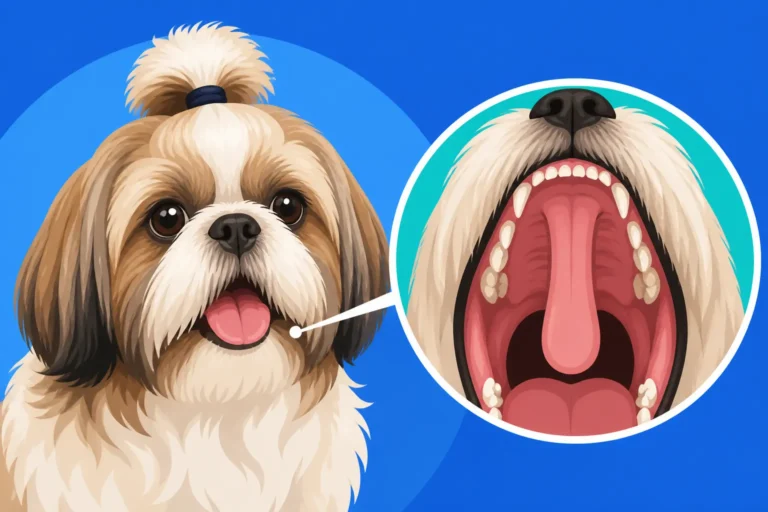
Then there's the short snout and often crowded mouth. Their flat face means they have less space for their teeth, which can lead to Shih Tzu Dental Disease at 13 Percent of the Breed if not properly cared for. When a groomer is cleaning or examining the face, they need to be careful not to put undue pressure on the nose or jaw. A Shih Tzu's breathing can also be impacted by their brachycephalic structure; think about Brachycephalic Breathing in a Shih Tzu and how a groomer's hold shouldn't further restrict it. An uncomfortable grip around the snout can make breathing even harder, causing stress and potentially exacerbating any existing respiratory issues.
Delicate Trachea and Neck Structure
Beyond the facial features, a Shih Tzu’s neck is also quite delicate. Their compact size and breeding history mean they often have a somewhat fragile trachea, or windpipe. This makes them prone to a condition called tracheal collapse, where the rings of cartilage in the windpipe weaken and flatten.
Any sudden jerk, pull, or constrictive pressure on the neck can aggravate this condition or even trigger an episode. This is why you'll often hear advice about using a harness instead of a collar for walks, and it applies just as much to the grooming table. A groomer should never use a grooming loop or any restraint in a way that puts direct, harsh pressure on the neck. Instead, the focus should be on gentle support and stability, ensuring the head is held securely but without any strain on the throat. A Shih Tzu struggling against a tight neck restraint can quickly become distressed, and serious injury can occur. It’s a concern that demands a nuanced approach, far beyond what might be acceptable for a sturdier, long-nosed breed.
Essential Techniques for a Groomer to Secure a Shih Tzu's Head Safely
The difference between a good groomer and a truly exceptional one often lies in their understanding and application of gentle, yet firm, handling techniques for sensitive breeds like the Shih Tzu. It's a learned skill, honed with practice and a deep respect for the dog's anatomy and temperament.
The Art of Gentle, Supportive Hand Placement
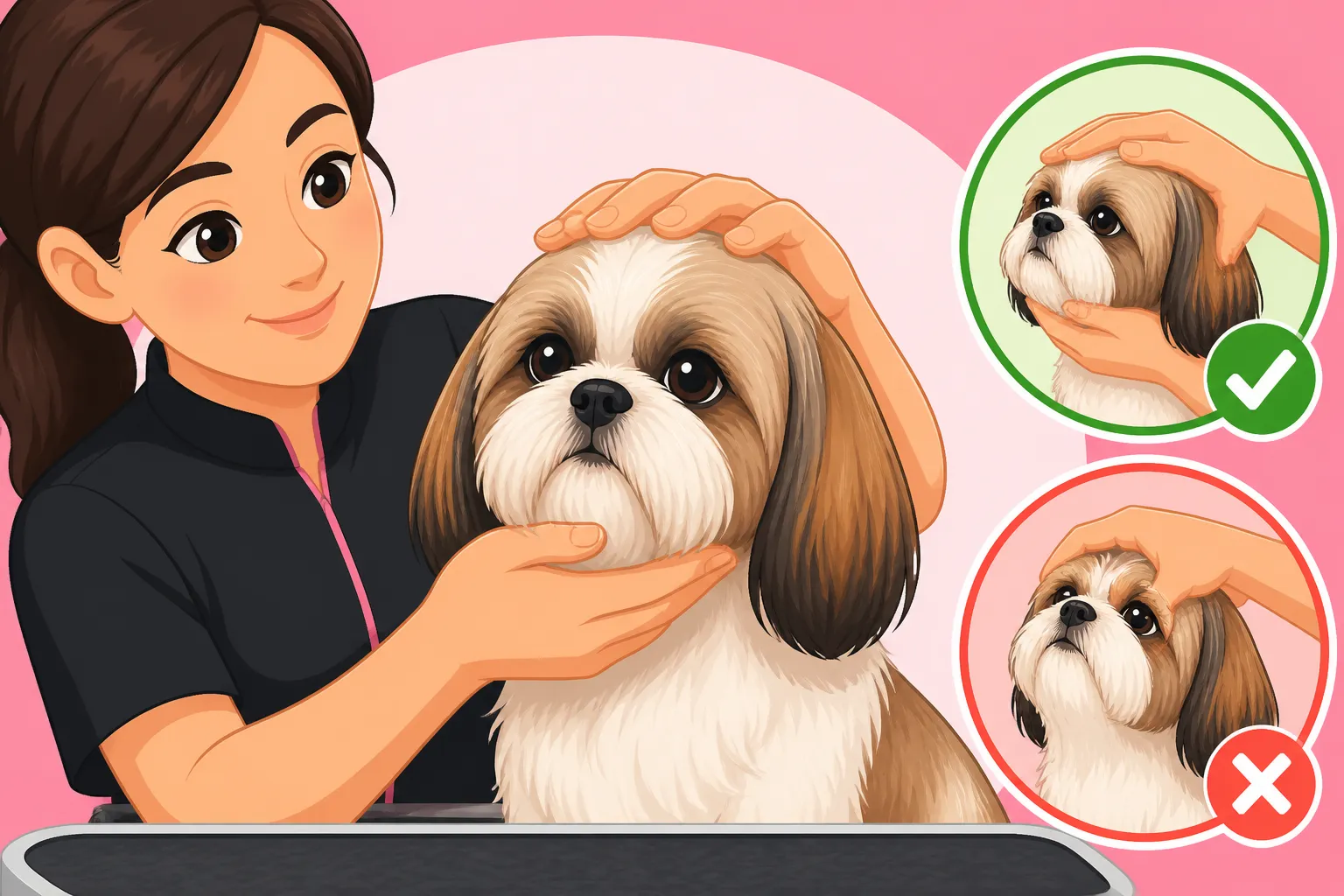
When a groomer needs to stabilize a Shih Tzu's head for brushing, clipping, or trimming, their hand placement is paramount. It’s not about squeezing or forcing the dog into position, but rather about providing a secure, comforting cradle that allows for precise work.
Ideally, a groomer should use an open, cupping hand to support the Shih Tzu's jaw and skull. This means their fingers might gently rest along the sides of the dog's face, with their palm supporting the underside of the jaw, or perhaps even cupping the back of the skull while fingers provide stability along the cheeks. The goal is to distribute pressure evenly and avoid any single pressure point that could cause discomfort or injury. Think of it like gently holding a very fragile, precious ornament – you wouldn't pinch it, but you'd support it from multiple angles.
This supportive grip prevents the dog from suddenly jerking their head, which is crucial when sharp scissors or clippers are near. It also reassures the dog, making them feel secure rather than trapped. A skilled groomer can achieve this without ever needing to apply excessive force. They know that a calm, stable dog is a safe dog on the grooming table, and building that trust starts with gentle physical contact. If a Shih Tzu feels threatened or uncomfortable, they're more likely to struggle, increasing the risk for both the dog and the groomer. This technique is part of overall strategies for Restraining a Shih Tzu Without Popping an Eye.
Shielding the Eyes from Accidental Injury
Protecting a Shih Tzu's prominent eyes is arguably the most critical aspect of head handling during grooming. A single misstep can lead to serious consequences, from a corneal scratch to the aforementioned proptosis.
A responsible groomer will always use their non-working hand as a physical barrier to shield the eyes when trimming hair from the forehead, around the eyes, or on the bridge of the nose. This often involves placing their thumb and forefinger on either side of the eye, gently holding the skin taut while simultaneously acting as a guard against scissors or clippers. They should also be meticulous about trimming hair that naturally grows long around the eyes, ensuring it doesn't poke or irritate the cornea. This is vital to prevent issues like Shih Tzu Corneal Ulcers and Dry Eye. Regular maintenance of this area, often referred to as Trimming Face Hair Away From Shih Tzu Eyes, is a key part of responsible Shih Tzu care.
When cleaning tear stains or wiping the face, the groomer should use soft, damp cloths or specialized wipes, always stroking away from the eye itself. They need to be incredibly careful not to get any products directly into the eye or to rub too vigorously. Any sign of irritation should be noted immediately. Even a dog insurance plan like Healthy Paws, while excellent for unexpected illnesses and accidents, can't prevent the discomfort and potential long-term damage from improper eye care during grooming. Preventing these issues outright is always the best approach.
Managing the Muzzle and Oral Area with Care
The Shih Tzu's unique muzzle, with its undershot jaw and often fluffy beard, requires specific attention. Groomers frequently need to trim around the muzzle, clean the beard, and sometimes even perform a quick dental check if appropriate.
When trimming the beard or around the mouth, the groomer must be aware of the dog's tongue and teeth. They should gently hold the muzzle, ensuring the dog cannot suddenly nip or move in a way that would put their tongue in the path of clippers or scissors. For example, when using clippers on the chin or underneath the jaw, the groomer might gently hold the lips closed or support the muzzle from below. They should also be mindful of the delicate nasal folds many Shih Tzus possess, ensuring they are clean and free from irritation.
Cleaning the beard after a dog has eaten is also part of general care, and a good groomer might offer to do this. They should gently part the hair and use a damp cloth, making sure no food debris or moisture is left to cause skin irritation or matting. This meticulous attention to detail around the muzzle contributes not only to the dog's appearance but also to their hygiene and comfort. Remember, Why a Shih Tzu Mouth Cannot Hold Forty-Two Teeth means their dental health is already a concern, so keeping the area clean is crucial.
Tools and Environmental Factors for a Stress-Free Grooming Experience
Beyond just hands-on technique, a groomer's choice of tools and their ability to create a calm, safe environment significantly impact a Shih Tzu's comfort and well-being during a grooming session. It's about more than just the cut; it's about the entire experience.
The Right Equipment for Stability and Comfort
A professional grooming setup includes several pieces of equipment designed to enhance safety and efficiency, especially for breeds like the Shih Tzu.
- Grooming Tables: These are typically elevated and have non-slip surfaces. A stable table prevents the dog from sliding or falling, which can be particularly dangerous for a small breed with delicate joints and backs. Some tables even rotate, allowing the groomer to work around the dog without repositioning them constantly, reducing stress.
- Grooming Loops and Belly Bands: These are essential for keeping a dog safely on the table. However, for a Shih Tzu, the type and application of the grooming loop are critical. A loop should be snug enough to prevent the dog from jumping off, but never tight around the neck. A groomer should ideally use a loop that goes under the dog's chest and around the neck, or even better, a belly band in conjunction with a very loose neck loop. This prevents any pressure on the trachea. A simple, tight neck loop is a huge red flag for a Shih Tzu. This is especially important for breeds prone to Anesthesia on a Flat-Faced Shih Tzu issues, as improper restraint can mimic respiratory distress.
- Proper Lighting: Good lighting allows the groomer to see clearly, making precise cuts and avoiding accidental nicks. This is particularly important around the eyes and face where hair can be fine and challenging to distinguish from skin.
- Gentle Dryers: Forced-air dryers are common in grooming salons, but the air pressure and heat must be carefully controlled for a Shih Tzu. Their brachycephalic nature makes them prone to overheating, and excessive air directly on their face can be distressing and even harmful to their eyes. A groomer should use a low-heat, low-force setting and ensure the dog is comfortable, taking breaks if necessary.
Creating a Calm Atmosphere to Minimize Struggle
A grooming salon can be a chaotic place with buzzing clippers, whirring dryers, and barking dogs. A truly skilled groomer understands the importance of mitigating these stressors for sensitive dogs like the Shih Tzu.
- Quiet Areas: Some groomers will have a designated quiet area for smaller, more nervous dogs, or schedule appointments during less busy times. This reduces sensory overload and helps the Shih Tzu remain calmer.
- Soothing Sounds and Scents: While not every salon can achieve a spa-like atmosphere, some groomers use calming music or even mild, pet-safe aromatherapy to create a more relaxed environment.
- Breaks and Positive Reinforcement: Long grooming sessions can be exhausting. A good groomer will recognize when a Shih Tzu needs a break – a moment to stand, stretch, or even just receive some gentle reassurance. Positive reinforcement, like small, soft treats (if allowed and if the dog isn't food-aggressive), and calm praise, goes a long way in making the experience more pleasant. Building a positive association with grooming makes future visits easier and less stressful for everyone involved.
- One-on-One Attention: For Shih Tzus, especially those who are particularly anxious or have special needs, a groomer who can offer dedicated one-on-one time without rushing can make all the difference. This allows for a more personalized approach, catering to the dog's individual temperament and pace.
Partnering with Your Groomer for Your Shih Tzu's Well-being
Finding the right groomer for your Shih Tzu is about more than just their ability to wield scissors; it's about finding a partner who understands and respects the unique needs of your dog. This collaboration is key to ensuring your Shih Tzu has a safe, comfortable, and positive grooming experience every time.
Open Communication About Your Shih Tzu's Specific Needs
As a Shih Tzu owner, you are your dog's best advocate. Don't be shy about communicating your concerns and your dog's specific needs to your groomer.
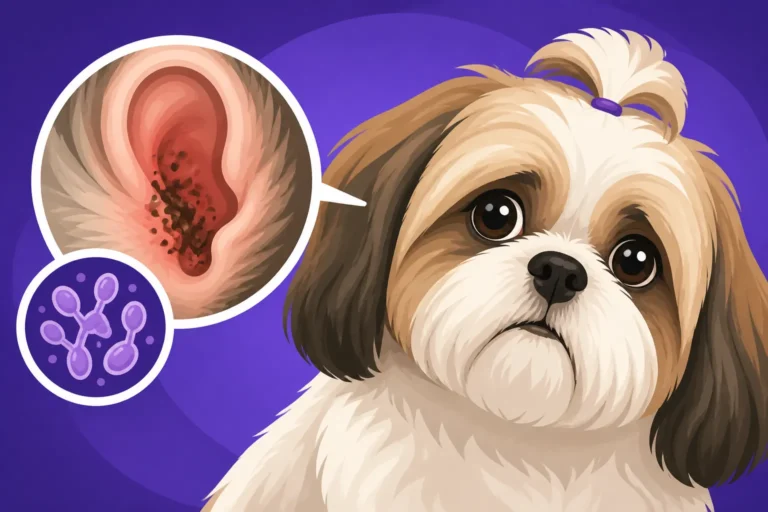
- Be Specific About Health Concerns: Does your Shih Tzu have a history of Shih Tzu Eye Proptosis, the Emergency Owners Miss? Do they show signs of Shih Tzu Ear Infections Under Heavy Ear Leather? Is their breathing sometimes labored? Share these details upfront. A responsible groomer will appreciate knowing this information so they can adjust their techniques accordingly. You might mention that you’ve looked into pet insurance like Healthy Paws for potential issues, underscoring your proactive approach to their health.
- Discuss Temperament: Is your Shih Tzu prone to anxiety? Do they get nippy around their face? Are they generally calm on the table or do they tend to wiggle a lot? This helps the groomer anticipate behavior and adapt their handling to keep both themselves and your dog safe.
- Share Past Experiences: If your Shih Tzu has had a bad grooming experience in the past, let the new groomer know. This allows them to approach sensitive areas with extra caution and try to rebuild a positive association.
- Ask About Their Techniques: It's perfectly acceptable to ask a groomer about their approach to handling brachycephalic breeds, especially concerning head and eye protection. A confident and experienced groomer will be happy to explain their methods.
Recognizing the Signs of a Knowledgeable and Compassionate Groomer
When you're looking for a groomer, or evaluating your current one, pay attention to these indicators:
- Observation and Questions: A good groomer will take time to observe your Shih Tzu before they even get on the table. They might ask questions about their health, temperament, and past grooming experiences. This shows they are assessing the dog as an individual.
- Gentle Approach: Watch how they initially interact with your dog. Do they use calm, soothing tones? Do their movements seem deliberate and gentle, rather than rushed or forceful?
- Attention to Detail: Are they meticulous about trimming around the eyes, cleaning tear stains, and ensuring no hair pokes into the eyes? Do they take care when cleaning the ears and paws?
- Openness to Feedback: A professional groomer should be open to your feedback and concerns. If you mention something, they should listen and offer explanations or adjust their approach. They shouldn't be defensive or dismissive.
- Clean and Safe Environment: The salon itself should be clean and well-maintained. The grooming tables should be stable, and restraint equipment used appropriately. A chaotic or unsanitary environment can increase stress and health risks.
- Recommendations: Don't hesitate to ask other Shih Tzu owners for recommendations. Word-of-mouth from satisfied clients is often the best indicator of a skilled and caring groomer.
Ultimately, ensuring your Shih Tzu's head is handled correctly during grooming is a critical part of their overall care. It prevents discomfort, reduces stress, and most importantly, safeguards their delicate features from injury. By understanding the unique vulnerabilities of your Shih Tzu and partnering with a groomer who shares your commitment to their well-being, you can ensure their grooming sessions are always a positive experience. Remember, even with pet insurance like Healthy Paws, preventing incidents is always better than dealing with the aftermath of an injury that could lead to something like Shih Tzu Proptosis Emergency Surgery Cost.
Disclaimer
This article is intended for informational purposes only and does not constitute professional veterinary or grooming advice. Always consult with a qualified veterinarian or professional groomer for any specific health or care concerns regarding your Shih Tzu.