Shih Tzu Dental Disease at 13 Percent of the Breed
It's truly heartbreaking to learn that a staggering 13% of Shih Tzus are diagnosed with dental disease by the age of three, and the numbers only climb higher with each passing year. This isn't just about bad breath; it's a silent epidemic that causes chronic pain, leads to serious systemic health issues, and often goes unnoticed until it's too advanced. This comprehensive guide will peel back the layers of Shih Tzu dental disease, explaining why it's so common in our beloved companions and, more importantly, what we can do to protect their precious smiles and overall well-being.
The Alarming Reality of Shih Tzu Dental Disease
When we talk about 13% of Shih Tzus suffering from dental disease, it's easy for that number to just sound like another statistic. But for us Shih Tzu parents, it represents our tiny, beloved companions enduring discomfort, pain, and a silent threat to their overall health. This isn't just a cosmetic issue; it's a serious medical condition that demands our attention, understanding, and proactive care. Many owners are shocked when their vet reveals the extent of their dog's dental issues, often because the subtle signs are so easy to miss under that adorable, expressive face.
Why 13 Percent Isn't Just a Number
The figure of 13% by age three is alarming because it indicates how early this problem begins to manifest in the breed. Imagine a young child already needing extensive dental work – it's a similar gravity. For Shih Tzus, their unique brachycephalic (flat-faced) anatomy, which we adore, creates a perfect storm for dental problems. Their tiny mouths simply aren't designed to comfortably hold all 42 adult teeth, leading to severe overcrowding and misalignment. This anatomical predisposition means dental disease isn't just a risk; it's almost an inevitability without dedicated preventative measures. The true incidence is likely even higher, as many dogs may have early-stage disease that hasn't yet been formally diagnosed.
This early onset means that by the time a Shih Tzu reaches middle age, say around five or six, the disease can be significantly advanced, often requiring multiple extractions or more complex procedures. The initial stages, where tartar starts to build and gums show a hint of redness, are often dismissed as normal "dog breath" or typical aging, allowing the problem to fester unseen. It's a critical reminder that dental health checks should be a standard part of every vet visit, starting from puppyhood, not just when a problem becomes overtly apparent.
The Silent Progression of Periodontal Disease
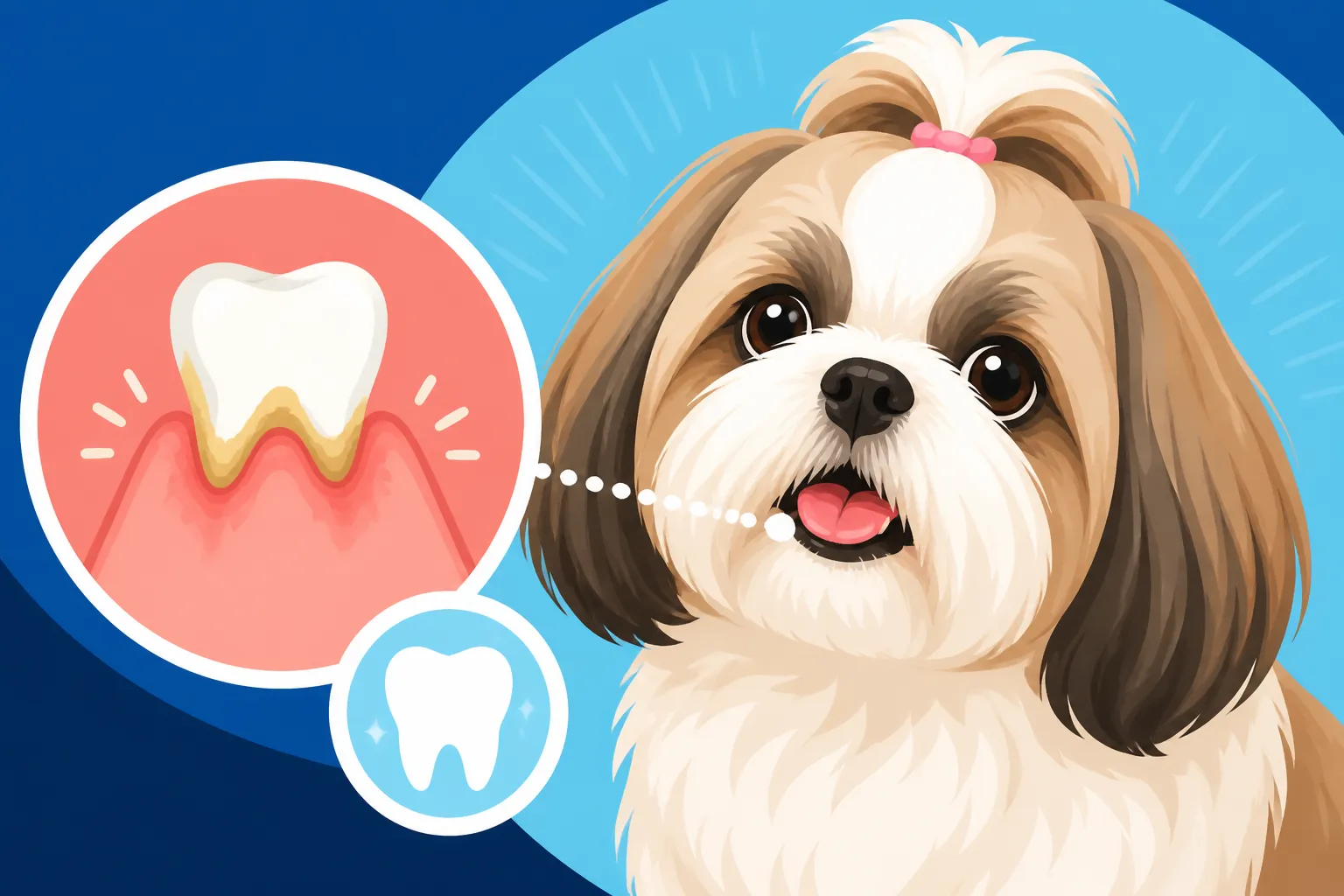
Periodontal disease in Shih Tzus, like in humans, is a progressive inflammatory condition affecting the tissues surrounding the teeth. It starts subtly with plaque, a sticky film of bacteria, accumulating on the tooth surface. If not removed, plaque hardens into tartar, which is visibly yellow or brown and adheres firmly to the teeth. This is where the real trouble begins. Tartar irritates the gums, leading to gingivitis – inflammation and redness of the gums, often accompanied by bleeding when brushed or chewed on. This stage is often reversible with professional cleaning and improved home care.
However, if gingivitis is left untreated, it progresses to periodontitis. The inflammation spreads deeper, destroying the bone and supporting structures around the teeth. Pockets form between the teeth and gums, filling with bacteria, food particles, and pus. This process is often hidden from view, occurring below the gum line. The destruction can lead to painful tooth loss, abscesses, and even jaw fractures. What's particularly insidious about this progression is that dogs are masters at hiding pain. Your Shih Tzu might be enduring significant oral discomfort, yet still happily eat their kibble, wag their tail, and cuddle on your lap, making it incredibly challenging for owners to detect the severity of the issue until it's quite advanced.
Unique Challenges of the Shih Tzu Mouth
Our Shih Tzus are undeniably adorable, and a huge part of their charm comes from their distinctive flat faces and sweet, sometimes squished, expressions. But this unique brachycephalic anatomy, while endearing, also comes with a host of specific health challenges, especially concerning their oral health. The very features that make them so appealing are precisely what predispose them to significant dental disease, making their care different from dogs with longer muzzles.
Shih Tzu Tooth Crowding in a Tiny Jaw
Imagine trying to fit 42 pieces of luggage into a carry-on bag – that's essentially what a Shih Tzu's mouth has to contend with. A fully grown Shih Tzu has the same number of adult teeth as a Labrador Retriever, yet they have a much shorter, more compact jaw. This disparity inevitably leads to severe Shih Tzu Tooth Crowding in a Tiny Jaw (/). When teeth are crowded, they become rotated, misaligned, and packed tightly together. This creates numerous nooks and crannies where food particles and bacteria can easily become trapped, making it incredibly difficult, if not impossible, for even the most diligent brushing to clean effectively.
The overlapping and malpositioned teeth also rub against each other abnormally, which can lead to premature wear or even chipping. More critically, the constant accumulation of plaque and tartar in these hard-to-reach areas rapidly escalates to gum inflammation and periodontal disease. It's a fundamental structural issue that means preventative care needs to be exceptionally thorough and consistent from a very young age. Simply put, their charming little smiles require extra vigilance to stay healthy.
The Undershot Jaw and Its Dental Implications
Another distinctive feature of the Shih Tzu is their undershot jaw, where the lower jaw protrudes slightly beyond the upper jaw. While this gives them their characteristic "Imperial" look, it further complicates their dental landscape. The undershot bite often prevents the upper and lower teeth from meeting in a normal chewing pattern. Instead of grinding food efficiently, their teeth might meet at awkward angles or not make contact at all, leading to uneven wear and inefficient self-cleaning.
This abnormal bite also contributes to increased plaque and tartar buildup on surfaces that aren't naturally scrubbed clean during eating. Food can get wedged in the gaps created by the misalignment, fermenting and fostering bacterial growth. Furthermore, the combination of a short muzzle and an undershot jaw means their lips might not fully cover all their teeth, especially the upper canines or incisors, leaving them exposed to the air. This can dry out the gums and dental surfaces, making them more susceptible to irritation and infection. Understanding this specific anatomical trait is crucial for owners to appreciate why their Shih Tzu is so prone to dental issues.
Retained Puppy Teeth in a Shih Tzu
One common developmental dental problem in Shih Tzus, directly related to their crowded jaws, is the issue of Retained Puppy Teeth in a Shih Tzu (/). Normally, when adult teeth erupt, they push out the corresponding puppy (deciduous) teeth. However, in Shih Tzus, due to the lack of space and sometimes an abnormal eruption path, the adult tooth might emerge without the puppy tooth falling out. This results in two teeth occupying the space meant for one, a condition known as persistent deciduous teeth.
These retained puppy teeth are problematic for several reasons. Firstly, they exacerbate the crowding issue, making it even harder to clean between the teeth. Secondly, they create additional crevices where food and bacteria can accumulate, significantly increasing the risk of early-onset periodontal disease. Thirdly, they can cause the adult teeth to erupt in abnormal positions, leading to further misalignment and bite problems. Vets usually recommend extracting any retained puppy teeth as soon as they are identified, ideally during the puppy's spay or neuter surgery, to prevent these long-term complications and give the adult teeth the best possible chance to sit correctly. This early intervention is a critical step in setting up your Shih Tzu for better dental health throughout their life.
Recognizing the Signs of Dental Trouble
One of the biggest challenges for Shih Tzu owners is recognizing the subtle signs of dental disease. Our dogs are incredibly resilient and often hide pain instinctively, a trait stemming from their wild ancestors where showing weakness could mean becoming prey. This means that by the time symptoms become obvious, the dental disease is often already quite advanced. Learning to look for key indicators, even minor ones, can make a huge difference in catching problems early and preventing further suffering.
Bad Breath That Goes Beyond "Dog Breath"
We've all heard the phrase "dog breath," and a certain level of natural odor from a dog's mouth is to be expected. However, if your Shih Tzu's breath is truly foul, pungent, or consistently smells like something rotten, it's a huge red flag. This isn't just normal dog breath; it's almost always a sign of bacterial overgrowth in the mouth, a direct result of plaque and tartar accumulation and the onset of periodontal disease. The bacteria release volatile sulfur compounds, which are responsible for that particularly offensive odor. This is often one of the first and most noticeable symptoms that owners detect, prompting them to look closer or seek veterinary advice.
It's a mistake to dismiss persistent bad breath as just a characteristic of having a dog. While your Shih Tzu's beard might contribute to a certain odor by holding moisture and food particles close to the mouth – a phenomenon often dubbed "Breath From a Shih Tzu Beard Against Its Teeth" – a truly offensive smell signals infection and decay. If you find yourself recoiling when your Shih Tzu yawns or gives you a kiss, it's time to schedule a vet check-up. Don't wait; severe halitosis is a symptom of an underlying problem that won't resolve on its own.
Changes in Eating Habits or Discomfort
While Shih Tzus are known for their hearty appetites, any noticeable change in how your dog approaches their food could indicate oral pain. This can be very subtle and easily missed initially. You might observe your Shih Tzu being more hesitant to eat hard kibble, preferring softer foods, or perhaps dropping kibble from their mouth more frequently. They might chew on one side of their mouth, tilting their head to avoid putting pressure on a sore area. Some dogs might approach their bowl eagerly, only to whine or back away after a few bites, or seem less enthusiastic about treats they once loved.
In more advanced cases, they might exhibit outright signs of pain when touching their mouth or face, becoming withdrawn, or even showing aggression when their head is approached. They might refuse to play with certain chew toys or lose interest in chewing altogether. Since dogs naturally try to hide discomfort, it's crucial to pay close attention to these subtle shifts. A decreased appetite or a sudden pickiness can also be a sign of dental discomfort, as chewing becomes painful. If your cheerful little eater suddenly seems reserved at meal times, dental pain should definitely be on your radar.
Visible Tartar, Red Gums, or Loose Teeth
A quick, regular visual inspection of your Shih Tzu's mouth can reveal many early signs of dental disease. Look for a buildup of yellow or brown material on the surface of their teeth, especially along the gum line – this is tartar. The accumulation of Tartar on Shih Tzu Teeth Before Age Three, as mentioned, is a particularly concerning sign given their predisposition. Healthy gums should be a pale pink color, firm, and snugly fit around the teeth. If you see redness, swelling, or bleeding gums when you gently touch them or when your dog chews, these are clear indicators of gingivitis.
As the disease progresses, you might notice "Gum Recession in a Shih Tzu" where the gums pull away from the tooth roots, exposing more of the tooth structure. This can lead to increased sensitivity and vulnerability to further infection. In severe cases, you might even see loose teeth, teeth that are obviously broken, or an abscess (a swollen, pus-filled lump) on the gums or below the eye. Sometimes, a draining tract might be visible, indicating a deep infection. If you observe any of these symptoms, don't delay – a visit to your veterinarian is immediately warranted. These are not signs that will resolve on their own; they require professional intervention.
Beyond the Mouth: Systemic Health Risks
It's a common misconception that dental disease is confined solely to the mouth. While it certainly wreaks havoc on oral health, the mouth is intricately connected to the rest of the body. The chronic infection and inflammation associated with periodontal disease create a gateway for bacteria to enter the bloodstream, traveling to vital organs and potentially causing far more serious systemic health issues for your beloved Shih Tzu.
How Dental Disease Weakens a Shih Tzu Jaw
One of the most devastating local consequences of advanced periodontal disease in Shih Tzus is the weakening of their jawbone. The bacteria thriving in deep periodontal pockets can progressively destroy the alveolar bone that supports the teeth. As the bone erodes, the teeth become loose, and in severe cases, the jawbone itself can become incredibly fragile. This is particularly concerning in small breeds like Shih Tzus, whose jawbones are already delicate. The disease can literally eat away at the bone, leaving thin, brittle sections.
This compromised jaw can lead to pathological fractures, meaning the jaw breaks not from a traumatic injury, but from normal activities like chewing, playing, or even a sneeze. This scenario is incredibly painful and requires extensive, often complicated, surgical intervention to repair. Understanding How Dental Disease Weakens a Shih Tzu Jaw, should be a powerful motivator for rigorous preventative care. The cost of such a repair, both financially and emotionally, far outweighs the cost of regular dental cleanings. Companies like Healthy Paws pet insurance can be a real lifesaver if your Shih Tzu ever faces such a severe dental complication, highlighting the importance of early coverage.
Connection to Organ Disease and Infections
The oral cavity is teeming with bacteria, and when periodontal disease is present, these bacteria have a direct route into your Shih Tzu's bloodstream. Every time they chew, these bacteria are "seeded" into their system. Once in the bloodstream, they can travel to and colonize various organs, leading to inflammation and infection in distant sites. The most commonly affected organs include the heart, kidneys, and liver. For instance, chronic bacteremia (bacteria in the blood) can contribute to the development or worsening of heart valve disease, a condition that can be particularly debilitating in senior dogs.
Kidney and liver infections can impair the function of these vital organs, leading to systemic illness that significantly impacts your Shih Tzu's quality of life and lifespan. The constant inflammatory response triggered by the dental infection also places a general strain on the immune system, making your dog more susceptible to other illnesses. This systemic link is why veterinarians emphasize that good oral hygiene is not just about fresh breath, but about comprehensive health. It's truly a whole-body issue that should never be underestimated.
Pain and Quality of Life Implications
Beyond the physical damage and potential organ complications, the most immediate impact of dental disease on your Shih Tzu is chronic pain. Imagine living with a constant toothache, sore gums, or an abscess – it would be debilitating. Our dogs feel this pain too, even if they don't cry out or explicitly show it. This ongoing discomfort can manifest in subtle behavioral changes: decreased energy levels, reluctance to play, irritability, or withdrawal. They might not jump on the sofa as readily, or they might flinch when you reach for their head.
The persistent pain and infection can severely diminish their overall quality of life. They might not enjoy eating as much, which can lead to weight loss or nutritional deficiencies. Their playful spirit might dim, and their usual affectionate nature could be impacted. Untreated dental disease is a significant welfare issue. Professional dental care, including pain management, not only treats the infection but also restores comfort and allows your Shih Tzu to return to their happy, vibrant self. Ensuring your pet can eat, play, and cuddle without pain is one of the most fundamental aspects of responsible pet ownership.
Preventative Care: Your First Line of Defense
When it comes to Shih Tzu dental health, an ounce of prevention is truly worth a pound of cure. Given their inherent predisposition to dental disease, waiting for problems to become apparent means you're already behind. Proactive, consistent preventative care at home, combined with regular veterinary check-ups, is the most effective strategy to keep their mouths healthy, prevent pain, and avoid costly advanced treatments down the road. This daily dedication can make all the difference.
Daily Toothbrushing in a Crowded Shih Tzu Jaw
This might sound like a daunting task, especially with a tiny, possibly squirmy Shih Tzu, but daily toothbrushing is the single most effective home care method for preventing plaque and tartar buildup. Just like us, dogs accumulate plaque daily, and mechanical removal is crucial. Getting a toothbrush into a Daily Toothbrushing in a Crowded Shih Tzu Jaw, takes patience and the right tools. You'll need a pet-specific toothbrush (often a finger brush or a small brush with an angled head) and enzymatic dog toothpaste – never use human toothpaste, as it can be toxic.
Start slowly, making it a positive experience with lots of praise and treats. Introduce the toothpaste first, letting them lick it off your finger. Then, introduce the brush, gently touching their teeth and gums for just a few seconds. Gradually increase the duration and coverage over days or weeks, aiming for at least two minutes to brush all surfaces, particularly the outside surfaces where plaque accumulates most rapidly. The goal is to disrupt the plaque before it hardens into tartar. Consistency is key; even if you can't manage every single day, regular brushing a few times a week is still far better than nothing at all.
Choosing Dental Chews and Toys Wisely
While brushing is paramount, certain dental chews and toys can offer supplementary benefits by helping to reduce plaque and tartar through mechanical action. However, it's crucial to choose wisely, as not all dental products are created equal, and some can even pose risks. Look for chews that are specifically designed for dental health and have the Veterinary Oral Health Council (VOHC) seal of acceptance, which indicates they meet certain standards for plaque and tartar control. These products often have unique textures or ingredients that help scrape away plaque or release enzymes to break it down.
Avoid extremely hard chews like antlers, bones, or nylon toys that can fracture teeth, especially in small breeds with delicate jaws. If you can't indent it with your thumbnail, it's probably too hard. Supervise your Shih Tzu with any chew to ensure they don't break off large pieces that could pose a choking hazard or cause digestive upset. Puzzle toys filled with soft treats can also encourage gentle chewing and provide mental stimulation. Remember, dental chews are an adjunct to brushing, not a replacement. And always factor in the extra calories from any chews or treats when calculating your Shih Tzu's daily intake to prevent obesity.
The Importance of Regular Veterinary Check-ups
Even with the most meticulous home care, regular veterinary check-ups are non-negotiable for maintaining your Shih Tzu's dental health. Your veterinarian can assess your dog's oral cavity more thoroughly than you can at home, identifying subtle signs of disease, such as gingivitis, loose teeth, or early signs of periodontal pockets, that might not be visible to the untrained eye. During these check-ups, they'll grade your Shih Tzu's dental health from 0 (healthy) to 4 (severe disease). These routine exams are also the perfect opportunity to discuss your home care routine, get advice on products, and determine if a professional dental cleaning is necessary.
Many vets recommend annual dental check-ups, and depending on your Shih Tzu's individual oral health status, they might suggest more frequent examinations or a professional cleaning schedule. Think of these visits as your proactive defense. They allow for early intervention, which can often be less invasive and less costly than treating advanced disease. Companies like Healthy Paws are fantastic for helping manage the unexpected costs of veterinary care, including those dental procedures that sometimes come up despite our best efforts, providing peace of mind to many pet parents.
Professional Dental Cleaning: When and What to Expect
Despite our best efforts with home care, most Shih Tzus will eventually require a professional dental cleaning under anesthesia. This is often a point of anxiety for owners, largely due to concerns about anesthesia. However, understanding the process, when it's recommended, and what happens during the procedure can help alleviate those fears and reinforce the importance of this vital component of oral health.
How Often a Shih Tzu Needs a Dental
There's no one-size-fits-all answer to How Often a Shih Tzu Needs a Dental, as it depends on individual factors like genetics, diet, home care, and the existing severity of dental disease. However, given their predisposition to severe crowding and rapid tartar buildup, many Shih Tzus will require their first professional cleaning between the ages of two and four years old. After the initial cleaning, some dogs may need annual cleanings, while others with excellent home care might go two or three years between procedures. Your veterinarian will assess your Shih Tzu's oral health at each annual check-up and recommend a schedule based on their findings.
The goal is to intervene before dental disease becomes advanced and causes irreversible damage or widespread extractions. Waiting until the dog is older and has significant pain or infection can make the procedure more complicated and risky. Regular dental exams are critical in determining the optimal timing. If your vet notes significant tartar, gingivitis, or any signs of pocketing, they will likely recommend a cleaning. Don't delay; early and regular professional cleanings are key to preventing the progression of periodontal disease and maintaining your Shih Tzu's overall health.
Pre-Anesthetic Testing Before a Shih Tzu Dental
The thought of anesthesia can be frightening for any pet owner, and it's particularly a concern for brachycephalic breeds like Shih Tzus due to their unique respiratory anatomy. However, modern veterinary anesthesia is very safe, especially when appropriate precautions are taken. A critical step before any anesthetic procedure, including a dental cleaning, is comprehensive Pre-Anesthetic Testing Before a Shih Tzu Dental. This usually includes blood work (a complete blood count and a chemistry panel) to assess organ function (especially kidney and liver, which metabolize anesthetic drugs), screen for underlying diseases, and check for anemia or infection. Sometimes, a urinalysis or electrocardiogram (ECG) may also be recommended, particularly for older Shih Tzus or those with known heart murmurs.
These tests help your vet create a customized anesthetic protocol, identify any potential risks, and address them before the procedure begins. They might also include intravenous (IV) fluids during the procedure to support blood pressure and organ function. During the dental, your Shih Tzu will be continuously monitored by a dedicated veterinary nurse using advanced equipment that tracks heart rate, respiratory rate, blood pressure, oxygen saturation, and body temperature. The decision to proceed with anesthesia is always weighed against the risks of leaving dental disease untreated, which are often far greater. Pet insurance, such as Healthy Paws, can sometimes help with the costs associated with these important pre-anesthetic screenings, ensuring your pet receives the safest care possible.
What a Shih Tzu Dental Runs at the Vet
Understanding the cost of a professional dental cleaning is important for budgeting and proactive care planning. What a Shih Tzu Dental Runs at the Vet, can vary widely based on your geographic location, the specific veterinary clinic, and the severity of your dog's dental disease. A routine dental cleaning, which includes anesthesia, monitoring, scaling (removing tartar above and below the gum line), polishing, and a fluoride treatment, can range from a few hundred dollars to upwards of $1,000. However, this base price doesn't account for additional procedures.
If your Shih Tzu has retained puppy teeth that need extraction, or if advanced periodontal disease necessitates multiple adult tooth extractions, bone grafting, or specialized imaging like dental X-rays (which are often crucial for assessing damage below the gum line), the cost can increase significantly. For instance, Shih Tzu Extraction Costs Per Tooth can add several hundred dollars to the bill, depending on complexity. It’s why pet insurance, like plans offered by Healthy Paws, can be incredibly valuable for managing these potentially high costs, especially if your Shih Tzu faces extensive dental work. Always get a detailed estimate from your vet before the procedure, so you know what to expect.
Addressing Advanced Dental Disease
Sometimes, despite our best efforts, or if a Shih Tzu is adopted with a pre-existing condition, dental disease can progress to an advanced stage. When this happens, professional intervention often moves beyond simple cleaning to include more complex procedures like extractions. While the thought of tooth removal can be distressing for owners, it's often the most humane and necessary course of action to alleviate pain and prevent further systemic health issues.
Shih Tzu Tooth Extractions and Eating After
When teeth are severely affected by periodontal disease, are fractured, or are causing pain and infection that cannot be resolved by cleaning alone, extraction becomes necessary. For a Shih Tzu Tooth Extractions and Eating After, the process involves not just pulling the tooth, but often meticulous surgical removal, especially for molars or teeth with multiple roots. After extraction, the gum tissue is sutured closed to promote healing. It might seem drastic, but removing diseased teeth eliminates a source of chronic pain and infection, which can significantly improve your Shih Tzu's quality of life.
Many owners worry about how their Shih Tzu will eat after losing teeth, especially if multiple extractions are performed. The good news is that dogs adapt remarkably well! Even with several teeth removed, they can usually manage to eat kibble by swallowing it whole or chewing with their remaining healthy teeth. For dogs with extensive extractions, a soft diet or wet food can be offered. Most dogs experience a significant reduction in pain after the diseased teeth are removed, leading to a renewed appetite and a happier demeanor. Recovery typically involves a few days of soft food, pain medication, and sometimes antibiotics. It's often surprising to owners how much better their Shih Tzu feels once the source of infection and pain is gone.
Managing Post-Procedure Care and Pain
After a professional dental cleaning, and especially following extractions, diligent post-procedure care is crucial for your Shih Tzu's comfort and recovery. Your vet will provide specific instructions, which typically include a course of pain medication, and sometimes antibiotics if there was a significant infection. It's vital to administer these medications exactly as prescribed to manage any discomfort and prevent complications. Your Shih Tzu might be a little groggy from the anesthesia for the first 24 hours, but they should gradually return to their normal self.
For the first few days, a soft food diet is usually recommended to avoid irritating the healing gum sites. Avoid hard chew toys or bones for at least a week or two, or as advised by your vet. You might also be given an antiseptic mouth rinse to use gently. It's important to monitor their mouth for any signs of swelling, excessive bleeding, or unusual discharge. While it's tempting to immediately jump back into a rigorous home brushing routine, your vet will advise when it's safe to resume. This period of careful healing is essential to ensure a smooth recovery and set the stage for long-term oral health maintenance.
Long-Term Strategies for Oral Health
Even after a thorough dental cleaning and any necessary extractions, the battle against dental disease isn't over. Shih Tzus are inherently prone to these issues, so establishing long-term strategies is essential to prevent recurrence. This means committing to a consistent daily home care routine, including Daily Toothbrushing in a Crowded Shih Tzu Jaw, and regular oral inspections at home. Continue to use VOHC-approved dental products and appropriate chew toys, and be vigilant for any early signs of trouble, like bad breath or changes in eating.
Beyond daily care, sticking to the preventative schedule recommended by your veterinarian for regular check-ups and professional cleanings is paramount. Think of it as an ongoing partnership with your vet to safeguard your Shih Tzu's health. Discuss any concerns you have about diet, supplements, or specific products that might help. Proactive management not only saves your Shih Tzu from discomfort and pain but also saves you from potentially much higher veterinary bills in the future. Investing in their dental health is truly an investment in their overall happiness and longevity.
Disclaimer
This article is intended for informational purposes only and is not a substitute for professional veterinary advice, diagnosis, or treatment. Always seek the advice of your veterinarian or other qualified animal health provider with any questions you may have regarding a medical condition. Never disregard professional veterinary advice or delay in seeking it because of something you have read in this article.