Shih Tzu Nasal Fold Dermatitis
As a Shih Tzu parent, few things are as disheartening as seeing your sweet companion constantly rubbing their face, or worse, noticing an unpleasant odor emanating from their adorable, wrinkled snout. That redness, irritation, and sometimes even ooze tucked deep within their facial folds isn't just a minor annoyance; it's a painful condition known as nasal fold dermatitis, and it's a surprisingly common plight for our flat-faced friends. This guide is here to walk you through exactly what nasal fold dermatitis is, why your Shih Tzu is particularly susceptible, and, most importantly, how you can prevent and manage this uncomfortable condition to keep your little lion dog happy and healthy.
Understanding Shih Tzu Nasal Fold Dermatitis
Nasal fold dermatitis, sometimes called skin fold pyoderma, is essentially an inflammatory condition that affects the skin folds around a dog's nose, muzzle, and sometimes even their eyes. While it can affect any dog with skin folds, Shih Tzus are uniquely prone to it due to their distinctive brachycephalic (flat-faced) anatomy. It's not just a surface-level problem; it's a deep-seated issue that often causes significant discomfort and, if left untreated, can lead to more severe infections.
The Anatomy Behind the Problem
Imagine constantly having a moist, dark, and warm area on your skin that never sees the light of day or a breath of fresh air. That's essentially what the deep nasal folds of a Shih Tzu create. These folds, particularly the prominent one that often covers part of their nose, form a perfect microclimate for bacteria and yeast to flourish. Unlike breeds with longer snouts where skin is stretched taut and exposed to air, the Shih Tzu's compressed face means these folds are deep, overlapping, and constantly in contact with each other. This creates friction and warmth, further irritating the skin and promoting microbial growth. It's a design flaw, unfortunately, that comes with their charming flat face.
Common Symptoms You'll Notice
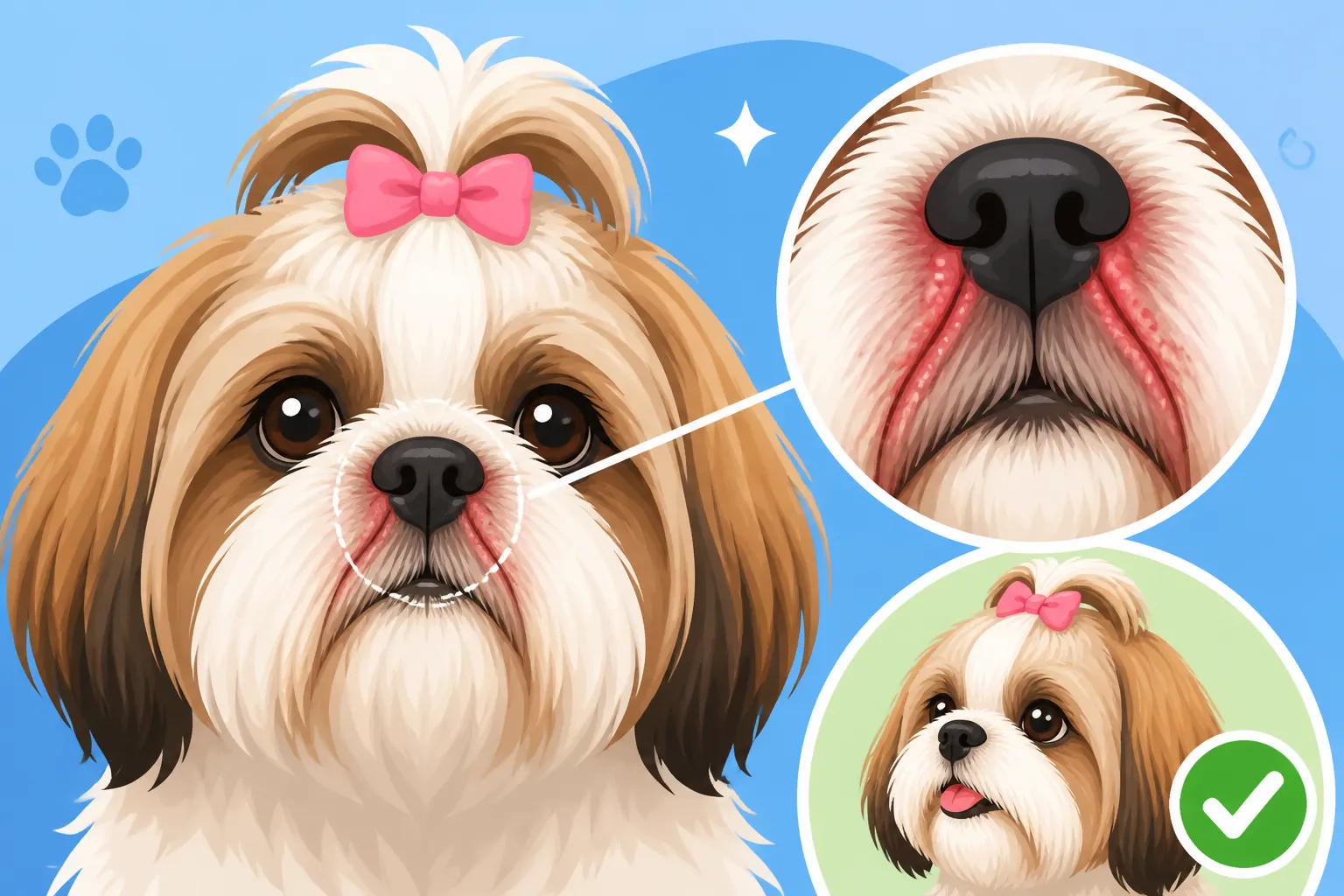
The signs of nasal fold dermatitis can start subtly but quickly escalate into something quite noticeable and distressing. One of the first things many owners detect is a distinct, often yeasty or foul odor wafting from their dog's face. If you gently part the skin folds around your Shih Tzu's nose, you might observe redness and inflammation. The skin itself can appear raw, moist, or even ulcerated.
You might also notice a discharge, which could be clear, yellowish, or even greenish, indicating a bacterial infection. Your Shih Tzu might start pawing at their face more often, rubbing their nose on furniture or carpets, or showing signs of discomfort when you touch their muzzle. In more advanced cases, the skin can become thickened, discolored, and very painful, leading to changes in appetite or a general reluctance to be touched. Keeping an eye out for these changes is crucial, as early intervention can make a world of difference.
The Culprits: Bacteria, Yeast, and Irritation
The moist, warm environment within the nasal folds is an open invitation for opportunistic microorganisms. The most common culprits are bacteria, particularly Staphylococcus, which is a frequent inhabitant of canine skin. When the skin barrier is compromised by constant moisture and friction, these bacteria can overgrow, leading to a bacterial skin infection (pyoderma).
Alongside bacteria, yeast, primarily Malassezia, often thrives in these conditions. Yeast infections typically cause that tell-tale yeasty odor and can make the skin feel greasy and appear darkened. Sometimes, both bacteria and yeast are present, creating a more complex and stubborn infection. Beyond microorganisms, constant irritation from trapped debris, food particles, or even ingrown hairs can initiate the inflammatory cycle, making the skin susceptible to infection. It's a vicious cycle that requires diligent management to break.
Why Shih Tzus Are So Prone to This Issue
It's not just bad luck that our Shih Tzus often deal with nasal fold dermatitis; it's intricately linked to the very characteristics that make them so endearing. Their unique facial structure, while undeniably cute, comes with a predisposition to several health challenges, and skin fold issues are certainly high on that list.
The Flat Face Predicament
Shih Tzus are a prime example of a brachycephalic breed, meaning "short-headed." Their flattened faces, pushed-in noses, and large, prominent eyes are distinctive features. However, this compressed skull structure means that soft tissues, like the skin, don't always have enough space, leading to the formation of deep wrinkles and folds around the nose and muzzle. Other brachycephalic breeds like Pugs, Bulldogs, and Pekingese face similar issues. This anatomical reality is the primary reason why conditions like nasal fold dermatitis, and even problems like Brachycephalic Breathing in a Shih Tzu or The Elongated Soft Palate in a Shih Tzu, are so common in these dogs. The skin that would normally be spread across a longer snout gets bunched up, creating crevices that are difficult to keep clean and dry.
Moisture Trapping and Lack of Airflow
The deep folds around a Shih Tzu's nose act like tiny, warm, humid caves. Tears, saliva, and even condensation from their breath can easily become trapped in these crevices. Shih Tzus are also prone to Shih Tzu Corneal Ulcers and Dry Eye, which can lead to excessive tearing, exacerbating the problem as moisture pools in the folds. Furthermore, the hair that grows in and around these folds can wick moisture deeper into the skin and prevent proper airflow. This constant dampness softens the skin, making it more fragile and prone to breakdown, much like how your skin might get irritated if you wear a wet bandage for too long. The lack of air circulation means moisture doesn't evaporate, creating the ideal breeding ground for bacteria and yeast. It's a perfect storm for dermatitis.
Grooming Challenges and Owner Oversight
Let's be honest, keeping a Shih Tzu's face pristine is a full-time job. Their long, flowing hair, especially around the face, often falls into their eyes and accumulates food debris. If you're not diligent about Trimming Face Hair Away From Shih Tzu Eyes or managing Shih Tzu Eyelashes Growing Into the Eye, the constant irritation can lead to more tearing, further moistening the nasal folds. Many owners, understandably, focus on the beautiful topknot and overall coat, sometimes overlooking the crucial care needed for these hidden facial folds.
It's easy to miss early signs when the problematic areas are tucked away. Even brushing and bathing can be challenging with a wiggling Shih Tzu. Without regular, targeted cleaning, these areas can quickly become breeding grounds for infection. Sometimes, simply knowing how to thoroughly clean these delicate areas without causing discomfort is the biggest hurdle for owners, which is why routines like Wiping a Shih Tzu Face Twice a Day are so important.
Diagnosis and Initial Treatment
If you suspect your Shih Tzu might be developing nasal fold dermatitis, the best first step is always a visit to your veterinarian. Self-diagnosis and over-the-counter remedies might offer temporary relief, but they won't address the root cause or properly treat an existing infection, which could lead to recurrence or worsening of the condition.
When to Head to the Vet
Don't wait until the smell is overwhelming or your dog is clearly miserable. As soon as you notice any persistent redness, an unusual odor, discharge from the folds, or if your Shih Tzu starts pawing at their face more than usual, it's time for a vet visit. Early signs, even if mild, can escalate quickly because the environment in the folds is so conducive to infection. It's much easier to treat a mild inflammatory reaction than a deep-seated bacterial or yeast infection that has been festering for weeks. Remember, your Shih Tzu depends on you to recognize their discomfort, as they can't voice their pain.
The Vet's Approach to Diagnosis
When you bring your Shih Tzu in, your vet will perform a thorough physical examination, paying close attention to the facial folds. They'll gently part the skin to inspect the affected area. To get a precise diagnosis, they'll likely perform a few simple, non-invasive tests:
- Cytology: This involves gently pressing a microscope slide onto the affected skin or taking a swab to collect cells and discharge. The slide is then stained and examined under a microscope to identify the presence of bacteria (cocci or rods), yeast, and inflammatory cells. This helps determine if it's a bacterial infection, a yeast infection, or both, and gives an idea of the severity.
- Skin Scraping: Less common for nasal folds but sometimes done for other skin issues, this rules out parasites like mites.
- Culture and Sensitivity: If the infection is severe, recurrent, or not responding to initial treatments, your vet might take a culture. This involves sending a swab to a lab to grow the specific bacteria or yeast present and then testing which antibiotics or antifungals will be most effective against them.
This diagnostic process ensures that the treatment targets the specific microorganisms causing the problem, preventing unnecessary medication or ineffective remedies.
First-Line Treatments
Once the cause is identified, your vet will prescribe a tailored treatment plan. Often, this involves a combination of topical and sometimes oral medications.
- Topical Treatments: These are usually the first line of defense. They might include:
- Antimicrobial Wipes or Washes: Medicated wipes or gentle cleansers containing ingredients like chlorhexidine or benzoyl peroxide help to clean the folds, reduce bacterial load, and dry the area. Your vet might recommend a specific brand of wipes or a solution to apply with cotton pads.
- Antibiotic or Antifungal Creams/Ointments: If a bacterial or yeast infection is confirmed, your vet might prescribe a topical cream containing antibiotics (e.g., mupirocin, fusidic acid) or antifungals (e.g., miconazole, ketoconazole). These are applied directly to the affected skin after cleaning.
- Oral Medications: For more severe, widespread, or persistent infections, oral antibiotics or antifungals might be necessary. These medications work systemically throughout your dog's body to clear the infection. Your vet will determine the appropriate dosage and duration. It's incredibly important to complete the entire course of medication, even if your Shih Tzu's symptoms improve quickly, to prevent recurrence and antibiotic resistance.
Pain relief might also be prescribed if your dog is particularly uncomfortable. It's a relief to see them feeling better, and a consistent treatment plan is key. This is also where having a pet insurance plan, like one from Healthy Paws, can be incredibly helpful, as recurrent or severe infections can sometimes lead to multiple vet visits and specialized medications, which can add up.
Ongoing Management and Prevention at Home
Treating an active infection is one thing, but preventing nasal fold dermatitis from coming back is an ongoing commitment for Shih Tzu owners. Because their anatomy predisposes them to this issue, consistent daily care is paramount.
Daily Cleaning Rituals
This is perhaps the most critical component of preventing nasal fold dermatitis. Just like you brush your teeth every day, your Shih Tzu's facial folds need daily attention.
- Gentle but Thorough Cleaning: Aim to clean the nasal folds at least once, ideally twice, daily. After meals is a good time, as food particles can easily get trapped. You'll need soft cotton pads or gauze, and a veterinarian-approved facial cleanser or plain warm water. Gently part the folds and wipe away any moisture, debris, or discharge. Be incredibly gentle; the skin in these areas can be very sensitive. Many vets recommend specific Cleaning a Shih Tzu Nose Fold products, often with mild antiseptic properties, to help keep bacteria and yeast at bay.
- Drying is Key: After cleaning, ensure the area is completely dry. You can use a clean, soft cloth or a dry cotton pad. Some owners even use a tiny pinch of cornstarch (unscented) to absorb excess moisture, but always consult your vet before using any powders, as some can be irritating. The goal is to keep the skin as dry as possible to discourage microbial growth.
- Regular Inspections: Make it a habit to visually inspect the folds daily. Look for any signs of redness, inflammation, discharge, or odor. The earlier you spot a problem, the quicker you can address it, often preventing it from becoming a full-blown infection.
Keeping the Area Dry and Ventilated
Beyond daily cleaning, there are other strategies to minimize moisture and promote airflow in those deep facial folds.
- Hair Management: The hair around your Shih Tzu's face and nose can trap moisture and impede airflow. Keeping it trimmed short, especially within the folds themselves, can make a huge difference. Talk to your groomer about a "puppy cut" style that keeps facial hair shorter, or ask them to perform a
Shih Tzu Face Trim. For some Shih Tzus, a full, flowing coat might look beautiful, but a shorter, more practical cut, like a Choosing Between a Full Coat and a Puppy Cut, can significantly improve skin health. - Environmental Control: In humid climates, keeping your home air-conditioned can help reduce overall humidity, which benefits your Shih Tzu's skin. Avoid letting your Shih Tzu spend extended periods in damp, poorly ventilated areas.
- Water Bowls: Consider using a narrow, deep water bowl or a fountain that encourages your Shih Tzu to drink without excessively wetting their facial folds. Some owners find that raising the bowls slightly can also help minimize splashing.
Diet and Allergy Considerations
Sometimes, nasal fold dermatitis isn't just about anatomy; it can be exacerbated by underlying health issues, including allergies.
- Food Allergies: Just like humans, dogs can develop allergies to certain ingredients in their food, often common proteins like chicken or beef. These allergies can manifest as skin problems, including itching, redness, and inflammation that can worsen existing skin fold issues. If your Shih Tzu suffers from recurrent or persistent dermatitis, your vet might suggest an elimination diet trial to rule out food allergies. This involves feeding a novel protein or hydrolyzed protein diet for several weeks to see if symptoms improve. You can learn more about general skin issues in Shih Tzu Skin Allergies and Hot Spots.
- Environmental Allergies: Pollen, dust mites, and mold can also cause allergic reactions, leading to generalized skin irritation and itching, which can make the nasal folds more susceptible to infection. Your vet can help diagnose and manage environmental allergies, potentially with medications or immunotherapy.
- Weight Management: While not a direct cause, Shih Tzu Obesity on a Sixteen Pound Frame can sometimes worsen skin fold issues by creating deeper, more pronounced folds that are even harder to clean and keep dry. Maintaining a healthy weight for your Shih Tzu is beneficial for their overall health, including their skin.
Long-Term Solutions and Surgical Options
For some Shih Tzus, despite diligent at-home care and medical management, nasal fold dermatitis can become a chronic, debilitating problem. In these cases, your veterinarian might discuss surgical options.
- Nasal Fold Resection (Fold Plasty): This surgical procedure involves carefully removing the excess skin folds that cause the problem. The goal is to flatten the area, eliminate the deep crevices, and allow for better airflow and easier cleaning. While it sounds drastic, for dogs suffering from severe, recurrent, and painful infections, this surgery can offer permanent relief and significantly improve their quality of life.
- Considerations: Surgery is typically considered a last resort after all medical and management options have been exhausted. Your vet will assess your dog's overall health, the severity of the condition, and discuss the risks and benefits of the procedure. Recovery involves careful wound care, but the long-term benefits for a severely affected dog can be immense. It's a significant decision, and one that highlights the importance of comprehensive coverage, as a good pet insurance plan from a provider like Healthy Paws can help manage these unexpected and often costly surgical interventions. Remember, early diagnosis often leads to less invasive solutions, and a comprehensive pet insurance provider like Healthy Paws often understands the unique needs of brachycephalic breeds prone to issues like this.
No matter the severity, remember that managing nasal fold dermatitis in your Shih Tzu is a partnership between you and your vet. Consistent daily care, coupled with professional guidance, will help keep your beloved companion comfortable and happy.
| Aspect | Daily Home Care | Veterinary Treatment (Initial) | Long-Term/Severe Management |
|---|---|---|---|
| Cleaning | Gently wipe folds 1-2x daily with vet-approved wipes/solution, ensure thorough drying. | Medicated washes/wipes (chlorhexidine). | Daily cleaning, potentially stronger topicals. |
| Moisture Control | Keep folds dry, trim facial hair short, use narrow water bowls. | Topical drying agents if appropriate. | Address underlying tear/saliva issues. |
| Infection Treatment | Prevention through cleanliness. | Topical antibiotics/antifungals, oral meds if needed. | Culture & sensitivity, specific antibiotics, surgery. |
| Allergy Management | Observe for triggers, avoid irritants. | Allergy testing, anti-inflammatory meds. | Elimination diets, immunotherapy. |
| Grooming | Regular Grooming a Shih Tzu Every Four to Six Weeks and daily face trims. | May require sedation for thorough cleaning if painful. | Maintain short facial hair, professional grooming. |
| Cost Consideration | Wipes, gentle cleansers (minimal). | Exam fees, cytology, medications (moderate). | Specialist consults, advanced meds, possible surgery (high). |
Disclaimer
Please remember that this article is intended for informational purposes only and does not substitute for professional veterinary advice. If you have concerns about your Shih Tzu's health, always consult with a qualified veterinarian. They can provide an accurate diagnosis and create a personalized treatment plan for your pet.