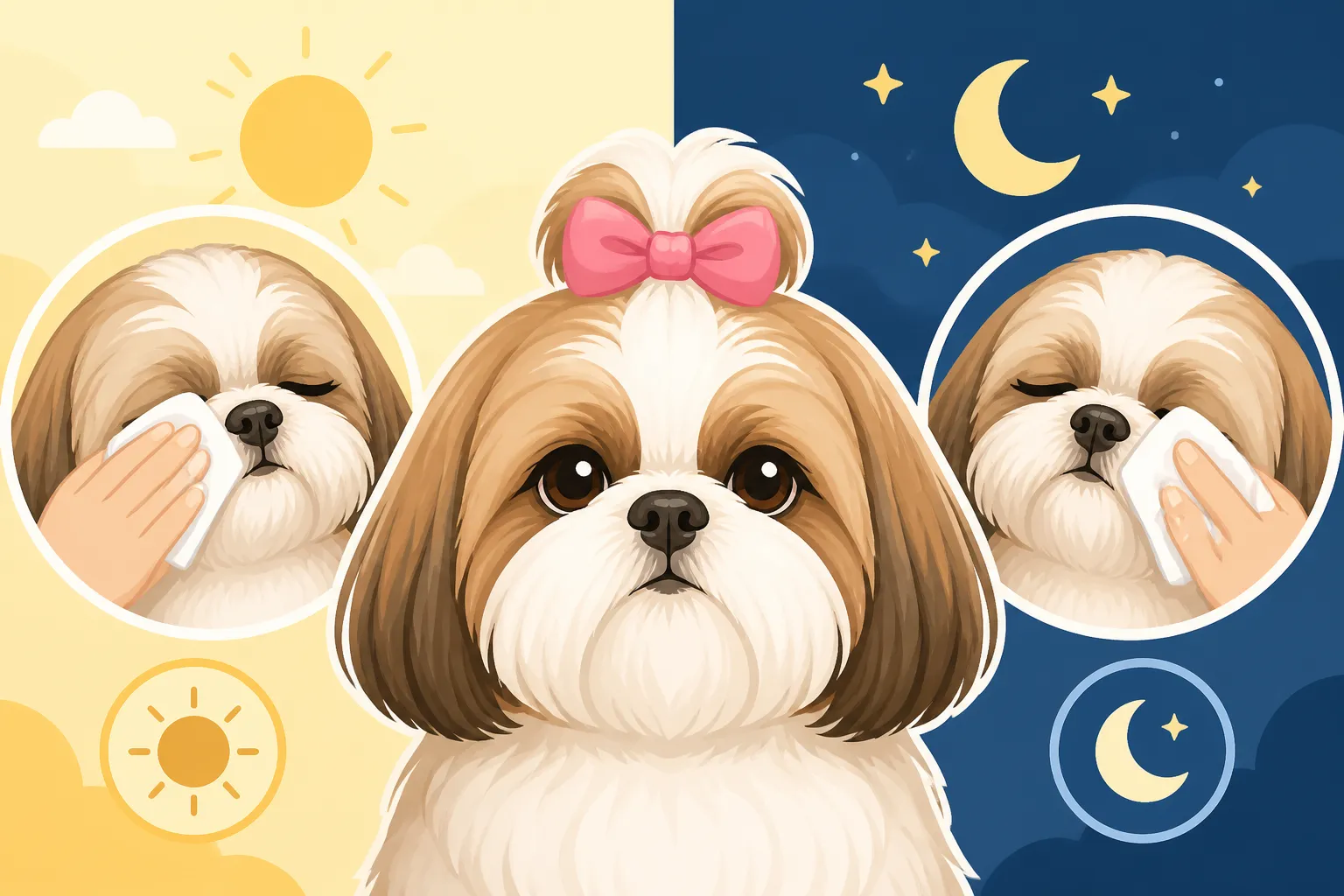
Wiping a Shih Tzu Face Twice a Day
If you share your life with a Shih Tzu, you know that their adorable, expressive faces come with a unique set of daily challenges, especially when it comes to keeping them clean and comfortable. Between the mealtime mishaps that leave food clinging to their long beards and the stubborn tear stains that can make their sweet eyes look perpetually weepy, maintaining a pristine Shih Tzu face can feel like a constant battle. This guide will walk you through the essential steps and best practices for wiping your Shih Tzu's face twice a day, helping you keep them healthy, happy, and looking their absolute best.
Why Daily Face Wiping is Essential for Your Shih Tzu
Let's be real, a Shih Tzu's face is undeniably charming, but it's also a magnet for mess and a potential breeding ground for problems if not properly maintained. Their unique anatomy, while part of their allure, makes them prone to specific issues that diligent face wiping can prevent. It's not just about aesthetics; it's about their comfort and long-term health.
The Brachycephalic Challenge and Prominent Eyes
Shih Tzus are a brachycephalic breed, meaning they have those adorable flat faces and short snouts. While this gives them their distinctive look, it also means their eyes can be more prominent and sometimes less protected than those of other breeds. This can lead to tears not draining properly through the tear ducts, instead overflowing onto their fur. This consistent moisture, combined with the natural bacteria and yeast that live on the skin, creates the perfect environment for those reddish-brown tear stains we all dread. If left unwiped, this dampness can irritate the delicate skin around their eyes, leading to uncomfortable Shih Tzu Skin Allergies and Hot Spots or even infections.
Beyond tear stains, their prominent eyes are also more susceptible to irritation from dust, debris, and even their own facial hair. A stray strand of hair, or a crumb from breakfast, can easily scratch the cornea, potentially leading to painful Shih Tzu Corneal Ulcers and Dry Eye. Regular wiping helps remove these irritants, reducing the risk of such issues and keeping their eyes clear and healthy. It's a proactive step that can save you a lot of worry and vet visits down the line.
The Bearded Battle: Food and Moisture Traps
That magnificent Shih Tzu beard and mustache, a hallmark of the breed, is also an incredibly efficient trap for food, water, and anything else they might sniff or lick during their day. Imagine a tiny mop that collects every crumb and dribble! After every meal, bits of kibble, wet food, or even just gravy can get deeply embedded in the fur around their mouth. This isn't just unsightly; it's unhygienic. Left to dry, this food debris can become crusty, pulling at their sensitive skin and leading to discomfort. In some cases, it can even cause bacterial growth and skin irritation in the folds of their facial skin or around their chin.
Water, too, can get caught in their beard, keeping the area constantly damp. This constant moisture, much like around the eyes, creates a warm, moist environment where yeast and bacteria can flourish, leading to a condition known as "beard rot" or dermatitis. It can manifest as a foul smell, discolored fur, and irritated skin. Regularly Cleaning a Shih Tzu Beard After Wet Food is crucial to prevent these issues, ensuring their face stays clean, dry, and free from unpleasant odors or skin problems.
Tools and Techniques for Effective Face Wiping
Now that we understand why daily face wiping is so important, let's talk about the how. Having the right tools on hand and mastering a gentle, yet effective technique will make this daily ritual a breeze for both you and your furry companion.
Choosing the Right Wipes and Solutions
When it comes to face wiping, not all products are created equal. You want something gentle, safe for delicate areas like the eyes, and effective at cleaning.
- Pre-moistened Pet Wipes: These are often the easiest and most convenient option. Look for wipes specifically formulated for pets, ideally hypoallergenic and free of harsh chemicals, alcohol, or fragrances that could irritate your Shih Tzu's sensitive skin and eyes. Many brands offer dedicated "eye wipes" or "tear stain remover wipes." Brands available through places like Chewy or Amazon often have a good selection, allowing you to read reviews from other Shih Tzu owners.
- Cotton Balls or Pads with Solution: If you prefer a more natural approach or your dog has very sensitive skin, you can use plain cotton balls or cosmetic pads dampened with a gentle solution.
- Distilled or Filtered Water: Sometimes, plain water is all you need for general cleaning, especially if you're wiping immediately after meals.
- Saline Solution: A sterile saline solution (like those used for contact lenses, but without any added chemicals or preservatives) is safe and gentle for flushing and wiping around the eyes.
- Veterinary-Recommended Tear Stain Removers: For stubborn tear stains, your vet might recommend a specific topical solution. Be cautious with over-the-counter products, as some can contain ingredients that aren't suitable for long-term use or can be irritating. Always do a patch test first.
- Soft Cloths: For drying, especially after using a wet wipe or solution, a super-soft microfiber cloth or even a clean, old t-shirt cut into small squares works wonders. Having a dedicated set of tiny cloths for face wiping can be a game-changer.
Avoid using human baby wipes, as they often contain ingredients that are not safe for pets. Also, stay away from harsh soaps, hydrogen peroxide, or anything abrasive. Remember, you're dealing with very sensitive skin and eyes.
Step-by-Step Face Wiping Routine
Consistency is key here, so try to make this a calm, positive experience for your Shih Tzu. Two times a day is ideal: once in the morning to clear overnight eye gunk and freshen up, and once after their evening meal to remove food debris.
- Gather Your Supplies: Have your chosen wipes or cotton balls and solution, plus a dry cloth, ready before you bring your Shih Tzu over.
- Position Your Shih Tzu: Gently hold your Shih Tzu in a comfortable position, perhaps on your lap or on a grooming table if they're used to it. Speak in a calm, reassuring voice. This is part of Standing a Shih Tzu on the Grooming Table training.
- Address the Eyes First:
- Take a fresh, moistened wipe or cotton ball.
- Starting from the inner corner of one eye, gently wipe outwards towards the nose, away from the eye itself. Use a separate, clean part of the wipe (or a fresh cotton ball) for each stroke to avoid spreading any bacteria.
- Be extra careful not to touch the eyeball directly. You're cleaning the fur and skin around the eye.
- Repeat for the other eye, always using a fresh wipe/cotton ball to prevent cross-contamination.
- For stubborn tear stains, you might need to hold the wipe gently against the area for a few seconds to soften the crust before wiping.
- Follow up with a dry, soft cloth to ensure the area around the eyes is completely dry. This is especially important for preventing moisture-related skin irritation.
- Tackle the Beard and Mouth:
- Take another fresh wipe or damp cloth.
- Gently wipe around your Shih Tzu's muzzle, paying close attention to the fur directly under their nose, around their lips, and along their beard.
- If there's dried food, you might need to dampen the area first and let it soften for a moment before gently wiping it away. Don't pull or tug on their fur.
- Wipe their chin and the area under their lower lip.
- Again, use a dry cloth to ensure the beard and muzzle are thoroughly dry, preventing "beard rot."
- Positive Reinforcement: Once done, praise your Shih Tzu lavishly and offer a small, healthy treat. This helps them associate face wiping with a positive experience. Keep the session short and sweet, especially when you're first starting. This also helps with Keeping Shih Tzu Training Sessions Short.
Remember, patience is key. If your Shih Tzu is resistant at first, go slowly, do small sections, and gradually build up their tolerance. Consistency will pay off!
Addressing Common Face-Wiping Challenges and Solutions
Even with the best intentions and the right tools, face wiping isn't always a walk in the park. Shih Tzus can be particular, and some issues require a bit more effort.
Stubborn Tear Stains and Discoloration
Those reddish-brown streaks are a tell-tale sign of a Shih Tzu's sensitive system. They're primarily caused by porphyrins, iron-containing molecules excreted in tears and saliva, which turn reddish-brown when exposed to light. Excess moisture from tear overflow, combined with yeast, can also contribute.
- Consistency is Crucial: The best defense against stubborn stains is daily, consistent wiping. If you only wipe when the stains are obvious, you're already behind.
- Specialized Products: For established stains, you might need a dedicated tear stain remover. Look for enzyme-based cleaners rather than harsh bleaching agents. Many reputable brands offer such products; a quick search on Chewy or Amazon will reveal options. Always check with your vet before using strong chemical treatments.
- Dietary Adjustments: Sometimes, diet can play a role. Certain ingredients or poor-quality food can exacerbate tear staining. Discuss with your vet if a change to a high-quality, limited-ingredient diet might help. Some owners report improvements with fresh food diets, like those offered by services such as Ollie, though scientific evidence linking specific diets directly to tear staining is varied.
- Water Quality: The minerals in tap water can also contribute to staining. Switching to filtered or distilled water for drinking might make a difference for some dogs.
- Underlying Medical Issues: Persistent, severe tear staining, especially if accompanied by discharge, redness, or squinting, warrants a vet visit. It could indicate an underlying issue like blocked tear ducts, allergies, or Shih Tzu Eyelashes Growing Into the Eye (ectopic cilia or distichiasis). A vet can properly diagnose and treat these conditions. The Eye and Kidney Records to Keep on a Shih Tzu can be very helpful for tracking changes.
Reluctance and Sensitivity
Some Shih Tzus simply don't enjoy having their faces touched, and their patience can wear thin quickly. This is totally normal, especially for a breed that was originally bred for companionship and lap-sitting, not extensive grooming procedures.
- Start Young (if possible): If you have a puppy, start face wiping early and gently. Make it part of their daily routine, associating it with positive reinforcement. This helps immensely with overall grooming tolerance, like Handling a Shih Tzu Puppy for Daily Brushing.
- Short, Sweet Sessions: Don't try to get everything perfect in one go. Aim for very short, positive sessions. Wipe one eye, praise, treat. Wipe the beard, praise, treat. Gradually increase the duration as your dog gets more comfortable.
- Positive Reinforcement: This cannot be stressed enough. High-value treats, enthusiastic praise, and even a quick play session immediately after are essential. You want your Shih Tzu to think, "Oh, face wipe time means I get delicious treats!" Treat Sizes That Suit a Shih Tzu are important here; small, soft treats are best.
- Desensitization: If your dog is genuinely terrified, you might need to go back to basics. Start by simply touching their face gently with your hand, then introduce the dry wipe, then a damp wipe, gradually over days or weeks, always rewarding calmness.
- Consult a Professional: If your Shih Tzu is particularly reactive or aggressive during face wiping, consult a professional dog trainer or a veterinary behaviorist. They can offer personalized strategies and help rule out any pain-related issues.
- Temperature Matters: Ensure your wipes or solutions are not too cold or too hot. Room temperature is usually best.
Dealing with Eye Discharge and Crust
Beyond regular tears, some Shih Tzus experience more significant eye discharge, which can dry into crusty "sleepers" or "eye boogers."
- Gentle Softening: Never try to pick off dry crusts aggressively. Instead, take a warm, damp (not soaking wet) cloth or cotton ball and hold it gently over the crusted area for a few seconds. The warmth and moisture will help soften the discharge, making it much easier to wipe away without pulling on the delicate fur or irritating the skin.
- Direction of Wipe: Always wipe away from the eye. For example, if the discharge is in the inner corner, wipe towards the nose. If it's on the lower eyelid, wipe downwards.
- Frequency: Dogs with more discharge might need their eyes wiped more than twice a day. Keep an eye on them throughout the day and address any discharge as soon as you notice it.
- When to See the Vet: If the discharge changes color (green, yellow), becomes thick, or increases dramatically, or if your Shih Tzu's eye appears red, swollen, or they are squinting, it's time for a vet visit. These can be signs of infection, irritation, or other eye problems that require medical attention. Shih Tzu Eye Proptosis, the Emergency Owners Miss is a serious emergency, but even minor changes warrant attention.
Beyond Wiping: Holistic Face Care for Your Shih Tzu
Wiping your Shih Tzu's face twice a day is a fantastic start, but it's part of a larger picture of overall facial health. A holistic approach ensures you're addressing potential issues from all angles.
Regular Grooming and Hair Management
The long, flowing locks of a Shih Tzu are beautiful but require significant upkeep to prevent problems around the face.
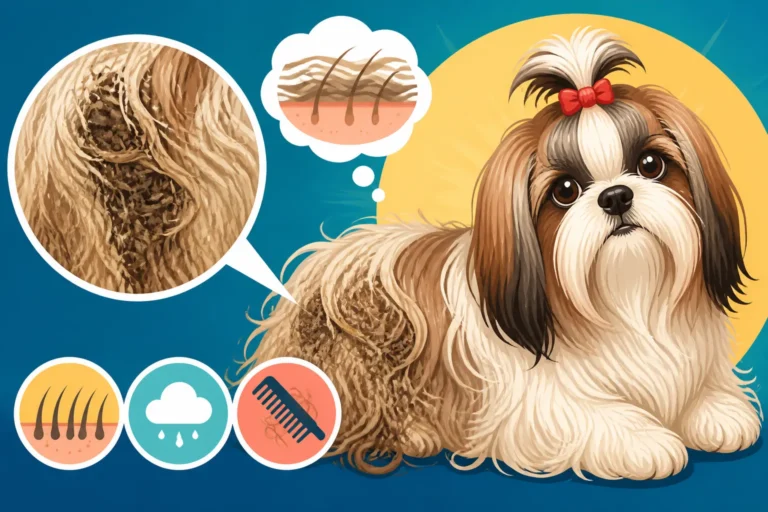
- Daily Brushing: Regular full-body brushing, including the face and beard, is critical to prevent matting. Mats around the eyes and muzzle can trap moisture and debris, leading to irritation and infections. A small slicker brush and a metal comb are essential tools. Getting a brush through both Shih Tzu layers is vital.
- Topknots or Trims: To keep hair out of your Shih Tzu's eyes, you have two main options:
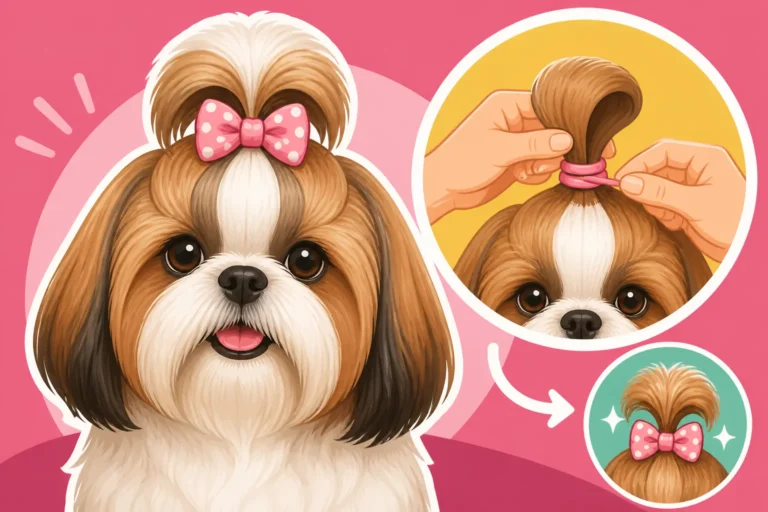
- Topknots: Tying a topknot is a classic Shih Tzu look and very effective. Ensure the band isn't too tight and that you use soft, snag-free elastic bands made for dogs. Tying a Shih Tzu Topknot That Holds can be a learned skill!
- Trims: Many owners opt for a "puppy cut" or simply keep the hair around the eyes and muzzle trimmed short by a professional groomer every few weeks. This makes daily wiping much easier and reduces the risk of hair irritating the eyes. Discuss Choosing a Puppy Cut Length for a Shih Tzu with your groomer.
- Sanitary Trims: While not strictly facial, keeping the hair around the ears clean and trimmed is important. Shih Tzu Ear Infections Under Heavy Ear Leather are common, and excess hair can block airflow and trap moisture.
- Professional Grooming: Regular visits to a professional groomer (every 4-6 weeks) are highly recommended. They can give a thorough clean, trim, and address any developing matting you might have missed. What a Full Coat Shih Tzu Groom Costs can add up, but it's worth it for their health.
Diet and Hydration
What goes into your Shih Tzu can definitely impact what comes out, especially in terms of tear staining and skin health.
- High-Quality Food: A balanced diet made with high-quality ingredients can support overall health, including skin and coat condition. Avoid foods with excessive fillers, artificial colors, or common allergens if your dog shows sensitivity. Sometimes, trying a novel protein source can reduce inflammation and tear staining.
- Proper Hydration: Ensure your Shih Tzu always has access to fresh, clean water. Good hydration is vital for all bodily functions, including tear duct health. Stainless steel or ceramic bowls are often preferred over plastic, which can harbor bacteria.
- Controlling Allergens: If your Shih Tzu suffers from food allergies, identifying and eliminating the trigger can significantly reduce skin inflammation, including around the face. Similarly, environmental allergies can cause itchy, watery eyes, contributing to staining. Your vet can help you navigate allergy testing and management.
Regular Vet Check-ups and Eye Exams
Routine veterinary care is crucial for catching and addressing potential health issues before they become major problems.
- Annual Exams: During annual check-ups, your vet will examine your Shih Tzu's eyes, ears, and overall facial structure. They can spot early signs of dental disease (which can sometimes impact facial structures), eye problems, or skin conditions.
- Specialized Eye Exams: If your Shih Tzu has persistent eye issues, your vet might refer you to a veterinary ophthalmologist for a more in-depth examination. Conditions like entropion (eyelids rolling inward) or distichiasis (extra eyelashes growing in problematic spots) are more common in brachycephalic breeds and often require surgical correction to prevent chronic pain and damage.
- Dental Health: Surprisingly, dental health can impact facial comfort. Shih Tzu Dental Disease at 13 Percent of the Breed is very common due to their crowded jaws. Infected teeth or severe gum disease can cause facial swelling or pain, and the bacteria from their mouth can contribute to beard discoloration. Regular brushing – Daily Toothbrushing in a Crowded Shih Tzu Jaw – and professional dental cleanings are just as important as facial wiping.
Maintaining your Shih Tzu's delightful face is more than just a cosmetic chore; it's an act of love that contributes significantly to their comfort, health, and quality of life. By committing to a consistent twice-daily wiping routine, armed with the right tools and techniques, and supporting their health holistically, you'll ensure your little lion dog shines brightly and lives happily for many years to come.
| Aspect of Care | Recommended Frequency | Key Benefits | Common Challenges & Solutions |
|---|---|---|---|
| Face Wiping (Eyes) | Twice Daily | Prevents tear stains, removes irritants, reduces risk of infection and corneal damage. | Stubborn stains (specialized wipes, diet check), dog reluctance (positive reinforcement). |
| Face Wiping (Beard) | Twice Daily | Removes food/water debris, prevents "beard rot" and skin irritation, eliminates odors. | Dried food (soften first), beard wetness (dry thoroughly). |
| Brushing Facial Hair | Daily | Prevents mats that trap moisture/debris, keeps hair out of eyes. | Dog resistance (short sessions, treats), fine hair (use appropriate tools). |
| Topknots/Trims | As needed | Keeps hair out of eyes, improves vision and comfort. | Hair breakage (soft bands, proper technique), groomer communication (clear instructions). |
| Diet Quality | Ongoing | Supports overall health, potentially reduces tear staining and skin sensitivities. | Identifying triggers (elimination diet), vet consultation. |
| Vet Check-ups | Annually, or as needed | Early detection of eye issues, skin conditions, dental problems, and other health concerns. | Cost (pet insurance, savings plan), finding a vet experienced with toy breeds. |
Disclaimer
This article is for general informational purposes only and does not constitute professional advice. Laws, prices and regulations vary by location and change over time. Consult a qualified professional for guidance on your specific situation.