Standing a Shih Tzu on the Grooming Table
Many Shih Tzu owners face a real struggle when it comes to grooming. Trying to brush out that luxurious double coat, trim their nails, or even just wipe their eyes can turn into a wrestling match on the floor, leaving both you and your sweet companion frustrated and stressed. This guide is here to walk you through the process of training your Shih Tzu to stand calmly and cooperatively on a grooming table, transforming those dreaded sessions into much more pleasant experiences for everyone involved.
Why Grooming Table Training is Essential for Your Shih Tzu
Let's be honest, the Shih Tzu isn't just a pretty face; that incredible coat requires consistent, dedicated care. Without proper grooming, your dog can quickly become matted, uncomfortable, and even develop skin issues. Trying to manage this without a cooperative dog can feel impossible. Training your Shih Tzu to stand still on a grooming table isn't just a nice-to-have; it's a fundamental part of responsible ownership for this particular breed. It makes the entire process safer, more efficient, and ultimately, a more positive interaction for both of you.
The Unique Grooming Demands of the Shih Tzu Coat
The Shih Tzu is blessed with a gorgeous, flowing double coat that is truly a sight to behold. However, this beauty comes with significant upkeep. The long outer coat combines with a dense, woolly undercoat, making it a magnet for tangles, debris, and mats. These mats can form quickly, often in just a day or two if not regularly brushed. Areas like behind the ears, under the legs, and where a harness sits are particularly prone to matting. Why a Shih Tzu Double Coat Mats So Fast details just how swiftly these issues can arise. Trying to brush out these knots while your dog squirms, sits, or tries to escape on the floor is not only ineffective but can also be painful for your Shih Tzu, creating a negative association with grooming. The grooming table elevates your dog to a comfortable working height, allowing you to access all areas of their coat more easily and efficiently, ensuring no mat goes unnoticed.
The breed also has facial hair that requires constant attention to prevent it from irritating the eyes, causing tear staining, or getting messy with food. Managing this delicate area is much simpler when your dog is still and at eye level. Without proper table manners, even simple tasks like wiping their face or tying a topknot become a monumental challenge, risking accidental pokes or scrapes.
Enhancing Safety and Reducing Stress for Everyone
Imagine trying to trim sharp nails on a wiggly puppy or administer crucial eye drops to a dog that's constantly trying to back away. The potential for accidental injury, either to your Shih Tzu or to yourself, is significantly higher when they aren't accustomed to standing still for grooming. On a grooming table, your dog is elevated, usually with a secure grooming arm and loop that gently keeps them in place without causing discomfort. This stability prevents sudden jumps or falls, which is crucial for a breed like the Shih Tzu, which can be prone to back problems if they suffer impact.
Beyond physical safety, training for the grooming table dramatically reduces stress. For many Shih Tzus, the grooming process, whether at home or at a professional salon, can be a source of anxiety. If every brushing session is a battle, they learn to dread it. By teaching them calmly and positively to stand on the table, you're building a foundation of trust and predictability. They learn that the table is a place where good things happen (treats!) and that staying still leads to a quicker, more comfortable experience. This calm acceptance benefits both you and any professional groomer who works with your dog, making their job easier and safer too. Why a Shih Tzu Groomer Turns a Shih Tzu Away sometimes directly relates to a dog's inability to cooperate.
Building a Foundation for Lifelong Cooperation
Grooming table training isn't just about getting a brush through their coat; it's about teaching your Shih Tzu to cooperate with handling for a lifetime. From their very first weeks, Why Grooming Training Starts the First Week explains how crucial early exposure is. This foundational training extends beyond the grooming table to vet visits, bath times, and even general handling at home. A dog that is comfortable being touched, held, and manipulated in a controlled environment is generally a more confident and resilient dog.
When your Shih Tzu learns to stand patiently on the table, they are developing critical self-control and patience. They learn that a short period of stillness leads to a positive outcome and praise from you. This translates into better manners in other areas of their life, whether it's waiting patiently for their food, or remaining calm during a car ride. It creates a stronger bond between you, built on mutual understanding and respect, where your Shih Tzu trusts you during potentially uncomfortable situations. This cooperation becomes invaluable as they age and may require more frequent or sensitive handling for senior care.
Creating the Ideal Grooming Station at Home
Setting up a dedicated, functional, and safe grooming station at home is the first major step toward successful grooming table training. You don't need a professional salon setup, but a few key items will make all the difference in ensuring your Shih Tzu is comfortable, secure, and ready to learn. A well-equipped station minimizes distractions and maximizes your ability to work efficiently and calmly.
Selecting the Right Table and Secure Restraints
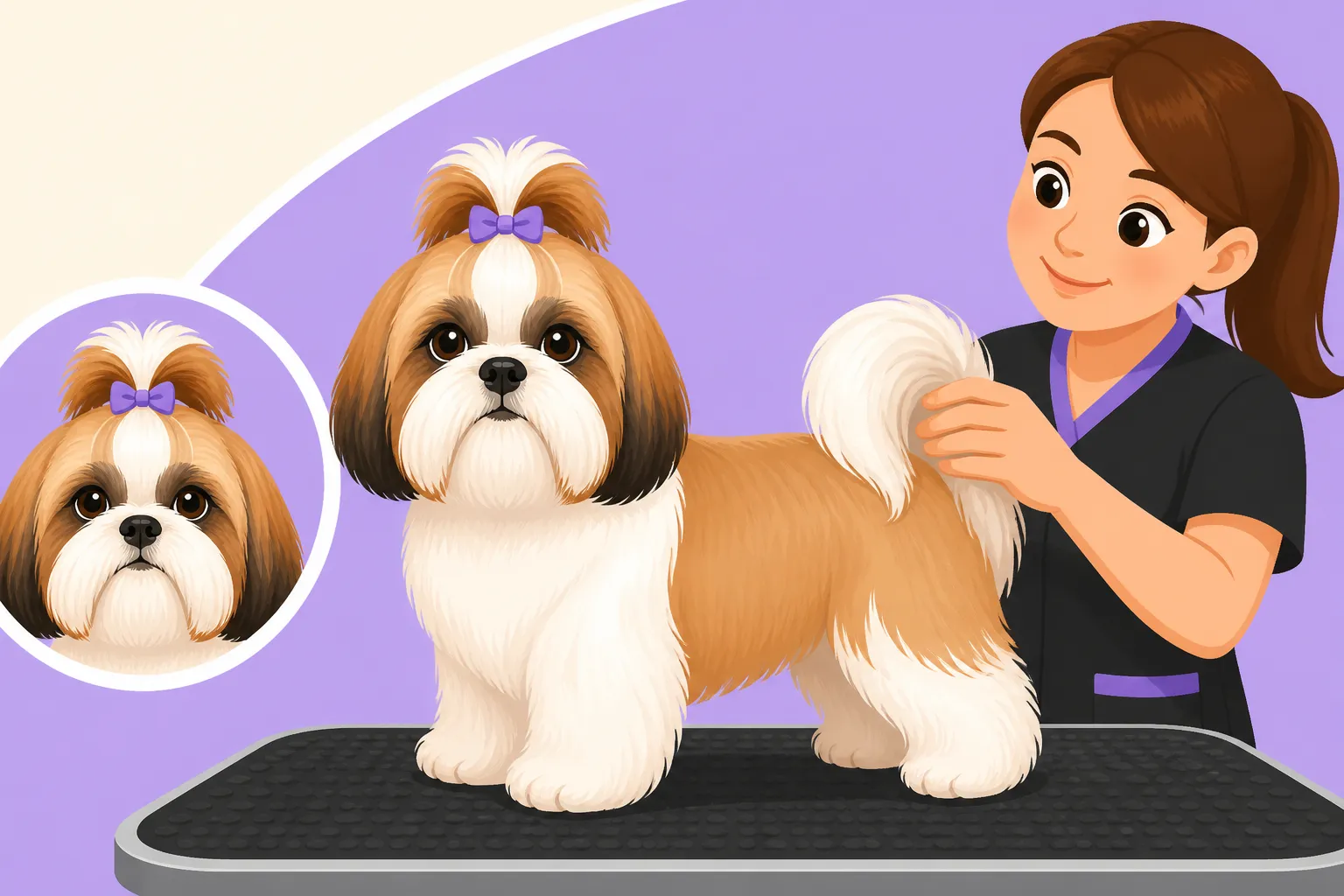
Investing in a proper grooming table is paramount. While you might be tempted to use a kitchen counter, these surfaces are often too slippery and lack the essential safety features. A dedicated grooming table typically has a non-slip surface, which is crucial for your Shih Tzu's comfort and stability, preventing slips and falls that could injure their back or joints. These tables also come with a grooming arm and a noose or loop, designed to keep your dog gently but securely in place. The noose should be placed around their neck and clipped to the grooming arm, snug enough so they can't jump off, but loose enough to be comfortable and not restrict breathing.
When choosing a table, consider the size that's appropriate for your Shih Tzu – you want one that provides enough space for them to stand and turn comfortably, but not so large that they feel insecure. You can find a range of options on platforms like Amazon, from basic foldable models to hydraulic lift tables, depending on your budget and needs. Ensure any table you select is stable and doesn't wobble, as this can be unsettling for your dog. For smaller Shih Tzus, a portable tabletop grooming arm can even be clamped onto a sturdy, non-slip surface if space is limited, as long as it's at a comfortable working height for you.
Essential Tools for a Positive Grooming Experience
Having the right tools at hand makes the grooming process much smoother and more pleasant for your Shih Tzu. Before you even start formal training on the table, ensure you have these ready. A high-quality slicker brush is indispensable for getting through that double coat without pulling. Getting a Shih Tzu Used to a Slicker Brush emphasizes the importance of the right brush. You'll also need a metal comb with both wide and fine teeth for checking your work and removing smaller tangles.
For sensitive areas like the face and paws, small blunt-nosed scissors are essential for safety, and an electric clipper with various blade lengths will be needed for sanitary trims and paw pads. Consider also a nail clipper specifically sized for small dogs, and a styptic powder just in case you cut too close. Eye wipes and tear stain remover are also must-haves for daily facial care. Having all your tools organized and within reach on the table or a nearby caddy prevents you from having to step away, which can break your Shih Tzu's focus and encourage them to move. Many online pet supply retailers and Amazon offer comprehensive starter kits or individual high-quality tools that are suitable for the Shih Tzu's unique grooming needs.
Designing a Calm and Consistent Training Environment
The physical space where you conduct your grooming table training profoundly impacts its success. Choose a quiet area of your home where you can minimize distractions. A bustling hallway or a room with a TV blaring might be too stimulating for a training session, especially in the beginning. Ideally, this space should be used consistently for grooming and nothing else, so your Shih Tzu learns to associate it specifically with the table and its routine.
Ensure the lighting is good so you can clearly see what you're doing, particularly when working on delicate areas like their eyes or paw pads. Make sure the room temperature is comfortable, as Shih Tzus can overheat easily, especially with their heavy coats. Before each session, gather all your tools, treats, and any other supplies you might need. The goal is to create a peaceful, predictable, and positive atmosphere where your Shih Tzu feels safe and can focus on the task at hand. Consistency in location, timing, and your own calm demeanor will build your dog's confidence and make them more receptive to learning.
Introduction to the Table: Building Positive Associations
The key to successful grooming table training is to make the table a positive, even exciting, place for your Shih Tzu. You want them to want to get on the table, not be forced or scared onto it. This takes patience and a gradual approach, focusing on desensitization and rewarding brave behavior. Rushing this stage can set you back significantly, so take your time and make every interaction enjoyable.
First Steps: Making the Table a Fun and Rewarding Place
Your Shih Tzu's first interactions with the grooming table should be overwhelmingly positive. Don't immediately try to groom them. Instead, treat the table as a fun new platform. Start by simply leading them towards the table. If they show any curiosity, praise them and offer a high-value treat. You can even scatter some treats directly on the table surface, encouraging them to sniff and explore it without pressure. If your table has a ramp or steps, encourage them to use those by luring them with treats. If you have to lift them, do so gently and calmly, immediately rewarding them once their paws are on the surface.
Once they are on the table, even if just for a second, shower them with praise and treats. The goal is to create an association: "Table equals good things!" Keep these initial sessions extremely short – literally just a few seconds on the table, then off. You can use their favorite toys or puzzle feeders to make the table even more enticing. For some dogs, this might involve playing a short game of "find the treat" on the table surface. The more positive experiences they have with the table before any actual grooming begins, the more willing they will be to cooperate when the real work starts.
Gradual Desensitization to the Height and Stability
For many dogs, the novelty of being elevated on a table can be unsettling. It's different from the solid ground they're used to, and the slight sway or different texture can be a bit scary. Desensitization means gradually exposing them to this new sensation until they are comfortable. After those initial positive associations, increase the time they spend on the table, always accompanied by treats and praise. Start with just a few seconds, then work up to 30 seconds, then a minute, and so on.
During these sessions, gently touch the table to simulate minor movements or vibrations, always pairing it with a treat. This teaches them that even if the table moves slightly, it's nothing to be afraid of. If your table has a grooming arm, introduce it slowly. Let them sniff it, reward them. Then, attach the grooming loop loosely to the arm and let it hang while they are on the table, again with treats. Eventually, you'll attach the loop around their neck, making sure it's snug but comfortable, never tight. This gradual exposure ensures they don't develop a fear of the table's height or the feeling of being gently restrained.
Incorporating Treats, Praise, and Short, Happy Sessions
The foundation of successful grooming table training, especially for a sensitive breed like the Shih Tzu, is positive reinforcement. Every time your Shih Tzu offers a desired behavior – looking at the table, getting on it, standing for a second, tolerating a touch – mark that behavior with a clear verbal cue like "Yes!" or a clicker, and then immediately follow with a high-value treat and enthusiastic praise. High-value treats are those irresistible morsels your dog absolutely loves, like small pieces of cooked chicken, cheese, or specialized training treats found on Amazon.
Keep all training sessions short and frequent. A Shih Tzu's attention span, especially for something they might find a bit boring or strange, isn't very long. Aim for 5-10 minute sessions, perhaps two or three times a day, rather than one long, grueling session. Five Minute Sessions With a Shih Tzu is a good guide here. End each session on a positive note, before your Shih Tzu gets bored or frustrated. If they're doing well, give them a final jackpot of treats and let them off the table. If they're struggling, scale back to an easier task they can succeed at, reward them, and then end the session. This ensures they always leave the table feeling good about the experience and more likely to cooperate next time. You could even look into online training resources like BAXTER & Bella for more guidance on positive reinforcement and structured training programs that can complement your table work.
Teaching the "Stand" Command and Maintaining Stillness
Once your Shih Tzu is comfortable being on the grooming table, the next step is to teach them to stand patiently. This is where the real work of cooperative grooming begins. It’s not just about getting them to physically stand up, but to maintain that stillness, even when you’re handling their sensitive areas. This requires clear communication, consistent rewards, and gentle guidance.
Lure-and-Reward Techniques for Standing Comfortably
Teaching your Shih Tzu to "stand" on cue on the table is a fantastic way to encourage cooperation. Start with your dog already on the table. Hold a high-value treat near their nose and slowly move it forward, just slightly above their head, encouraging them to stand up from a sit or a down position. As soon as all four paws are on the ground and they are standing, say your "stand" cue ("Stand!") and immediately give them the treat. Repeat this several times. Once they are reliably standing, start to increase the duration of the stand before giving the treat, always starting with just a second or two.
As they get better, you can start to use the treat as a lure to encourage them to adjust their posture slightly, squaring up their body on the table. If they shift their weight or lift a paw, gently reposition them with your hands, saying your "stand" cue again, and rewarding them immediately for even a moment of stillness in the desired position. Remember, for a breed like the Shih Tzu, too much pressure or discomfort can quickly lead to resistance. Keep your movements slow, deliberate, and always paired with positive reinforcement.
Practicing "Stay" and Gentle Handling
Once your Shih Tzu understands the "stand" command, the next crucial step is teaching them to "stay" in that position while you perform grooming tasks. Start by asking them to "stand," then take one step back, say "stay," and immediately reward if they remain still. Gradually increase the distance you move away and the duration of the "stay." If they move, gently put them back in position without scolding, and restart the "stand-stay" process. It's about building their impulse control in a safe and structured way.
While they are in a "stand-stay," begin to introduce gentle handling. Start with light strokes down their back, then gently touch their sides, legs, and tail. Each touch should be accompanied by soft praise and a treat if they remain calm. Progress to gently lifting a paw, touching their ears, or lightly holding their chin. Teaching a Shih Tzu Puppy to Lie on Its Side can also help with comfortable handling in general. If your Shih Tzu shows any discomfort, stop, reassure them, and try again with a lighter touch or a shorter duration, always making sure to reward their stillness. This systematic desensitization to handling is vital, as grooming requires you to touch every part of their body.
Managing Movement and Encouraging Focus
Even with the best training, Shih Tzus can be prone to wiggles, nips, or attempts to jump off the table, especially as puppies or if they're bored. This is where the grooming loop comes in. The loop should be snug around their neck (just enough to prevent them from jumping off, but not tight) and clipped to the grooming arm, providing a gentle boundary. It's not meant to hang them or cause discomfort, but merely to safely restrict their movement. If they try to jump, the loop will gently prevent them, and you can immediately redirect their attention with a treat and the "stand" command.
To encourage focus, keep your training sessions engaging. Use a variety of treats and enthusiastic praise. If your Shih Tzu starts to get restless, take a short break or end the session on a positive note, even if it's just for a moment of stillness you can reward. Distraction techniques, like offering a long-lasting chew toy (if safe on the table) or letting them lick a treat from a silicone mat stuck to the table, can also help maintain focus during longer grooming tasks. Your calm and confident demeanor is also key. If you become frustrated, your Shih Tzu will pick up on that energy and become anxious themselves.
Layering Grooming Tasks onto Table Training
Once your Shih Tzu is reliably standing and staying on the grooming table, it's time to slowly introduce actual grooming tasks. Remember the principles of gradual desensitization and positive reinforcement. Don't try to do everything at once. Introduce one task at a time, keeping sessions short and rewarding cooperation generously.
Mastering the Brush and Comb While Standing
This is perhaps the most frequent task you'll perform on the grooming table, so getting it right is crucial. Begin with very short brushing sessions. Start with an area your Shih Tzu is usually comfortable with, like their back. Take one or two gentle strokes with your slicker brush, immediately followed by praise and a high-value treat if they remain standing calmly. Slowly increase the number of strokes and the areas you brush. Pay close attention to their body language. If they show signs of discomfort, like tensing up or trying to move away, ease off and return to an easier area or fewer strokes.
As they become more accustomed, gradually introduce the metal comb to check for mats, particularly in dense areas like the underarms, behind the ears, and the belly. If you encounter a mat, be extra gentle. Hold the hair at the base of the mat (against the skin) to prevent pulling on the skin, and work out the tangle slowly. Every moment of calm acceptance, especially during potentially uncomfortable mat removal, should be rewarded. The goal is to make brushing a routine, expected, and even enjoyable part of their time on the table.
Practicing Face Trims and Eye Cleaning
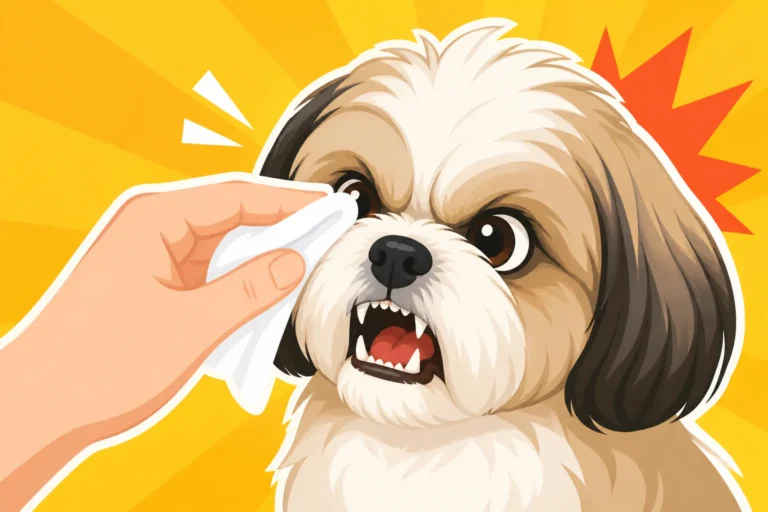
The Shih Tzu's expressive face is adorable, but the hair around their eyes and muzzle needs constant attention. This can be one of the trickiest areas to groom due to its sensitivity and the risk of injury. Start by simply touching around their eyes and muzzle while they are on the table, rewarding for stillness. Practicing Face Trims on a Shih Tzu Puppy should begin early and gently. Use a damp cloth or a specialized eye wipe to gently clean away tear stains, rewarding after each successful wipe.
When introducing trimming, use blunt-nosed scissors specifically designed for pet grooming. Work in tiny increments. Hold the hair to be trimmed between your fingers, away from the skin, and snip small amounts. Always aim the scissor tips away from the eye. Reward generously after each snip, or even just after you've positioned the scissors without trimming. For beard and muzzle cleaning after meals, you can introduce a snood or gentle wiping with a damp cloth, again, making it a positive experience with treats. Consistency with these routines will help them tolerate the necessary upkeep of their sensitive facial area. Teaching a Shih Tzu to Accept Eye Wiping is a specific skill that pairs well with face trims.
Nail Trims and Paw Pad Maintenance
Many dogs dislike having their paws handled, and Shih Tzus are no exception. Nail trimming, in particular, can be a source of anxiety. Start with desensitization. While your Shih Tzu is standing calmly on the table, simply touch their paws, then gently lift each paw, rewarding lavishly for any acceptance. Handling Shih Tzu Paws Every Day is key to building this tolerance. Once they are comfortable with paw handling, introduce the nail clippers. Let them sniff the clippers, reward them. Touch the clippers to their nails without actually cutting, rewarding them.
When you're ready to trim, only clip the very tip of one nail, just enough to get past the initial touch, and then immediately reward. Do not try to do all nails in one go at first. You might only do one or two nails per session, gradually increasing as your Shih Tzu becomes more confident. Always have styptic powder on hand in case you cut too close to the quick. For paw pad maintenance, gently spread the paw pads and use small clippers (or a small electric shaver) to trim the hair between the pads, which can accumulate dirt and make them slip on smooth floors. Again, short, positive sessions are your best bet for success here.
| Grooming Task | Recommended Tools | Key Training Principles | Potential Challenges |
|---|---|---|---|
| Brushing & Dematting | Slicker brush, Metal comb, Detangler | Start with comfortable areas, short strokes, high-value treats | Mats, pulling hair, discomfort |
| Face Trims & Eye Care | Blunt-nosed scissors, Eye wipes | Gentle touch, tiny snips, frequent rewards, aim away from eyes | Sensitivity, eye irritation, fear of scissors |
| Nail Trimming | Small nail clippers, Styptic powder | Paw handling desensitization, one nail at a time, rewards | Quicking, fear of clippers, resistance |
| Paw Pad Hair Trimming | Small clippers/shaver | Lift paw gently, expose pads, quick trims, positive reinforcement | Ticklish paws, sharp blades |
| Sanitary Trims | Small clippers/shaver | Quick, gentle work in sensitive areas, praise and reward | Sensitivity, discomfort |
Addressing Common Grooming Table Challenges
Even with the best intentions and the most patient training, your Shih Tzu might throw you a curveball. Fear, anxiety, a sudden nip, or plain stubbornness can quickly derail a grooming session. It's important to recognize these challenges for what they are and have a strategy to address them calmly and effectively, rather than resorting to force or frustration.
Dealing with Fear, Anxiety, and Resistance
If your Shih Tzu is showing signs of fear (trembling, tucked tail, flattened ears, trying to bolt), anxiety (excessive panting, yawning, lip licking), or outright resistance (stiffening, growling, struggling), it's a clear signal that you've gone too fast or pushed too hard. The first step is to stop the grooming task immediately and reassess. Never punish fear; it will only make it worse. Instead, try to understand the trigger. Is it the height of the table? The sound of a tool? A specific type of touch?
Go back to basics. Reintroduce the table as a neutral, then positive, space with lots of treats and praise, without any grooming tools present. Work on desensitizing them to the sight and sound of your tools off the table first. For example, let them sniff the clippers while they're off, then turn them on briefly in another room, gradually bringing the sound closer, always pairing it with treats. Slowly reintroduce the problematic grooming step, breaking it down into even smaller micro-steps. If they are particularly anxious, playing calming music or using calming pheromone sprays in the grooming area might help. Sometimes, simply changing the time of day or ensuring they've had a short, positive walk beforehand can make a difference.
What to Do When Your Shih Tzu Bites or Nips
A bite or nip from your Shih Tzu during grooming is a serious signal that they are feeling overwhelmed, scared, or in pain. It's a defensive action. First, ensure your own safety. If your Shih Tzu is prone to nipping, consider muzzle training as a temporary safety measure during intense grooming sessions, but this should always be paired with positive reinforcement to change their underlying emotional response, not just suppress the behavior.
If a nip occurs, stop the grooming immediately. Do not scold or punish, as this will only increase their fear and defensiveness. Calmly put your dog down or away from the table. Analyze what happened right before the nip. Were you going too fast? Did you hit a sensitive spot or a mat? Was a particular tool scary? This usually means you need to go back several steps in your training. Work on foundational positive handling and desensitization, reinforcing that touch is safe and rewarding. If the nipping is persistent or severe, this is a clear sign to seek professional help from a certified professional dog trainer or a veterinary behaviorist who can provide tailored guidance.
Overcoming a Stubborn Refusal to Cooperate
Sometimes, your Shih Tzu might not be fearful, but simply stubborn. They might plant their feet, refuse to stand, or try to sit or lie down repeatedly. This is where patience and consistent expectations come into play. Your Shih Tzu has learned that if they resist, the grooming might stop. The goal is to teach them that cooperation is always rewarded, and resistance doesn't get them what they want.
If they refuse to stand, gently use your hands to guide them into a standing position, immediately rewarding the moment all four paws are on the table. If they try to sit, gently use an arm or your free hand to block them from sitting, keeping them in a stand, and again, reward the moment they maintain the stand. Don't engage in a power struggle; be calm, consistent, and firm but gentle. Keep sessions short and try to end on a positive note. Shih Tzu Stubbornness and What It Really Is often stems from a lack of clear communication and consistent expectations. Using a grooming loop can also help, as it prevents them from sitting down fully and makes it easier to guide them back to a standing position. If your Shih Tzu is particularly food motivated, using highly desirable treats, like pieces of cooked chicken, can sometimes override their stubborn streak.
Sustaining Good Habits: Long-Term Grooming Table Success
Training your Shih Tzu for the grooming table isn't a one-and-done event. It's an ongoing commitment to reinforce good habits and ensure grooming remains a positive experience throughout their lives. Consistency, knowing when to seek additional support, and understanding how this training benefits other aspects of their care are all crucial for long-term success.
Consistency is Key: Regular, Short Practice Sessions
The single most important factor in maintaining good grooming table manners is consistency. Regular, short practice sessions, even if you're not doing a full groom, will keep the skills sharp and reinforce the positive associations. Aim for at least a few 5-10 minute sessions each week where you get your Shih Tzu on the table, ask for a "stand" and "stay," do a quick brush of a small area, and offer a treat. These micro-sessions prevent them from forgetting their training and reinforce that the table is a normal, pleasant part of their routine.
Think of it like regular exercise for their brains and bodies. If you only bring out the grooming table when they are severely matted, it will naturally become associated with discomfort and stress. But if it's a regular, predictable event with positive outcomes, they will approach it with far less apprehension. This also gives you a chance to catch small tangles before they become big mats and to monitor their skin and overall health regularly. A quick daily check and brush can save hours of dematting later on.
When Professional Guidance or Tools Can Help
While home training is incredibly effective, there are times when seeking professional guidance can make all the difference. If you're consistently struggling with fear, aggression, or a complete refusal to cooperate, a certified professional dog trainer can offer tailored strategies and hands-on support. They can identify subtle body language cues you might be missing and teach you advanced techniques. Finding a Trainer for a Toy Breed is an important step when you hit a wall.
Additionally, don't hesitate to consult your professional groomer. A good groomer wants your Shih Tzu to have a positive experience and can offer tips or even incorporate "happy visits" where your dog simply comes in for positive reinforcement on the table without a full groom. They can also advise on tools. While we've discussed basics, there might be specialized clippers or brushes that could make your life easier. For instance, some electric clippers are quieter, which can be less scary for a noise-sensitive Shih Tzu. You can find a vast array of specialized Home Grooming Tools a Shih Tzu Needs on places like Amazon, from high-velocity dryers to specialized thinning shears, but a professional can guide you on what's truly essential.
Preparing for Groomer Visits and Vet Exams
The skills your Shih Tzu learns on the home grooming table are directly transferable to professional groomer visits and routine veterinary examinations. A Shih Tzu that is accustomed to standing still, being handled all over their body, and tolerating the sounds of clippers and dryers at home will be a much calmer and more cooperative patient at the vet or salon. This makes for a quicker, less stressful experience for your dog, and a much easier job for the professionals.
Before a vet visit or groomer appointment, you can even mimic some of the procedures at home on your table. For example, if your vet regularly checks their teeth, practice opening your Shih Tzu's mouth gently. If the groomer uses a high-velocity dryer, slowly desensitize your dog to similar sounds at home. Discuss your training efforts with your vet and groomer; they will appreciate the effort and can work with you to maintain continuity in your Shih Tzu's positive experiences. Your diligent work at home lays the groundwork for a well-adjusted, easy-to-care-for Shih Tzu in any professional setting, reducing the need for more forceful interventions. Two Hours on the Table and a Patient Shih Tzu is a goal that becomes achievable through consistent training.
Disclaimer
This article is for general informational purposes only and does not constitute professional advice. Laws, prices and regulations vary by location and change over time. Consult a qualified professional for guidance on your specific situation.