Finding a Trainer for a Toy Breed
It can feel incredibly frustrating and a little disheartening when you’re trying to teach your tiny Shih Tzu the ropes, only to hit a wall, and then realize that finding a suitable trainer who truly understands toy breeds isn't as straightforward as it sounds. Many owners worry that their small dog is too stubborn or simply untrainable, but often, it's just a matter of finding the right person with the right approach. This guide is here to walk you through how to pinpoint a fantastic trainer who "gets" Shih Tzus and can help you build a stronger, more harmonious bond with your furry companion.
Why Toy Breeds Need Specialized Training Approaches
Let's be real: sometimes it feels like the world of dog training is built for German Shepherds and Labradors, not our little lions. Many conventional training methods just don't quite fit the unique needs and vulnerabilities of a toy breed like the Shih Tzu. It's not that they're less intelligent; it's that their physical characteristics and inherent temperament require a nuanced touch.
The Myth of the "Untrainable" Small Dog
One of the biggest frustrations I hear from Shih Tzu owners, and honestly, something I used to believe myself, is that small dogs are just naturally harder to train. People often assume that because a Shih Tzu might be more inclined to cuddle on the sofa than fetch a ball across a field, they're somehow less capable of learning. This couldn't be further from the truth! Shih Tzus are intelligent, observant, and often eager to please, especially when they understand what's being asked of them and there's a good reward involved. The problem often isn't the dog; it's the approach.
Many small dogs get a pass on behaviors that would never be tolerated in a larger dog. A tiny nip from a Shih Tzu might be brushed off as "cute" or "just being a puppy," whereas the same behavior from a larger breed would immediately warrant intervention. This unintentional inconsistency teaches the Shih Tzu that they don't have to follow the rules, leading to frustration down the line. It's about setting clear boundaries and consistent expectations, regardless of size.
Their sensitive nature also means that harsh corrections or loud voices can shut them down completely. Unlike some larger, more robust breeds that might bounce back from a firm "no," a Shih Tzu can become anxious, fearful, or simply refuse to engage. This isn't stubbornness; it's often a response to feeling overwhelmed or intimidated. They thrive on kindness, patience, and positive reinforcement. Why a Companion Breed Still Needs Training is crucial for understanding this balance.
Unique Challenges of Training a Shih Tzu
Beyond the general misconceptions about small dogs, Shih Tzus come with their own distinct set of characteristics that trainers need to understand. Their brachycephalic (flat) faces, for example, mean they often can't pant as effectively as longer-nosed breeds, making them prone to overheating during strenuous activity or in warm weather. A trainer who pushes them too hard in such conditions isn't just ineffective; they're putting your dog at risk. Their breathing can also impact how they express stress or discomfort, sometimes making their body language harder for an inexperienced trainer to read.
Their small stature also means they're physically vulnerable. A trainer using rough handling or incorrect equipment, like a standard collar instead of a harness, could inadvertently cause injury, especially to their delicate neck and trachea. Shih Tzu Leash Pulling and Harness Choice is a perfect example of how their unique anatomy dictates appropriate gear. Furthermore, their long backs can be susceptible to disc issues, so jumping and rough play need to be managed carefully. A trainer needs to be aware of these physical limitations and incorporate safe, low-impact exercises into their routines.
Consider their beautiful, flowing coats, too. A Shih Tzu might find certain physical restraints or grooming aspects of training incredibly uncomfortable if not introduced gently. For example, if a trainer needs to guide them physically, they must be mindful of not pulling hair or causing mats. This requires a gentle touch and a deep understanding of the breed's physical and temperamental sensitivities.
Common Mistakes Owners Make with Toy Breed Training
It's easy to make mistakes when you're navigating the world of dog ownership, especially with a breed as unique as the Shih Tzu. One prevalent error is falling into the trap of carrying them everywhere, preventing them from experiencing the world on their own four paws. While adorable, this can hinder their socialization and confidence, making them fearful or reactive when put down. They need to learn to walk on a leash, explore new environments, and interact appropriately with other dogs and people, even if it's just for short periods.
Another common pitfall is inconsistency with house training. Shih Tzus are known for being a bit more challenging in this department, and owners might become lax, allowing accidents indoors. This only reinforces the behavior. Shih Tzu House Training Regression highlights how quickly consistency can unravel. It's vital to maintain a strict potty schedule and reward system. Similarly, owners might inadvertently reinforce unwanted behaviors like barking or whining by giving attention to their Shih Tzu when they're being noisy. They're smart little things, and they quickly learn what gets them what they want!
Finally, many owners skip formal training, believing their small dog doesn't "need" it as much as a large breed. But a well-trained Shih Tzu is a happier, safer, and more confident Shih Tzu. Even basic cues like "sit," "stay," and a reliable recall can prevent countless headaches and potential dangers. And let's not forget the importance of Building Alone Time for a Shih Tzu to prevent separation anxiety, a common issue for such companion-oriented dogs.
Understanding Different Training Philosophies and Methods
When you're looking for a trainer, you'll quickly discover that not all methods are created equal. Just like with people, different approaches work for different dogs, but for a sensitive breed like the Shih Tzu, some methods are far superior – and safer – than others.
Positive Reinforcement: The Gold Standard
For Shih Tzus, positive reinforcement isn't just a good idea; it's truly the gold standard. This method focuses on rewarding desired behaviors, making your dog more likely to repeat them. Think of it: when your Shih Tzu sits on command and immediately gets a delicious treat or enthusiastic praise, they quickly connect the action with the reward. This creates a positive association with training, turning it into a fun game rather than a chore. Positive Reinforcement With a Shih Tzu is the foundation of effective, humane training for these dogs.
Positive reinforcement avoids any form of punishment, fear, or intimidation. This is crucial for a breed that can be easily overwhelmed or scared, potentially leading to behavioral issues like fear-biting or extreme shyness. Instead of trying to "dominate" your Shih Tzu, a positive reinforcement trainer will help you understand their motivations and use them to your advantage. Maybe it's their favorite tiny treat, a special toy, or a gentle belly rub—whatever your Shih Tzu values, that becomes your training currency.
It's also about building trust. When your Shih Tzu sees you as a source of good things and positive experiences, your bond deepens significantly. They learn to look to you for guidance and feel safe in your presence, even in new or challenging situations. This approach doesn't just train behaviors; it cultivates a happy, confident, and well-adjusted companion who genuinely enjoys learning and interacting with you.
Avoiding Aversive Methods with a Delicate Breed
Unfortunately, some trainers still rely on outdated, aversive methods that use pain, fear, or intimidation to suppress behaviors. These might include choke chains, prong collars, shock collars, or harsh verbal corrections. For any dog, these methods can cause fear, anxiety, and a breakdown in trust. For a small, brachycephalic, and delicate breed like the Shih Tzu, they are particularly dangerous and absolutely counterproductive.
A Shih Tzu’s small, fragile trachea is extremely vulnerable to injury from choke or prong collars. Even a minor tug could cause damage, leading to coughing, gagging, or even more serious respiratory distress, especially given their predisposition to Brachycephalic Breathing in a Shih Tzu. Imagine a small child being trained with tools meant for a full-grown adult – that's the equivalent of using a prong collar on a Shih Tzu. It's not just ineffective; it's cruel and harmful.
A trainer who advocates for or uses these methods on a Shih Tzu is not someone you want working with your dog. They likely do not understand the breed's specific anatomical vulnerabilities or their sensitive temperament. A scared Shih Tzu is not a trained Shih Tzu; it's a dog that has learned to suppress its natural behaviors out of fear, which can lead to unpredictable reactions down the line. Always ask about a trainer's methods upfront and avoid anyone who suggests anything other than positive, reward-based techniques.
Group Classes vs. Private Sessions
Deciding between group classes and private training sessions is a common dilemma for Shih Tzu owners. Both have their merits, but the best choice often depends on your dog's personality, your specific goals, and your budget.
Group classes can be wonderful for socialization, allowing your Shih Tzu to get used to being around other dogs and people in a controlled environment. This is vital for puppy development and can help prevent issues like reactivity or shyness later on. Plus, they're often more affordable and can offer a sense of community with other dog owners. However, a group class needs to be carefully selected to ensure it's appropriate for toy breeds. A class primarily featuring boisterous larger dogs might overwhelm a small Shih Tzu, or the activities might not be tailored to their physical capabilities. Whether a Toy Breed Class Suits a Shih Tzu is an important consideration.
| Feature | Group Classes | Private Sessions |
|---|---|---|
| Cost | Generally lower per session | Higher per session, but potentially fewer sessions needed |
| Socialization | Excellent opportunity to interact with other dogs/people in a controlled setting | Limited direct interaction with other dogs, but can work on reactivity to distractions |
| Curriculum | Standardized, covers general obedience, may not fully cater to specific breed needs | Highly customized to your dog's individual needs and your family's lifestyle |
| Pacing | Set pace, may be too fast or slow for individual dogs | Flexible pacing, adjusts to your dog's learning speed and attention span |
| Distractions | Built-in distractions (other dogs, people) can be beneficial or overwhelming | Starts in low-distraction environments, gradually adds complexity |
| Scheduling | Fixed schedules, less flexibility | Highly flexible scheduling, convenient for busy owners |
| Focus | Broad obedience skills | Addresses specific problem behaviors (e.g., Shih Tzu Puppy Nipping at Fingers, house training) |
Private sessions, on the other hand, offer personalized attention. A trainer comes to your home or works one-on-one with you and your Shih Tzu, focusing solely on your dog's specific challenges, whether it's persistent house training issues, leash pulling, or general obedience. This can be incredibly effective for dogs that are easily distracted in a group setting or have specific behavioral quirks that require individual troubleshooting. It also allows the trainer to observe your Shih Tzu in their home environment, providing tailored advice that considers your daily routine and family dynamics. While more expensive, the targeted approach can often lead to faster progress for particular issues.
Many owners opt for a hybrid approach: a few private sessions to address foundational behaviors or specific problems, followed by a well-chosen group class for socialization and proofing behaviors in a more distracting environment. It's all about finding what best suits your Shih Tzu's unique needs and personality.
What to Look for in a Toy Breed Trainer
Finding a trainer isn't just about finding a trainer; it's about finding the right trainer for your Shih Tzu. Given their unique characteristics, certain qualities in a trainer become non-negotiable.
Experience with Brachycephalic Breeds
This is paramount. A trainer who understands the intricacies of brachycephalic breeds, like Shih Tzus, Pugs, or Bulldogs, knows their physical limitations intimately. They'll be acutely aware of things like heat sensitivity, potential respiratory issues, and the delicate nature of their necks. This means they won't push your Shih Tzu too hard during exercise, will advise on appropriate harnesses over collars, and will be able to read subtle signs of stress or discomfort that a less experienced trainer might miss. Brachycephalic Breathing in a Shih Tzu is a critical area of knowledge for any trainer working with these dogs.
They'll also appreciate the communication differences. While all dogs use body language, a flat-faced dog's expressions can be less obvious than those of a longer-snouted breed. A good trainer will be skilled in interpreting these nuances, ensuring they respond appropriately to your Shih Tzu's signals rather than misinterpreting them. This specialized knowledge means they'll recommend safe, effective methods that protect your dog's physical well-being and cater to their individual temperament.
Don't be afraid to ask specific questions: "What experience do you have with Shih Tzus or other brachycephalic breeds?" "How do you adjust your training methods for a dog with potential breathing issues?" "What kind of equipment do you recommend for a Shih Tzu?" A confident and knowledgeable trainer will have clear, reassuring answers.
Trainer's Temperament and Communication Style
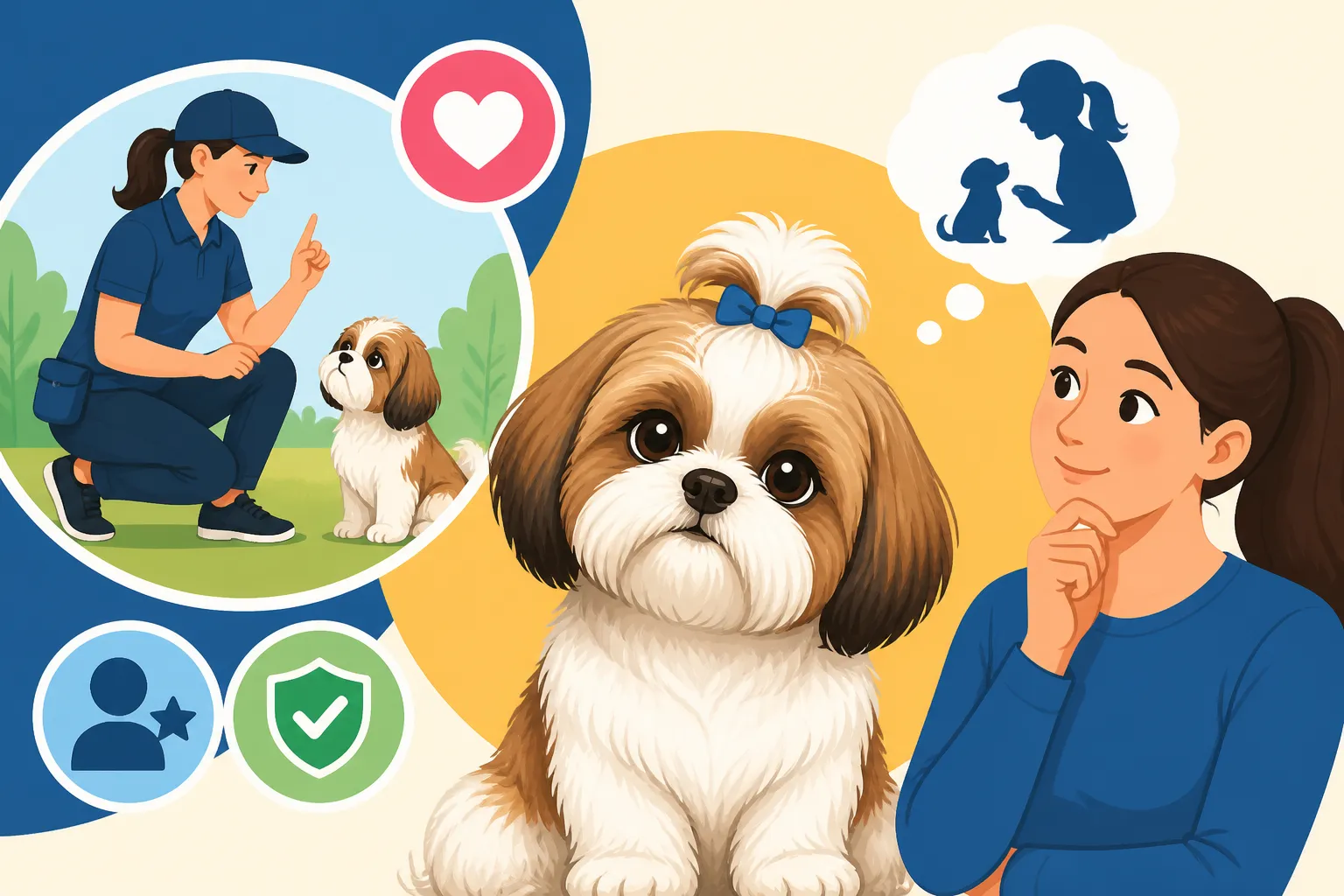
A trainer’s demeanor is just as important as their technical skills, especially when working with sensitive dogs and their human companions. You want someone who is patient, calm, and empathetic – both with your Shih Tzu and with you! Training is a partnership, and you need to feel comfortable asking questions, making mistakes, and learning alongside your dog. A trainer who is condescending or uses jargon you don't understand isn't going to foster a productive learning environment.
Observe how they interact with dogs. Do they get down to the dog's level? Are they gentle and encouraging? Do they use clear, simple language and positive body cues? For a Shih Tzu, a trainer who speaks in a soothing voice and uses soft, inviting movements will achieve far better results than one who is loud or abrupt. A Shih Tzu Panting in the Vet Waiting Room can indicate stress, and a good trainer should be able to spot similar signs in a training environment and adjust their approach.
Their communication style with you is equally vital. They should be able to explain concepts clearly, demonstrate techniques effectively, and provide constructive feedback without making you feel inadequate. The best trainers empower owners to become better trainers themselves, giving you the tools and confidence to continue working with your Shih Tzu long after the sessions are over. You should feel like a valued part of the team, not just a spectator.
Understanding Their Approach to Common Shih Tzu Issues
Shih Tzus, bless their hearts, come with their own set of endearing quirks and common challenges. A good trainer for a toy breed will be familiar with these and have a proven, positive approach to addressing them. For instance, house training can be a marathon, not a sprint, for some Shih Tzus. Does the trainer offer practical, consistent strategies for this, like a detailed potty schedule and methods for cleaning accidents? Cleaning Shih Tzu Accidents Properly is a vital skill.
Separation anxiety is another common issue for these devoted companion dogs. A trainer should have strategies for building independence and helping your Shih Tzu cope with alone time gradually, rather than just suggesting crating without context. Then there's the delightful phenomenon of resource guarding, where a Shih Tzu might get protective over toys, food, or even your lap. A Shih Tzu That Guards a Toy or even you, requires a careful, positive behavior modification plan, not punishment, which can escalate aggression.
Ask prospective trainers about their experience with these specific challenges. Do they have successful case studies? What methods do they employ? Their answers will reveal their depth of understanding of the breed and their commitment to humane, effective solutions. A trainer who dismisses these concerns or suggests one-size-fits-all fixes might not be the right fit for your unique little lion dog.
Where to Find Qualified Trainers for Your Shih Tzu
Finding a good dog trainer can sometimes feel like a treasure hunt, but thankfully, there are several excellent avenues to explore. It's about knowing where to look and what questions to ask to ensure you're getting a qualified professional who understands your Shih Tzu's needs.
Online Resources and Virtual Training
The digital age has opened up a world of possibilities for dog training, especially for those with busy schedules or limited local options. Online platforms offer everything from video tutorials to live virtual sessions, making quality training more accessible than ever. This can be particularly beneficial for Shih Tzus who might be overwhelmed by new environments or other dogs in a traditional group class setting, allowing them to learn in the comfort of their own home.
Look for reputable online programs that emphasize positive reinforcement. Many will offer comprehensive puppy courses that cover everything from house training to basic commands. A great example of a resource like this is BAXTER & Bella, which provides online puppy training programs designed to guide owners through every stage of their dog's development with supportive, step-by-step instruction. They often have communities where you can connect with other owners and get personalized feedback.
For specific training tools, books, or online courses on particular topics (like leash manners or crate training), online retailers like Amazon can be a great resource. You can find highly-rated books by certified professional dog trainers that can supplement any in-person or virtual training you undertake. Just be sure to cross-reference with reviews and certifications to ensure the advice aligns with positive reinforcement principles.
Local Dog Training Facilities and Their Offerings
While online training is fantastic, sometimes there's no substitute for in-person instruction, especially if you're dealing with specific behavioral issues that benefit from direct observation or if you want your Shih Tzu to experience controlled socialization. Local dog training facilities, pet supply stores with training programs, or independent trainers often offer a variety of classes and services.
When researching local facilities, prioritize those that clearly state their use of positive reinforcement methods. Don't hesitate to call or visit a facility to observe a class in progress (if permitted) or to interview trainers. Ask about class sizes – smaller classes are often better for toy breeds to prevent them from being overwhelmed. Inquire about the trainer's qualifications and certifications, such as those from the Certification Council for Professional Dog Trainers (CCPDT) or the Karen Pryor Academy (KPA). These certifications indicate a commitment to ethical, science-based training practices.
Some facilities might even offer dedicated "small dog" classes, which can be ideal for your Shih Tzu. These classes ensure that all participants are roughly the same size, creating a safer and more comfortable environment for your dog to socialize and learn without fear of accidental injury from larger, more boisterous playmates. If your Shih Tzu has specific issues like fear of other dogs or noise sensitivity, a facility might also offer private consultations.
Breed-Specific Clubs and Referrals
Sometimes, the best resources come from people who truly understand your dog's breed. Shih Tzu clubs, whether local or national, are fantastic places to find recommendations for trainers who have a deep understanding of the breed's temperament, physical needs, and common quirks. Members of these clubs often have years of experience with Shih Tzus and can offer invaluable insights.
These clubs might even host their own training events or seminars tailored specifically to Shih Tzus, covering topics like Handling a Shih Tzu Puppy for Daily Brushing or teaching them to be comfortable at grooming. The trainers associated with these clubs are usually well-versed in the unique aspects of training a Shih Tzu, from managing their long coats during handling to understanding their sometimes "stubborn" nature.
Additionally, don't underestimate the power of word-of-mouth referrals. Talk to other Shih Tzu owners you meet at the dog park (if appropriate for your dog, or in safe, enclosed spaces), at your vet's office, or through online communities. Your veterinarian is also an excellent source of referrals, as they often work with and see the results of various trainers in the area. They can recommend someone they trust, especially if your Shih Tzu has any underlying health conditions that might impact their training.
Preparing for Your First Training Session and Beyond
You’ve done your homework, found a great trainer, and now it's time to get started! The first session, whether in person or virtual, is a crucial step. Being prepared, having realistic expectations, and committing to ongoing practice will set both you and your Shih Tzu up for success.
Initial Consultation and Assessment
Most reputable trainers will begin with an initial consultation or assessment, especially for private clients. This isn't just a meet-and-greet; it's a vital information-gathering session. The trainer will want to learn all about your Shih Tzu – their history, daily routine, current behaviors (both good and challenging), and any health concerns. They'll likely observe your dog's interactions with you and in their environment. This is your opportunity to clearly articulate your goals and concerns, whether it's Shih Tzu Puppy Mouthing at Hands, jumping on furniture, or struggling with house training.
During this session, the trainer should explain their approach, what you can expect from their program, and how they plan to address your specific needs. They should also outline the commitment required from you as the owner, because remember, you are the primary trainer for your dog. This is also a great time to ask any lingering questions you might have about their philosophy, methods, or logistics. A good trainer will be transparent and make you feel comfortable and understood.
You should leave this initial meeting with a clear understanding of the proposed training plan, realistic expectations for progress, and perhaps even some initial homework to start working on. This foundational discussion is key to ensuring that everyone – you, your Shih Tzu, and the trainer – is on the same page and working towards the same positive outcomes.
Setting Realistic Goals for Your Shih Tzu
It's easy to get excited and envision your Shih Tzu performing advanced tricks or perfectly heeling off-leash right away. While it's wonderful to have aspirations, setting realistic goals is crucial for avoiding frustration and celebrating every small victory. Remember that training is a journey, and every dog learns at their own pace. For a Shih Tzu, who might have a shorter attention span for repetitive tasks, Keeping Shih Tzu Training Sessions Short is key to success.
Start with foundational behaviors. A reliable "sit," "stay," and "come" are far more valuable than a flashy trick. Focus on basic manners that make your Shih Tzu a joy to live with, such as walking politely on a leash, waiting at doors, and appropriate greetings. Consider their breed characteristics: your Shih Tzu may not be built for long hikes, so instead of aiming for that, focus on confident, pleasant walks around the block. Prioritize safety and well-being.
Your trainer will help you break down larger goals into smaller, achievable steps. For example, if your goal is perfect house training, the initial steps might involve consistent potty breaks every hour, rewarding success, and learning how to interrupt and redirect accidents. Celebrate when your Shih Tzu goes outside consistently for three days, rather than waiting for weeks of perfection. This positive reinforcement applies to you, too – acknowledging progress keeps everyone motivated. Remember that The Handful of Cues a Shih Tzu Really Needs are often the practical ones that integrate into daily life.
Continuing Education for You and Your Dog
Training isn't a one-and-done event; it's an ongoing process that strengthens your bond and helps your Shih Tzu navigate an ever-changing world. Even after formal sessions with a trainer conclude, it's vital to continue practicing and reinforcing what your dog has learned. Think of it as continuing education for both of you!
Dedicate a few minutes each day to practicing commands in different environments, gradually introducing distractions. This helps your Shih Tzu generalize their learning, meaning they understand that "sit" means "sit" whether you're in the living room, at the park, or when a friendly stranger approaches. Consistency is the magic ingredient here. The more you reinforce desired behaviors, the more ingrained they become.
Beyond formal commands, continue to engage your Shih Tzu’s mind with puzzle toys you might find on Amazon, new experiences, and gentle socialization. Even a simple walk in a new neighborhood can be a learning opportunity. Stay curious and open to learning more about dog behavior. There are countless books, reputable online resources (like BAXTER & Bella's ongoing content), and workshops available to help you further your knowledge. Your trainer can also recommend resources for continued learning. Remember, a well-adjusted Shih Tzu is a lifetime project built on consistent effort, patience, and a whole lot of love. It’s what What Nobody Warns a New Shih Tzu Owner About often boils down to – the continuous commitment.
Disclaimer
This article is for general informational purposes only and does not constitute professional advice. Laws, prices and regulations vary by location and change over time. Consult a qualified professional for guidance on your specific situation.