A Shih Tzu That Guards a Toy
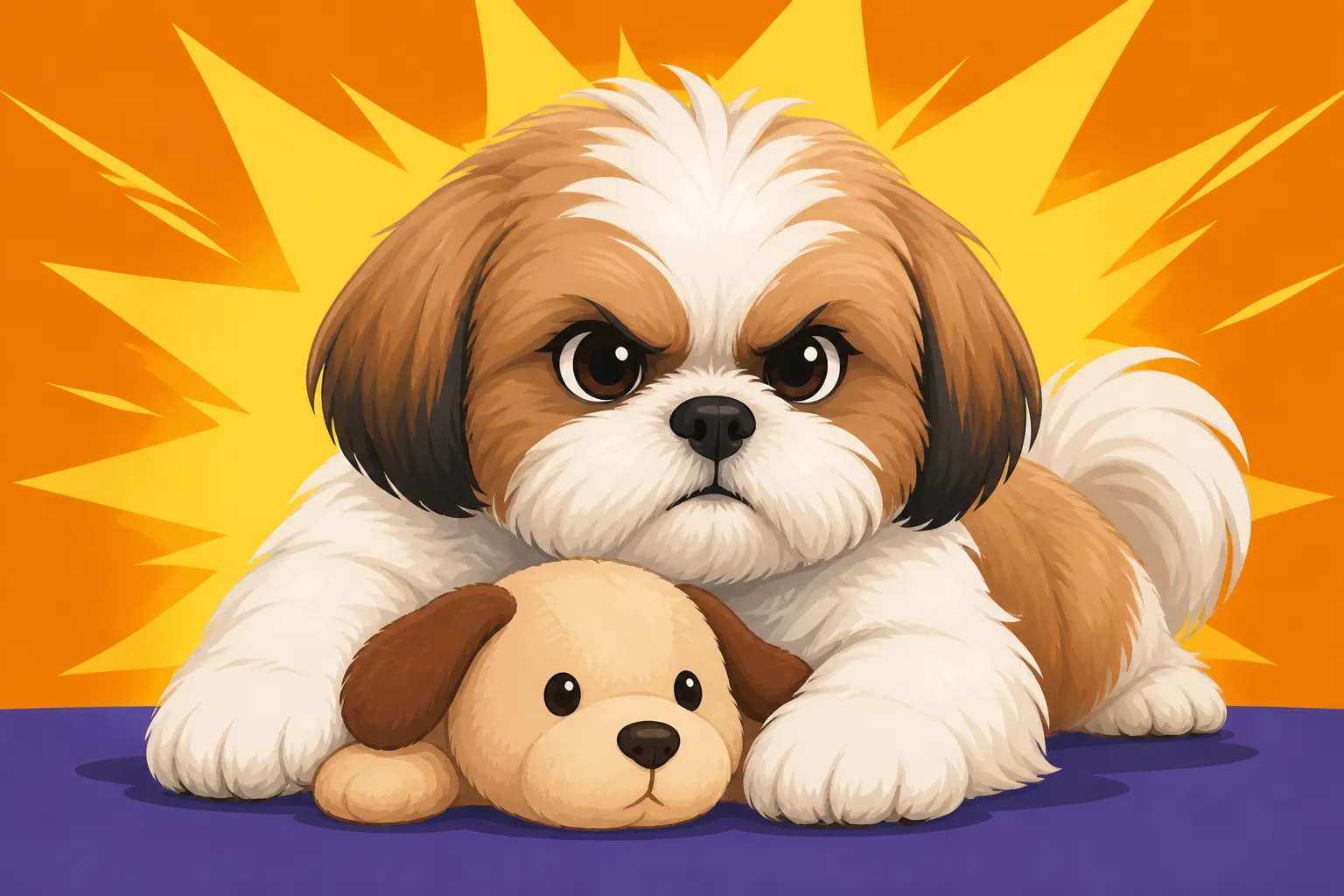
It can be truly unsettling, and even a little heartbreaking, when your sweet, cuddly Shih Tzu suddenly transforms into a growling, snapping little dragon over something as seemingly innocent as a squeaky toy or a favorite chew. You might be left wondering, "Where did that come from?" and feeling frustrated that your affectionate companion is suddenly acting aggressively. This guide is here to help you understand why your Shih Tzu might be guarding a toy, how to recognize the signs, and most importantly, what steps you can take to manage and prevent this behavior, restoring peace (and cuddles!) to your home.
Understanding Resource Guarding in a Shih Tzu: Why a Cute Toy Becomes a Treasure
When your beloved Shih Tzu growls or snarls because you dared to approach their favorite plushie, it's easy to feel personally offended or think they're being "naughty." But what you're witnessing is likely a behavior known as resource guarding, and it's far more about instinct than defiance. Understanding this fundamental truth is the first step toward effectively addressing it.
The Instinctual Roots of Guarding
Resource guarding isn't a sign that your Shih Tzu doesn't love you, nor is it a deliberate act of aggression in the human sense. It's a deeply ingrained instinctual behavior that traces back to their wild ancestors. In the natural world, resources like food, mates, and safe resting spots were critical for survival. A dog that successfully guarded these resources was more likely to survive and reproduce. Even though our modern Shih Tzus live a life of pampered luxury, those ancient wiring patterns are still present in their brains. For some dogs, this instinct is stronger than others, and it can manifest over anything they perceive as valuable, from a dropped crumb to their favorite Shih Tzu beds, crates and carriers.
Think of it like this: your Shih Tzu isn't thinking, "I will punish my human for touching my toy." Instead, their primitive brain is signaling, "This is mine, and I must keep it safe from potential threats." The "threat" can simply be your hand reaching for it, even if your intentions are perfectly benign. It's a fear-based response, a worry that their precious item will be taken away.
What Makes a Toy "High Value" to a Shih Tzu?
Not all toys are created equal in the eyes of a Shih Tzu. Some items hold a much higher perceived value than others, and these are often the ones they'll choose to guard most fiercely. This value can be subjective and sometimes baffling to us. For one Shih Tzu, it might be a specific plush toy they've had since puppyhood. For another, it could be a rawhide chew or a puzzle toy filled with treats.
Factors that can contribute to a toy's high value include:
- Rarity: Is it a toy they don't get often?
- Enjoyment: Do they absolutely adore playing with it, or does it provide long-lasting chewing satisfaction?
- Context: Did they "find" it (even if you left it out), making it feel like a personal treasure?
- Past Experience: Have they had to compete for resources in the past, perhaps in a multi-dog household or a rescue situation where food or toys were scarce? An adopted adult Shih Tzu might come with a history that makes them prone to guarding.
- Your Reaction: If you've ever inadvertently snatched a toy away, even playfully, your Shih Tzu might now associate your approach with loss, increasing their guarding behavior. This is why positive reinforcement is so critical when training a Shih Tzu.
Understanding what your individual Shih Tzu values most can help you predict and manage potential guarding situations. Keep an eye on which items elicit the strongest reactions, as these are your "trigger" resources.
Recognizing the Early Signs: Is Your Shih Tzu Just Being "Stubborn" or Guarding?
It’s easy to dismiss early signs of guarding as "being stubborn" or "grumpy," especially with a small dog like a Shih Tzu. We might even find a mild growl a little bit cute. But these subtle cues are actually critical communication from your dog, and learning to recognize them can prevent escalation to more serious behaviors like snapping or biting.
The Subtle Language of a Guarding Shih Tzu
Dogs communicate primarily through body language, and a Shih Tzu exhibiting resource guarding will give off many signals before resorting to overt aggression. Often, these early signs are so subtle that new owners, or even experienced ones who aren't looking for them, might miss them.
Here's what to watch for:
- Freezing: Your Shih Tzu might suddenly stop moving, becoming very still and rigid when you approach their prized possession.
- Stiffening: Their body posture might become tense, almost "braced," as if preparing for a confrontation.
- Quick Glances: They might dart their eyes at you and then back to the toy, signaling their awareness of your presence and their possessiveness.
- Low Growl or Mumble: This is often the first auditory cue. It might be a very soft, barely audible rumble deep in their throat. Don't ignore it; it's a clear warning. What a Shih Tzu Growl Is Telling You is a great resource to learn more about this.
- Changing Position: They might physically shift their body to cover the toy more effectively, or turn their back to you, shielding the item.
- Hovering or Standing Over: They literally place their body over the toy, acting as a physical barrier.
- Eating/Chewing Faster: If it's a chew toy or a treat, they might suddenly accelerate their consumption, trying to finish it before you can get close.
These signals are your Shih Tzu's way of saying, "I'm uncomfortable, please don't come closer to my stuff." Respecting these early warnings is crucial for building trust and preventing the need for them to escalate their communication.
Escalation: When Warnings Turn into Actions
If the subtle warnings are ignored or misunderstood, a Shih Tzu who feels threatened will often escalate their behavior. This isn't because they're being "mean," but because their earlier, more polite communications haven't worked. They feel they need to be more explicit to protect their resource.
Here are the signs of escalation:
- Louder Growling: The low rumble becomes a more distinct, forceful growl.
- Lip Licking or Yawning (in context): These are often stress signals. If your Shih Tzu is doing this while you're near their guarded item, it means they're feeling anxious about the interaction.
- Snapping the Air (Air Snap): This is a serious warning. Your Shih Tzu might lunge forward and snap their jaws, but intentionally miss you. They are signaling, "Next time, I might not miss."
- Mouth/Lip Curling: Their lips might draw back, showing their teeth, a very clear "back off" signal.
- Nipping or Biting: If all other warnings fail, a Shih Tzu might resort to actually nipping or biting the perceived threat (your hand, for example). This is a last resort for them and indicates a significant level of stress and fear.
It's vital to remember that punishment for these behaviors will almost always make the guarding worse. If you scold or physically correct your Shih Tzu for growling, you teach them that growling (their warning signal) is bad. This might suppress the growl, but it doesn't resolve the underlying fear. Instead, they might go straight to a bite without warning next time, which is far more dangerous. If you're seeing these escalating behaviors, it's a clear sign that you need to implement a careful training plan or seek professional help.
| Stage of Guarding | Description | Human Interpretation & Response |
|---|---|---|
| Subtle Signs | Freezing, stiffening, quick glances, low rumble | "I'm feeling anxious about you near my item." Response: Increase distance, avoid approaching. |
| Warning Signs | Louder growl, lip curl, air snap | "I really need you to back off now." Response: Cease interaction, walk away calmly. |
| Overt Action | Nipping, biting | "I feel so threatened I have to defend myself." Response: Immediate cessation, seek professional help. |
Practical Steps to Manage and Prevent Toy Guarding: Creating a Safe Environment
Dealing with resource guarding requires a gentle, consistent approach focused on building trust and changing your Shih Tzu's emotional response. Punishment is never the answer. Instead, we want to teach them that your approach means good things happen, not that their valuable item will disappear.
The "Trade Game": Building Positive Associations
This is perhaps the most effective strategy for managing toy guarding. The goal is to teach your Shih Tzu that giving up a guarded item leads to something even better, not loss. This builds a positive association with your hands approaching their things.
How to Play the Trade Game:
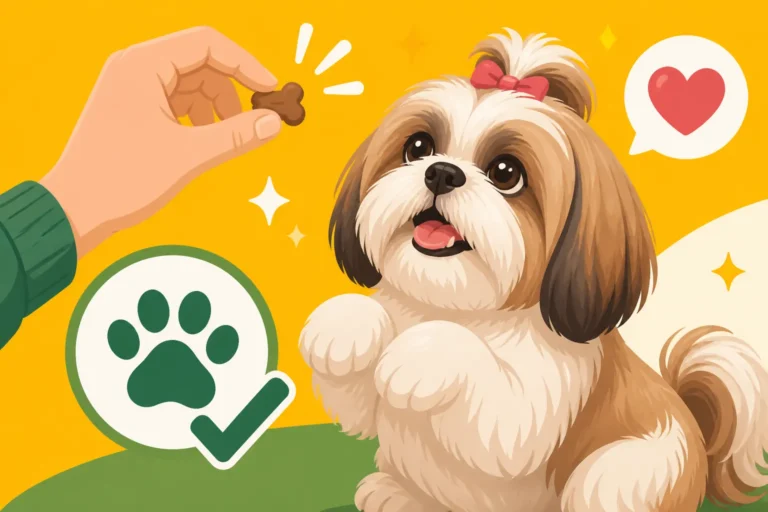
- Choose High-Value Rewards: You need something truly irresistible to your Shih Tzu – small pieces of cooked chicken, cheese, or special training treats. These treats should be much higher value than the toy they are currently guarding. You can find many excellent options on
Amazon. - Start Low-Stakes: Begin with a toy your Shih Tzu isn't intensely guarding, or even just when they're interacting with a regular, non-valuable object. You want to practice this often and make it a fun game before tackling a real guarding situation.
- Approach and Offer:
- Approach your Shih Tzu while they have the toy. As you get close (but before they show any guarding signs), gently offer a high-value treat right near their nose.
- As they take the treat, they will likely drop the toy. Immediately pick up the toy, put it behind your back, and give them another treat. Then, after a moment, give them the original toy back. This teaches them that giving up the toy (and receiving a treat) doesn't mean it's gone forever, but that they get it back, often with an added bonus.
- Repeat and Vary: Practice this many times, gradually increasing the value of the toy you're asking them to trade for. Always give them their original toy back after the exchange, at least in the beginning. Once they're reliably trading and looking happy about it, you can sometimes keep the toy and offer a different one, or just lavish praise.
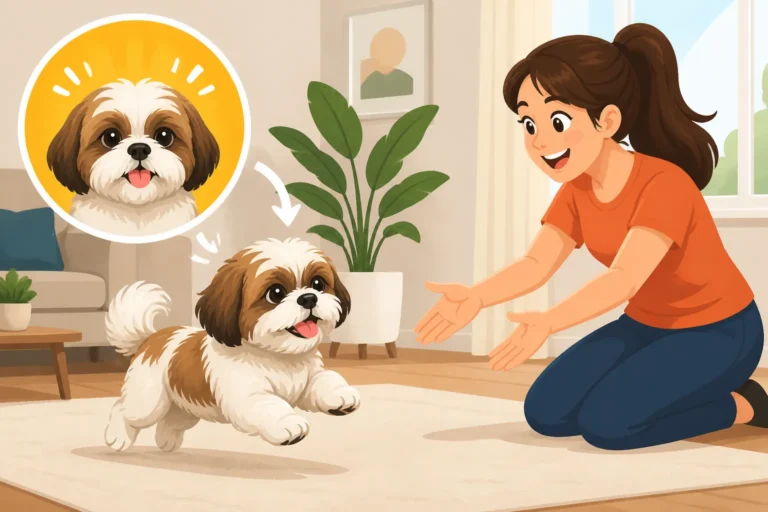
- Add a Cue: Once they understand the concept, you can add a verbal cue like "Drop it!" as you offer the treat. Soon, the cue itself will signal to them that a good trade is coming.
The key is to always be fair and generous in your trades. You want your Shih Tzu to want to give up their item because they anticipate an even better reward. This process slowly erodes the fear that underlies the guarding.
Environmental Management and Prevention
While you're working on the trade game, it's also crucial to manage your environment to prevent guarding incidents from happening in the first place, especially if your Shih Tzu's guarding is severe or has resulted in bites.
- Remove Trigger Items: Identify the toys or chews that cause guarding and put them away. Only bring them out for supervised training sessions, or remove them entirely for a period.
- Rotate Toys: Keep a selection of toys available and rotate them frequently. This helps prevent any single toy from becoming overly "high value" and keeps things interesting.
- Supervised Play: When your Shih Tzu has access to toys they might guard, ensure you are present and actively supervising. This allows you to intervene with a trade before guarding escalates.
- "No Stealing" Rule: Teach everyone in the household, especially children, not to try and take toys directly from the Shih Tzu. Instead, instruct them to call the dog away or offer a trade. This also means being mindful about not accidentally kicking or stepping on a toy your Shih Tzu values. Rough Play That Puts a Shih Tzu Eye at Risk can offer further insights into safe interactions.
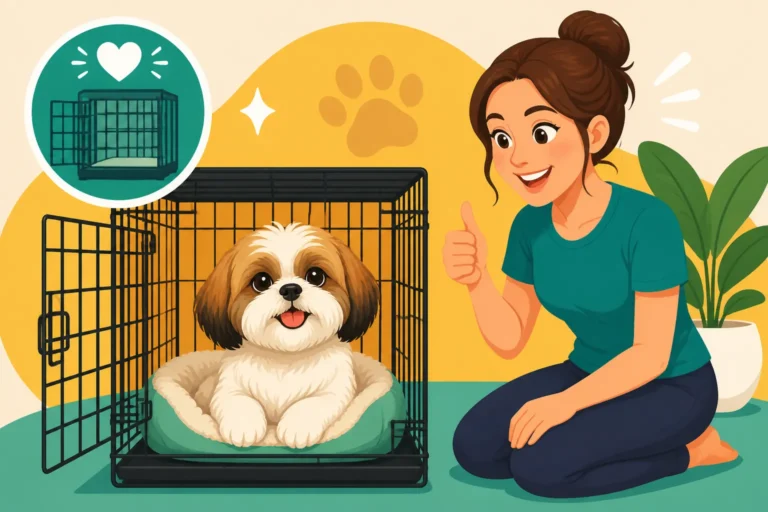
- Designated "Chew Zone": Consider giving high-value chews or puzzle toys only in a specific, quiet place where your Shih Tzu won't feel approached or disturbed, such as their crate or a dog bed in a low-traffic area.
By strategically managing the environment, you reduce opportunities for guarding behavior and create a safer, less stressful living situation for everyone.
When to Seek Professional Help: Escalation and Persistent Guarding
While the "trade game" and environmental management are powerful tools, some resource guarding can be deeply entrenched or carry a risk of serious bites. Knowing when to call in a professional is a critical part of responsible pet ownership. Don't feel like you've failed if you need expert guidance – you're simply prioritizing the safety and well-being of your dog and your family.
Recognizing the Need for Expert Intervention
There are several scenarios where DIY training might not be enough, or where attempting it could even be dangerous.
- Biting Incidents: If your Shih Tzu has already bitten someone (even a "warning" nip that broke skin), this is a serious red flag. Such incidents indicate a high level of stress and a breakdown in communication, requiring immediate professional intervention. The risk of future, more severe bites is significant.
- Aggression Towards People or Children: If the guarding behavior is directed at children, elderly individuals, or anyone who might be particularly vulnerable to a bite, it’s imperative to get professional help. The safety of everyone in the home must be the top priority.
- Aggression Towards Other Pets: In a multi-pet household, resource guarding can lead to dangerous fights. If your Shih Tzu is guarding toys (or food, or even laps) from other dogs or cats, a professional can help mediate these interactions and create a safer dynamic.
- Escalating Behavior: If, despite your best efforts with the trade game and management, the guarding is getting worse, more frequent, or involves more intense displays of aggression (like fierce growling, multiple air snaps, or lunging), it's time to call in an expert.
- Your Own Safety Concerns: If you feel unsafe or intimidated by your Shih Tzu's guarding behavior, you shouldn't hesitate to seek help. Training should never put you at risk.
Remember, a professional can offer an unbiased assessment of the situation, identify underlying causes you might have missed, and develop a customized plan tailored to your Shih Tzu's specific needs and your household dynamics.
Finding a Qualified Professional for Your Shih Tzu
Not all dog trainers are created equal, especially when dealing with behavioral issues like resource guarding. You need someone qualified in positive reinforcement and behavioral modification, not someone who uses outdated, punitive methods that can exacerbate guarding.
Look for professionals with these credentials:
- Certified Professional Dog Trainer (CPDT-KA): This certification indicates a professional who has passed an exam on training knowledge and experience.
- Certified Dog Behavior Consultant (CDBC): This is a higher level of certification, focusing specifically on behavioral problems.
- Veterinary Behaviorist (Dip ACVB): These are veterinarians who have specialized in animal behavior, often dealing with the most complex and severe cases, and can prescribe medication if necessary.
When searching for a trainer, ask about their philosophy and methods. They should exclusively use positive reinforcement, force-free techniques. Avoid anyone who suggests methods involving punishment, alpha rolls, shock collars, or other confrontational techniques. These can severely damage your Shih Tzu's trust in you and make guarding behavior much worse. Finding a Trainer for a Toy Breed is an excellent resource to guide your search. Many reputable online training programs, such as BAXTER & Bella, also advocate for positive reinforcement and can offer valuable guidance and structured courses that you can follow from home, which can be a great starting point for less severe cases.
Working with a professional provides you with personalized strategies, support, and peace of mind, ultimately helping your Shih Tzu overcome their guarding instincts and thrive as a happy, confident companion.
Disclaimer
This article is for general informational purposes only and does not constitute professional advice. Laws, prices and regulations vary by location and change over time. Consult a qualified professional for guidance on your specific situation.