A Shih Tzu Growling Over Food
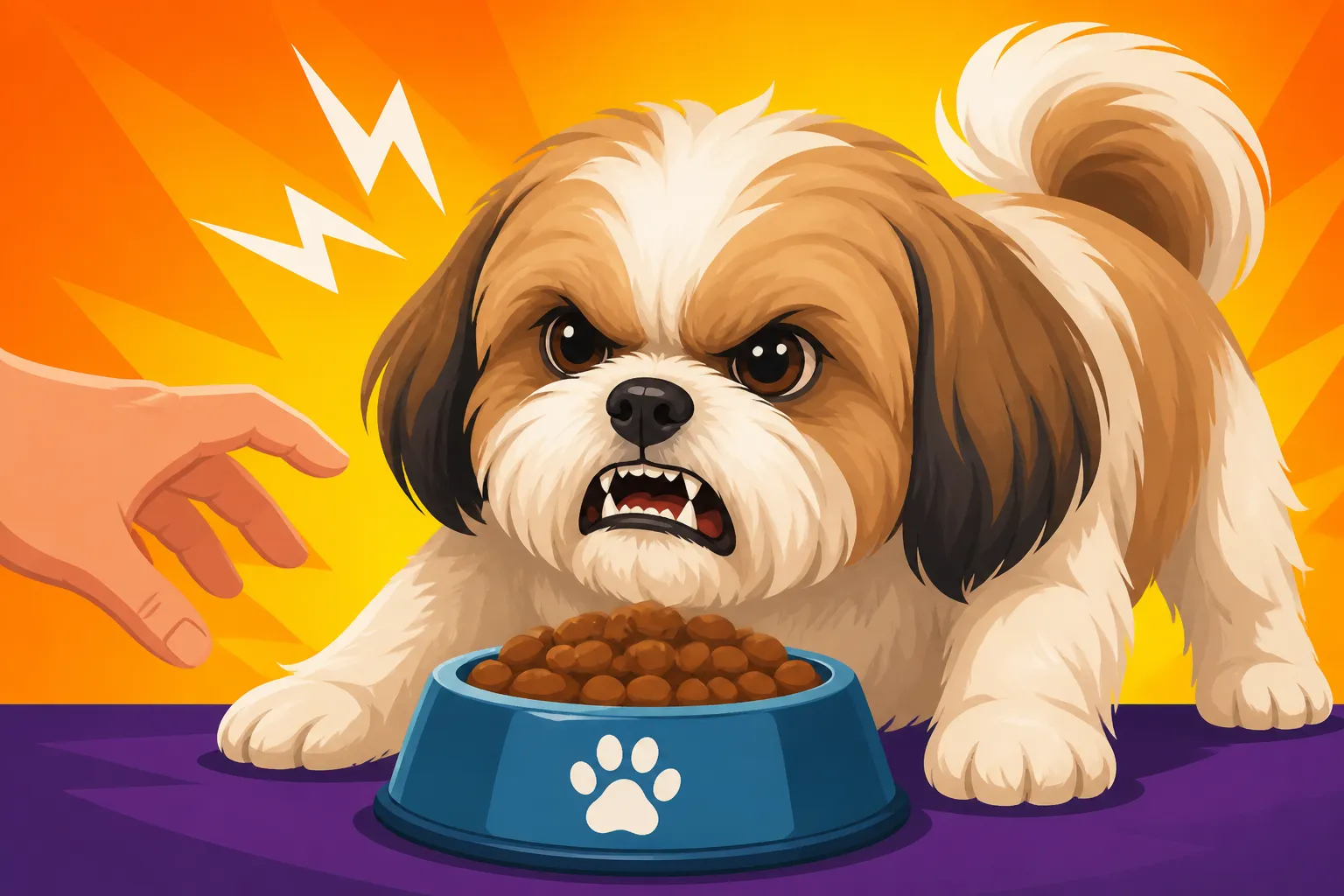
It can be incredibly upsetting, even a little frightening, when your sweet, fluffy Shih Tzu suddenly turns into a growling, snapping guard dog over their food bowl. You just want to feed your beloved companion, and suddenly you're facing bared teeth and a low rumble that makes you step back. This guide is here to help you understand why your Shih Tzu might be growling over food and, more importantly, equip you with the gentle, effective strategies to manage and even resolve this resource guarding behavior.
Understanding Food Guarding in a Shih Tzu
When your little Shih Tzu starts growling over their food, it’s a natural reaction to feel confused, hurt, or even a bit angry. After all, you’re the one providing the food! But from your dog’s perspective, especially if they’re feeling insecure, that bowl of kibble or special treat is a precious resource they need to protect. This isn't about being "mean" or "disobedient"; it's a deeply ingrained instinct.
Why This Behavior Isn't About "Dominance"
For a long time, people misunderstood growling, thinking it was a dog trying to "dominate" its owner. This led to advice like taking the food away or asserting yourself over the dog. However, modern dog behavior science tells us that resource guarding, especially around food, is almost always rooted in fear or insecurity. Your Shih Tzu isn’t trying to be the "boss"; they're worried someone might take their food, a fundamental need for survival. They might have learned this from a previous home where food was scarce, or perhaps they're just naturally a bit anxious about their possessions. It's a primal instinct, not a power struggle. What a Shih Tzu Growl Is Telling You can offer more insights into their communication.
Imagine for a moment if someone constantly hovered over you while you were eating, or tried to take your plate away. You'd probably feel pretty uncomfortable, right? Your Shih Tzu feels something similar, but with a more intense, instinctual drive to protect what they perceive as vital for their well-being. This fear can be subtle or overt, depending on the dog's past experiences and inherent personality. Understanding this shift in perspective is the first crucial step towards truly helping your dog.
Early Signs of Resource Guarding
Resource guarding doesn't usually start with a full-blown attack. It often begins with subtle cues that many owners, understandably, miss. You might notice your Shih Tzu freezing over their bowl when you approach, lowering their head defensively, or eating unusually fast. Their body might stiffen, their ears might be slightly back, or they might dart quick glances at you while they eat. You might also notice a slight change in their tail wag – it might stop, or become very stiff and low.
As the behavior progresses, you might hear a low, soft rumble – almost a "grumble" – when you get too close. This is their way of saying, "Hey, I'm uncomfortable, please back off." Ignoring these early warnings can lead to more intense responses, like a louder growl, a snap in the air, or even a bite if they feel their boundaries are being continually violated. Catching these early signs is essential for prevention and intervention. Pay close attention to these signals, as they are your dog's attempt to communicate their discomfort before escalating. It's a silent plea for space and security.
The Role of Fear and Insecurity
At its core, food guarding in a Shih Tzu, or any dog, is usually driven by fear and insecurity. They aren't trying to be aggressive; they're genuinely afraid of losing something they value. This fear can stem from various sources. Perhaps they were part of a large litter where they had to compete aggressively for food, or they came from a rescue situation where they experienced hunger or instability. Even a well-loved Shih Tzu can develop this if they have an anxious disposition or if previous interactions have inadvertently taught them that proximity to their food bowl means a threat.
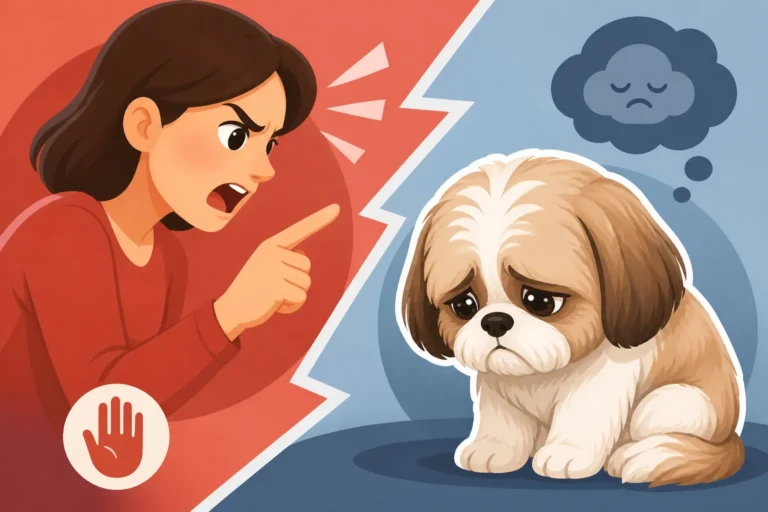
This underlying anxiety means that punishing the growl is counterproductive. If you scold or physically correct your dog for growling, you're essentially teaching them that growling is unsafe. Instead of stopping the fear, you're teaching them to suppress the warning signal. This can be incredibly dangerous because a dog that's been taught not to growl might skip the warning and go straight to a bite when they feel threatened, which is the last thing any owner wants. Why Harsh Corrections Shut a Shih Tzu Down can elaborate on the negative impacts of such methods. Our goal is to alleviate the fear, making them feel secure enough to share their space and food without feeling threatened.
Practical Steps to Manage Food Guarding
The good news is that resource guarding is a behavior that can be managed and often improved with patience, consistency, and the right approach. It’s all about changing your Shih Tzu’s emotional response to your presence near their food from fear to anticipation and positive association.
Building Positive Associations with Food
The key here is to make your Shih Tzu associate your approach to their food bowl with good things happening, not threats. Start by standing a comfortable distance from their bowl while they eat – a distance where they show no signs of guarding. As they eat, gently toss a high-value treat (something they absolutely adore, like a tiny piece of cooked chicken or cheese) near their bowl, but not directly into it to avoid startling them. Do this regularly, every time they eat. The goal is for them to think, "Oh, human near food means extra yummy stuff!"
Gradually, over days or weeks, you can decrease the distance you stand from the bowl, always making sure to toss in those amazing treats. If your Shih Tzu shows any signs of discomfort (freezing, stiffening, a low growl), you’ve moved too fast. Increase the distance again and go back a step. This process requires incredible patience and never rushing. Remember to use Treat Sizes That Suit a Shih Tzu to ensure you're not overfeeding, and Treats a Shih Tzu Can Eat Without Gaining for healthy options. Eventually, they should start to look up at you with happy anticipation when you approach, rather than fear.
"Trade Up" Exercises for High-Value Items
This technique is fantastic for teaching your Shih Tzu that giving up a valued item results in getting an even better one back. This builds trust and shows them that you aren't trying to steal their things, but rather improve their situation. Start with an item they guard moderately – perhaps a favorite chew toy, not their actual food bowl yet. Approach them and, from a safe distance, offer an incredibly high-value treat, like a piece of delicious cheese or hot dog. Say "trade!" as you offer the treat.
Most Shih Tzus will drop the less valuable item to take the amazing treat. As they take the treat, you can gently pick up the original item. Then, immediately give it back to them, or give them another high-value treat. This teaches them that giving something up is temporary and rewarding. Never snatch the item away without offering a trade. Practice this regularly with various items. Only once they've mastered this with other items should you consider applying it, very carefully, to their food bowl. You can find many interactive toys and puzzle feeders on Amazon that can be incorporated into these exercises, making mealtime an engaging experience. A Shih Tzu That Guards a Toy gives more context on this behavior.
Creating a Safe Eating Environment
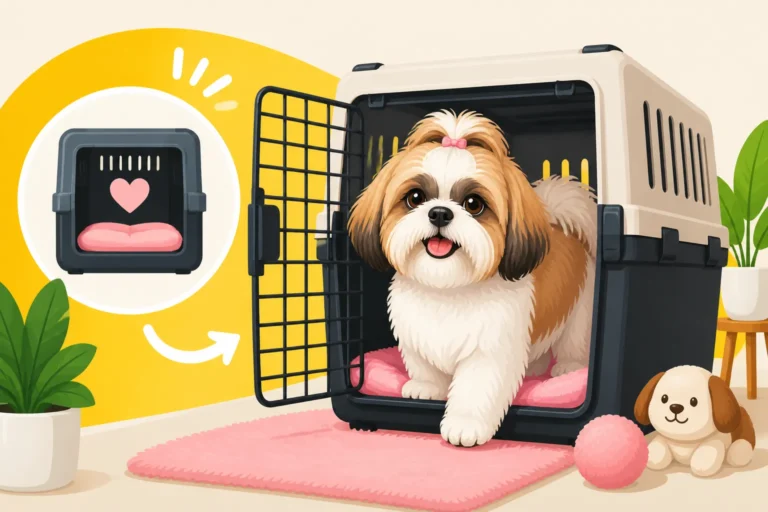
Sometimes, simply changing where and how your Shih Tzu eats can make a huge difference. Ensure they have a quiet, undisturbed place to eat where they won't be bothered by other pets, children, or even constant foot traffic. A corner of a room, a designated mat, or even their open crate can become their "safe zone" for meals.
Consider using a raised food bowl if your Shih Tzu has neck or back issues, as this can make eating more comfortable. Also, avoid standing directly over them or reaching into their bowl. If you have multiple pets, feed them in separate rooms to eliminate any perceived competition. For puppies, feeding them in a crate can establish a consistent, private space, as discussed in Crate Training a Shih Tzu Properly. For some Shih Tzus, a slow-feeder bowl can also help by extending mealtime and reducing the frantic "eat it all before it's gone" mentality, which you can easily find online through retailers like Amazon. The goal is to make mealtime a calm, predictable, and positive experience, reinforcing that their food is safe and secure.
Here’s a quick overview of safe eating environment considerations:
| Aspect | Recommendation | Benefit |
|---|---|---|
| Location | Quiet, low-traffic area; designated mat or crate | Reduces perceived threat, increases security |
| Other Pets | Feed separately, in different rooms | Eliminates competition, reduces anxiety over resource sharing |
| Children | Teach children to leave dog undisturbed during meals | Prevents accidental startling or perceived threats |
| Bowl Type | Consider slow feeder; raised bowls for comfort | Slows eating, reduces frantic behavior; improves posture |
| Human Interaction | Approach calmly, toss treats, avoid hovering/reaching | Builds positive association with human presence near food |
| Consistency | Regular feeding times and location | Establishes predictability, reduces uncertainty and anxiety |
When Professional Help is Needed
While many cases of mild resource guarding can be managed at home with consistent positive reinforcement, there are times when seeking professional guidance is not just helpful, but essential for both your safety and your Shih Tzu's well-being.
Recognizing Escalation and Risk
If your Shih Tzu's growling has escalated to snapping, lunging, or biting, even if it's just a "warning bite" that doesn't break the skin, it’s a serious sign that you need expert help. These behaviors indicate a high level of fear and stress in your dog, and they also pose a significant risk to anyone interacting with them, especially children or other pets in the home. You might feel a growing sense of frustration or fear yourself, which makes it even harder to apply positive training techniques effectively.
Another red flag is if the guarding behavior spreads to other resources – perhaps they start growling over their bed, a specific spot on the sofa, or even you. This means the underlying insecurity is more pervasive. If you've been trying the methods described above consistently for several weeks and see no improvement, or if the behavior seems to be getting worse, it's time to call in a professional. It's okay to admit you need help; it's a responsible step towards a safer, happier home for everyone.
Finding the Right Professional for Resource Guarding
When dealing with resource guarding, it's crucial to find a force-free, positive reinforcement trainer or a certified canine behaviorist. Avoid anyone who suggests harsh corrections, "alpha rolls," or punishment-based methods, as these will only exacerbate your Shih Tzu's fear and potentially make the aggression worse. Look for trainers who are certified by reputable organizations and have experience specifically with resource guarding. Finding a Trainer Who Understands Toy Breeds can guide you in your search.
A good professional will assess your Shih Tzu's specific situation, observing their behavior, asking about their history, and looking at the environment. They'll help you develop a tailored plan, guide you through the exercises, and provide ongoing support. They understand the nuances of dog body language and can help you interpret your Shih Tzu's signals more accurately, making your training efforts much more effective. Organizations like the Certification Council for Professional Dog Trainers (CCPDT) or the Association of Professional Dog Trainers (APDT) are excellent places to start your search for a qualified professional. You might even find online resources and trainers, like those offered by BAXTER & Bella, that specialize in positive reinforcement and can provide guidance remotely.
Tools and Techniques a Trainer Might Use
A professional trainer will likely implement a structured program based on desensitization and counter-conditioning, similar to the "building positive associations" and "trade up" techniques mentioned earlier, but with a refined approach and expert oversight. They might use specific setups, such as feeding stations with barriers, to initially manage the environment while trust is being rebuilt. They'll teach you precise timing for delivering treats and how to read your dog's subtle body language to ensure you're always working below their threshold for reactivity.
They might also incorporate management tools like long lines (leashes) to safely guide your Shih Tzu away from guarded items or to create distance when needed, without resorting to physical confrontation. For more complex cases, especially if fear and anxiety are very high, a veterinary behaviorist might be consulted. These specialists are veterinarians who have additional training in animal behavior and can prescribe medication if necessary to help reduce anxiety to a level where behavioral modification can be more effective. The key is a multi-faceted approach focused on safety, positive reinforcement, and addressing the underlying emotional state of your Shih Tzu. Positive Reinforcement With a Shih Tzu explains why this approach is so effective.
Disclaimer
This article is for general informational purposes only and does not constitute professional advice. Laws, prices and regulations vary by location and change over time. Consult a qualified professional for guidance on your specific situation.