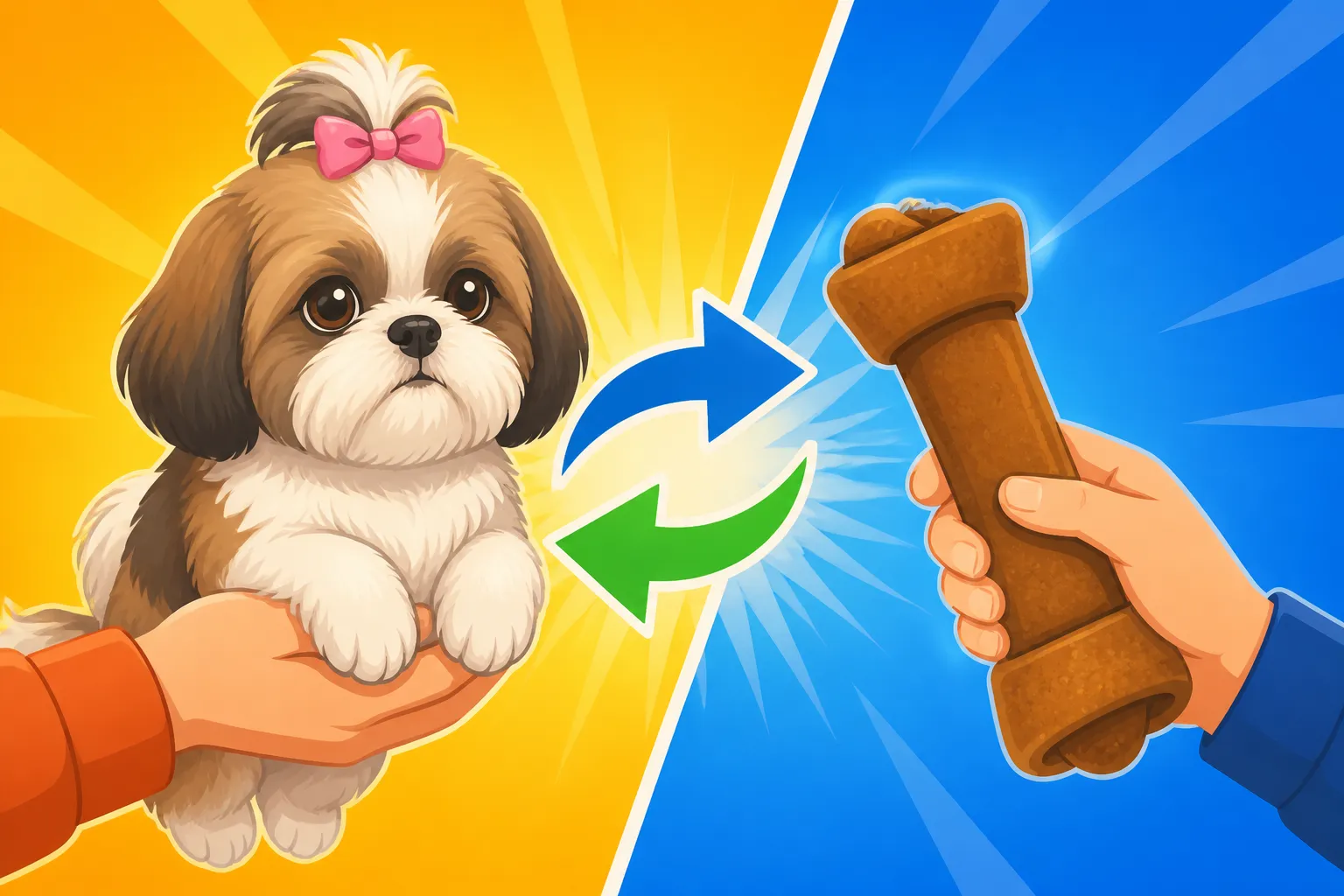
Trading a Shih Tzu Off a Chew
It’s a scenario many Shih Tzu owners dread: your sweet, fluffy companion, usually a total love bug, suddenly stiffens, maybe even growls, when you try to take away that prized chew bone. This resource guarding can feel like a betrayal, leaving you wondering why your little lion dog is acting out. This guide will walk you through understanding why your Shih Tzu might guard a chew and, more importantly, how to teach them to happily trade it for something even better, ensuring safety and trust between you both.
Understanding Why Your Shih Tzu Guards a Chew
When your adorable Shih Tzu snarls over a rawhide, it can be really unsettling. You might think, "Why are they doing this? They're usually so gentle!" It’s crucial to remember that this behavior, while unpleasant, isn't personal. It stems from deep-seated canine instincts, even in a breed bred primarily for companionship.
The Instinct Behind Resource Guarding
Resource guarding is a completely natural behavior for dogs, regardless of their size or breed. In the wild, animals had to protect their food and other valuable resources to survive. While our domesticated Shih Tzus aren't hunting for their next meal, that ancient instinct to protect what they perceive as valuable is still very much alive. It’s not an act of aggression in the way we typically think of it; it's a deeply ingrained protective mechanism. Your Shih Tzu isn't trying to be mean or dominant; they're simply communicating, in the only way they know how, that they feel insecure about losing something important to them. They might have learned that when a human approaches their chew, the chew disappears. Over time, this creates anxiety around relinquishing items.
Imagine you're enjoying your favorite treat, and someone keeps trying to snatch it away. You'd probably get a little defensive, right? It's similar for your dog. For some Shih Tzus, this behavior might be subtle at first – a quick glance, a slight stiffening of the body. For others, it can manifest more obviously with growling, snapping, or even biting if the perceived threat continues. Early experiences, or a lack of proper socialization around resources, can certainly contribute to how intensely a Shih Tzu guards. If they learned as a puppy that they had to compete for food or toys, that lesson can stick with them.
Why a Chew Becomes "High Value"
Not all items are guarded equally. A chew bone, especially a tasty, long-lasting one, is often considered a "high-value" item to a dog. This is because it provides prolonged enjoyment, satisfies their natural urge to chew, and can be quite delicious. The smell, texture, and even the rarity of a particular chew can make it incredibly desirable, elevating its status from a mere toy to a treasured possession. Think about how much your Shih Tzu loves that one special squeaky toy versus a random ball – the chew is often in that "special" category.
For a Shih Tzu, a breed known for its loving and devoted nature, they often thrive on attention and can become quite attached to their people and their possessions. If your Shih Tzu has been doted on and given many wonderful things, it can sometimes inadvertently reinforce the idea that these items are theirs and shouldn't be taken away. When we then approach to take it, even with good intentions (like preventing them from chewing something inappropriate), it can trigger that guarding instinct.
It's a subtle dance. We want our dogs to enjoy their chews, but we also need to be able to safely interact with them, especially in an emergency. If your Shih Tzu is enjoying a particularly great chew, like one of those long-lasting dental chews you found on Amazon, they're likely to guard it more fiercely than a regular kibble piece. Recognizing what your dog values most helps you prepare the perfect trade-off, which we’ll discuss next. If this behavior escalates, becoming more intense with each incident, it's a clear signal that intervention and a consistent training approach are needed. A Shih Tzu Growling Over Food is a common way this starts.
Laying the Groundwork for Successful Trading
Before you can effectively trade a chew from your Shih Tzu, you need to establish a foundation of trust and understanding. This isn't about dominance or making your dog submit; it's about building a cooperative relationship where your Shih Tzu wants to comply because good things happen when they do.
Building Trust and Positive Associations
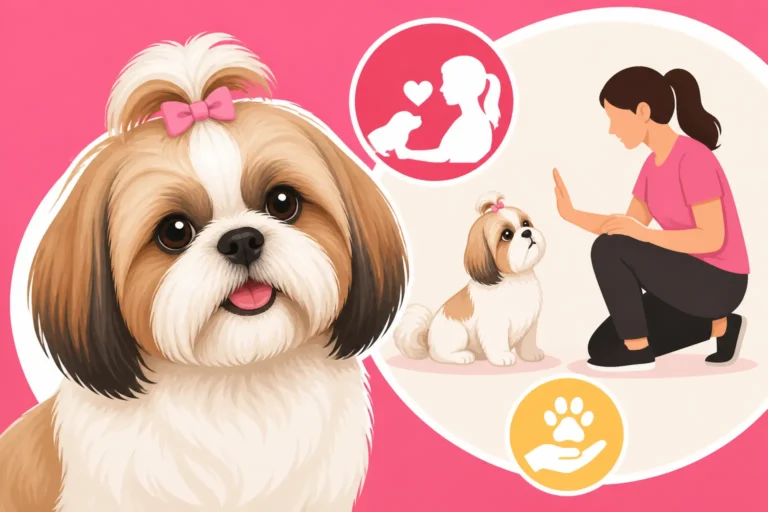
The cornerstone of successful resource guarding modification is trust. Your Shih Tzu needs to believe that you are not going to steal their treasured items. Every time you approach them while they have a chew, you want them to associate your presence with good things, not with loss. This means consistently using positive reinforcement in your interactions. Instead of just taking things away, you want to introduce the idea of giving something even better.
Start by simply walking past your Shih Tzu when they have a chew and dropping an extra special, high-value treat near them – something they absolutely adore, like a tiny piece of cooked chicken or cheese. Don't try to take the chew. Just drop the treat and walk away. Do this often, randomly, and without any expectation. Your goal is to change their internal narrative from "Oh no, they're coming for my chew" to "Yay! They're coming, maybe I'll get an even better treat!" Over time, this repeated positive association will reduce their anxiety when you approach while they have a valuable item. Consistency is key here. Even a few five-minute sessions a day can make a huge difference. Positive Reinforcement With a Shih Tzu is the guiding principle for all training.
Choosing the Right "Trade-Off" Item
The success of a trade hinges entirely on the perceived value of the item you're offering. You cannot expect your Shih Tzu to willingly give up a delicious, long-lasting bully stick for a piece of their everyday kibble. The trade-off item must be something they consider superior, something so enticing that momentarily letting go of their current treasure seems like a fantastic deal.
Think about what your Shih Tzu goes absolutely wild for. Is it dehydrated liver? A smear of peanut butter? A squeaky toy they only get on special occasions? These are your secret weapons. Always have these high-value treats readily available when you're working on trading. The more appealing the trade, the more likely your Shih Tzu is to release their guarded item willingly. The goal is to make the "new" item more exciting than the "old" one. When you're thinking about Treat Sizes That Suit a Shih Tzu, remember that even a tiny sliver of something amazing can be incredibly motivating for a small dog.
Here's a simple table to help you gauge item values for trading:
| Current Chew Value | Recommended Trade-Off Value | Examples of Trade-Off Items |
|---|---|---|
| Low (e.g., favorite toy) | Medium to High | Small, soft training treats; a different, exciting toy |
| Medium (e.g., dental stick) | High | Boiled chicken; cheese; freeze-dried liver; a new, squeaky toy from Amazon |
| High (e.g., bully stick) | Very High / Extremely High | Hot dog pieces; human-grade meat paste; a short, intense game of tug with a special toy |
| Very High (e.g., raw bone) | Extremely High (professional help might be needed) | Extra-special cooked meat; multiple high-value treats given in quick succession |
Always have your chosen trade-off item in your hand and ready before you even approach your Shih Tzu. This prevents fumbling and communicates clearly what you're offering.
Step-by-Step Guide to Trading a Chew Safely
Now that you've laid the groundwork of trust and identified your high-value trade-off items, you're ready to put the trading technique into practice. Remember, patience and consistency are your best friends here.
The Gentle Approach: "Trade Up"
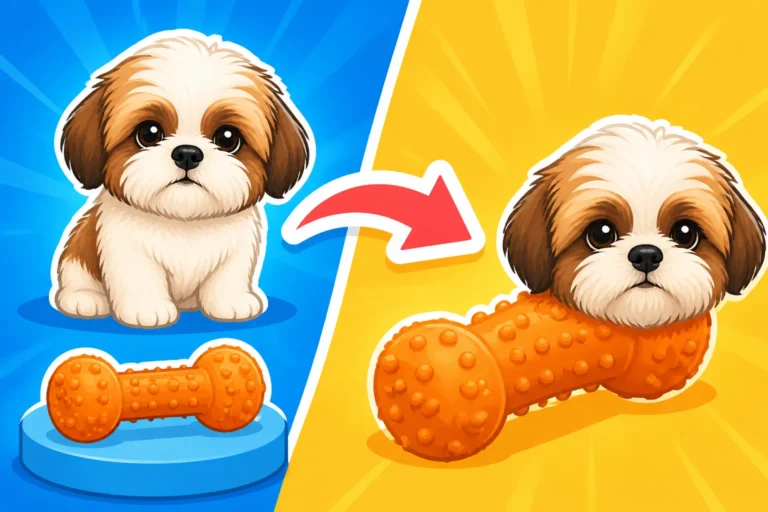
The core concept is to always "trade up" – offering something better for what your Shih Tzu currently has. This builds a positive association with giving things up.
- Preparation is Key: Make sure you have your superior, high-value treat in hand. Keep it hidden at first.
- Approach Calmly: Walk towards your Shih Tzu in a relaxed, non-threatening manner. Avoid rushing or making sudden movements. You want them to feel comfortable with your presence.
- Offer the Trade: Once you're close enough, present the high-value treat in front of their nose. Say a clear, consistent cue like "Trade!" in a cheerful voice.
- Wait for the Drop: Most Shih Tzus, when presented with something truly irresistible, will drop their current chew to take the better treat.
- Secure the Original Item: As soon as they take the trade-off treat and their mouth is clear of the original chew, calmly and quickly pick up the original chew.
- Reward (Optional, but Encouraged): Give them another small piece of the high-value treat after you’ve secured the original item. This further reinforces that good things happen when they trade.
- Give Back (If Appropriate): If the original item was safe and you simply wanted to practice, you can often give it back after a few seconds, once the trade is complete and they've eaten the treat. This teaches them that "trade" doesn't always mean "lose forever." If the item was unsafe, then you keep it.
This process needs to be repeated many times, in short, positive sessions. Don't wait until there's an emergency to practice this skill. Practice with low-value items first, then gradually introduce higher-value items as your Shih Tzu becomes more comfortable and understands the concept. A simple ball or squeaky toy can be a great starting point for practice rounds. Learning The Handful of Cues a Shih Tzu Really Needs will make your life much easier, and "trade" is certainly one of them.
What if your Shih Tzu refuses? If they don't immediately drop the chew for your offering, do not force it. Forcing them will only reinforce their guarding behavior and break trust. Instead, retreat calmly, make the trade-off treat even more appealing (maybe a bigger piece, or something different entirely), and try again later. Sometimes, they just need to process it, or the treat wasn't quite high-value enough. If you’re really struggling, a comprehensive online program like the ones offered by BAXTER & Bella can provide guided steps and support for these kinds of behavioral challenges.
Preventing Future Guarding Incidents
While teaching the "trade" cue is essential for managing existing guarding, proactive measures can help prevent these situations from occurring in the first place.
- Supervised Chew Time: Always supervise your Shih Tzu when they have high-value chews. This way, you can intervene with a trade before any guarding behavior escalates, or simply pick up the chew if they walk away from it.
- Designated Chew Area: Offer high-value chews in a quiet, undisturbed place where your Shih Tzu feels safe and won't be bothered. This could be their crate, a comfy bed, or a specific mat. This reduces the perceived need to guard against others.
- Rotate Toys and Chews: Keep your Shih Tzu's toys and chews exciting by rotating them. Don't leave all of them out all the time. When an item reappears after being "away" for a while, it often feels new and exciting again, reducing the intense attachment to any single item.
- Puzzle Feeders: For daily meals, using puzzle feeders can slow down eating and provide mental stimulation, reducing overall food-related anxiety. You can find a wide variety of excellent puzzle feeders on Amazon that are perfectly sized for a Shih Tzu. This channels their drive to work for food in a positive way. Puzzle Feeders a Shih Tzu Can Work are a great addition to their routine.
- "Mine" Game: Teach your Shih Tzu a "take it" and "leave it" cue with their toys and food. This helps them understand that you control resources and that good things happen when they listen. Play games where you give them a toy, then ask them to drop it and reward them, then give it back. This builds fluency in giving things up willingly.
By implementing these preventative strategies alongside your trading practice, you'll create an environment where your Shih Tzu feels secure with their possessions and understands that you are a benevolent provider, not a threat to their treasures. If you have multiple dogs, ensure each Shih Tzu has their own chew space and that high-value chews are given separately to avoid competition. A Shih Tzu Guarding a Bed From Another Dog is another form of resource guarding that can arise in multi-dog households.
When to Seek Professional Help
While many cases of mild resource guarding can be managed with consistent training, there are times when the behavior escalates to a point where professional intervention is necessary. Recognizing these signs early is crucial for both your safety and your Shih Tzu's well-being.
Recognizing Escalating Behavior
It's one thing for your Shih Tzu to give a low growl when you reach for their chew, and quite another for them to snap, bite, or actively defend an item with aggressive lunges. If you observe any of the following behaviors, it's time to seriously consider consulting a professional:
- Intense Growling and Snapping: If the growling is deep and sustained, or if your Shih Tzu is actually snapping at the air or making contact, even if it doesn't break the skin, it's a serious escalation. What a Shih Tzu Growl Is Telling You is important to understand.
- Biting: Any bite, even a "warning" nip that doesn't cause injury, is a red flag. A bite that breaks the skin is an emergency and indicates a dangerous level of resource guarding.
- Body Blocking: Your Shih Tzu actively positions their body between you and the item, or leans over it, making it difficult for you to approach.
- Freezing: They stop all movement, become rigid, and stare intensely at you when you approach the guarded item. This is often a precursor to a more aggressive response.
- Escalation Across Items: The guarding behavior starts extending to more items than just chews – toys, food bowls, beds, or even your lap. A Shih Tzu Guarding the Lap It Sits On is a particularly challenging form of guarding.
- Unpredictable Behavior: You can no longer predict when or why your Shih Tzu will guard, making everyday interactions stressful and potentially dangerous.
These are not just "naughty" behaviors; they are clear signals that your dog is experiencing significant stress and insecurity around their resources, and the behavior could pose a risk to you, your family, or other pets. A Gentle Shih Tzu That Suddenly Snaps can be a terrifying experience.
Finding a Qualified Trainer
If you notice any of these escalating behaviors, seeking help from a certified professional dog trainer or a veterinary behaviorist is highly recommended. Not all trainers are created equal, so it's important to find someone who uses positive reinforcement methods and has experience with resource guarding, especially in small breeds like Shih Tzus.
Look for trainers who:
- Are certified by reputable organizations (e.g., CCPDT, KPA, IAABC).
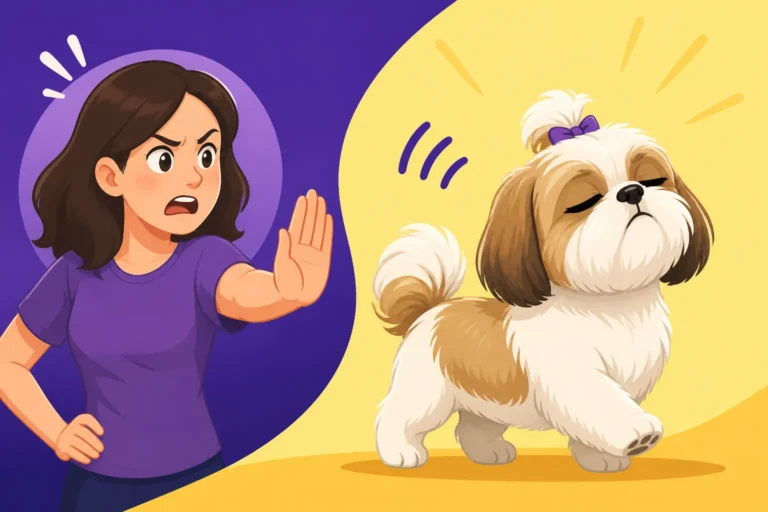
- Emphasize positive reinforcement and force-free training methods. Avoid anyone who suggests punitive techniques, alpha rolls, or harsh corrections, as these can actually worsen resource guarding and damage your relationship with your Shih Tzu.
- Have specific experience dealing with resource guarding cases. Ask for references or case studies if possible.
- Are willing to work with you in your home environment, as this is where the guarding behavior typically occurs.
- Understand the nuances of toy breeds. Finding a Trainer for a Toy Breed can be beneficial because they understand the specific challenges and sensitivities of smaller dogs.
A professional can help you develop a tailored plan, identify triggers you might be missing, and teach you advanced techniques for managing and modifying the behavior safely. They can also rule out any underlying medical conditions that might be contributing to a sudden change in behavior. This isn't a sign of failure on your part, but rather a responsible and proactive step to ensure a happy, safe, and stress-free life for both you and your beloved Shih Tzu. It’s an investment in your relationship and your peace of mind.
Disclaimer
This article is for general informational purposes only and does not constitute professional advice. Laws, prices and regulations vary by location and change over time. Consult a qualified professional for guidance on your specific situation.