Shih Tzu Play With Other Dogs
One of the biggest joys of owning a Shih Tzu is seeing their spunky personality shine, but a common worry for many owners is how their little companion will interact with other dogs. Given their small stature and often pampered existence, it’s natural to feel anxious about them being overwhelmed, injured, or simply not knowing how to play appropriately. This guide dives deep into understanding the unique dynamics of Shih Tzu play, offering practical advice on safe introductions, managing social interactions, and ensuring your furry friend enjoys positive, enriching experiences with their canine pals.
Understanding the Shih Tzu Play Style
Shih Tzus are delightful little dogs, but their play style isn't always what you'd expect from a rough-and-tumble retriever. They were, after all, bred primarily as companion animals, designed for laps and lavish attention, not for herding sheep or chasing down game. This heritage influences how they approach playtime with other dogs.
Inherent Traits and Breed Temperament
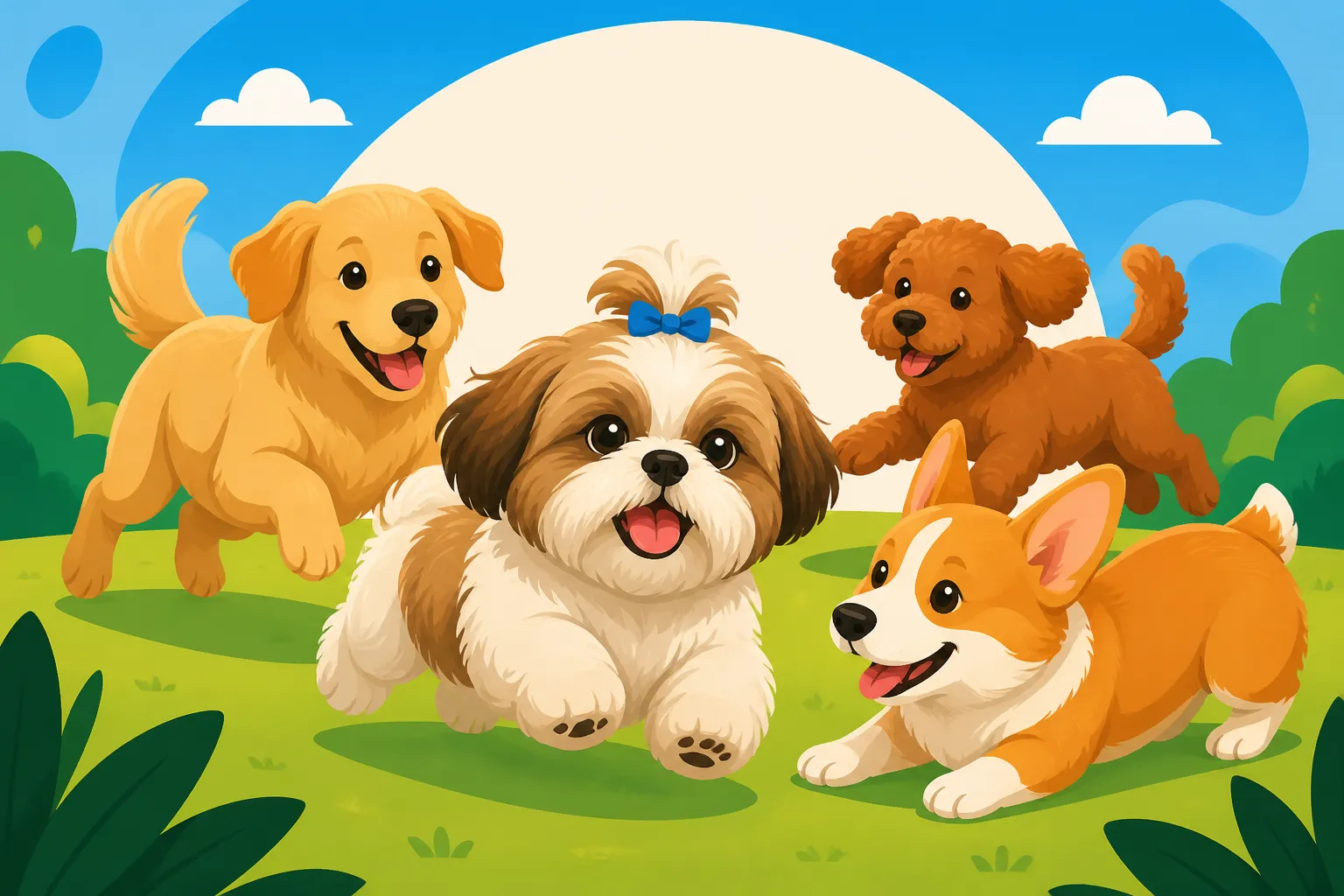
Your Shih Tzu's personality plays a huge role in how they interact with other dogs. While many are outgoing and friendly, ready to greet every new face with a wagging tail, others can be a bit more reserved, sometimes even aloof. They often possess a charming stubbornness, which can manifest during play as either a tenacious desire to get their way or a quick disinterest if the game isn't exactly to their liking. They generally prefer gentle interactions and aren't usually the type to engage in full-contact wrestling matches. Instead, you might see a lot of play bows, soft mouth nudges, and perhaps a bit of chasing, often ending with a sudden stop for a sniff or a cuddle. It's crucial to observe your individual dog's cues. Is your Shih Tzu hiding behind your legs, or are they excitedly wiggling, trying to initiate play? Their natural inclination will tell you a lot about their comfort level.
Energy Levels and Play Preferences
Shih Tzus aren't typically high-energy dogs that need hours of intense exercise every day. Their energy often comes in bursts, meaning they might be ready for a lively five-minute chase around the living room, then perfectly content to curl up for a nap. When it comes to playing with other dogs, this means they might engage enthusiastically for a short period before needing a break. You'll often find they prefer interactive games that involve sniffing, gentle wrestling, or a good game of "keep away" with a favorite soft toy. Running around in a wide-open space might appeal for a bit, but intense, prolonged running isn't usually their forte. Owners should be mindful of their Shih Tzu Exercise for a Low-Energy Toy and understand that while some playtime is vital for mental and physical stimulation, they don't need to keep up with a Border Collie's endurance. If your Shih Tzu seems overwhelmed or tired, it's always best to offer them an escape route or end the play session.
Preparing for Canine Introductions
Bringing two dogs together, especially when one is a small Shih Tzu, requires thought and preparation. You can't just throw them together and hope for the best, as this can lead to fear, injury, or negative associations.
Early Socialization for a Well-Adjusted Shih Tzu
Socialization isn't just about meeting other dogs; it's about positive exposure to a wide variety of sights, sounds, people, and experiences during their critical puppy development period. For a Shih Tzu, this is paramount. A well-socialized puppy grows into a confident adult, less likely to be fearful or reactive when encountering new situations, including other dogs. Enroll your Shih Tzu puppy in a reputable puppy kindergarten class. These classes provide a controlled environment for puppies to interact with peers of similar size and temperament, all under the watchful eye of a professional trainer. Puppy Classes That Suit a Shih Tzu can teach them appropriate play etiquette and build their confidence. Beyond formal classes, arrange supervised playdates with vaccinated, friendly adult dogs known to be gentle with puppies. The goal is positive, short, and sweet encounters that build good associations. Remember, The Shih Tzu Socialization Deadline is real; while adult dogs can learn, early experiences lay the strongest foundation.
Choosing the Right Environment for First Meetings
When you're ready to introduce your Shih Tzu to a new dog, the environment is key. Avoid cramped spaces or high-traffic areas that can be overwhelming. Neutral territory is always best – somewhere neither dog feels possessive of. A fenced yard, a quiet park during off-peak hours, or a friend's spacious living room can work. Start with both dogs on leashes, allowing them to sniff each other from a distance before gradually decreasing the space. Watch their body language intently. Are their tails wagging loosely, or are they tucked? Are their bodies relaxed, or stiff? Are their ears forward and alert, or pinned back? If they seem comfortable, allow for a brief, supervised off-leash interaction in a secure area. Keep initial meetings short, ending on a positive note before either dog becomes overstimulated or stressed. For those looking for structured guidance, platforms like BAXTER & Bella offer online training programs that can walk you through these introductions safely, emphasizing positive reinforcement.
Guiding Safe and Positive Play Sessions
Once your Shih Tzu has met another dog and shown positive signs, the real work of guiding safe play begins. This isn't a "set it and forget it" situation; constant supervision and intervention are critical to ensuring everyone has a good time and stays safe.
Supervising Interactions and Setting Boundaries
Active supervision is non-negotiable when your Shih Tzu is playing with other dogs. Even with the best intentions, things can go south quickly, especially with a breed as delicate as a Shih Tzu. You need to be ready to step in at a moment's notice. Look for signs of appropriate play: play bows, taking turns chasing, relaxed body language, and self-handicapping (where a larger dog might deliberately lie down to play at a smaller dog's level). Equally important is recognizing when play is escalating inappropriately. Are either of the dogs becoming overly fixated? Is one dog relentlessly pursuing the other without breaks? Is there any growling or snapping that seems genuinely aggressive rather than playful? If you see any signs of stress, fear, or aggression, it's time for a "time out." Separate the dogs calmly, let them decompress, and then re-evaluate. It might mean ending the play session for the day, or simply giving them a few minutes apart before trying again more gently.
Essential Gear for Group Play
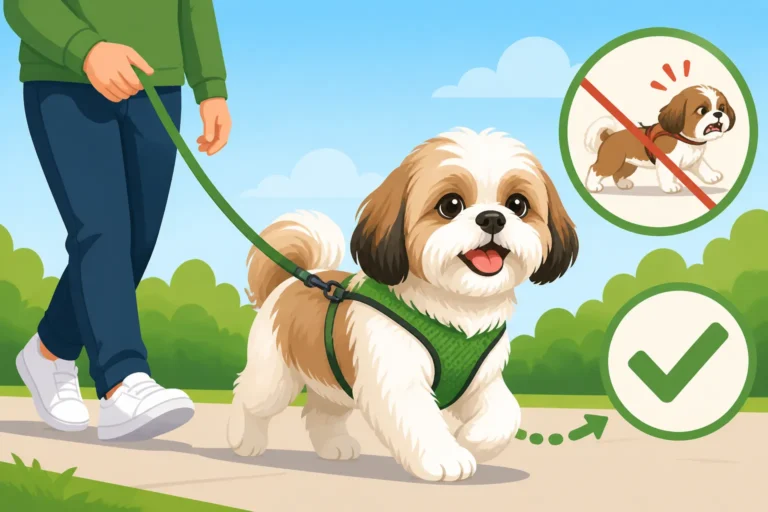
Having the right gear on hand can make a world of difference for safe group play. First and foremost, a well-fitting harness is crucial for your Shih Tzu. Collars can put dangerous pressure on their delicate necks and airways, especially during play or if they pull. A harness distributes pressure across their chest, making it safer. Look for harnesses designed for small breeds that don't chafe or mat their long coats. Harnesses That Do Not Mat a Shih Tzu Coat are a great choice. Secondly, have a variety of appropriate toys. Soft, durable toys that aren't easily shredded are ideal. Avoid tiny toys that could be swallowed by a larger playmate or hard toys that could chip your Shih Tzu's teeth. Interactive toys, like those found on Amazon, can also facilitate play between dogs, giving them a shared focus. Finally, always have fresh water available, especially if playing outdoors. Shih Tzus, with their flat faces, are particularly prone to overheating, so a water bowl and a cooling mat or vest (easily found on Amazon) are smart additions to your play toolkit. Cooling Kit That Helps a Flat-Faced Shih Tzu can be invaluable on warmer days.
Recognizing and Addressing Play Problems
Sometimes, what looks like play can actually be something else, and it's vital for Shih Tzu owners to understand the difference to protect their beloved pet.
Distinguishing Healthy Play from Trouble
It's not always easy to tell if dogs are truly having fun or if an interaction is tipping into something concerning. Healthy play is generally fluid, reciprocal, and involves self-handicapping. Dogs might take turns chasing, wrestling, or nipping gently. They'll often pause, shake off, and then re-engage. Look for soft, open mouths, relaxed body postures, and loose, wagging tails. Trouble, on the other hand, often involves one dog consistently dominating or targeting another, stiff body language, pinned ears, raised hackles, hard stares, or prolonged growling and snapping. A clear sign of trouble is when one dog is trying to disengage or hide, and the other continues to pursue relentlessly. It's especially critical to recognize Why a Shih Tzu Is at Risk in a Dog Park if play becomes too rough, as their small size makes them vulnerable to injury.
Here's a quick guide to help you differentiate:
| Behavior Aspect | Healthy Play | Problematic Play |
|---|---|---|
| Body Language | Loose, wiggly, play bows, relaxed mouth | Stiff, rigid, tucked tail, prolonged stare |
| Engagement | Reciprocal, takes turns, breaks, shakes off | One-sided, relentless pursuit, no breaks |
| Vocalizations | Playful barks, soft growls, whines | Hard, sustained growls, aggressive snarls |
| Energy Level | Manageable bursts, self-regulating breaks | Over-arousal, frantic, unable to calm down |
| Mouth Use | Soft nips, open-mouth wrestling, no pressure | Hard bites, nipping with pressure, holding on |
| Outcome | Both dogs seem happy and want to continue | One dog is fearful, overwhelmed, or injured |
When to Intervene or Seek Professional Help
If you notice any of the "problematic play" signs, immediate intervention is necessary. Don't wait for things to escalate. Calmly, but firmly, separate the dogs. You might need to use a verbal cue like "break" or physically step between them (being careful not to get bitten in the process). Once separated, reassess. If the issue was brief over-excitement, a short break might be enough. If the behavior is consistently problematic, or if your Shih Tzu shows signs of fear or aggression, it's time to seek professional help. A certified professional dog trainer or veterinary behaviorist can observe the interactions and provide tailored strategies. They can help you understand the root cause of the behavior, whether it's fear, lack of socialization, or resource guarding. For those who are nervous about in-person training, online resources like those from BAXTER & Bella can offer initial guidance and help you develop foundational skills. It's much better to address these issues proactively than to let them fester and potentially lead to injury or deeply ingrained negative behaviors. Finding a Trainer Who Understands Toy Breeds can be invaluable.
Beyond the Dog Park: Diverse Socialization Opportunities
While dog parks can seem like the ultimate socialization spot, they aren't always the best or safest environment for every Shih Tzu. Their small size and specific play style can put them at a disadvantage among larger, more boisterous dogs. Thankfully, there are many other ways to ensure your Shih Tzu has positive interactions.
Puppy Classes and Structured Playdates
As mentioned earlier, puppy classes are golden for young Shih Tzus. They offer controlled environments where your puppy can learn dog-dog communication from their peers and practice appropriate play. The structure and supervision mean fewer opportunities for negative experiences. Beyond puppyhood, look for adult dog classes that incorporate supervised play or "socials" where dogs are matched by size and temperament. If formal classes aren't available or suitable, structured playdates are a fantastic alternative. Connect with friends or neighbors who have friendly, vaccinated dogs of a similar size or temperament. These playdates allow for smaller, more controlled interactions where you can carefully monitor body language and intervene quickly if needed. This reduces the risk of overwhelming your Shih Tzu and ensures positive associations with other dogs. Remember, quality over quantity is key when it comes to socialization.
Home Play with Trusted Canine Friends
Sometimes, the best play environment for your Shih Tzu is your own home, with dogs you know and trust. Inviting a friend's gentle, well-socialized dog over for a playdate eliminates the unpredictability of a public space. This controlled setting allows you to manage resources (like toys and treats) and provide ample space for both dogs to feel comfortable. You can easily supervise their interactions, give them breaks when needed, and ensure a positive experience. This is especially helpful if your Shih Tzu is a bit shy or prefers a quieter setting. It also gives you the chance to observe Shih Tzu Play Style With Bigger Dogs in a controlled environment, where you can ensure the larger dog understands the need for gentle interaction. Always have plenty of water available, and consider soft, safe toys for them to share. What Motivates a Shih Tzu to Work could even be applied here by using small, enticing treats (available on Amazon) as positive reinforcement for good behavior and gentle play.
Special Considerations for Shih Tzu Play
Owning a Shih Tzu comes with certain breed-specific considerations that directly impact how they play with other dogs. Ignoring these can lead to anxiety, injury, or discomfort for your furry friend.
Size Differences and Fragility Concerns
The most obvious consideration is their size. A typical Shih Tzu weighs between 9 and 16 pounds, putting them squarely in the "toy breed" category. This means they are significantly smaller and more delicate than many other breeds. Even a well-meaning playful swat from a Labrador or a clumsy stumble from a Golden Retriever can lead to serious injury for a Shih Tzu. Their bulging eyes, a hallmark of the breed, are also highly susceptible to injury during play. Because of this, it's generally best to match your Shih Tzu with playmates of a similar size and gentle temperament. If they do interact with larger dogs, ensure the larger dog has a known history of being incredibly gentle and understands how to "self-handicap" their play to match the Shih Tzu's size. You might even consider supervised, parallel play where dogs are in the same area but engaged in separate activities rather than direct wrestling.
Age, Health, and Individual Personalities
Just like people, dogs' play styles and abilities change with age and health. A zesty Shih Tzu puppy, full of boundless energy, might be able to keep up with more active play than a senior dog. Older Shih Tzus, especially those over ten, may have Senior Shih Tzu Care Past the Age of Ten considerations like arthritis, joint pain, or vision/hearing loss that make rough play unsafe or uncomfortable. Their Shih Tzu Back Problems and Disc Disease can also make jumping or sudden twists dangerous. Always factor in your individual Shih Tzu's health status. A dog recovering from surgery, or one with a chronic condition, might only be up for very calm, short interactions, if any. Similarly, each dog has a unique personality. Some Shih Tzus are inherently more confident and outgoing, while others are shy or anxious. Always respect your dog's individual comfort level and never force them into interactions that make them feel unsafe or overwhelmed. Building positive, gentle experiences is always the goal.
Disclaimer
This article is for general informational purposes only and does not constitute professional advice. Laws, prices and regulations vary by location and change over time. Consult a qualified professional for guidance on your specific situation.