What Motivates a Shih Tzu to Work
It can be incredibly frustrating when you're trying to teach your sweet Shih Tzu something new, whether it's a simple "sit" or getting them used to their grooming routine, and they seem utterly uninterested. Many Shih Tzu owners mistakenly believe their furry friends are just being stubborn or untrainable, but often, it's just a misunderstanding of what truly motivates this unique and charming companion breed. This guide will dive deep into the heart of Shih Tzu motivation, helping you unlock their potential and build a stronger, more cooperative relationship.
Understanding the Shih Tzu's Core Nature
Before we even talk about treats or toys, it's crucial to understand the very essence of a Shih Tzu. These aren't working dogs in the traditional sense; they weren't bred to herd sheep, retrieve game, or guard property. Their entire history is rooted in being cherished companions, lap warmers, and loyal friends. This foundational understanding changes everything about how we approach their training and what we consider "motivation."
A History of Companionship, Not Work Ethic
Imagine a little lion dog nestled in the silks of ancient Chinese palaces, specifically bred to be a delightful presence. That's your Shih Tzu's lineage. Their job, if you could call it that, was to be charming, affectionate, and bring joy to their human counterparts. This means their natural drive isn't to perform tasks for a reward in the way a retriever might be motivated by a tennis ball or a border collie by a herding challenge. Instead, their deepest motivations often revolve around comfort, connection, and pleasure.
They are inherently people-oriented, thriving on interaction and affection. This isn't to say they can't learn or that they're unintelligent – quite the opposite! They are clever little dogs who quickly pick up on patterns and understand what pleases their humans. However, their motivation stems from a desire for positive interaction and personal comfort, rather than a strong drive to "work" for a living. Understanding this is the first step in unlocking their cooperative spirit. If you try to push them too hard with methods designed for high-drive working breeds, you'll likely hit a wall of what appears to be stubbornness. You might want to read more about Why a Shih Tzu Was Bred to Sit on a Lap to appreciate their unique heritage.
Why Traditional Training Methods Might Fall Flat
When you bring a new puppy home, or even an older adopted Shih Tzu, you might naturally gravitate towards training methods you've seen work for other breeds, or perhaps what was taught in a general puppy class. However, the delicate sensibilities and companion-bred nature of a Shih Tzu mean that harsh corrections, intimidation, or highly repetitive, unengaging drills are likely to backfire. They might shut down, become anxious, or simply disengage entirely, making you feel like you're getting nowhere.
Their small size and brachycephalic (flat-faced) physiology also play a role. They can't always endure long, strenuous training sessions, especially in warm weather, due to their breathing limitations. A Shih Tzu might not be able to physically keep up with an hour-long outdoor agility session, for example, even if they wanted to. Instead, motivation for a Shih Tzu often comes from making the training experience a positive, comfortable, and personally rewarding interaction rather than a demanding job. Focusing on short, fun sessions is often the key.
The Power of Positive Reinforcement for Shih Tzus
Given their inherent nature, positive reinforcement is not just a good idea for Shih Tzus; it's often the only effective way to build their motivation and eagerness to learn. This approach focuses on rewarding desired behaviors, making them more likely to occur again, rather than punishing unwanted ones.
Making Every Interaction a Win
For a Shih Tzu, a "win" isn't necessarily a perfect heel or a flawless recall from across a football field. A win is a happy interaction with their favorite person, a delicious treat, or a cozy cuddle. When you approach training with this mindset, every little step in the right direction becomes an opportunity for praise and reward. Did they look at you when you called their name? That's a win! Did they offer a paw even if it was the wrong one? Reward the effort!
This positive focus helps to build confidence in a breed that can sometimes be a little sensitive. They learn that engaging with you is always a good thing, leading to pleasant outcomes. This is especially vital when introducing them to potentially scary things like nail trims, brushing, or vet visits. If these experiences are always paired with high-value rewards and gentle encouragement, their motivation to tolerate and even enjoy them will grow. Why Harsh Corrections Shut a Shih Tzu Down goes into more detail on why this gentle approach is crucial.
Finding Their High-Value Rewards
Not all rewards are created equal for a Shih Tzu. What one dog finds utterly irresistible, another might turn their nose up at. The trick is to discover what your individual Shih Tzu considers a "high-value reward." This isn't just about food, though that's often a big one. It could be a specific squeaky toy, a quick game of fetch, a special type of petting, or even just a quiet moment on your lap.
For food rewards, think small, soft, and pungent. Tiny pieces of cooked chicken, cheese, or specialized training treats are often far more motivating than a piece of their regular kibble, especially for more challenging tasks. You can find a huge variety of training treats on platforms like Amazon, often in convenient bite-sized pieces perfect for little mouths. Experiment to see what gets that tail wagging the fastest and their eyes sparkling with anticipation. The higher the value of the reward, the higher their motivation to "work" for it.
The Art of the Five-Minute Session
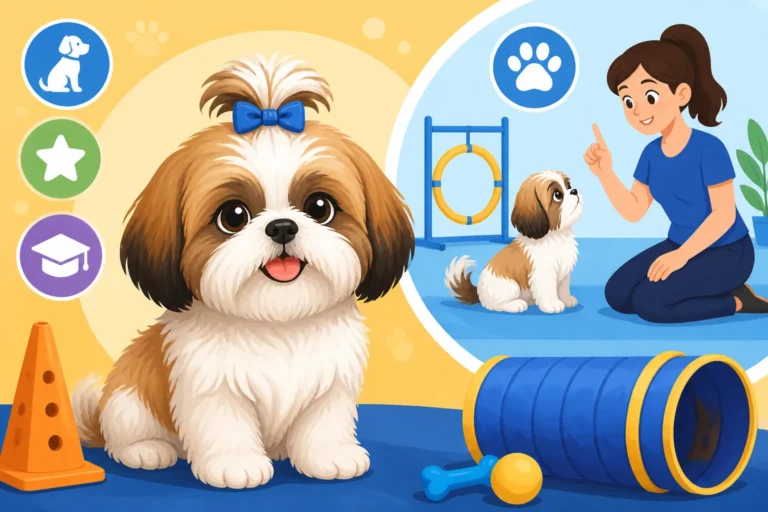
A common mistake is trying to cram too much training into one long session. For a Shih Tzu, whose attention span might be shorter and whose physical endurance is limited, this can quickly lead to boredom, frustration, and a complete drop in motivation. Instead, embrace the power of the "five-minute session."
These brief, frequent bursts of training keep things fresh, fun, and highly motivating. You can do several short sessions throughout the day – a quick "sit" before dinner, a "down" during a commercial break, or a few steps on the leash before a potty break. Ending each session on a high note, even if it's just with one successful command and a jackpot of treats and praise, leaves your Shih Tzu eager for the next one. This strategy aligns perfectly with their companion nature, turning training into enjoyable interactions rather than tedious chores. You can learn more about this approach in Five Minute Sessions With a Shih Tzu.
Food as a Primary Motivator
Let's be real, for many Shih Tzus, their tummies are a huge source of motivation! While we never want to overfeed our precious pups, strategically using food can be an incredibly powerful tool in their training journey.
Choosing the Right Treats: Quality and Size Matter
When it comes to using food as a motivator, it’s not just about what you offer, but how you offer it. The best training treats for Shih Tzus are small, soft, and highly palatable. Think pea-sized or even smaller. This is especially important for breeds with crowded mouths and an undershot bite like the Shih Tzu. If the treat is too big or too hard, it can become a choking hazard, or simply take too long to chew, breaking the flow of your training session. You want them to be able to gobble it down quickly and be ready for the next cue.
Brands like Zuke's Mini Naturals or even tiny bits of human-grade cooked chicken or cheese often work wonders. Consider the smell, too; pungent treats tend to be more motivating. When purchasing online, say from Amazon, look for small, soft, and easily broken options. Treat Sizes That Suit a Shih Tzu provides excellent guidance on this. Always factor these treats into your Shih Tzu's daily calorie intake to prevent unintended weight gain.
Incorporating Meal Times into Training
Who says training has to be separate from mealtime? For a Shih Tzu, mealtime is prime motivation territory. Instead of just putting down their bowl, turn it into a mini-training session. Ask for a "sit" or a "down" before placing the bowl on the floor. Or, hand-feed them a portion of their meal, rewarding good eye contact or a gentle wait. This not only reinforces good manners but also strengthens your bond and establishes you as the provider of all good things.
For Shih Tzus that can be a bit picky, using their regular kibble as rewards can increase its value. If they have to "earn" a piece, it suddenly becomes more desirable. This method is particularly effective for puppies, helping them associate positive interactions with their food source right from the start. You can even use puzzle feeders, which are widely available on Amazon, to make them "work" for their food, adding mental stimulation.
Avoiding Obesity While Motivating with Food
The downside of using food as a primary motivator is the risk of accidental weight gain, especially in a small breed like the Shih Tzu. Those extra pounds can put strain on their delicate backs and joints. Shih Tzu Obesity and the Load on Its Back highlights these dangers. The key is moderation and smart choices.
Tips for Healthy Food Motivation:
- Tiny Portions: Remember, your Shih Tzu isn't getting a full meal for each trick. A crumb-sized piece is often enough to convey the reward.
- Low-Calorie Options: Incorporate small pieces of cooked green beans, carrots, or apple (without seeds) as healthy, low-calorie treat alternatives for easier tasks.
- Measure Daily Intake: Subtract the calories from training treats from their daily meal allowance. If you're using a lot of treats, adjust their dinner portion accordingly.
- Balance with Other Rewards: Don't rely solely on food. Alternate with praise, petting, and play to keep things interesting and prevent overfeeding.
| Motivator Type | Description | Best Use Cases | Potential Downsides |
|---|---|---|---|
| High-Value Food | Soft, pungent, tiny treats (e.g., cooked chicken, cheese) | Recall, grooming cooperation, vet visits, new commands | Obesity if not managed, some dogs aren't food motivated |
| Praise & Affection | Enthusiastic words, gentle petting, belly rubs | Daily manners, reinforcing known commands, bonding | Less effective for high-distraction environments |
| Favorite Toy/Play | Squeaky toys, short fetch, tug (gently) | Energy release, reinforcing play behaviors, engaging attention | Not all dogs are toy-motivated; can escalate excitement |
| Environmental Reward | Access to a preferred spot, a walk, meeting a friend | Potty training, waiting at doors, tolerating crate time | Can be less immediate or controlled |
Play and Affection as Rewards
While food often takes center stage, don't underestimate the power of play and affection in motivating your Shih Tzu. These intrinsic rewards tap into their deep desire for connection and can be incredibly effective, especially as they get older and learn to love interacting with you.
Tapping into Their Playful Spirit
Shih Tzus, despite their regal appearance, can be incredibly playful. Discovering what kind of play truly lights up your individual dog is key. Is it a squeaky plush toy they love to "kill"? A small ball they enjoy batting around? Or a gentle game of tug-of-war (be mindful of their delicate necks and never pull too hard)? Short bursts of play can serve as fantastic rewards, especially for teaching things like coming when called or dropping an object.
For a Shih Tzu, play often reinforces the bond with their human. It's an opportunity for shared joy and attention, which is a powerful motivator for a companion breed. Keep the toys appropriate for their size and mouth, and ensure play sessions are brief and positive, ending before they get overtired or overstimulated. You can find a vast array of small, durable toys suitable for Shih Tzus on platforms like Amazon.
The Power of Your Voice and Touch
For a dog bred specifically for companionship, your positive attention is perhaps the most fundamental motivator. A Shih Tzu thrives on your approval, your gentle touch, and the happy sound of your voice. Enthusiastic praise like "Good dog!" delivered in a cheerful tone, followed by a gentle scratch behind the ears or a belly rub, can be just as effective as a treat for many behaviors.
This type of reward is always available, costs nothing, and strengthens your bond with every interaction. It’s particularly useful for maintaining already learned behaviors or for reinforcing calm, settled behavior. Imagine your Shih Tzu lying quietly at your feet; a soft "good boy" and a gentle stroke can reinforce that calm demeanor without needing a food reward. Make sure your affection is genuine and heartfelt; they pick up on your emotions!
Cuddles, Lap Time, and Proximity as Motivation
For many Shih Tzus, the ultimate reward is simply being close to you. This breed was literally designed to sit on laps, and they cherish that physical connection. Using lap time, cuddles, or even just allowing them to settle next to you on the sofa can be a potent motivator.
For example, if you're working on "stay," a successful few seconds could be rewarded by inviting them up onto your lap for a snuggle. If they tolerate a potentially unpleasant experience like having their face wiped after eating, a reward might be a few minutes of undivided attention and gentle petting. This taps into their deepest desires for comfort and companionship, making the act of pleasing you inherently rewarding. This is especially true for senior Shih Tzus who might not be as food or play motivated as they once were, but still cherish proximity and comfort. Senior Shih Tzu Care Past the Age of Ten delves into considerations for older dogs.
Environmental Factors and Their Impact
Training a Shih Tzu isn't just about what you offer as a reward; it's also about creating an environment where they can be motivated. Their small stature and specific breed characteristics mean that their surroundings play a significant role in their willingness to engage.
Creating a Low-Distraction Training Zone
Imagine trying to focus on a task in the middle of a bustling carnival. That's often what training can feel like for a small dog in a busy household. Shih Tzus, while adaptable, can easily become overwhelmed or distracted by too much going on. Loud noises, other pets, children running around, or even just the mail carrier passing by the window can make it impossible for them to concentrate on you and the task at hand.
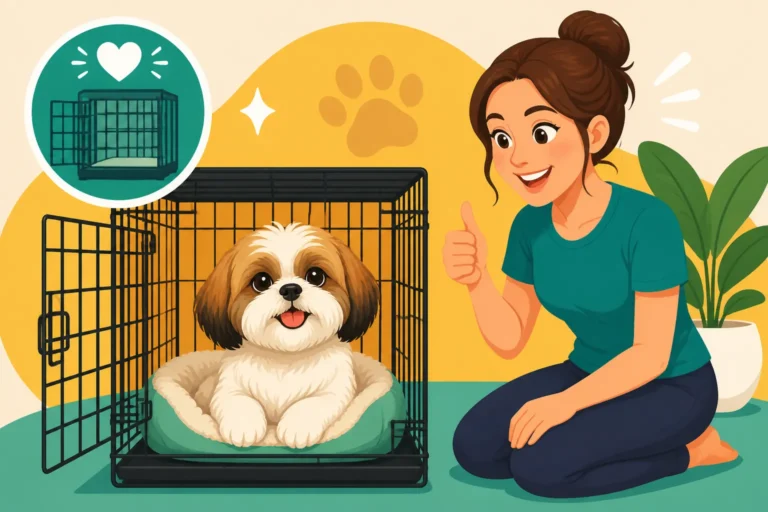
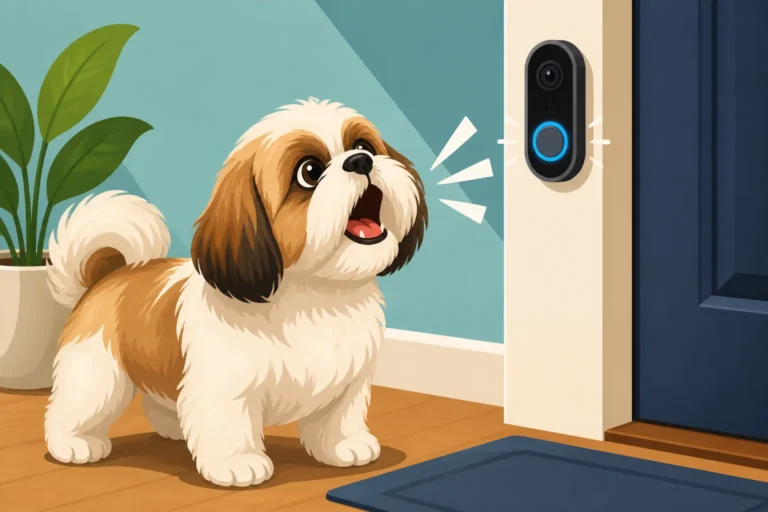
Setting up a dedicated "training zone" can make a world of difference. This might be a quiet corner of a room, a designated mat, or even their crate if they see it as a safe, calm space. The goal is to minimize external stimuli so your Shih Tzu can give you their full attention. Once they've mastered a behavior in a quiet environment, you can gradually introduce more distractions, but always start simple. This builds their confidence and ensures they have the best chance to succeed. If your Shih Tzu barks a lot at the window, you might find What Sets a Shih Tzu Off at the Window helpful.
The Importance of Comfort and Routine
Shih Tzus are creatures of comfort and routine. A predictable schedule helps them feel secure and reduces anxiety, which in turn makes them more open to learning. This includes consistent potty breaks, meal times, and designated rest periods. When their basic needs are met and they feel safe, they are far more likely to be motivated to interact with you.
Consider their physical comfort during training as well. A Shih Tzu on a hard, cold floor might be less motivated than one on a soft rug or a cozy mat. Their brachycephalic nature means they can overheat easily, so training in a cool, well-ventilated space is essential, especially in warmer months. If they are uncomfortable, their motivation to engage will plummet. Ensure their training setup takes their physical well-being into account.
Tools That Aid Motivation and Focus
Sometimes, a little help from specific tools can boost your Shih Tzu's motivation and focus during training. These aren't crutches, but rather aids to create a better learning experience for both of you.
- Harnesses: For leash training, a comfortable, well-fitting harness is crucial. It prevents strain on their delicate neck and trachea (windpipe), making walks a more pleasant experience. A Shih Tzu pulling on a collar can lead to coughing and discomfort, drastically reducing their motivation to walk nicely. Many excellent harnesses are available, and you can find many options on Amazon. Why a Shih Tzu Should Wear a Harness Not a Collar provides more details.
- Long Lines: If you're working on recall in a safe, enclosed area, a lightweight long line (like a 10-20 foot leash) allows them freedom to explore while still giving you control. This freedom, coupled with the ability to safely practice coming back to you, can be a great motivator for a breed that enjoys a bit of independent sniffing.
- Clickers: A clicker can be an incredibly effective tool for precisely marking the exact moment your Shih Tzu performs the desired behavior. The clear, consistent sound helps them understand what they are being rewarded for, speeding up the learning process. Online resources, like those offered by BAXTER & Bella, often incorporate clicker training into their programs, which can be very beneficial for owners looking for structured guidance.
- Interactive Toys: Toys that dispense treats can motivate them to engage their brains, particularly when you can't actively train. This mental stimulation can prevent boredom and keep their problem-solving skills sharp, fostering a general eagerness to figure things out.
Addressing "Stubbornness" and Lack of Motivation
It’s common to hear Shih Tzu owners describe their dogs as "stubborn" or "difficult to train." While it can certainly feel that way, it’s rarely actual stubbornness. More often, it's a communication breakdown, a lack of understanding of their unique motivators, or an underlying issue that needs to be addressed.
Ruling Out Pain or Discomfort
One of the most critical things to consider when your Shih Tzu suddenly seems unmotivated, or resists training they previously enjoyed, is pain or discomfort. Because they are so small and often stoic, Shih Tzus can hide subtle signs of pain. A dog that won't sit, doesn't want to walk, or snaps during grooming might not be "stubborn" – they might be hurting.
Common issues in Shih Tzus that can cause discomfort include dental problems, back pain (like disc disease), Shih Tzu Joint Problems in a Toy Frame, or even ear infections. A simple dental issue could make them reluctant to take treats or allow you near their mouth. Back pain could make sitting or jumping painful. Always consult your veterinarian if there's a sudden change in behavior or apparent lack of motivation. Shih Tzu Behavior Shifts That Mean a Disc Hurts is an important read in this context. Early intervention is key for their comfort and willingness to engage.
The Role of Anxiety and Fear
A scared or anxious dog is not a motivated dog. If your Shih Tzu is fearful of loud noises, new environments, or specific handling, they will prioritize their safety over performing a trick for a treat. Their flight-or-fight response will kick in, making learning impossible.
Signs of anxiety might include trembling, yawning excessively, lip licking, tucked tail, flattened ears, or trying to hide. If you suspect fear or anxiety is impacting their motivation, the first step is to address the underlying emotion. This might involve counter-conditioning (pairing the scary thing with something good), desensitization (gradually exposing them to the scary thing at a low intensity), or working with a professional positive reinforcement trainer or veterinary behaviorist. Building their confidence in a calm, predictable environment is paramount before expecting them to "work."
Boredom and Lack of Mental Stimulation
While Shih Tzus aren't high-energy working dogs, they are intelligent and can absolutely get bored. A bored Shih Tzu might seem unmotivated, but they're actually just disengaged. They might stare blankly, ignore cues, or even resort to unwanted behaviors like excessive barking or chewing out of sheer under-stimulation.
To combat boredom and boost motivation, incorporate mental stimulation into their day. This doesn't have to be strenuous. Puzzle toys (many available on Amazon), scent games (hiding treats for them to find), or even learning a new, silly trick can tap into their natural curiosity and desire for engagement. Short, daily sessions of something new and interesting can rekindle their enthusiasm and make them more responsive to training. Remember, a tired dog is a good dog, but a mentally stimulated dog is often a happier, more motivated dog.
Conclusion: Tapping into the Shih Tzu Heart
Ultimately, motivating a Shih Tzu to "work" isn't about finding ways to coerce them into obedience. It's about understanding their unique spirit, honoring their companion heritage, and finding ways to make training a joyful, reinforcing experience. By using high-value rewards (both food and affection), keeping sessions short and positive, and being mindful of their physical and emotional comfort, you'll discover that your "stubborn" Shih Tzu is actually a willing and eager partner, simply waiting for you to speak their language. Build that bond, and their motivation will follow. You and your little lion dog will have many happy, cooperative years ahead.
Disclaimer
This article is for general informational purposes only and does not constitute professional advice. Laws, prices and regulations vary by location and change over time. Consult a qualified professional for guidance on your specific situation.