The Month a Shih Tzu Stops Listening
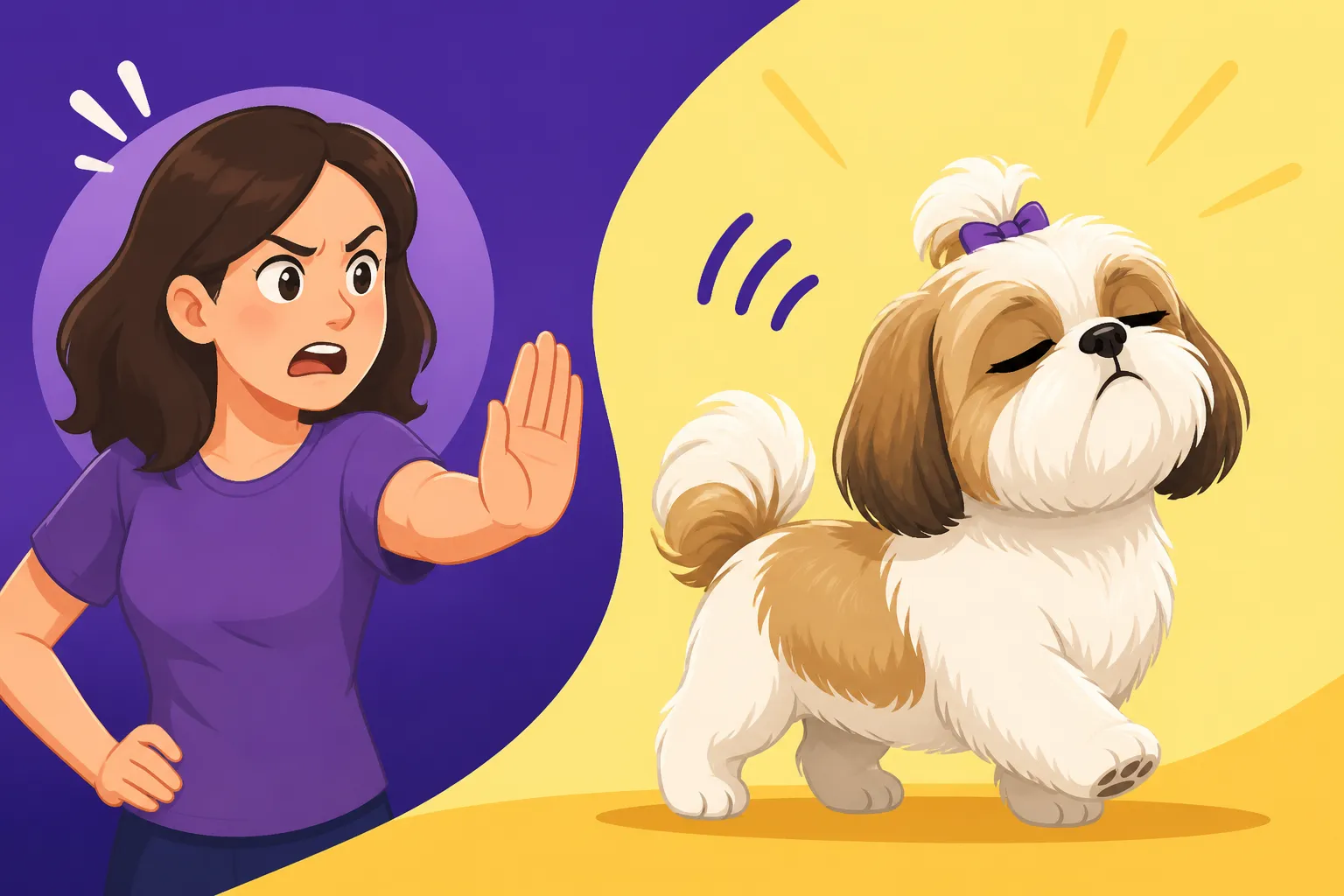
It's incredibly frustrating when your sweet, attentive Shih Tzu puppy, who once hung on your every word, suddenly seems to develop a severe case of selective hearing. You call their name, you offer a treat, and they look at you as if you're speaking a foreign language, then trot off to sniff something far more interesting. This guide is here to tell you that you're not alone in this experience, what's likely happening with your little lion dog as they grow, and how you can gently but firmly guide them back to being the well-mannered companion you know and love.
Understanding Canine Adolescence in Shih Tzus
Just like human teenagers, adolescent Shih Tzus go through a period of immense change, both physically and mentally. What often feels like a deliberate act of defiance on their part is usually a perfectly normal, albeit challenging, stage of development. Understanding this phase is the first step to navigating it successfully.
The Teenager Phase: When it Hits and What to Expect
For many Shih Tzus, that "teenager phase" can begin anywhere from six months and stretch all the way to eighteen months or even two years of age. One day, your puppy is eager to please, responding promptly to "sit" and "come." The next, they've discovered a newfound independence and an urge to explore the world on their own terms. This isn't a reflection of your training failures; it's a natural evolutionary phase where they are wired to push boundaries and become more self-reliant. Imagine the instinctual drive for a wild canid to become independent from its parents – that same drive is bubbling up in your fluffy companion.
During this time, you might notice them being more easily distracted on walks, taking longer to respond to cues, or even trying to "negotiate" commands. Where a simple "sit" might have earned a treat before, now they might offer a hesitant glance, a partial hip drop, and then look around for something else. It can feel like all the hard work you put into Shih Tzu Puppy Training Month by Month has suddenly evaporated. Rest assured, it hasn't; it's simply being tested.
Brain Development and Impulse Control
A significant part of this adolescent shift is due to ongoing brain development. The frontal lobe, responsible for impulse control, decision-making, and understanding consequences, is still maturing. This means that while your Shih Tzu might know what "leave it" means, the immediate gratification of sniffing that intriguing spot on the carpet can override their ability to inhibit that impulse. They're not being stubborn to spite you; their brain simply isn't fully equipped for complex impulse control yet.
This immaturity also means their emotional responses can be a bit amplified. They might react more strongly to new stimuli, seem more fearful in certain situations, or become more boisterous during play. Understanding that their brain is literally still under construction can help you approach their "misbehavior" with more patience and less frustration. It also highlights why consistent, positive reinforcement during this period is so crucial to help build those neural pathways for good choices.
Testing Boundaries, Not Being "Bad"
Think of your Shih Tzu as a tiny, furry scientist. They're constantly conducting experiments to figure out the rules of their world. "If I jump on the sofa, will mom tell me off every time? What if I only do it when she's on the phone?" They're not trying to be "bad" or dominant; they're simply trying to understand the limits. This is particularly true if consistency has wavered even a little. If "no jumping" only applies sometimes, your smart Shih Tzu will quickly learn that it's worth trying their luck when they feel like it.
This boundary-testing extends to everything, from leash manners – "Can I pull this way today?" – to how long they can ignore a recall cue before you get closer. Your job isn't to punish them for these experiments, but to clearly and consistently show them what the boundaries are, every single time. It requires patience and a deep breath, especially when they've just ignored you for the tenth time that morning.
Common Signs Your Shih Tzu Is Developing Selective Hearing
It’s easy to feel like your Shih Tzu has suddenly forgotten everything you taught them. While it’s technically not "selective hearing" in the human sense, their behaviors during adolescence often mimic it perfectly. Recognizing these signs can help you identify when your little companion is in this developmental stage and needs a renewed training approach.
Suddenly Ignoring Known Cues
One of the most disheartening signs of this adolescent phase is when your Shih Tzu seems to completely blank on cues they once performed flawlessly. You say "sit," and they stare into space. You call "come," and they continue sniffing that fascinating patch of grass, tail wagging, as if they didn't hear a thing. This isn't usually a malicious act, but rather a combination of heightened distraction and that natural drive to test limits. They might genuinely be more focused on an environmental scent or sound, or they might be trying to see if the "rules" still apply.
This "ignoring" can be particularly noticeable outdoors. A Shih Tzu might be perfectly obedient in the quiet of your living room, only to become completely deaf to your commands the moment a squirrel runs by or another dog appears. It’s a classic example of how their developing brains are managing a sensory overload, and how their immediate impulses can easily overpower practiced behaviors, especially if those behaviors aren't consistently reinforced with high-value rewards in varied environments.
Increased Independence and Boldness
Your once-shadowy puppy might suddenly decide they don't need to be quite so close to you all the time. They might wander further on walks, explore rooms they previously hesitated to enter, or even show a newfound confidence around strangers or other dogs. This increase in independence is a hallmark of adolescence. It’s part of growing up, but it can also manifest as what we perceive as "stubbornness." Shih Tzu Stubbornness and What It Really Is often isn't outright defiance, but rather their natural inclination to follow their instincts and explore their world.
They might be more inclined to chew on things they shouldn't, explore forbidden counters if they can reach, or even try to challenge other household pets. It's a period where they're figuring out their place in the pack, both with humans and other animals. This boldness can be a positive thing, showing a healthy confidence, but it also means you need to be extra vigilant in guiding their choices to ensure they stay safe and well-behaved.
Regression in Established Training
Perhaps the most frustrating aspect for many owners is the regression in behaviors your Shih Tzu had seemingly mastered. Your reliably house-trained puppy might start having accidents indoors again. They might revert to mouthing or nipping, even if you spent weeks on Shih Tzu Puppy Nipping at Fingers. Maybe they used to sleep soundly in their crate but now A Shih Tzu Crying in the Crate at Night has become a nightly occurrence. This isn't a sign that your past training failed; it's a completely normal part of adolescent development.
Regression often happens because the neural pathways for those behaviors aren't yet fully solidified. When their brain is undergoing such rapid changes, sometimes the old lessons get temporarily "misplaced" or overridden by new impulses. The good news is that because they did learn it once, they can definitely learn it again, often much faster the second time around. The key is to approach these regressions not as failures, but as opportunities to reinforce and solidify their understanding.
Re-engaging and Reinforcing Good Behavior
When your Shih Tzu seems to have "stopped listening," it’s not time to give up. Instead, it’s time to re-evaluate your approach, ramp up your consistency, and make training even more rewarding than whatever distraction is currently grabbing their attention.
Back to Basics: Short, Fun, and Rewarding Sessions
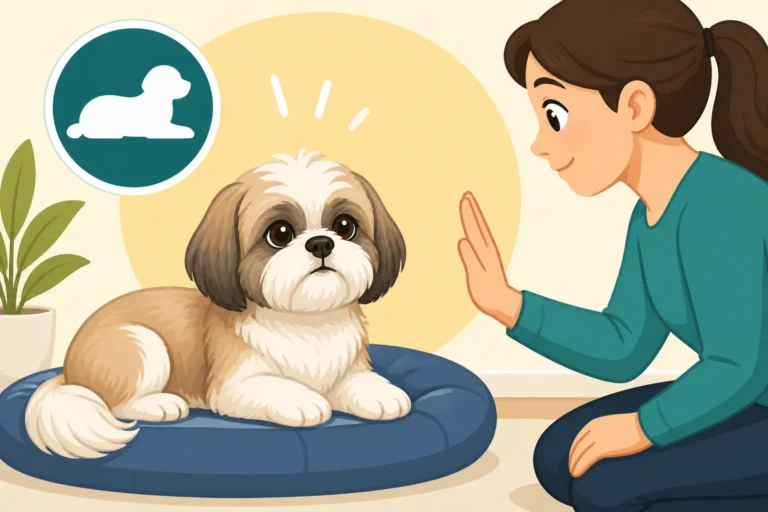
The best way to combat adolescent "selective hearing" is to go back to square one, but with a twist. Make training sessions super short – think 5-10 minutes, maybe even just Five Minute Sessions With a Shih Tzu – and incredibly fun. The goal is to build their enthusiasm for learning again. Start with cues they know well in a low-distraction environment, like your living room, and make sure they succeed every single time.
Think of it like revisiting your ABCs with a bonus prize for every letter. Use upbeat tones, celebrate their successes like they’ve just won the lottery, and always end on a positive note. This isn't about teaching new tricks right now, but about strengthening the foundation of communication and trust you’ve already built. These brief, positive interactions will remind them that listening to you is always worthwhile and enjoyable.
The Power of High-Value Motivation
During adolescence, a plain old kibble might not cut it anymore. You need to upgrade your reward game. Think about what truly motivates your Shih Tzu. Is it a tiny piece of cheese? A bit of cooked chicken? A special squeaky toy? These "high-value" rewards are incredibly effective for cutting through distractions and grabbing your adolescent's attention. For guidance on appropriate portions, you can check out Treat Sizes That Suit a Shih Tzu.
Reserve these super special treats for when you need your Shih Tzu to respond perfectly, especially in challenging environments. For example, if you're trying to practice recall at the park, have a pocket full of their absolute favorite tidbits. When they come running, make it a party with praise, pets, and that irresistible snack. Over time, they'll associate listening to you with incredible rewards, making them more likely to respond even when the distractions are high. Sometimes, finding just the right type of treat means looking online; many owners find a wide variety of options on platforms like Amazon that cater to small breeds and specific dietary needs.
Creating Consistency Across the Household
This is probably the single most critical factor in overcoming adolescent training hiccups. If one person allows your Shih Tzu to jump on the couch, but another scolds them for it, your Shih Tzu will become confused and will inevitably try their luck with everyone. Consistency means everyone in the household—parents, kids, even regular guests—needs to be on the same page with commands, expectations, and consequences.
Hold a family meeting to discuss the rules and ensure everyone uses the same cues and rewards for desired behaviors. If you're working on "sit," everyone says "sit," not "sit down" or "buns on the floor." If you're house training, everyone follows the same potty schedule and praise system. Without consistency, your Shih Tzu will learn that rules are flexible, making that "selective hearing" even more pronounced. This often means being incredibly diligent, as your Shih Tzu will exploit any crack in your unified front.
Managing the Environment for Success
Sometimes, the easiest way to prevent "bad" behavior is to simply prevent the opportunity for it to happen. This is often called "management" in dog training. If your Shih Tzu is counter-surfing, make sure there's nothing on the counter for them to get. If they're prone to having accidents indoors, increase potty breaks and consider using an indoor potty area or A Shih Tzu Backsliding on House Training guide.
Management also means controlling their environment during training. If you're teaching "stay," start in a quiet room before gradually introducing more distractions. If they are prone to barking at the door, as covered in A Shih Tzu Barking at the Doorbell, consider blocking their view or having them settle on a mat further away when the doorbell rings. Providing appropriate outlets, like puzzle toys or safe chews, can also redirect their energy from destructive behaviors. Tools and resources from platforms like BAXTER & Bella can provide structured programs and specific advice on managing your Shih Tzu's environment to set them up for success.
When to Seek Professional Guidance
While canine adolescence is a normal phase, some behaviors can become overwhelming or indicative of deeper issues. Knowing when to call in the cavalry can save you a lot of stress and ensure your Shih Tzu gets the help they need.
Persistent or Escalating Behavioral Challenges
If you've tried consistency, high-value rewards, and going back to basics, but your Shih Tzu's "selective hearing" is getting worse, or new, concerning behaviors are emerging, it might be time to bring in a professional. These could include:
- Aggression: Any growling, snapping, or biting towards family members, guests, or other animals.
- Excessive Anxiety: Destructive chewing, persistent whining, or severe fear responses when left alone or in certain situations.
- Inconsolable Reactivity: Uncontrollable barking, lunging, or fear-based aggression on walks.
- Severe Regression: Complete loss of house training or an inability to settle in environments where they once were calm.
If you find yourself constantly frustrated, stressed, or worried about your Shih Tzu's behavior, don't hesitate. A professional can offer an objective perspective, identify underlying causes, and provide a tailored plan that might include behavioral modification techniques you haven't considered. Remember, their goal is to help both you and your dog.
Finding a Trainer Who Understands Toy Breeds
Not all dog trainers are created equal, especially when it comes to toy breeds like the Shih Tzu. You need to find a trainer who understands the unique temperament, physical vulnerabilities, and potential challenges of a smaller, brachycephalic breed. For example, a trainer who uses heavy-handed methods or expects long, physically demanding training sessions might not be suitable for a Shih Tzu with its delicate neck and potential Shih Tzu Back Problems and Disc Disease.
When searching for a trainer, ask about their experience with toy breeds and their approach to training. Look for someone who prioritizes positive reinforcement, uses gentle handling techniques, and can offer realistic expectations for a Shih Tzu. You can check out Finding a Trainer for a Toy Breed for more in-depth advice on what to look for. A good trainer will often start with a thorough assessment of your Shih Tzu and your home environment, and will teach you how to effectively communicate with your dog. Investing in a knowledgeable trainer is an investment in a happier, more harmonious relationship with your beloved companion.
| Adolescent Shih Tzu Behavior | Puppy Behavior (Pre-Adolescence) | How to Reframe/Respond |
|---|---|---|
| Ignores "Come" outdoors | Rushes to you for praise | Use long line, high-value treats, practice in low-distraction areas. |
| Has indoor accidents | Reliably potties outside | More frequent potty breaks, re-establish routine, clean thoroughly. |
| Chews forbidden items | Chews only designated toys | Increase supervision, use bitter spray, provide more appropriate chews. |
| Pulls on leash | Walks nicely on a loose leash | Use a well-fitting harness, short, frequent sessions, reward loose leash. |
| Barks more at stimuli | Calm with new sights/sounds | Management (block view), desensitization, reward calm behavior. |
| Suddenly "stubborn" | Eager to please | Go back to basics, super high-value rewards, keep sessions short and fun. |
Disclaimer
This article is for general informational purposes only and does not constitute professional advice. Laws, prices and regulations vary by location and change over time. Consult a qualified professional for guidance on your specific situation.