Shih Tzu Puppy Training Month by Month
Bringing home a Shih Tzu puppy is an absolute whirlwind of joy, adorable fluff, and sometimes, a little bit of chaos. Those big, soulful eyes and playful personalities quickly melt your heart, but beneath the cuteness lies a smart, sometimes stubborn, little dog that needs guidance. Many new Shih Tzu parents quickly find themselves feeling overwhelmed, wondering if they're doing things right, especially when it comes to potty training mishaps or those first attempts at grooming. This guide is here to walk you through the essential steps of Shih Tzu puppy training, month by month, helping you navigate their development from a tiny eight-week-old to a well-adjusted, confident one-year-old companion.
The Foundation: Weeks 8-12 (Bringing Your Puppy Home)
The first few weeks with your Shih Tzu puppy are absolutely critical. This is a period of immense learning and adjustment for them, and for you! They’re leaving behind their littermates and their first home, stepping into a brand new world. It’s a time to be patient, consistent, and full of positive encouragement.
Settling In and Early Socialization
When your little fluffball first arrives, their world has just turned upside down. Give them a few days to just be – to explore their new space, find their safe spots, and get comfortable with you and your family. During this time, gentle handling is key. Get them used to being picked up, held, and having their paws, ears, and mouth touched. This isn't just about affection; it's laying the groundwork for a lifetime of stress-free grooming and vet visits. You'll thank yourself later when they calmly accept a nail trim or an ear cleaning.
Beyond settling in, early socialization is paramount. This doesn't mean taking your unvaccinated puppy to the dog park! Instead, it means controlled, positive exposure to new sights, sounds, textures, and smells in a safe way. Think about car rides (even short ones to the park entrance), meeting a few calm, vaccinated adult dogs, hearing different household noises like vacuum cleaners or doorbells, and encountering different types of people, from toddlers to adults with hats. Every positive new experience builds confidence. Remember, the critical socialization window often closes around 16 weeks, so making the most of these early weeks is crucial for a well-adjusted adult Shih Tzu. A good online program, like one offered by BAXTER & Bella, can provide structured guidance for these early weeks, ensuring you hit all the key developmental milestones without overwhelming your puppy.
Potty Training Basics and Establishing a Schedule
Ah, potty training – the bane of many new puppy parents, and Shih Tzus can certainly be a challenge due to their small size and sometimes finicky nature when it comes to wet grass. The key here is an ironclad schedule. Puppies, especially small breeds like Shih Tzus, have tiny bladders. Expect them to need to go every 1-2 hours, immediately after waking up, after playing, and after eating or drinking. Take them out frequently and consistently to the same designated potty spot. When they go, praise them lavishly with a happy, excited voice and a small, high-value treat.
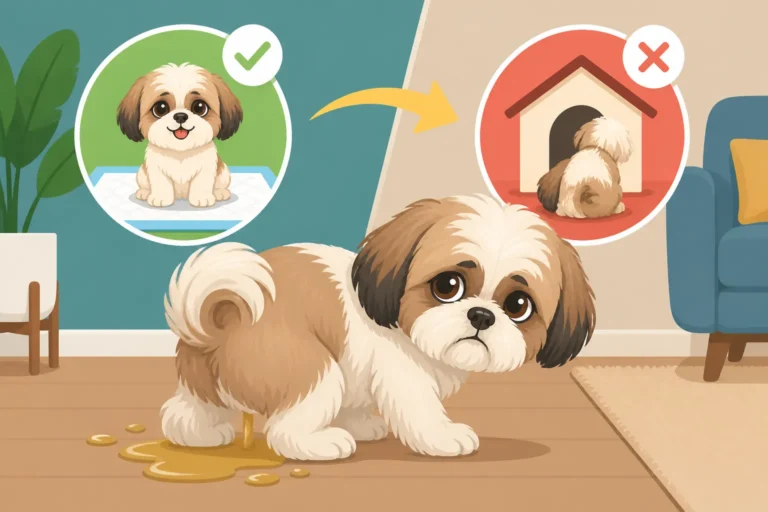
Accidents will happen, and that's okay. The crucial thing is how you react. Never scold or punish your puppy for an accident, especially if you didn't catch them in the act. They won't understand what they did wrong. Instead, calmly clean it up thoroughly with an enzymatic cleaner (to eliminate odors that attract them back to the same spot) and resolve to watch them more closely next time. Keeping them on a leash indoors, even attached to your waist, for the first few weeks can be a lifesaver in preventing unsupervised accidents. Many Shih Tzu owners find that Why Shih Tzu House Training Takes Months isn't an exaggeration, so steel your patience now!
Introducing the Crate
Crate training is one of the best tools you have for potty training, managing alone time, and ensuring your puppy's safety. The goal is to make the crate a comfortable, den-like sanctuary, not a punishment zone. Start by making it appealing: put a soft bed inside, a favorite chew toy, and drop treats in there. Feed meals in the crate with the door open at first, then gradually closed for short periods. Don't force them in or leave them in there for too long.
Begin with very short durations, like 5-10 minutes, while you're still in the room, then gradually extend it. If your puppy cries, wait for a brief lull in the crying before letting them out, so they don't learn that crying gets them attention. A good rule of thumb for maximum crate time is their age in months plus one hour (e.g., a 2-month-old can handle about 3 hours). Ensure the crate is appropriately sized – just enough room to stand up, turn around, and lie down, to prevent them from using one end as a potty area. You can find excellent, comfortable crates and playpens on Amazon that are perfect for a growing Shih Tzu puppy, helping you manage their space effectively. Learning Setting Up a Crate a Shih Tzu Will Enter properly from day one makes all the difference.
Building Blocks: Months 3-4 (Learning the Ropes)
As your Shih Tzu puppy approaches 3-4 months, they're likely feeling more confident in their new home and are ready to absorb more formal training. Their attention span is still short, so keep sessions brief, fun, and positive.
Basic Obedience Cues: Sit, Stay, Come
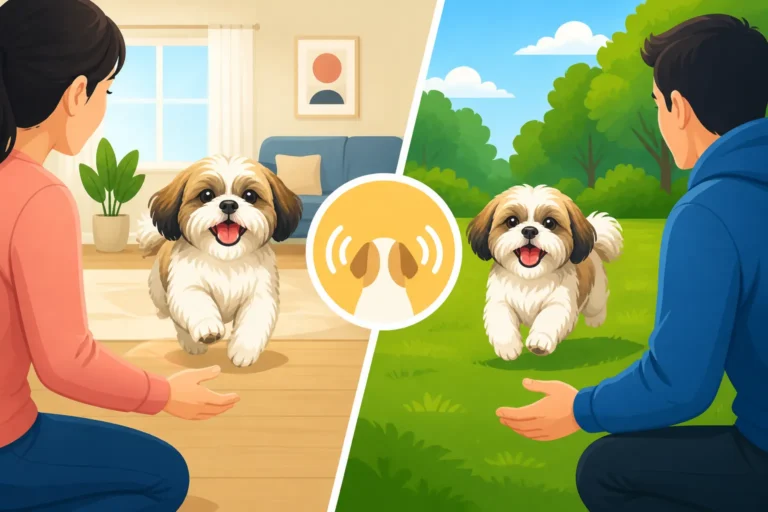
This is the perfect time to introduce fundamental cues like "sit," "stay," and "come." Use positive reinforcement exclusively – enthusiastic praise, tiny high-value treats, and gentle petting when they get it right. For "sit," hold a treat above their head and slowly move it back, luring their nose up and their rear end down. The moment their rear touches the ground, say "sit" and reward. Repeat this many times! For "come," make it a game: crouch down, open your arms, use an excited voice, and back away, encouraging them to run to you, then reward.
Keep training sessions short, perhaps 5-10 minutes, several times a day. Little bursts of learning are far more effective than long, drawn-out sessions that bore or frustrate a puppy. The goal is to build a positive association with learning and with you as their teacher. Remember that consistency across all family members is vital for success; everyone needs to use the same cues and rewards. If you're looking for structured lessons, many online programs, like those offered by BAXTER & Bella, provide step-by-step guidance on teaching these foundational commands effectively. It's truly amazing what a Shih Tzu can learn in Five Minute Sessions With a Shih Tzu when you make it engaging.
Leash and Harness Introduction
Before you start formal walks, get your Shih Tzu puppy comfortable with their walking gear. Due to their delicate throats and brachycephalic (flat-faced) nature, a harness is always recommended over a collar for a Shih Tzu. Collars can put pressure on their windpipe, which is already a concern for the breed. Introduce the harness slowly. Let them sniff it, drape it over them, give treats. Put it on for a few seconds, then take it off and reward. Gradually increase the time they wear it.
Once they're comfortable with the harness, attach the leash and let them drag it around indoors (under supervision, of course, so they don't get tangled). Then, pick up the leash and let them walk around the house with you. The goal is for the harness and leash to be a normal, positive part of their day. Keep initial outdoor leash walks short and positive, focusing on exploration and praise, rather than perfect heel work. This early introduction is crucial for their safety and comfort, and Why a Shih Tzu Should Wear a Harness Not a Collar is a lesson worth learning early.
Nipping and Chewing Management
Puppies explore the world with their mouths, and those tiny needle teeth can be surprisingly sharp! Nipping is normal puppy behavior, but it needs to be managed. When your Shih Tzu puppy nips too hard, immediately let out a high-pitched "ouch!" or "yip!" and withdraw your hand. Stop playing for a few seconds. This mimics how their littermates would react. If they continue, completely disengage: stand up, turn your back, or even leave the room for 10-20 seconds. They need to learn that hard nipping makes the fun stop.
Provide plenty of appropriate chew toys. Offer a variety of textures and shapes to keep them interested. When your puppy tries to chew on something inappropriate (like your furniture leg), gently redirect them to an acceptable chew toy with a cheerful "No, chew this!" and praise them when they take the toy. Chew deterrence sprays can also be useful on furniture. Consistency is key, and soon your puppy will learn what is and isn't acceptable to chew.
Navigating Adolescence: Months 5-7 (Testing Boundaries)
Just like human teenagers, Shih Tzu puppies go through an adolescent phase, typically between 6 and 18 months. During this time, you might see some regression in training, a little more "selective hearing," and a surge in energy or independence. Don't be discouraged – it's a normal part of their development!
Puberty and Potential Training Regression
Around 5 to 7 months, your Shih Tzu puppy will start to hit puberty. Hormonal changes can lead to new behaviors, like increased marking (especially if intact), more sniffing on walks, and a general testing of boundaries. The polite little puppy you had might suddenly seem defiant or forget all their training. This isn't because they're being "bad"; it's a developmental phase. The absolute best thing you can do is to double down on consistency. Go back to basics if needed. Review all the commands you've taught, make sure your rewards are still high-value, and enforce rules gently but firmly.
Maintain your potty schedule, even if they've been perfect for weeks. They might regress and have an accident. Simply clean it up and reaffirm their schedule. This is also a good time to consider spaying or neutering, which can often help mitigate some of these hormone-driven behaviors. Understanding Shih Tzu Adolescence and What Changes can help you approach this phase with more empathy and less frustration.
Refining Leash Manners and Recall
By this age, your Shih Tzu should be comfortable walking on a harness and leash, but "heeling" perfectly might still be a distant dream. This is the time to start working on polite leash manners more intentionally. Practice walking in a quiet area, rewarding every few steps they walk nicely beside you without pulling. If they pull, simply stop moving. Wait for the leash to loosen, then mark it with a verbal cue like "yes!" and continue walking. They quickly learn that pulling gets them nowhere.
Recall ("come" when called) is incredibly important, even for a small dog that will likely always be on a leash outdoors. Practice it indoors first, making it super fun with treats and toys. Then, move to a securely fenced area. Continue to make coming to you the most rewarding thing they can do. Never use "come" when you're angry or to do something unpleasant (like give medicine); you want it to be a joyous, safe command.
Advanced Grooming Desensitization
For a Shih Tzu, grooming isn't just about looking good; it's essential for their health and comfort. By 5-7 months, their coat is likely growing thicker, and they need to be completely comfortable with more intense grooming sessions. This means regular brushing to the skin, not just skimming the topcoat, and getting used to the noise and sensation of clippers (even if it's just a light trim around their paws or sanitary area). Focus on short, positive sessions. Reward for calm behavior while brushing, examining their ears, or holding their paw for nail trims.
If you plan to use a professional groomer, regular practice at home will make their experience at the salon much more pleasant. Introduce different brushes and combs, a low-setting hairdryer, and even a grooming table if you have one. The more positive experiences they have now, the easier grooming will be throughout their life. This is also a good time to start addressing specific grooming needs like Getting a Shih Tzu Used to Face Trims around their eyes, or cleaning their ears, which can be prone to infection under heavy ear leather.
Consolidating Learning: Months 8-10 (Solidifying Habits)
As your Shih Tzu approaches their first birthday, they're transitioning from a puppy to a young adult. This stage is about solidifying all the good habits you’ve instilled and ensuring their training is reliable in a variety of environments.
Reliability in Distraction and Proofing Commands
It's one thing for your Shih Tzu to "sit" perfectly in your quiet living room, and another for them to do it at the park with squirrels darting by. This stage is about "proofing" commands – teaching your dog to respond reliably even with distractions present. Start small: add a little noise, have a family member walk by, then gradually increase the level of distraction. Always start in an easier environment, ensure success, and then slowly make it harder.
Practice commands in different locations: the backyard, a friend's house, a quiet pet-friendly store. This teaches your Shih Tzu that "sit" means "sit," no matter where they are or what's happening around them. Keep rewards high and praise abundant for successful responses in distracting situations. This consistent reinforcement builds their confidence and strengthens the bond between you.
Reinforcing Alone Time Tolerance
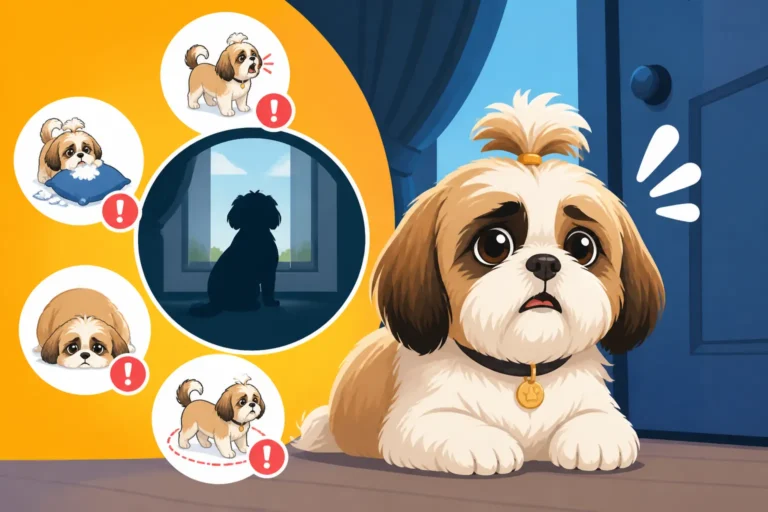
Many Shih Tzus love being with their people, which is wonderful, but it can also lead to separation anxiety if not managed. By 8-10 months, your Shih Tzu should be quite comfortable being left alone for reasonable periods. If they’re still struggling, this is the time to really focus on strengthening their alone time tolerance. Practice short departures – leave for 5 minutes, then 10, then 30. Return before they get distressed.
Provide engaging toys, like puzzle feeders or long-lasting chews, to keep them occupied when you're gone. Avoid making a big fuss when you leave or return; this helps minimize the emotional highs and lows. A secure, comfortable crate or a safe puppy-proofed room can be their sanctuary. If you're consistently struggling with signs of distress like excessive barking, destructive chewing, or inappropriate urination when you're gone, it might be time to seek guidance from a professional trainer. Learning how to build Shih Tzu Alone Time and Learning to Tolerating It is a gift you give your dog and yourself.
Addressing Specific Behavioral Concerns
As your Shih Tzu matures, you might notice specific behavioral quirks or challenges emerging. Perhaps they've developed a habit of barking excessively at the doorbell, guarding their toys, or jumping on guests. This stage is ideal for addressing these issues proactively before they become ingrained adult behaviors. For barking at the doorbell, teach a "quiet" command, or redirect them to a mat with a chew toy before the visitor even enters. For resource guarding, consider management strategies like feeding meals separately from other pets and practicing "trade" games with toys.
Always remember that behavior is communication. Try to understand why your Shih Tzu is exhibiting a particular behavior. Are they bored? Fearful? Seeking attention? Addressing the underlying cause is more effective than just punishing the symptom. If you find yourself stumped, resources like BAXTER & Bella's online training community or books found on Amazon can offer targeted advice and solutions for common behavioral issues.
The Young Adult: Months 11-12 (Becoming a Well-Adjusted Companion)
Congratulations! You're approaching your Shih Tzu's first birthday, and you've navigated the puppy months. By now, your furry friend should be well on their way to becoming a polite, well-mannered companion. This final stage of puppyhood is about finessing their skills and continuing to provide enriching experiences.
Advanced Cues and Fun Tricks
Just because your Shih Tzu has mastered the basics doesn't mean the learning has to stop. In fact, continuing to teach new things is fantastic for mental stimulation and strengthening your bond. Consider teaching fun tricks like "spin," "shake a paw," "roll over," or "bow." These aren't just for entertainment; they build confidence, improve coordination, and give your Shih Tzu a job to do.
You can also refine existing commands, adding duration, distance, and even more distractions. Work on a rock-solid "stay" or a precise "heel." Engaging in these activities keeps your Shih Tzu's brain active, which can prevent boredom-related behavioral issues. There are countless videos and books available on Amazon dedicated to teaching dog tricks that can provide inspiration and step-by-step instructions. Shih Tzus are quite intelligent, and they truly enjoy using their brains; finding Tricks Worth Teaching a Shih Tzu Indoors can be a delightful bonding experience.
Public Manners and Etiquette
By 11-12 months, your Shih Tzu should be ready to confidently accompany you to more public places where dogs are welcome, provided they are fully vaccinated and well-socialized. This means practicing polite greetings with strangers (no jumping!), calmly sitting or lying down under a table at an outdoor cafe, and ignoring distractions like other dogs or loud noises.
Continue to bring high-value treats and reward calm, appropriate behavior generously. If your Shih Tzu is overwhelmed or reactive in certain situations, it's okay to remove them from the environment and try again later in a less stimulating setting. The goal isn't perfection, but rather a dog that is generally comfortable and well-behaved when out and about, reflecting positively on your training efforts.
Continuing Socialization and Exposure
Socialization isn't a one-time event; it's a lifelong process. Even as adults, dogs benefit from continued positive exposure to new people, places, and experiences. Regularly introduce your Shih Tzu to new, safe environments. This could be exploring a new park trail, visiting a friend's house, or simply taking a different route on your daily walk.
The key is to keep these experiences positive and non-threatening. Avoid forcing interactions if your Shih Tzu seems uncomfortable. Allow them to observe and approach at their own pace. Continuing to expose them to various stimuli helps reinforce their confidence and adaptability, ensuring they remain a well-adjusted and happy companion throughout their lives.
Common Shih Tzu Training Challenges and Solutions
While Shih Tzus are delightful companions, their unique characteristics and toy breed tendencies can sometimes lead to specific training hurdles. Understanding these common challenges and having strategies to overcome them is key to a harmonious household.
Persistent House Training Hurdles
Let's be honest, house training a Shih Tzu can sometimes feel like an uphill battle. Their small size means tiny bladders, and sometimes they can be quite particular about going out in less-than-ideal weather – who wants wet paws in the rain or cold? If you're still battling accidents, revisit the basics with renewed vigor. This often means returning to a strict schedule, taking them out more frequently than you think necessary, and rewarding heavily for success outdoors.
Consider an indoor potty solution, such as a potty pad or an artificial grass tray, if outdoor access is challenging or if your Shih Tzu genuinely dislikes going out in bad weather. While this can sometimes prolong outdoor training, for some Shih Tzus, it's a practical compromise. Just ensure you still regularly take them outside so they understand both options. Always clean accidents thoroughly with enzymatic cleaners to eliminate scent markers. Consistency is the most powerful tool against Shih Tzu Urinary Accidents That Are Medical, as medical causes should always be ruled out by a vet first.
Grooming Resistance and Fear
Due to their long, flowing coats and potential for mats, Shih Tzus require regular, often daily, grooming. If your puppy wasn't properly desensitized early on, you might find yourself with a Shih Tzu who utterly despises being brushed, having their face wiped, or getting their nails trimmed. This can become a huge source of stress for both of you. If you're facing significant resistance, slow down. Break down grooming tasks into the tiniest steps. Start with just touching the brush to their fur for a second, then reward. Gradually increase the time and intensity.
Use high-value treats only for grooming sessions. If they're really struggling, don't try to force the entire grooming session at once. Do a little bit, then take a break. For highly fearful or aggressive responses, consider working with a professional groomer or a positive reinforcement trainer who specializes in cooperative care. They can help build positive associations and teach you techniques to make grooming a more pleasant experience. Remember, Two Hours on the Table and a Patient Shih Tzu is an ideal, but it often takes a lot of patient work to get there.
Excessive Barking and Attention Seeking
Shih Tzus are often described as "yappy" by those who don't understand them, but their barking usually has a purpose, even if it's just to get your attention! Whether it's barking at the doorbell, at squirrels outside, or simply demanding your affection, managing excessive vocalization is a common challenge. For attention-seeking barking, the rule is simple but hard: ignore it. Turn your back, leave the room, or stop eye contact. The moment they are quiet, then you can give them attention. This teaches them that barking doesn't work, but silence does.
For environmental triggers like doorbells or outside noises, counter-conditioning and desensitization are key. Pair the trigger (e.g., a quiet doorbell sound) with high-value treats. Gradually increase the volume or intensity of the trigger, always rewarding calm behavior. Provide plenty of mental and physical enrichment to prevent boredom-related barking. Puzzle toys, short training sessions, and interactive play can all help. Understanding Whether a Shih Tzu Is a Yappy Breed depends heavily on how you manage their environment and train them.
The Importance of Consistency and Patience
Training your Shih Tzu is a journey, not a destination. It's filled with delightful moments, occasional frustrations, and continuous learning for both of you. The two most powerful tools you have in your training arsenal are consistency and patience.
Building a Strong, Trusting Bond
Every training interaction, whether it's teaching a new trick or gently correcting a behavior, is an opportunity to strengthen the bond with your Shih Tzu. When you use positive reinforcement, clear communication, and a gentle approach, you become a trusted leader and a source of comfort and fun. This bond is the foundation of all successful training. Your Shih Tzu learns that you are reliable, fair, and that following your cues leads to good things.
Remember that Shih Tzus were bred solely as companions, meant to sit on laps and bring joy. They thrive on connection and affection. Use training as a way to engage with them, to challenge their minds, and to reinforce that loving relationship. It's not just about teaching commands; it's about building a shared language and a deep, mutual understanding.
Knowing When to Seek Professional Help
While this guide covers many common training scenarios, there will inevitably be times when you feel stuck or overwhelmed. This is perfectly normal, and there's absolutely no shame in seeking professional help. If you're consistently struggling with a particular behavior, if your Shih Tzu is exhibiting aggression or severe anxiety, or if you simply feel like you've tried everything, a qualified professional can offer tailored advice and hands-on guidance.
Look for trainers who use positive reinforcement methods and have experience with small breeds like Shih Tzus. A good trainer won't just train your dog; they'll teach you how to understand and communicate more effectively with your furry friend. Online resources, like those found through BAXTER & Bella or recommendations from your vet, can help you find reputable trainers in your area. Finding a Trainer for a Toy Breed can make all the difference in overcoming specific challenges.
Celebrating Small Wins and Maintaining Perspective
Training a puppy, especially a tiny Shih Tzu, is a marathon, not a sprint. There will be days when your puppy seems to forget everything they've learned, and days when they hit a new milestone. It's crucial to celebrate every small win, no matter how tiny it seems. Did they sit for an extra second? Did they pee outside after waking up? Did they let you brush their ear for 30 seconds without a fuss? These are all victories!
Maintain a sense of humor and perspective. Your Shih Tzu is a living being, not a robot, and they learn at their own pace. Enjoy the process, cherish the puppy moments (even the messy ones), and remember that the goal is a happy, well-adjusted companion who brings immense joy to your life. The effort you put in during these crucial puppy months will pay dividends for years to come.
Shih Tzu Puppy Training Milestones and Focus Areas
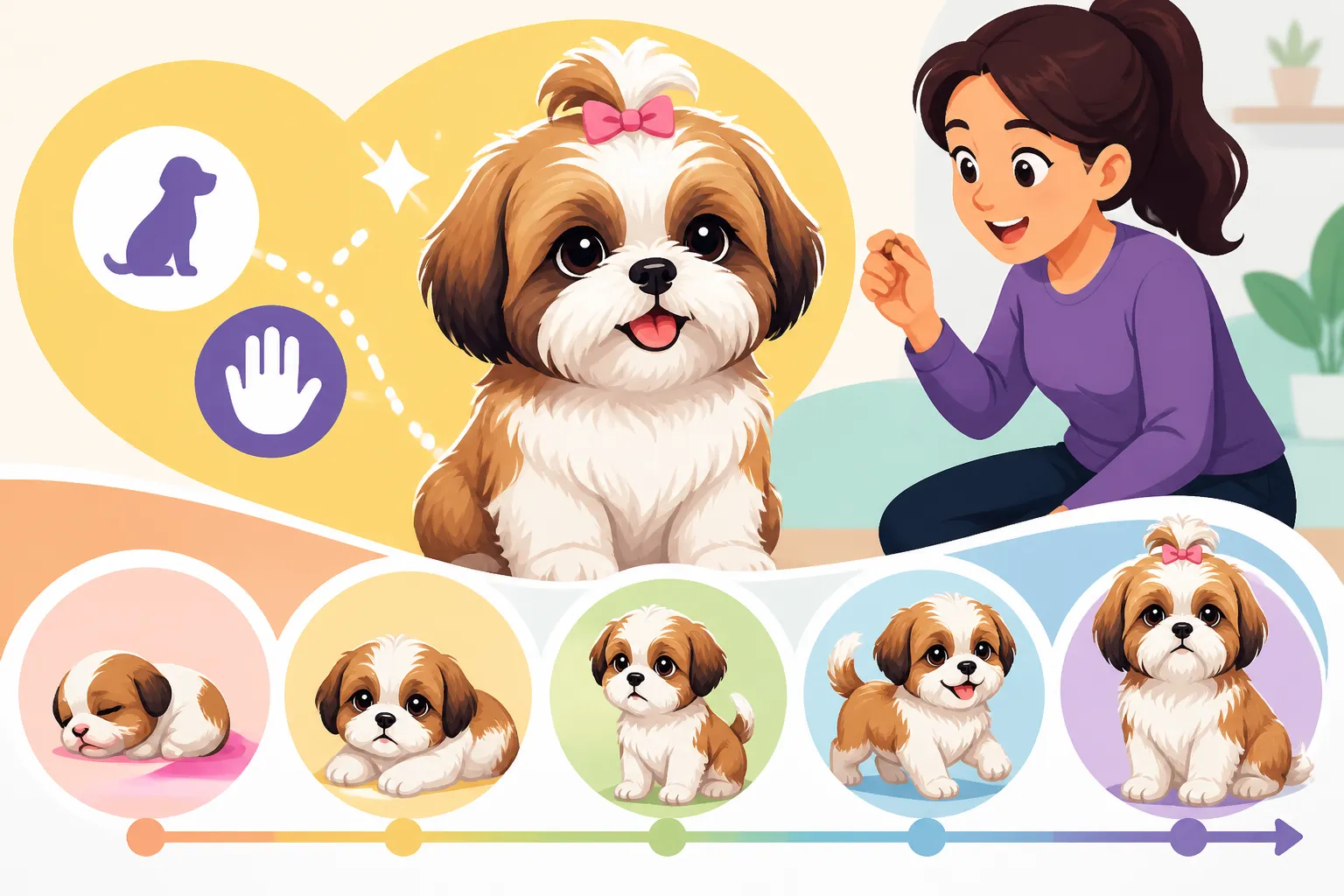
To help visualize the journey, here's a table outlining key training focus areas and expected milestones for your Shih Tzu puppy.
| Age Range | Key Focus Areas | Expected Milestones (Roughly) | Potential Challenges & Tips |
|---|---|---|---|
| Weeks 8-12 | Settling In, Early Socialization, Potty Training, Crate Training, Gentle Handling | Accepting handling, starting to pee/poop outdoors, sleeping through part of the night in crate | Accidents indoors (more frequent trips outside!), nipping (redirect!), crying in crate (short periods, reward silence). Use Amazon for puppy-proofing supplies. |
| Months 3-4 | Basic Obedience (Sit, Come, Stay), Leash/Harness Introduction, Nipping & Chewing Management | Responding to name, sitting on cue, comfortable with harness, understanding "no" for inappropriate chewing | Short attention span (keep sessions short!), fear periods (positive exposure to new things). BAXTER & Bella can guide basic obedience. |
| Months 5-7 | Puberty, Leash Manners, Grooming Desensitization, Alone Time Expansion | Walking politely on leash, accepting full body brushing, tolerating short periods alone, some recall | Training regression (be consistent!), increased energy (more structured play!), pushing boundaries. Double down on positive reinforcement for grooming and alone time. |
| Months 8-10 | Reliability in Distraction, Proofing Commands, Addressing Specific Behavior, Alone Time Reinforcement | Responding reliably in varied environments, polite greetings, fewer behavioral issues, settling alone | Selective hearing (make yourself more interesting than distractions!), specific problem behaviors (seek professional help if needed). Use puzzle feeders from Amazon for mental enrichment during alone time. |
| Months 11-12 | Advanced Cues/Tricks, Public Manners, Continued Socialization, Reinforcing Good Habits | Confident and well-behaved in public, strong recall, knowing several tricks, consistent house training | Boredom (keep learning fun!), adolescent exuberance (channel into structured activities). Continue positive exposure and reward for calm behavior in new places. |
Disclaimer
This article is for general informational purposes only and does not constitute professional advice. Laws, prices and regulations vary by location and change over time. Consult a qualified professional for guidance on your specific situation.