A Shih Tzu That Bites During Eye Wiping
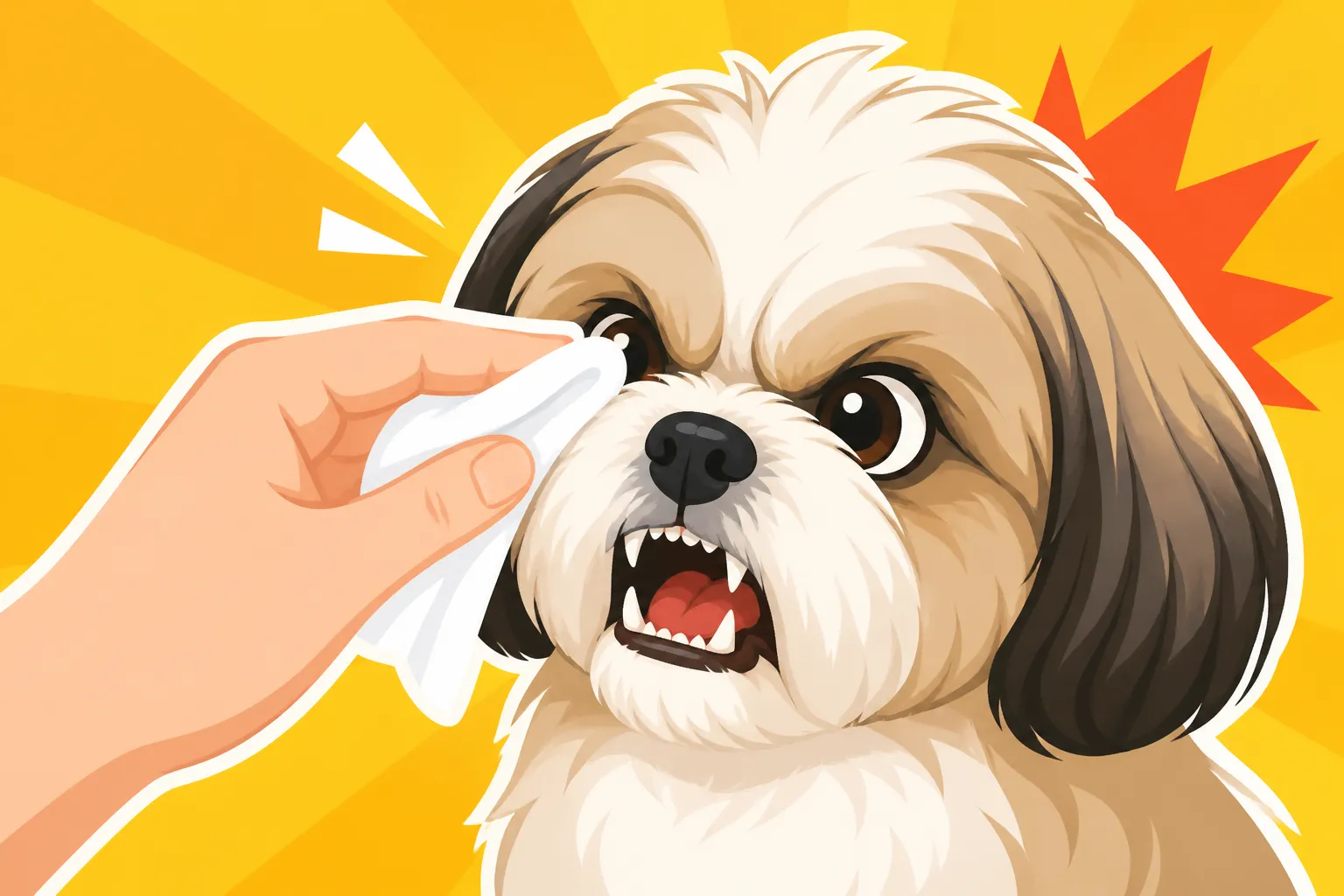
It’s truly disheartening and frankly, a bit frightening, when your beloved Shih Tzu, who is usually the sweetest companion, growls, snaps, or even attempts to bite when you're simply trying to perform a routine task like wiping their eyes. This isn't just an inconvenience; it's a real safety concern for both you and your furry friend, and it often leaves owners feeling frustrated, guilty, and completely at a loss for how to proceed. This guide will delve into the common reasons behind this defensive behavior and equip you with practical, compassionate strategies to transform eye wiping from a battle into a manageable, even pleasant, part of your dog's daily care routine.
Understanding Why Your Shih Tzu Bites During Eye Wiping
Before you can address the biting behavior, it's crucial to understand why your Shih Tzu is reacting this way. They aren't trying to be "bad" or defiant; usually, there's an underlying reason rooted in fear, discomfort, or a lack of positive association with the task. Pinpointing the cause is the first step toward finding a gentle solution.
Pain or Discomfort Around the Eyes
This is often the most critical factor to rule out immediately. Shih Tzus are unfortunately predisposed to a host of eye issues due to their brachycephalic (flat-faced) anatomy and prominent eyes. What seems like a simple wipe to us could be excruciating for them if there's an underlying problem.
Think about it from their perspective: if you had a persistent ache or irritation, you wouldn't want someone poking around that area, even with the best intentions. Your Shih Tzu might be experiencing a corneal ulcer, dry eye, an eyelash growing inward, or even a foreign body in their eye. They might have pigmentary keratitis, which is a dark discoloration that can be painful, or simply have hair rubbing against their sensitive cornea. Any of these conditions can make the eye area incredibly tender and painful. When you reach for their face, their instinct is to protect themselves from what they perceive as a threat to an already vulnerable spot. If this behavior is new or suddenly worsened, a vet visit should be your first priority to rule out any medical causes. You might want to read Shih Tzu Corneal Ulcers and Dry Eye for more on common eye conditions.
Fear of Restraint or Being Held Still
Many dogs, especially small breeds like Shih Tzus, can develop a fear of restraint. They are often picked up, held firmly for grooming, or constrained at the vet, which can become negative experiences. When you approach with a wipe, your dog might anticipate being held down, which triggers a primal fight-or-flight response.
This fear isn't about being disobedient; it's about feeling trapped and vulnerable. Perhaps in the past, a well-meaning but firm hand held them too tightly, or a grooming session was prolonged and uncomfortable. This memory can become associated with any approach that signals being held still, like reaching for their face. They might have learned that a growl or snap is an effective way to make you back off and avoid the perceived threat of restraint. It's vital to remember that their reaction is a desperate plea for personal space and control, not an act of malice.
Previous Negative Experiences with Grooming
Dogs have excellent memories, especially when it comes to unpleasant sensations. If your Shih Tzu has ever had a painful mat pulled from their face fur, had shampoo accidentally run into their eyes, or experienced a rough grooming session, they will likely develop an aversion to anything that resembles those past traumas.
Even minor discomfort, like a cold, wet wipe startling them, can create a negative association if repeated without positive reinforcement. Consider if your grooming tools might be part of the problem – a rough cloth, a wipe with a strong scent, or even a comb with sharp teeth used carelessly around the eyes. Their sensitive facial area, combined with their dense double coat that mats easily, makes them particularly prone to discomfort if not groomed with extreme care. This past history dictates their current reactions, turning a simple grooming task into a source of anxiety. Building positive associations takes time and patience to override these ingrained negative memories. For related grooming challenges, you might find A Shih Tzu That Panics at the Clipper helpful.
Creating a Positive Eye Wiping Routine
Once you've ruled out medical pain, the next step is to systematically re-teach your Shih Tzu that eye wiping can be a positive, even enjoyable, experience. This requires patience, consistency, and a commitment to positive reinforcement.
Desensitization and Counter-Conditioning
This is the cornerstone of changing your Shih Tzu's perception of eye wiping. Desensitization means gradually exposing your dog to the trigger (the wipe, your hand near their face) at such a low intensity that they don't react negatively. Counter-conditioning means changing their emotional response from fear to happiness by associating the trigger with something wonderful, like high-value treats.
Start incredibly small. Just reach your hand towards their face, but not all the way. As soon as your hand is in their vicinity (before any sign of stress), give them a tiny, delicious treat. Repeat this many times, gradually moving your hand closer over days or weeks. Don't rush! If they show any tension, you've gone too fast – go back a step. Next, introduce the clean, dry wipe. Just show it to them, then treat. Touch their head, then treat. Then, very briefly, touch the dry wipe to their fur near their eye, then treat. The goal is for them to think: "Hand near face = treat! Wipe = treat!" A training program like BAXTER & Bella often emphasizes these gradual desensitization techniques for various handling procedures. For broader training context, consider Positive Reinforcement With a Shih Tzu.
Using High-Value Treats and Praise
The treats you use during desensitization and counter-conditioning need to be exceptionally motivating. Forget the everyday kibble; we're talking about tiny pieces of cooked chicken, cheese, or specialized high-value training treats. These treats should only be given during eye-wiping training sessions, making them extra special and desirable.
Pair the treat with enthusiastic verbal praise ("Good dog!" or "Yes!"). The moment you do the desired behavior (even if it's just letting your hand get close), the treat and praise should immediately follow. The timing is crucial – within 1-2 seconds. This creates a clear association for your Shih Tzu: "When I tolerate this, I get something amazing!" Keep sessions very short, just a minute or two, multiple times a day. End on a positive note, even if you only achieved a tiny step forward. Never force the interaction; if they pull away, let them, and try again later at a lower intensity. Remember, you're building trust, not forcing compliance.
Short, Frequent, and Positive Sessions
Consistency and brevity are key to success. Instead of one long, stressful struggle, aim for many short, positive interactions throughout the day. You're aiming for volume of positive experiences, not intensity.
For example, throughout the day, randomly touch their head, say "Good!" and give a treat. Later, touch their cheek with a dry wipe, say "Good!" and give a treat. Build up to gently touching the corner of their eye for a split second, followed immediately by a treat. Don't even worry about actually wiping the eye in the beginning. The goal is to build a positive association with the process of handling their face and having tools near their eyes. If you make it a game, and they learn to anticipate a reward, their willingness to cooperate will increase dramatically. Imagine doing this as part of their Shih Tzu Puppy Training Month by Month from an early age; it would be much easier! The more positive "micro-sessions" you have, the faster they will associate eye care with good things.
Tools and Techniques for Safer Eye Wiping
Beyond training, having the right tools and employing the best techniques can make a significant difference in minimizing stress and ensuring a safe, effective eye-wiping experience.
Choosing Gentle Eye Wipes and Cleaners
The type of wipe or cleaner you use can greatly impact your Shih Tzu's comfort. Avoid harsh chemicals, strong fragrances, or anything that could sting their eyes. Look for veterinarian-approved, pH-balanced, and hypoallergenic wipes specifically designed for dogs. Many excellent options can be found on online platforms like Amazon.
You might prefer plain cotton balls or soft gauze squares moistened with sterile saline solution (the same kind used for contact lenses) or lukewarm water. Some owners use specific tear stain removers, but always ensure they are safe for use around the eyes and don't cause irritation. Experiment to see what your Shih Tzu tolerates best. The goal is to clean effectively without adding any new discomfort or sensory overload. The less irritating the product, the less likely your dog is to associate eye wiping with an unpleasant sensation.
Proper Restraint and Positioning
While the ultimate goal is for your Shih Tzu to cooperate willingly, sometimes gentle, temporary restraint is necessary for safety, especially during the initial stages or if there's actual debris in the eye. However, "restraint" doesn't mean wrestling them; it means holding them securely and calmly.
One effective technique is to have your Shih Tzu sit on your lap, facing away from you, with their back against your stomach. This position often makes them feel more secure than facing outward. You can gently cradle their head in one hand, using your thumb and forefinger to slightly open the eye area, while wiping with the other hand. Alternatively, for very anxious dogs, wrapping them loosely in a towel (like a burrito, but not too tight) can limit their ability to thrash without causing distress. This is similar to techniques described in How a Groomer Should Hold a Shih Tzu's Head. The key is to be firm but gentle, never causing pain or fear, and always pairing the hold with positive reinforcement immediately afterward. If you're struggling, a vet tech can often demonstrate safe and humane restraint methods.
Strategies for Managing Face Hair
A Shih Tzu's long facial hair is both a hallmark of the breed and a constant challenge for eye health. Hair constantly falling into their eyes can cause irritation, corneal damage, and lead to increased tear production and staining, making eye wiping even more necessary.
Regularly trimming the hair around their eyes or keeping it tied up in a topknot is essential. If you choose to trim, use blunt-nosed scissors or small grooming clippers with extreme caution. Always aim for a "puppy cut" style around the face if you're doing it yourself, keeping the hair short enough to stay out of their eyes but not so short that it exposes their skin to irritation or sunburn. Trimming Face Hair Away From Shih Tzu Eyes offers more detailed advice. If you prefer a topknot, ensure the band isn't too tight and doesn't pull on their delicate skin. Even with a topknot, daily checks are needed to ensure no stray hairs have escaped. Managing the face hair proactively reduces the need for frequent, intense eye wiping, making the entire process easier for both of you.
When to Seek Professional Help
Despite your best efforts, some biting behaviors related to eye wiping may require professional intervention. Recognizing when you need to call in the cavalry is not a sign of failure, but rather responsible pet ownership.
Consulting Your Veterinarian
As mentioned earlier, your first stop should always be your vet. A sudden onset of biting or aggression during eye wiping almost always warrants a thorough veterinary examination. Your vet can check for underlying medical conditions like ulcers, infections, dry eye, or even glaucoma, all of which could make touching the eye area incredibly painful.
They might prescribe specific eye drops, antibiotics, or pain relief. Addressing the physical discomfort directly will often resolve a significant portion of the behavioral issue. If they find no physical cause, they can still provide advice on safe handling, recommend specialized products, or refer you to a veterinary behaviorist if the aggression is severe. Don't delay a vet visit, especially if you notice redness, discharge, squinting, or a change in the appearance of the eye, as eye conditions can escalate quickly in Shih Tzus, sometimes leading to Shih Tzu Eye Proptosis, the Emergency Owners Miss if not addressed.
Working with a Certified Professional Dog Trainer or Behaviorist
If medical issues have been ruled out and you're still struggling, or if the biting is genuinely aggressive and you fear for your safety, it's time to call in a professional. A certified professional dog trainer or a veterinary behaviorist has the expertise to assess your Shih Tzu's specific triggers and develop a tailored behavior modification plan.
They can observe your interactions, identify subtle signs of fear or anxiety you might be missing, and guide you through advanced desensitization and counter-conditioning protocols. They can teach you safe handling techniques and even demonstrate how to use management tools like a muzzle, if necessary, in a way that minimizes stress for your dog. For instance, some trainers might recommend a basket muzzle for safety during specific high-stress grooming tasks, but only after careful, positive introduction. The key is to work with someone who uses force-free, positive reinforcement methods, as harsh corrections will only exacerbate fear and aggression in a sensitive breed like the Shih Tzu. A program like BAXTER & Bella, while online, can provide excellent foundational training principles, but for severe biting, hands-on, in-person professional help is often best.
Recognizing and Addressing Underlying Anxiety or Fear
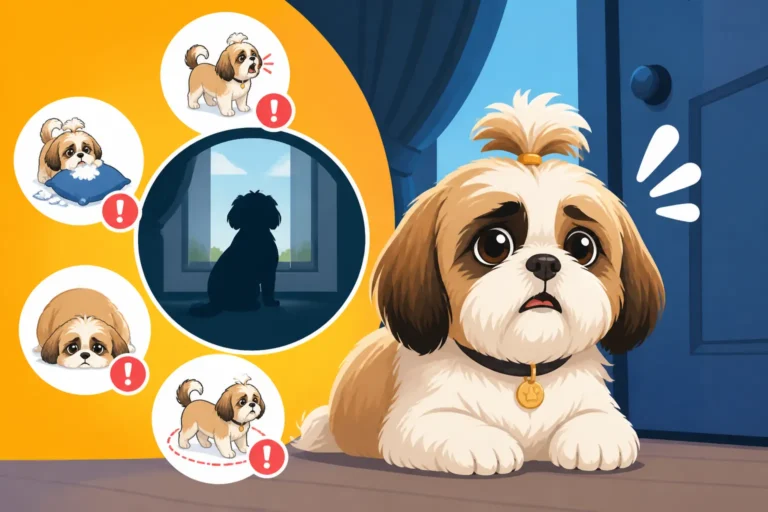
Sometimes, the biting during eye wiping is just one symptom of broader anxiety or fear. If your Shih Tzu exhibits other signs of stress, such as excessive panting, trembling, hiding, inappropriate urination, or generalized fear of handling, it suggests a deeper emotional issue.
A professional behaviorist can help you understand and address these underlying anxieties. This might involve environmental enrichment, confidence-building exercises, or in some cases, medication prescribed by a vet to help manage severe anxiety while behavior modification is underway. The goal is to improve your Shih Tzu's overall emotional well-being, which will, in turn, make them more amenable to handling and grooming. Remember, a calm dog is a cooperative dog. By tackling the root cause of their fear, you're not just solving the eye-wiping problem, you're improving their quality of life. Understanding What a Shih Tzu Growl Is Telling You can also provide insights into their communication of discomfort.
Disclaimer
This article is for general informational purposes only and does not constitute professional advice. Laws, prices and regulations vary by location and change over time. Consult a qualified professional for guidance on your specific situation.