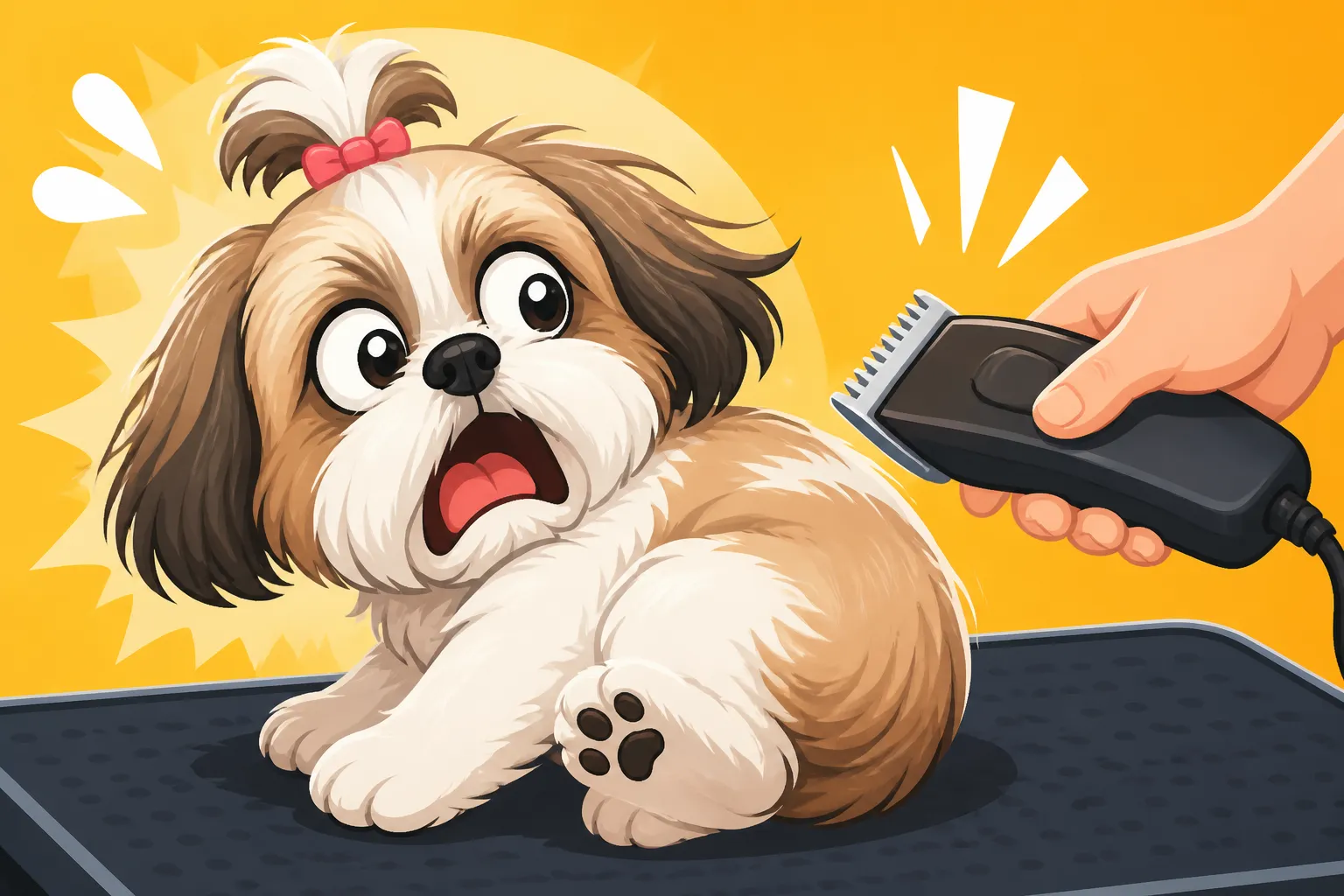
A Shih Tzu That Panics at the Clipper
It's incredibly frustrating, not to mention heartbreaking, when your sweet Shih Tzu turns into a trembling, snapping mess the moment you bring out the clippers. You just want to keep their coat neat and healthy, maybe even give them a cute puppy cut, but the sheer panic in their eyes makes every grooming session a battle. This guide will walk you through understanding why your Shih Tzu might be so afraid of clippers and provide a gentle, step-by-step approach to help them overcome their fear, making grooming a much more pleasant experience for everyone.
Understanding Why the Clippers Cause Panic
Before we can even think about fixing the problem, we need to understand what's actually happening in your Shih Tzu's mind when those clippers come out. It’s rarely about them being "stubborn" or "naughty." More often, it's a deep-seated fear response rooted in sensory overload, past negative experiences, or a lack of proper introduction.
The Sensory Assault of the Clipper
Imagine a buzzing, vibrating object coming at your delicate skin, making a sound that's far louder to you than it is to the person holding it. That's often what a clipper feels like to a Shih Tzu. Their hearing is much more acute than ours, and the high-pitched hum or buzz can be truly distressing. Add to that the vibration that travels through their body, and it can feel like a very invasive, frightening experience. Many standard clippers, especially older, less expensive models, can be surprisingly loud and generate significant vibration. It’s not just the sharp blades they fear; it’s the entire sensory experience.
Negative Past Experiences and Trauma
Sometimes, a Shih Tzu's fear isn't just about the current moment; it's a ghost from grooming sessions past. Perhaps they had an uncomfortable groom as a puppy, where they were held too tightly, nicked, or got hair pulled. Maybe a previous owner or even a well-meaning but impatient groomer tried to rush things. These single traumatic events can leave a lasting impression, creating an association between the clippers and pain or extreme discomfort. Your dog might remember a time they were matted and the clipper had to be used forcefully, or a time when the clipper got too hot and burned their skin. This is why it’s so vital for all grooming experiences to be as positive as possible from day one. If your dog was adopted, you might not even know their history, but assume the best and work to create a fresh, positive association.
Lack of Early Socialization and Positive Exposure
For many Shih Tzus, especially those that didn't get adequate socialization as puppies, the clippers can simply be another "new and scary thing" they weren't introduced to properly. The Shih Tzu Socialization Deadline is a critical period for puppies to learn about the world around them. If they weren't exposed to the sights, sounds, and sensations of grooming tools in a positive, gentle way during their formative weeks, they're much more likely to develop fears later on. It’s not just about meeting people and other dogs; it's about getting used to nail trims, ear cleaning, and yes, clippers and dryers. If these experiences were absent or negative, their natural instinct is to be wary, and that wariness can quickly escalate to full-blown panic.
Setting the Stage for Success: Environment and Tools
Before you even bring out the clippers, thinking about your environment and the tools you use can make a huge difference in your Shih Tzu's comfort level. Creating a calm, safe space and using appropriate, quiet equipment are foundational steps.
Choosing the Right Clippers
Not all clippers are created equal, especially when dealing with a sensitive or fearful Shih Tzu. Many professional grooming clippers are designed for power and speed, which can translate to more noise and vibration. For home grooming, especially when desensitizing a fearful dog, investing in a quiet, low-vibration model is paramount. Look for clippers specifically marketed as "low noise" or "quiet pet clippers." Often, cordless models can be less intimidating because you don't have the dangling cord to worry about, though some can still be quite noisy. Brands found on platforms like Amazon often offer a range of options, and reading reviews focused on noise levels can be very helpful. Remember, a cool-running blade is also essential; a hot blade can burn and cause extreme discomfort, undoing all your hard work.
Creating a Calm Grooming Space
The physical environment where you groom matters immensely. Try to choose a quiet room away from household distractions, loud noises, or other pets. A non-slip surface, like a rubber mat on a table or even a bath mat on the floor, can help your Shih Tzu feel more secure and prevent slips that could lead to injury or further fear. A dedicated grooming table, even a small, affordable one, can be beneficial because it elevates your dog, making it easier for you to work and signaling to them that this is a specific activity time. Always ensure the area is well-lit so you can see clearly and avoid accidental nicks. Some owners find that playing calming music or white noise can help mask the sound of the clippers and create a more soothing atmosphere.
Essential Supporting Tools
Beyond the clippers themselves, a few other tools will support your desensitization efforts. High-value treats are non-negotiable – think tiny pieces of cooked chicken, cheese, or specialized training treats your Shih Tzu absolutely adores. You’ll also need a good slicker brush and a metal comb to work out any mats before the clippers come out, as mats are painful to clip through and will reinforce fear. Detangler Sprays That Work on a Shih Tzu can be very helpful here. A non-slip mat for your table or even for the floor where you're working is crucial for their stability. And don't forget your most important tool: patience. This process takes time, and rushing will only set you back.
A Step-by-Step Approach to Desensitization
This isn't about rushing your Shih Tzu through a full clip. It's about breaking down the intimidating process into tiny, manageable steps, allowing them to build confidence at their own pace. Think of it like a ladder – you can't skip rungs and expect them to reach the top comfortably.
Step 1: Introducing the Clipper (Off)
Start by simply having the clippers in the room. Don't turn them on. Just let your Shih Tzu see them, smell them, and exist near them. Place them on the floor, let your dog sniff them if they're curious. Every time they show curiosity or even just tolerance, offer a high-value treat and verbal praise. Do this for a few minutes, several times a day, over several days. The goal here is simply to create a positive association with the sight and presence of the clippers. You can even place the clippers near their food bowl during meal times so they associate them with something good. Remember to keep sessions short and sweet.
Step 2: Introducing the Clipper (On, Away from Dog)
Once your Shih Tzu is comfortable with the silent clippers, it's time to introduce the sound. Turn the clippers on, but keep them at a distance from your dog. Perhaps in another room, or across the room from where your dog is relaxing. As soon as you turn them on, give your dog a treat. Turn them off, then turn them on again, and immediately treat. The moment the sound starts, the treat appears. This helps build a positive association: "Clipper sound means yummy treat!" Gradually, over several sessions, you can decrease the distance between the running clippers and your dog, always watching their body language for signs of stress. If they show any signs of fear (tail tucked, ears back, trying to hide), increase the distance again. Some dogs benefit from having a special chew toy or lick mat (such as those you can find on Amazon) to distract them during this step.
Step 3: Gentle Contact with the Clipper (Off, Then On)
When your Shih Tzu is relaxed with the clippers running nearby, it’s time for gentle contact. With the clippers off, lightly touch the back of the clippers (the cool, non-blade side) to various parts of your dog’s body – their back, their shoulder, their hip. Treat, treat, treat! Make it a game. Once they're comfortable with this, try the same thing with the clippers on, but held in your hand, not necessarily cutting anything yet. Just touch the vibrating, non-blade side to their body, even for a second, then treat. The sensation of vibration can be startling, so go very slowly. Start with less sensitive areas like their back, then gradually move to their legs, chest, and eventually the face area, being extremely careful. Getting a Shih Tzu Used to Face Trims is a separate but related challenge.
Step 4: Short, Positive Clipping Bursts
Now, you’re ready for actual clipping, but in very short bursts. Using a duller practice blade or a guard comb on your clipper (never a bare blade on a fearful dog to start), turn the clippers on and carefully clip just one small section of hair – maybe a single swipe on their back or side. The second you finish that swipe, turn the clippers off and immediately reward with a jackpot of treats and praise. The key is to stop before they get stressed. One swipe and done for the first few sessions is perfectly fine. As they become more comfortable, you can do two swipes, then three, gradually increasing the duration. The session should always end on a positive note. If you reach a point where your dog shows fear, stop, revert to an easier step, and end the session there, ensuring the last interaction was positive.
| Desensitization Step | Clipper State | Location/Action | Reward Strategy | Goal |
|---|---|---|---|---|
| 1. Clipper Presence | Off | In room, on floor, near food | Treat for calm observation | Positive association with sight |
| 2. Clipper Sound | On | Away from dog, gradually closer | Treat immediately when sound starts | Positive association with sound |
| 3. Clipper Vibration/Touch | Off, then On | Touch non-blade end to body | Treat for tolerating touch/vibration | Acceptance of physical sensation |
| 4. Short Clipping Bursts | On | One small, quick swipe | Jackpot treat + praise | Tolerate brief grooming action, end positive |
| 5. Gradual Increase | On | Increase swipes/duration | Continuous treats, praise | Longer, more comprehensive grooming segments |
Patience, Consistency, and Professional Help
Remember, this is a marathon, not a sprint. Shih Tzus, especially those with pre-existing fears, need immense patience and consistent, positive reinforcement.
The Power of Positive Reinforcement
Every single interaction with the clippers, even just having them in the room, should be a chance to reward calm behavior. Use your highest-value treats, lots of enthusiastic praise, and gentle petting. If your dog freezes or seems uncomfortable but doesn't react aggressively, that's still progress – reward that moment of tolerance. Never, ever punish your Shih Tzu for fear. Punishment will only make the fear worse and break the trust between you. Focus on making every session, no matter how short, an enjoyable experience. Consider using a training program like BAXTER & Bella, which often provides guidance on positive reinforcement techniques for various challenges, including handling and grooming.
Consistency is Key
Short, frequent sessions are much more effective than long, infrequent ones. Aim for 2-5 minute sessions several times a day, rather than one 30-minute session once a week. This prevents your dog from becoming overwhelmed and helps solidify the positive associations. Consistency also means everyone in the household should be on the same page, using the same gentle techniques and rewards. If one person forces the dog and another is patient, it creates confusion and erodes trust. Regular brushing sessions, even when clippers aren't involved, help to build a general tolerance for handling and make the overall grooming process less stressful. This daily habit of Brushing a Shih Tzu Double Coat Every Day is vital.
When to Seek Professional Assistance
Sometimes, despite your best efforts, a Shih Tzu's fear can be too deeply ingrained or severe for a home-based approach. This is absolutely nothing to be ashamed of. A professional dog trainer specializing in fear and anxiety, or a certified veterinary behaviorist, can provide tailored guidance and hands-on help. They might use counter-conditioning and desensitization techniques with a professional touch, or suggest specific tools or methods you haven't considered. They can also help rule out any underlying medical conditions that might be contributing to your dog's discomfort or reactivity. If your Shih Tzu is showing aggression, such as snapping or biting, or is causing themselves harm during grooming, it’s definitely time to bring in a professional. Some groomers are also adept at working with fearful dogs and can slowly build trust, but be sure to choose one who uses positive reinforcement and understands canine body language, rather than one who simply tries to "force" the groom. Why a Groomer Turns a Shih Tzu Away sometimes is due to extreme fear, so finding the right one is crucial.
Long-Term Management and Maintenance
Even after your Shih Tzu has made significant progress, maintaining their comfort level requires ongoing effort. Continue with regular, positive grooming sessions, even if they're just short touch-ups. Keep up with your daily brushing and handling. Regularly check their paws for hair between the pads and trim it with small, rounded-tip scissors if they tolerate it better than clippers. Pay attention to any signs of regression or discomfort. If you notice them getting anxious again, dial back your routine to an earlier, easier step for a few sessions. Remember that life events, changes in routine, or even just feeling under the weather can sometimes cause a temporary setback in their training. Staying vigilant and patient will help your Shih Tzu remain comfortable and confident with their grooming routine for years to come.
Disclaimer
This article is for general informational purposes only and does not constitute professional advice. Laws, prices and regulations vary by location and change over time. Consult a qualified professional for guidance on your specific situation.