Teaching a Shih Tzu to Accept a Topknot
Oh, the infamous Shih Tzu topknot! Many of us Shih Tzu parents know the daily battle: that beautiful, flowing hair on our pups' heads is just begging to fall into their eyes, causing irritation, infection, and sometimes even serious damage. But trying to secure that tiny tuft of hair can feel like wrangling a greased pig, especially if your little one isn't keen on having their face touched. This guide is all about turning that struggle into a calm, even enjoyable routine, teaching your Shih Tzu to not just tolerate, but accept the topknot as a normal part of their day.
Understanding the "Why" Behind the Topknot
Before we even think about bows and bands, it’s crucial to understand why we're doing this. It's not just about aesthetics, though a well-placed topknot certainly adds to that regal Shih Tzu charm! It's fundamentally about their health and comfort. If your Shih Tzu resists the topknot, knowing the genuine benefits can help you stay patient and consistent during training.
Why a Topknot Isn't Just for Looks
Let's be real, a Shih Tzu with a perfect topknot looks absolutely adorable. It's part of their iconic look, reminiscent of the imperial dogs they once were. But beneath the fluffy exterior, there's a practical purpose. The long hair on a Shih Tzu's head grows forward, right over their eyes. This isn't just a minor annoyance; it can seriously impede their vision and cause chronic irritation. Imagine trying to navigate the world with a curtain of hair constantly brushing against your eyeballs – it would be incredibly uncomfortable and disorienting. By tying up that hair, we're giving them clear vision and a much more pleasant experience of their surroundings. It truly transforms their day-to-day comfort.
The Health Benefits for a Shih Tzu's Eyes
The health implications of untamed facial hair are significant for a Shih Tzu. Their large, prominent eyes are already susceptible to issues, a characteristic of their brachycephalic (flat-faced) breed. Hair constantly rubbing against the cornea can lead to a host of problems, from mild irritation and excessive tearing to more serious conditions like corneal ulcers. These ulcers are not only painful but can lead to permanent vision damage if not treated promptly. Furthermore, damp hair near the eyes can create a breeding ground for bacteria and yeast, contributing to tear staining and potential infections. Keeping the hair tied back is a preventative measure, safeguarding those precious eyes. For more on preventing eye issues, check out Why Hair in the Eye Damages a Shih Tzu Cornea.
Common Frustrations and How Early Training Helps
Many Shih Tzu owners throw their hands up in frustration. Their pup might squirm, bite at the comb, or even snap when they try to put a band in. This isn't stubbornness (well, maybe a little!), but often a lack of early desensitization. Puppies, especially, need to be introduced to grooming routines, including face handling, from a very young age. If a dog only experiences face handling when it's uncomfortable or forced, they'll naturally develop a negative association. Starting early, with short, positive sessions, can prevent these frustrations entirely. Even if you have an adult Shih Tzu who's already developed an aversion, consistent, gentle training can help reshape their feelings, making the topknot routine a cooperative effort rather than a battle.
Gathering Your Topknot Toolkit
Having the right tools is half the battle when it comes to any grooming task with a Shih Tzu. Trying to make do with substandard brushes or flimsy bands will only lead to more frustration for both you and your dog. Investing in a proper topknot kit makes the process smoother, more comfortable, and ultimately more successful.
Essential Supplies for Success
To get started on your topknot journey, you'll need a few key items. First, a good quality metal comb with both fine and wider teeth is indispensable. This allows you to gently separate the hair without pulling. Next, a slicker brush designed for small dogs can help smooth the hair before tying. Don't forget treats – high-value, tiny treats that your Shih Tzu absolutely loves are non-negotiable for positive reinforcement. A non-slip grooming mat or a designated grooming spot where your dog feels secure is also incredibly helpful. And, of course, the bands themselves! You can find a wide variety of these supplies on platforms like Amazon, making it easy to gather everything you need.
Choosing the Right Bands and Bows
The type of band you use makes a huge difference in your Shih Tzu's comfort and the longevity of the topknot. Avoid regular human hair elastics, as these can pull and break their delicate hair. Look for small, coated elastic bands specifically designed for dog hair. Latex bands are often recommended as they have good grip without being too harsh. Some owners prefer tiny silicone bands. Experiment to see what works best for your dog's hair type and texture. You can also get bands with decorative bows already attached, but for training, simple, plain bands are best. Once your Shih Tzu accepts the band, then you can introduce all the fancy accessories! For more on choosing the right accessories, read Topknot Bands That Do Not Break Shih Tzu Hair.
Creating a Positive Environment for Grooming
The environment you create for grooming sessions is paramount. It should be calm, quiet, and free from distractions. Choose a time when your Shih Tzu is relaxed, perhaps after a potty break or a short walk, but not when they're overly tired or too energetic. Use a raised surface, like a sturdy table with a non-slip mat, so you're not bending over and your dog feels secure. Speak in a soothing, encouraging voice. The goal is for your Shih Tzu to associate grooming time with positive experiences, rewards, and your gentle attention, not with stress or punishment. Incorporating short, fun training elements, similar to what you might learn from an online puppy program like BAXTER & Bella, can lay a strong foundation for a positive grooming relationship.
Step-by-Step Topknot Training
This is where the rubber meets the road! Consistency and patience are your best friends here. Rushing through the steps will only set you back, so take your time and celebrate every small victory. Remember, you're building trust and positive associations.
Starting Slow with Touch and Treats
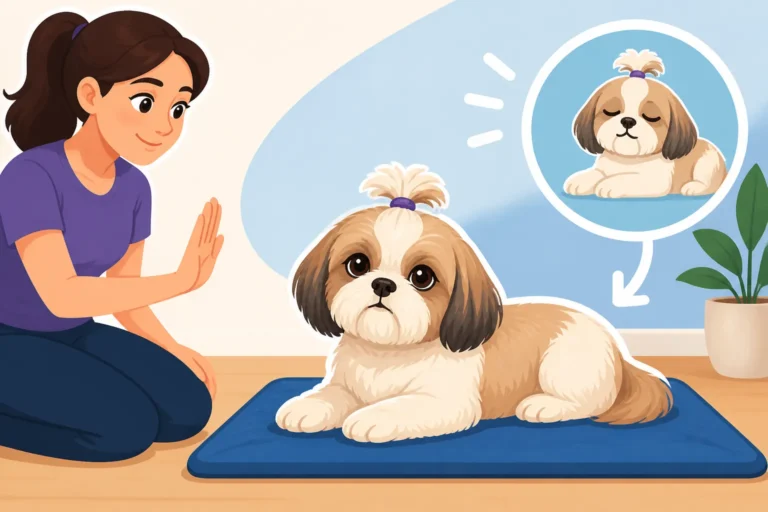
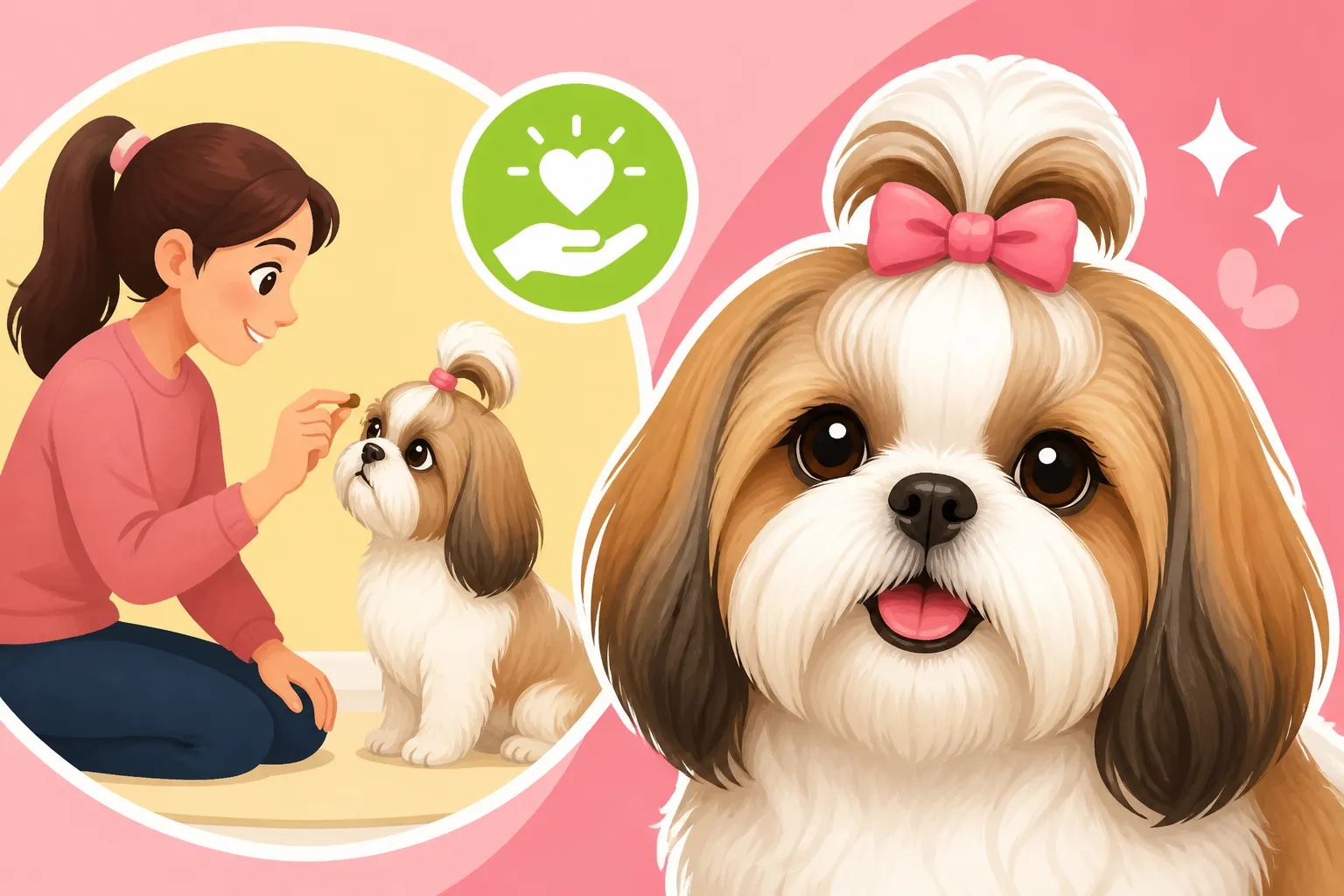
The very first step is to get your Shih Tzu comfortable with having their face and head touched. Start by gently stroking their head and face while offering a treat. Don't even think about the topknot yet. Just focus on positive association. Touch, treat, touch, treat. Do this for a few seconds at a time, several times a day. Gradually increase the duration and move your fingers through the hair where the topknot would go. If they pull away, stop, wait for them to settle, then try again, always ending on a positive note. This foundational touch training is critical for success in all aspects of grooming.
Introducing the Comb and Brush
Once your Shih Tzu is happy with gentle handling, introduce the comb and brush. Let them sniff the tools first. Then, very gently, just brush or comb one stroke over the top of their head, immediately followed by a treat and praise. The key is to make it so brief and positive that they hardly notice it. Gradually increase the number of strokes. You're not trying to detangle yet; you're just getting them used to the sensation of the tools. This might take days or even a week. Patience here will pay off immensely. Remember the importance of brushing their full coat daily too, as discussed in Brushing a Shih Tzu Double Coat Every Day.
The Gentle Art of Sectioning and Securing
Now for the actual topknot. This requires a bit of technique. Gather a small section of hair from above the eyes, starting from just behind the brow line and extending back a little. Make sure you're not pulling any skin. Use your fine-toothed comb to create a clean part. Hold the hair firmly but gently. Wrap your chosen elastic band around the section of hair 2-3 times, just enough to secure it without being too tight. Too tight, and it's uncomfortable; too loose, and it falls out immediately. The goal is to get it secure enough to stay, but loose enough that it doesn't cause tension on the skin. Always reward immediately after the band is in. If it falls out, don't get discouraged, just try again later. For detailed visual instructions, check out Tying a Shih Tzu Topknot Step by Step.
Maintaining the Topknot and Troubleshooting Common Issues
Getting the topknot in is one thing; keeping it in and dealing with the inevitable challenges is another. A topknot isn't a one-and-done solution; it requires ongoing care and attention.
Daily Upkeep and Coat Health
A topknot needs daily attention to prevent matting and ensure comfort. Even with the hair tied up, the hair around the band can still tangle, especially in a Shih Tzu's double coat. Each day, carefully remove the old band, gently comb through the section of hair, and then re-tie it. This prevents the hair from getting caught and forming painful mats right at the band site. It also gives you a chance to check their eyes for any irritation or discharge. If you notice any redness or squinting, address it immediately. Regular brushing of their entire coat also contributes to overall coat health, making the topknot area easier to manage.
Dealing with Resistance and Matting
If your Shih Tzu still resists, go back to basics. Revisit the touch-and-treat exercises. Shorten your grooming sessions. Use even higher-value treats. If they're showing fear or aggression, consider consulting a professional positive reinforcement trainer. Sometimes, a fresh perspective and hands-on guidance can make all the difference. Finding a Trainer Who Understands Toy Breeds can be a great resource. Matting around the topknot area can also be a significant issue. If the mats are too tight to comb out gently, you might need to carefully snip them out with blunt-nosed scissors, or better yet, take your dog to a professional groomer. Never try to cut out tight mats close to the skin without proper training, as it's very easy to accidentally cut your dog. Mats are painful and can exacerbate resistance to grooming.
When to Seek Professional Help or Consider Alternatives
There are times when even with the best intentions and consistent effort, the topknot just isn't working out. If your Shih Tzu is in constant discomfort, develops skin irritation from the bands, or if you simply cannot manage the daily upkeep without stress, it might be time for alternatives. A groomer can offer advice on very short trims around the eyes that can keep hair out of the way without needing a band. This is often called a "fringe trim" or a "puppy cut" and can be a great compromise for dogs who truly dislike having hair tied up. Trimming a Shih Tzu Fringe Instead of Tying It provides more details on this option. A vet check is also a good idea if you suspect persistent eye irritation, as underlying conditions might be contributing to the problem.
Topknot Bands & Their Characteristics
Here's a quick look at common topknot band types and what makes them suitable for your Shih Tzu:
| Band Type | Material | Pros | Cons | Best For |
|---|---|---|---|---|
| Latex Bands | Natural rubber latex | Excellent grip, secure, widely available | Can snap if old, some dogs might have latex sensitivity | Everyday use, active Shih Tzus |
| Silicone Bands | Silicone rubber | Gentle on hair, durable, good elasticity | Can be slippery on very fine hair, may not hold as tight as latex | Sensitive skin, fine hair |
| Coated Elastics | Fabric-covered elastic | Kinder to hair, less pulling, decorative options | May not hold as securely as latex, can absorb oils/dirt | Training, temporary holds, decorative bows |
| Braiding Elastics | Small, thin rubber | Very tiny, discreet, good for small sections | Can be harder to remove, more prone to snapping if too tight | Very fine hair, small sections, advanced tying |
Disclaimer
This article is for general informational purposes only and does not constitute professional advice. Laws, prices and regulations vary by location and change over time. Consult a qualified professional for guidance on your specific situation.