Whether an Older Shih Tzu Can Still Learn
Many Shih Tzu owners, as their beloved companions gracefully enter their golden years, often find themselves wondering if it's still possible to teach an old dog new tricks. The common misconception is that once a dog reaches a certain age, their capacity for learning dwindles, leading to a reluctance to try and solve new behavioral challenges or even reinforce old commands. This guide is here to assure you that not only can an older Shih Tzu absolutely still learn, but often they can be even more rewarding students than their younger counterparts, and we'll explore exactly how to approach their training with success.
Why the "Old Dog, New Tricks" Myth Persists
It’s a phrase we've all heard countless times: "You can't teach an old dog new tricks." It’s so deeply ingrained in our language that it often discourages owners from even attempting to engage their senior pets in any new learning. But where did this idea come from, and why does it stubbornly stick around despite evidence to the contrary?
Understanding the Origins of the Saying
Historically, dog training methods were often quite harsh and relied heavily on correction and physical dominance. Imagine trying to force a stubborn, established adult dog into submission with these outdated techniques. It would indeed be a monumental, if not impossible, task, leading to frustration for both dog and owner. Puppies, being more malleable and eager to please, might tolerate such methods better, or at least appear to learn more quickly. This historical context likely cemented the idea that older dogs were simply too set in their ways or too resistant to new information to be worth the effort. It wasn't about the dog's capacity for learning, but the inadequacy of the training methods being used.
Furthermore, as dogs age, they might slow down physically, develop aches and pains, or experience some cognitive changes, which can be mistakenly interpreted as a lack of intelligence or willingness to learn. An owner might see their senior Shih Tzu moving slower or seeming less responsive and assume it's because they "can't" learn, rather than considering physical discomfort or a need for a different approach. The myth essentially blames the dog, rather than the approach or potential underlying physical issues.
The Reality of Canine Learning Throughout Life
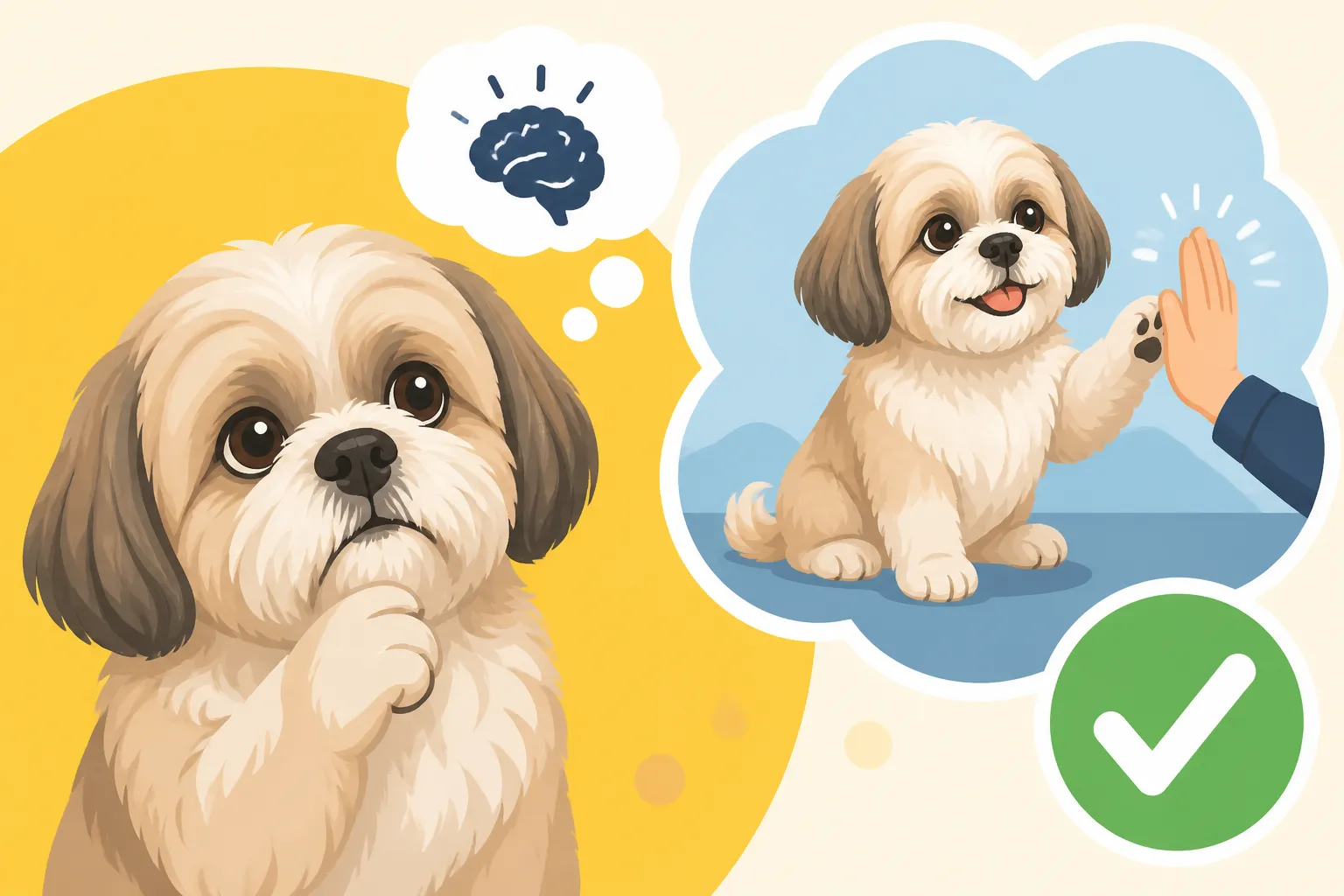
The truth is, dogs, including our precious Shih Tzus, are lifelong learners. Their brains, much like ours, retain the capacity for neuroplasticity – the ability to form new neural connections – well into old age. While a senior Shih Tzu might not possess the boundless energy or lightning-fast reflexes of a puppy, they often bring other valuable attributes to the training table. Whether an Older Shih Tzu Can Still Learn is a resounding "yes!" Modern, positive reinforcement-based training methods are incredibly effective for dogs of all ages because they tap into a dog's natural desire to earn rewards and engage with their human companions.
Think of it this way: when you offer a delicious treat or enthusiastic praise for a desired behavior, your Shih Tzu, regardless of age, understands that their action led to something good. This fundamental principle of learning doesn't have an expiration date. An older Shih Tzu might take a few more repetitions, or need clearer, more consistent cues, but they absolutely can, and often enjoy, engaging in mental stimulation that training provides. It's not about stopping learning; it's about adapting the teaching style.
The Unique Advantages of Training a Senior Shih Tzu
While puppies have their undeniable charm and quick learning curves, training a senior Shih Tzu can actually offer some distinct advantages that make the process incredibly rewarding. You're working with a more developed personality and a deeper bond.
Maturity and Focus
Unlike a boisterous Shih Tzu puppy who might be easily distracted by a fluttering leaf, a passing scent, or an enticing toy, an older Shih Tzu often brings a settled maturity to training sessions. They're typically past the whirlwind of puppy energy and adolescent rebelliousness, meaning they can focus for longer periods on the task at hand. Their attention spans are generally better, and they're less prone to erratic bursts of energy that can derail a lesson. This increased focus allows for more deliberate and precise teaching, where your Shih Tzu can truly concentrate on understanding what you're asking of them, leading to clearer communication and faster progress on specific cues.
Imagine trying to teach a rambunctious six-month-old Shih Tzu to "stay" when every fiber of their being is screaming "zoomies!" Now picture your calm, older Shih Tzu, perhaps a touch slower in their movements, but intently watching your hand signals and listening to your voice. The difference in their ability to concentrate is often palpable, making for a much smoother and less frustrating experience for both of you.
Established Bonds and Communication
By the time your Shih Tzu reaches their senior years, you've likely spent a decade or more building a deep, unspoken language. You understand their quirks, their moods, and what motivates them. This established bond is a tremendous asset in training. Your Shih Tzu already trusts you implicitly, and that trust forms the foundation for successful learning. They're not questioning your intentions; they're eager to engage with you because you're their most important person. This makes them inherently more willing to try new things and less intimidated by the learning process.
Furthermore, you already know what truly makes your individual Shih Tzu tick. Is it a high-value sliver of chicken? A squeaky toy? A gentle ear scratch? This knowledge allows you to tailor your rewards perfectly, maximizing their motivation. You've also learned their subtle cues – the tilt of the head, the flick of an ear – that tell you if they're understanding or if you need to rephrase your request. This deep, personal history means you're not starting from scratch; you're building on years of mutual understanding and affection.
Motivation Beyond Puppyhood
While puppies are often driven by sheer curiosity and boundless energy, older Shih Tzus can be motivated by something deeper: companionship, comfort, and the joy of interaction. For a senior dog, a training session isn't just about getting a treat; it's a dedicated moment of quality time with their favorite person. It's mental engagement that breaks up the routine of napping, and it offers a sense of purpose. This intrinsic motivation can be incredibly powerful.
Consider a senior Shih Tzu who might be experiencing Shih Tzu Mobility Decline in Old Age. While they might not be up for long walks or boisterous games, a quiet 10-minute training session in the living room provides mental stimulation and a chance to earn praise and treats, reinforcing their bond with you. This can be particularly beneficial for dogs whose physical limitations might otherwise reduce their opportunities for engagement. It shows them they are still valued members of the family, capable of learning and interacting, which can boost their confidence and overall well-being. This kind of interaction can even help stave off some aspects of Cognitive Decline in a Shih Tzu Past Twelve.
Practical Strategies for Teaching Your Older Shih Tzu New Habits
Successfully training an older Shih Tzu means adopting a mindful, patient approach that respects their age and any physical changes they might be experiencing. It's less about speed and more about consistency and kindness.
Patience and Positive Reinforcement are Key
When working with an older Shih Tzu, patience isn't just a virtue; it's a necessity. They might not grasp new concepts as quickly as a puppy, but they can and will learn with consistent, gentle guidance. The cornerstone of this approach is positive reinforcement. This means rewarding desired behaviors with something your Shih Tzu loves – high-value treats, verbal praise, a favorite toy, or even a gentle head scratch. Avoid any form of punishment, harsh words, or force, as this can confuse, frighten, and ultimately shut down an older dog who might already be more sensitive in their senior years. Positive Reinforcement With a Shih Tzu is the golden rule for success at any age.
For example, if you're teaching your senior Shih Tzu to lie down on a new mat (perhaps an orthopedic one from a selection on Amazon for their aging joints), lure them into position with a treat. The moment their elbows touch the mat, say "Yes!" or "Good!" and immediately give them the treat. Repeat this many times. If they don't get it right away, don't get frustrated. Simply reset and try again. Break the behavior down into tiny steps if needed. Maybe you just reward them for stepping onto the mat first, then for sitting on it, and eventually for lying down. Celebrate every small success!
Short, Frequent Sessions
Older Shih Tzus, like older humans, may tire more easily. Their joints might ache, their eyes might not be as sharp, and their stamina for intense mental activity might be reduced. Therefore, marathon training sessions are counterproductive. Instead, aim for multiple short, frequent sessions throughout the day. Five to ten minutes, two or three times a day, is far more effective than one long, exhausting 30-minute session. These short bursts keep your Shih Tzu engaged and prevent them from becoming overwhelmed or physically uncomfortable.
Imagine trying to teach your Shih Tzu to Get a Shih Tzu to Enter Its Carrier more willingly. A five-minute session where you simply reward them for looking at the carrier, then for putting one paw in, then two, is much more manageable. You can even combine these sessions with daily routines, like before meal times or after a potty break, to integrate learning seamlessly into their day. This approach keeps training fun and positive, ensuring your senior companion looks forward to their "lessons" rather than dreading them.
Adapting to Physical Limitations
As Shih Tzus age, they often develop common conditions like Shih Tzu Arthritis After the Age of Nine or Shih Tzu Disc Disease and Sudden Back Pain. These physical changes can significantly impact their ability to perform certain actions. It's crucial to be mindful of these limitations and adapt your training accordingly. For example, if your Shih Tzu struggles with jumping, don't ask them to jump onto furniture. Instead, use ramps, or teach them a "climb on" cue for furniture they can access via a ramp. If bending down causes discomfort, teach commands that can be performed while standing or sitting.
Here's a quick comparison of adapting training for a senior Shih Tzu:
| Training Aspect | Puppy Approach | Senior Shih Tzu Adaptation |
|---|---|---|
| Duration | Longer, energetic sessions | Short, frequent sessions (5-10 minutes) |
| Physical Demands | High energy, jumping, rapid movement | Low impact, adjust for joint pain, use ramps, no jumping |
| Distraction Level | Often high, needs structured environment | Can be lower due to maturity, but keep environment calm |
| Motivation | Play, curiosity, novelty, treats | High-value treats, gentle praise, comfort, companionship |
| Pace of Learning | Potentially faster initial grasp | May require more repetitions, but more consistent retention |
| Focus | Can be easily scattered | Generally higher, more attentive |
Ensure their training environment is safe and comfortable. Use non-slip mats on slippery floors to prevent falls, especially when practicing "down" or "stay." Choose soft, easy-to-chew Treat Sizes That Suit a Shih Tzu that won't strain their teeth or upset their sensitive stomachs. Be extra observant for any signs of discomfort or fatigue, and always end the session on a positive note.
Utilizing Familiar Cues and Environments
When introducing new habits or retraining old ones, leverage your Shih Tzu's existing knowledge and comfort. Start in a familiar, quiet environment free from distractions, like your living room or a calm bedroom. This allows them to focus solely on you and the task. You can also connect new behaviors to existing cues they already know. For example, if they know "sit," you might teach "sit-stay" by building on that established command.
For an older Shih Tzu who might be experiencing some vision or hearing loss, visual cues (hand signals) or tactile cues (gentle touches) can be more effective than verbal commands. If their hearing is declining, ensure your hand signals are clear and consistent. If their eyesight is fading, a verbal cue paired with a strong scent-based treat can be very helpful. Remember, your goal is to make learning as easy and stress-free as possible for your senior companion, reinforcing that positive interaction with you.
Addressing Common Training Hurdles in Senior Shih Tzus
While older Shih Tzus have many advantages as students, their golden years can also present specific challenges that require thoughtful solutions. Don't be discouraged; these hurdles are often manageable with the right approach.
Dealing with Cognitive Decline
Just like humans, some senior Shih Tzus can experience cognitive decline, often referred to as Canine Cognitive Dysfunction (CCD). This can manifest as disorientation, altered interaction with family members, changes in sleep-wake cycles, and even house training accidents. It might seem like an insurmountable obstacle to training, but it's not. Even with CCD, mental stimulation is vital. Simple, familiar commands and puzzle toys (which you can find on Amazon) can still be beneficial.
The key is to simplify. Revisit basic commands they once knew effortlessly, like "sit" or "stay." Use very clear, consistent cues and reward immediately. Keep the environment stable and predictable. If your Shih Tzu is getting disoriented, guide them gently. Your vet might also suggest dietary supplements or prescription medications that can help manage the symptoms of CCD. Engaging them in familiar, low-stress learning activities can help maintain cognitive function and strengthen your bond, even if the learning curve is slower.
Managing Physical Discomfort and Pain
Pain, often from conditions like Shih Tzu Joint Problems in a Toy Frame or Shih Tzu Back Problems and Disc Disease, is a major impediment to training in older dogs. If your Shih Tzu is constantly uncomfortable, they won't be receptive to learning new things, and they might even become grumpy or withdrawn. Any sudden behavioral changes, such as a reluctance to move, snapping when touched, or A Shih Tzu That Will Not Jump on the Sofa, should prompt a vet visit to rule out pain.
Once pain is addressed through medication, supplements, or physical therapy, training can resume with appropriate modifications. For instance, instead of asking for a full "down," you might ask for a "bow" or a partial "down" that doesn't put pressure on painful joints. Use soft bedding during sessions, and ensure there are no slippery surfaces. Consider teaching tricks that engage their minds without straining their bodies, like targeting a hand with their nose or playing scent games. Joint support supplements, like those you can find with fish oil for a Shih Tzu Double Coat, might also be beneficial for their overall comfort.
Revisiting House Training
It’s heartbreaking when a perfectly house-trained Shih Tzu suddenly starts having accidents indoors. While it can be a sign of cognitive decline, it's more often due to underlying medical issues like urinary tract infections, kidney disease, or weakened bladder control common in Senior Shih Tzu Care Past the Age of Ten. Before assuming it's a training issue, a vet check is essential to rule out medical causes.
If medical issues are addressed or ruled out, then it's time to re-approach house training with patience. Increase the frequency of potty breaks, taking your Shih Tzu out every couple of hours, especially after waking up, eating, or playing. Reward heavily when they go outside. Consider using indoor potty pads or grass patches as a supplemental option, especially for night-time or if they struggle to hold it. Consistency is paramount. Don't scold for accidents; simply clean them thoroughly with an enzymatic cleaner and prevent future mishaps by supervising closely and increasing potty opportunities. You might even find resources on BAXTER & Bella that offer advice adaptable to senior dogs for house training regression.
Introducing New Routines
Life changes for us, and sometimes that means a new routine for our older Shih Tzu. Maybe you've moved house, or your work schedule has shifted, or you've brought a new pet into the home. Older dogs can be more resistant to change, but they can adapt with careful introduction and positive associations. If you need to establish a new feeding schedule, for example, gradually shift their meal times by 15-minute increments over several days. If they're a bit confused by the new timing and are An Old Shih Tzu That Leaves Its Food, don't worry, just stick with the gentle adjustment.
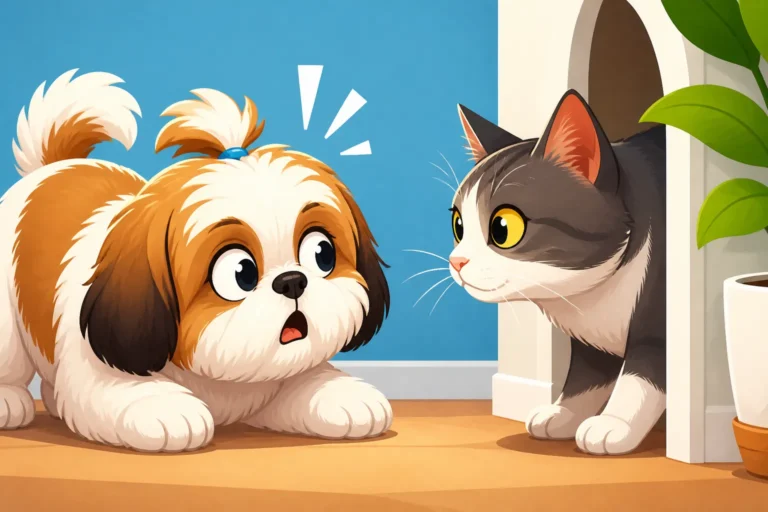
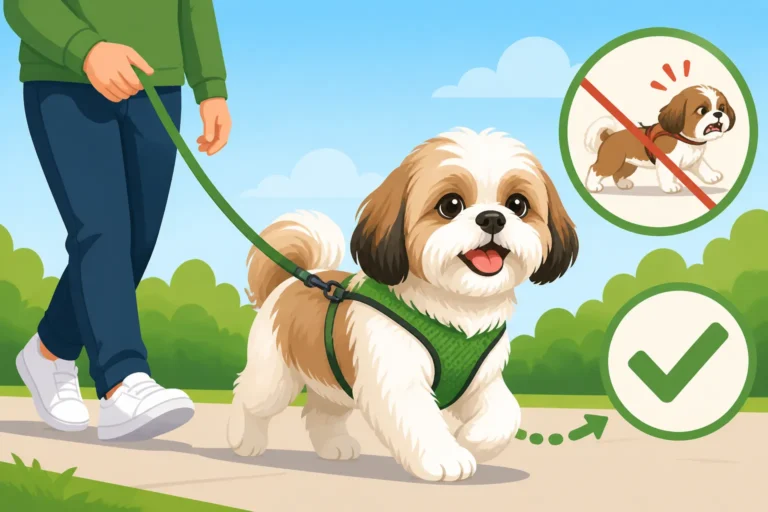
For a new dog or cat, introduce them slowly and positively, ensuring your Shih Tzu feels safe and has their own quiet space. If you're establishing a new walking routine, start with short, familiar routes and gradually extend them as your Shih Tzu becomes comfortable. Always pair the new routine with positive reinforcement – treats, praise, and comfort – to help them associate the change with good things. Remember, the goal isn't just to teach a new trick, but to enhance your Shih Tzu's quality of life and strengthen the incredible bond you share, no matter their age. Their capacity for learning is a gift that never truly fades. The Handful of Cues a Shih Tzu Really Needs might be simple, but the mental engagement they provide is invaluable.
Disclaimer
This article is for general informational purposes only and does not constitute professional advice. Laws, prices and regulations vary by location and change over time. Consult a qualified professional for guidance on your specific situation.