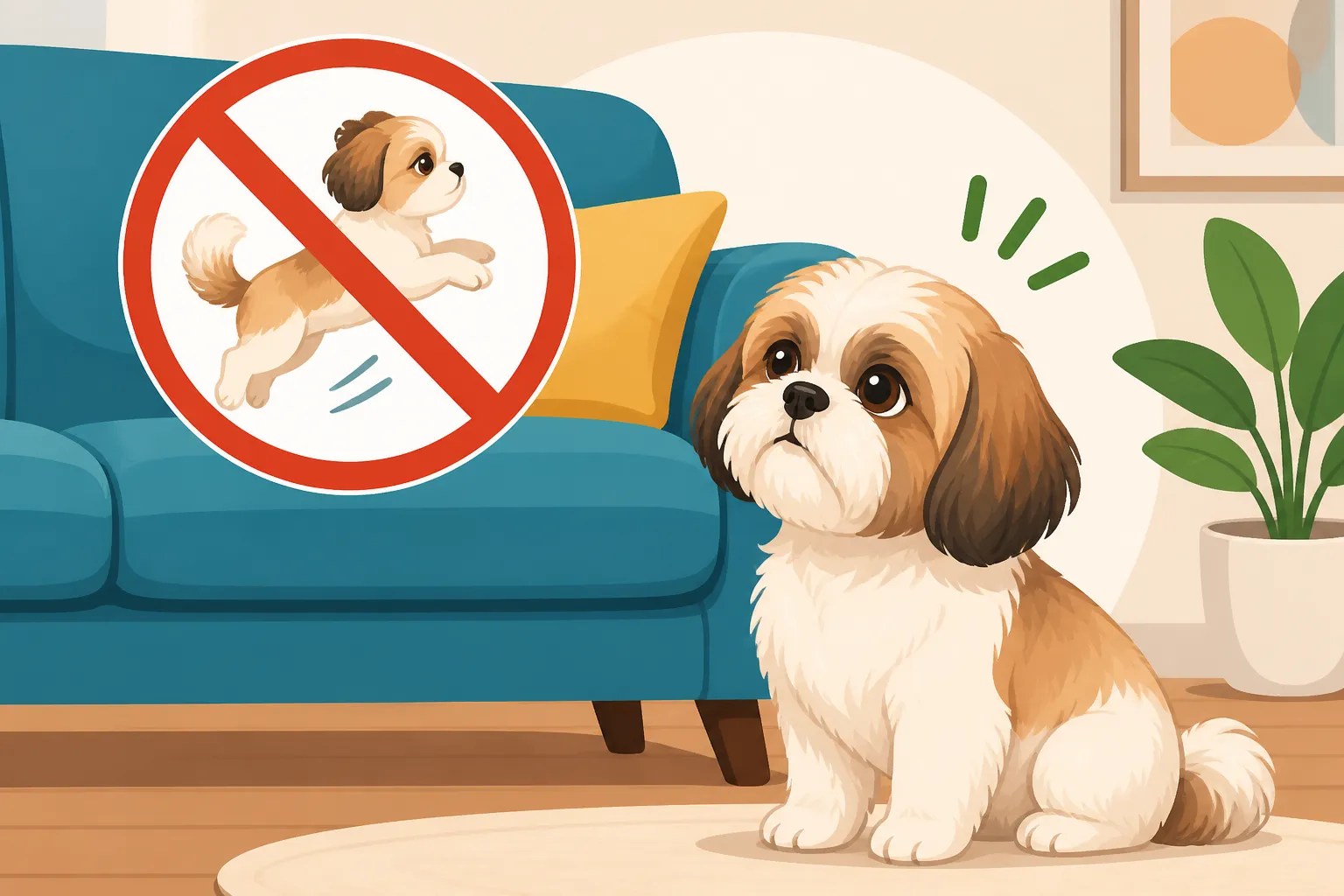
A Shih Tzu That Will Not Jump on the Sofa
It's incredibly disheartening when your beloved Shih Tzu, who once effortlessly launched themselves onto the sofa for cuddles, suddenly hesitates or refuses to jump up at all. This sudden change in a dog's behavior is rarely just them being stubborn; more often than not, it's a clear signal that something is amiss, and this guide will delve deep into the common reasons behind this reluctance and how you can support your furry friend.
When the Sofa Becomes a Mountain: Understanding the Reluctance to Jump
When your little lion dog starts eyeing the sofa like it's Mount Everest, it's natural to feel a pang of worry. For a breed known for its companionable nature and love of being close, suddenly opting out of couch time isn't just a preference; it's a significant shift that demands our attention. We need to become keen observers of our Shih Tzus, learning to differentiate between a momentary mood and a genuine cry for help.
Distinguishing Between Pickiness and Pain
Sometimes, a Shih Tzu might just be having a "diva moment." They might be miffed that you didn't give them a treat, or perhaps they're sulking because you just trimmed their nails. In these instances, you might see them look at you expectantly, perhaps even whine a little, but their body language will still seem agile and ready to move if sufficiently motivated. If you offer a high-value treat or call them with an excited tone, they might just decide the sofa is worth the effort after all, perhaps with a dramatic sigh. This kind of pickiness usually comes with other demanding behaviors, and their physical movement isn't impaired.
However, if their body language is hesitant, if they whimper or flinch when you try to lift them, or if their movements seem stiff or awkward, then you're likely dealing with something more serious than mere stubbornness. A dog in pain might still want to be near you, but the act of jumping, landing, or even twisting to get comfortable on the sofa becomes too much. They might pace restlessly, shift their weight, or even avoid eye contact, trying to hide their discomfort – a common canine instinct.
Common Reasons for Reluctance in Younger Shih Tzus
Even young Shih Tzus can develop a sudden aversion to jumping. Sometimes, it stems from a past negative experience. Perhaps they took a tumble off the sofa once, landing awkwardly and startling themselves. That single event can create a lasting fear, making them associate the jump with pain or fright. It's a classic case of classical conditioning; they remember the unpleasant feeling and decide to avoid the situation entirely.
In other cases, a lack of confidence or proper training might be at play. If a puppy was never encouraged or gently guided to navigate furniture, they might simply not understand how to do it safely. They might also be unsure of their footing on a slippery couch cushion or a soft blanket, making them hesitant to take the leap. A quick environmental change, like a new sofa with a different texture or a new scent from cleaning products, could also make a sensitive Shih Tzu think twice before jumping.
Age-Related Factors and Mobility Decline
As our beloved Shih Tzus transition into their senior years, usually around 8-10 years old, their physical capabilities naturally begin to wane. Just like humans, older dogs experience wear and tear on their bodies. Their joints might become stiff, their muscles lose some of their strength and elasticity, and their overall coordination might not be as sharp as it once was. This means that a jump they once made effortlessly now requires a significant, and potentially painful, exertion.
Think about it from their perspective: that familiar leap onto the sofa might now cause a jarring sensation in their spine, a twinge in their hip, or a sharp ache in their knee. They might simply no longer have the spring in their step or the muscle power to propel themselves up comfortably. This is often the first, subtle sign of conditions like arthritis, making the simple act of jumping a barrier to their comfort and your shared cuddle time. We discuss more about this transition in Senior Shih Tzu Care Past the Age of Ten.
The Spinal Culprit: Back Problems in Shih Tzus
One of the most concerning, and unfortunately common, reasons a Shih Tzu might stop jumping is an issue with their back. Due to their unique body structure – those adorable long backs and short legs – Shih Tzus are predisposed to certain spinal conditions that can make even the slightest movement excruciating. When you see your dog struggling, it's crucial to consider their spine as a potential source of pain.
Intervertebral Disc Disease IVDD and Its Impact
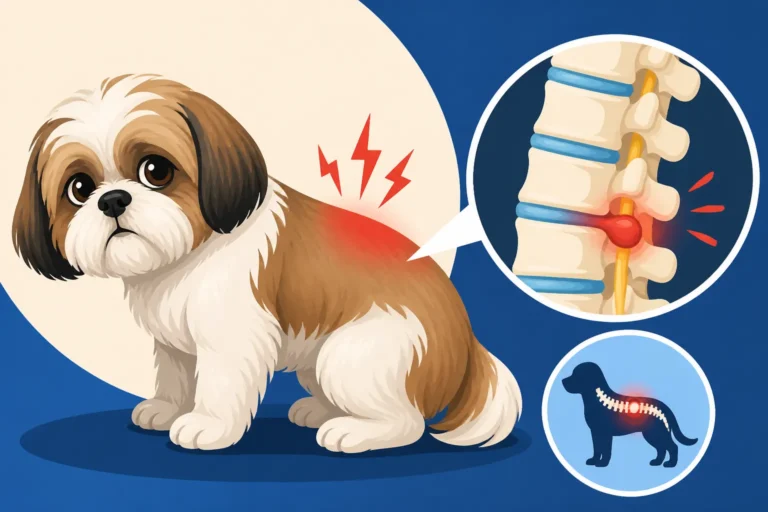
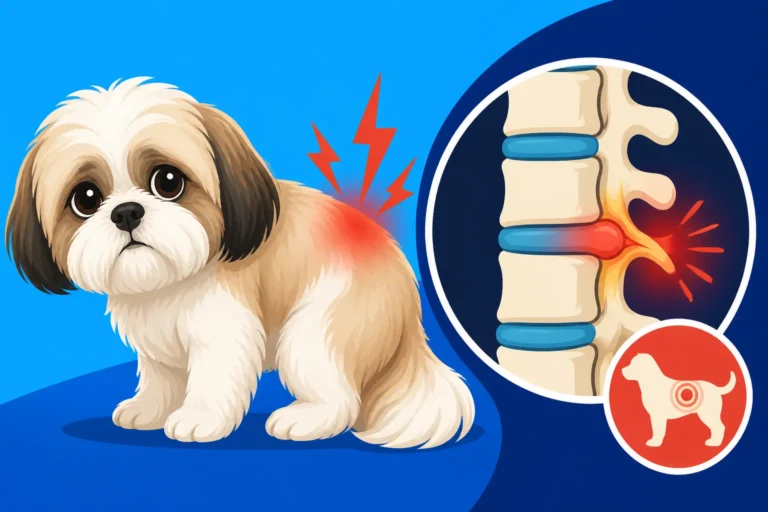
Intervertebral Disc Disease, or IVDD, is a degenerative condition that affects the cushioning discs between the vertebrae in a dog's spine. These discs act as shock absorbers, but in breeds like the Shih Tzu, they can degenerate, bulge, or even rupture, pressing on the spinal cord. When this happens, it causes immense pain, nerve damage, and can lead to varying degrees of weakness or paralysis. A sudden jump, a twist, or even an awkward landing can be enough to trigger an acute IVDD episode.
Imagine a sudden, sharp pain shooting down your back every time you try to stand up from a low chair. That's likely how a Shih Tzu with IVDD feels. Jumping becomes unthinkable because the impact, the strain on the spine, and the subsequent compression on the nerves are just too painful. You might notice your Shih Tzu yelping when picked up, showing a hunched posture, or even dragging their hind legs if the condition is severe. This is a serious condition for this breed, and you can learn more about it in Shih Tzu Back Problems and Disc Disease.
Recognising Subtle Signs of Back Pain
Shih Tzus are famously resilient and often try to hide their pain, making early detection a challenge for owners. Beyond the obvious refusal to jump, there are other subtle signs of back pain that you need to be vigilant about. Look for changes in their normal gait – perhaps they're walking with a slight wobble, or their steps seem more guarded. They might hesitate to go up or down stairs, or even avoid certain types of playful movements they once loved, like twisting for a toy.
You might also notice a general reluctance to be handled or picked up, sometimes accompanied by a low growl, a snap, or a quick nip, which is very out of character for these gentle dogs. Trembling, shivering, or panting excessively when not hot could also indicate discomfort. If your Shih Tzu, who is normally a vibrant little shadow, becomes unusually quiet, withdrawn, or prefers to lie in one spot for extended periods, these are all red flags. Any of these signs, especially when combined with a reluctance to jump, warrant immediate attention. We've covered many of these indicators in Early Shih Tzu Back Pain Signs.
The Urgency of Veterinary Consultation
If you suspect your Shih Tzu is experiencing back pain, waiting to see if it improves on its own is not an option. Back pain in these breeds can escalate quickly, and prompt veterinary attention can make a significant difference in the outcome and their quality of life. What might seem like a minor discomfort could rapidly progress to more severe neurological deficits, including paralysis, if left untreated.
Your veterinarian will conduct a thorough physical and neurological examination to pinpoint the source of the pain. This might involve gently palpating their spine, observing their reflexes, and checking their range of motion. Depending on their findings, they may recommend diagnostic imaging such as X-rays, or even more advanced scans like an MRI, which provides a detailed view of the discs and spinal cord. Early diagnosis and intervention are key to managing IVDD effectively and preventing further damage.
Joint Aches and Other Physical Barriers
While back issues are a major concern, other joint problems can also make jumping an uncomfortable, if not impossible, feat for your Shih Tzu. Their compact, sturdy build, while endearing, doesn't always protect them from conditions that affect their limbs and overall mobility.
Patellar Luxation and Hip Dysplasia
Patellar luxation, commonly known as a "slipping kneecap," is a frequent orthopedic issue in small breeds like the Shih Tzu. This condition occurs when the patella (kneecap) moves out of its normal groove in the femur (thigh bone). When the kneecap slips, it can cause the leg to lock up or momentarily become unable to bear weight, leading to a skipping gait. Trying to jump with a luxating patella can be incredibly painful and unstable, making your dog hesitant to push off or land.
While more commonly associated with larger breeds, hip dysplasia can occasionally affect Shih Tzus, though it's less prevalent due to their smaller size. This condition involves an abnormal formation of the hip socket, where the ball and socket don't fit together properly. This leads to friction and pain, causing lameness and difficulty with movements that require hip extension, such as jumping. Both patellar luxation and hip dysplasia can significantly compromise your Shih Tzu's ability to generate the power and stability needed for jumping. More information on joint health can be found in Shih Tzu Joint Problems in a Toy Frame, Patellar Luxation in a Shih Tzu, and Shih Tzu Hip Dysplasia at Toy Size.
Arthritis and General Stiffness
As Shih Tzus age, arthritis, or osteoarthritis, becomes an increasingly common culprit behind their reluctance to jump. This degenerative joint disease results from the gradual wear and tear of cartilage in the joints, leading to inflammation, pain, and stiffness. Imagine the friction of bone on bone; it's profoundly uncomfortable. This condition makes moving, especially sudden movements like jumping, a painful ordeal.
You might notice your older Shih Tzu seems particularly stiff after a nap, struggles to get up, or is less enthusiastic about their usual walk. Cold, damp weather can often exacerbate arthritic pain, making them even more reluctant to move or jump. The discomfort from arthritis can affect any joint – hips, knees, elbows – making the cumulative effect on their mobility quite significant. Our article on Shih Tzu Arthritis After the Age of Nine dives deeper into managing this common senior dog ailment.
Other Medical Considerations
While back and joint issues are primary suspects, other medical conditions can also indirectly contribute to a Shih Tzu's reluctance to jump. Muscle strains or sprains from overexertion or an awkward movement can cause localized pain, making any strenuous activity painful. Nerve damage, perhaps from an old injury or an undiagnosed neurological condition, could affect their coordination and strength.
Even something as seemingly unrelated as severe Shih Tzu Dental Disease at 13 Percent of the Breed can lead to enough chronic pain and discomfort to make a dog generally lethargic and unwilling to move or jump. In rarer cases, underlying systemic illnesses or even vision problems, such as Cataracts Behind a Shih Tzu's Bulging Eye, can make depth perception difficult, causing hesitation before a jump. It's always best to have a comprehensive veterinary check-up to rule out any less obvious medical causes.
Proactive Solutions and Supportive Care
Understanding why your Shih Tzu won't jump is the first step; the next is implementing solutions that can restore their comfort and access to their favorite spots. It's about adapting their environment and providing the best possible care to support their physical well-being.
Ramps and Stairs: Making the Sofa Accessible
One of the simplest yet most impactful solutions is to provide safe and easy access to elevated surfaces. Investing in dog ramps or stairs can be a game-changer for a Shih Tzu experiencing mobility issues, or even as a preventative measure for younger dogs. These tools eliminate the need for jumping, reducing strain on their spine and joints. Look for ramps with a gentle incline and a non-slip surface to provide secure footing. Dog stairs should have shallow steps suitable for their short legs.
When introducing a ramp or stairs, be patient and use positive reinforcement. Lure your Shih Tzu with treats, praising them as they take each step or venture up the ramp. Make it a fun and rewarding experience. Placing these aids at all elevated spots your dog frequents – whether it's the sofa, your bed, or even a favorite chair – creates a consistent and safe environment for them to navigate their world without pain or risk of injury. You can explore options and benefits in Ramps for a Shih Tzu With a Long Spine.
Weight Management and Nutrition
Maintaining a healthy weight is absolutely crucial for a Shih Tzu's joint and spinal health. Even a couple of extra pounds on their small frame can exert significant additional pressure on their joints and back, exacerbating conditions like IVDD or arthritis. It’s easy for these little guys to pack on weight, especially when they aren't exercising as much due to pain. Therefore, a balanced diet with carefully controlled portions is paramount.
Consult your vet to determine the ideal weight for your Shih Tzu and to get recommendations for appropriate food and portion sizes. Consider incorporating joint supplements containing ingredients like glucosamine, chondroitin, and MSM, which can help support cartilage health and reduce inflammation. These supplements, often available as chewable treats or powders, can be a valuable addition to their daily routine, potentially easing discomfort and improving mobility. We explore the impact of weight in Shih Tzu Obesity on a Sixteen Pound Frame and discuss supplements in Joint Support for a Shih Tzu Back and Knees.
Physical Therapy and Pain Management
For Shih Tzus diagnosed with conditions causing pain and mobility limitations, a multi-modal approach to pain management is often most effective. Your veterinarian might prescribe anti-inflammatory medications (NSAIDs) to reduce swelling and pain, or other pain relievers to improve comfort. However, medication is often just one piece of the puzzle.
Physical therapy, including specialized exercises, massage, acupuncture, and laser therapy, can work wonders. Hydrotherapy (underwater treadmill) is particularly beneficial as it allows movement with reduced weight-bearing stress, helping to build muscle strength without putting undue strain on joints. These therapies can improve flexibility, strengthen supporting muscles, and significantly enhance your Shih Tzu's quality of life. Even simple crate rest, as detailed in Crate Rest for a Shih Tzu With a Slipped Disc, can be a vital component of recovery from acute back pain.
The Role of Pet Insurance in Managing Costs
Let's be realistic: managing chronic conditions, unexpected injuries, or necessary surgeries for back or joint problems can quickly become a significant financial burden. This is where pet insurance can be an absolute lifesaver. While it might seem like another monthly expense, a good policy can provide immense peace of mind, allowing you to make medical decisions based on what's best for your Shih Tzu, rather than what you can afford out-of-pocket.
Providers like Healthy Paws offer comprehensive coverage that can help with the costs of diagnostics, specialist consultations, medications, physical therapies, and even emergency surgeries related to these mobility issues. Imagine facing a potential IVDD surgery that could cost thousands; knowing that a substantial portion of that is covered by your Healthy Paws policy can alleviate immense stress. It’s a proactive step that ensures your beloved companion gets the care they need, precisely when they need it, without delaying critical treatment due to financial worries.
Creating a Safe and Comfortable Environment
Beyond direct medical interventions and accessible furniture, creating an overall safe and comfortable home environment is essential for a Shih Tzu with mobility challenges. Every detail, from flooring to routine check-ups, plays a role in their well-being.
Evaluating Your Home for Shih Tzu Safety
Take a moment to look at your home from your Shih Tzu's perspective. Are there slippery floors, like hardwood or tile, that make it difficult for them to get traction and increase their risk of slips and falls? Placing non-slip rugs or runners in high-traffic areas can provide much-needed grip. Are there other areas where they might attempt a jump, like from a window sill or a high step? Consider using baby gates or barriers to prevent access to dangerous areas.
Ensure their sleeping arrangements are comfortable and easily accessible. A supportive orthopedic dog bed can do wonders for aching joints, providing cushioning and warmth. If they used to jump onto your bed, make sure you have a ramp or stairs there too. Think about their overall movement patterns throughout the day and identify any potential hazards or areas where they might struggle.
Regular Vet Check-ups and Early Detection
Consistent, regular veterinary care is your best tool for early detection and prevention. Annual check-ups, and more frequent visits for senior Shih Tzus, allow your vet to monitor their overall health, assess their mobility, and catch subtle signs of developing issues before they become severe. During these visits, your vet can identify early arthritis, check for joint instability, or notice subtle changes in their gait or posture that might indicate spinal issues.
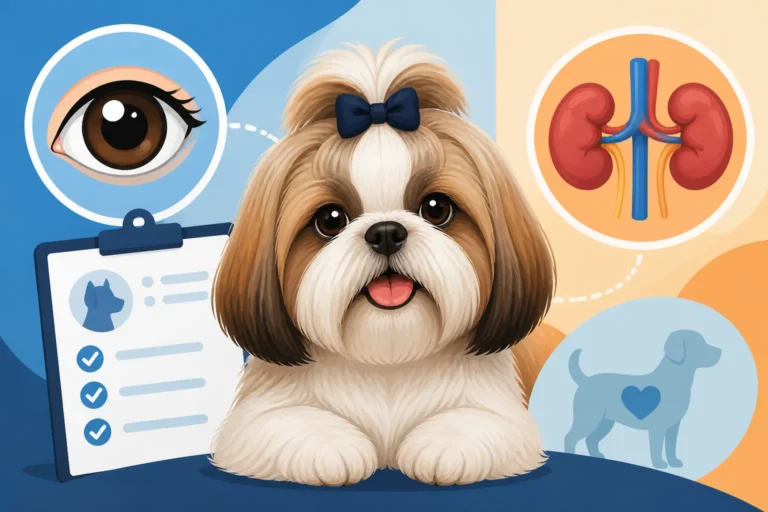
For older Shih Tzus, these check-ups often include what's known as a "senior panel," which involves blood work and urinalysis to check organ function, including kidney health, which is crucial for monitoring overall well-being. Proactive conversations with your vet about any changes you observe, no matter how small, can lead to earlier interventions and better long-term outcomes for your cherished companion. This proactive approach is particularly important for seniors, as detailed in The Senior Panel a Shih Tzu Needs at Ten.
Disclaimer
The information provided in this article is for general informational purposes only and is not a substitute for professional veterinary advice. Always consult with a qualified veterinarian for any health concerns or before making any decisions related to your pet's health and treatment.