Shih Tzu Exercise Intolerance in Summer
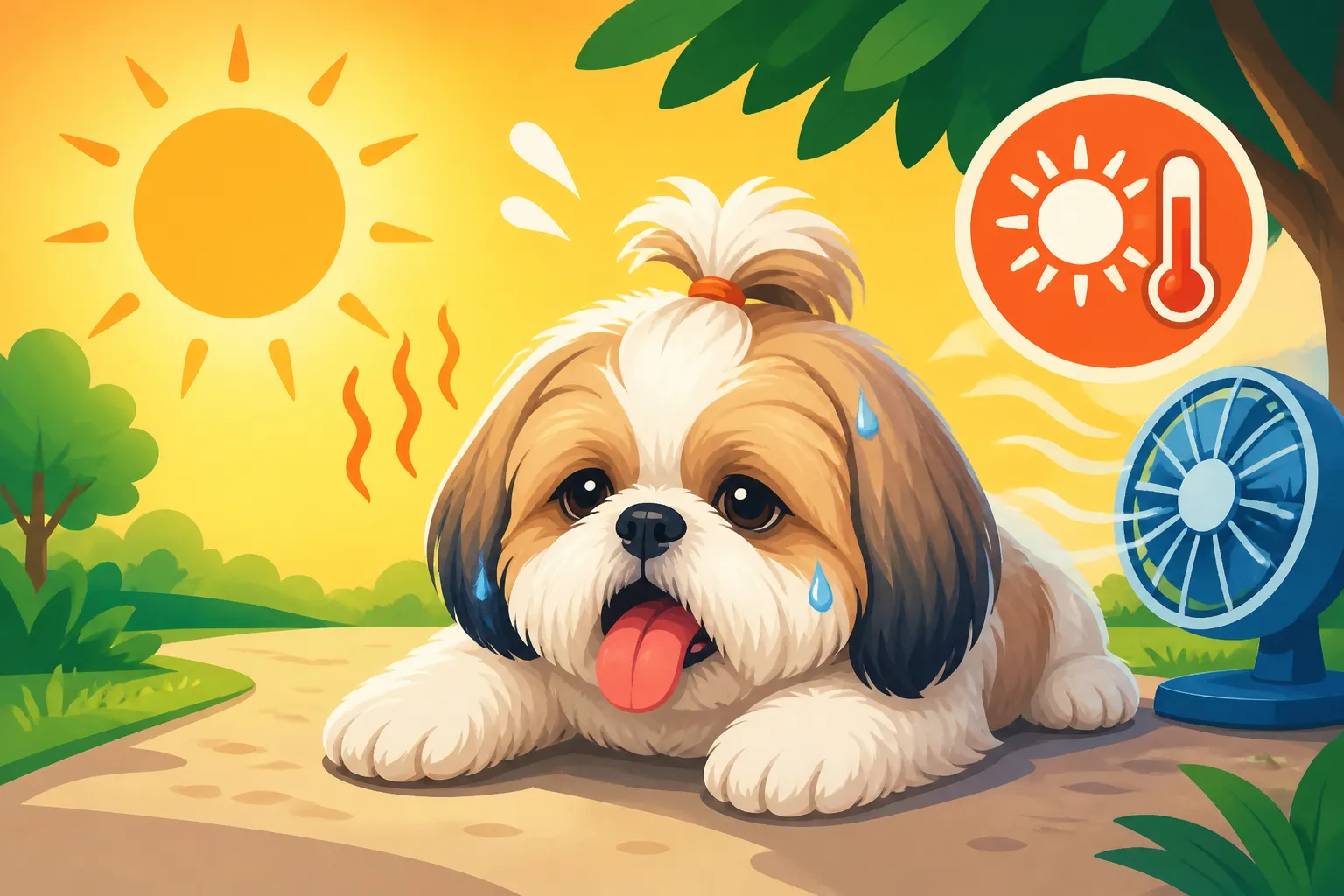
It’s a truly disheartening experience when summer rolls around, and you want nothing more than to take your beloved Shih Tzu on a leisurely stroll or play in the park, only to see them struggle almost immediately. That rapid, frantic panting, the sudden slowdown, the desperate search for shade – it’s a clear sign that our little lion dogs just aren’t built for the heat, and it can be genuinely worrying to witness. This guide is here to deeply explore why Shih Tzus are so prone to exercise intolerance in warm weather and, more importantly, what we as their dedicated guardians can do about it to ensure their safety and comfort.
The Unique Physiology Behind Shih Tzu Heat Sensitivity
Understanding why your Shih Tzu wilts in the summer heat is the first crucial step to protecting them. It’s not just about them being "small dogs"; it's a complex interplay of their unique breed characteristics that unfortunately make them highly susceptible to overheating and exercise intolerance.
The Brachycephalic Challenge
The most significant factor contributing to a Shih Tzu’s struggle in the heat is their brachycephalic (flat-faced) anatomy. This isn't just a cute facial feature; it's a physical trait that severely impacts their ability to regulate body temperature. Unlike dogs with longer snouts, Shih Tzus have shortened nasal passages, often coupled with narrow nostrils (stenotic nares), an elongated soft palate, and sometimes even a hypoplastic trachea (narrow windpipe).
Think about how dogs cool themselves: they pant. Panting allows for evaporative cooling as air moves across moist surfaces in their mouth and respiratory tract. For a Shih Tzu, this crucial cooling mechanism is compromised. Their squished airways mean less air can move in and out efficiently. They have to work much harder to pant, and this increased effort itself generates more heat, creating a vicious cycle. Imagine trying to breathe through a pinched straw while running a marathon – that's a bit what it's like for a Shih Tzu trying to cool down in warm weather. This is a topic explored more deeply in Brachycephalic Breathing in a Shih Tzu.
The Insulating Double Coat Dilemma
Another major contributor to their heat sensitivity is their magnificent double coat. While a long, flowing coat might look regal, and even provide some protection from the sun's direct rays, it primarily serves as insulation. In colder climates, this thick undercoat and protective outer layer keep them wonderfully warm. In summer, however, that same insulation traps heat against their bodies.
It's a common misconception that shaving a Shih Tzu down completely in summer will solve all their problems. While a shorter cut can certainly help manage mats and some heat, a super-short shave can also expose their delicate skin to sunburn, and sometimes even interfere with the natural insulating properties that keep them cool in extreme heat (though for most pet Shih Tzus, a shorter "puppy cut" is usually beneficial in summer). The sheer volume of their hair, even when well-groomed, means there's less skin exposure for heat radiation, making them more reliant on their already inefficient panting mechanism. This challenge is why Choosing Between a Full Coat and a Puppy Cut is such a common discussion among Shih Tzu owners.
Overall Sensitivity to Environmental Factors
Beyond their internal plumbing and external insulation, Shih Tzus are generally more sensitive to environmental factors. Humidity, in particular, amplifies their heat struggles. Evaporative cooling through panting becomes far less effective when the air is already saturated with moisture. Even moderate temperatures that wouldn't bother a longer-nosed, single-coated breed can be dangerous for a Shih Tzu on a humid day. Their small size means their core body temperature can rise rapidly, and they have less physiological reserve to cope with stress on their system.
Recognizing the Signs of Exercise Intolerance and Overheating
As a Shih Tzu parent, it’s absolutely vital to be hyper-aware of the subtle and not-so-subtle signs that your furry friend is struggling with the heat. What might look like normal dog behavior in another breed could be an emergency for a Shih Tzu. Early recognition can literally be life-saving.
Early Warning Signs: Pay Attention to Subtle Cues
Your Shih Tzu might not collapse immediately, but they will give you signals. Learning to interpret these can prevent a crisis.
- Excessive and Labored Panting: Yes, Shih Tzus pant, especially when excited or warm. But excessive panting means it's much faster, deeper, and more forceful than usual. You might notice their flanks heaving more dramatically, or their tongue hanging out further and wider. There might also be more noisy breathing, indicating airway obstruction or swelling. If you hear a distinctive snorting or reverse sneeze more frequently than usual, it's a sign of distress in their airways. You can learn more about this in The Snoring That Means a Shih Tzu Airway Problem.
- Sluggishness and Reluctance to Move: Your normally spirited little companion might suddenly lose interest in their walk or playtime. They might slow down, drag their feet, or even try to sit or lie down in any patch of shade they can find. If they usually love going for a walk, but now they're resisting, it's a big red flag.
- Seeking Shade or Cool Surfaces: This is an instinctive behavior. If they immediately gravitate towards the shadiest spot, or try to lie on cool tiles or concrete, they're actively trying to lower their body temperature.
- Bright Red Gums or Tongue: A healthy dog's gums should be pink. If they become very red, almost brick-red, it indicates increased blood flow as their body tries to dissipate heat, but also a sign of severe overheating.
- Increased Drooling: While panting is normal, excessive, thick drooling can indicate distress and a struggle to cool down.
Serious Signs of Heatstroke: This is an Emergency!
Heatstroke in a Shih Tzu can progress rapidly and is a life-threatening condition. If you see any of these signs, consider it a veterinary emergency.
- Vomiting and Diarrhea: Especially if the diarrhea is bloody. This indicates systemic shock and organ damage.
- Stumbling, Disorientation, or Collapse: They might appear wobbly, uncoordinated, or completely lose the ability to stand. Their eyes might seem glazed over, or they might not respond to your voice.
- Seizures: Uncontrolled muscle activity, frothing at the mouth. This is a severe neurological sign of heatstroke.
- Rapid Heart Rate: You might feel their chest pounding.
- Dark Red or Purple Gums/Tongue: This is a progression from bright red gums and indicates extreme oxygen deprivation and circulatory collapse.
- Glazed Eyes and Altered Mentation: Their eyes might look distant, unfocused, or they might seem confused or unresponsive.
It's crucial to understand that a Shih Tzu, due to their physiology, can overheat incredibly quickly, even on what seems like a mild day to us. Never underestimate the danger. Understanding Why a Shih Tzu Cannot Cool Itself Well is key to prevention.
Practical Strategies for Safe Summer Exercise
Knowing the risks is one thing, but actively implementing preventative measures is where you truly protect your Shih Tzu. Summer doesn't have to mean absolute lockdown, but it does require careful planning and a deep understanding of your dog's limitations.
Timing and Terrain: Your Best Friends
The easiest and most effective way to prevent overheating is to control when and where your Shih Tzu exercises.
- Early Morning and Late Evening Walks: This is non-negotiable. Aim for walks before 8 AM and after 8 PM, or even later, especially during peak summer months. Even if the air temperature feels acceptable to you, the ground can be scorching. The asphalt and concrete can retain heat for hours after the sun goes down.
- The Seven-Second Rule for Pavement: Place the back of your hand on the pavement for seven seconds. If it's too hot for your hand, it's too hot for your Shih Tzu's paws. Their paw pads can burn very quickly, adding another layer of distress to their heat struggle. Sticking to grass or shaded dirt paths is always preferable. More information on safe walking times can be found in Walking a Shih Tzu Early or Late in Summer.
- Avoid Peak Sun Hours: Between 10 AM and 4 PM, even on cloudy days, the UV index can be high, and temperatures can soar. This is prime time for your Shih Tzu to be indoors, ideally in an air-conditioned environment.
Indoor Alternatives: Keeping Them Engaged and Cool
Just because outdoor exercise is limited doesn't mean your Shih Tzu has to become a couch potato. Mental stimulation and short bursts of indoor play are crucial.
- Brain Games and Puzzle Feeders: These can be incredibly stimulating and tiring without raising their body temperature. Look for puzzle toys where they have to work to get treats or their meal.
- Short, Gentle Play Sessions: A quick game of fetch with a soft toy across a cool tiled floor, or a hide-and-seek game, can provide physical activity without overexertion. Always stop if you see any signs of heavy panting.
- Training Sessions: Five to ten minutes of practicing commands like "sit," "stay," or "come" in a cool room can be a great way to bond and burn a little energy.
- Crate Training: A comfortable, cool crate can be a safe haven for your Shih Tzu when you're busy, ensuring they don't overexert themselves accidentally.
Hydration and Cooling Gear: Essential Tools
Always have fresh, cool water available. For walks, invest in a portable water bottle designed for dogs. Even a short 10-minute walk can warrant a water break.
Consider using specialized cooling gear for those times when you must be out briefly or for general comfort indoors:
- Cooling Vests and Bandanas: These typically use evaporative cooling. You wet them, wring them out, and the evaporation of the water helps draw heat away from your dog's body. Brands like Ruffwear or Chilly Dog offer effective options.
- Cooling Mats: These don't require refrigeration; they use a pressure-activated gel that absorbs body heat. They’re excellent for them to lie on indoors or in their crate. The Green Pet Shop makes popular self-cooling mats.
- Elevated Beds: Allowing air to circulate underneath their bed can help prevent heat from building up, especially if they sleep near a window.
- Fan or Air Conditioning: If your home gets warm, a fan (positioned safely) or air conditioning is not a luxury, but a necessity for a Shih Tzu. You can find more comprehensive cooling gear advice in Cooling Gear That Suits a Shih Tzu.
Grooming for Summer: Balancing Needs
While completely shaving a Shih Tzu is often debated, a shorter "puppy cut" can definitely help. It reduces the bulk of the coat, making it easier for air to circulate and for you to check their skin. Regular brushing, even with a shorter cut, is still essential to prevent mats that can trap heat close to the skin. Remember, a Shih Tzu's coat, even a short one, still requires consistent care to avoid matting.
When to Seek Veterinary Attention and Preventative Measures
Despite all precautions, sometimes things go wrong. Knowing when to act fast and when to consult your vet about long-term solutions is critical for your Shih Tzu’s health and longevity.
Emergency Response: Act Fast, Call Your Vet
If you suspect your Shih Tzu is suffering from heatstroke, immediate action is paramount, but always call your veterinarian or an emergency animal hospital immediately for guidance. Time is of the essence.
- Move to a Cooler Area: Get your dog out of the sun and into an air-conditioned space or at least deep shade.
- Apply Cool Water: Wet their body with cool (not ice-cold) water. Focus on areas with good blood flow, like their belly, inner thighs, and paw pads. You can use a hose on a gentle setting or soaked towels. Avoid covering them entirely with a wet towel, as this can trap heat.
- Offer Small Sips of Water: Don't force them to drink, but make fresh, cool water available.
- Do Not Overcool: Once they start to cool down, or if their rectal temperature drops below 103°F (39.4°C), stop cooling to prevent hypothermia.
- Get to the Vet: Even if they seem to recover, a vet visit is crucial. Heatstroke can cause internal organ damage that isn't immediately visible. They may need IV fluids, monitoring, and other supportive care. The costs associated with such emergencies can be substantial, and this is where having pet insurance like Healthy Paws can truly alleviate financial stress during a crisis.
Veterinary Consultation for Underlying Issues
If your Shih Tzu consistently struggles with heat and exercise, even with all your careful management, it's time for a serious conversation with your vet about potential underlying brachycephalic airway syndrome. They might suggest diagnostic tests to assess the severity of their breathing difficulties.
- Airway Surgery: Procedures like stenotic nares correction (widening the nostrils) or elongated soft palate resection (trimming the excess tissue that obstructs the airway) can dramatically improve their quality of life and reduce their risk of heatstroke. While surgery always carries risks, especially with brachycephalic breeds, the benefits for some Shih Tzus can be profound. These interventions are detailed in articles like What Soft Palate Surgery Does for a Shih Tzu and Nostril Surgery on a Shih Tzu Puppy. It’s a significant decision, but one that can transform their ability to breathe and tolerate activity.
- Weight Management: Keeping your Shih Tzu at a healthy weight is vital. Extra pounds put additional strain on their respiratory and cardiovascular systems, making them even more susceptible to overheating.
The Role of Pet Insurance in Managing Health Risks
Facing an unexpected emergency like heatstroke, or considering expensive preventative surgeries, can be daunting. Pet insurance can provide a crucial safety net. Companies like Healthy Paws offer coverage that can help with the costs of emergency treatments, specialist consultations, and even certain approved surgeries. While policies vary, having a plan in place before an emergency arises means you can focus on getting your Shih Tzu the best possible care without the added burden of overwhelming vet bills. It’s always worth researching and enrolling your pet when they are young and healthy to ensure coverage for future unexpected events. Remember to carefully review policy details, as pre-existing conditions are typically not covered.
Ultimately, living with a Shih Tzu means accepting their unique needs, especially when it comes to summer heat. By understanding their physiology, recognizing warning signs, implementing smart precautions, and not hesitating to seek veterinary help, you can ensure your little companion enjoys a safe and happy life, even when the temperatures rise.
Essential Summer Safety Measures for Your Shih Tzu
To consolidate the key takeaways for keeping your Shih Tzu safe and comfortable during warmer months, here's a quick reference table.
| Category | Safe Practices | Unsafe Practices (High Risk) |
|---|---|---|
| Exercise Timing | Early morning (before 8 AM), late evening (after 8 PM) | Midday walks (10 AM – 4 PM), especially when sunny or humid |
| Pavement/Terrain | Grass, shaded paths, indoor play | Asphalt, concrete, blacktop during daylight hours |
| Hydration | Constant access to fresh, cool water; portable water bottle on walks | No access to water; stale or warm water |
| Cooling Aids | Cooling vests, mats, bandanas; air conditioning, fans | Relying solely on panting; no access to cool surfaces/air |
| Grooming | Regular brushing to prevent mats; shorter "puppy cut" for some | Heavy, matted coats; extreme shaves leading to sunburn risk |
| Car Travel | Air-conditioned car; short trips; never leave unattended | Leaving dog in parked car (even with windows cracked); long trips without cooling/breaks |
| Observation | Constant monitoring for signs of distress (even subtle ones) | Ignoring heavy panting, slowing down, or seeking shade |
| Vet Preparedness | Knowing nearest emergency vet; having pet insurance (e.g., Healthy Paws) | No emergency plan; delaying vet care when symptoms appear |
| Outdoor Access | Shaded, cool, supervised outdoor time in a secure yard | Unsupervised time in direct sun, especially on hot surfaces |
Disclaimer
The information provided in this article is for general informational purposes only and does not constitute veterinary advice. Always consult with a qualified veterinarian for any health concerns or before making any decisions about your pet's medical care or treatment plan.