The Snoring That Means a Shih Tzu Airway Problem
Every Shih Tzu owner knows the distinctive sounds their furry companion makes. From happy grunts to the occasional snort, these little dogs are a symphony of unique noises. But when those cute little snores turn into something louder, more frequent, or accompanied by other concerning sounds, it’s only natural to worry. This guide will walk you through understanding the difference between normal Shih Tzu snoring and the kind that signals a potential airway problem, helping you identify red flags and know when it’s time to seek veterinary advice.
Understanding Normal Shih Tzu Snoring Versus Concerning Breathing
Let's face it, a little snore from your Shih Tzu can be adorable. It's often just part of their charm, a cute little rumble from a dog deeply content in slumber. But there’s a fine line between endearing sleepy sounds and noises that signal genuine respiratory distress. Many owners dismiss loud breathing as "just how Shih Tzus are," and while there's a kernel of truth in that due to their unique anatomy, it's crucial to differentiate. Ignoring persistent or worsening respiratory noises can have serious health implications for your beloved pet.
The Sounds of Normal Shih Tzu Sleep
A healthy Shih Tzu will likely snore a bit, especially if they're sleeping deeply on their back with their head tilted just so. Their brachycephalic (flat-faced) structure means their airways are naturally more compact, leading to some air turbulence and vibration as they breathe. Think of it like a soft, rhythmic rumbling or a gentle snuffle. These noises are typically consistent, don't involve obvious struggling, and your dog appears completely relaxed and at ease. They're not panting excessively or showing any signs of discomfort. These are the snores that might make you smile and perhaps even record a video to share with friends.
Red Flag Snoring: What to Listen For
When snoring goes beyond a gentle rumble, it becomes a red flag. Pay close attention if the snoring becomes extremely loud, sounds like gasping, snorting, gagging, or rattling. This isn't just a quirky habit; it's a sign that your Shih Tzu is genuinely struggling to move air. You might notice them sleeping with their neck extended in an unusual position, trying to straighten their airway, or waking up abruptly, gasping for breath. If the snoring is accompanied by periods where they stop breathing momentarily, this is incredibly serious and needs immediate attention. These are not cute noises; they are cries for help from an airway under duress.
Beyond the sound itself, observe your dog's effort. Are their chest and belly heaving more than usual? Is their breathing consistently noisy even when awake and calm? This could indicate a chronic issue.
Beyond Snoring: Other Breathing Issues
Snoring is often just one piece of a larger puzzle. If your Shih Tzu exhibits other breathing problems, it reinforces the need for a vet visit. These can include:
- Reverse Sneezing: While common in Shih Tzus and often harmless, frequent or prolonged reverse sneezing can sometimes indicate irritation or an underlying airway issue. You can read more about The Reverse Sneeze Every Shih Tzu Owner Hears.
- Gagging or Choking: Especially after eating or drinking, this can signal an elongated soft palate obstructing the airway.
- Bluish Gums or Tongue (Cyanosis): This is an emergency! It means your dog isn't getting enough oxygen and requires immediate veterinary intervention.
- Exercise Intolerance: If your previously active Shih Tzu suddenly becomes winded after minimal exercise or struggles in warm weather, it's a sign their respiratory system might be compromised. We discuss this in more detail in Why a Shih Tzu Cannot Cool Itself Well and Shih Tzu Exercise Intolerance in Summer.
- Loud, Stridorous Breathing: A high-pitched, harsh noise, particularly on inhalation, suggests significant airway obstruction.
- Restlessness or Anxiety: A dog struggling to breathe might pace, be unable to settle, or generally appear distressed.
It's important to keep a log of these symptoms – when they occur, how long they last, and what, if anything, seems to trigger them. This information will be invaluable to your veterinarian.
Common Airway Problems Behind Shih Tzu Snoring
The unique facial structure that makes Shih Tzus so endearing also predisposes them to a range of respiratory challenges. This collective group of conditions is often referred to as Brachycephalic Obstructive Airway Syndrome, or BOAS. Snoring is a hallmark symptom of BOAS, but it's important to understand the specific components that contribute to it.
Understanding Brachycephalic Obstructive Airway Syndrome (BOAS)
Brachycephalic dogs like Shih Tzus have been selectively bred for their distinctive flat faces, which means their skull bones are shortened, but the soft tissues inside their nose and throat often remain the same size. Imagine trying to fit a full-sized blanket into a tiny box – it's going to get crumpled and block things up. This anatomical mismatch leads to a number of common obstructions that impede airflow. These dogs constantly have to work harder to breathe, leading to chronic inflammation and further narrowing of the airways over time. This struggle is precisely what contributes to the loud, concerning snoring you might hear. For a deeper dive, check out our article on Brachycephalic Breathing in a Shih Tzu.
Elongated Soft Palate: A Common Culprit
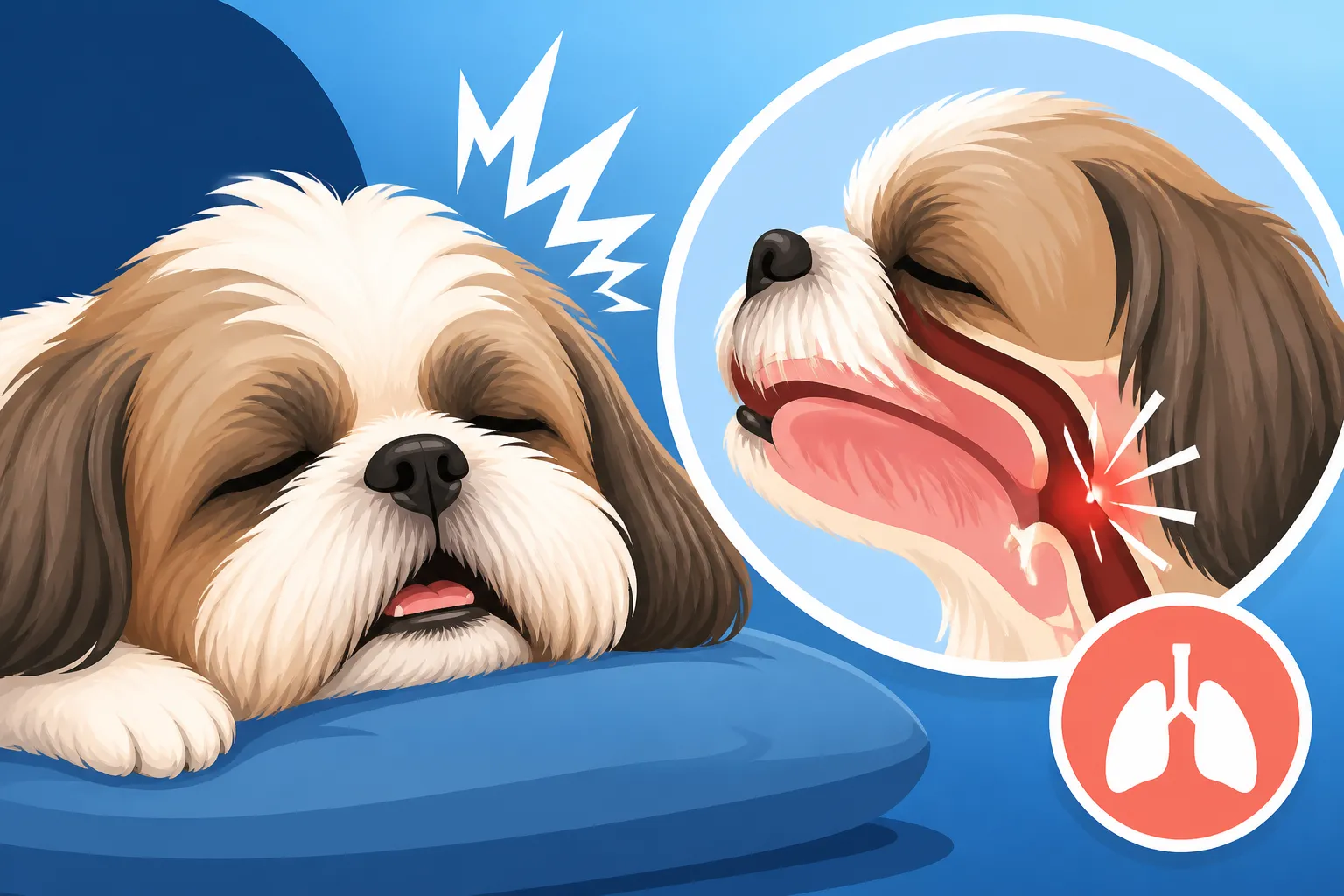
One of the most frequent issues contributing to BOAS and problematic snoring is an The Elongated Soft Palate in a Shih Tzu. The soft palate is the fleshy part at the back of the roof of the mouth. In brachycephalic breeds, this tissue can be too long, extending into the throat and partially blocking the entrance to the trachea (windpipe). When your Shih Tzu inhales, this elongated palate gets sucked into the airway, vibrating and causing that loud, harsh snoring sound. During sleep, muscle relaxation can make this even worse, leading to more significant obstruction.
Over time, the constant vibration and inflammation can cause the palate to swell and thicken, making the problem progressively worse. Dogs with an elongated soft palate may also gag, choke, or regurgitate food due to the obstruction.
Stenotic Nares: Narrow Passageways
Another common issue is Shih Tzu Stenotic Nares and Noisy Breathing, which simply means narrowed nostrils. Instead of wide-open nostrils that allow for easy airflow, a Shih Tzu with stenotic nares has pinched, small openings. This forces them to breathe through their mouth, especially during exertion, and can lead to increased respiratory effort even at rest. The constricted nasal passages create significant resistance to airflow, which can contribute to snorting, heavy breathing, and, yes, loud snoring as air struggles to pass through.
You can often see this by looking at your Shih Tzu's nostrils; if they look like tiny slits rather than open ovals, they might be stenotic. This condition can be present from birth and usually requires surgical correction to improve breathing.
Tracheal Collapse: A Serious Concern
While an elongated soft palate and stenotic nares are very common, a more serious condition that can cause loud, honking noises and severe breathing issues in Shih Tzus is Tracheal Collapse and the Shih Tzu Honk. The trachea, or windpipe, is a tube made of cartilage rings that transport air to the lungs. In some toy breeds, including Shih Tzus, these cartilage rings can weaken and flatten, causing the trachea to collapse, especially when the dog inhales or gets excited.
This condition produces a distinctive, dry, harsh cough that sounds like a goose honking. It can also lead to severe difficulty breathing, exercise intolerance, and loud, wheezing noises. While snoring might be present, the honking cough is the more characteristic symptom. Tracheal collapse is often managed medically in its early stages but can require surgery in severe cases. This condition highlights why persistent, unusual respiratory sounds should never be ignored.
| Symptom | Normal Snoring (Mild BOAS) | Concerning Snoring (Moderate to Severe BOAS) |
|---|---|---|
| Sound Quality | Soft, rhythmic rumble, gentle snuffles | Loud gasping, snorting, gagging, rattling, wheezing, honking cough |
| Breathing Effort | Relaxed, consistent | Noticeable chest/belly heaving, extended neck, open-mouth breathing even at rest, struggling |
| Frequency | Occasional, mostly during deep sleep | Frequent, even when awake or calm, worsens with excitement/exercise, present during all sleep stages |
| Associated Symptoms | None | Episodes of stopping breathing, bluish gums/tongue (EMERGENCY!), gagging, choking, exercise intolerance, restlessness, increased panting, collapsing episodes |
| Impact on Quality of Life | Minimal, charming | Disrupts sleep, causes distress, limits activity, risk of heat stroke, chronic inflammation leading to worse problems over time. |
When to See the Vet and What to Expect
If you're noticing any of the "red flag" snoring or breathing issues we've discussed, it's absolutely crucial to schedule an appointment with your veterinarian. Don't wait, and don't assume it's "just a Shih Tzu thing." Early diagnosis and intervention can significantly improve your dog's quality of life and prevent more severe complications down the line.
Preparing for Your Vet Appointment
Before your appointment, take some time to observe your Shih Tzu's breathing patterns.
- Keep a Log: Note down when the snoring is loudest, if it's worse after exercise or in heat, and if it's accompanied by any other symptoms like gagging, coughing, or exercise intolerance.
- Record Videos: This is incredibly helpful! Use your phone to record your Shih Tzu snoring, reverse sneezing, or struggling to breathe when they're awake or sleeping. Sometimes, the stress of a vet visit can mask symptoms, so video evidence is golden.
- List Questions: Prepare a list of questions for your vet about diagnosis, treatment options, potential costs, and what you can do at home.
- Gather History: Be ready to discuss your Shih Tzu's medical history, current medications, diet, and exercise routine.
Your vet will conduct a thorough physical examination, paying close attention to your dog's respiratory system, mouth, and throat. They'll listen to their heart and lungs and assess their overall condition.
Diagnostic Tools and Procedures
To get a clear picture of what's happening inside your Shih Tzu's airways, your vet might recommend several diagnostic tests:
- Oral Examination (under sedation): Often, a definitive diagnosis of an elongated soft palate or everted laryngeal saccules requires sedation to allow for a thorough visual inspection of the back of the throat.
- Radiographs (X-rays): Chest and neck X-rays can help assess the trachea for collapse, look for fluid in the lungs, or identify other issues.
- Fluoroscopy: This is a real-time X-ray procedure that allows the vet to watch the trachea and soft palate as the dog breathes, identifying dynamic collapse or obstruction.
- Endoscopy: A tiny camera can be inserted into the airways to visualize the structures and identify obstructions, inflammation, or other abnormalities.
- Bloodwork: General blood tests can assess overall health and rule out other conditions.
These tests help your veterinarian pinpoint the exact cause of the breathing difficulties and formulate the most effective treatment plan.
Treatment Options: Medical vs. Surgical
Treatment for Shih Tzu airway problems depends heavily on the specific diagnosis and severity.
Medical Management:
For mild cases or during flare-ups, medical management might be sufficient. This can include:
- Anti-inflammatory medications: To reduce swelling in the airways.
- Cough suppressants: For conditions like tracheal collapse.
- Weight management: Reducing obesity can significantly alleviate pressure on the respiratory system. Our guide on Shih Tzu Obesity on a Sixteen Pound Frame can provide more context here.
- Environmental control: Avoiding heat, humidity, and allergens.
Surgical Correction:
For more severe cases of BOAS, surgery is often the most effective, and sometimes the only, long-term solution. Common surgical procedures include:
- Stenotic Nares Correction (Rhinoplasty): This procedure widens the nostrils, immediately improving airflow through the nose. This is often done when the dog is young, as detailed in Nostril Surgery on a Shih Tzu Puppy.
- Elongated Soft Palate Resection (Staphylectomy): Excess tissue from the soft palate is carefully trimmed away, preventing it from obstructing the airway. You can learn more about What Soft Palate Surgery Does for a Shih Tzu.
- Everted Laryngeal Saccule Resection: If the small pockets of tissue inside the larynx (voice box) have everted (turned outwards) due to constant negative pressure, they can also be removed.
It's important to discuss the risks and benefits of surgery with your vet. While all anesthesia carries some risk, especially for brachycephalic breeds, surgical intervention can dramatically improve a Shih Tzu's quality of life. For more on the risks involved, read Anesthesia on a Flat-Faced Shih Tzu. If surgery is recommended, remember that procedures like Airway Surgery Pricing for a Shih Tzu can be significant, so understanding your options for pet insurance, like plans offered by Healthy Paws, or emergency funds is crucial. Getting insurance early, before any pre-existing conditions are identified, can be a real game-changer if you need to consider Whether Shih Tzu Insurance Covers Airway Surgery.
Managing Snoring and Improving Quality of Life at Home
Even if your Shih Tzu doesn't require surgery, or as part of post-surgical care, there are many things you can do at home to help them breathe easier and reduce problematic snoring. These daily practices focus on reducing respiratory stress and creating an optimal environment for your furry friend.
Weight Management and Its Impact
One of the most significant factors influencing your Shih Tzu's breathing is their weight. Even a couple of extra pounds on a small frame can dramatically increase the effort required to breathe. Excess fat around the neck and chest narrows the airways further, exacerbating any existing BOAS conditions.
- Strict Diet: Work with your vet to establish a healthy weight goal and a precise feeding plan. Measuring food accurately is key.
- Healthy Treats: Opt for low-calorie treats and factor them into their daily caloric intake.
- Regular, Gentle Exercise: Short, consistent walks and indoor play tailored to their energy levels are crucial. Avoid overexertion, especially in warm weather. Remember, a Shih Tzu is not built for marathons.
Maintaining a lean body weight is perhaps the easiest and most impactful way to improve their breathing, comfort, and overall health.
Environmental Adjustments for Easier Breathing
Your Shih Tzu's environment plays a huge role in their respiratory comfort. Small changes can make a big difference:
- Temperature Control: Shih Tzus overheat very easily because they struggle to pant effectively. Keep your home cool, especially during warmer months. Avoid taking them out during the hottest parts of the day. Our article on Why a Shih Tzu Overheats So Easily offers practical tips.
- Humidity: High humidity can make breathing harder. If you live in a humid climate, consider a dehumidifier in the rooms your dog frequents most.
- Air Quality: Minimize airborne irritants. Avoid smoking near your dog, using strong air fresheners, or burning candles that produce a lot of soot. Consider an air purifier to reduce dust, pollen, and dander.
- Reduce Allergens: If your dog has allergies, managing them will reduce inflammation in their airways. This might involve frequent cleaning, special diets, or medication prescribed by your vet.
- Elevated Food Bowls: For some Shih Tzus, an elevated food and water bowl can help maintain a more open airway while eating and drinking, reducing gagging or snorting.
Routine Care for Airway Health
Consistent, routine care can also support your Shih Tzu's respiratory well-being:
- Dental Hygiene: Believe it or not, good oral health is connected to respiratory health. Severe dental disease can lead to inflammation and infection that might indirectly affect the nasal passages or even overall systemic health. Regular brushing and professional dental cleanings (like those mentioned in Shih Tzu Dental Disease at 13 Percent of the Breed) are important.
- Harness, Not Collar: Always use a harness when walking your Shih Tzu, not a collar. A collar puts direct pressure on their delicate trachea, which can exacerbate breathing problems, especially if they pull on the leash.
- Regular Vet Check-ups: Regular visits allow your vet to monitor your Shih Tzu's breathing, weight, and overall health, catching any worsening conditions early. This proactive approach can save stress and costs down the line, especially considering potential Shih Tzu Emergency Vet Costs Owners Should Expect if a problem escalates.
- Stress Reduction: Try to keep your Shih Tzu calm, especially in situations that might cause excitement or anxiety. High stress levels can lead to increased panting and respiratory effort.
By implementing these strategies, you can create a more comfortable and healthier life for your Shih Tzu, helping them breathe easier and potentially turning concerning snores back into those sweet, subtle rumbles of a deeply content pup.
Disclaimer
The information provided in this article is for general informational purposes only and is not a substitute for professional veterinary advice. Always consult with a qualified veterinarian for any health concerns or before making any decisions related to your pet's care.