Shih Tzu Ear and Skin Infections Under the Coat
There's nothing quite like the joy of cuddling up with your beloved Shih Tzu, their soft, flowing coat a luxurious comfort. But beneath that beautiful mane, and hidden by those adorable floppy ears, a silent battle can often be raging: frustrating and painful ear and skin infections. Many Shih Tzu parents know the heartbreak of seeing their little companion constantly scratching, shaking their head, or developing mysterious red patches they only discover after a diligent search through thick fur. It’s a common and often recurring problem for our flat-faced friends, and this comprehensive guide is here to walk you through understanding, preventing, and treating these hidden foes, so your precious pup can live in comfort.
The Unique Challenges of the Shih Tzu Coat and Ears
Shih Tzus are undeniably gorgeous, but their distinctive features, while charming, also come with a set of predispositions that make them particularly vulnerable to ear and skin issues. It's not just bad luck; it's a combination of genetics and anatomy that creates the perfect storm for infections.
Why the Shih Tzu Coat is a Breeding Ground for Trouble
Let's talk about that magnificent double coat. It's what gives them their regal appearance, but it's also incredibly dense and prone to matting. Think about how thick and layered it is – an outer coat that’s long and silky, and a softer, woollier undercoat beneath. This incredible density means that moisture can get trapped easily, whether it's from a bath that wasn't thoroughly dried, a romp in dewy grass, or even just humidity in the air. That warmth and dampness creates a miniature, self-contained greenhouse effect right against their skin, which is exactly what yeast and bacteria absolutely love.
Matted fur exacerbates this problem exponentially. When the hair tangles and clumps together, it forms an impenetrable barrier that further traps moisture, dirt, and debris against the skin. It also prevents air circulation, making it impossible for the skin to breathe and dry naturally. Owners often don't realize how quickly mats form, especially behind the ears, in the armpits, or around the sanitary areas. A small damp spot can rapidly escalate into a painful, irritated area under a mat, providing an ideal environment for infections to take hold. It's a constant battle, and one that requires immense diligence to win. If you've ever wondered Why a Shih Tzu Double Coat Mats So Fast, you're certainly not alone in your struggle.
The Anatomy of a Shih Tzu Ear and Its Predisposition to Infection
Now, let's turn our attention to those wonderfully expressive, heavy ear leathers. While they contribute to the Shih Tzu's adorable look, they also create a serious challenge for ear health. Unlike breeds with upright ears that allow for excellent air circulation, a Shih Tzu's ears hang down, covering the ear canal completely. This means the inside of the ear is often dark, warm, and perpetually humid – again, an absolute paradise for microorganisms.
Compounding this issue is the fact that Shih Tzus often have a lot of hair growing inside their ear canals. This hair can trap wax, dirt, and moisture, acting like a filter that catches everything but doesn't allow it to exit naturally. Over time, this buildup creates a blockage and further reduces air flow, leading to an overgrowth of yeast or bacteria that would normally be kept in check. Even seemingly healthy ears can quickly become problematic if not regularly cleaned and maintained. Without proper care, it's not a question of if a Shih Tzu will get an ear infection, but when. Understanding their unique anatomy is the first step in proactive care, especially considering topics like Shih Tzu Ear Infections Under Heavy Ear Leather.
Recognizing the Signs of Ear Infections
Catching an ear infection early in a Shih Tzu can be tough, precisely because their long hair and floppy ears do such an excellent job of hiding the problem. It’s easy to dismiss subtle signs, assuming your dog is just itching an ordinary itch or rubbing their head for no particular reason. However, knowing what to look for, both in terms of behavior and physical changes, can make all the difference.
Subtle Behavioral Cues You Might Miss
Your Shih Tzu might not be able to tell you directly that their ears hurt, but they'll definitely show you through their behavior. One of the most common signs, which can easily be overlooked, is an increase in head shaking. It might start subtly – a quick shake of the head after a nap, or when they stand up. But if it becomes more frequent, or if they seem particularly intent on it, pay attention. Another tell-tale sign is scratching at their ears, often with a hind paw, sometimes so vigorously that it seems almost frantic. They might also try to rub their ears on furniture, the carpet, or even against your leg, seeking relief from the itch and discomfort.
Beyond these direct actions, observe any changes in their overall demeanor. A typically playful Shih Tzu might become more withdrawn or irritable, especially when you try to touch their head or ears. They might flinch, pull away, or even snap if the pain is severe. Some dogs will hold one ear lower than the other, or cock their head to the side more often. These subtle cues are your dog's way of communicating distress, and it's crucial to acknowledge them before the infection becomes more entrenched and painful.
Physical Indicators Hidden by Hair
This is where the Shih Tzu's long coat really makes things challenging. Many of the obvious physical signs of an ear infection are completely hidden by the heavy ear leather and the dense fur. You'll need to be proactive and lift those ears, parting the hair to get a good look inside. What are you looking for?
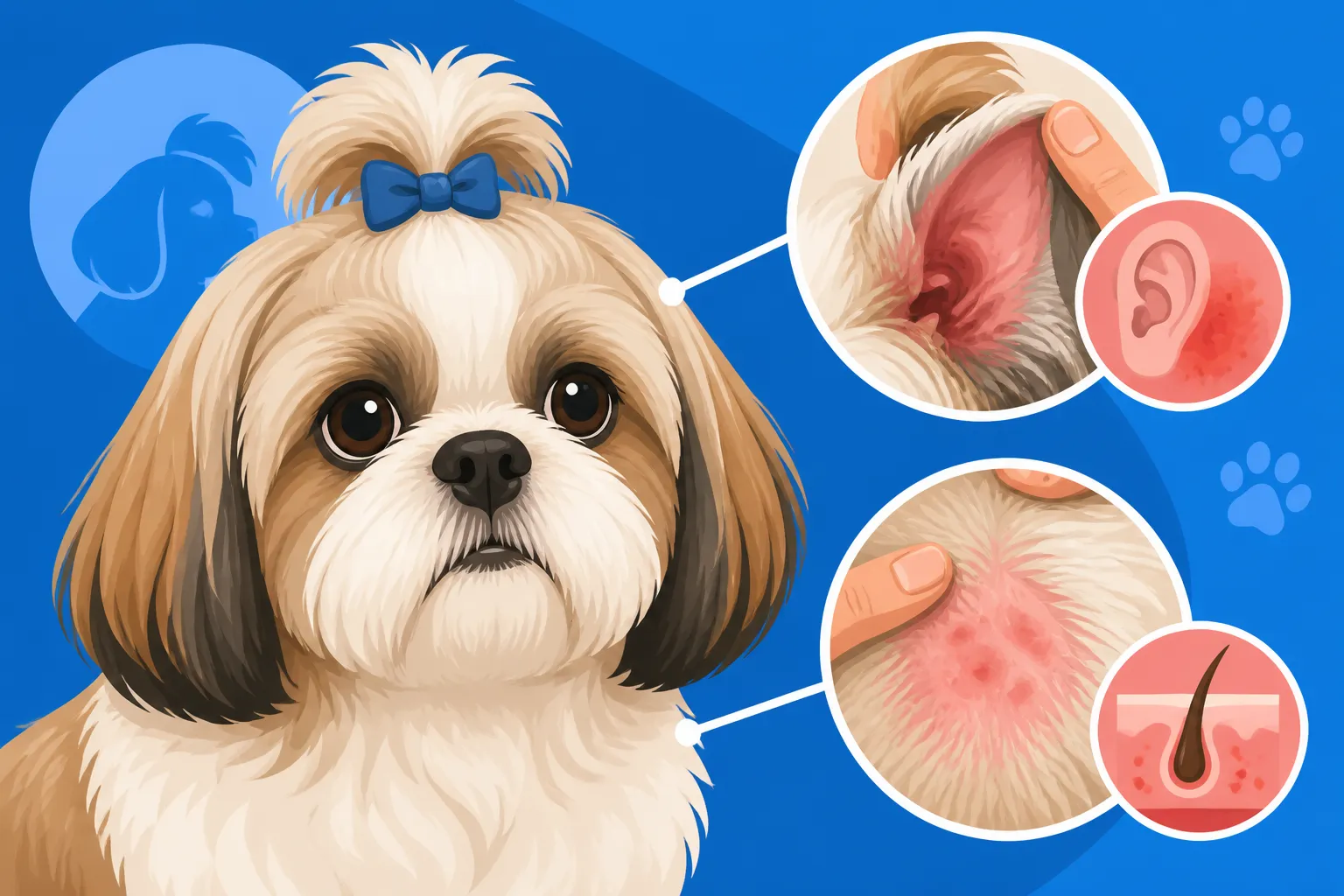
First, check for redness and swelling. The skin inside the ear flap, and particularly around the opening of the ear canal, might appear pinker or even bright red and swollen compared to its normal color. You might also notice discharge. This can vary widely: clear and watery, yellow and pus-like, or dark brown and waxy. The consistency can also range from thin to thick and gooey. A particularly concerning sign is a foul odor emanating from the ear. While all dog ears have a slight scent, an infection will often produce a strong, unpleasant smell that can range from musty to sweet and yeasty, or even rotten. You might also find crusts, scabs, or even areas of hair loss around the ear as a result of constant scratching and irritation. Don't be shy about getting in there and examining thoroughly; your dog is counting on you.
Common Types of Shih Tzu Ear Infections
When your Shih Tzu is constantly shaking their head or scratching at their ears, it's clear something is amiss. But what exactly is going on in there? Ear infections in Shih Tzus can broadly be categorized into a few common types, each with its own characteristics and requiring a specific approach to treatment. Understanding the differences can help you provide better information to your vet, leading to a quicker and more accurate diagnosis.
Yeast Infections and Their Distinctive Smell
One of the most frequently diagnosed types of ear infection in Shih Tzus is a yeast infection, usually caused by an overgrowth of Malassezia pachydermatis. This particular yeast is a normal resident of a dog's skin and ears, but given the right conditions – warmth, moisture, and poor ventilation, all common in a Shih Tzu's ear – it can multiply rapidly and cause an infection.
The signs of a yeast infection are often very distinctive. You'll typically find a waxy, greasy, brownish-black discharge inside the ear, which can sometimes look like coffee grounds, although usually more uniform in consistency. The most prominent characteristic, however, is the smell. Yeast infections produce a very strong, sweet, and musty odor that many owners describe as smelling like old bread, corn chips, or even a brewery. The ear canal itself will often be red and irritated, and your dog will likely be intensely itchy. If your Shih Tzu has this particular combination of symptoms, it's a strong indicator of a yeast overgrowth, and your vet will confirm with a simple swab. Getting these yeast infections under control is crucial, a topic covered in detail in Yeast Infections in a Shih Tzu Ear.
Bacterial Infections Requiring Veterinary Attention
Bacterial ear infections are another common culprit and can be more painful and potentially more serious if left untreated. These infections can be caused by various types of bacteria, with Staphylococcus and Pseudomonas being among the most frequent offenders. Unlike yeast, bacterial infections often require specific antibiotic treatments.
When bacteria are at play, you might observe a different kind of discharge. It's often yellow, greenish, or pus-like, and can be quite thick. The odor might be more pungent and unpleasant than the musty smell of yeast, sometimes described as foul or rotten. The ear itself will likely be very red, swollen, and extremely painful to the touch. Your Shih Tzu might shy away from any attempt to examine the ear, indicating significant discomfort. These infections can sometimes be primary, but often they are secondary to another underlying issue, like allergies, that has compromised the ear's defenses. Prompt veterinary attention is essential to prevent these infections from becoming chronic or leading to more severe complications.
Ear Mites and Other Parasitic Invaders
While less common in well-cared-for adult Shih Tzus, ear mites (primarily Otodectes cynotis) are a highly contagious parasitic cause of ear infections, especially in puppies or dogs who have been exposed to other affected animals. These tiny arachnids live on the surface of the ear canal skin and feed on skin debris and tissue fluids, causing intense irritation.
The classic sign of ear mites is a dark, dry, crumbly discharge that strongly resembles coffee grounds. Your Shih Tzu will exhibit extreme itching and head shaking, often scratching so much that they can cause secondary skin infections or trauma around the ear. If you gently rub the base of their ear, they might even scratch vigorously with their hind leg, a reflex known as the pedal-pinna reflex. While ear mites are usually visible under a microscope, your vet can often make a presumptive diagnosis based on the characteristic discharge. Less commonly, other parasites or even foreign bodies like grass seeds can also cause ear irritation and secondary infection in a Shih Tzu.
Spotting Skin Infections Under the Dense Coat
Just like ear infections, skin infections in Shih Tzus can be particularly tricky to spot due to their long, dense coat. Owners often don't realize there's a problem until the infection has already progressed, causing significant discomfort for their furry friend. Regular, thorough grooming and tactile checks are vital for early detection.
Hot Spots and Moist Dermatitis
One of the most common and rapidly developing skin issues in Shih Tzus is acute moist dermatitis, more commonly known as a "hot spot." These are intensely itchy, raw, red, and often oozing lesions that appear suddenly and can spread surprisingly quickly. The cycle usually begins with an irritant – perhaps an insect bite, a tiny mat pulling at the skin, or an allergic reaction – which causes the dog to scratch, lick, or chew the area incessantly. This self-trauma further damages the skin, introducing bacteria and leading to a localized infection.
Underneath a Shih Tzu's thick fur, a hot spot can grow quite large before an owner even notices it. You might only discover it when you feel a sticky, wet patch, or catch a strong, unpleasant smell. The hair around the hot spot often becomes matted and glued down by the exudate, further trapping moisture and hindering healing. Treatment typically involves shaving the area to allow air to reach the skin, cleaning it, and applying topical medications. Oral antibiotics and anti-inflammatories are often necessary to break the itch-scratch cycle and combat the infection. For more insights, you might want to read about Shih Tzu Hot Spots Hidden Under a Long Coat.
Pyoderma and Other Bacterial Skin Issues
Pyoderma simply means "pus in the skin" and refers to a bacterial infection of the skin. It's incredibly common in dogs and often occurs as a secondary infection to an underlying issue like allergies or parasites. In Shih Tzus, it can be particularly stubborn due to their coat type.
Superficial pyoderma affects the upper layers of the skin. You might see small red bumps (papules), pus-filled pustules, crusts (often forming circular patterns called epidermal collarettes), and areas of hair loss. The skin might feel greasy or scaly, and your dog will likely be itchy. These lesions are easily concealed by their long fur, so you might only feel them during grooming. Deep pyoderma is a more severe form, extending deeper into the skin layers and often involving hair follicles. This type is more painful, can lead to abscesses, draining tracts, and significant inflammation. Dogs with deep pyoderma often feel unwell systemically. Both types require veterinary diagnosis and treatment, typically with oral antibiotics and medicated shampoos, to clear the infection and prevent recurrence. This is a common part of the discussion in A Shih Tzu Scratching Under a Full Coat.
Fungal Infections Like Ringworm and Yeast Dermatitis
While less common than bacterial infections or hot spots, fungal infections can also affect a Shih Tzu's skin. Ringworm (dermatophytosis) is a contagious fungal infection that typically causes circular areas of hair loss, redness, and scaling. Despite its name, it's caused by a fungus, not a worm. While less frequently seen in Shih Tzus due to their dense, flowing coats, it's still a possibility and requires specific antifungal treatment to prevent spread to other pets or even humans.
More commonly, Shih Tzus can suffer from Malassezia dermatitis, which is a yeast infection of the skin (similar to the ear yeast we discussed earlier). This type of infection often thrives in warm, moist areas, such as skin folds (around the mouth, in armpits, groin, and between paw pads). Signs include greasy skin, redness, itching, and that characteristic sweet, musty odor. The skin might also appear thickened and discolored over time. It often goes hand-in-hand with allergies, as the allergic inflammation creates an environment conducive to yeast overgrowth. Diagnosis is made via skin cytology, and treatment usually involves medicated shampoos and oral antifungal medications.
Why Shih Tzus Are So Prone: Underlying Causes
It's frustrating when your Shih Tzu seems to constantly battle ear and skin infections. It feels like a never-ending cycle of scratching, vet visits, and medication. The truth is, these infections are often not the primary problem but rather a symptom of deeper, underlying issues that are particularly prevalent in the Shih Tzu breed. Addressing these root causes is key to truly breaking the cycle.
The Role of Allergies: Environmental and Food
By far, one of the most significant predisposing factors for recurrent ear and skin infections in Shih Tzus is allergies. Dogs, like people, can suffer from environmental allergies (atopy) and food allergies, and both often manifest as skin problems.
Environmental allergies can be triggered by common allergens like pollen, dust mites, and molds. When a Shih Tzu is exposed to these, their immune system overreacts, leading to inflammation and intense itching. Instead of sneezing like humans, dogs often scratch, lick, and chew their skin and ears. This constant self-trauma breaks down the skin's natural barrier, allowing yeast and bacteria, which are normally harmless residents, to overgrow and cause secondary infections. Food allergies work similarly; specific proteins (like chicken, beef, or dairy) can trigger an immune response that leads to chronic itching and inflammation. Many owners find their Shih Tzu constantly licking their paws or scratching under their chin, classic signs of allergic reactions. Pinpointing the exact allergen can be a long process, often involving elimination diets or allergy testing, but it's a crucial step towards long-term relief for issues like Shih Tzu Skin Allergies and Hot Spots.
Hormonal Imbalances and Other Systemic Issues
Beyond allergies, certain hormonal imbalances and systemic health conditions can also weaken a Shih Tzu's skin and immune system, making them more susceptible to infections. One notable example is hypothyroidism, an underactive thyroid gland. When the thyroid doesn't produce enough hormones, it can lead to a range of symptoms including dry, flaky skin, poor coat quality, hair loss, and a weakened immune response, making recurrent skin and ear infections more likely. If your Shih Tzu has these symptoms in addition to lethargy or weight gain, your vet might recommend a thyroid panel. This is often the underlying factor when you see Thyroid Disease Thinning a Shih Tzu Coat.
Another condition is Cushing's disease (hyperadrenocorticism), where the adrenal glands produce too much cortisol. This can result in thinning skin, hair loss, a pot-bellied appearance, and a compromised immune system that makes dogs prone to bacterial skin infections. Regular veterinary check-ups that include routine bloodwork are vital for detecting these systemic issues early. A comprehensive diagnostic approach is often necessary to rule out or confirm these deeper medical problems that contribute to chronic skin and ear woes.
Improper Grooming and Environmental Factors
Sometimes, the cause isn't a complex medical condition but rather a breakdown in routine care or environmental management. Given the Shih Tzu's demanding coat, this is often a significant factor.
Infrequent brushing is a primary culprit. A Shih Tzu's double coat will mat without daily attention, and as we discussed earlier, mats trap moisture, create friction, and prevent air circulation, providing a perfect incubator for yeast and bacteria. Similarly, incomplete drying after baths is a huge problem. It's not enough for the outer coat to feel dry; the dense undercoat needs to be absolutely bone dry too. Dampness lingering deep in the fur will quickly lead to skin irritation and infection. This is why thorough drying is just as important as the bathing itself, as detailed in Drying a Shih Tzu Right Through the Undercoat.
Environmental factors can also play a role. Living in a highly humid climate can make it harder for the skin to stay dry, even with diligent grooming. Similarly, if your Shih Tzu spends a lot of time in damp environments or has limited access to fresh, circulating air around their ears, problems can arise. Regular ear cleaning with a vet-approved solution is crucial for removing wax and debris and maintaining a healthy ear environment, especially given their floppy ears and hairy canals. These seemingly simple factors, when neglected, can quickly spiral into chronic discomfort for your Shih Tzu.
Diagnosis and Treatment Options
When your Shih Tzu is suffering from recurrent ear or skin infections, getting an accurate diagnosis is the critical first step toward effective treatment and long-term management. Self-diagnosing or trying home remedies often delays proper care and can even worsen the condition. Your veterinarian has the tools and expertise to pinpoint the exact problem.
What to Expect at the Vet
When you bring your Shih Tzu in for an ear or skin issue, your vet will perform a thorough physical examination, paying close attention to the affected areas. For ear problems, they'll use an otoscope to look deep into the ear canal, assessing the eardrum, checking for discharge, inflammation, foreign bodies, or parasites. They will often take a swab of the ear discharge for cytology – this involves examining the sample under a microscope to identify the presence of yeast, bacteria, or ear mites. This simple test is incredibly valuable for guiding the correct treatment.
For skin infections, the process is similar. Your vet will carefully examine the lesions, looking for redness, pustules, scabs, and hair loss. They might perform skin scrapings to look for external parasites like demodex or sarcoptic mites, or take swabs for cytology to identify yeast or bacteria. If fungal infections like ringworm are suspected, a fungal culture might be needed, which can take a couple of weeks to yield results. In cases of suspected allergies, blood tests or skin patch tests might be recommended, or your vet might guide you through an elimination diet trial. For systemic issues, blood work, including a thyroid panel, might be part of the diagnostic plan. All these steps are crucial for getting to the bottom of the problem, and having pet insurance, like a policy from Healthy Paws, can certainly help manage the costs associated with these diagnostic procedures.
Medications and Therapies for Ear Infections
Once the specific cause of the ear infection is identified, your vet will prescribe targeted medications. For yeast infections, topical ear drops containing antifungal agents like miconazole or clotrimazole are common. Bacterial infections often require antibiotic ear drops, sometimes combined with steroids to reduce inflammation and pain. In severe or chronic cases, oral antibiotics or antifungals might be necessary to clear the infection from the inside out.
Beyond specific medications, ear cleaners play a vital role. These solutions help to break down wax, remove debris, and create an environment that's less hospitable to microorganisms. Your vet will recommend a cleaner that's appropriate for your dog's specific condition. It's absolutely crucial to follow your vet's instructions precisely regarding dosage and duration of treatment. Stopping medication too early, even if the ear looks better, can lead to a recurrence and antibiotic resistance. Consistent follow-up appointments are also important to ensure the infection has fully cleared.
Treating Skin Infections and Preventing Recurrence
Treating skin infections in Shih Tzus often involves a multi-pronged approach. For hot spots and bacterial pyoderma, shaving the affected area is usually the first step to allow air circulation and easier application of topical treatments. Medicated shampoos containing ingredients like chlorhexidine or benzoyl peroxide are often prescribed to kill bacteria and yeast on the skin and flush out follicles. Topical creams, sprays, or ointments with antibiotics, antifungals, or steroids can also be used. For more widespread or severe bacterial infections, oral antibiotics are typically prescribed for several weeks.
For fungal infections like Malassezia dermatitis, oral antifungal medications are common, along with medicated shampoos. If allergies are the underlying cause, management might involve flea and tick prevention, special diets for food allergies, antihistamines, or even immunotherapy (allergy shots or oral drops) for environmental allergies. Omega-3 fatty acid supplements can also help support skin health and reduce inflammation. The key to preventing recurrence lies in addressing the underlying cause, whether it's allergies, hormonal issues, or inadequate grooming. This often requires a long-term commitment and consistent communication with your veterinarian.
Preventative Care: Keeping Your Shih Tzu Healthy
As the saying goes, an ounce of prevention is worth a pound of cure, and nowhere is this more true than with Shih Tzu ear and skin infections. Given their unique predispositions, proactive and consistent preventative care can dramatically reduce the frequency and severity of these frustrating issues, keeping your beloved companion more comfortable and happy.
The Gold Standard for Grooming and Hygiene
When it comes to preventative care for a Shih Tzu, grooming isn't just about aesthetics; it's a critical health necessity. The absolute gold standard is daily brushing to prevent mats from forming. Mats are the enemy, trapping moisture and creating prime real estate for bacteria and yeast. Using a good quality slicker brush and a metal comb, work through sections of their coat down to the skin, making sure there are no hidden tangles. For deep insights, refer to Brushing a Shih Tzu Double Coat Every Day.
Regular professional grooming every four to six weeks is also paramount. Many Shih Tzu owners opt for a "puppy cut" or a shorter, more manageable length, which significantly reduces the risk of matting and makes home care easier. This is a topic thoroughly explored in Grooming a Shih Tzu Every Four to Six Weeks. After every bath, or if your Shih Tzu gets wet outdoors, ensure their coat is dried thoroughly, right down to the skin. A high-velocity pet dryer can be a game-changer here, as it pushes out moisture from the dense undercoat that a regular human hairdryer might miss.
And let's not forget those ears! Establish a routine of weekly ear cleaning using a vet-approved solution. Gently lift the ear leather, apply the cleaner as directed, massage the base of the ear, and then wipe away any loosened debris with a soft cotton ball. Never use cotton swabs deep inside the ear canal, as this can push debris further in and potentially damage the eardrum.
Nutrition and Environmental Management
A high-quality, balanced diet is fundamental for overall health, including the health of your Shih Tzu's skin and coat. Look for foods with quality protein sources and essential fatty acids. Omega-3 fatty acid supplements, often in the form of fish oil, can be incredibly beneficial for reducing inflammation, improving skin barrier function, and promoting a healthy, less itchy coat. This can be a great addition to their daily routine, a benefit discussed in Fish Oil for a Shih Tzu Double Coat.
Beyond diet, managing their environment plays a role, especially if allergies are a concern. If your Shih Tzu suffers from environmental allergies, consider using air purifiers in your home, vacuuming frequently with a HEPA filter vacuum, and regularly washing their bedding in hot water to reduce dust mites. During peak pollen seasons, wiping your Shih Tzu's paws and face after outdoor excursions can help remove allergens before they irritate the skin. Avoiding known triggers, whether they're certain plants in your garden or specific ingredients in their food, is a crucial component of prevention.
Routine Veterinary Check-ups and Early Intervention
Even with the most diligent home care, a Shih Tzu can still develop health issues. This is why routine veterinary check-ups are non-negotiable. Annual exams, even for seemingly healthy dogs, allow your vet to catch subtle signs of problems before they become severe. They can perform thorough ear checks, examine the skin under the coat, and recommend preventative measures tailored to your dog's specific needs and history. This is also when topics like The Senior Panel a Shih Tzu Needs at Ten become important.
If you notice any persistent scratching, head shaking, or changes in their coat or skin, don't wait. Contact your vet promptly. Early intervention is key to preventing minor irritations from escalating into full-blown, painful infections. Remember, investing in pet insurance from companies like Healthy Paws can provide peace of mind, making it easier to afford these routine check-ups, diagnostic tests, and any necessary treatments without stressing over the financial burden. This allows you to focus on getting your Shih Tzu the best care possible, rather than delaying treatment due to cost concerns.
Living with a Shih Tzu Prone to Infections
Having a Shih Tzu prone to ear and skin infections can feel like a constant battle, filled with worry and frustration. It's a journey that many Shih Tzu owners embark on, and understanding how to manage chronic conditions, cope with the emotional toll, and know when to seek specialist help is vital for both you and your furry companion.
Managing Chronic Conditions Long-Term
For many Shih Tzus, especially those with underlying allergies or anatomical predispositions, ear and skin issues might become a chronic, lifelong condition rather than a one-time event. This means accepting that there might not be a "cure," but rather a continuous process of management. Consistency is paramount: sticking to daily grooming routines, administering prescribed medications diligently, and maintaining environmental controls are non-negotiable.
It's helpful to keep a detailed journal of your Shih Tzu's symptoms, treatments, and any perceived triggers. This log can be invaluable for identifying patterns, understanding what works and what doesn't, and communicating effectively with your vet during follow-up appointments. Regular communication with your veterinary team is essential. Don't hesitate to ask questions, voice your concerns, or report any changes in your dog's condition. Managing chronic issues is a partnership between you, your vet, and potentially a specialist. Celebrating small victories, like a few weeks free of scratching or a clear ear check, can help keep spirits up during this ongoing commitment.
The Emotional Toll on Owners and Pets
It's easy to feel overwhelmed and discouraged when your Shih Tzu is constantly uncomfortable, itchy, or in pain. Owners often feel guilty, wondering if they're doing something wrong or missing a crucial sign. This emotional toll is real, and it's important to validate those feelings. Seeing your beloved pet suffer is heartbreaking, and the endless cycle of treatments and flare-ups can be exhausting.
Remember to be patient with your Shih Tzu, as they are likely just as frustrated and uncomfortable as you are. Provide them with extra comfort, gentle grooming, and reassurance. Focus on making them as comfortable as possible during flare-ups, and celebrate the periods of relief. Acknowledge that you are doing your best, and that managing these conditions is a marathon, not a sprint. Remember that pet insurance, such as a policy with Healthy Paws, can be a valuable resource during these challenging times. By easing the financial burden of frequent vet visits, medications, and specialist consultations, it allows you to concentrate your energy on your Shih Tzu's comfort and well-being, rather than worrying about the costs. This can significantly reduce stress for both you and your dog, fostering a calmer environment for healing and daily life.
When to Seek Specialist Care
While your primary veterinarian is an invaluable partner, there are times when a specialist's expertise becomes necessary. If your Shih Tzu's ear or skin infections are recurrent, severe, non-responsive to conventional treatments, or if the underlying cause remains elusive, a referral to a veterinary dermatologist is often the next logical step.
A board-certified veterinary dermatologist has specialized training and access to advanced diagnostic tools and treatment options that might not be available at a general practice. They can perform more in-depth allergy testing, advanced biopsies, and develop highly tailored treatment plans, including immunotherapy. They can also provide guidance on managing complex cases, such as those involving unusual pathogens or severe immune-mediated conditions. Don't view a referral as a failure of your current vet, but rather as a collaborative effort to provide the highest level of care for your Shih Tzu. Seeking specialist advice can often be the turning point in finding lasting relief for your furry friend.
| Condition Type | Common Symptoms | Odor Profile | Typical Discharge/Appearance | Primary Treatment Approach |
|---|---|---|---|---|
| Yeast Ear Inf. | Head shaking, scratching, redness, discomfort | Sweet, musty, "corn chip" | Waxy, greasy, brownish-black | Antifungal ear drops, cleaners |
| Bacterial Ear Inf. | Intense pain, swelling, redness, head tilting | Pungent, foul, rotten | Yellow/green pus-like | Antibiotic ear drops/oral antibiotics, cleaners |
| Ear Mites | Intense itching, head shaking, scratching, irritation | Minimal to none | Dark, crumbly, "coffee grounds" | Miticides (topical/oral) |
| Hot Spot | Sudden onset, intense itching, licking, chewing | Pungent, sometimes sweet | Raw, red, oozing lesion; matted hair | Shave, clean, topical/oral antibiotics & steroids |
| Pyoderma | Red bumps, pustules, scabs, hair loss, itching | Can be mild to foul | Crusts, scales, sometimes pus | Medicated shampoos, oral antibiotics |
| Malassezia Dermatitis | Greasy skin, redness, itching, thickened skin | Sweet, musty, "corn chip" | Greasy scales, reddish discoloration | Medicated shampoos, topical/oral antifungals |
Disclaimer
The information provided in this guide is for general informational purposes only and is not intended as a substitute for professional veterinary advice, diagnosis, or treatment. Always seek the advice of your veterinarian or other qualified animal health provider with any questions you may have regarding a medical condition for your Shih Tzu. Never disregard professional veterinary advice or delay in seeking it because of something you have read here.