Vet Visit Frequency for a Shih Tzu Past Ten
It’s a tough truth that our beloved Shih Tzus, those little bundles of joy and sass, don't stay puppies forever. As they gracefully enter their senior years, often past the age of ten, their health needs evolve dramatically, leaving many of us wondering exactly how often we should be making that trip to the vet. This guide is here to walk you through the essential vet visit frequency for your cherished senior Shih Tzu, ensuring you can provide them with the best possible care as they age.
Why Your Senior Shih Tzu Needs More Frequent Vet Visits
When your Shih Tzu hits double digits, it's a huge milestone, but it also means their bodies are working a little harder to keep up. Just like us, older dogs become more susceptible to a range of age-related conditions that can creep up slowly and be difficult to detect in their early stages. Regular vet check-ups become less about routine vaccinations and more about proactive health monitoring. You might think your Shih Tzu seems perfectly fine, but many serious conditions, from kidney disease to heart problems, can be quietly progressing beneath the surface without obvious symptoms until they're quite advanced.
Catching Silent Illnesses Early
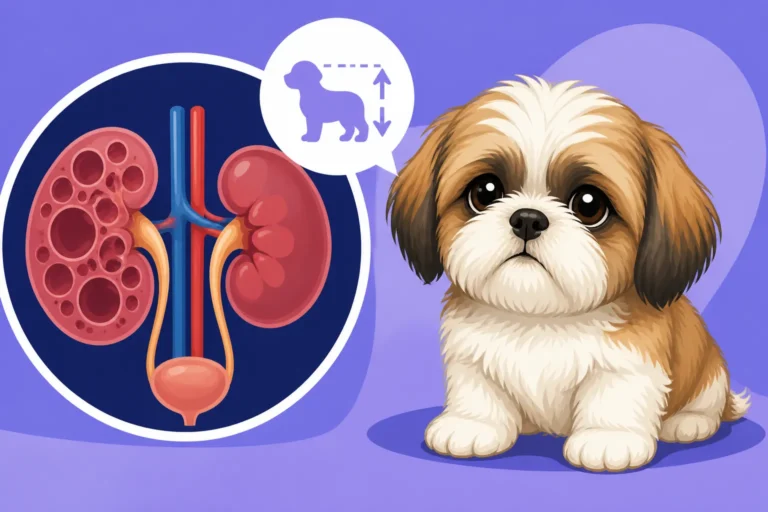
One of the biggest frustrations for Shih Tzu owners with senior pups is the sheer number of health issues that can suddenly appear. It often feels like one day they're bouncing around, and the next, they're slowing down, and you're left scrambling to figure out what's wrong. The reality is that many senior dog diseases, particularly those affecting internal organs, don't show clear outward signs until they've progressed significantly. For example, kidney disease can be quite advanced before your Shih Tzu starts showing noticeable symptoms like excessive thirst or changes in urination. By the time you see these signs, the kidneys might already be working at a significantly reduced capacity. Regular vet visits allow for early detection through blood work, urine tests, and thorough physical examinations, giving you and your vet a chance to intervene sooner, often leading to better outcomes and a higher quality of life for your furry friend. This proactive approach can make a huge difference in managing conditions before they become emergencies.
Managing Chronic Conditions
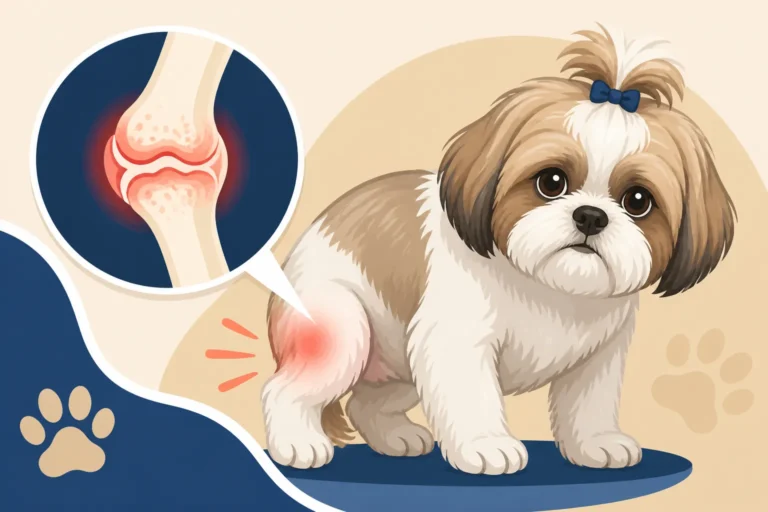
As your Shih Tzu ages, it's quite common for them to develop one or more chronic health conditions. These aren't usually curable, but they are absolutely manageable with the right care. We're talking about things like arthritis, which can make their little joints stiff and painful, or even early signs of heart disease. Imagine your sweet old pup struggling to get up on the sofa – that could be more than just old age; it could be the first whisper of a joint issue. If your Shih Tzu is dealing with a specific ailment, such as ongoing joint pain that suggests Shih Tzu Joint Problems in a Toy Frame, or if your vet has noted a subtle heart murmur, more frequent visits become crucial. These appointments allow your veterinarian to monitor the progression of these conditions, adjust medications as needed, and ensure your Shih Tzu remains as comfortable as possible. It's not just about treatment; it's about optimizing their daily comfort and minimizing pain, which requires consistent professional oversight.
What Happens During a Senior Shih Tzu Check-up
A senior check-up isn't just a quick peek in the ears and a jab with a needle. These visits are significantly more comprehensive, delving deep into your Shih Tzu's overall health picture. Your vet is essentially playing detective, looking for subtle clues that might indicate a developing issue. They're not just looking at what's wrong now, but trying to anticipate what might go wrong in the near future, giving you peace of mind and your Shih Tzu the best possible care.
The Comprehensive Physical Examination
When you bring your senior Shih Tzu in for a check-up, the vet will start with a very thorough nose-to-tail physical examination. This is much more detailed than the quick once-over a young puppy might get. They’ll be checking everything from their eyes for any signs of cataracts or corneal issues, to their mouth for advanced dental disease, which is incredibly common in Shih Tzus. They'll also carefully palpate their abdomen to check for any abnormalities in organ size or tenderness, listen to their heart and lungs for murmurs or unusual breathing sounds, and assess their joints for stiffness, pain, or reduced range of motion. Pay close attention to their gait as they walk around the exam room; a slight limp or hesitation to jump could be an early indicator of Shih Tzu Back Problems and Disc Disease or Patellar Luxation in a Shih Tzu. They'll also check their skin and coat for lumps, bumps, or any signs of skin infections hidden beneath that glorious fur. Every little detail can provide a piece of the puzzle, so don't be afraid to share any small changes you've noticed at home, no matter how insignificant they might seem.
Essential Diagnostic Tests
Beyond the physical exam, your vet will almost certainly recommend a suite of diagnostic tests, often referred to as a "senior panel." These tests are vital for getting an internal snapshot of your Shih Tzu's health, revealing things that even the most thorough physical exam can't.
Here's a breakdown of common tests:
- Complete Blood Count (CBC): This checks for anemia, infection, and inflammation, giving a general overview of red and white blood cell levels.
- Chemistry Panel: This is a comprehensive look at organ function, including the kidneys, liver, and pancreas. It can detect early signs of conditions like Renal Dysplasia and the Shih Tzu Kidney or diabetes.
- Urinalysis: A urine sample provides crucial information about kidney function, hydration status, and can detect urinary tract infections or early signs of bladder stones.
- Thyroid Testing: Hypothyroidism, where the thyroid gland doesn't produce enough hormones, is common in older dogs and can lead to weight gain, lethargy, and coat problems.
- Blood Pressure Measurement: High blood pressure can contribute to kidney disease, heart disease, and even sudden blindness.
- Fecal Examination: Checks for intestinal parasites, which can be an issue at any age.
These tests are designed to catch problems before they become critical. For instance, if your vet sees elevated kidney values on the blood work, they can start a special diet or medication plan to support kidney function, rather than waiting until your Shih Tzu is in crisis. Many owners appreciate knowing they can secure their pet's health with a comprehensive pet insurance plan like those offered by Healthy Paws, which can help cover these diagnostic and treatment costs.
Vaccination and Parasite Control Review
Even senior Shih Tzus need appropriate vaccination and parasite control, though the protocols might change. Your vet will discuss which vaccines are still essential for your specific Shih Tzu's lifestyle, perhaps scaling back on some if their exposure risk is low. They'll also ensure their flea, tick, and heartworm prevention is up-to-date and appropriate for their weight and any underlying health conditions. This is also a good opportunity to discuss any new travel plans or changes in their environment that might impact their parasite risk.
| Shih Tzu Age Group | Recommended Vet Visit Frequency | Key Focus Areas During Visits | Common Health Concerns |
|---|---|---|---|
| 10-12 Years | Every 6-9 Months | Comprehensive physical, blood/urine senior panel, dental exam | Arthritis, early kidney disease, dental disease, heart murmurs |
| 13-15 Years | Every 4-6 Months | Comprehensive physical, blood/urine senior panel, blood pressure | Worsening arthritis, kidney/liver disease, cognitive decline, vision/hearing loss, Shih Tzu Heart Murmurs and Valve Disease |
| 15+ Years | Every 3-4 Months | Thorough physical, focused diagnostics, pain management, quality of life assessment | Advanced organ failure, significant mobility issues, increased cognitive dysfunction, severe dental problems, Deciding for a Shih Tzu at Fifteen |
Signs to Watch For Between Vet Visits
Between those crucial vet appointments, you are your Shih Tzu's most important advocate. You know your dog better than anyone, and subtle changes in their behavior, appetite, or energy levels can be early warning signs of a developing health problem. Trust your gut; if something feels off, it probably is. Being vigilant means you can alert your vet promptly, potentially preventing a minor issue from becoming a major one.
Changes in Appetite, Thirst, or Urination
These are some of the most overlooked, yet critical, indicators of internal health. If your Shih Tzu, who usually inhales their food, suddenly starts turning up their nose, that's a red flag. Conversely, a sudden ravenous appetite without weight gain could also be a symptom of underlying issues like diabetes or hyperthyroidism. Similarly, pay close attention to their water bowl. Is it emptying faster than usual? Increased thirst can point to kidney disease, diabetes, or even certain endocrine disorders. And with increased thirst comes increased urination. Are they having more accidents indoors, or asking to go out more frequently? Changes in the color or odor of urine can also be significant. For any signs like these, especially those indicating Excessive Thirst as the First Kidney Sign or Shih Tzu Urinary Accidents That Are Medical, it's vital to contact your vet right away.
Shifts in Mobility or Energy Levels
It's tempting to chalk up a senior Shih Tzu slowing down to "just old age," but often, there's more to it. If your once-energetic pup is suddenly reluctant to go for walks, struggling to get up from a lying position, or hesitating before jumping onto the sofa (if they still jump at all), these could be signs of arthritis or even a Shih Tzu Disc Disease and Sudden Back Pain. Watch for a stiff gait, limping, or difficulty navigating stairs. Also, monitor their energy. Are they sleeping more than usual? Are they less interested in playtime or greeting you at the door? While some decrease in activity is normal with age, a dramatic change can signal pain, heart problems, or even cognitive decline. Addressing these changes quickly can help manage pain and improve their comfort.
Lumps, Bumps, and Skin Changes
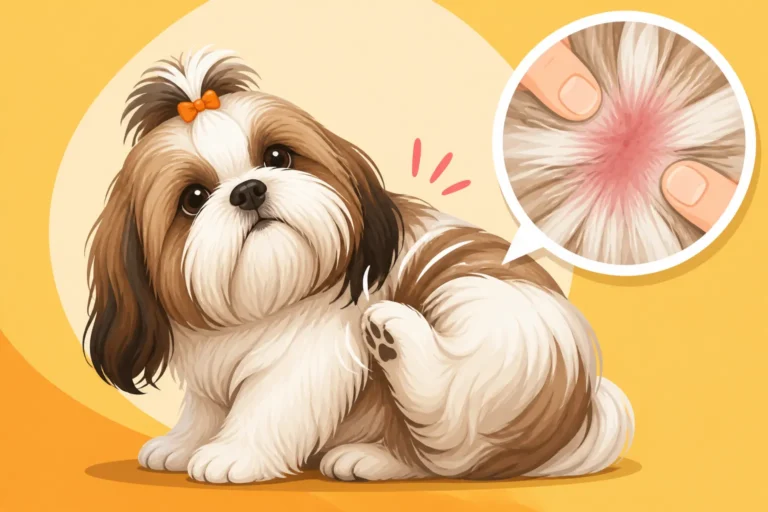
Shih Tzus, with their luscious double coats, can hide a lot, so you need to be hands-on. During your regular grooming sessions (which should still be a daily affair for a full-coated Shih Tzu, or regular if they have a puppy cut), make it a point to thoroughly feel their body all over. Look for any new lumps or bumps under the skin. Many lumps are benign fatty tumors, especially in older dogs, but some can be more serious and require veterinary assessment. Don't forget to check their paws, between their toes, and under their "armpits." Also, watch for any changes in their skin itself—redness, excessive scratching, dry patches, or areas where the hair seems to be thinning more than usual could indicate allergies, infections, or other dermatological issues. Even something as subtle as Thyroid Disease Thinning a Shih Tzu Coat can be detected this way.
Making Vet Visits Less Stressful for Your Older Shih Tzu
Let's be honest, vet visits can be stressful for any dog, but for a senior Shih Tzu, who might be more sensitive to new environments, sounds, and being handled, it can be particularly overwhelming. The good news is there are many things you can do to make these essential trips a more positive experience for both of you. You want your vet visits to be as calm as possible, especially when dealing with potentially serious issues.
Practice Positive Association
The key here is to associate the vet's office with good things, not just pokes and prods. Start by taking your Shih Tzu to the clinic just for a quick hello, a treat from the receptionist, and then leave. Do this a few times without an actual appointment. Many vets are happy to accommodate this. Bring their favorite high-value treats (think tiny pieces of chicken or cheese, small enough for a Shih Tzu) and praise them lavishly while you're there. If your vet allows, try to schedule appointments during quieter times of the day to minimize sensory overload from other barking dogs or bustling activity. A calmer environment can make a world of difference for a nervous senior pup.
Using Comfort Aids and Carriers
For a small Shih Tzu, a comfortable, secure carrier is a must. Line it with their favorite blanket or a piece of clothing that smells like you. This creates a familiar, safe den. When you're at the vet, keep the carrier on your lap or on a chair rather than on the floor, which can feel more vulnerable. You might also consider using a calming pheromone spray in the carrier or on a bandana before you leave home. Brands like Adaptil or Feliway (for cats, but some dog versions exist) can sometimes help reduce anxiety. For Shih Tzus with joint pain, ensuring their carrier is easy to get into and out of, or using a special sling or supportive harness, can make the trip less physically taxing. Remember that Slings and Harnesses for an Old Shih Tzu can be invaluable for mobility assistance.
Discussing Sedation or Anti-Anxiety Medication
If your senior Shih Tzu experiences severe anxiety or fear at the vet, despite your best efforts, it's absolutely worth having an honest conversation with your veterinarian about options for reducing their stress. For some dogs, a mild sedative or anti-anxiety medication prescribed by your vet can be given before the appointment. This isn't about "drugging" your dog; it's about making a necessary experience tolerable and even humane. A less stressed dog is easier for the vet to examine, and a calmer experience means a more accurate diagnosis and less trauma for your beloved companion. Don't feel guilty about exploring these options; your Shih Tzu's comfort and well-being are paramount. A vet who understands the unique needs and anxieties of Anesthesia on a Flat-Faced Shih Tzu will be particularly helpful in this discussion.
Disclaimer
The information provided in this article is for general informational purposes only and is not a substitute for professional veterinary advice. Always consult with a qualified veterinarian for any health concerns or before making any decisions related to your Shih Tzu's care. Individual needs and medical conditions can vary.