What Two Extra Pounds Do to a Shih Tzu
It's an easy trap to fall into, isn't it? You look at your beloved Shih Tzu, perhaps a little rounder than they used to be, and think, "Oh, it's just a couple of extra pounds. They're so small, what's the big deal?" But for a toy breed like a Shih Tzu, those two pounds can make a world of difference, quietly escalating into a cascade of health issues that diminish their comfort and potentially shorten their precious lifespan. This guide will walk you through exactly why even a small amount of extra weight is a significant concern for your Shih Tzu and what you can do about it.
The Deceptive Nature of "Just a Little Extra" on a Small Frame
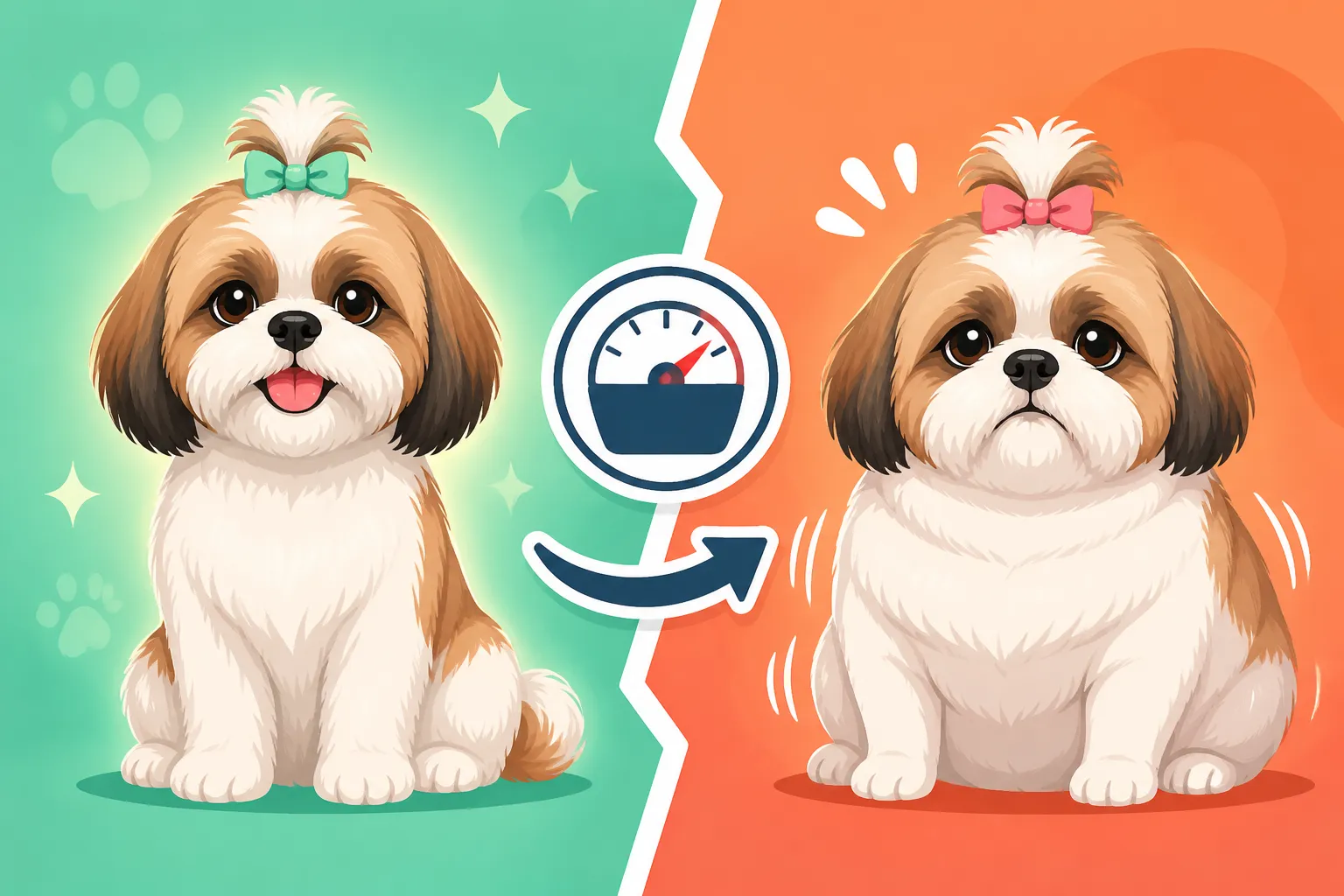
When we talk about a 150-pound person gaining two pounds, it barely registers. But apply that same proportional increase to a Shih Tzu that ideally weighs between 9 and 16 pounds, and you're looking at a substantial percentage of their body weight. It's like a 15-pound dog suddenly carrying an extra two pounds—that’s over 13% of their body weight in additional stress. This isn't just a cosmetic issue; it's a profound shift in how their tiny bodies must work every single day.
Why Two Pounds is a Big Deal for a Shih Tzu
Imagine wearing a weighted vest that represents 10-20% of your own body weight, all day, every day. That's what a Shih Tzu experiences with just a couple of extra pounds. Their delicate skeletal structure, particularly their long backs and small joints, are not designed to carry this additional burden. These breeds were meticulously developed over centuries for companionship, not for robust physical exertion. Every step, every jump, every stretch puts disproportionate strain on their frame, accelerating wear and tear on cartilage and ligaments. It's a silent stressor that builds up over time, often manifesting as pain and decreased mobility long before an owner connects it back to the seemingly minor weight gain.
Recognizing Weight Gain Under All That Hair
One of the biggest frustrations for Shih Tzu owners is that their glorious, flowing coats can act as a clever disguise for weight gain. It’s incredibly easy for those extra pounds to hide beneath layers of fluff, making it hard to notice until the issue is quite advanced. You might not see a bulging belly or prominent love handles in the same way you would on a short-haired breed. Instead, you might notice subtle changes: your dog seems a little slower on walks, they struggle more to jump onto the sofa, or they simply seem less enthusiastic about playtime.
To truly assess your Shih Tzu’s weight, you need to use your hands. Run your fingers along their rib cage. You should be able to feel their ribs without pressing too hard, much like feeling the knuckles on the back of your hand. If you have to press firmly to feel them, or if you can't feel them at all, your Shih Tzu is likely carrying too much weight. Similarly, feel for a distinct waistline where their body narrows after the ribs and before the hips. If they feel like a furry cylinder from chest to tail, it’s time for a weight management plan. Regular, gentle grooming sessions offer a perfect opportunity to conduct these "paws-on" checks, allowing you to catch early signs of weight creep.
The Immediate Strain on a Shih Tzu's Delicate Body
Those extra two pounds aren't just a future problem; they create immediate stress on several vital systems. A Shih Tzu's physiology is already unique due to its brachycephalic (flat-faced) characteristics and compact size, making them particularly vulnerable to the added strain of obesity.
Increased Risk to Joints and Spine
Shih Tzus are unfortunately predisposed to a range of orthopedic issues, and even a small amount of extra weight dramatically exacerbates these vulnerabilities. Consider conditions like patellar luxation, where the kneecap slips out of place, or hip dysplasia, which can affect even toy breeds. For a dog whose joints are already under stress, an additional two pounds means increased pressure on every single joint with every movement. This leads to faster degradation of cartilage, inflammation, and pain. You might start to notice your Shih Tzu showing signs of lameness, reluctance to use stairs, or a general stiffness, especially after resting.
The breed's elongated back is also a significant concern, making them susceptible to conditions like intervertebral disc disease (IVDD), which can cause sudden, debilitating back pain or even paralysis. A heavier body places greater compressive force on these delicate spinal discs, making them more prone to bulging, herniating, or rupturing. Even small, seemingly insignificant jumps off furniture become high-risk activities when their spine is constantly bearing excess weight. Preventing this kind of injury is far easier, and less heartbreaking, than treating it. You can learn more about how crucial back health is by reading about Shih Tzu Back Problems and Disc Disease.
Compromised Breathing and Heat Regulation
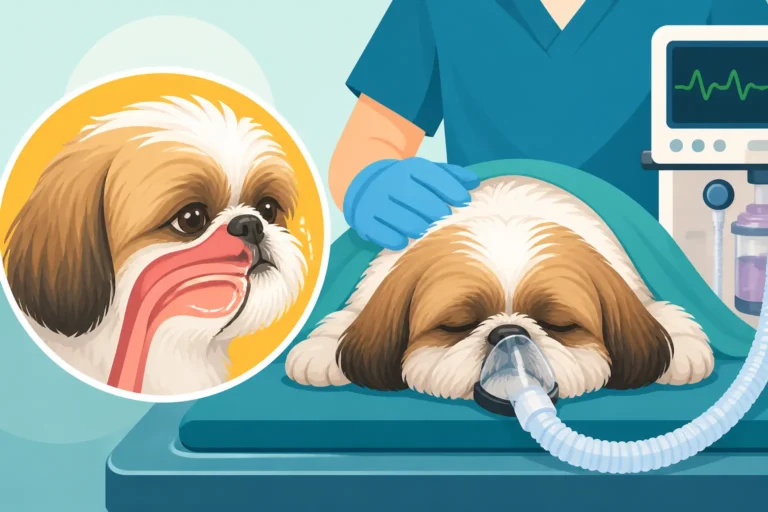
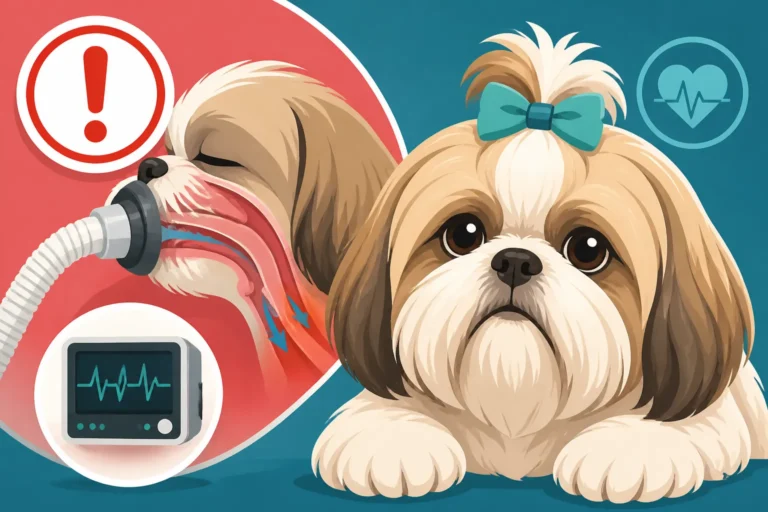
Shih Tzus are brachycephalic, meaning they have shortened snouts and often possess an elongated soft palate and narrowed nostrils. These anatomical features already make breathing a challenge, especially during exercise or in warm weather. Even a slight increase in fat around the neck and chest can further constrict their airways, making it even harder for them to breathe efficiently. This leads to louder snoring, more frequent reverse sneezing, and a higher risk of overheating because they can't pant effectively to cool down.
The consequence is often an immediate reduction in their exercise tolerance. What was once a pleasant, short walk around the block can become a struggle, leaving them gasping for air and panting excessively. This isn't just uncomfortable; it can be dangerous. Overheating in a Shih Tzu can quickly escalate into a life-threatening emergency, and excess weight significantly reduces their body's ability to cope with heat. Understanding these challenges is key to providing proper care, as detailed in our article on Brachycephalic Breathing in a Shih Tzu.
Elevated Cardiovascular Risk
Just like in humans, excess weight puts an extra burden on a Shih Tzu’s heart. The heart has to work harder to pump blood to a larger body mass, and the fat deposits can interfere with the normal function of internal organs. While Shih Tzus can be prone to certain heart conditions, like mitral valve disease, especially as they age, obesity can accelerate the onset and severity of these issues. A heart that is constantly overworked is more susceptible to failure, reducing both the quality and length of your dog's life.
A veterinarian checking your Shih Tzu’s heart might detect a murmur that wasn’t there before, or an existing murmur might become more pronounced. This isn't just about the heart itself; it’s about the entire circulatory system being under duress. High blood pressure can also be a silent killer, contributing to kidney disease and other systemic problems. Maintaining a healthy weight is one of the most proactive steps you can take to support your Shih Tzu's cardiovascular health throughout their life. It's an area where pet insurance providers like Healthy Paws can truly help owners manage the costs associated with monitoring and treating such conditions, highlighting the importance of preventative care.
Long-Term Health Consequences of Sustained Overweight
While the immediate effects are troubling, the true danger of carrying even a couple of extra pounds lies in the cumulative, long-term damage it inflicts. These issues often develop slowly, silently progressing until they become chronic conditions that require extensive management and significantly impact your Shih Tzu's daily existence.
Diabetes and Other Metabolic Disorders
Consistent excess weight can lead to insulin resistance, making a Shih Tzu more susceptible to developing diabetes mellitus. This is a serious, lifelong condition that requires daily insulin injections, careful dietary management, and frequent veterinary check-ups. The implications go beyond just the initial diagnosis; diabetes can lead to cataracts, nerve damage, and increased susceptibility to infections. Managing diabetes is not only emotionally taxing for owners but also financially demanding, with ongoing costs for insulin, syringes, and veterinary monitoring.
Beyond diabetes, obesity is linked to a host of other metabolic imbalances, including thyroid dysfunction. While hypothyroidism can cause weight gain, it's also true that obesity can impact the body's metabolic efficiency, creating a vicious cycle. Addressing weight early is a critical component in preventing these complex and often debilitating diseases that can significantly reduce your Shih Tzu's lifespan and overall well-being.
Exacerbated Dental and Skin Issues
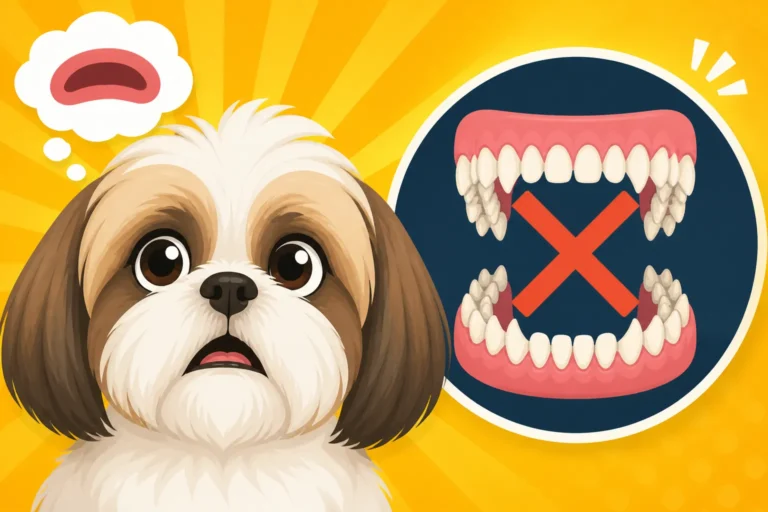
Shih Tzus are already notorious for their crowded mouths and propensity for dental disease due to their brachycephalic skull structure. When a dog is overweight, their ability to properly chew can be affected, sometimes leading to more food debris accumulating around teeth. More critically, inflammatory processes associated with obesity can exacerbate periodontal disease, leading to faster plaque and tartar buildup, gum inflammation, and eventually tooth loss. Many owners overlook this connection, but dental health is intrinsically linked to systemic health. You can find more detailed insights into this widespread problem in our guide on Shih Tzu Dental Disease at 13 Percent of the Breed.
Furthermore, the extra folds of skin that can develop on an overweight Shih Tzu, especially around the face, neck, and tail base, create moist, warm environments perfect for bacterial and yeast infections. Owners often struggle with persistent skin issues, like hot spots or dermatitis, which are made worse by the inability to properly groom or air out these areas. It also makes it harder for owners to spot issues like fleas or ticks hidden beneath the folds and dense coat. Keeping their weight in check helps maintain healthier skin folds and allows for better air circulation, reducing the risk of these uncomfortable and recurring problems. Preventing these issues also means fewer vet visits and less stress for your pup, which is a great relief to owners and often supported by pet insurance plans like those offered by Healthy Paws.
Reduced Mobility and Quality of Life
Perhaps the most heartbreaking consequence of a Shih Tzu carrying extra weight is the profound impact on their quality of life, especially as they transition into their senior years. A dog that struggles to walk, can't jump onto the sofa for cuddles, or is constantly in pain from arthritic joints isn't truly living their best life. Even two extra pounds can mean the difference between a spry, playful senior and one who is stiff, slow, and withdrawn.
Overweight Shih Tzus are less likely to engage in play, become more sedentary, and can even experience behavioral changes due to discomfort. They might become grumpier, less tolerant of handling, or simply spend more time sleeping. This reduced mobility isn't just physical; it affects their mental stimulation and their bond with their family. As they reach older age, issues like Shih Tzu Mobility Decline in Old Age become much more pronounced and challenging to manage if they’ve been carrying extra weight for years. Helping your Shih Tzu maintain a healthy weight throughout their life is an investment in their comfort, happiness, and overall longevity, ensuring they can enjoy those precious golden years to the fullest.
Strategies for Healthy Weight Management
It’s clear that those "extra two pounds" are anything but insignificant. The good news is that weight management is largely within your control. With consistent effort and a clear understanding of your Shih Tzu's needs, you can help them shed the excess and enjoy a healthier, happier life.
Accurate Assessment and Veterinary Partnership
The first and most crucial step is to get an accurate assessment from your veterinarian. They can provide an objective evaluation of your Shih Tzu’s body condition score, which is much more reliable than simply relying on a number on the scale or visual inspection alone. They'll consider their ideal weight range, muscle mass, and fat distribution. Your vet can also rule out any underlying medical conditions, such as hypothyroidism or Cushing's disease, that might be contributing to weight gain. This partnership is vital, as your vet can tailor a safe and effective weight loss plan specific to your dog's age, health status, and lifestyle. Don't hesitate to ask your vet about the ideal weight for your individual dog; sometimes the breed standard range can be broad, and your vet will know what's best for your particular Shih Tzu. This is also where understanding your pet insurance, like Healthy Paws, comes in handy, as many plans cover diagnostic tests for these kinds of health conditions.
Regular weigh-ins at the vet's office (many clinics allow this for free between appointments) or at home with a reliable pet scale can help you track progress. Being consistent and realistic about your goals, understanding that slow and steady wins the race, is key. Crash diets are not only ineffective but can also be dangerous for small dogs. Your vet can advise you on how much weight is safe for your Shih Tzu to lose per week or month.
Nutrition and Portion Control Tailored for Toys
When it comes to feeding a Shih Tzu, every calorie truly counts. Two extra pounds can often be traced back to just a few too many treats, slightly oversized meal portions, or free-feeding throughout the day. Your veterinarian may recommend a specific weight-management diet that is lower in calories but still provides all the essential nutrients. These diets are formulated to help dogs feel full while consuming fewer calories.
However, even with a weight-management food, portion control is paramount. Don't eyeball it; use a measuring cup to ensure accuracy at every meal. Many owners are surprised to learn how small the actual recommended portion size is for a toy breed. If your Shih Tzu is currently free-fed, switching to two measured meals a day can be a game-changer. Also, be mindful of treats. While we all love to spoil our pups, those extra calories add up fast. Opt for low-calorie, healthy treats like small pieces of plain cooked chicken, green beans, or carrots, and always factor them into their daily caloric intake. Our article on Daily Calories for a Shih Tzu provides more in-depth guidance on this critical topic. Remember, even a single dog biscuit can represent a significant percentage of a small dog’s daily calorie allowance.
Safe and Effective Exercise Regimens
Shih Tzus are not high-energy dogs by nature; they were bred for companionship and lap-sitting. However, they still need regular, moderate exercise to maintain a healthy weight and muscle tone. Even an additional two pounds can make a significant impact on a Shih Tzu's willingness and ability to exercise. Short, consistent walks are often ideal. Aim for two to three short walks a day (10-15 minutes each) rather than one long, strenuous outing, especially if they are currently overweight or if the weather is warm. Remember, their brachycephalic nature means they can overheat easily. Consider walking them during cooler parts of the day.
Beyond walks, engage in indoor play sessions with toys that encourage movement, like soft balls or feather wands. Interactive puzzle feeders can also provide mental stimulation and slow down eating, making mealtime a form of exercise. Avoid high-impact activities or excessive jumping, which can put undue stress on their delicate joints and spine. Consistency is far more important than intensity. Building an exercise routine into your daily life for your Shih Tzu not only helps with weight management but also strengthens your bond and improves their overall happiness. For more ideas on appropriate activity, check out Shih Tzu Exercise for a Low-Energy Toy.
Here’s a quick overview of how just two extra pounds can impact a Shih Tzu:
| Body System | Impact of 2 Extra Pounds | Potential Health Consequences |
|---|---|---|
| Skeletal/Joints | Increased pressure on joints (knees, hips) and spine. | Worsened Patellar Luxation, accelerated arthritis, higher risk of IVDD (disc disease). |
| Respiratory | Further constriction of already compromised airways. | Increased snoring, more frequent reverse sneezes, higher risk of overheating and heatstroke. |
| Cardiovascular | Heart works harder to pump blood to increased body mass. | Exacerbated heart murmurs, increased risk of congestive heart failure, high blood pressure. |
| Metabolic | Insulin resistance, altered hormone balance. | Increased risk of diabetes mellitus, liver disease, thyroid dysfunction. |
| Dermatological | More skin folds, reduced airflow under coat. | Skin infections (hot spots, yeast), difficulty with grooming, hidden irritations. |
| Dental | Inflammatory response, difficulty chewing, food accumulation. | Accelerated periodontal disease, gum inflammation, earlier tooth loss. |
| Mobility/Energy | Overall increased effort for movement. | Reduced playfulness, slower movement, reluctance to jump, decreased exercise tolerance, lethargy. |
| Quality of Life | Pain, discomfort, reduced engagement, shorter lifespan. | Decreased enjoyment of daily activities, behavioral changes (grumpiness), increased vet visits, higher medical costs. |
Ultimately, two extra pounds on a Shih Tzu is not a minor aesthetic concern; it's a significant health risk that can lead to a host of serious medical issues, diminish their comfort, and shorten their precious time with you. Taking proactive steps now to manage their weight is one of the most loving and impactful things you can do for your furry companion.
Disclaimer
This article is intended for informational purposes only and does not constitute veterinary advice. Always consult with a qualified veterinarian for any health concerns or before making any changes to your Shih Tzu's diet, exercise, or medical care plan.