When a Shih Tzu Becomes an Old Dog
One of the hardest parts of loving a Shih Tzu is facing the inevitable truth that they won't be a spry, playful puppy forever. Many owners struggle to pinpoint exactly when their beloved companion transitions from middle-aged to genuinely senior, often missing the subtle cues that indicate their dog needs a different kind of care. This guide will walk you through understanding the senior phase of your Shih Tzu's life, helping you recognize the signs, adapt their environment, and provide the best possible comfort and medical support as they age gracefully.
The Shifting Timelines of Seniority for a Shih Tzu
It’s a common misconception that all dogs, regardless of breed, become "senior" around seven years old. While that’s a useful general guideline for larger breeds with shorter lifespans, it doesn’t quite apply to our little lion dogs. Shih Tzus, being a toy breed, often enjoy a longer overall lifespan, which means their journey into old age is a bit more drawn out and can sometimes be tricky to identify.
Chronological Age Versus Biological Age
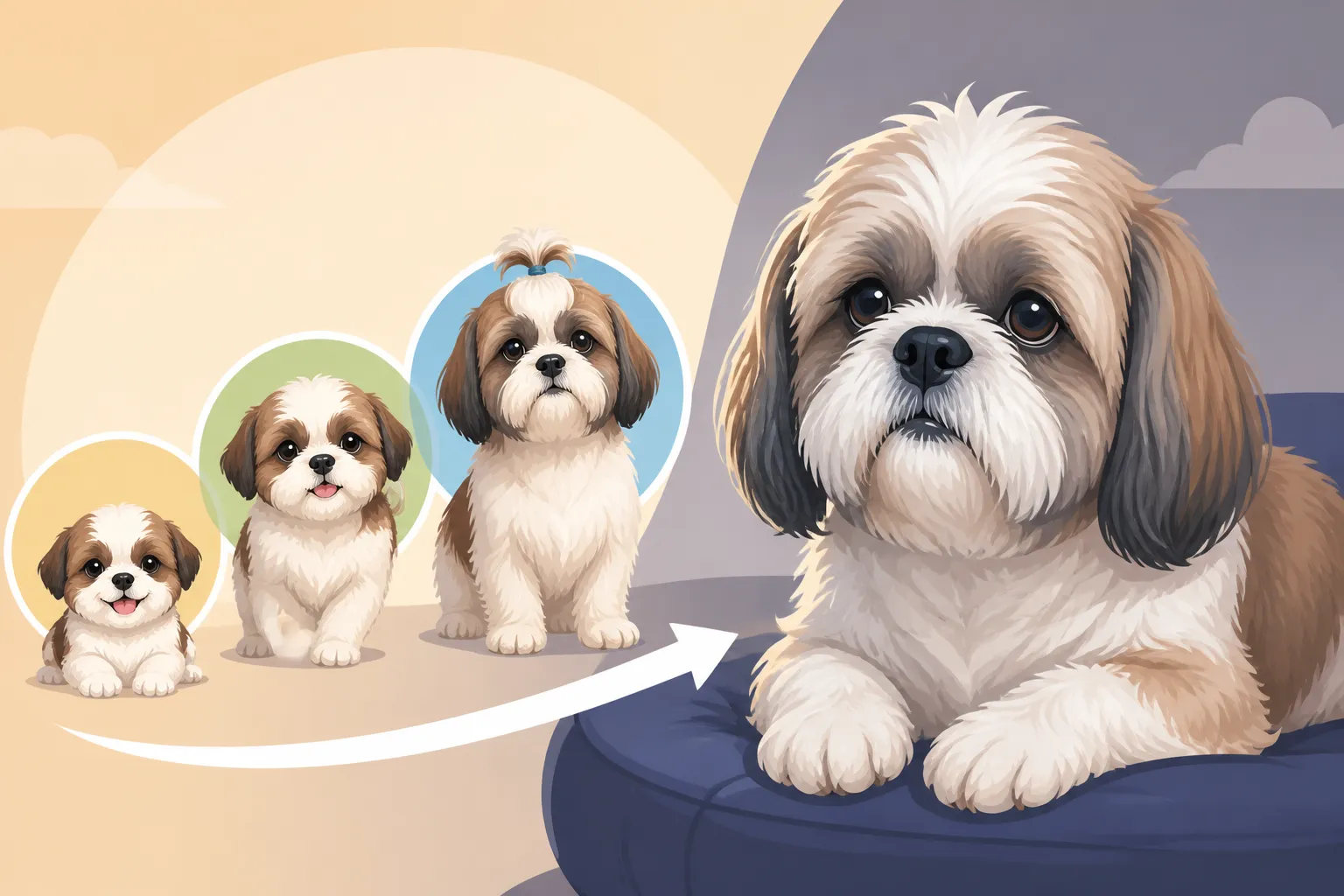
For a Shih Tzu, that seven-year mark is often more akin to middle age. Many Shih Tzus are still quite active and vibrant at this point, leading owners to believe they're far from their golden years. In reality, a Shih Tzu typically starts showing true senior signs closer to eight or ten years of age. This discrepancy between chronological age (how many years they've been alive) and biological age (how their body is actually functioning and aging) is critical for owners to understand. You might have an eight-year-old Shih Tzu who still acts like a puppy, while another at the same age is already slowing down significantly.
What truly matters is paying attention to the individual changes in your dog, rather than relying solely on a calendar number. Genetics, past health issues, diet, and lifestyle all play a huge role in how quickly or slowly your Shih Tzu ages. While it's true that Why some Shih Tzus reach eighteen is a lovely thought, not every dog will hit those remarkable milestones, making early recognition of their personal aging process even more important.
The Subtle Signs You Might Miss
The transition into seniority for a Shih Tzu isn't usually a dramatic overnight event. Instead, it's a gradual accumulation of small changes that, when looked at individually, might seem insignificant. These are the subtle clues that many busy owners overlook or dismiss as just a "bad day." Perhaps they hesitate a moment before jumping onto the sofa, or they seem a little less enthusiastic about their morning walk. Their sleep patterns might shift, or they might seem a bit stiffer when they first wake up.
You might notice they sleep more deeply or for longer periods throughout the day, choosing naps over play. Their once boundless energy might now be replaced by a preference for cozying up next to you. It's not that they don't want to play; it's that their body might be telling them they can't quite keep up like they used to. These are all early indicators that your Shih Tzu's body is starting to feel the effects of age, and paying close attention to them now can help you proactively manage their comfort and health in the years to come. Recognizing Shih Tzu Mobility Decline in Old Age early is key to helping them maintain their quality of life.
Navigating the Physical Changes in an Aging Shih Tzu
As your Shih Tzu enters their senior years, you'll start to notice more pronounced physical changes. Some are common across all breeds, while others are particularly relevant to the unique build and genetics of the Shih Tzu. Understanding these changes will help you adapt your care routine and home environment to keep them as comfortable and happy as possible.
Joint and Mobility Challenges
One of the most common complaints for older dogs, including Shih Tzus, is joint pain and reduced mobility. Their little bodies, while adorable, are prone to certain orthopedic issues that can become more prominent with age. Arthritis is almost a given for many senior dogs, causing stiffness and discomfort, especially after resting. Beyond general arthritis, Shih Tzus are particularly susceptible to conditions like patellar luxation (slipping kneecaps) and intervertebral disc disease (IVDD) due to their long backs and short legs.
You might notice your Shih Tzu struggling to climb stairs, hesitating before jumping on or off furniture, or even developing a slight limp. They may become less interested in their usual walks or seem reluctant to play for extended periods. Providing soft, supportive bedding is crucial, and introducing ramps or pet stairs can significantly reduce strain on their joints, preventing painful jumps. Regular, gentle exercise is still important to keep their muscles strong, but it needs to be tailored to their comfort level. These proactive measures can help manage Shih Tzu Joint Problems in a Toy Frame and alleviate discomfort from Shih Tzu Back Problems and Disc Disease.
Sensory Decline and Its Impact
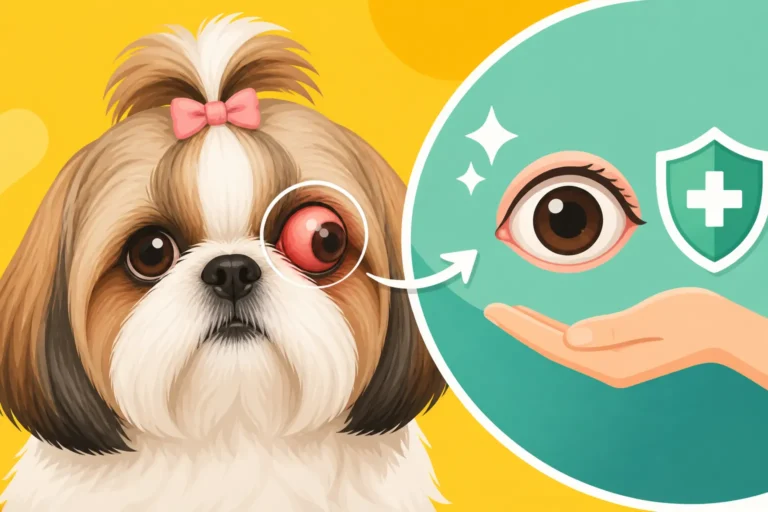
Just like humans, aging Shih Tzus can experience a decline in their senses. Their eyesight might dim, leading to cloudiness in their eyes (nuclear sclerosis) or even cataracts. While many dogs adapt surprisingly well to vision loss, a sudden loss of sight can be disorienting. You might notice them bumping into furniture, hesitating in unfamiliar environments, or becoming more startled when approached. Keep your home layout consistent and use familiar scents to help them navigate. Placing textured mats at the top and bottom of stairs can also serve as helpful cues.
Hearing loss is another common change. Your once-responsive Shih Tzu might no longer come when called or may seem to ignore loud noises. This can be frustrating for owners, but it's important to remember it's not defiance; it's just that they can't hear you as well. Adapt by using visual cues and hand signals, and approach them gently to avoid startling them. Understanding Vision Loss in a Senior Shih Tzu and Hearing Loss in an Old Shih Tzu can help you maintain effective communication and prevent accidents, keeping them safe and secure in their familiar surroundings.
Dental and Oral Health as They Age
Shih Tzus are unfortunately predisposed to significant dental issues throughout their lives, and these problems only tend to worsen with age. Their adorable "smushed" faces mean they often have crowded mouths, leading to plaque and tartar buildup, gum disease, and tooth decay. By the time they reach their senior years, many Shih Tzus have already lost several teeth or suffer from chronic periodontal disease. This can be incredibly painful, making it difficult for them to eat, leading to weight loss, and even causing systemic health problems as bacteria from the mouth enter the bloodstream.
Regular professional dental cleanings under anesthesia are paramount, but as dogs age, anesthesia can become more of a concern. This makes daily home dental care, which should have been consistent throughout their lives, even more critical in their golden years. Brushing their teeth daily with a pet-specific toothpaste, using dental wipes, and providing appropriate dental chews can help slow the progression of disease. If your Shih Tzu is already showing signs of advanced Shih Tzu Dental Disease at 13 Percent of the Breed, consult your vet about pain management and possible extractions, ensuring they can eat comfortably.
Internal Health and Wellness for Your Senior Companion
Beyond the visible signs of aging, several internal health conditions become more prevalent in senior Shih Tzus. Regular veterinary check-ups are invaluable during this stage of life, allowing for early detection and management of these conditions, which can significantly improve your dog's quality of life and potentially extend their healthy years.
Managing Organ Health: Kidneys and Heart
As your Shih Tzu ages, their internal organs also start to feel the effects of time. Kidney function can decline, making it harder for their bodies to filter waste products effectively. Signs of kidney disease often include increased thirst and urination, changes in appetite, and lethargy. Early detection through routine blood and urine tests during their annual or bi-annual senior check-ups is vital. Dietary changes, like switching to a prescription kidney diet, can help support kidney function and slow disease progression, especially if your dog is prone to Renal Dysplasia and the Shih Tzu Kidney.
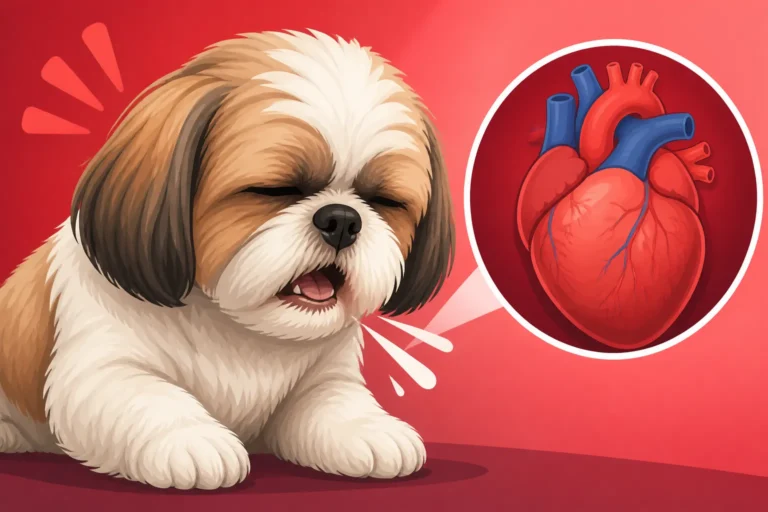
Heart health is another significant concern. Many older Shih Tzus develop some form of heart disease, most commonly mitral valve disease, where a valve in the heart begins to leak, leading to a heart murmur. In more advanced stages, this can progress to congestive heart failure, with symptoms like coughing, fatigue, and difficulty breathing. Regular veterinary exams, which include listening to their heart, can help catch Shih Tzu Heart Murmurs and Valve Disease early. If a murmur is detected, further diagnostics like X-rays or an echocardiogram might be recommended, and medications can often help manage the condition for years.
Nutritional Needs and Weight Management
A senior Shih Tzu's nutritional needs shift considerably. Their metabolism tends to slow down, and their activity levels often decrease, meaning they require fewer calories to maintain a healthy weight. Continuing to feed them the same amount of food they ate as a younger dog can quickly lead to weight gain, which puts extra strain on already aging joints and organs. On the flip side, some senior dogs, especially those with dental pain or other health issues, might lose their appetite and become underweight.
Choosing a high-quality senior dog food formula, which is typically lower in calories but still nutrient-dense, is often recommended. These formulas also often contain joint-supporting supplements like glucosamine and chondroitin. It's crucial to monitor their weight closely, ideally by weighing them at home or during vet visits, and adjust their food portions accordingly. Small, frequent meals can also be easier on their digestive system. Managing Shih Tzu Obesity on a Sixteen Pound Frame is paramount for their comfort and longevity.
Here's a quick guide to senior Shih Tzu dietary adjustments:
| Dietary Aspect | Younger Adult Shih Tzu (Approx. 2-8 years) | Senior Shih Tzu (Approx. 8+ years) |
|---|---|---|
| Calorie Needs | Higher, to support active metabolism and energy levels. | Lower, due to slower metabolism and reduced activity, to prevent weight gain. |
| Protein | Adequate protein for muscle maintenance. | High-quality, easily digestible protein to preserve muscle mass without overworking kidneys. |
| Fat | Moderate fat for energy and coat health. | Lower fat content to reduce calorie density and ease digestion. |
| Fiber | Balanced fiber for healthy digestion. | Often slightly increased fiber for gut health and regularity, preventing constipation. |
| Joint Support | May not be explicitly added unless predisposition to joint issues. | Often includes glucosamine, chondroitin, and Omega-3 fatty acids for joint health and inflammation. |
| Antioxidants | Present in good quality foods. | Higher levels of antioxidants (Vitamin E, C) to support immune function and cognitive health. |
| Texture | Standard kibble, wet food. | Softer kibble, smaller bites, or wet food preferred if dental issues are present. |
| Meal Frequency | Typically two meals a day. | May benefit from smaller, more frequent meals (3-4 times a day) for easier digestion. |
Cognitive Changes and Comfort
You might notice that your once-sharp Shih Tzu seems a little different mentally as they age. This could manifest as Canine Cognitive Dysfunction (CCD), sometimes compared to Alzheimer's in humans. Signs can include disorientation (getting "stuck" in corners, staring blankly), changes in sleep-wake cycles (waking up and pacing at night, sleeping more during the day), altered interactions (less responsive, more irritable, or clingy), and house-training accidents despite being perfectly trained for years.
While there's no cure for CCD, there are ways to manage it and improve your dog's quality of life. Maintaining a consistent daily routine can be incredibly helpful, as predictability provides comfort. Continue to engage them with gentle play and mental stimulation through puzzle toys or short training sessions. Medications and supplements are also available that can help slow the progression of cognitive decline and alleviate symptoms. Discussing these options with your veterinarian is crucial to ensure your furry friend can enjoy their later years with as much mental clarity and comfort as possible, especially if you observe Cognitive Decline in a Shih Tzu Past Twelve.
Financial and Emotional Preparations for the Senior Years
As much as we want to focus purely on the loving care, the reality of senior dog ownership often involves increased financial considerations and a unique emotional journey. Preparing for both aspects can make the golden years a more peaceful and manageable time for everyone involved.
Budgeting for Increased Vet Care
It's a tough pill to swallow, but senior dogs generally require more frequent and specialized veterinary care. Those annual check-ups might become bi-annual, and they'll likely include more comprehensive diagnostics like blood work, urinalysis, and potentially X-rays to monitor organ function and joint health. If chronic conditions like heart disease, kidney disease, or advanced arthritis emerge, there will be ongoing costs for medications, prescription diets, and possibly even specialist visits.
These increased veterinary expenses can add up quickly, sometimes catching owners off guard. It's wise to start thinking about these potential costs proactively. Setting aside a "senior pet fund" or exploring pet insurance options can provide a crucial safety net. Many pet insurance providers, such as Healthy Paws, offer plans that can help offset the costs of unexpected illnesses or accidents. While they typically won't cover pre-existing conditions, having a policy in place before age-related issues become chronic can be incredibly beneficial. Regular Senior Shih Tzu Care Past the Age of Ten including a The Senior Panel a Shih Tzu Needs at Ten is an investment in their comfort and longevity, and planning for it financially reduces stress down the line.
Embracing Their Golden Years
Watching your once-frisky Shih Tzu slow down can be heartbreaking, and it's natural to feel a mix of sadness, nostalgia, and even a bit of fear for the future. However, these golden years can also be incredibly rewarding. Your senior Shih Tzu has likely been a constant source of unconditional love and companionship, and now is the time to cherish every quiet moment, every gentle cuddle, and every slow, meandering walk.
Adjust your expectations and activities to match their capabilities. If they can no longer handle long hikes, enjoy shorter strolls or more indoor playtime. Prioritize their comfort and happiness. This might mean extra soft blankets, easy access to their favorite spots, or more frequent potty breaks. Focus on maintaining their quality of life, which is paramount when contemplating Quality of Life in a Shih Tzu's Last Year. While the journey into old age has its challenges, it also offers a unique opportunity to deepen your bond and provide the ultimate care for the loyal companion who has given you so much.
Disclaimer
This article is intended for informational purposes only and is not a substitute for professional veterinary advice. Always consult with your veterinarian regarding any health concerns or before making any decisions about your Shih Tzu's medical care or diet.