Quality of Life in a Shih Tzu’s Last Year
Watching your beloved Shih Tzu enter their senior years is a bittersweet experience. The energetic, playful pup you once knew gradually slows down, and you begin to notice the tell-tale signs of age. It's heartbreaking to witness their decline, and a natural question arises: how do you ensure they maintain a good quality of life in their final year? This guide aims to help you navigate this challenging period, offering insights into recognizing changes, providing proactive care, and making informed, compassionate decisions for your precious companion.
Recognizing the Subtle Shifts in Your Senior Shih Tzu
As Shih Tzus age, much like people, their bodies and minds start to change. These shifts can be gradual, sometimes so subtle that you might not notice them immediately, or you might attribute them to just "getting old." However, understanding these signs is the first step in providing the best possible care during their last year. It’s about being attuned to their unique needs as they transition into their golden years.
Physical Changes That Signal Decline
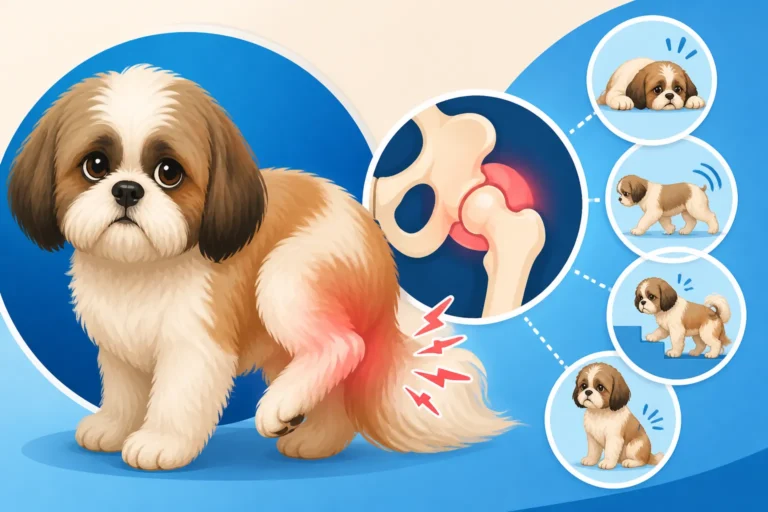
One of the most apparent signs of aging in a Shih Tzu involves their physical capabilities. You might notice they're not as quick to greet you at the door, or perhaps they struggle with stairs that were once no challenge at all. This often stems from conditions like arthritis, common in small breeds, which can make moving painful. A Shih Tzu might show reluctance to jump onto the sofa, or they might even yelp when lifted, indicating potential back problems. These changes aren't just about slowing down; they often point to underlying discomfort.
Their appetite can also fluctuate significantly. Some senior Shih Tzus might lose interest in food, while others might develop a picky palate for the first time. It's crucial to monitor their weight carefully; sudden weight loss or gain can be indicative of underlying health issues. For instance, dental disease, which affects a significant percentage of the breed, can make eating incredibly painful, leading to a refusal of food. Their fur might thin, or become coarser, and their eyes, always a prominent feature, might cloud over with cataracts or develop dry eye, necessitating lifelong drops. Even their sleeping patterns can change, with longer naps during the day and restlessness at night.
Behavioral Indicators of Discomfort or Cognitive Decline
Beyond the physical, a senior Shih Tzu's behavior can offer profound clues about their well-being. A once outgoing and social dog might become more withdrawn, less interested in playing or interacting with family members or other pets. Conversely, some might become clingier, seeking constant reassurance. You might notice changes in their house training habits; a previously perfectly trained Shih Tzu might start having accidents indoors, not out of spite, but due to weakened bladder control, increased thirst from conditions like kidney disease, or simply forgetting their training due to cognitive decline.
Cognitive Dysfunction Syndrome (CDS), often likened to Alzheimer's in humans, can manifest in disorientation, staring blankly at walls, confusion about familiar surroundings, or altered sleep-wake cycles. They might forget commands they've known their whole lives or become anxious in new situations. Increased vocalization, like barking or whining at seemingly nothing, can also be a sign of discomfort, pain, or confusion. It's easy to dismiss these as quirks of old age, but they are often distress signals that warrant attention. Pay close attention if your gentle Shih Tzu suddenly snaps or growls, as this can be a strong indicator that their back hurts or they are otherwise in pain.
The Importance of Regular Vet Check-ups
When your Shih Tzu enters their senior years, typically around the age of ten, regular veterinary check-ups become more critical than ever. These aren't just routine visits; they are essential opportunities to catch potential health issues early, when they are often more manageable. Your vet can perform a thorough physical examination, looking for signs of arthritis, heart murmurs, or changes in their coat and skin.
Beyond the physical exam, your vet will likely recommend a senior panel, which includes bloodwork and urinalysis. This provides a comprehensive look at their internal organ function, checking for early signs of kidney disease, liver issues, thyroid problems, or diabetes. Early detection of conditions like renal dysplasia, for instance, can allow for dietary changes and medication that significantly improve their comfort and extend their healthy life. These proactive measures can make a substantial difference in maintaining their quality of life, rather than waiting until a problem becomes severe and more difficult to treat. Remember, your vet is your most valuable partner in this journey, and they can help you understand the Quality of Life in a Shih Tzu's Last Year.
Proactive Care for Enhancing Quality of Life
Once you've identified the changes happening in your senior Shih Tzu, the next step is to implement proactive care strategies. This isn't about halting the aging process, which is impossible, but rather about alleviating discomfort, adapting their environment, and ensuring their daily life is as rich and comfortable as possible. This approach focuses on making every day count.
Managing Pain and Discomfort
Pain management is paramount for an aging Shih Tzu. Many senior dogs suffer from chronic pain due to arthritis, hip dysplasia, or back problems like intervertebral disc disease. Your veterinarian can prescribe medications such as non-steroidal anti-inflammatory drugs (NSAIDs) to reduce inflammation and pain. There are also supplements like glucosamine and chondroitin, often combined with MSM, which can support joint health. These aren't magic bullets, but they can significantly improve mobility and comfort.
Beyond traditional medicine, alternative therapies like acupuncture, hydrotherapy, or therapeutic massage can offer relief for some dogs. Even something as simple as a warm, soft bed can make a huge difference for aching joints. Discuss all options with your vet to create a tailored pain management plan. It's important to understand that even mild, chronic pain can severely diminish your dog's quality of life, making them withdrawn or irritable. Organizations like Healthy Paws offer pet insurance plans that can help cover the costs of these treatments, ensuring your Shih Tzu gets the care they need without breaking the bank. Don't let your Shih Tzu suffer in silence; there are many ways to make them comfortable. You can read more about Shih Tzu Arthritis After the Age of Nine to understand the options.
Adapting the Home Environment
Small changes around the house can make a world of difference for a senior Shih Tzu struggling with mobility or vision loss. Consider adding ramps or steps to help them access their favorite sofa or bed, preventing dangerous jumps that can exacerbate back problems. Ensure their food and water bowls are easily accessible, perhaps elevated slightly to reduce neck strain. Non-slip rugs on hardwood or tile floors can provide better traction, reducing the risk of slips and falls, which can be devastating for a dog with a delicate spine.
For Shih Tzus with vision or hearing loss, maintaining a consistent environment is crucial. Avoid moving furniture around and use familiar scents or soft lighting to guide them. If your Shih Tzu is having more accidents, an indoor potty setup, such as puppy pads or an indoor grass patch, can reduce stress and ensure they have an accessible place to relieve themselves. You might also consider using a soft harness instead of a collar for walks, especially if they have any neck or tracheal issues. Every adjustment helps them navigate their world with greater ease and less anxiety. Using specific products like the OrthoDog support system for joint issues can also be extremely beneficial.
Nutritional Support and Hydration
Nutrition plays a vital role in supporting a senior Shih Tzu's health. Your vet might recommend a specialized senior diet, which often has fewer calories to prevent obesity, but is packed with essential nutrients, antioxidants, and joint-supporting ingredients. If your dog is struggling with kidney disease, a prescription renal diet will be critical. For those with dental issues, soft or wet food can be much easier to eat than hard kibble, preventing pain during meal times.
Hydration is equally important. Ensure fresh water is always available in multiple locations, especially if your dog has mobility issues. Sometimes, adding a little low-sodium chicken broth to their water can encourage them to drink more. Monitoring their water intake is especially important if they're on certain medications or have kidney issues. Regular monitoring of their kidney values on routine bloodwork can help guide dietary decisions, and knowing the signs of excessive thirst as the first kidney sign is crucial. Remember, proper nutrition and hydration are fundamental pillars of Senior Shih Tzu Care Past the Age of Ten.
Assessing and Maintaining Mental and Emotional Well-being
It’s not just about their physical body; a Shih Tzu’s emotional and mental state are integral to their overall quality of life. As they age, their world can shrink, and it’s up to us to ensure that even with their limitations, they continue to experience joy, comfort, and security. Neglecting their emotional needs can lead to withdrawal, anxiety, and a diminished sense of purpose.
Keeping Their Minds Engaged
Even a senior Shih Tzu benefits from mental stimulation. While long walks might be a thing of the past, gentle indoor play and puzzle toys can keep their minds sharp. Interactive toys that dispense treats slowly can be engaging without being physically demanding. Simple scent games, where they have to sniff out a hidden treat, can be very stimulating and enjoyable. Maintaining a familiar routine can also provide comfort and reduce anxiety, especially for those with cognitive decline.
Short, gentle training sessions, revisiting basic commands like "sit" or "stay," can also be beneficial, reinforcing their sense of purpose and connection with you. The key is moderation – avoid overstimulation, which can lead to confusion or stress. Just a few minutes of focused, positive interaction a few times a day can make a big difference. This engagement helps stave off cognitive decline in a Shih Tzu past twelve and keeps them feeling like an important part of the family.
The Comfort of Companionship
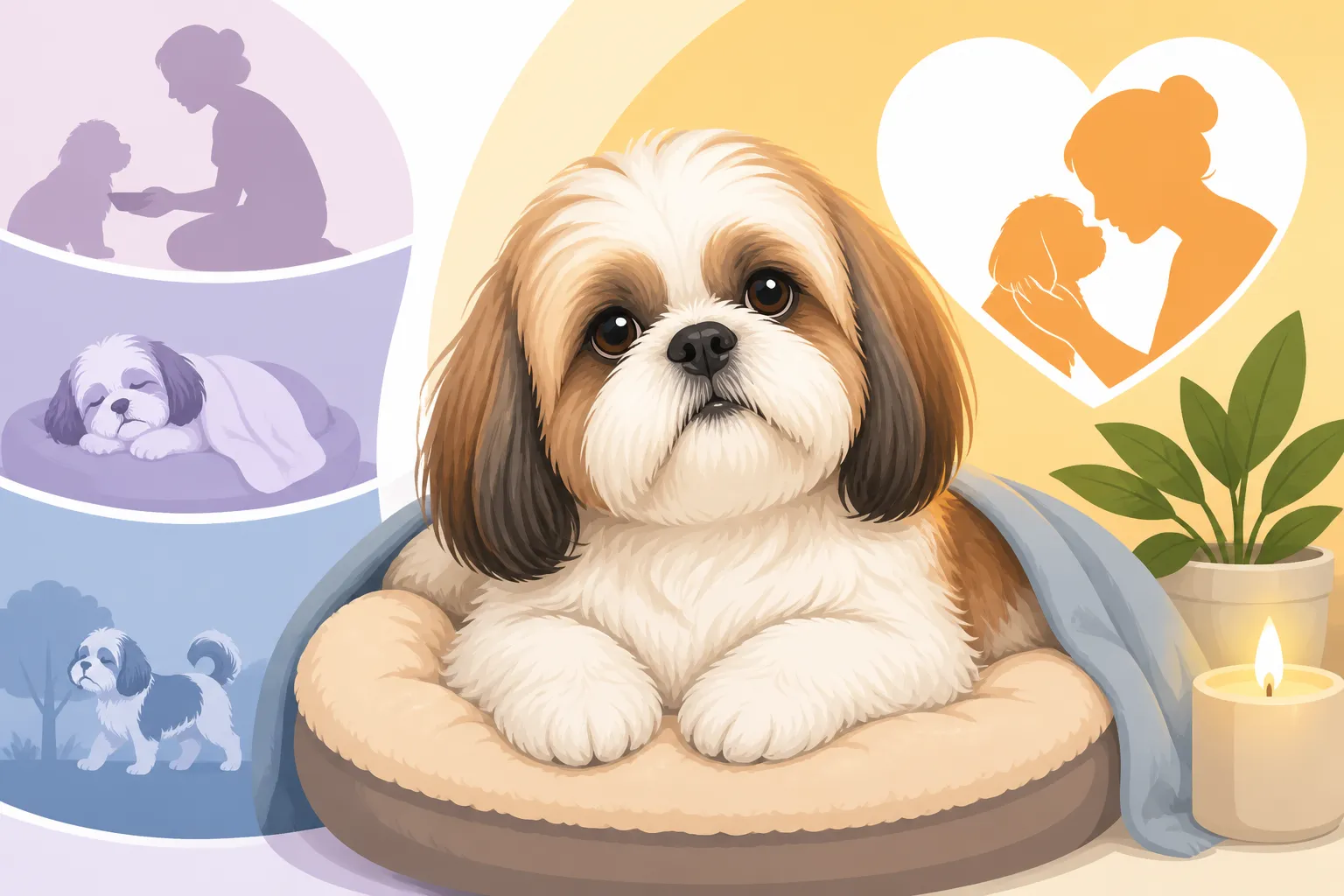
Shih Tzus are companion dogs through and through; they thrive on human interaction. For a senior Shih Tzu, this companionship becomes even more vital. Spend quality time with them, offering gentle petting, soft words, and simply being present. Lying on the floor with them, watching TV, or having them nap on your lap can provide immense comfort. Familiar sounds, smells, and routines offer a sense of security when their senses might be failing.
Be mindful of changes in their interaction with children or other pets. A senior Shih Tzu might have less patience for boisterous play and may need a quiet, safe space to retreat to. Teaching children how to approach and interact gently with an older dog is crucial for everyone's safety and comfort. The goal is to ensure they feel loved and secure, without being overwhelmed or put in a situation where they feel threatened or vulnerable. This continuous comfort and presence contributes significantly to their emotional well-being.
Evaluating the Hard Questions
As a Shih Tzu approaches their last year, difficult questions inevitably arise. How do you know when it’s truly time to say goodbye? This is perhaps the hardest decision any pet owner faces. Vets often use quality of life scales, which consider factors like pain, appetite, hydration, hygiene, happiness, mobility, and the presence of good days versus bad days. Be honest with yourself and your vet about these indicators. It's about shifting focus from prolonging life at all costs to ensuring comfort and dignity.
This evaluation is not a one-time event but an ongoing process. Keep a journal of your Shih Tzu's good days and bad days, noting their energy levels, enthusiasm for food, and overall demeanor. This objective record can be invaluable when emotions cloud your judgment. Discuss openly with your veterinarian and family members about your Shih Tzu's current condition and prognosis. Remember, prioritizing their comfort means sometimes making the agonizing choice to let them go before their suffering becomes unbearable. Organizations like Healthy Paws can also offer resources for end-of-life care planning, easing some of the financial and logistical burdens during this tough time.
When Daily Joys Fade: Making Difficult Decisions
There comes a point in every pet owner's journey where they face the ultimate decision regarding their beloved companion's quality of life. This is perhaps the most challenging aspect of owning a senior Shih Tzu, and it requires immense courage, selflessness, and the ability to put their needs above your own grief.
Understanding a "Good Day" Versus a "Bad Day"
One of the most practical ways to assess your Shih Tzu's quality of life is by keeping a daily log of their good days versus their bad days. A "good day" might involve them eating a favorite treat, showing interest in a gentle game, seeking out your affection, or simply enjoying a peaceful nap in the sun. A "bad day," on the other hand, could be marked by a refusal to eat, constant pain despite medication, extreme lethargy, disorientation, or an inability to control their bladder and bowels.
It's natural to cling to the good moments and minimize the bad ones, especially when you love them so much. However, an objective record can help you see the bigger picture. When the bad days consistently outnumber the good ones, and their suffering outweighs their moments of joy, it's a clear signal that their quality of life has severely diminished. This isn't about one bad day; it's about a consistent trend of decline where interventions no longer bring significant comfort. Understanding Deciding for a Shih Tzu at Fifteen involves grappling with these painful but necessary assessments.
Supporting Your Shih Tzu Through Their Final Moments
Once the difficult decision has been made, supporting your Shih Tzu through their final moments is an act of profound love. Many veterinarians now offer in-home euthanasia, which allows your dog to pass peacefully in the comfort and familiarity of their own home, surrounded by loved ones. This reduces stress for both your pet and your family, avoiding the anxiety of a clinic visit.
During this time, focus on providing comfort and reassurance. Hold them gently, speak in soft, loving tones, and let them know they are safe and cherished. Your vet will explain the process, ensuring you understand each step. It's a serene and dignified way to say goodbye, offering a final gift of peace to a loyal companion. Many clinics and pet bereavement services also offer support and guidance through the grieving process.
The Emotional Toll on Owners
Losing a pet, especially one that has been a constant source of joy and companionship for over a decade, is an experience filled with deep grief. It's important to acknowledge that this grief is real and valid. Don't let anyone tell you it's "just a dog"; your Shih Tzu was a beloved family member. The emptiness in your home, the absence of their familiar presence, can be overwhelming.
Allow yourself to grieve, and don't be afraid to seek support. Talk to friends or family who understand, join pet bereavement support groups, or consider counseling. Remembering the happy times, creating a memorial, or planting a tree in their honor can also be part of the healing process. While the pain of their absence is profound, the love and joy they brought into your life will endure. Planning a Shih Tzu's final months can be agonizing, but it's a testament to the unconditional love you share.
| Quality of Life Factor | Score (1-5, 5 being excellent) | Notes/Observations |
|---|---|---|
| Pain Level | Is your Shih Tzu on pain meds? Are they still limping, yelping, or showing reluctance to move? Do they pant excessively? | |
| Appetite | Does your Shih Tzu eat their meals with enthusiasm? Are they picky? Skipping meals? Consistently losing weight? | |
| Hydration | Does your Shih Tzu drink enough water? Are their gums moist? Is skin tenting present (check with vet)? | |
| Hygiene | Can your Shih Tzu maintain cleanliness? Are they having frequent accidents? Are they able to groom themselves (even with help)? | |
| Happiness/Joy | Does your Shih Tzu show interest in their favorite activities? Do they seek interaction? Do they greet you with enthusiasm? Do they seem alert or withdrawn? | |
| Mobility | Can your Shih Tzu walk, stand, and move around without significant struggle? Do they need assistance to get up or move? | |
| Good Days vs. Bad Days | Over the last week, how many days were genuinely good? How many were clearly bad? When do the bad days start to outnumber the good ones? | |
| Overall Score | Total score out of 35. A score below 15 often indicates poor quality of life. |
Disclaimer
This article is intended for informational purposes only and is not a substitute for professional veterinary advice. Always consult with a qualified veterinarian regarding any health concerns or before making any decisions about your Shih Tzu's care. Individual situations may vary, and a professional can provide tailored recommendations.