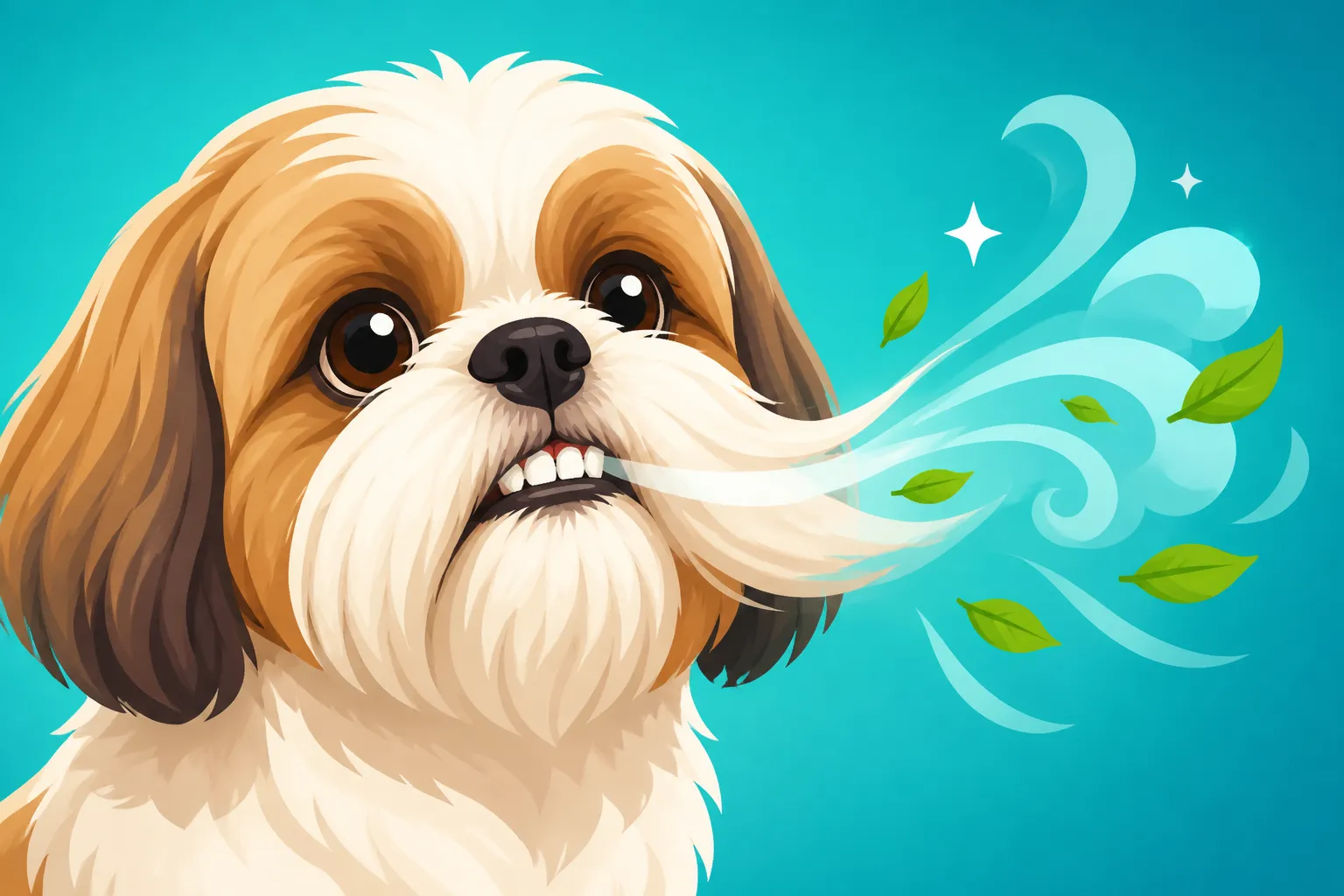
Breath From a Shih Tzu Beard Against Its Teeth
It's incredibly frustrating when your sweet Shih Tzu greets you with breath that could knock a buzzard off a outhouse, and it's even more concerning when you realize that their beautiful, flowing beard might actually be part of the problem. That long, luxurious hair, which is such a hallmark of the breed, can unfortunately act as a breeding ground for bacteria and trapped food particles, pressing right up against those tiny teeth and gums. This guide is here to help you understand precisely why this happens and, more importantly, what practical, empathetic steps you can take to tackle your Shih Tzu's bad breath, not just masking it, but getting to the root of the issue for their comfort and your peace of mind.
The Unseen Battle Under the Beard
For a Shih Tzu, that magnificent flowing beard isn't just a beauty statement; it's also a surprisingly effective trap. While we adore their adorable, whiskered faces, the reality is that the hair around their mouth, often damp from drinking and touching the floor, creates a microclimate that can contribute significantly to oral hygiene issues. It's an area many owners overlook, assuming bad breath is just "a dog thing," but for our flat-faced friends, it's often a direct consequence of their unique anatomy and a signal of deeper concerns.
The Perfect Storm of Moisture and Bacteria
Think about it: every time your Shih Tzu takes a sip of water, their beard gets wet. Every time they eat, tiny food particles can cling to those strands of hair. And because of their brachycephalic (flat-faced) structure, their muzzle is often tucked right into their food and water bowls, ensuring maximum contact. This constant dampness, combined with residual food, creates an ideal, warm, and moist environment right around their mouth and teeth. It’s like a tiny, furry greenhouse for bacteria to thrive.
These bacteria aren't just content to sit on the hair; they rapidly multiply and transfer directly to the tooth surfaces and gum line. The prolonged contact of wet, food-laden hair against the sensitive gum tissue can also cause irritation, making the area more susceptible to inflammation. It’s a vicious cycle where the beard, meant to be a crowning glory, inadvertently becomes a vector for oral health challenges, making that "doggy breath" far more potent and persistent than it needs to be.
The Direct Link to Dental Disease
This continuous bacterial presence, fostered by the beard's environment, is a direct accelerator for the development of plaque and tartar. Plaque is a sticky film of bacteria that forms on teeth; if not removed daily, it hardens into tartar, a calcified substance that adheres firmly to the tooth surface. Once tartar forms, it provides an even rougher surface for more plaque to accumulate, pushing the gum line away from the teeth and creating pockets where infection can fester.
This progression leads straight into gingivitis, which is inflammation of the gums, and if left unchecked, it escalates into full-blown periodontal disease. This is a painful, destructive infection of the tissues surrounding the teeth, capable of causing tooth loss and severe discomfort. The constant friction and bacterial load from the beard against the gums exacerbate this process. It's why many Shih Tzu owners are shocked to learn their dog has significant dental disease at a relatively young age. Conditions like Tartar on Shih Tzu Teeth Before Age Three are a common concern, and the beard certainly doesn't help. The truth is, the long hair, combined with the breed's predisposed crowded mouth, means an uphill battle for oral hygiene unless proactive steps are taken.
Beyond the Beard: What Bad Breath Truly Signals
While the Shih Tzu's beard can certainly contribute to surface-level odors and exacerbate oral hygiene issues, bad breath (or halitosis) is almost always a sign of a deeper underlying problem. It’s not just an unpleasant smell; it’s a red flag that your furry friend needs a closer look, often from a veterinarian. Dismissing it as normal "dog breath" can mean missing critical health concerns that, if left unaddressed, can lead to significant pain and systemic disease.
Periodontal Disease: The Leading Culprit
Without a doubt, periodontal disease is the most common cause of bad breath in Shih Tzus, and indeed, in most dogs. This isn't just about a little plaque; it's a severe bacterial infection that affects the gums, bone, and supporting structures of the teeth. As the disease progresses, bacteria create toxins that destroy gum tissue and bone. This decay, combined with the presence of pus and infected tissues, emits a truly foul odor. It's a smell that goes beyond mere "dog breath" and often becomes truly offensive.
The impact of Periodontal Disease in a Five Year Old Shih Tzu can be devastating. Untreated periodontal disease can cause chronic pain, difficulty eating, and even lead to dangerous systemic infections. The bacteria from the mouth can enter the bloodstream and travel to vital organs like the heart, kidneys, and liver, contributing to more severe health problems down the line. It's a silent disease because dogs are masters at hiding pain, but their breath is often one of the earliest and most obvious indicators that something is seriously wrong in their mouth. Regular veterinary check-ups are crucial, as only a vet can properly diagnose and recommend treatment for this pervasive issue, which often requires professional dental cleaning under anesthesia.
Other Oral Health Concerns
Sometimes, the culprit behind bad breath isn't just rampant periodontal disease, but other specific issues within the mouth. Shih Tzus, with their small, often crowded jaws, are particularly prone to certain conditions.
One common problem is Retained Puppy Teeth in a Shih Tzu. Unlike humans, whose baby teeth fall out neatly, a Shih Tzu's puppy teeth sometimes don't make way for the adult teeth. This means both sets of teeth can be present in the same spot, creating incredibly tight spaces where food particles get trapped and bacteria flourish, leading to accelerated plaque buildup and gum inflammation. This is a prime source of bad breath and early dental disease.
Beyond teeth, your Shih Tzu's bad breath could stem from an oral mass or tumor. Even benign growths can trap food and bacteria, leading to odor. Less common, but still possible, are foreign objects lodged in the mouth, such as splinters from chew toys or fragments of bone, which can cause infection and an offensive smell. It’s why a thorough oral examination by a vet, which sometimes requires sedation, is so vital when dealing with persistent bad breath. They can spot these hidden issues that you might never see during a quick peek.
Systemic Issues Reflected in Breath
While dental disease accounts for the vast majority of bad breath cases, it's important to be aware that halitosis can occasionally be a symptom of a systemic health problem, meaning an issue affecting the dog's entire body. These cases are less common but are critical to identify.
For example, a sweet, fruity odor to your Shih Tzu's breath can be a sign of diabetes, particularly if accompanied by increased thirst and urination. This smell is due to the body breaking down fat for energy, producing ketones. Conversely, a foul, ammonia-like odor might point to kidney disease, as the kidneys fail to filter waste products effectively, causing them to accumulate and be expelled through the breath. You might also notice Excessive Thirst as the First Kidney Sign in such cases. A particularly musty or "mousy" smell could even indicate liver disease.
These conditions underscore why persistent bad breath should always prompt a veterinary visit. While it's most often dental, ruling out these serious underlying health issues is incredibly important for your Shih Tzu's long-term well-being. Your vet will perform a comprehensive physical exam, and often recommend bloodwork and urinalysis, to get a full picture of your dog's health beyond just their mouth. Investing in pet insurance, such as a comprehensive plan from Healthy Paws, can be incredibly helpful for covering these diagnostic tests and any subsequent treatments for systemic diseases that might arise.
Taking Action: Steps to Combat Shih Tzu Bad Breath
Dealing with your Shih Tzu's bad breath effectively requires a multi-pronged approach that tackles both the contributing factors of their unique anatomy and any underlying health issues. It's not about quick fixes but consistent, loving care that prioritizes their oral health. Remember, preventing dental disease is always easier, and less painful, than treating it once it has taken hold.
Grooming the Beard for Better Hygiene
One of the most direct ways to mitigate the beard's contribution to bad breath is through diligent grooming. This isn't just about aesthetics; it's about creating a cleaner, drier environment around your Shih Tzu's mouth.
Regular trimming of the beard hair, especially around the mouth and chin, can make a significant difference. You might consider a slightly shorter cut in this area during grooming sessions to prevent the hair from constantly touching food, water, and eventually, their teeth. Discussing this with your professional groomer is key; they can advise on appropriate lengths and styles that are both functional and flattering, like the ever-popular "puppy cut" which keeps the facial hair shorter and more manageable. While it might seem daunting, learning to give your Shih Tzu a quick Trimming Around a Shih Tzu's Mouth can be immensely helpful between professional grooms.
Beyond trimming, daily cleaning of the beard is paramount. After every meal and drink, gently wipe your Shih Tzu's beard and muzzle with a damp cloth or a pet-specific facial wipe. This removes trapped food particles, moisture, and bacteria before they have a chance to proliferate. For Shih Tzus prone to tear staining, using specialized tear stain wipes can also help keep the surrounding areas clean and reduce bacterial buildup. Some owners even use snoods – a kind of fabric tube that goes over the dog's ears and beard – during meal times to keep the beard completely out of the food bowl. This simple step, combined with regular face cleaning as outlined in Washing a Shih Tzu Face After Every Meal, can dramatically reduce the beard's impact on oral hygiene.
Implementing a Robust Dental Care Routine
Grooming the beard is only one piece of the puzzle; the cornerstone of fresh breath and good oral health is a consistent, proactive dental care routine. This is where most of the hard work, and the biggest payoff, happens.
The gold standard for at-home dental care is daily toothbrushing. Yes, daily. It might sound like a chore, but even a few minutes each day using a dog-specific toothbrush and enzymatic toothpaste can effectively remove plaque before it hardens into tartar. Start slowly, making it a positive experience with treats and praise, gradually increasing the time you spend on each tooth. Focus on the outside surfaces of the teeth, especially where they meet the gum line. For tips on navigating their small mouths, check out Daily Toothbrushing in a Crowded Shih Tzu Jaw.
While brushing is king, other tools can supplement your efforts. Dental chews and water additives can help reduce plaque, but they are not a substitute for brushing. Always choose dental chews appropriate for your Shih Tzu's size and chewing style to prevent choking or tooth damage, and look for products approved by the Veterinary Oral Health Council (VOHC). Remember, some chews can be high in calories, so factor them into your dog's daily intake, especially for a small breed where weight gain is easily hidden by a full coat.
Finally, nothing replaces regular professional dental cleanings by your veterinarian. These cleanings, performed under anesthesia, allow the vet to thoroughly scale away tartar above and below the gum line, polish teeth, and identify any issues like cavities, broken teeth, or advanced periodontal disease that require extraction. Your vet will advise you on How Often a Shih Tzu Needs a Dental, which can range from annually to every two or three years, depending on your dog's individual needs and your at-home care efforts. Many owners wonder about the costs involved; having pet insurance, such as a plan from Healthy Paws, can be incredibly beneficial for managing the expenses associated with these essential procedures, especially considering the breed's predisposition to dental issues.
Dietary Considerations and Healthy Habits
What your Shih Tzu eats also plays a role in their oral health and can influence their breath. While diet alone usually isn't enough to solve severe bad breath, making smart choices can support a healthier mouth.
Choosing a kibble with a size and shape appropriate for a Shih Tzu's small mouth and often undershot bite is important. Some kibbles are designed to mechanically scrub the teeth as the dog chews, which can help reduce plaque buildup. However, for a Shih Tzu with a crowded mouth, the efficacy of this can be limited. Avoid feeding excessive table scraps, particularly sugary or starchy human foods, as these can stick to teeth and contribute to bacterial growth and decay.
In some cases of persistent bad breath not solely linked to dental disease, your vet might recommend a specific dental diet. These prescription diets often have a unique fiber matrix that helps clean teeth and ingredients that inhibit plaque formation. Always discuss any dietary changes with your veterinarian, especially if your Shih Tzu has other health conditions. Ensuring adequate hydration is also important, as saliva helps wash away food particles and bacteria; encourage your Shih Tzu to drink plenty of fresh water. For those managing more complex health challenges, like kidney issues, specialized Kidney Diets for a Shih Tzu will be recommended by your vet, and these diets, while addressing systemic health, can sometimes have indirect effects on breath as well.
Causes of Bad Breath in Shih Tzus: A Quick Overview
Here's a quick summary of the common causes of bad breath in Shih Tzus and the primary solutions:
| Cause of Bad Breath | Primary Source/Description | Key Solutions |
|---|---|---|
| Periodontal Disease | Bacterial infection of gums, bone, and supporting tooth structures due to plaque/tartar buildup. | Daily toothbrushing, professional dental cleanings, vet-prescribed treatments. |
| Retained Puppy Teeth | Puppy teeth fail to fall out, crowding the mouth and trapping food/bacteria. | Veterinary extraction of retained teeth. |
| Beard Hair & Moisture Trapping | Long facial hair traps food, moisture, and bacteria against teeth and gums. | Regular beard trimming, daily facial wiping, snoods during meals. |
| Oral Masses/Tumors | Growths in the mouth that can harbor bacteria or indicate underlying issues. | Veterinary examination, biopsy, and surgical removal if necessary. |
| Foreign Objects | Splinters, bone fragments, or other objects lodged in the mouth causing infection. | Veterinary removal of foreign object. |
| Kidney Disease | Kidneys fail to filter waste, leading to ammonia-like breath. | Veterinary diagnosis, dietary management, medication. |
| Diabetes | Body struggles to process sugar, leading to sweet, fruity breath. | Veterinary diagnosis, insulin therapy, dietary changes. |
| Liver Disease | Impaired liver function, causing a musty or "mousy" odor to the breath. | Veterinary diagnosis, medication, dietary support. |
Taking a proactive stance with regular grooming, diligent at-home dental care, and routine veterinary check-ups is the very best way to ensure your Shih Tzu's breath is as sweet as their disposition.
Disclaimer
The information provided in this article is for general informational purposes only and is not a substitute for professional veterinary advice, diagnosis, or treatment. Always seek the advice of your veterinarian or other qualified health provider with any questions you may have regarding a medical condition or the health and welfare of your pet. Never disregard professional veterinary advice or delay in seeking it because of something you have read in this article.