Daily Toothbrushing in a Crowded Shih Tzu Jaw
One of the most disheartening struggles for any Shih Tzu owner is trying to navigate the unique challenges of their dog's oral hygiene. That adorable flat face and undershot jaw, while giving them their signature charm, also creates a crowded dental landscape prone to plaque and tartar buildup from a surprisingly young age. This comprehensive guide is here to walk you through the realities of daily toothbrushing, offering practical advice and empathetic understanding for keeping your Shih Tzu's smile healthy and bright for years to come.
The Unique Shih Tzu Mouth: Why Dental Care is So Challenging
It's easy to look at your Shih Tzu's sweet face and not immediately think about the complex anatomy hidden beneath that lovely beard. But the truth is, their brachycephalic (flat-faced) structure and often undershot jaw create a perfect storm for dental problems. Unlike dogs with longer muzzles, the teeth in a Shih Tzu's mouth are often packed together much more tightly, leading to less natural cleaning action and a greater propensity for food particles and bacteria to get trapped.
Understanding the Crowded Jaw Structure
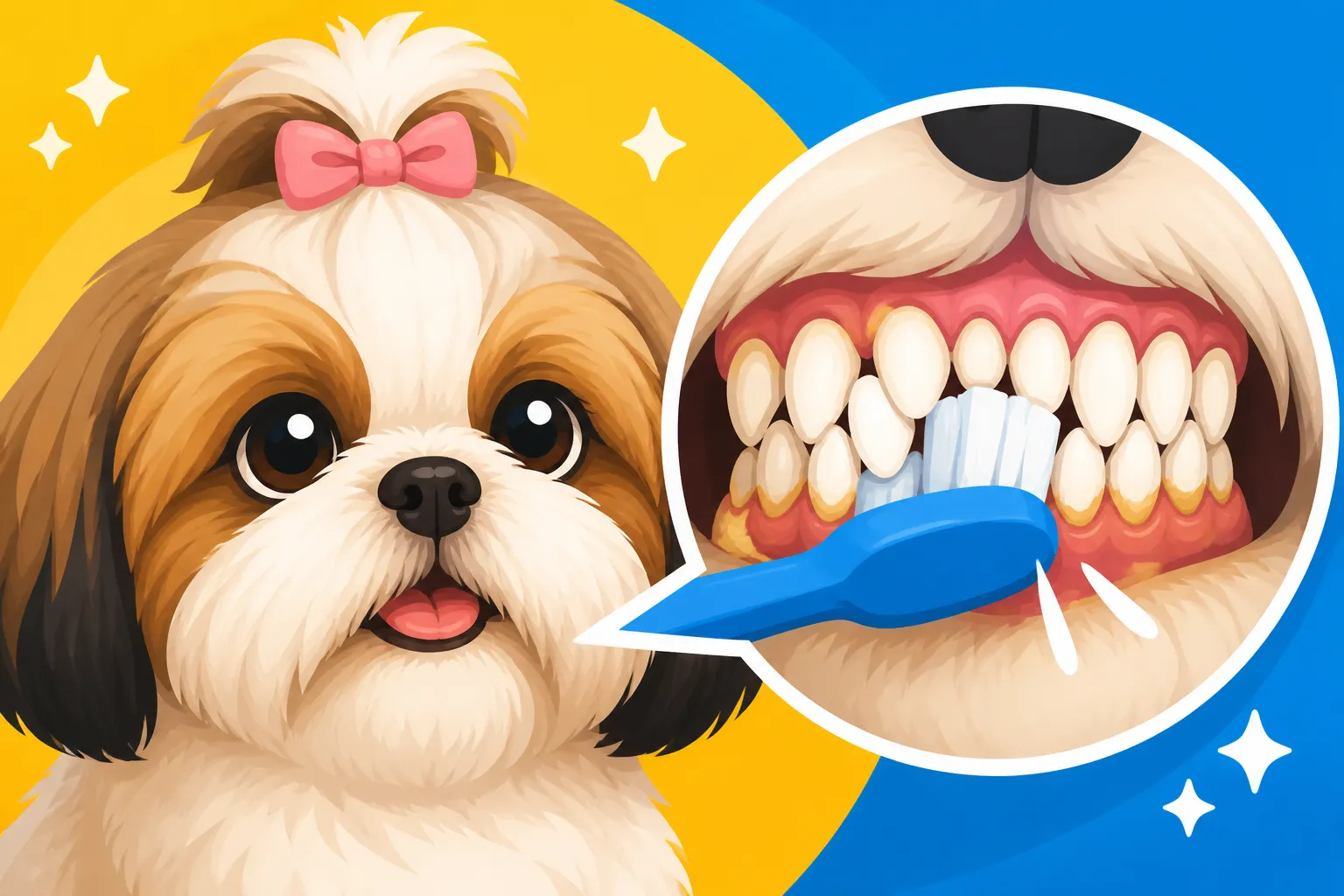
Imagine trying to fit 42 pieces of luggage into a carry-on bag designed for 20. That's essentially what's happening inside your Shih Tzu's mouth. Adult dogs, regardless of size, are meant to have 42 permanent teeth, but the Shih Tzu's compacted jaw simply doesn't offer enough real estate for them all to sit neatly. This overcrowding results in teeth that are often rotated, misaligned, or even growing into each other. These tight spaces are incredibly difficult for a dog's tongue or even crunchy kibble to clean effectively.
This dental overcrowding means that plaque and tartar begin to accumulate almost immediately, often starting with the molars and canines. Without intervention, this buildup quickly hardens into tartar, which cannot be removed by brushing alone. It’s a silent battle that often begins long before a Shih Tzu shows any outward signs of discomfort, making proactive care absolutely vital. We see this issue reflected in the heartbreaking statistic that Shih Tzu Dental Disease at 13 Percent of the Breed suffer from these issues.
The Problem of Retained Puppy Teeth
Another common issue stemming from the crowded jaw is the retention of deciduous, or "puppy," teeth. In many breeds, as the adult teeth erupt, they push out the puppy teeth naturally. However, in Shih Tzus, due to the lack of space and sometimes incorrect alignment, the adult teeth often come in right alongside the puppy teeth, rather than replacing them. This creates a double row of teeth, which is a significant problem.
When puppy teeth are retained, they provide even more surfaces and crevices for food and bacteria to cling to. This accelerates plaque and tartar formation, often leading to periodontal disease starting at a very young age. It's not uncommon for a Shih Tzu puppy to require extractions of retained puppy teeth during their spay or neuter surgery, highlighting just how early these dental concerns can manifest. Your vet will often check for Retained Puppy Teeth in a Shih Tzu during early puppy checks.
The Consequences of Neglecting Shih Tzu Dental Health
Ignoring your Shih Tzu's dental health isn't just about bad breath; it's about their overall well-being and lifespan. Dental disease is insidious, slowly eroding not just their teeth and gums but potentially impacting their vital organs. It's a preventable condition, yet it remains one of the most common health problems veterinarians see.
Periodontal Disease and Its Stages
Periodontal disease is a progressive inflammation and infection of the tissues surrounding the teeth. It starts with gingivitis, where plaque buildup irritates the gums, making them red and swollen. If this isn't addressed, it progresses. The plaque hardens into tartar, which then starts to push under the gumline, creating pockets where more bacteria can thrive. This is where the real damage begins.
As the infection deepens, it attacks the bone and ligaments supporting the teeth, leading to Gum Recession in a Shih Tzu and eventually tooth mobility. In advanced stages, teeth can become so loose they fall out, or may require painful extractions. The chronic pain from severe periodontal disease can significantly impact your Shih Tzu's quality of life, making eating uncomfortable and leading to behavioral changes.
Systemic Health Risks from Oral Bacteria
Perhaps the most alarming consequence of untreated dental disease is its impact on your Shih Tzu's entire body. The bacteria from infected gums don't stay confined to the mouth. They can enter the bloodstream, traveling to and infecting vital organs such as the heart, kidneys, and liver. This is a very real, tangible risk that every Shih Tzu owner needs to be aware of.
For example, bacterial endocarditis, an infection of the heart valves, can result from oral bacteria migrating to the heart. Kidney and liver function can also be compromised by this constant influx of bacteria. It's a stark reminder that what starts as a seemingly small issue like Tartar on Shih Tzu Teeth Before Age Three can escalate into life-threatening systemic illness, underlining the critical importance of a proactive approach to dental care.
Getting Started: Essential Tools for Shih Tzu Toothbrushing
Before you even think about gently lifting your Shih Tzu's lip, you need to gather the right tools. Just like with any grooming task, having the correct equipment makes the process much smoother and more effective, both for you and your furry friend. Don't just grab a human toothbrush; canine dental care requires specialized items.
Choosing the Right Toothbrush for a Small Mouth
Finding a toothbrush that fits comfortably in a Shih Tzu's small, crowded mouth is key. You'll want one that's proportionate to their size, with soft bristles to avoid irritating their delicate gums. There are several options designed specifically for small dogs:
- Finger Brushes: These slip over your finger and are excellent for beginners. They allow you to feel the teeth and gums directly, giving you good control. They're often made of soft silicone.
- Small, Angled Toothbrushes: These look like miniature human toothbrushes, often with two heads or an angled design to reach those tricky back teeth. Brands like Virbac and CET offer great options. Look for ones marketed for "toy breeds" or "small dogs."
- Triple-Headed Brushes: Some innovative brushes have three heads, designed to clean the top, front, and back of the tooth simultaneously. While they might seem bulky, some Shih Tzu owners find them very efficient once their dog is accustomed to brushing.
You might find a great selection of these on sites like Chewy or Amazon, allowing you to compare different styles and find what works best for your dog's unique mouth shape and your comfort level. Experiment with a couple of different types to see which your Shih Tzu tolerates best.
Selecting Dog-Specific Toothpaste
This is a non-negotiable: never use human toothpaste on your Shih Tzu. Human toothpaste contains fluoride and other ingredients that are toxic to dogs if swallowed, and they will swallow it. Dog-specific toothpastes, on the other hand, are formulated to be safe for ingestion and often come in flavors appealing to dogs, like poultry, beef, or peanut butter.
These enzymatic toothpastes work wonders. The enzymes help break down plaque and bacteria, even with just a gentle scrub. They are a crucial component of effective toothbrushing. Brands like Virbac CET, Petsmile, and Arm & Hammer for Pets are widely available and well-regarded. When you're browsing for these, you'll likely find a good range on pet supply sites like Chewy, offering various flavors to entice even the pickiest Shih Tzus.
Other Helpful Dental Accessories
While a toothbrush and toothpaste are your primary weapons, a few other items can make the process easier and more effective:
- Dental Wipes: These are thin, abrasive wipes that you can wrap around your finger to quickly wipe down teeth. They're not a substitute for brushing, but they're great for a quick clean on days when a full brush isn't possible, or as an introduction to oral handling for puppies.
- Dental Sprays/Gels: Some products can be sprayed directly onto the teeth or applied as a gel. These often contain enzymes or other plaque-reducing agents. Again, they supplement brushing, rather than replace it.
- Dental Chews: While not a primary cleaning method, certain dental chews can help reduce plaque and tartar mechanically. Always choose chews appropriate for your Shih Tzu's size and chewing style, and supervise their use. Look for options approved by veterinary oral health councils. Just remember that these are treats, and need to be factored into your Daily Calories for a Twelve Pound Shih Tzu to prevent weight gain.
Having these tools ready means you can approach dental care with confidence, prepared for a successful (and hopefully pleasant) experience for both you and your beloved Shih Tzu.
Mastering the Technique: Step-by-Step Daily Brushing
Once you have your tools, the next step is to actually do the brushing. This isn't something you can rush; it requires patience, a gentle touch, and consistency. Daily brushing is the gold standard for preventing dental disease in Shih Tzus.
Introducing the Brush and Toothpaste
Don't just stick a toothbrush in your dog's mouth on day one. Start slowly. Let your Shih Tzu sniff and investigate the toothbrush and the tube of dog toothpaste. Put a tiny dab of toothpaste on your finger and let them lick it off. Many dogs find the flavors appealing, which is a huge advantage. Repeat this for a few days until they associate the toothpaste with a tasty treat.
Next, gently rub the toothpaste on their outer gums and teeth with your finger. This gets them used to the sensation of something in their mouth and the feeling of their teeth being touched. Do this for a few seconds at a time, gradually increasing the duration. The goal here is to create a positive association, not to achieve a deep clean yet. Remember, Why Harsh Corrections Shut a Shih Tzu Down – keep it positive and short.
The Gentle Brushing Method
Once your Shih Tzu is comfortable with your finger and the toothpaste, introduce the brush. Again, start slowly. Lift their lip gently and aim to brush just a few teeth on the outside first. The outer surfaces of the teeth are where most plaque accumulates, and they are easier to reach.
Here’s a step-by-step approach:
- Choose a Calm Time: Pick a time when your Shih Tzu is relaxed, perhaps when they're settled on your lap for cuddles.
- Position Yourself: You might sit on the floor with your Shih Tzu between your legs, or have them sit on your lap, facing away from you, so you can reach their mouth from behind.
- Lift the Lip: Gently lift their upper lip to expose the outer surfaces of their teeth and gums.
- Angle the Brush: Hold the toothbrush at a 45-degree angle to the gumline, aiming the bristles towards the gum. This helps clean the critical area where the tooth meets the gum, where plaque builds up first.
- Gentle Circles: Use small, gentle circular motions to brush the teeth. Focus on one or two teeth at a time.
- Focus on Outer Surfaces: Initially, concentrate on the outer surfaces of the teeth, especially the canines and molars, as these are most prone to tartar. Don't worry too much about the inside surfaces at first, as a dog's tongue usually keeps them relatively cleaner.
- Short Sessions: Aim for just 30 seconds to a minute initially, gradually increasing to two minutes over time. Two Minutes of Shih Tzu Tooth Brushing is an excellent goal.
- Praise and Reward: Lavishly praise your Shih Tzu throughout the process and immediately offer a high-value treat afterwards. Make it the best part of their day!
Consistency is far more important than intensity. A short, positive daily session is much more effective than a long, stressful one once a week.
What to Expect and Common Challenges
It's important to set realistic expectations. Your Shih Tzu might not love brushing right away, and that's perfectly normal. Some common challenges you might face include:
- Resistance: Your Shih Tzu might try to pull away, paw at the brush, or even gently mouth your hand. Stay calm, don't force it, and go back to a step they were comfortable with.
- Difficulty Reaching Back Teeth: The back molars are often the hardest to reach. This is where a double-headed or angled brush can be really helpful. With their flat faces, it can be tricky, but persistence pays off.
- Blood on the Brush: If you see a tiny bit of blood on the brush when you start, especially if your dog already has some gingivitis, don't panic. This often indicates inflamed gums that need cleaning. However, if there's significant bleeding or it persists, consult your vet.
Be patient. Every Shih Tzu is different. It might take weeks or even months to build up to a full two-minute session. Celebrate every small victory, like them accepting the brush in their mouth for a few seconds. This is a marathon, not a sprint, and your Shih Tzu will thank you for it in the long run.
Making it a Positive Experience: Training and Patience
Successful daily toothbrushing isn't just about technique; it's about building trust and making it a genuinely positive experience for your Shih Tzu. If it becomes a battle, you'll both dread it, and consistency will suffer. Remember, your Shih Tzu was bred purely as a companion, and they thrive on positive interaction and gentle handling.
Positive Reinforcement and Rewards
This is your secret weapon. Every single step of the dental care process should be paired with positive reinforcement. Use high-value treats – something your Shih Tzu absolutely adores – as a reward immediately after even the smallest cooperation. This could be a tiny piece of cooked chicken, cheese, or a specifically designed dental treat. The goal is for them to associate the toothbrush, toothpaste, and the act of brushing with wonderful things.
When you're first introducing the concept, use lots of verbal praise in a happy, calm tone. "Good dog! Yes! Such a good boy!" can go a long way. After each successful short session, give that fantastic treat. Over time, your Shih Tzu will anticipate the reward and be much more willing to participate. Even when working on Teaching a Shih Tzu Puppy to Lie on Its Side for grooming, the principle of positive association is the same.
Gradual Desensitization and Counter-Conditioning
If your Shih Tzu is particularly resistant, you'll need to employ gradual desensitization and counter-conditioning. This means slowly exposing them to the triggers of discomfort (like having their mouth handled) while pairing it with something positive, gradually changing their emotional response.
- Start with Touch: Begin by simply touching their muzzle and lips for a second, then immediately reward.
- Increase Duration: Gradually increase the duration of the touch, then move to gently lifting their lip, always rewarding.
- Introduce Tools: Once they're comfortable with mouth handling, introduce the brush by letting them sniff it, then touch their cheek with it, then briefly touch a tooth, each step followed by a reward.
- Short, Frequent Sessions: Keep these training sessions very brief – just a few seconds, several times a day if possible, rather than one long, potentially stressful session. The goal is to avoid overwhelming them.
Never scold or punish your Shih Tzu for resisting. This will only create negative associations and make future attempts even harder. Patience and positive reinforcement are paramount. If you find your Shih Tzu is still resisting after weeks of patient work, a professional dog trainer or your vet may be able to offer additional tips or demonstrate techniques that work for your specific dog.
Consistency is Key
Just like with any training, consistency is everything. Daily brushing isn't just about cleaning; it's about establishing a routine that your Shih Tzu comes to expect. If you skip days, or only brush when you remember, your dog won't understand the routine, and they'll be more likely to resist.
Pick a consistent time each day – perhaps after their last meal, or before bed – and stick to it. This regular schedule helps your Shih Tzu mentally prepare for the activity. While life happens and you might miss a day here and there, strive for daily brushing. It builds a habit not just for them, but for you, ensuring that this vital aspect of their care doesn't fall by the wayside.
Beyond Brushing: Other Dental Care Strategies
While daily toothbrushing is the cornerstone of excellent oral hygiene for your Shih Tzu, it’s not the only piece of the puzzle. A holistic approach that includes diet, veterinary care, and even certain toys can further support their dental health.
The Role of Diet and Dental Chews
What your Shih Tzu eats can play a supporting role in dental health, though it's important to manage expectations. While some kibbles are marketed as "dental diets," the mechanical abrasion from kibble alone is rarely sufficient to prevent significant plaque and tartar buildup in a crowded Shih Tzu jaw. However, certain prescription dental diets are specifically formulated with larger, fibrous kibbles that scrape the tooth surface more effectively. Your vet can advise if one of these diets is appropriate.
Dental chews can also be helpful, but they come with caveats. Not all dental chews are created equal. Look for chews that are specifically designed to reduce plaque and tartar, often carrying a seal of approval from a veterinary dental health organization. Ensure the chew is appropriately sized for your Shih Tzu and supervise them to prevent choking or broken teeth. A good quality dental chew, given daily, can complement brushing, but it can't replace it. Brands like Greenies or OraVet chews are popular choices and can be found on Amazon.
Regular Veterinary Dental Check-ups
Even with diligent at-home care, regular professional dental check-ups are essential for your Shih Tzu. Your veterinarian will examine your dog's mouth during their annual wellness visit, looking for signs of Periodontal Disease in a Five Year Old Shih Tzu, retained puppy teeth, broken teeth, or other abnormalities. They can also advise on the frequency of professional cleanings.
Veterinary dental cleanings, performed under anesthesia, are crucial because they allow the vet to thoroughly scale away tartar above and below the gumline – something you cannot do at home. They also allow for comprehensive oral exams, including probing gum pockets and taking dental X-rays to assess the health of the tooth roots and jawbone. These cleanings are vital to address issues that at-home brushing can't, preventing the progression of disease that could lead to tooth loss or systemic health problems. For a small, flat-faced breed, it's also important to understand the unique considerations around Anesthesia on a Flat-Faced Shih Tzu.
Professional Dental Cleanings and Anesthesia Considerations
The thought of your small Shih Tzu undergoing anesthesia for a dental cleaning can be nerve-wracking, but it's a necessary and generally safe procedure when proper precautions are taken. Due to their brachycephalic nature, Shih Tzus have a higher risk for airway complications, making careful anesthetic monitoring even more critical.
During a professional cleaning:
- Pre-anesthetic Bloodwork: Your vet will typically recommend blood tests to assess organ function and ensure your Shih Tzu is healthy enough for anesthesia. This is a crucial step for Pre-Anesthetic Testing Before a Shih Tzu Dental.
- Intravenous Fluids: Your dog will likely be given IV fluids during the procedure to help maintain blood pressure and support organ function.
- Full Oral Exam and X-rays: Once under anesthesia, the vet can perform a thorough examination, probing gum pockets, and taking full-mouth X-rays to check for problems hidden beneath the gumline. This is vital because much of dental disease happens where you can't see it.
- Scaling and Polishing: Specialized ultrasonic and hand instruments are used to meticulously remove plaque and tartar from every tooth surface, both above and below the gumline. The teeth are then polished to smooth the surfaces, making it harder for new plaque to adhere.
- Extractions (if needed): If severe disease or damaged teeth are found, extractions may be necessary to relieve pain and eliminate sources of infection.
Many owners worry about the cost of these procedures, but think of it as an investment in your Shih Tzu's long-term health and comfort. Preventing advanced dental disease means avoiding more complicated and expensive treatments down the road, and ultimately helps your Shih Tzu enjoy a much healthier life, well into their senior years.
When to Call the Vet: Recognizing Serious Dental Issues
Even with the best at-home care, sometimes problems arise, or you might inherit a Shih Tzu with pre-existing dental issues. Knowing when to escalate your concerns to a professional is critical for their health and comfort. Don't wait until the problem is severe.
Signs Your Shih Tzu Needs a Dental Check-up
Your Shih Tzu might not be able to tell you they're in pain, but they often show subtle signs. Keep an eye out for any of these indicators, which suggest it's time for a vet visit:
- Bad Breath (Halitosis): While some "dog breath" is normal, truly foul, rotten-smelling breath is a strong indicator of bacterial infection and periodontal disease. It's often the first sign owners notice.
- Red, Swollen, or Bleeding Gums: Healthy gums should be pink and firm. Red, puffy, or bleeding gums are classic signs of gingivitis or more advanced periodontal disease. You might notice this when brushing or even see blood on their toys.
- Visible Tartar Buildup: If you see hard, yellowish-brown crusts on your Shih Tzu's teeth, especially along the gumline, that's tartar. It won't come off with brushing and requires professional scaling. For Shih Tzus, Why a Shih Tzu Mouth Cannot Hold Forty-Two Teeth means tartar accumulates even faster.
- Difficulty Eating or Chewing: If your Shih Tzu is dropping food, chewing on one side of their mouth, refusing hard kibble, or showing a decreased appetite, it could be due to dental pain. They might also appear to be extremely hungry but reluctant to eat their regular food.
- Pawing at the Mouth or Face Rubbing: While sometimes a normal itch, persistent pawing at the mouth or rubbing their face against furniture can indicate oral discomfort.
- Drooling: Excessive drooling, especially if it's bloody or purulent, is a definite red flag for dental issues.
- Loose or Missing Teeth: This is a sign of very advanced periodontal disease and indicates a severe problem requiring immediate veterinary attention. How Dental Disease Weakens a Shih Tzu Jaw can lead to this.
- Facial Swelling: Swelling under the eye or on the jaw can indicate a tooth root abscess, a painful and serious infection that needs urgent treatment.
If you notice any of these signs, don't delay. Early intervention can prevent further pain and more complex (and costly) treatments down the line.
Understanding the Importance of Veterinary Intervention
It's common for owners to feel a bit overwhelmed when faced with their Shih Tzu's dental issues, especially if they're severe. But veterinary intervention is crucial because:
- Pain Relief: Dental disease is incredibly painful. Your Shih Tzu might be stoic, but that doesn't mean they aren't suffering. A professional cleaning and any necessary extractions will alleviate this chronic pain.
- Stopping Disease Progression: At-home care can prevent buildup, but only professional scaling can remove hardened tartar and address disease below the gumline. This prevents the infection from worsening and causing further damage.
- Preventing Systemic Complications: By eliminating oral infection, you reduce the risk of bacteria spreading to the heart, kidneys, and liver, protecting your Shih Tzu's overall health and potentially extending their Shih Tzu Lifespan and the Thirteen Year Average.
- Expert Assessment: Vets and veterinary dentists have the expertise and equipment to diagnose subtle issues, like fractured tooth roots or deeply impacted teeth, that are impossible to spot at home.
Don't let fear or cost deter you from seeking professional help. Many vets offer payment plans or can discuss financing options. Investing in your Shih Tzu's dental health is one of the best ways to ensure they live a long, comfortable, and happy life.
Long-Term Benefits of Consistent Oral Care
Committing to daily toothbrushing and regular professional dental care for your Shih Tzu might seem like a lot of effort, but the long-term benefits are immeasurable. You're not just caring for their teeth; you're nurturing their entire well-being.
A Longer, Healthier, and More Comfortable Life
The most significant benefit of consistent oral care is the profound impact it has on your Shih Tzu's overall health and lifespan. By preventing periodontal disease and systemic infections, you dramatically reduce the risk of serious illnesses affecting their heart, kidneys, and liver. This means more quality years with your beloved companion, free from the chronic pain and discomfort that dental disease can inflict.
Imagine your Shih Tzu enjoying their food without pain, engaging in play with zest, and generally being a happier, more vibrant member of your family, well into their Senior Shih Tzu Care Past the Age of Ten years. This isn't just wishful thinking; it's a direct outcome of diligent oral hygiene. Preventing tooth loss also means they can continue to eat a variety of foods comfortably, maintaining good nutrition throughout their life.
Improved Quality of Life and Behavior
A dog suffering from dental pain might become withdrawn, irritable, or show a reduced desire to play or interact. They might snap when touched near their mouth, or simply seem "off." By eliminating this underlying pain, you'll likely see a noticeable improvement in their temperament and overall quality of life. They'll be more comfortable, happier, and their true, joyful Shih Tzu personality will shine through.
Think about how a toothache affects you – it's distracting, painful, and makes everything else a chore. Your Shih Tzu experiences the same. Consistent brushing and professional cleanings ensure they remain comfortable, allowing them to truly enjoy every cuddle, every walk, and every moment with you, without the constant dull ache or sharp pang of dental pain.
Financial Savings in the Long Run
While professional dental cleanings can seem like a significant expense upfront, consistent at-home care and regular veterinary check-ups can actually save you money in the long run. Preventing severe periodontal disease means avoiding costly extractions, advanced oral surgeries, and treatments for secondary systemic infections.
A single professional cleaning is often less expensive than a cleaning that requires multiple extractions, bone grafts, or prolonged antibiotic treatments. Furthermore, preventing dental disease from impacting vital organs means you're less likely to face expensive diagnostic tests and treatments for heart, kidney, or liver disease that might stem from an oral infection. It’s an investment in preventative care that pays dividends in both your Shih Tzu’s health and your wallet over their lifetime.
| Aspect | Neglected Dental Care | Consistent Dental Care |
|---|---|---|
| Breath | Foul, strong odor (halitosis) | Relatively fresh, mild dog breath |
| Gums | Red, swollen, bleeding, possibly receding | Pink, firm, healthy, no bleeding |
| Plaque/Tartar | Heavy buildup, visible yellow/brown crusts | Minimal plaque, little to no tartar buildup |
| Eating Habits | Dropping food, chewing on one side, reduced appetite, pain | Eats comfortably, maintains appetite and chewing habits |
| Pain Level | Chronic, often severe pain; may be stoic | Generally pain-free in the mouth |
| Systemic Health Risk | High risk for heart, kidney, liver disease from bacteria | Significantly reduced risk of systemic illness |
| Vet Visits | Frequent visits for severe issues, extractions, abscesses | Routine check-ups, preventative cleanings every 1-2 years |
| Long-Term Outlook | Shorter lifespan, reduced quality of life, costly treatments | Longer, healthier, happier life, managed costs over time |
Disclaimer
This article is for general informational purposes only and does not constitute professional advice. Laws, prices and regulations vary by location and change over time. Consult a qualified professional for guidance on your specific situation.