Keeping a Flat-Faced Shih Tzu Cool
One of the biggest concerns for any Shih Tzu parent, especially when the weather warms up, is keeping our beloved furry companions safe and comfortable. These adorable flat-faced dogs are incredibly susceptible to overheating, and it’s a terrifying thought to imagine your little lion dog struggling in the heat. This guide is here to walk you through exactly why your Shih Tzu struggles with high temperatures and, more importantly, what practical, everyday steps you can take to keep them wonderfully cool and happy, no matter the season.
Understanding Why Shih Tzus Overheat So Easily
It's not just a perception; Shih Tzus genuinely have a harder time regulating their body temperature than many other breeds. This isn't their fault, or yours, but a direct consequence of their unique physical characteristics. Knowing why they struggle is the first step in effectively protecting them. It helps us understand that what might be a mild day for us could be dangerously hot for them.
The Brachycephalic Predicament
Let's be blunt: that adorable flat face, technically known as a brachycephalic skull, is the primary culprit when it comes to overheating. Unlike dogs with longer snouts, Shih Tzus have very short nasal passages and often elongated soft palates. This means the normal panting mechanism, which is how dogs cool themselves by evaporating moisture from their tongues and respiratory tracts, isn't as efficient. Imagine trying to breathe through a perpetually stuffy nose – that's a bit like what they experience. The air doesn't have enough time or space to cool down before it reaches their lungs, making it much harder for them to dissipate internal heat. This physiological limitation is something we, as their guardians, absolutely must respect. It means we cannot treat them like a long-nosed breed when it comes to heat exposure. For a deeper dive, check out our article on Why a Flat Face Makes a Shih Tzu Overheat.
Because their airways are often compromised, even slight inflammation from heat can quickly constrict them further, leading to a vicious cycle. They pant harder to try and cool down, but this increased effort generates more body heat, and the constricted airway prevents effective heat exchange. This is why even a moderate summer day can be a serious risk. They're working harder just to breathe, and that work itself makes them warmer. Understanding Brachycephalic Breathing in a Shih Tzu can offer more context on these challenges.
This structural reality means that a Shih Tzu isn't just "uncomfortable" in the heat; they can quickly enter a dangerous state where their body temperature rises rapidly and uncontrollably. Their normal body temperature is already a bit higher than humans, typically between 101 and 102.5 degrees Fahrenheit (38.3 and 39.2 degrees Celsius). When environmental temperatures climb, their internal systems struggle to keep up, turning what seems like a pleasant outing into a potential medical emergency.
The Double Coat Dilemma
Another factor contributing to your Shih Tzu’s heat sensitivity is their magnificent double coat. While a long, flowing coat looks beautiful and was historically thought to provide insulation against both heat and cold in its native Tibetan climate, for a pet living in a modern home, it can be a significant heat trap, especially if not properly maintained. The dense undercoat, designed to keep them warm, can also hold onto heat when temperatures rise, preventing cool air from reaching their skin and trapping warm air close to their body.
Many owners opt for a shorter "puppy cut" in warmer months, and there's a good reason for this. A matted or thick full coat will exacerbate the problem, making it even harder for any air to circulate. Think of it like wearing a heavy wool sweater in July – it just doesn't work. Keeping their coat meticulously brushed and tangle-free is crucial, even if you choose to keep it long, as mats only worsen the insulation effect. A well-groomed coat allows for better air flow, which is critical for helping them cool down. Our guide on Brushing a Shih Tzu Double Coat Every Day has tips for keeping it in top condition.
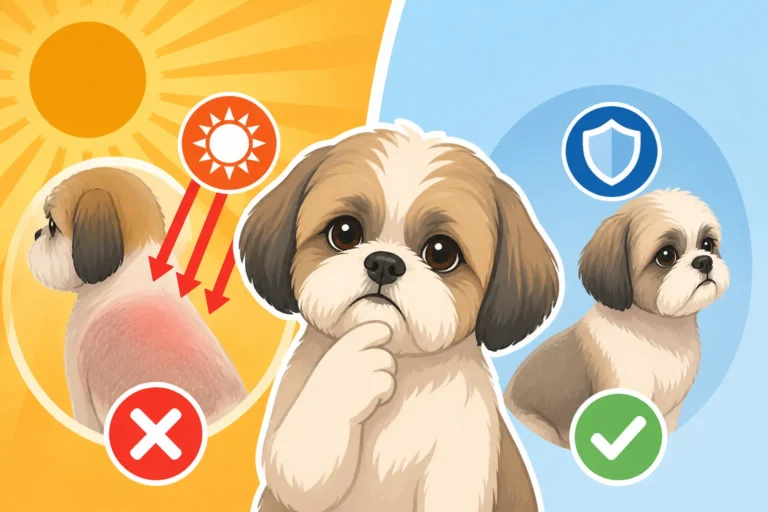
It’s a delicate balance because shaving a Shih Tzu down too closely can also have adverse effects, exposing their sensitive skin to sunburn and potentially causing the coat to grow back unevenly or with a different texture. The key is regular grooming, either professionally or at home, to manage the coat's density without stripping its protective qualities entirely. A clean, brushed coat is more efficient at insulating against the heat than a matted, dirty one, allowing air to move through it.
Low Activity, High Risk
You might think that because Shih Tzus are generally less active than, say, a Border Collie, they'd be less prone to overheating. Unfortunately, the opposite is often true. While a less active dog won't generate as much internal heat from exercise, their sedentary nature can lead to other issues, particularly if they are overweight. Even a few extra pounds on a Shih Tzu's small frame can significantly increase their risk of heatstroke, as fat acts as an additional insulating layer and puts extra strain on their cardiovascular and respiratory systems.
A less active dog also means that owners might not be as vigilant about monitoring their outdoor time, assuming that a short potter in the garden won't pose a risk. However, even sitting in direct sunlight in a warm garden for too long can be enough to push a Shih Tzu into dangerous territory. Their inability to cool efficiently means that even minimal activity or simply existing in a warm environment is a constant battle for their bodies. This is why vigilance is key, regardless of their activity level. For more about managing their weight, refer to Shih Tzu Obesity on a Sixteen Pound Frame.
Moreover, because they aren't always keen on strenuous exercise, some owners might not realize just how little heat tolerance their Shih Tzu has until it's too late. It’s not about how much they do, but how quickly their internal temperature can rise and how poorly their bodies cope with that rise. This unique combination of brachycephaly, a thick coat, and a propensity for lower activity levels makes them incredibly vulnerable in warm conditions.
Recognizing the Signs of Overheating and Heatstroke
Knowing what to look for is just as important as knowing why your Shih Tzu is at risk. Heatstroke can progress frighteningly fast, and early detection can be the difference between a quick recovery and a life-threatening emergency. Don't wait until it's too late; learn to spot the subtle signals.
Subtle Early Warning Signals
Before full-blown heatstroke sets in, your Shih Tzu will likely exhibit some more subtle signs that they are starting to feel the heat. These are your cues to intervene immediately and move them to a cooler environment. Increased panting is the first and most obvious sign. While some panting is normal for cooling, excessive or labored panting, panting that seems louder or more rapid than usual, or panting that continues long after exercise has stopped, is a red flag. Their tongue might also appear darker red than usual, or even purplish.
Look at their behavior, too. A Shih Tzu who is usually playful might become lethargic, seeking out cool spots to lie down, or simply appearing more subdued and tired than normal. They might lose interest in toys or treats. You might also notice their gums become a darker red, almost brick-red, indicating increased blood flow and effort to cool down. Sometimes, they might even seem confused or disoriented. These are all signs their body is working overtime to regulate temperature. Don't dismiss them as just "being lazy" in the heat.
Another subtle but important sign can be changes in their gait or posture. They might appear wobbly or unsteady on their feet. Their eyes might seem glassy or more sunken than usual. They might even start drooling excessively, beyond what's normal for them. Any of these signs should trigger immediate action: get them into a cool space, offer water, and monitor them closely. Taking these early warnings seriously can prevent a much more dangerous situation from developing. Our article Spotting Heat Trouble in a Shih Tzu has even more detail.
When It Becomes an Emergency
The progression from overheating to full-blown heatstroke can be rapid and terrifying. Once your Shih Tzu moves beyond the subtle signs, you are dealing with a medical emergency that requires immediate veterinary attention. Severe heatstroke symptoms include vomiting or diarrhea, sometimes with blood, which indicates organ damage. Their panting will become even more exaggerated, almost gasping, and they might make wheezing or choking sounds as their airway swells further. They may also collapse or lose consciousness.
At this stage, their gums might turn very pale or even blue, indicating a lack of oxygen. Their body temperature will be dangerously high, often exceeding 104 degrees Fahrenheit (40 degrees Celsius), though you might not have time to take a rectal temperature. Seizures can also occur, which is a critical sign of neurological distress. Their heart rate will be very rapid, and their breathing extremely shallow or irregular. These are all indicators that their organs are shutting down.
If you observe any of these severe signs, do not delay. This is not a situation where you "wait and see." Every minute counts. Get them to the nearest emergency veterinary clinic immediately. On the way, you can start some cooling measures, but the priority is professional medical help. The prognosis for heatstroke can be grim if not treated swiftly, with potential for lasting organ damage or even fatality. Remember, a Shih Tzu's small size and brachycephalic nature make them even more vulnerable to the rapid onset and severe consequences of heatstroke.
Immediate First Aid for an Overheated Shih Tzu
If you suspect your Shih Tzu is overheating, even if it's not yet a full emergency, immediate action is crucial. First, and most importantly, get them out of the heat source now. This means moving them indoors to an air-conditioned room or at least a cool, shaded area. Offer them fresh, cool (not ice cold) water. Do not force them to drink, but make it readily available.
Next, begin to cool them externally. This should be done gradually. Use cool (again, not ice cold) water to wet their fur, especially on their paws, belly, and inner thighs where major blood vessels are close to the surface. You can use a damp towel or a hose with a gentle spray. Never use ice water, as this can cause blood vessels to constrict, trapping heat inside, and can even send them into shock. A fan directed at their wet body can help accelerate evaporative cooling. If you have rubbing alcohol, a small amount wiped on their paw pads can also aid cooling.
While you are cooling them, call your veterinarian or the nearest emergency vet clinic to let them know you are on your way and describe your dog's symptoms. This gives them time to prepare for your arrival. Continue cooling efforts on the journey to the clinic, if possible, by keeping the air conditioning on full blast in the car or keeping wet towels on them. Do not cover them with towels, as this can trap heat. The goal is a controlled, gradual cooling, but always prioritizing getting professional help. The cost of such an emergency can be considerable; reading Shih Tzu Emergency Vet Costs Owners Should Expect can help you prepare.
| Symptom Category | Early Warning Signs | Emergency Signs (Heatstroke) |
|---|---|---|
| Breathing | Excessive, loud, or rapid panting | Gasping, wheezing, choking sounds, shallow breathing |
| Tongue/Gums | Darker red tongue, brick-red gums | Pale or blue gums, purplish tongue |
| Behavior | Lethargy, seeking cool spots, subdued, disoriented | Collapse, loss of consciousness, seizures |
| Body Fluid | Excessive drooling | Vomiting (possibly bloody), diarrhea (possibly bloody) |
| Temperature | Elevated body temperature (above normal, below 104°F) | Dangerously high body temperature (often >104°F/40°C) |
| Movement | Wobbly, unsteady gait | Inability to stand or move, muscle tremors |
Strategies for Keeping Your Shih Tzu Cool Indoors
Your home should be a sanctuary from the heat, especially for a brachycephalic breed like the Shih Tzu. Proactive measures indoors are often the most effective way to prevent overheating before it even starts. It's about creating an environment where they can thrive, even when the thermometer outside is soaring.
Air Conditioning and Fan Placement
Air conditioning is truly your Shih Tzu’s best friend during hot weather. If you have central air, keep your home set to a comfortable, cool temperature, typically between 72-75°F (22-24°C). This might feel a little cooler than you usually keep it, but it’s a small adjustment for your dog’s safety. Don't try to save a few dollars by turning it off during the day if your Shih Tzu is home alone. The temperature inside can rise rapidly, creating a dangerous situation.
If central air isn't an option, window units or portable air conditioners are excellent alternatives for at least one or two rooms. Make sure these units are regularly maintained to function efficiently. In addition to AC, strategic fan placement can significantly improve air circulation. Place oscillating fans in areas where your Shih Tzu likes to rest, but ensure they can move away from the direct airflow if they wish. Elevated beds with mesh bottoms also allow air to circulate underneath, adding to the cooling effect. Remember, fans move air; they don't cool it like AC, but they can aid in evaporative cooling if your dog is slightly damp.
It’s important to remember that fans alone are rarely sufficient for a Shih Tzu when indoor temperatures climb significantly, especially above 80°F (27°C). They help us feel cooler by increasing evaporation from our skin, but a dog cools primarily through panting. If the air itself isn't cool, a fan just circulates warm air. Therefore, always prioritize actual air cooling with AC if possible. Ensuring proper ventilation throughout your home, even on cooler days, can also contribute to a generally more comfortable environment, preventing heat from building up in the first place.
Creating Cool Zones and Resting Spots
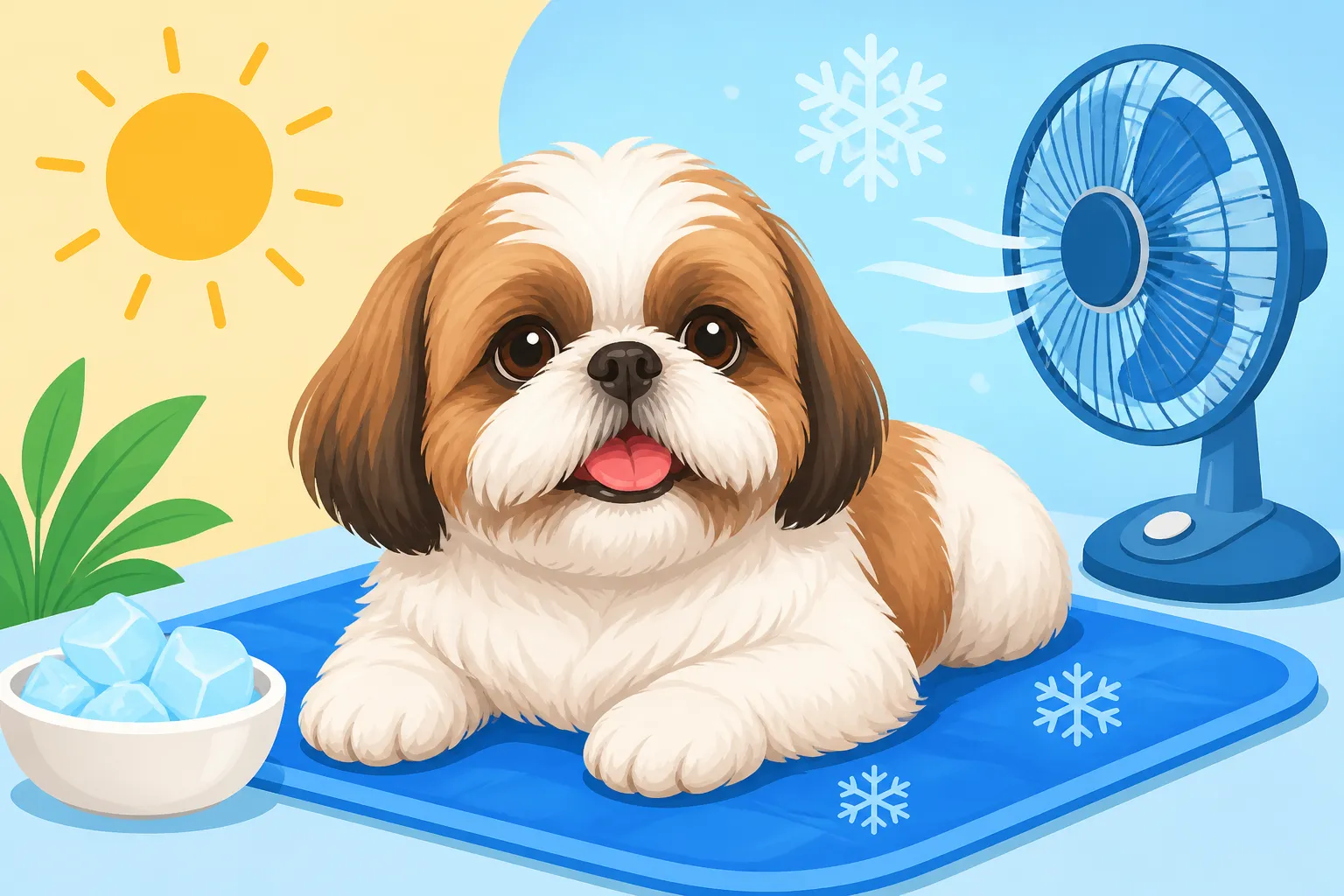
Beyond just general temperature control, designate specific "cool zones" where your Shih Tzu can retreat. These might be tiled floors in the kitchen or bathroom, which naturally stay cooler than carpeted areas. Consider investing in cooling mats, which often use a gel that activates with pressure, providing a cool surface for your dog to lie on. Many brands offer these, and they can be easily found on platforms like Chewy or Amazon. Place these mats in quiet, accessible areas where your Shih Tzu likes to nap.
Another idea is to block direct sunlight from coming through windows, especially during the hottest parts of the day. Use blinds, curtains, or even reflective window film to keep rooms from heating up like a greenhouse. A crate, if your Shih Tzu is crate-trained, can also be made into a cool haven by placing it in an air-conditioned room with a cooling mat inside and a fan nearby. Just ensure there’s always an escape route from the fan’s direct blast if they find it too much.
Consider elevating their bed. Beds that are off the floor, even by a few inches, allow air to circulate beneath them, preventing heat from getting trapped. Materials matter too: opt for breathable fabrics rather than heavy, plush ones. Even a simple, damp (not soaking wet) towel laid on the floor in a cool room can provide a temporary spot for them to lie on, but be mindful that damp towels dry quickly and can then become insulating if not refreshed. The goal is to give them choices, allowing them to self-regulate and find the most comfortable spot in the house.
Hydration and Water Access
Staying hydrated is absolutely critical for helping your Shih Tzu manage their body temperature. Always ensure they have access to fresh, cool water in multiple locations around the house. Consider using ceramic or stainless steel bowls, which tend to keep water cooler for longer than plastic. During hot spells, you might even add a few ice cubes to their water bowl to keep it refreshingly cool, but avoid overloading it with ice.
Beyond just their regular water bowl, a pet fountain can encourage some dogs to drink more, as the flowing water is often more appealing. If you're running errands and your Shih Tzu will be alone, make sure there are at least two full water bowls in different spots, just in case one gets knocked over or empties unexpectedly. Water intake is directly related to their ability to pant and cool down effectively, so don't underestimate its importance.
You can also offer hydrating treats. Small pieces of frozen fruit like watermelon (seedless, please!) or cantaloupe can be a refreshing and hydrating snack. Even freezing low-sodium chicken broth in ice cube trays can provide a tasty and cooling treat. Just be mindful of portion sizes to avoid upsetting their stomach. For dogs that are picky about drinking, sometimes adding a splash of bone broth to their water can entice them to drink more. Proper hydration helps every bodily function, including temperature regulation.
Safe Outdoor Practices for Flat-Faced Friends
While indoor measures are paramount, our Shih Tzus still need to go outside for potty breaks, short walks, and some fresh air. It's about making those outdoor excursions as safe as possible by adapting to the weather and their specific needs. Never assume that because you feel okay, your Shih Tzu does too.
Timing Walks and Outdoor Excursions
The timing of your Shih Tzu’s outdoor activities is perhaps the single most important adjustment you can make in warm weather. Avoid walking them during the hottest parts of the day, which typically fall between 10 AM and 4 PM. Instead, plan their walks for early mornings, right as the sun comes up, or late evenings after the sun has set and temperatures have significantly dropped. Even if it feels pleasant to you, the ground can retain heat, so consider the temperature under their paws.
Even on overcast days, humidity can be a major factor. High humidity makes it much harder for dogs to cool themselves through panting, as the air is already saturated with moisture, reducing the efficiency of evaporative cooling. On very humid days, even a moderate temperature can be risky. Always check the weather forecast for both temperature and humidity before heading out. Our guide on Walking a Shih Tzu Early or Late in Summer has more tips.
Keep outdoor stints short and focused, especially when it's warm. A quick potty break is fine, but long strolls or vigorous play sessions outdoors are off-limits when temperatures are high. If you live somewhere with extreme summer heat, you might even consider indoor potty pads or artificial grass patches for those peak hours, just to minimize their time exposed to the elements.
Pavement Heat and Paw Protection
One often overlooked danger during warm weather is the temperature of the pavement. Asphalt and concrete can heat up incredibly fast in direct sunlight, reaching scorching temperatures that can burn your Shih Tzu's delicate paw pads. If the pavement is too hot for your bare hand to hold for five seconds, it's too hot for your dog's paws. This simple "five-second rule" is a lifesaver.
Stick to grassy areas or shaded paths as much as possible when walking. If walking on pavement is unavoidable, try to choose times when the sun isn't directly on it, and keep the walks very brief. You can also consider paw protection like dog booties, though many Shih Tzus aren't thrilled about wearing them. If you do use booties, introduce them slowly and make sure they fit properly and don't rub or cause discomfort. Products like Musher's Secret can provide a protective wax barrier, but it won't prevent burns from extreme heat.
Remember that even if the air temperature feels okay, radiant heat from the ground can contribute significantly to your Shih Tzu's overall body temperature. Their short stature means they are closer to the ground, absorbing that heat more directly. This effect is why a beautiful sunny day can quickly become dangerous. Always check the ground temperature before your Shih Tzu sets a paw on it, prioritizing their paw health and overall comfort.
Shade, Water, and Portable Cooling
When you do take your Shih Tzu outside, even for short periods, always ensure immediate access to shade and water. If you're in your backyard, make sure there's an umbrella, a covered patio, or a shady tree available for them to retreat under. Never leave them tethered in direct sunlight. Always have a portable water bottle and a collapsible bowl with you, especially during walks or any time away from home. Being able to offer a drink on the spot can prevent dehydration.
For longer outdoor events or even just a backyard play session, consider a small splash pool or a damp towel for them to lie on in the shade. Some Shih Tzus enjoy shallow water play, which can be a great way to cool down. You can also use a misting fan or a spray bottle filled with cool water to lightly dampen their fur, particularly on their belly and chest, and then direct a breeze at them to aid evaporative cooling. These strategies are even more critical if your Shih Tzu has Shih Tzu Exercise Intolerance in Summer, which many do due to their flat faces.
Even car journeys, described in more detail below, require these same principles. Portable water, shade stops, and never leaving them unattended. Being prepared with these essentials means you’re always ready to help your Shih Tzu stay comfortable and safe, reducing the risk of heat-related issues while still allowing them to enjoy the outdoors.
Essential Cooling Gear and Products
The market is full of innovative products designed to help keep dogs cool, and many of these can be incredibly beneficial for a heat-sensitive Shih Tzu. From high-tech fabrics to simple accessories, incorporating some of these into your routine can make a big difference. Many of these items are readily available through online retailers like Amazon or Chewy.
Cooling Vests, Mats, and Bandanas
Cooling vests and bandanas are popular choices for providing external cooling. These products typically work in one of two ways: either they contain special gels that activate when wet or with pressure, or they are made from evaporative fabrics that you soak in water and then wring out. When the water evaporates from the fabric, it draws heat away from your dog's body. Look for vests that cover the chest and back without being too bulky, allowing for freedom of movement and avoiding further overheating if they are too heavy.
Cooling mats, as mentioned earlier, are fantastic for indoor use or even placing in a shaded crate outside. They come in various sizes, and the gel varieties stay cool for hours. Just be sure to check the instructions for reactivation; some require refrigeration, while others simply need time to "recharge" after use. These are particularly useful for dogs who like to sprawl out on cool surfaces. Brands like Green Pet Shop or TheCoolingDog offer effective mats that can be a game-changer.
Bandanas are a simpler, less intrusive option. You can buy specialized cooling bandanas, or simply wet a regular bandana with cool water and tie it loosely around your Shih Tzu's neck. The evaporative effect around the major arteries in the neck can help cool the blood circulating through their body. These are often inexpensive and easy to refresh when needed. Our article Cooling Gear That Suits a Shih Tzu provides more options.
Water Bowls and Travel Bottles
Ensuring constant access to cool, fresh water is non-negotiable. As mentioned, ceramic or stainless steel bowls are great for home use as they tend to keep water cooler than plastic. For outdoor adventures or car trips, a portable water bottle with an attached collapsible bowl or a "squeeze-to-dispense" design is invaluable. This allows you to offer water instantly, without having to find a suitable container. Many varieties are available on Amazon.
Consider investing in a larger capacity water dispenser for home if your Shih Tzu goes through water quickly, or if you're out for extended periods. These can hold more water and keep it flowing and fresh. For some dogs, a pet fountain can also encourage more drinking due to the appealing movement of the water. Just ensure whatever bowl or bottle you choose is easy to clean and maintain, preventing the buildup of bacteria.
It's also a good idea to have a dedicated water bowl for the car, perhaps one with a wide, stable base that won't tip over easily during travel. Some car-specific bowls have splash guards to minimize messes. The key is to make hydration effortless and appealing, whether at home or on the go, ensuring your Shih Tzu never goes without a refreshing drink.
Grooming Tools and Short Haircuts
While not "cooling gear" in the traditional sense, proper grooming tools and smart haircut choices are vital for a Shih Tzu's heat management. Regular brushing, even if you keep their coat long, helps to remove loose undercoat and prevent mats, allowing for better air circulation against their skin. A good slicker brush and a metal comb are essential for this task. You can find excellent grooming tools on Chewy.
For many Shih Tzu owners, a shorter "puppy cut" is the preferred choice during warmer months. This reduces the bulk of their double coat, making it much easier for them to stay cool and for you to manage their grooming. Discuss with your professional groomer the best length to keep their coat, ensuring it’s short enough to be practical but not so short that it exposes their skin to sunburn. A good groomer understands the specific needs of a Shih Tzu coat and can recommend a style that balances aesthetics with practicality and health. Reading What Happens to a Shih Tzu Coat After Shaving can give you more insights into this choice.
Some owners also learn to do "sanitary trims" at home, keeping the hair around their private areas and paw pads short. This not only helps with cleanliness but also allows for more air flow around their pads, which are a minor site of heat exchange. Regular face trims are also important to keep hair out of their eyes, preventing irritation which can make them paw at their face and increase their stress, potentially contributing to overheating.
Nutrition and Diet Considerations for Heat Management
What your Shih Tzu eats and how you feed them can also play a role in their ability to cope with warm weather. It’s not just about hydration from water; certain foods and feeding practices can also contribute to their overall comfort and well-being in the heat.
Hydrating Foods and Frozen Treats
Just like humans, dogs can get some of their hydration from their food. Consider incorporating more wet or fresh dog food into their diet, especially during hot weather. Wet foods typically have a much higher moisture content than kibble, which can help increase their overall fluid intake. Brands like Ollie offer fresh food options that are naturally higher in moisture and can be very palatable for picky eaters. Discuss any significant dietary changes with your vet first to ensure it's appropriate for your individual dog.
Frozen treats can be a fantastic way to both hydrate and provide a cooling sensation. As mentioned before, small, seedless pieces of watermelon or cantaloupe, or frozen pureed pumpkin (plain, not pie filling) can be great options. You can also make "pup-sicles" by freezing dog-safe broth (low sodium) or even diluted unsweetened apple sauce in ice cube trays or small molds. These offer a fun, cooling activity that also helps with hydration.
Just be careful with portion sizes and introduce new treats slowly to avoid digestive upset. Always ensure the foods you're offering are safe for dogs and free from any toxic ingredients like xylitol, grapes, or onions. These small dietary adjustments can add up to make a significant difference in how well your Shih Tzu handles the heat.
Avoiding Overfeeding to Prevent Obesity
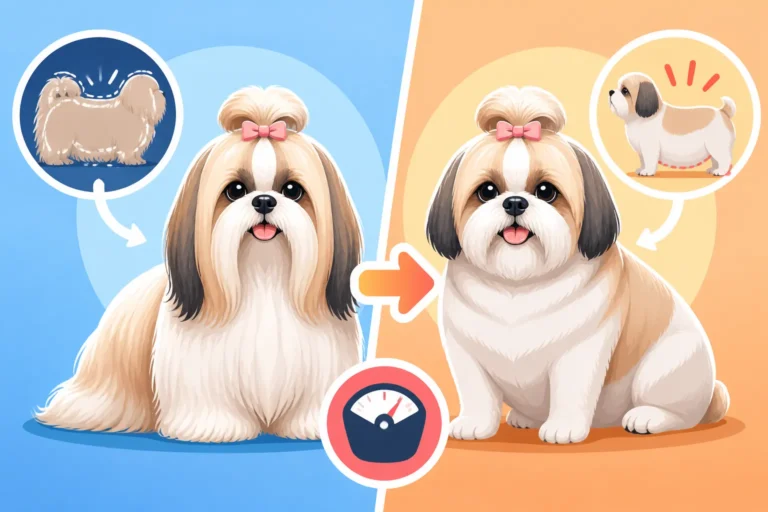
Maintaining a healthy weight is paramount for a Shih Tzu, especially when considering heat tolerance. An overweight Shih Tzu carries extra insulating fat, which traps heat and makes it even harder for them to cool down. It also puts additional strain on their respiratory and cardiovascular systems, which are already working harder due to their brachycephalic airway. Even two extra pounds on a Shih Tzu can be like carrying a heavy backpack all day, exacerbating their heat sensitivity.
Portion control is key. Follow feeding guidelines from your veterinarian or the dog food manufacturer, but adjust as needed based on your Shih Tzu's activity level and body condition. It's often helpful to weigh their food rather than scoop, as scoops can vary. Regularly check their body condition by feeling for their ribs – you should be able to feel them easily but not see them. If you’re not sure, your vet can help you assess their ideal weight.
Consider feeding two smaller meals a day instead of one large one, which can aid digestion and prevent them from feeling overly full. If your Shih Tzu is already overweight, discuss a weight loss plan with your vet. This might involve a specific diet or a reduction in calories. Helping your Shih Tzu achieve and maintain a healthy weight is one of the best things you can do for their overall health and their ability to cope with heat.
Meal Timing During Hot Weather
Just like with exercise, the timing of meals can impact how your Shih Tzu experiences heat. Digestion itself generates some body heat, so feeding a large meal during the hottest part of the day might make them feel more uncomfortable. Instead, consider feeding their main meals during the cooler parts of the day – early morning and late evening.
Splitting their daily food allowance into two or even three smaller meals can also be beneficial. This prevents a huge rush of digestive heat and keeps them from feeling overly stuffed and lethargic when temperatures are high. If your Shih Tzu is particularly prone to overheating, you might even consider slightly reducing their overall food intake on extremely hot days, especially if their activity level is also reduced, to prevent unnecessary calorie intake and weight gain.
Always ensure they have access to fresh water during and after meals. Some dogs drink more after eating. If you're giving them frozen treats or hydrating foods, those can be given throughout the day as a pick-me-up, rather than being part of their main meal. Being mindful of when you feed them is another small but impactful way to support their comfort during warm weather.
Travel and Car Safety in Warm Weather
Traveling with a Shih Tzu, especially in warm weather, requires meticulous planning and constant vigilance. Their vulnerability to heatstroke means that a quick errand or an unsupervised moment in a car can have devastating consequences.
Never Leave a Shih Tzu in a Car
This is a non-negotiable rule that cannot be stressed enough: NEVER, EVER leave your Shih Tzu unattended in a car, even for "just a few minutes," and even if the windows are cracked or it doesn't seem that hot outside. The temperature inside a car can rise to dangerous levels incredibly quickly, even on a seemingly mild day. On an 80°F (27°C) day, the temperature inside a car can reach 100°F (38°C) in just 10 minutes, and 120°F (49°C) within 30 minutes. Your Shih Tzu's flat face and double coat make them especially vulnerable to this rapid heat buildup.
Cracking the windows provides minimal relief and is not a substitute for proper ventilation. Parking in the shade helps only temporarily, as the sun moves. The risk of heatstroke in a car is so high and the progression so fast that it's simply not worth the gamble. If you cannot take your Shih Tzu with you into an establishment, leave them at home where they are safe and cool.
Public awareness campaigns often highlight the dangers, yet tragedies still occur. As responsible Shih Tzu owners, we must lead by example and educate others about this critical danger. Your dog's life is far more valuable than the convenience of a quick stop. This rule should be ingrained in every Shih Tzu owner's mind, always.
Climate Control and Ventilation on Journeys
When traveling with your Shih Tzu in the car, ensure the vehicle's air conditioning is functioning well and is set to a comfortable temperature. Do not rely solely on open windows, as this often just creates hot, turbulent air, and poses a safety risk if your dog is not secured. Your Shih Tzu should be safely secured in a well-ventilated crate or with a car harness and seatbelt. A crate allows for better airflow around them and prevents them from interfering with your driving.
Even with AC running, check on your Shih Tzu periodically during longer drives. Make sure they are not panting excessively or showing other signs of discomfort. Keep a portable water bowl and fresh water readily available, offering drinks at frequent stops. If the sun is beaming directly into the car, use sunshades on the windows to prevent a particular area of the car (and your dog's crate) from getting too hot, even with AC.
Consider the layout of your car – some areas might be less affected by the AC than others. For example, the very back of an SUV might not get as much cool air as the front seats. If this is the case, position their crate where they'll get the most benefit from the AC. A small battery-operated fan clipped to their crate can also provide a personal breeze, but remember it's supplementary to the main AC.
Planning Stops and Hydration
For any road trip with your Shih Tzu during warm weather, meticulous planning of stops is essential. Plan frequent breaks every few hours to allow your dog to stretch their legs, relieve themselves, and, most importantly, rehydrate. Seek out rest areas with shaded grassy spots, or parks where you can safely take them out for a potty break.
During these stops, always offer fresh, cool water. Even if they don't seem thirsty, a small drink is always a good idea. Consider packing a small cooler with ice packs to keep their water supply extra cool. If you anticipate being away from home for an extended period, pack some frozen treats or pre-soaked cooling bandanas to offer during stops.
It's also wise to research pet-friendly establishments along your route. Some cafes and restaurants with outdoor seating might allow dogs, giving you a chance to cool down together. However, never rely on finding such a place and always have a backup plan for their care and hydration. Being proactive about breaks and hydration is key to a safe and enjoyable journey for both you and your Shih Tzu.
When to Consult Your Veterinarian
While preventative measures are crucial, there are times when a veterinarian's expertise is absolutely essential for managing your Shih Tzu's heat risk, whether for a pre-existing condition or an emergency.
Pre-Existing Conditions and Heat Risk
If your Shih Tzu has any pre-existing health conditions, their risk of heatstroke can be significantly elevated. Conditions such as heart murmurs, Shih Tzu Heart Murmurs and Valve Disease, respiratory issues (common in brachycephalic breeds, like The Elongated Soft Palate in a Shih Tzu), obesity, or even certain medications can make them more susceptible to overheating. It’s imperative to discuss these factors with your veterinarian.
Your vet can provide tailored advice based on your Shih Tzu's specific health profile. They might recommend different preventative measures, suggest a lower threshold for seeking emergency care, or even adjust medications if necessary during warmer months. For example, a Shih Tzu with kidney disease (like Renal Dysplasia and the Shih Tzu Kidney) may have different hydration needs or considerations for certain cooling methods. Never assume; always consult.
Beyond medical conditions, a very old Shih Tzu (a Senior Shih Tzu Care Past the Age of Ten) or a very young puppy will also have a harder time regulating their body temperature. Puppies have less developed thermoregulation systems, and seniors often have underlying conditions or less stamina. Your vet can guide you on the specific care these vulnerable age groups require to stay safe in the heat.
Emergency Vet Visits for Heatstroke
If, despite all your best efforts, your Shih Tzu begins to show severe signs of heatstroke (collapse, prolonged vomiting, seizures, unresponsive), an emergency vet visit is not just recommended, it's mandatory. As discussed earlier, call ahead to the emergency clinic while you are on your way, and continue initial cooling efforts during transit. Do not assume your cooling measures at home will be sufficient once symptoms are severe.
Upon arrival, be prepared to provide the vet with as much information as possible: what happened, for how long, what symptoms you observed, and what first aid you administered. This information is crucial for the veterinary team to quickly assess and treat your dog. They will likely initiate intravenous fluids, monitor their core body temperature, and provide supportive care to prevent organ damage.
The costs associated with emergency heatstroke treatment can be substantial, often ranging into thousands of dollars depending on the severity and necessary interventions. While it's a terrifying scenario, prompt professional intervention significantly improves the chances of a positive outcome. Knowing the Shih Tzu Emergency Vet Costs Owners Should Expect can help you be mentally prepared for the financial aspect of this kind of emergency.
Discussing Heat Management Plans
Even without an emergency, it's a good idea to chat with your regular veterinarian about a proactive heat management plan for your Shih Tzu, especially as summer approaches or if you're moving to a warmer climate. Your vet can offer advice specific to your location, your dog's age, and their individual health.
They can help you understand your Shih Tzu's unique risk factors, clarify optimal hydration strategies, and even discuss options like specialized diets or supplements that might support their overall health in warm weather. This discussion can also include reviewing your home's setup, your grooming practices, and your outdoor routine to ensure you're doing everything possible to keep your flat-faced friend safe.
Think of your vet as a partner in your Shih Tzu's well-being. Proactive conversations about heat management are just as important as discussions about vaccinations or parasite prevention. A little planning and professional advice can go a long way in ensuring your beloved Shih Tzu enjoys a comfortable, safe, and happy life, even when temperatures rise.
Disclaimer
This article is for general informational purposes only and does not constitute professional advice. Laws, prices and regulations vary by location and change over time. Consult a qualified professional for guidance on your specific situation.