Trimming a Shih Tzu Ration While Keeping Meals
It’s a common scenario: you look down at your adorable Shih Tzu, perhaps a bit fluffy from their luxurious coat, and realize they’ve packed on a few extra pounds. Those loving eyes make it hard to resist treats, and suddenly, their little body is carrying more than it should. This guide will walk you through effective, compassionate ways to trim your Shih Tzu's food intake to help them reach a healthy weight, all while keeping their meal times satisfying and consistent.
Why Those Extra Pounds Creep Up on Your Shih Tzu
For such a small dog, it's astonishing how quickly a few extra calories can translate into significant weight gain for a Shih Tzu. Owners often underestimate just how little food these little dynamos actually need. It's not about being neglectful; it's often a case of loving them a bit too much with extra treats or slightly too-generous portion sizes at meal times. But these extra pounds aren't just cosmetic; they carry real health risks.
The Metabolism of a Little Lion Dog
Shih Tzus are bred for companionship, not for arduous tasks or long hunts. Their energy requirements are naturally lower than many other breeds. A few extra kibbles, a bite of your toast, or even a couple of extra training treats throughout the day can easily tip the scales into calorie surplus. Imagine if a person ate an extra cookie every day – it adds up over time, right? For a Shih Tzu, whose ideal weight might be between 9 and 16 pounds, even a few extra ounces can significantly impact their small frame. Their low-energy toy nature means they don't burn off calories as quickly as, say, a terrier or a border collie. What feels like a tiny indulgence to us is a large percentage of their daily caloric needs for them. This is why strict portion control is so crucial for them.
The Hidden Dangers of Shih Tzu Obesity
While a pudgy Shih Tzu might look cute, those extra pounds can lead to a host of health problems. Their delicate, elongated spines are already prone to issues, and additional weight puts immense pressure on their intervertebral discs, increasing the risk of conditions like Shih Tzu Back Problems and Disc Disease. Similarly, their small joints, particularly their kneecaps (patellas), can suffer. Excess weight exacerbates problems like Shih Tzu Joint Problems in a Toy Frame, leading to pain, arthritis, and reduced mobility.
Beyond musculoskeletal issues, obesity can worsen their inherent Brachycephalic Breathing in a Shih Tzu challenges. Extra fat around the neck and chest can further compress their already compromised airways, making it even harder to breathe, especially in warm weather or during exercise. This can lead to increased snoring, exercise intolerance, and a higher risk of heatstroke. Over time, sustained obesity can even contribute to other systemic health issues such as diabetes and heart strain. Knowing What Two Extra Pounds Do to a Shih Tzu can be a stark reminder of the importance of maintaining a healthy weight.
The Psychological Challenge of Cutting Back (For You and Your Dog)
Let's be honest, it's often harder for us to cut back on our Shih Tzu's food than it is for them to adjust. We see their pleading eyes, their little dance, and our hearts just melt. We don't want them to be hungry or feel deprived. This emotional bond is beautiful, but it can inadvertently sabotage our efforts to help them be healthier.
The Sad Eyes and Begging Behavior
Shih Tzus are masters of manipulation when it comes to food. They've perfected the art of the "starving puppy" look, even if they just finished a meal. They know exactly how to use those big, dark eyes to make you feel guilty. This isn't them being truly hungry in most cases; it's a learned behavior. They know that if they beg long enough, sometimes, a little treat or an extra scoop appears. Breaking this cycle requires a lot of willpower on our part, and understanding that saying "no" to that extra bite is an act of love, not cruelty.
Why Keeping Meal Frequency Matters
One of the biggest mistakes owners make when trying to reduce their dog's weight is cutting down on the number of meals. For a Shih Tzu, who thrives on routine and often has a delicate digestive system, consistent meal times are incredibly important. Skipping meals or reducing them to just one large meal a day can actually increase begging behavior because they feel a longer period of emptiness. It can also lead to feelings of anxiety or deprivation, which we want to avoid.
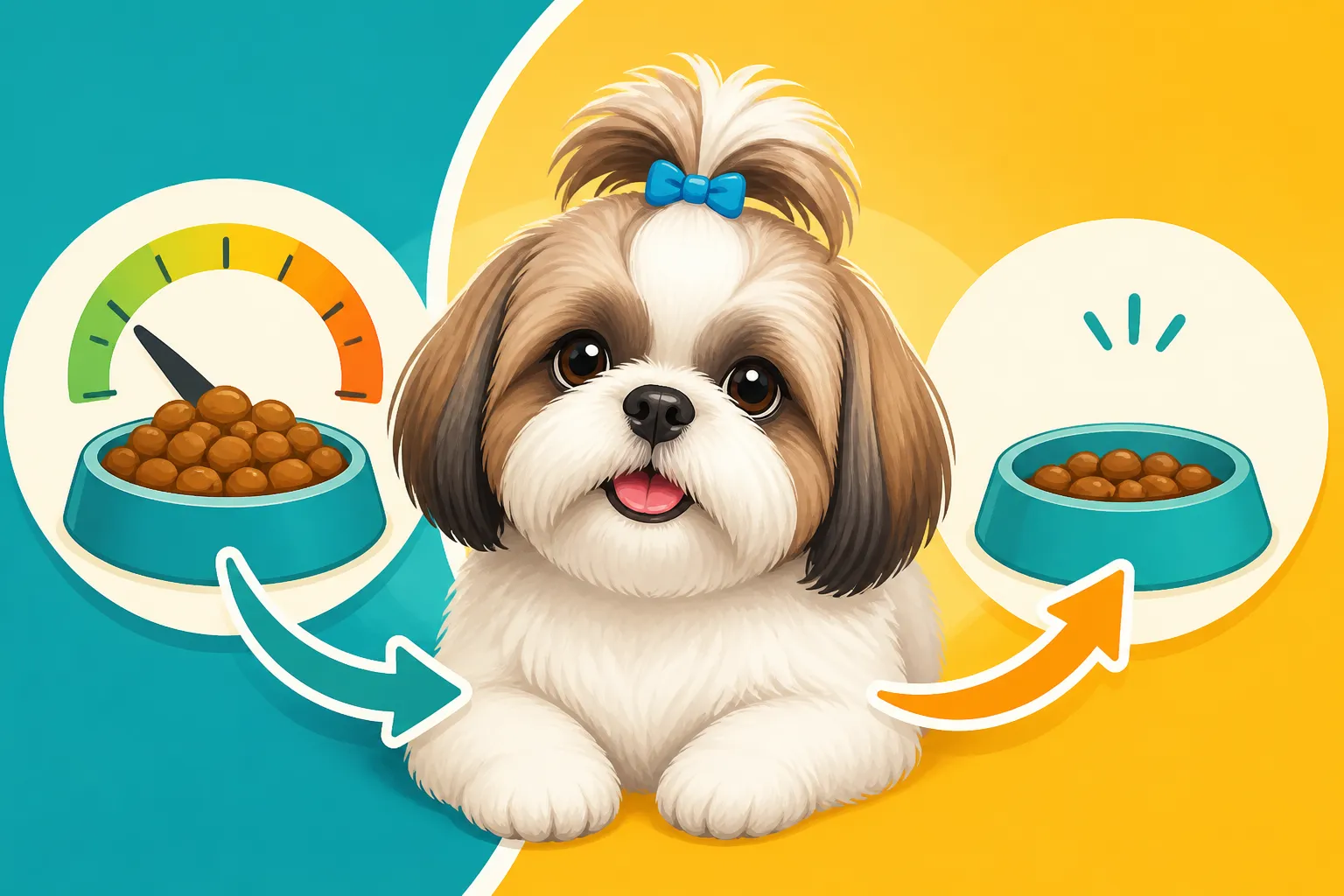
Instead, the goal is to keep the familiar rhythm of their meals (usually two or three times a day) but reduce the portion size at each meal. This provides psychological satisfaction – they still get their food at the usual times – and helps regulate their metabolism. It’s like us eating smaller, more frequent meals to manage hunger and blood sugar, rather than trying to power through with one huge meal. This approach helps prevent a hungry feeling, making the transition to a reduced calorie intake much smoother for everyone.
Smart Strategies for Trimming the Ration, Not the Meals
The key to successful weight management for your Shih Tzu is consistency and smart portion control. It's not about making them feel starved; it's about optimizing their nutrition and managing their caloric intake effectively within their regular feeding schedule.
Precision in Portioning: Weighing Versus Scooping
One of the most impactful changes you can make is to stop using a measuring cup and start using a digital kitchen scale. Measuring cups can be notoriously inaccurate, especially with different kibble sizes and densities. A "half cup" can vary significantly depending on how packed the kibble is, leading to an extra 20-30 calories per meal without you even realizing it. For a small dog like a Shih Tzu, those small variations add up fast.
Weighing food ensures exact portions every single time. Most dog food bags list caloric content per gram or per cup. If you know your vet recommends, say, 200 calories a day for your Shih Tzu's ideal weight, you can accurately measure out the corresponding grams of food. This is particularly important when considering Daily Calories for a Twelve Pound Shih Tzu. You can find affordable digital kitchen scales on Amazon that are perfect for this task. It might seem like a small detail, but it makes a huge difference in controlling caloric intake consistently.
Swapping for Lower-Calorie Alternatives
Many of us use treats as a sign of affection, and there's nothing wrong with that! The trick is to swap out high-calorie, fatty treats for healthier, low-calorie options. Instead of processed dog biscuits or fatty chews, consider fresh vegetables. Small pieces of carrots, green beans, or even apple slices (without seeds) can be fantastic, crunchy, and satisfying rewards. Just make sure they are dog-safe and offered in moderation.
For example, a full-sized dog biscuit might contain 30-50 calories, which is a substantial portion of a Shih Tzu's daily intake. A small sliver of green bean? Only a couple of calories. You can give many more "treats" for the same caloric cost. Brands like Chewy offer a wide range of low-calorie dog treats, often marketed for weight management, that can be a good substitute if fresh veggies aren't always convenient.
Boosting Volume with Water or Veggies
A smaller portion of kibble can look pretty sad in a bowl, making both you and your Shih Tzu feel like something is missing. You can visually (and actually) boost the volume of their meals without adding significant calories.
- Add water: Mixing warm water with kibble not only makes it appear more substantial but can also enhance the aroma, making it more appealing. The kibble absorbs the water and swells, filling up their stomach more effectively.
- Include safe, low-calorie vegetables: Steamed green beans, cooked carrots, or a tiny spoonful of plain, unsweetened pumpkin puree can be mixed in with their kibble. These add fiber and volume, helping your Shih Tzu feel fuller. Remember to introduce new foods slowly to avoid upsetting their stomach.
- Consider fresh food options: Some fresh food delivery services, like Ollie, offer pre-portioned, nutritionally balanced meals tailored to your dog's specific caloric needs and weight goals. These can sometimes feel more satisfying for dogs due to their higher moisture content and palatability, even in smaller portions.
Here's a quick comparison of portioning methods:
| Method | Accuracy Level | Effort Required | Best For |
|---|---|---|---|
| Measuring Cup | Low | Low | General feeding, less precise needs |
| Digital Kitchen Scale | High | Medium | Weight loss, precise dietary management |
| Pre-portioned Meals | High | Low | Busy owners, strict dietary needs (e.g., Ollie) |
Engaging with Puzzle Feeders
Shih Tzus are smart, and they love to work for things! Puzzle feeders or slow-feeder bowls can be a game-changer for a Shih Tzu on a diet. Instead of gulping down their reduced portion in 30 seconds, a puzzle feeder makes them forage and work to get each piece of kibble. This slows down their eating significantly, extends mealtime, and provides mental stimulation, which can increase their feeling of satiety.
They're not just eating; they're engaging with their meal, turning it into a rewarding activity. This can be especially helpful if your Shih Tzu tends to eat too quickly or seems unsatisfied after meals. Puzzle Feeders a Shih Tzu Can Work are readily available at pet stores and online retailers like Chewy.
Monitoring Progress and Adjusting the Plan
Embarking on a weight loss journey for your Shih Tzu is a marathon, not a sprint. It requires patience, consistency, and regular monitoring to ensure they are losing weight safely and effectively. Remember, the goal is gradual, sustainable weight loss, typically around 1-2% of their body weight per week. For a Shih Tzu, this might mean a loss of only a few ounces a week, which can be hard to spot without careful tracking.
Regular Weight Checks and Body Condition Scoring
Simply looking at your Shih Tzu can be deceiving, especially with their luscious double coat. Why a Full Coat Hides Shih Tzu Weight Gain is a real phenomenon! You need a more objective way to track their progress.
- Weekly Weigh-ins: Invest in a small pet scale, or use your own bathroom scale by weighing yourself, then weighing yourself holding your Shih Tzu, and subtracting the difference. Do this once a week, at the same time of day (e.g., before breakfast) for consistency. Keep a log of their weight.
- Body Condition Scoring (BCS): This is a hands-on method to assess fat levels. Gently feel along your Shih Tzu's rib cage. You should be able to easily feel their ribs, but not see them prominently. Their waist should tuck in behind their ribs when viewed from above, and there should be an abdominal tuck when viewed from the side. If you have to press hard to feel the ribs, or if there's no visible waist, they likely still need to lose weight. Your vet can show you how to accurately perform a BCS. Knowing Finding Shih Tzu Ribs Under All That Hair is crucial.
Consulting Your Vet for a Tailored Approach
Before making any significant dietary changes, always have a conversation with your veterinarian. They can help you determine your Shih Tzu's ideal weight and calculate a precise daily caloric intake for safe weight loss. Every dog is an individual, and factors like age, activity level, and existing health conditions (such as Senior Shih Tzu Care Past the Age of Ten) will influence their specific needs. Your vet can rule out any underlying medical conditions that might be contributing to weight gain and provide professional guidance on how to adjust their diet safely. They can also advise on appropriate exercise levels, like The Short Walks a Shih Tzu Is Built For, that complement their diet. Regular Vet Visit Frequency for a Shih Tzu Past Ten will include weight checks and dietary discussions.
Patience and Consistency Are Key
Weight loss, even for a small dog, takes time. Don't get discouraged if you don't see drastic results immediately. Consistency is far more important than speed. Stick to your measured portions, healthy treats, and regular meal times. If you find yourself slipping, don't beat yourself up; just get back on track with the next meal. Over time, these small, consistent efforts will lead to big results for your Shih Tzu's health and longevity. It's a testament to your commitment to their well-being.
Disclaimer
This article is for general informational purposes only and does not constitute professional advice. Laws, prices and regulations vary by location and change over time. Consult a qualified professional for guidance on your specific situation.