Why a Flat Face Makes a Shih Tzu Overheat
Oh, the sheer joy of a Shih Tzu! They bring so much sunshine into our lives, don't they? But if you're a Shih Tzu parent, you've probably already learned that their adorable, smushy faces, while undeniably cute, come with a very real, potentially dangerous drawback: they struggle to stay cool. It's a constant worry, especially as the weather warms up, seeing your little one panting excessively after a short stroll or even just a bit of excited play indoors. This guide is all about helping you understand precisely why your flat-faced Shih Tzu gets so hot and, more importantly, what you can do to keep them safe and comfortable year-round.
The Unique Anatomy Behind the Shih Tzu's Heat Sensitivity
Let's get down to brass tacks: that charming, distinctive flat face of your Shih Tzu is what we veterinarians and experienced owners call "brachycephalic." It’s a fancy word that simply means "short-headed," and it’s the root cause of many of their unique health considerations, especially when it comes to managing body temperature. While we adore their sweet, almost human-like expressions, this facial structure fundamentally alters how their respiratory system works and how efficiently they can cool themselves down. It's not just a minor inconvenience; it's a serious anatomical reality that demands our careful attention as owners.
Compressed Airway Passages
Imagine trying to breathe through a straw that's too small, or having your throat constantly feel a little constricted. That's a bit like what a brachycephalic dog can experience. Their compact facial structure means that the vital airways within their head are significantly shortened and often narrowed compared to dogs with longer muzzles. This isn't just about their cute nose; it's about the entire pathway air takes from the outside world to their lungs.
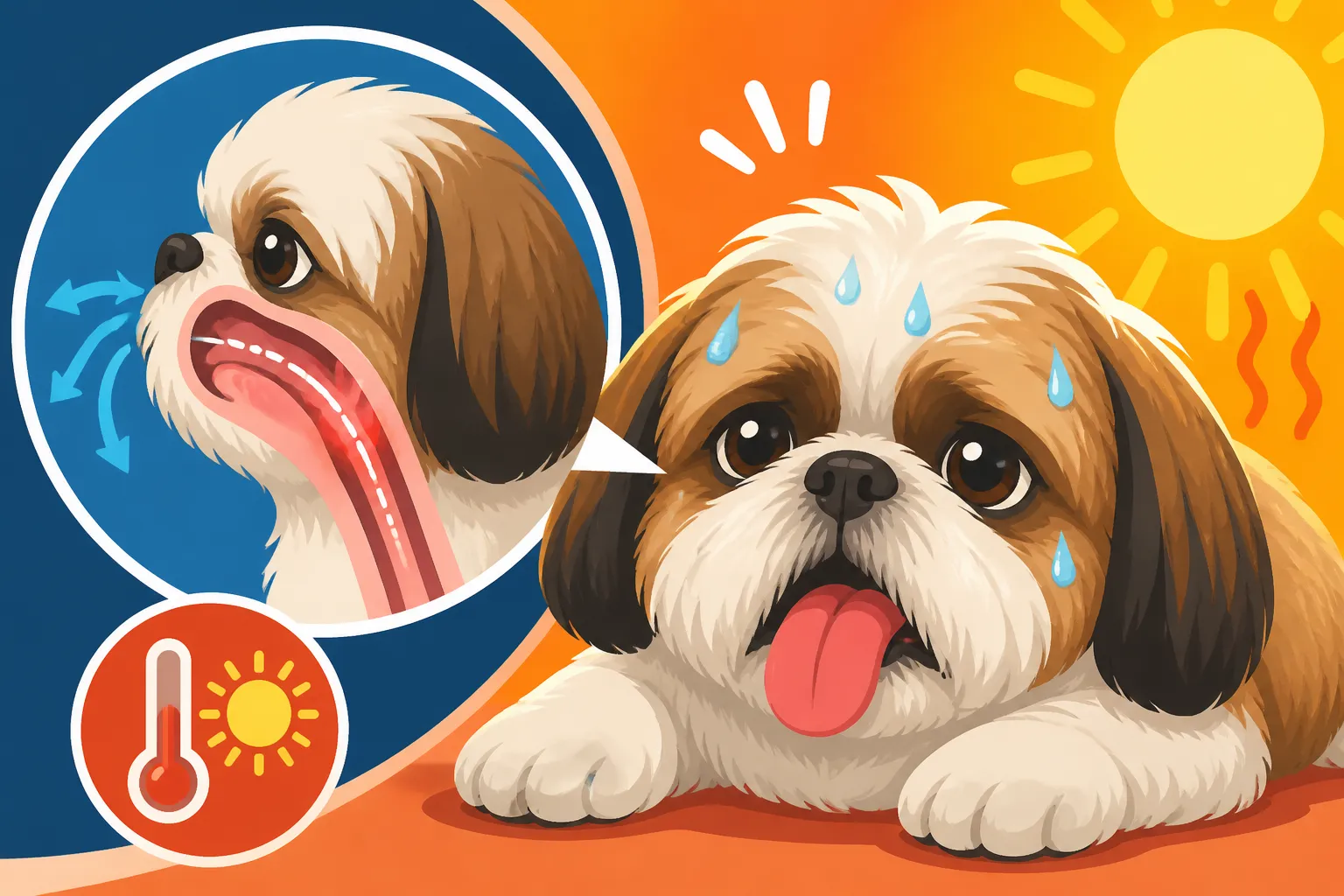
You see, in a normal-faced dog, the muzzle acts as a kind of natural radiator. As they breathe in, air passes over moist tissues and cools, and as they pant, a large surface area helps dissipate heat. For a Shih Tzu, this natural cooling system is compromised from the get-go. Their nostrils, for example, are often much narrower than they should be, a condition called stenotic nares. This means they have to work harder just to pull air in, creating more effort and, ironically, generating more body heat. It's like trying to suck a thick milkshake through a tiny coffee stirrer. Then, there's the soft palate – that fleshy part at the back of the roof of their mouth. In Shih Tzus, it can be The Elongated Soft Palate in a Shih Tzu, meaning it extends too far back, partially blocking their trachea, or windpipe. Every breath becomes a struggle, and you might hear a lot of snorting, snoring, and that characteristic "reverse sneeze" that we've all become accustomed to. While these sounds might seem normal for the breed, they are actually indicators of an airway under stress. It’s a constant battle for them to move enough air, and this battle intensifies dramatically when they’re trying to cool down.
Limited Surface Area for Heat Exchange
The primary way dogs regulate their body temperature is through panting. Unlike humans who sweat all over, dogs have very few sweat glands, mostly concentrated on their paw pads. Their main strategy for cooling is evaporative cooling from their mouth, tongue, and respiratory tract. When a dog pants, they rapidly exchange warm, moist air from their lungs with cooler, drier air from the outside. The evaporation of moisture from their tongue and the lining of their respiratory passages helps release heat from their body.
Here's where the Shih Tzu's flat face becomes a major disadvantage. A longer-muzzled dog has a much larger surface area inside its mouth and nasal passages over which air can flow and evaporate moisture. Think of a German Shepherd or a Labrador panting – their long snouts and ample oral cavities are perfectly designed for this thermal regulation. A Shih Tzu, however, has a significantly reduced internal surface area. Their compact skulls and shortened muzzles mean there’s simply less space for air to travel and less moist tissue for effective evaporation. This anatomical limitation makes their panting far less efficient. They have to pant much faster and harder to achieve the same cooling effect as a longer-nosed dog, and as we discussed, this increased effort itself generates more heat, creating a dangerous cycle that can quickly lead to overheating. This inherent design flaw is a critical factor in Why a Shih Tzu Overheats in Summer and needs to be understood by every owner.
How a Shih Tzu's Body Reacts to Heat and What Goes Wrong
When the weather heats up, or even when a Shih Tzu is just a little too excited or exercising beyond their modest limits, their bodies respond in ways that can quickly become problematic due to their unique anatomy. It's not just about feeling a bit warm; it's about their physiological mechanisms failing to keep up, putting them at serious risk.
Inefficient Panting and Cooling Mechanisms
For a brachycephalic dog like a Shih Tzu, panting is a double-edged sword. While it’s their primary method of cooling, their facial structure makes it incredibly inefficient. When a Shih Tzu starts to get warm, they pant, just like any other dog. However, because their airways are already compromised by issues like Shih Tzu Stenotic Nares and Noisy Breathing and an elongated soft palate, the air exchange is far from optimal. They’re essentially trying to cool a large internal furnace with a very small, sputtering fan.
This means they have to pant harder and faster. This increased respiratory effort puts a strain on their respiratory muscles and creates internal heat. Think about how you feel after intense exercise – you're warm from the exertion. The same applies to your Shih Tzu, but their 'exertion' is just trying to breathe effectively to cool down. This cycle of panting to cool, but generating heat from the panting, is a serious challenge. Their tongue, which plays a crucial role in evaporative cooling, also might not be able to extend as freely or expose as much surface area as in a longer-nosed dog due to the confines of their mouth. The moist tissues of their mouth and throat, essential for evaporation, can also become swollen when they overheat, further constricting already narrow airways. This swelling reduces airflow even more, making it even harder to breathe and cool down. It's a spiraling situation that can quickly turn critical.
Increased Risk of Heatstroke and Respiratory Distress
Given these inherent challenges, Shih Tzus are, sadly, much more susceptible to heatstroke and severe respiratory distress than other breeds. What might be a warm day for a Labrador could be a life-threatening situation for a Shih Tzu. Their limited ability to cool themselves means their core body temperature can rise very rapidly. Once it starts climbing, it can quickly reach dangerous levels where vital organs begin to shut down.
The signs of overheating can start subtly:
- Excessive panting: Panting that seems more labored or faster than usual.
- Bright red gums or tongue: This indicates their body is trying to bring more blood to the surface to cool.
- Thick, ropey drool: A sign their body is working hard and dehydrating.
- Lethargy or weakness: They might seem unusually tired or stumble.
- Vomiting or diarrhea: These are serious signs of heatstroke affecting internal organs.
- Wobbly gait or collapsing: Critical signs that immediate intervention is needed.
It's absolutely vital to understand that for a Shih Tzu, "mild" overheating can escalate to full-blown heatstroke in a matter of minutes. Their compromised respiratory system simply doesn't have the reserves to cope. This is why Shih Tzu Exercise Intolerance in Summer is so pronounced, and why even seemingly innocent activities can quickly become dangerous. Ignoring these warning signs or delaying intervention can have tragic consequences.
Practical Steps to Keep Your Flat-Faced Shih Tzu Cool
Understanding why your Shih Tzu gets hot is the first step, but taking proactive, practical measures is where you truly make a difference in their comfort and safety. As devoted Shih Tzu parents, we need to be their advocates, constantly mindful of their unique needs and limitations, especially in warmer weather.
Timing Walks and Outdoor Activities
This is probably one of the simplest yet most effective changes you can make. Forget those midday strolls during the summer or even on a surprisingly warm spring day. For a Shih Tzu, the asphalt can literally burn their delicate paw pads and the ambient temperature can quickly overwhelm their system.
- Early bird or night owl: Aim for walks in the very early morning, just as the sun is coming up, or much later in the evening after the sun has set and the ground has had a chance to cool. These are the times when both air and surface temperatures are at their lowest.
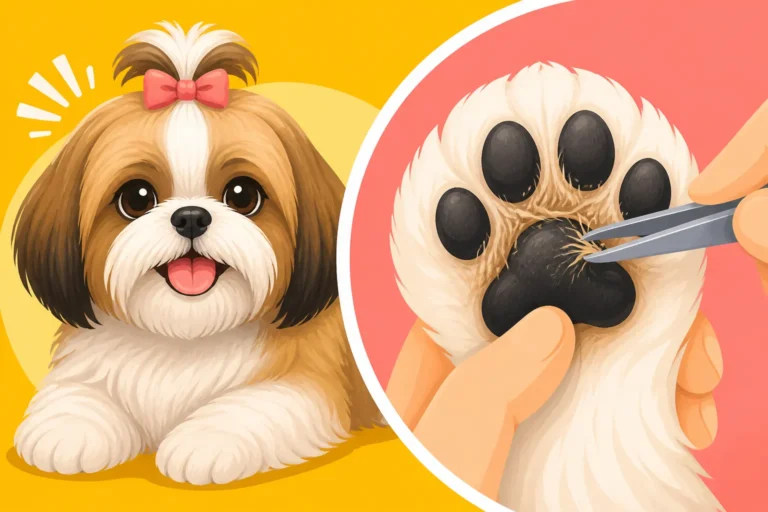
- Test the pavement: Before you even step out, place the back of your hand on the pavement. If you can't hold it there comfortably for five seconds, it's too hot for your Shih Tzu's paws. Remember, their bodies are much closer to that hot surface, absorbing radiating heat. This is a crucial tip for understanding Pavement Heat Under a Shih Tzu Foot.
- Keep it short and sweet: Shih Tzus aren't built for long, vigorous hikes anyway. Their short legs and even shorter airways mean that a leisurely 15-20 minute sniff-around is usually plenty. On warmer days, even that might be too much. Consider indoor play or a quick potty break in a shady, grassy area instead of a full walk.
- Avoid peak heat hours: Generally, between 10 AM and 4 PM are the hottest parts of the day. Steer clear of any strenuous activity during these times. Even being outside for a few minutes can be risky.
Creating a Cool and Safe Indoor Environment
Your home should be a sanctuary from the heat for your Shih Tzu. If you're comfortable, they're probably okay, but remember their limitations mean they need more cooling than you might.
- Air conditioning is key: If you live in a climate where temperatures regularly climb, air conditioning isn't a luxury; it's a necessity for your Shih Tzu. Keep your home at a comfortable, consistent temperature.
- Fans help circulate air: Even with AC, a gentle fan can help circulate cool air and aid in evaporative cooling for your dog, especially if they have a favorite resting spot. Just ensure they can move away from it if they wish.
- Cooling mats and elevated beds: These can be fantastic tools. Cooling mats, often filled with a gel that activates with pressure, provide a cool surface for them to lie on. Elevated beds allow air to circulate underneath, preventing heat from building up. You can find a wide variety of these options on sites like Chewy or Amazon, making it easy to pick one that suits your pup.
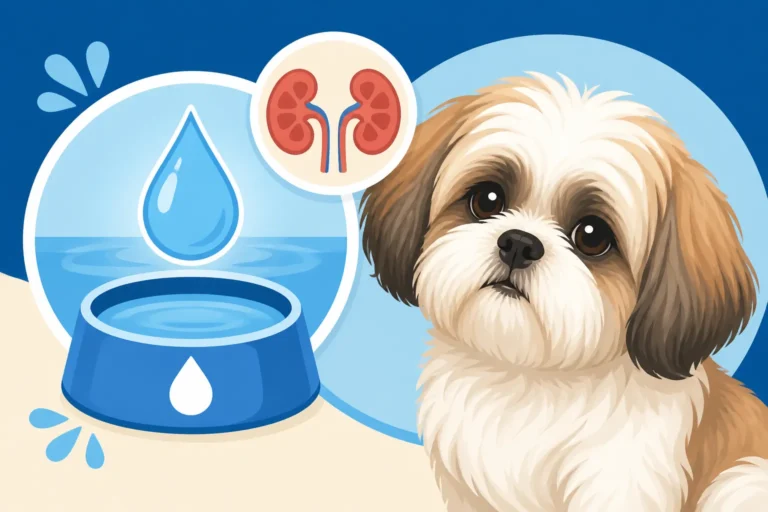
- Access to cool, fresh water: Always, always have fresh water available in multiple spots. Consider adding ice cubes to their bowl to keep it extra cool, especially if they don't drink a lot. A ceramic or stainless steel bowl can also help keep water cooler for longer than plastic. This emphasis on hydration is particularly important, as discussed in Water Intake for a Shih Tzu With Kidney Disease.
Grooming and Hydration Strategies
Grooming isn't just about looking good; it plays a vital role in your Shih Tzu's ability to manage heat. And of course, hydration is paramount.
- The "Puppy Cut" isn't just cute: While a full, flowing Shih Tzu coat is beautiful, it can also be a significant insulator. A shorter "puppy cut" or a similar clipped style can make a dramatic difference in how well your dog handles heat. Less hair means less insulation, allowing their skin to breathe and heat to escape more readily. Talk to your groomer about a comfortable, practical length for warmer months. The cost of these cuts, while an ongoing expense, is well worth the peace of mind. For more on what to expect, check out What a Shih Tzu Puppy Cut Costs.
- Regular brushing: Even with a shorter cut, regular brushing helps remove loose undercoat and prevents matting, which can trap heat against their skin.
- Hydration, hydration, hydration: We can't stress this enough. Always ensure your Shih Tzu has access to fresh, cool water. Encourage them to drink by refreshing their bowl often. If you're out and about, carry a portable water bottle and bowl. Remember, a well-hydrated dog is better equipped to handle any environmental stress, including heat. Sometimes, a tiny bit of low-sodium broth added to water can encourage picky drinkers. You might even find specialized hydrating treats or water additives on Ollie, designed to tempt those who are reluctant to drink.
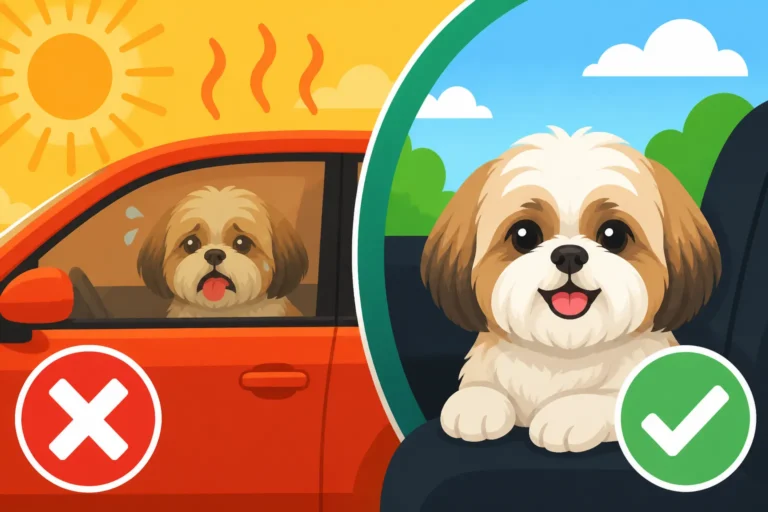
- Avoid leaving them in cars: This is an absolute non-negotiable. Even on a mild day, the temperature inside a car can rise to dangerous levels in minutes. Never leave your Shih Tzu unattended in a vehicle, not even for a quick errand. The risk of heatstroke is simply too high. This is one of the most critical warnings when it comes to Whether a Shih Tzu Should Ever Fly in Cargo or travel in general.
Recognizing and Responding to Overheating Emergencies
Despite our best efforts, sometimes things can go wrong. Knowing the signs of overheating and how to react quickly can be the difference between a scare and a tragedy. Every Shih Tzu owner needs to be vigilant and prepared.
Spotting the Subtle and Obvious Signs
It's easy to dismiss a little extra panting, thinking "oh, that's just how Shih Tzus breathe." But for a brachycephalic dog, normal panting can quickly become abnormal, and abnormal can become critical. You need to train your eye to spot the progression.
| Sign Category | Normal Shih Tzu Behavior | Overheating/Distress Signs |
|---|---|---|
| Panting | Gentle, rhythmic, mouth mostly closed. | Excessive, rapid, noisy, open-mouthed, labored breaths. |
| Tongue/Gums | Pink, moist. | Bright red, dark red, or even bluish gums/tongue. Dry, tacky. |
| Energy Level | Active, playful, or calmly resting. | Lethargic, weak, stumbling, unwilling to move. |
| Drooling | Minimal, perhaps after a drink. | Excessive, thick, ropey, foamy drool. |
| Vocalization | Happy barks, gentle snorts. | Whining, distressed cries, excessive gasping. |
| Other | Alert, responsive. | Vomiting, diarrhea, seizures, collapse. |
Don't wait for the severe signs like collapse or seizures. If you see the early indicators – particularly excessive, labored panting, bright red gums, or an unusual lethargy – consider it an urgent situation. That "noisy breathing" we mentioned earlier, while sometimes common for the breed, means their airway is always working harder than it should. When combined with heat, it's a huge red flag. For more detailed information on critical symptoms, refer to Spotting Heat Trouble in a Shih Tzu.
First Aid Steps and When to Seek Veterinary Care
Time is absolutely critical when a Shih Tzu is overheating. Do not hesitate.
- Move them to a cooler environment IMMEDIATELY: Get them into air conditioning or a shaded area.
- Apply cool (not ice cold!) water: Wet towels or sponges applied to their armpits, groin, belly, and paw pads. You can also gently mist their body with cool water. The goal is to gradually lower their temperature, not shock their system. Avoid covering their entire body with a cold, wet towel, as this can trap heat.
- Use a fan: Direct a fan onto them to help evaporate the water and aid in cooling.
- Offer small amounts of cool water: If they are conscious and willing to drink, offer a little water, but don't force it.
- Contact your veterinarian or an emergency vet RIGHT AWAY: Even if your dog seems to be cooling down, heatstroke can cause delayed complications to internal organs. A vet visit is crucial to ensure there's no lasting damage and to monitor their recovery. Call them on the way so they can prepare for your arrival.
It's tempting to think you can handle it yourself once they seem a little better, but please, for your Shih Tzu's sake, always get professional medical advice. The internal damage from heatstroke isn't always immediately apparent. Early intervention and prompt veterinary care are their best chance for a full recovery.
Being a Shih Tzu owner comes with immense joy, but also a responsibility to understand and manage their unique health challenges. Their adorable flat faces make them susceptible to overheating, but with awareness, proactive care, and a quick response to emergencies, you can ensure your beloved companion stays happy, healthy, and cool.
Disclaimer
This article is for general informational purposes only and does not constitute professional advice. Laws, prices and regulations vary by location and change over time. Consult a qualified professional for guidance on your specific situation.