Three Meals a Day for a Shih Tzu Puppy
Bringing home a Shih Tzu puppy is an absolute joy, but it often comes with a heap of questions, especially when it comes to feeding. Many new puppy parents feel overwhelmed by conflicting advice or simply aren't sure how often their tiny furball should eat. This guide is here to cut through the confusion and explain exactly why three meals a day is the golden standard for your growing Shih Tzu puppy, and how to make it work for both of you.
Why Three Meals a Day is Crucial for a Shih Tzu Puppy
When you look at your little fluffball, it's easy to forget just how much growth and development is happening inside that small body. Shih Tzu puppies, like all small breeds, have unique nutritional needs that are best met with frequent, smaller meals rather than fewer large ones. It's not just about filling their tummies; it's about supporting their delicate systems through a period of rapid change.
Supporting Rapid Growth and Development
Imagine a tiny human baby growing into a toddler in a matter of months – that's essentially what your Shih Tzu puppy is doing! Their bones are lengthening, their muscles are strengthening, and their brains are rapidly developing. All of this incredible biological work requires a constant, steady supply of energy and nutrients. A Shih Tzu puppy simply can't consume enough calories in one or two large meals to sustain this level of growth without overwhelming their small digestive system.
Think about it this way: if a human athlete needs a certain amount of fuel for a big race, they wouldn't try to eat it all in one sitting. They'd spread it out, giving their body time to process and utilize the energy. The same principle applies to your puppy. Spreading their daily caloric intake across three meals ensures a more consistent flow of essential amino acids, fats, and carbohydrates, which are the building blocks for every single cell in their rapidly expanding body. This approach also helps to avoid spikes and crashes in energy, leading to a happier, more energetic, and steadily growing puppy. It also helps prevent problems later on, as discussed in Feeding a Shih Tzu Puppy Through Its Growth.
Stabilizing Blood Sugar Levels
One of the most critical reasons for feeding a Shih Tzu puppy three times a day is to prevent hypoglycemia, or dangerously low blood sugar. Toy breeds, including Shih Tzus, are particularly susceptible to this condition, especially as very young puppies. Their small livers aren't yet fully efficient at storing glycogen, which is the body's reserve glucose (sugar). When a puppy goes too long without food, their blood sugar can drop quickly, leading to symptoms like lethargy, weakness, wobbliness, confusion, and in severe cases, seizures or even coma.
By offering three meals spaced throughout the day, you maintain a more stable blood glucose level, acting like a gentle drip feed of energy to their system. This constant supply helps regulate their metabolism and prevents those scary dips. It’s an easy and incredibly effective preventative measure that takes the stress off both you and your little one. While treats are fine for training, remember that meal times are for consistent nutrition. You might also want to look into Treat Sizes That Suit a Shih Tzu.
Accommodating a Small Stomach and Digestive System
Let's be real, a Shih Tzu puppy is tiny! Their stomach is proportionally small, and their digestive system is still maturing. Trying to cram a large amount of food into that little belly can lead to digestive upset, including vomiting, diarrhea, or discomfort. It also means they might not fully digest all the nutrients if their system is overloaded.
Three smaller meals are much easier for their system to handle. Each portion can be properly chewed, swallowed, and processed, allowing for maximum nutrient absorption and reducing the strain on their nascent digestive organs. This frequency helps keep their metabolism ticking over efficiently, ensuring they get the most out of every bite without feeling overly full or sluggish. It's all about gentle, consistent nourishment for their delicate internal workings.
Structuring Your Shih Tzu Puppy's Three Meals
Once you understand why three meals are important, the next step is figuring out the how. Setting up a consistent and appropriate feeding routine is key to raising a healthy, well-adjusted Shih Tzu. This involves everything from portion control to meal timing and choosing the right food.
Determining the Right Portion Size
This is where many owners get a little lost. The back of the puppy food bag gives a guideline, but it's just that – a guideline. It's usually based on an average puppy weight and activity level, and your specific Shih Tzu might be unique. First, find the total daily recommended amount for your puppy's current age and projected adult weight. Then, divide that total by three. For example, if the bag says your 3-month-old Shih Tzu needs 1 cup of food per day, you’d give them approximately 1/3 cup at each meal.
However, keep a close eye on your puppy's body condition. You should be able to feel their ribs easily without seeing them jutting out, and they should have a discernible waistline. If they're looking too skinny, you might need to slightly increase their portions. If they're starting to look a bit round, a slight reduction is in order. Your veterinarian is your best resource for personalized advice on portion sizes, especially as your puppy grows. Don't forget that treats count towards their daily calories too. For more insight into managing their weight, check out Daily Calories for a Twelve Pound Shih Tzu.
Setting a Consistent Feeding Schedule
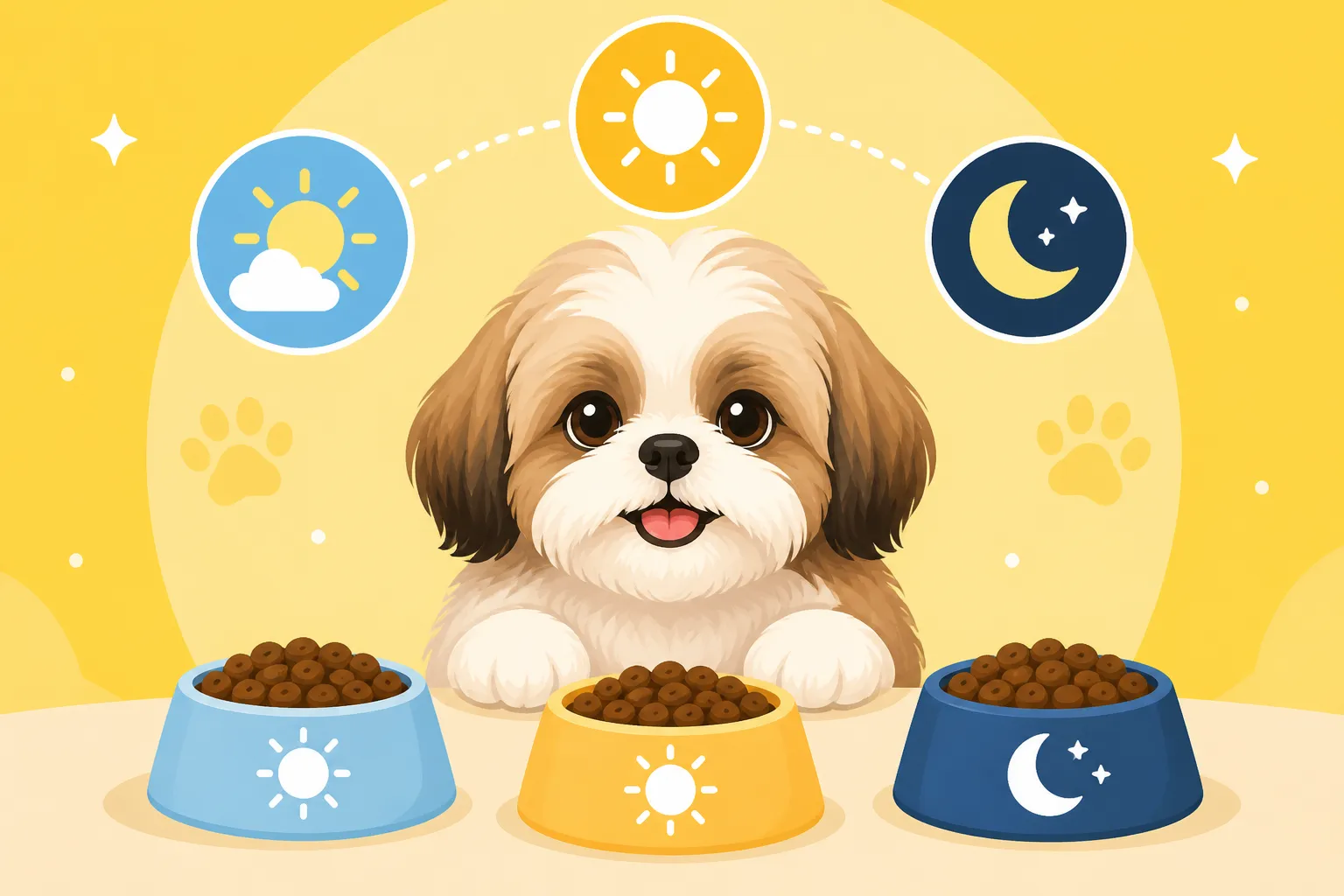
Consistency is king when it comes to puppy feeding. Dogs thrive on routine, and a predictable meal schedule helps regulate their metabolism, aids in house training, and reduces anxiety. Aim for roughly equal intervals between meals, aligning them with your family's schedule.
Here's a sample schedule you could adapt:
| Meal Time | Approximate Interval | Notes |
|---|---|---|
| 7:00 AM | Morning | Shortly after waking up, before morning potty break. |
| 1:00 PM | Mid-day | A good time for a quiet meal while you work or run errands. |
| 7:00 PM | Evening | Well before bedtime to allow for digestion and a final potty break. |
Sticking to these times helps your puppy's digestive system anticipate food, making digestion more efficient. It also helps with A Shih Tzu Potty Schedule by Week because you can predict when they'll need to go out after eating. If you free-feed (leaving food out all day), it's impossible to track intake, and it can lead to pickiness or obesity. So, put the food down, give them about 15-20 minutes to eat, and then pick up anything left over until the next mealtime.
Choosing the Best Puppy Food Type
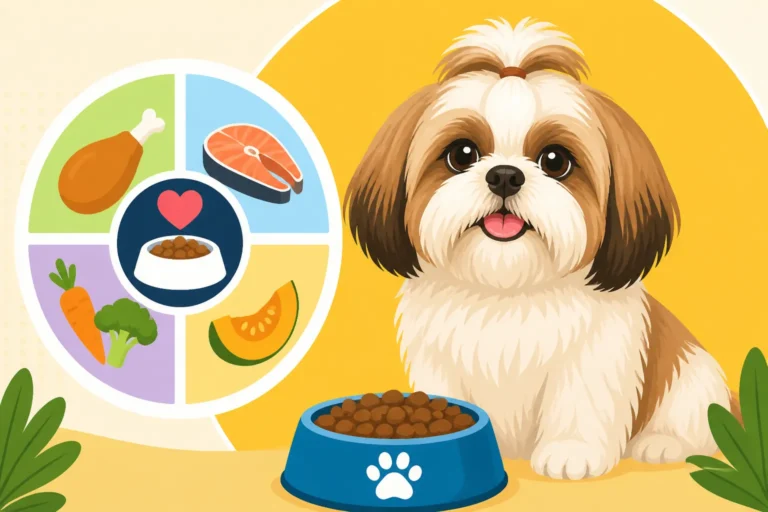
Selecting the right food for your Shih Tzu puppy is a critical decision. You'll want a high-quality puppy formula specifically designed for small breeds. These formulas typically have smaller kibble sizes, which are perfect for a Shih Tzu's Kibble Small Enough for a Shih Tzu Underbite and provide a concentrated blend of nutrients suited for their rapid growth. Look for foods with real meat as the first ingredient, and avoid those with excessive fillers or artificial additives.
Many excellent brands are available. You can find a wide variety of reputable small breed puppy foods on platforms like Chewy or Amazon. Some owners also opt for fresh food delivery services, such as Ollie, which can provide pre-portioned, human-grade meals. Regardless of the brand, always check that the food meets the nutritional standards set by organizations like the AAFCO (Association of American Feed Control Officials) for "growth" or "all life stages." If you're considering wet food, explore Whether Wet Food Suits a Shih Tzu, and for fresh options, you might be interested in Whether Fresh Food Suits a Shih Tzu Underbite. Discussing your choice with your veterinarian is always a smart move to ensure it’s the best fit for your individual puppy's needs.
Troubleshooting Common Puppy Feeding Challenges
Even with the best intentions and a solid schedule, sometimes puppy feeding throws us a curveball. It's normal to encounter a few hiccups along the way, whether it's a finicky eater or a pup who acts like they're starving all the time. The key is to address these issues with patience and understanding, maintaining consistency where possible.
When Your Puppy Refuses to Eat
It can be really unsettling when your tiny Shih Tzu puppy turns their nose up at their food. While occasional pickiness happens, a complete refusal to eat for more than one meal, especially in a young puppy, warrants attention. First, consider if anything has changed in their environment or routine. Did you introduce a new food suddenly? Is there a new stressor, like a houseguest or a move?
Sometimes, a puppy might refuse food due to feeling unwell. If your puppy is also lethargic, vomiting, or has diarrhea, it’s always best to contact your veterinarian immediately. For a healthy but stubborn eater, try to make mealtime a positive, calm experience. Avoid hovering or trying to coax them too much, as this can inadvertently teach them that refusing food gets them attention or better options. Stick to the 15-20 minute rule, then remove the food until the next scheduled meal. They’ll usually eat when they're truly hungry. If this happens regularly, you may need to adjust their Daily Calories for a Twelve Pound Shih Tzu or consider a different type of food.
Managing Picky Eaters
Shih Tzus can sometimes develop a reputation for being a bit particular about their meals, especially if they've been given too many treats or table scraps. Managing a picky eater requires consistency and a firm (but gentle) hand. First, ensure you're feeding a high-quality, palatable puppy food. Sometimes, simply switching to a different flavor or brand can make a difference. Websites like Chewy offer sample sizes or smaller bags, which can be great for testing out new options without committing to a large amount.
Avoid the trap of constantly offering new foods or adding toppers to every meal. While a bit of plain cooked chicken or a spoonful of pumpkin can be a temporary enticement, making it a regular habit can reinforce pickiness. Present their regular food, give them the allotted time, and if they don't eat, take it away. They won't starve themselves, and this teaches them that mealtime is when their food is available. It might take a few days, but most puppies will eventually eat their regular food when they realize there are no other options. If you're concerned about them not eating enough, especially if they are underweight, discuss it with your vet.
Avoiding Overfeeding and Obesity
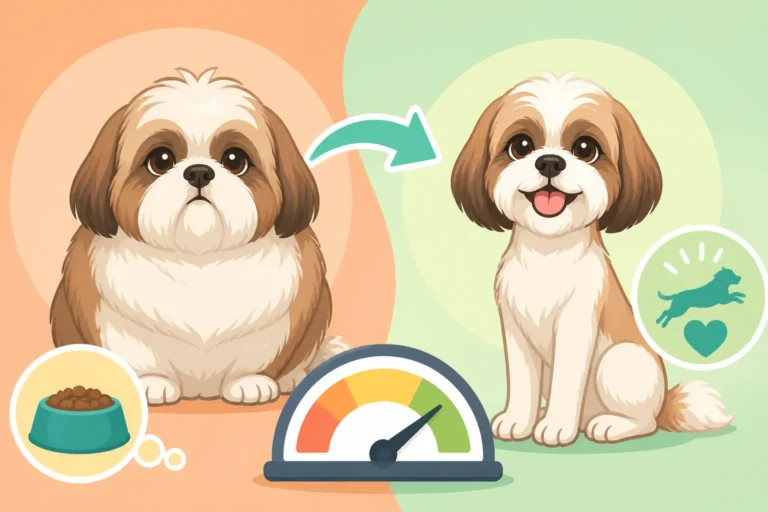
It's so easy to spoil a cute little Shih Tzu puppy with extra treats or slightly larger portions, but overfeeding is a serious concern that can lead to Shih Tzu Obesity on a Sixteen Pound Frame. Puppyhood is a critical time for establishing healthy eating habits and maintaining an appropriate weight. Excess weight during growth can put undue stress on developing joints and organs, setting the stage for health issues down the road.
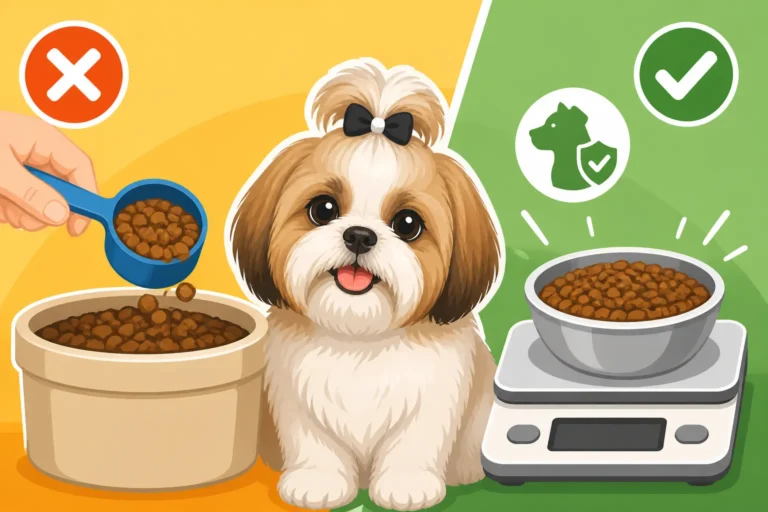
Always measure your puppy's food precisely. Don't eyeball it! A simple kitchen scale can be incredibly useful for accurate portion control. Limit treats to a small percentage of their daily caloric intake, especially during training sessions. Choose low-calorie training treats and break them into tiny pieces. Encourage exercise through indoor play sessions or short, supervised walks suitable for a growing puppy. You can even use puzzle feeders from Amazon or Chewy to make mealtime a bit more engaging and slow down fast eaters. Remember, a lean puppy is a healthy puppy, and maintaining an ideal weight is one of the best gifts you can give your Shih Tzu for a long, happy life.
Transitioning from Puppy Food to Adult Food
Your Shih Tzu puppy won't be a puppy forever! As they grow, their nutritional needs change, and eventually, they'll need to transition from a puppy formula to an adult maintenance diet. This transition needs to be handled carefully to avoid digestive upset and ensure they continue to receive appropriate nutrition.
Recognizing When Your Shih Tzu is Ready
Generally, most Shih Tzus are ready to transition from puppy food to adult food around 9 to 12 months of age. Small breeds mature faster than large breeds, so your Shih Tzu will likely reach their adult size and most of their skeletal development by this point. A good indicator is when they've stopped growing taller and are simply filling out.
However, every dog is an individual. If your Shih Tzu is still very lean, particularly active, or if your veterinarian recommends continuing puppy food for a bit longer, it’s perfectly fine to do so. The key is to observe their physical development and consult with your vet. Some premium brands offer "all life stages" formulas that are suitable for both puppies and adults, simplifying the transition. However, many vets still recommend a dedicated puppy formula for optimal growth. Look for signs that their rapid growth phase is slowing down, such as less frequent growth spurts and a more stable weight. For general information, see The Age a Shih Tzu Stops Growing.
Gradually Changing Food and Schedule
Once you've decided it's time to switch to adult food, do it gradually over 7-10 days. A sudden change can easily upset your Shih Tzu's sensitive stomach. Here’s a typical transition schedule:
- Days 1-2: 75% puppy food, 25% adult food
- Days 3-4: 50% puppy food, 50% adult food
- Days 5-6: 25% puppy food, 75% adult food
- Days 7-10: 100% adult food
During this period, continue to feed three meals a day. Monitor your Shih Tzu for any signs of digestive upset, such as diarrhea or vomiting. If you notice any issues, slow down the transition and give them a few more days at the current ratio before progressing. This gradual approach allows their digestive system to adjust to the new ingredients and nutrient profile. Remember to choose a high-quality small breed adult food, just as you did for their puppy formula.
Moving to Two Meals a Day
Once your Shih Tzu is fully transitioned to adult food, you can typically reduce their feeding frequency from three meals a day to two. Most adult dogs thrive on two meals, usually breakfast and dinner. This schedule is easier for most owners to maintain, and by this age, your Shih Tzu's digestive system and metabolism are mature enough to handle longer stretches between meals without issues like hypoglycemia.
To transition to two meals, you'll take their total daily adult food portion and divide it evenly between two meals. For example, if they now need 1 cup of adult food per day, they'd get 1/2 cup at breakfast and 1/2 cup at dinner. Continue to monitor their weight and body condition. If they seem excessively hungry or are losing weight, you might need to slightly increase portion sizes, always within reason. If they're gaining weight, a slight reduction might be necessary. This adjustment marks an important milestone, signifying that your little puppy is now a well-nourished, thriving adult Shih Tzu! You can find more detail on this in Splitting a Shih Tzu Ration Across Two Meals.
Disclaimer
This article is for general informational purposes only and does not constitute professional advice. Laws, prices and regulations vary by location and change over time. Consult a qualified professional for guidance on your specific situation.