Weighing Shih Tzu Food Instead of Scooping
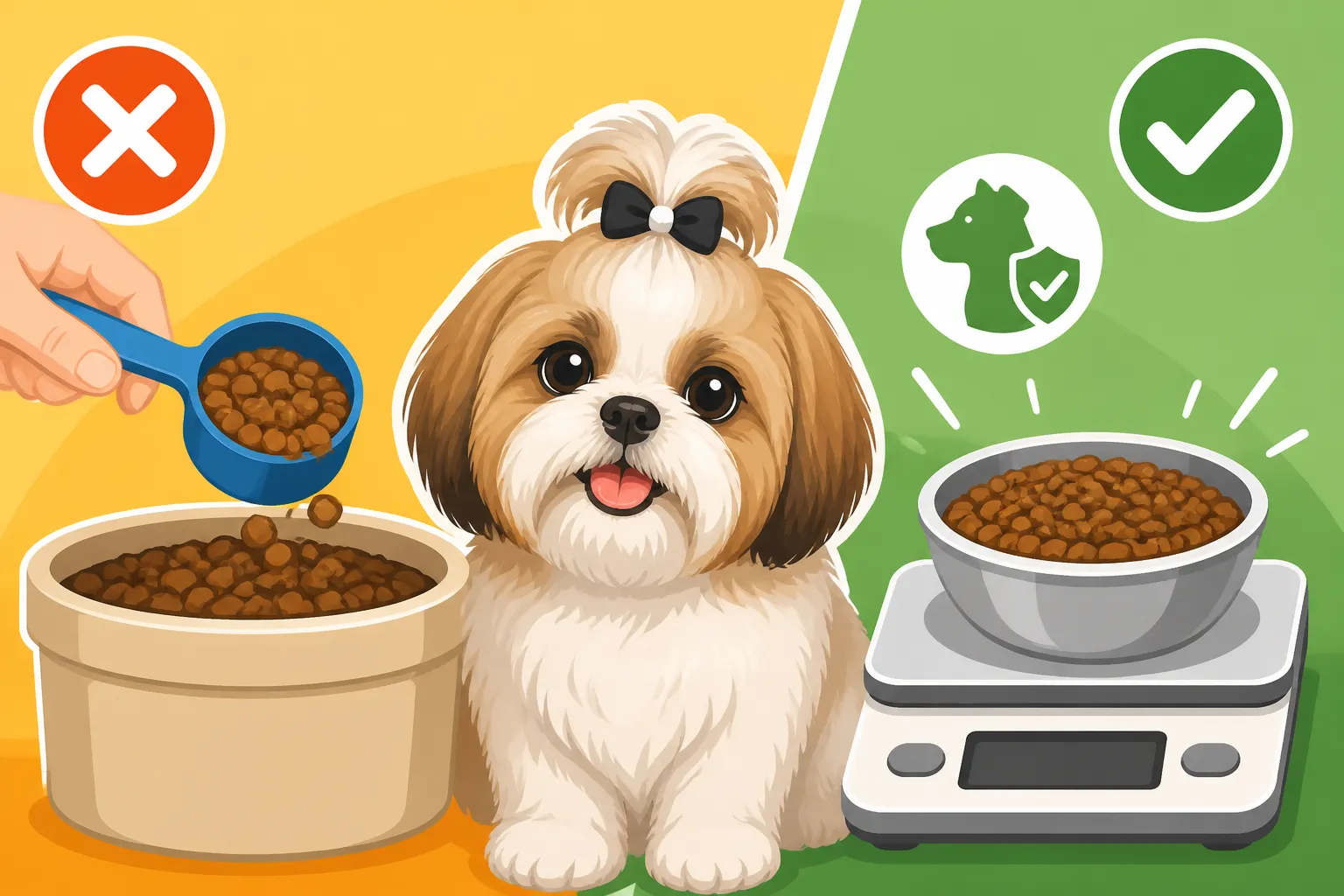
It’s a common scenario in many Shih Tzu homes: you grab the trusty scoop, dive into the food bag, and level it off, thinking you’ve given your sweet companion the perfect meal. But here’s the often-overlooked truth – that seemingly precise scoop might be leading to inconsistent feeding, making it incredibly tough to manage your Shih Tzu’s weight and overall health. This guide is here to shed light on why weighing your Shih Tzu's food is a game-changer for their well-being and how easy it is to make the switch.
Why Scooping Can Lead to Trouble for Your Shih Tzu
We all mean well, don't we? We follow the guidelines on the food bag, use the cup that came with the kibble or a standard measuring cup, and assume we're hitting the mark every time. But for a small breed like a Shih Tzu, where every calorie counts, the subtle inconsistencies of scooping can accumulate and create real problems over time. It’s not about being a bad owner; it’s about understanding the subtle science behind accurate feeding.
The Inconsistency of "Scoops" and Cups
Think about it: not all kibble is created equal. Some brands produce dense, heavy pellets, while others are lighter and more airy. The same "cup" of a dense kibble will weigh significantly more than a cup of a fluffy, expanded kibble. Beyond that, how you scoop matters immensely. Do you lightly fill the cup, or do you press the kibble down to get every last piece in? This packing density can dramatically alter the actual amount of food in your measuring cup, sometimes by as much as 20% or more. That’s a huge difference when you’re talking about a dog that might only need a quarter or a half cup of food a day.
For a tiny Shih Tzu, these fluctuations are magnified. A few extra kibbles here and there might seem insignificant to us, but for a dog whose ideal weight is often in the 9-16 pound range, those small differences add up to a significant caloric surplus or deficit. Over weeks and months, these tiny deviations can nudge your dog closer to being overweight or, less commonly, underweight, without you even realizing it. The bag might say "one cup," but your method of filling that cup could mean a different amount every single day.
The Hidden Dangers of Overfeeding a Small Breed
The most apparent risk of inconsistent scooping that leans towards overfilling is, of course, weight gain. A Shih Tzu carrying even a few extra pounds isn't just a cosmetic issue; it's a serious health concern that can dramatically impact their quality of life and lifespan. Their delicate, long spines are already prone to issues like disc disease, and excess weight places immense strain on their intervertebral discs and joints. This can exacerbate existing conditions or bring on new ones, leading to painful mobility issues. Imagine having to carry a heavy backpack all day, every day – that's what extra weight feels like for your little dog.
Beyond orthopedic stress, obesity in Shih Tzus can worsen their inherent breathing challenges. As a brachycephalic (flat-faced) breed, they already struggle with compromised airways. Brachycephalic Breathing in a Shih Tzu is a serious concern, and added fat around the neck and chest can further restrict breathing, making them more prone to overheating and respiratory distress. Overweight Shih Tzus are also at a higher risk for conditions like diabetes, heart disease, and even certain types of cancer. It’s a sad reality that Shih Tzu Obesity on a Sixteen Pound Frame can shorten their precious lives and diminish their daily joy. Owners often struggle to spot the signs of excess weight under their beautiful, full coats, making accurate portion control even more vital. What Two Extra Pounds Do to a Shih Tzu can be profound.
Underfeeding: When Your Shih Tzu Isn't Getting Enough
While overfeeding is a more common concern, underfeeding can also happen with inaccurate scooping. Perhaps you're trying to be extra careful, or the kibble is particularly dense, and you're consistently under-scooping. For a growing puppy, this can lead to developmental problems and failure to thrive. For an adult Shih Tzu, chronic underfeeding can result in lethargy, a dull coat, brittle nails, and a weakened immune system. They might not have the energy for their usual playful antics, and their overall vitality could diminish.
If your Shih Tzu is highly active (yes, some Shih Tzus are surprisingly energetic!), or if they're recovering from an illness, they might have higher caloric needs. Underfeeding can prevent them from gaining or maintaining necessary weight, hindering recovery or healthy function. It’s a less common pitfall than overfeeding, but it highlights why consistency, whether you're adding or removing calories, is paramount. You want your dog to receive the precise nutrition they need to thrive, not just get by.
Making the Switch: How to Accurately Weigh Your Shih Tzu's Food
The idea of weighing food might sound like an extra chore, but I promise you, once you get into the habit, it takes mere seconds and offers profound peace of mind. It removes all the guesswork and gives you total control over your Shih Tzu's diet, ensuring they get exactly what they need, every single meal.
Choosing the Right Digital Kitchen Scale
The first step is investing in a good quality digital kitchen scale. You don't need anything fancy or expensive; a basic, reliable model will do the trick. When you're looking for one, consider a few key features:
- Accuracy: Make sure it measures in small increments, ideally down to one gram or a tenth of an ounce. This precision is crucial for tiny portions.
- Tare Function: This allows you to place your dog's food bowl on the scale, zero it out (tare), and then add the food without having to subtract the bowl's weight manually. It makes the process quick and easy.
- Easy to Clean: Look for a smooth, flat surface that can be wiped down easily in case of spills.
- Compact Size: Since it will likely live on your counter or in a nearby drawer, a scale that doesn't take up too much space is a plus.
You can find excellent options for digital kitchen scales from retailers like Amazon or at specialty pet stores. Many models are very affordable and will quickly pay for themselves in improved pet health and reduced food waste. Chewy also offers a selection of scales designed for pet owners, so you can pick one that fits your budget and needs.
The Step-by-Step Process for Perfect Portions
Once you have your scale, the process is incredibly straightforward.
- Find the Target Weight: Look at your Shih Tzu's food bag. Most reputable pet food brands provide feeding guidelines not just in cups, but also in grams or ounces per day, often based on your dog's target weight. If it only gives cups, you can still weigh a "level scoop" a few times to get an average weight for that volume, then use that as your baseline. Remember, it's about the weight of the food, not the volume. Your vet can also help you determine the precise daily caloric intake or specific weight in grams your Shih Tzu needs. Daily Calories for a Twelve Pound Shih Tzu is a great resource to understand general needs.
- Prepare Your Scale: Place your Shih Tzu's empty food bowl on the digital kitchen scale.
- Tare the Scale: Press the "tare" or "zero" button. The display should now read 0. This means the scale is ignoring the weight of the bowl.
- Add the Food: Carefully pour your Shih Tzu’s kibble into the bowl until the display shows the exact target weight you determined in step 1. If you're feeding two meals a day, divide the total daily weight by two for each meal.
- Serve and Repeat: Remove the bowl, feed your happy Shih Tzu, and repeat for their next meal.
That's it! This simple routine eliminates all the variables of scooping, ensuring your dog gets a consistent and accurate portion every single time. It feels good knowing you're providing them with exactly what their body needs.
Adjusting for Treats, Supplements, and Special Diets
Weighing food becomes even more valuable when you need to adjust for other caloric inputs. Treats, for example, can quickly add up for a small Shih Tzu. If you give treats regularly, you might need to slightly reduce their main meal portion to compensate. Treats Small Enough for a Shih Tzu Session are key, but even small ones contain calories. Some owners love to add a spoonful of wet food or a small portion of fresh, human-grade food (like those offered by Ollie) to their dog’s kibble for extra palatability or nutrients. When you do this, factor those calories into the overall daily intake. You can weigh these additions too!
For Shih Tzus on special veterinary diets – perhaps for kidney disease, allergies, or weight loss – precise measurement is absolutely non-negotiable. These diets are formulated with specific nutrient profiles and caloric densities, and even small deviations can undermine their effectiveness. Your vet will likely provide feeding instructions in grams or ounces for these specific foods, making your kitchen scale an indispensable tool. If your Shih Tzu has Renal Dysplasia and the Shih Tzu Kidney, for example, a vet-prescribed kidney diet is crucial, and precise weighing ensures they get the exact balance of nutrients needed.
The Benefits of Precision Feeding for Your Shih Tzu's Health
Making the small change to weighing your Shih Tzu's food yields enormous dividends in their health and your peace of mind. It’s a practice that embodies responsible pet ownership, offering both immediate and long-term advantages.
Maintaining an Ideal Body Condition
The most obvious benefit of precise feeding is the ability to maintain your Shih Tzu at their ideal body weight. It's often tricky to Finding Shih Tzu Ribs Under All That Hair, so relying on sight alone can be misleading. A consistent caloric intake means fewer unexpected weight fluctuations, which in turn reduces the stress on their joints, heart, and respiratory system. For a breed already prone to orthopedic issues like Shih Tzu Joint Problems in a Toy Frame and breathing difficulties, keeping them lean and fit is one of the kindest things you can do. When your Shih Tzu is at their ideal weight, they'll have more energy, move more comfortably, and generally experience a higher quality of life. They can play, explore, and snuggle without the burden of extra weight holding them back.
If your Shih Tzu needs to lose a little weight, weighing their food allows for gradual, controlled reduction. You can work with your vet to determine a target weight and then slowly adjust their daily allowance in small, measurable increments. This makes the weight loss journey far more effective and less frustrating for both you and your dog. How Slowly a Shih Tzu Should Lose Weight is a topic best discussed with your vet to ensure it's done safely.
Better Management of Health Conditions
For Shih Tzus with existing health conditions, precise feeding is not just helpful, it's often critical. Dogs with diabetes require extremely consistent caloric intake to help regulate their blood sugar levels. Even minor fluctuations in food portions can throw their glucose levels out of whack, making management incredibly difficult. Similarly, for Shih Tzus suffering from Renal Dysplasia and the Shih Tzu Kidney or other kidney issues, feeding specific Kidney Diets for a Shih Tzu with controlled protein, phosphorus, and sodium levels is vital. Accurate weighing ensures these precise formulations are delivered exactly as prescribed, maximizing the therapeutic benefits of the diet and supporting their organ function.
Conditions like inflammatory bowel disease or certain allergies also benefit from consistent, carefully measured meals. It helps minimize digestive upset and makes it easier to pinpoint dietary triggers if you're undertaking an elimination diet. In essence, weighing food provides a level of control and consistency that becomes a cornerstone of medical management for many canine ailments.
Financial Savings and Less Waste
While your primary motivation is your Shih Tzu's health, there's a pleasant side benefit: saving money and reducing waste. When you consistently scoop, it's easy to accidentally overfill the cup, meaning you go through bags of food faster than anticipated. You might find yourself running to the store more often or spending more on kibble than your budget planned.
By weighing, you'll know exactly how long a bag of food should last based on the daily recommended grams. This precision allows for better budgeting and means you’re not inadvertently throwing money away by overfeeding. It also means less waste if your Shih Tzu is a bit of a picky eater. Instead of guessing how much to put down, you provide an accurate portion, reducing the likelihood of uneaten food sitting in the bowl and eventually being discarded. It's a small change with a noticeable impact on both your wallet and the environment.
| Feature | Scooping Food | Weighing Food |
|---|---|---|
| Accuracy | Highly variable; depends on kibble type, density, and user technique. | Highly precise; exact amount in grams or ounces. |
| Consistency | Difficult to achieve meal-to-meal. | Easy to achieve consistent portions every time. |
| Effort | Quick initially, but can lead to health complications later. | A few extra seconds per meal. |
| Health Impact | Higher risk of overfeeding (obesity, joint strain, respiratory issues) or underfeeding. | Helps maintain ideal weight, manages health conditions, supports overall well-being. |
| Cost Efficiency | Can lead to faster food consumption and waste. | Maximizes food usage, reduces waste, better budgeting. |
| Management of Special Diets | Challenging to ensure exact therapeutic intake. | Essential for precise nutrient delivery and efficacy. |
Switching from scooping to weighing your Shih Tzu's food is one of those small, simple changes that can have an incredibly profound and positive impact on their health and longevity. It removes the guesswork, offers invaluable consistency, and empowers you to be a more informed and precise caregiver. It might take a few days to get into the routine, but soon you'll find it second nature, and your happy, healthy Shih Tzu will thank you for it in every wag of their little tail.
Disclaimer
This article is for general informational purposes only and does not constitute professional advice. Laws, prices and regulations vary by location and change over time. Consult a qualified professional for guidance on your specific situation.