Senior Shih Tzu Food After the Age of Ten
As our beloved Shih Tzus gracefully enter their golden years, often past the age of ten, many owners find themselves wrestling with a new set of questions about their diet. It’s incredibly common to worry if their current food is still serving them best, especially when you start noticing subtle shifts in their energy, their weight, or even their teeth. This guide is here to walk you through the essential considerations for feeding your senior Shih Tzu, ensuring they continue to thrive with optimal nutrition well into their wise old age.
Why Your Senior Shih Tzu's Nutritional Needs Change
Just like us, as Shih Tzus age, their bodies undergo a whole host of internal changes that directly impact what and how they should eat. It’s not just about slowing down; it’s a complex shift in metabolism, organ function, and even their sensory perception. What worked perfectly for them as a vibrant five-year-old might not be the best choice for a thirteen-year-old taking life at a slower pace. Understanding these fundamental shifts is the first step in providing the best care.
Metabolic Slowdown and Energy Needs
One of the most significant changes you'll notice in an older Shih Tzu is a general decrease in activity. Those zoomies that once defined their puppy and adolescent years become less frequent, replaced by longer naps and more sedate strolls. This reduction in activity directly correlates to a lower metabolic rate, meaning their body simply doesn't burn through as many calories as it used to. If their food intake remains the same while their energy expenditure drops, the inevitable outcome is weight gain. Excess weight, even a pound or two on a small breed like a Shih Tzu, can exacerbate existing conditions like Shih Tzu Joint Problems in a Toy Frame or Shih Tzu Back Problems and Disc Disease, putting undue stress on their delicate frames. Conversely, some senior Shih Tzus might start to lose weight due to decreased appetite or underlying health issues, which also requires dietary adjustments.
It’s a fine balance to strike: providing enough calories to maintain a healthy weight without overfeeding. This often means switching to a formula specifically designed for senior dogs, which typically has fewer calories per serving but is packed with essential nutrients to support aging bodies. These diets aim to keep them lean and prevent obesity, a very real concern for many aging companion breeds.
Common Senior Health Concerns and Diet
The aging process often brings with it a higher risk of certain health conditions, and nutrition plays a huge role in managing or even mitigating some of these challenges. For Shih Tzus, specific issues like dental disease, kidney changes, and declining joint health are particularly prevalent.
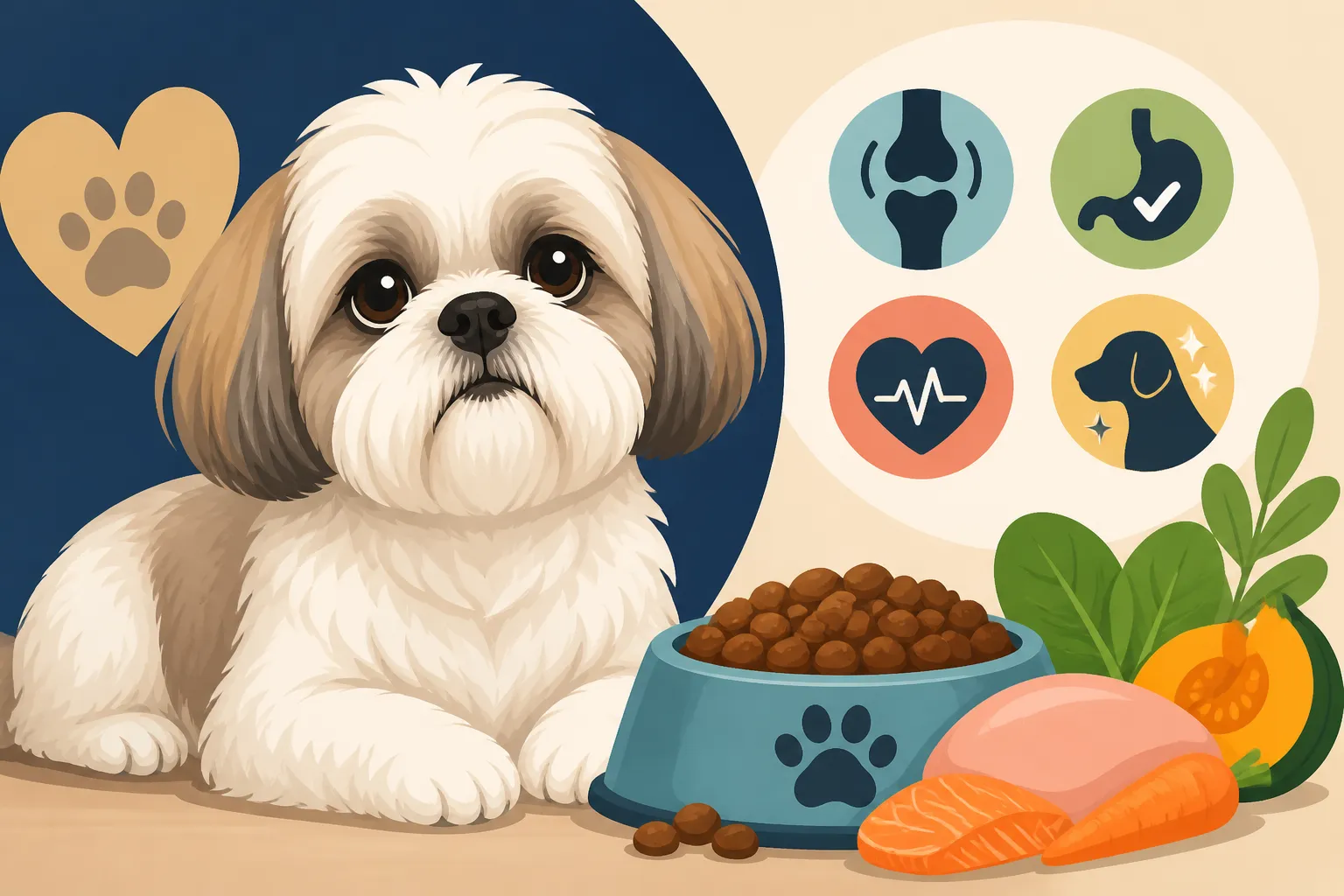
For example, Shih Tzu Dental Disease at 13 Percent of the Breed is incredibly common, and as they get older, teeth might be missing or too painful to chew hard kibble effectively. A diet that's softer or more palatable can make eating less of a chore and more enjoyable. Then there are potential kidney changes. While not every senior Shih Tzu develops significant kidney disease, monitoring kidney health through regular vet check-ups becomes crucial. If a vet diagnoses early stages of kidney issues, a diet lower in phosphorus and controlled protein levels might be recommended to ease the burden on their kidneys, as discussed in Kidney Diets for a Shih Tzu. Joint health is another big one; many senior diets include supplements like glucosamine and chondroitin to support cartilage and joint lubrication, which can be a game-changer for a dog starting to feel stiff.
Beyond these, some older Shih Tzus may develop food sensitivities they didn't have before, leading to digestive upset or skin issues. A senior diet designed for sensitive stomachs, often with easily digestible ingredients, can help alleviate these problems. Regular veterinary check-ups are paramount to catch these issues early, allowing you to tailor their diet proactively.
Choosing the Right Food for Your Senior Shih Tzu
Navigating the pet food aisle (or website) for senior-specific options can feel overwhelming. There are so many choices: different forms, different ingredient lists, different promises. The key is to look beyond the marketing and focus on what truly benefits your aging companion.
Understanding Senior Dog Food Formulas
Senior dog foods are not just smaller versions of adult formulas; they are specifically engineered to address the physiological changes that come with age. When you're looking at labels, here's what to keep an eye out for:
- Reduced Calorie Content: As mentioned, this helps prevent unwanted weight gain due to a slower metabolism and decreased activity. Look for foods labeled "senior," "weight management," or "light."
- High-Quality Protein: While often lower in total protein than puppy or adult formulas (especially if kidney issues are present), the protein needs to be highly digestible and of excellent quality to help maintain muscle mass. Older dogs can lose muscle, and good protein helps combat this.
- Joint Support: Ingredients like glucosamine, chondroitin, and Omega-3 fatty acids (DHA/EPA) are frequently added to support joint health and reduce inflammation. These are incredibly beneficial for any Shih Tzu that might be experiencing Shih Tzu Arthritis After the Age of Nine.
- Fiber for Digestive Health: A good balance of fiber can aid digestion, promote regular bowel movements, and help manage blood sugar levels. Many senior dogs experience constipation or other digestive irregularities, so this is a big plus.
- Antioxidants: Vitamins E and C, along with other antioxidants, help combat oxidative stress and support the immune system, which can weaken with age.
- Omega-3 Fatty Acids: Beyond joint health, these also support cognitive function, skin, and coat health – all important as your Shih Tzu ages.
When browsing options, whether it’s at a local pet store or online platforms like Chewy, take the time to compare the nutritional analysis and ingredient lists carefully. Don't be afraid to ask your vet for specific recommendations tailored to your Shih Tzu's individual health profile.
Wet, Dry, or Fresh: Which is Best?
The form of food you choose can make a significant difference for a senior Shih Tzu, especially if they have dental issues or a flagging appetite.
- Dry Kibble: This is often the most economical and convenient option. If your senior Shih Tzu still has good dental health, small-sized kibble can be perfectly fine. However, ensure it's specifically a senior formula with appropriate nutrient balances. The crunch can also help some with mild plaque control, though it's no substitute for proper dental care. If you do stick with kibble, consider adding a little warm water or low-sodium broth to soften it, making it easier to chew and more appealing.
- Wet Food: Canned food is generally much softer, making it ideal for Shih Tzus with Shih Tzu Tooth Crowding in a Tiny Jaw or missing teeth. It's also highly palatable due to its higher moisture content and stronger aroma, which can entice a senior dog with a decreased sense of smell or a picky appetite. The increased moisture intake is also beneficial for overall hydration, especially if they aren't drinking as much water as they used to. Be mindful that wet food typically has more calories by volume than kibble, so portion control is crucial.
- Fresh Food (Home-cooked or Prepared Services): This option has gained popularity, with services like Ollie delivering pre-portioned, human-grade meals. Fresh food can be incredibly appealing to picky eaters and provides excellent hydration. If you choose to home-cook, it's vital to work with a veterinary nutritionist to ensure the diet is complete and balanced, as deficiencies can arise if not formulated correctly. Cooking for a Shih Tzu at home can be time-consuming, but for some owners, the peace of mind of knowing every ingredient is worth it. For those with dogs that have very sensitive stomachs, a carefully crafted fresh diet can sometimes be easier to digest.
Many owners opt for a mixed approach, offering kibble softened with water or a spoonful of wet food, or alternating between dry and wet meals. This provides variety and ensures palatability while still leveraging the benefits of different food types.
Feeding Strategies for the Aging Shih Tzu
Once you've settled on the right food, how you present it and how often you feed it can be just as important. Senior Shih Tzus often benefit from a more thoughtful feeding routine than their younger counterparts.
Portion Control and Meal Frequency
Given their slower metabolism and tendency for weight gain, meticulous portion control is non-negotiable for senior Shih Tzus. Always refer to the feeding guidelines on your chosen senior dog food, but consider them a starting point. Your vet can help you determine the ideal caloric intake based on your dog's current weight, activity level, and any underlying health conditions. Remember that a full coat can often hide Why a Full Coat Hides Shih Tzu Weight Gain, so feeling their ribs is more reliable than just looking.
Instead of one or two large meals, consider splitting their daily food allowance into three or even four smaller meals throughout the day. This approach offers several advantages:
- Easier Digestion: Smaller meals are less taxing on an aging digestive system, which can be more sensitive. It can help prevent bloating and discomfort.
- Consistent Energy Levels: Frequent small meals provide a steady release of energy, which can be beneficial for dogs who might experience dips in blood sugar.
- Appetite Stimulation: For those senior Shih Tzus with a waning appetite, presenting smaller, fresh portions more frequently can keep them interested in food.
- Blood Sugar Regulation: For dogs with diabetes or those at risk, smaller, more frequent meals can help maintain stable blood sugar levels.
Using a kitchen scale to weigh out their food rather than relying on scoops is the most accurate way to ensure precise portion control. Weighing Shih Tzu Food Instead of Scooping can make a huge difference in managing their weight effectively.
Managing Appetite Changes
It's heartbreaking to see your previously food-motivated Shih Tzu turn their nose up at mealtime. Appetite changes are common in senior dogs and can stem from various causes, from decreased sense of smell and taste to underlying medical conditions or dental pain.
- Enhance Palatability: If your Shih Tzu is picky, try warming wet food slightly to release its aroma. You can also mix a small amount of low-sodium chicken broth, plain pumpkin puree, or even a tiny bit of cooked, unseasoned chicken breast into their regular food. Services like Ollie, with their fresh, appealing textures, often prove successful for finicky eaters.
- Rule Out Medical Issues: A sudden or persistent loss of appetite warrants an immediate vet visit. It could be a sign of dental pain, kidney disease, heart issues (as discussed in Shih Tzu Heart Murmurs and Valve Disease), or other conditions that need addressing. Don't assume it's "just old age."
- Create a Calm Eating Environment: Ensure your senior Shih Tzu has a quiet, comfortable spot to eat, away from household chaos or other pets. Elevated bowls can also make eating more comfortable for dogs with neck or back pain.
- Hand-Feeding: Sometimes, a little extra attention can encourage an older dog to eat. Offering a few bites by hand can kickstart their appetite.
- Prescription Appetite Stimulants: In some cases, your vet might prescribe a medication to help stimulate appetite if all other avenues have been explored and underlying health issues ruled out or managed.
Remember, consistent monitoring of their eating habits and prompt veterinary consultation for significant changes are crucial for your senior Shih Tzu's well-being.
Addressing Common Senior Shih Tzu Eating Challenges
Even with the best intentions and the perfect food, senior Shih Tzus can present unique eating challenges that require patience and creative solutions.
Dental Issues and Eating Discomfort
As previously touched upon, dental problems are rampant in Shih Tzus, and they tend to worsen with age. Periodontal Disease in a Five Year Old Shih Tzu can progress, leading to significant pain, infection, and tooth loss in their later years. A dog with a painful mouth simply won't want to eat, no matter how delicious the food.
- Regular Dental Care: This is the absolute first line of defense. Professional dental cleanings under anesthesia are essential, even for senior dogs, if their health allows. Your vet will do pre-anesthetic bloodwork to assess suitability, as discussed in Pre-Anesthetic Testing Before a Shih Tzu Dental.
- Softer Food Consistency: If your Shih Tzu has severe dental disease or has had many teeth extracted (see Shih Tzu Tooth Extractions and Eating After), a soft, wet, or gently moistened kibble is often the only way they can comfortably eat. Pureed human-grade baby food (meat-based, no onion/garlic) can be a temporary solution if chewing is too painful.
- Small Bites: For kibble, ensure the pieces are very small to minimize chewing effort. Even soft food can be difficult if your dog struggles to pick it up.
- Warmth: Gently warming food to body temperature can make it more inviting and soothing for a tender mouth.
Always consider dental pain as a primary suspect if your senior Shih Tzu suddenly becomes reluctant to eat. A quick check by your vet can rule it in or out.
Digestive Sensitivities and Upset
An aging digestive system can become less efficient and more prone to upset. This might manifest as gas, loose stools, or constipation.
- Highly Digestible Ingredients: Look for senior dog foods that emphasize highly digestible protein sources (like chicken, turkey, or fish) and easily digestible carbohydrates (like rice or oats). Avoiding common allergens or ingredients that have previously caused issues can also help. Many premium senior foods, available on platforms like Amazon or Chewy, specifically highlight their digestibility.
- Probiotics and Prebiotics: Some senior formulas include prebiotics (fibers that feed beneficial gut bacteria) and probiotics (live beneficial bacteria) to support a healthy gut microbiome. These can be particularly helpful for managing chronic digestive upset.
- Small, Frequent Meals: As mentioned earlier, smaller meals are easier on the digestive system and can prevent it from being overwhelmed.
- Consistent Diet: Avoid sudden changes in diet. If you need to switch foods, do so gradually over 7-10 days, mixing increasing amounts of the new food with decreasing amounts of the old. This helps the digestive system adjust smoothly.
- Hydration: Ensure your Shih Tzu always has access to fresh, clean water. Good hydration supports digestive function and prevents constipation. If they are not drinking enough, wet food can help supplement their water intake. Water Intake for a Shih Tzu With Kidney Disease is especially critical to monitor, as dehydration can exacerbate many senior health issues.
Picky Eaters and Declining Senses
It’s not uncommon for senior Shih Tzus to become pickier about their food. Their sense of smell and taste can diminish with age, making previously favored meals seem uninteresting.
- Flavor Boosters: A tiny sprinkle of nutritional yeast, a dash of low-sodium chicken broth, or a spoonful of pureed sardines (packed in water, no salt added) can often make food more appealing.
- Variety (with caution): While consistency is good for digestion, offering a little variety in textures or flavors (within the realm of healthy senior dog food) can sometimes re-engage a picky eater. If you use a fresh food delivery service, for instance, they often offer different protein options which can be rotated.
- Warmth: Food served at room temperature or slightly warmed often has a stronger aroma, which can be more enticing for a senior dog whose sense of smell isn't as sharp as it once was.
- Rule Out Pain: Again, a sudden onset of pickiness could be a sign of pain or discomfort, not just a preference. Dental issues, nausea, or even generalized aches (such as from Shih Tzu Arthritis After the Age of Nine) can make eating unpleasant.
- Positive Reinforcement: Make mealtime a calm, positive experience. Gentle praise and petting before and during eating can encourage them.
Remember, every Shih Tzu is an individual, and finding the right senior food and feeding strategy might take a little trial and error. But with patience, observation, and regular veterinary guidance, you can ensure your beloved senior companion continues to enjoy their meals and maintain their health for many more years.
Sample Senior Shih Tzu Meal Plan Considerations
Here's a general idea of how you might structure a day's feeding for a senior Shih Tzu, keeping in mind that exact portions will vary greatly based on the specific food, your dog's weight, and activity level. This is for illustrative purposes only.
| Meal Time | Food Type | Consistency/Preparation | Key Benefit | Notes |
|---|---|---|---|---|
| Morning | Senior Kibble | Small kibble, softened with warm water | Hydration, easily digestible | Helps with appetite in the morning |
| Mid-day | Wet Senior Food | Room temperature, mashed | Palatability, hydration | Good for dogs with dental issues or lower appetite |
| Evening | Senior Kibble | Small kibble, mixed with a spoonful of plain canned pumpkin | Fiber for digestion, familiar | Can also add joint supplement if not in food |
| Occasional | Low-calorie senior treat | Broken into tiny pieces | Training, mental enrichment | Choose treats appropriate for a Shih Tzu's size |
Always ensure fresh water is available at all times, ideally in a bowl that keeps their beard dry, like a narrow, deep bowl or a fountain.
Disclaimer
This article is for general informational purposes only and does not constitute professional advice. Laws, prices and regulations vary by location and change over time. Consult a qualified professional for guidance on your specific situation.