How Many Days Before a Shih Tzu Mats
One of the most disheartening experiences for any Shih Tzu parent is spending time brushing and combing your beloved companion, only to find them riddled with tangles and mats what feels like mere hours later. It’s incredibly frustrating, and often leaves us wondering if we’re doing something wrong or if our little lion dog is just extra prone to matting. This guide is here to shed light on why Shih Tzus seem to mat at lightning speed, how quickly it can happen, and most importantly, what you can do to win the constant battle against that dense, beautiful coat.
The Unforgiving Truth About the Shih Tzu Double Coat
Before we can even begin to understand why mats form so quickly, we need to talk about the very thing that makes a Shih Tzu so undeniably adorable: their coat. It’s not just hair; it’s a sophisticated, multi-layered system designed for a colder climate, far from our cozy living rooms. And while it gives them that regal, flowing appearance, it also comes with a hefty maintenance requirement that many new owners vastly underestimate.
The Double Layering System and Its Purpose
A Shih Tzu possesses what’s known as a "double coat." This isn't just a fancy term; it means they have two distinct types of hair, each with its own job. First, there's the outer layer, known as the guard hairs. These are longer, coarser, and more protective. They're designed to repel water, shed dirt, and provide a protective barrier against the elements. Think of them as the roof shingles on a house.
Beneath this outer layer lies the "undercoat." This is the truly fluffy, dense, and soft layer. Its primary purpose in their ancestral Tibetan environment was insulation – keeping them warm in cold temperatures. While the guard hairs might look like the main event, it's this incredibly fine, woolly undercoat that often causes the most grief for owners. It's beautiful and soft to the touch, but it's also incredibly prone to knotting, especially when shed hairs become intertwined with the active coat. This unique structure, while gorgeous, demands constant attention.
Why the Undercoat is the Real Culprit
When we talk about a Shih Tzu "matting," we're really talking about the undercoat. The guard hairs can tangle, certainly, but they rarely form the tight, felted masses that are so characteristic of a matted Shih Tzu. The undercoat, being much finer and softer than the outer guard hairs, has a natural tendency to catch and hold onto loose hairs. Imagine a cloud of very fine, wispy cotton – that's essentially what shed undercoat hair becomes. When this loose hair gets trapped within the active, growing undercoat, it begins to twist and clump together.
Adding to the challenge is the fact that Shih Tzus don't shed like many other breeds. Instead of releasing large quantities of hair that fall out, their shed hair tends to remain caught within the surrounding coat. This is often cited as a reason why they're considered "hypoallergenic" or "low-shedding," but it comes at a cost: that shed hair must be brushed out, or it will inevitably weave itself into a dense, unyielding mat. This trapped, shed hair, combined with any friction or moisture, acts like a magnet for further tangles. It's a vicious cycle where a small tangle quickly escalates into a larger, more stubborn mat, creating a dense felt-like texture that can become extremely painful if left unattended. This is why Why a Shih Tzu Double Coat Mats So Fast is such a common question among new owners.
The Astonishing Speed of Shih Tzu Matting
If you feel like your Shih Tzu mats practically overnight, you're not imagining things. Their unique coat truly does have an uncanny ability to go from brushed to tangled in a remarkably short amount of time. It’s a disheartening reality for many owners who strive to keep their dogs comfortable and beautiful.
Factors Influencing Matting Speed
Several elements contribute to how rapidly a Shih Tzu's coat can mat. It's not a single switch that flips, but rather a perfect storm of circumstances. Firstly, individual coat texture plays a huge role. Some Shih Tzus have a silkier, more open coat that is a bit more forgiving, while others have an incredibly dense, cotton-like undercoat that seems to cling to itself with fierce determination. Those with finer, softer hair often mat faster than those with a slightly coarser, yet still soft, texture.
Environmental factors are also massive contributors. High humidity can make hair sticky and more prone to clumping, while dry environments, especially indoors with heating, can create static electricity that makes hairs fly apart and then cling back together in tangles. Dirt, dust, and debris picked up from everyday activities are also major culprits. Even a small piece of leaf or a bit of carpet fluff can act as an anchor, starting a tiny knot that quickly grows. Furthermore, a Shih Tzu's activity level directly impacts matting. A dog that loves to roll around on the carpet, wrestle with toys, or rub against furniture will develop tangles far faster than a more sedate companion. All this friction, combined with their unique coat, makes for a perfect matting recipe.
The "Two-Day Rule" and What It Means
For many Shih Tzu owners, the idea of a "two-day rule" isn't an exaggeration; it's a stark reality. What this means is that for a Shih Tzu in a full, flowing coat, if you go just 48 to 72 hours without a thorough, systematic brushing, you can almost guarantee that significant matting will have started. This isn't just a few surface tangles that can be quickly finger-combed out; we're talking about tight, felted knots that pull at the skin and require real effort (or professional intervention) to remove.
The frustration this causes is immense. You might have dedicated a good hour yesterday to carefully line-brushing every section of your dog, only to wake up today and find new, stubborn knots forming, particularly in those high-friction areas. It feels like an endless cycle. This "two-day rule" isn't a hard-and-fast scientific law, of course, but it's a widely experienced phenomenon among Shih Tzu enthusiasts. It underscores the immense commitment required for maintaining their coat and highlights why Brushing a Full Coat Shih Tzu Every Single Day is often the only way to stay ahead of the game.
Hot Spots Where Mats Form Fastest
While mats can technically form anywhere on a Shih Tzu's body, there are certain "hot spots" that seem to attract tangles with alarming efficiency. These are the areas that owners need to pay extra attention to during their daily grooming routine. Neglecting these zones, even for a day or two, is almost guaranteed to result in a matted mess.
High-Friction Areas
Think about where your Shih Tzu's body experiences the most movement and contact with other surfaces. These are prime locations for mats to develop. The areas directly behind the ears are notorious for matting because of how the head moves, rubbing against the neck and collar. These mats can start as tiny, innocent tangles and quickly become tight, painful knots if not addressed daily. Similarly, the "armpits" or areas under the front legs are incredibly prone to matting due to the constant friction of the legs moving against the body. When your Shih Tzu walks, runs, or even just shifts, these areas are constantly rubbing, causing hairs to intertwine.
The groin area and around the hocks (the joints on their hind legs) are also common trouble spots. And let's not forget the areas where collars or harnesses sit. If your Shih Tzu wears a collar or a harness for any length of time, the constant rubbing against the coat will inevitably create friction, leading to mats right where the equipment sits. This is why it’s so important to remove collars and harnesses when your dog is resting and to check these areas diligently during every brushing session. You might want to read more about Mats Where a Harness Sits on a Shih Tzu to understand the specific challenges there.
Damp and Dirty Zones
Moisture and grime are matting accelerators. The Shih Tzu's adorable beard, which so often dips into food and water, is a prime example. Bits of kibble, wet food residue, and constant dampness from drinking can quickly cause the beard hairs to stick together and mat. This isn't just an aesthetic issue; it can lead to skin irritation underneath if left dirty and tangled. Similarly, their fluffy paws, which come into contact with all sorts of outdoor elements, can quickly collect dirt, mud, and even tiny pieces of debris that instantly weave into the hair between their pads and on top of their feet.
The hair around their eyes, particularly with the tear staining many Shih Tzus experience, also tends to mat. The constant dampness from tears, combined with the fine hair, creates a sticky environment where mats can form right at the corner of the eye, sometimes even obstructing their vision. Lastly, the sanitary areas around their rear are another critical zone. Urine and fecal matter can quickly cling to the fine hairs, leading to sticky, uncomfortable mats that are not only unhygienic but also painful to remove. Keeping these areas meticulously clean and dry is vital to preventing mats and maintaining your Shih Tzu's overall comfort. Addressing these areas is crucial to prevent serious problems like those discussed in Mats Under a Shih Tzu's Front Legs.
The Daily Battle: Preventing Mats in Your Shih Tzu
Given how quickly Shih Tzus can mat, prevention truly is the name of the game. It requires consistency, the right tools, and a proactive approach. Think of it less as a chore and more as a daily ritual that strengthens your bond and ensures your furry friend's comfort.
The Non-Negotiable Daily Brushing Routine
For a Shih Tzu with a longer coat, daily brushing isn't an option; it's an absolute necessity. Even if you're aiming for a shorter "puppy cut," a thorough brushing every 2-3 days is usually required to prevent knots from tightening. The key is not just to skim the surface, but to get right down to the skin. This is where "line brushing" comes in handy: you part the hair in small sections, hold the hair above the section up, and brush from the skin out, layer by layer, until you reach the top. This ensures you're tackling any tangles at their root, not just gliding over them.
Invest in a good quality slicker brush and a sturdy metal comb with both wide and fine teeth. The slicker brush helps to separate the hairs and work out smaller tangles, while the comb is essential for finding and gently detangling any remaining knots, especially in those tricky areas behind the ears and under the legs. Make brushing a positive experience with treats and praise, keeping sessions relatively short if your pup is still learning to tolerate it. Starting this training early is crucial for their comfort and your sanity! Consider learning more about Two Hours on the Table and a Patient Shih Tzu to help with this.
Strategic Bathing and Drying
Bathing a matted Shih Tzu is one of the biggest mistakes an owner can make. Water actually causes existing mats to shrink, tighten, and felt even more, making them almost impossible to remove without shaving. Therefore, always, always thoroughly brush and detangle your Shih Tzu before bathing them.
Most Shih Tzus benefit from a bath every two to three weeks, depending on their activity level and coat length. Use a high-quality shampoo and conditioner specifically designed for dogs with long, double coats. The conditioner is vital for adding moisture back into the hair, making it more pliable and less prone to tangling. The most critical part of the bathing process, however, is the drying. A damp undercoat is a mat magnet. You absolutely must dry your Shih Tzu completely, right down to the skin. Many professional groomers use high-velocity dryers for this, which not only remove water efficiently but also help to straighten the coat, reducing tangles. If you're drying at home, use a human hairdryer on a cool or low-heat setting, constantly brushing as you dry to ensure every strand is dry and tangle-free. This commitment to thorough drying is highlighted in Drying a Shih Tzu Right Through the Undercoat.
Protective Measures and Grooming Aids
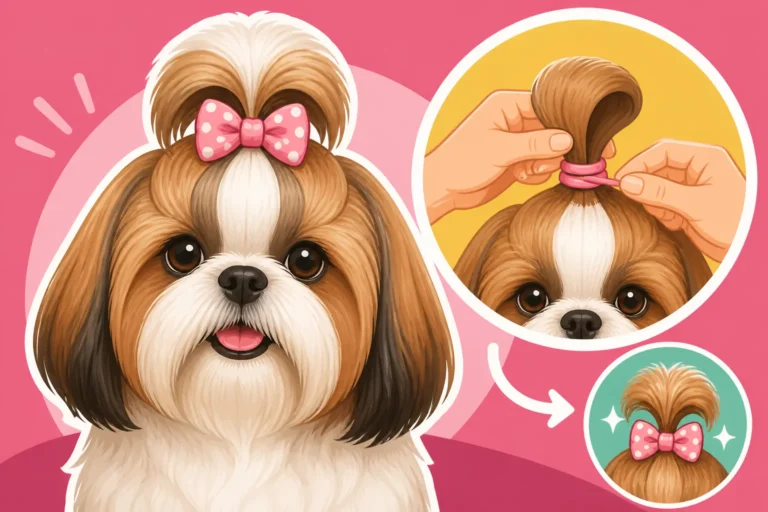
Beyond daily brushing and strategic bathing, there are several protective measures and grooming aids that can significantly reduce matting. For Shih Tzus with longer hair on their head, a topknot is not just cute; it's functional. Tying the hair up keeps it out of their eyes, preventing tear stains and the painful mats that can form around the eye area. Learning to tie a proper topknot that's secure but not too tight is a valuable skill. The Shih Tzu Topknot and Keeping Hair Out of the Eyes has great tips.
During meal times, consider using a snood – a soft fabric tube that slips over their ears and covers their beard. This keeps their precious facial hair out of their food and water, preventing those soggy, sticky mats from forming. Detangling sprays are also incredibly helpful. Applied lightly before brushing, they can add slip to the coat, making it easier for the brush and comb to glide through tangles. You can find excellent detangling sprays from brands like Chewy or on Amazon. Finally, don't underestimate the power of regular professional grooming. Even if you brush daily, a professional groomer can give your Shih Tzu a thorough bath, blow-dry, and trim that keeps their coat in optimal condition, often every four to six weeks. Whether you opt for a full show coat or a practical "puppy cut," a professional's touch can make a huge difference in managing the coat.
When Prevention Fails: Dealing with Existing Mats
Despite your best efforts, sometimes mats happen. A particularly rowdy play session, an unexpected dip in a puddle, or even just a day where life got in the way can result in stubborn tangles. The key then is to address them promptly and gently to prevent them from becoming larger, more painful problems.
Gentle Dematting Techniques
First and foremost, never pull. Yanking at a mat will not only hurt your Shih Tzu but can also cause skin irritation and even injury. Patience is your greatest tool here. Start by isolating the mat, gently separating it from the surrounding healthy hair. You can use a sprinkle of cornstarch or a detangling spray (available on Chewy or Amazon) to help lubricate the hair and make it more slippery.
Work from the outside of the mat, gently teasing out individual strands or small clumps of hair with your fingers or the fine teeth of a metal comb. Some mats respond well to a "mat splitter" tool, which has small blades designed to cut through the mat without cutting the healthy coat. However, use these with extreme caution, as it’s easy to accidentally nick the skin if the mat is tight. Keep sessions short, especially if your dog is sensitive, and always end with praise and a treat. If you can't get a few strands free within a minute or two, take a break and come back later. Remember, Breaking Up a Mat Without Cutting It Out requires patience and technique.
Recognizing When Professional Help is Needed
There comes a point where DIY dematting is no longer humane or practical. If a mat is tight against the skin, large, or covers a significant portion of your Shih Tzu's body, it's time to call in a professional groomer. These types of mats can cause severe pain, restrict movement, and even lead to skin infections underneath. Trying to remove them yourself can cause immense distress to your dog and may result in accidental cuts or abrasions.
A professional groomer has the specialized tools, experience, and often a high-velocity dryer that can sometimes help loosen severe mats (if not too tight). However, be prepared for the likelihood that a severe mat may require shaving. A humane shave-down, though it might mean losing that beautiful long coat for a while, is often the kindest option for a severely matted dog. Groomers typically charge an extra fee for dematting services due to the time and effort involved, and for extensive matting, shaving is usually recommended for the dog's comfort. Understanding when to seek help is covered in When a Shih Tzu Mat Has to Be Shaved Out.
Long-Term Coat Care Philosophy
Managing a Shih Tzu's coat is truly a lifestyle choice, not just an occasional task. It demands dedication, understanding, and the right approach to ensure your furry friend remains happy, healthy, and tangle-free throughout their lives. Embracing this philosophy will make all the difference.
Consistency is Key
The biggest takeaway for any Shih Tzu owner should be this: consistency is absolutely paramount. Their coat doesn't take days off, and neither can your grooming routine. Integrating daily brushing into your routine, much like feeding them or taking them for a walk, turns it from a dreaded chore into a natural part of your day. It’s about building a habit for both you and your dog.
This consistent attention not only prevents mats but also strengthens the bond you share. Regular handling gets your Shih Tzu comfortable with being touched all over, which is invaluable for vet visits and future grooming sessions. It's a quiet, meditative time where you're providing comfort and care. If you want a full, flowing coat, prepare for a daily commitment. If you prefer a shorter, easier-to-manage "puppy cut," you might get away with brushing every other day, but never less frequently than that. Always remember that even a clean coat will mat if not regularly brushed and combed.
Investing in the Right Tools and Products
Just as a chef needs quality knives, a Shih Tzu owner needs quality grooming tools. Skimping on brushes, combs, shampoos, and conditioners will only make the matting battle harder and less effective. A good quality slicker brush, a sturdy metal greyhound comb, and professional-grade dog shampoo and conditioner are non-negotiables. Brands like Andis, Chris Christensen, and Furminator (for de-shedding the undercoat, used carefully) offer reliable tools you can often find on Chewy or Amazon.
Consider how their diet might also impact coat health. A high-quality diet, potentially even a fresh food option like Ollie, can contribute to a healthier skin and coat, making it less prone to dryness and brittleness, which can exacerbate matting. Healthy fats, like omega-3s, play a crucial role. While diet won't prevent mats on its own, it contributes to the overall integrity of the hair shaft. Think of it as supporting their natural defenses from the inside out. With the right tools, good nutrition, and consistent effort, you can conquer the challenge of the Shih Tzu double coat. For more information on essential tools, check out The Brush and Comb a Shih Tzu Coat Demands and Why a Shih Tzu Coat Needs Conditioner.
Here's a quick overview of estimated grooming frequency based on coat length:
| Coat Length | Brushing Frequency | Bathing Frequency | Professional Grooming (approx.) |
|---|---|---|---|
| Full/Show Coat | Daily (15-30 mins) | Every 1-2 weeks | Every 4-6 weeks (for trimming) |
| Medium/Puppy | Every 1-2 days | Every 2-3 weeks | Every 6-8 weeks |
| Short/Shaved | Every 2-3 days (min) | Every 3-4 weeks | Every 8-12 weeks |
Disclaimer
This article is for general informational purposes only and does not constitute professional advice. Laws, prices and regulations vary by location and change over time. Consult a qualified professional for guidance on your specific situation.