The Brush and Comb a Shih Tzu Coat Demands
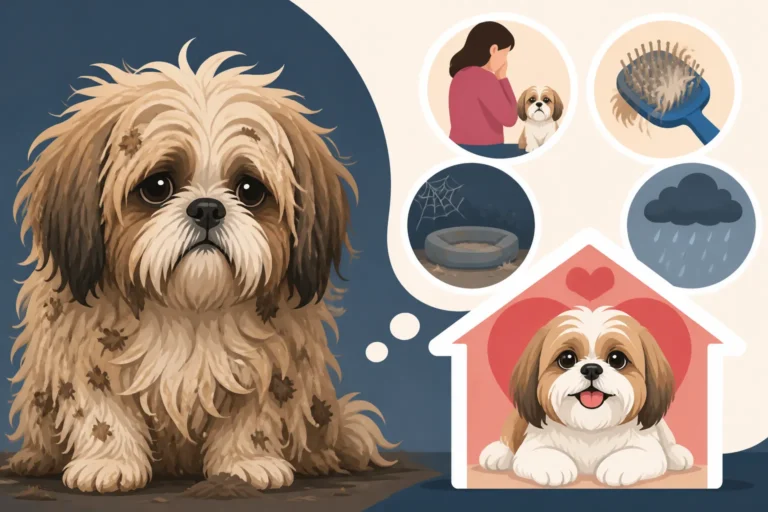
It’s a scenario every Shih Tzu owner knows all too well: you gaze at your precious companion, admiring their flowing, luxurious coat one moment, and the next, you’re discovering a stubborn mat forming behind an ear or under a leg. Their magnificent double coat, while undeniably beautiful, is also a magnet for tangles and knots, making daily grooming not just a chore, but an absolute necessity to prevent discomfort and serious skin issues. This guide is all about equipping you with the right arsenal of brushes and combs to conquer the knots and keep your Shih Tzu’s coat healthy, happy, and gleaming.
Understanding the Unique Shih Tzu Coat
The Shih Tzu coat is truly a marvel, but it's also a double-edged sword when it comes to grooming. It's not just a single layer of hair; it's a complex system designed to keep them warm and protected. Understanding this structure is the first step in appreciating why specialized tools are so crucial.
The Double Coat Dilemma
At the heart of the Shih Tzu grooming challenge lies their distinctive double coat. Imagine two distinct layers working in tandem. The outer layer is their long, silky, flowing topcoat, which is what most people admire. It's soft to the touch and, when well-maintained, shimmers beautifully. Beneath this glamorous outer layer, however, lies a dense, woolly undercoat. This soft, downy layer is primarily for insulation, providing warmth in colder climates.
The problem arises because these two layers grow at different rates and have different textures. The soft undercoat is prone to shedding, but instead of falling out freely, it often gets trapped within the longer, coarser guard hairs of the topcoat. When these shed hairs get trapped and mix with the topcoat, and you add a little friction from movement or rubbing, the inevitable happens: mats and tangles. These aren't just superficial knots; they can become dense, painful clumps that pull on the skin. A mat can form seemingly overnight, transforming a smooth patch of fur into a felted mess. This unique structure is precisely Why a Shih Tzu Double Coat Mats So Fast and makes daily grooming non-negotiable for dogs with longer coats.
Why Generic Brushes Just Won't Cut It
Many new Shih Tzu owners, understandably, start with a brush they might have used on a different breed or a general-purpose pet brush. However, these often prove to be woefully inadequate for the Shih Tzu's double coat. Most standard brushes, like a simple bristle brush or a flimsy wire brush, are designed to glide over the surface of the coat, only really touching the top layer. They might make the topcoat look shiny for a few minutes, but they completely fail to penetrate the dense undercoat.
This is where the real trouble brews. If the undercoat isn't regularly brushed through and cleared of shed hair, those trapped hairs will continue to felt together, forming progressively larger and tighter mats close to the skin. You might be diligently brushing your Shih Tzu every day, thinking you're doing a great job, only to discover a solid wall of matted fur when you try to part the hair close to the skin. Not only is this frustrating, but it's also incredibly painful for your dog. Mats pull on the skin, restrict blood flow, and can lead to painful skin infections, hot spots, and general discomfort. It’s why you need specific tools designed to reach deep and effectively address both layers of their magnificent mane.
Essential Brushes for the Shih Tzu
To effectively manage a Shih Tzu's coat, you need a collection of specialized brushes, each serving a distinct purpose in the grooming process. These aren't interchangeable; they work together to ensure every layer of fur is tended to.
The Mighty Slicker Brush
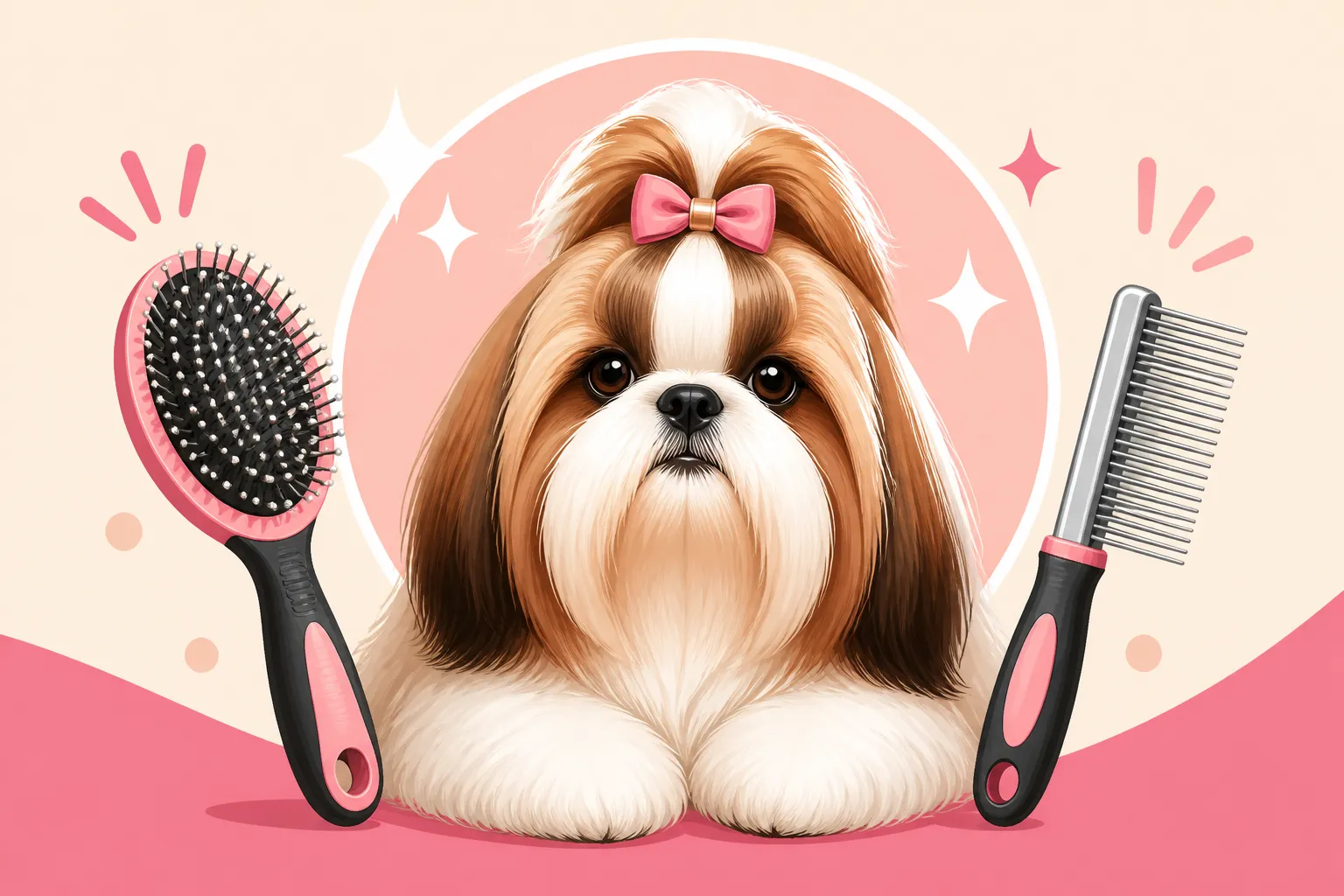
Think of the slicker brush as your primary weapon against mats and shedding undercoat. This brush is characterized by its rectangular head covered in fine, short, tightly packed wire pins, often angled slightly. The design allows it to gently but effectively penetrate both the topcoat and the undercoat.
The primary purpose of the slicker brush is to detangle the coat and, most importantly, remove loose, dead undercoat that would otherwise contribute to matting. When used correctly, it helps to separate the hairs, preventing them from forming those stubborn felted clumps.
The technique for using a slicker brush on a Shih Tzu is crucial: you must use a method called "line brushing." This involves parting the coat horizontally and brushing one small section at a time, working from the ends of the hair up towards the skin. Always use light, gentle strokes, never digging the pins into the skin, as they can cause "brush burn" or irritation. Focus on brushing through the hair, ensuring the pins reach the base of the coat without scratching the skin. This methodical approach ensures you're truly reaching the undercoat and not just skimming the surface. A good quality slicker brush is indispensable for any Shih Tzu owner, as it's the tool that truly gets down to the roots and addresses the source of most matting. It's the most effective tool that Which Brush Reaches a Shih Tzu Undercoat to keep their fluffy layer healthy.
The Pin Brush for Topcoat Grooming
Once you've thoroughly worked through the undercoat and detangled any potential mats with your slicker brush, the pin brush steps in for the finishing touches. A pin brush features widely spaced, straight, or slightly angled metal or plastic pins with smooth, rounded tips. Unlike the slicker, it doesn't have the same detangling power or ability to pull out shedding undercoat from deep within.
Its main purpose is to gently smooth and fluff the topcoat, removing any remaining loose hairs from the surface and distributing the natural oils, which contributes to that healthy, shiny appearance. Think of it as a conditioning brush that makes their coat look polished and well-groomed.
You'll typically use the pin brush after the slicker brush, or for daily, quick touch-ups on a coat that's already largely free of tangles. It's much gentler than a slicker, making it ideal for the delicate topcoat and for stimulating circulation without irritating the skin. Use long, even strokes, following the direction of hair growth. For a Shih Tzu with a full, flowing coat, the pin brush helps prevent static and keeps the hair from splitting, maintaining that gorgeous, luxurious look.
Dematting Tools and When to Use Them
Sometimes, despite our best efforts, a mat forms that's too stubborn for a slicker brush to handle safely. This is where dematting tools come into play, but they come with a significant caution: they are not for everyday use and require extreme care. Dematting tools typically feature serrated blades or sharp hooks designed to cut through tight mats.
There are various types, such as dematting rakes or dematting combs, which have blades that can slice through a mat without losing too much length from the surrounding coat. However, using these tools incorrectly can easily cut your dog's skin, especially in areas where mats are tight against the body. If you absolutely must use one, ensure you place your fingers between the mat and the skin to create a barrier and prevent accidental nicks. Work slowly and patiently, tackling small sections of the mat at a time.
For most owners, if a mat is too tight or too large to be gently worked out with a slicker brush and a detangling spray, the safest and kindest option for your Shih Tzu is to visit a professional groomer. They have specialized tools and techniques to remove even the most severe mats with minimal discomfort. In some cases, a mat has to be shaved out completely, which is far better than causing pain or injury at home. Remember, the goal is always to prevent mats with daily grooming rather than having to resort to these aggressive tools. Using a dematting tool incorrectly definitely carries the risk of injury, highlighting Whether a Dematting Tool Hurts a Shih Tzu if not handled with immense care.
The Indispensable Combs for Detail Work
While brushes do the heavy lifting of detangling and removing undercoat, combs are your precision instruments. They’re crucial for finding hidden tangles, perfecting finishes, and tackling those tricky, sensitive areas of your Shih Tzu’s delicate face.
The Metal Greyhound Comb
If the slicker brush is your workhorse, the metal greyhound comb is your ultimate detector of missed mats. This comb is usually made of metal and features two distinct sections of teeth: one side with widely spaced teeth and another with very fine, closely spaced teeth. This versatility makes it incredibly useful for a Shih Tzu coat.
The wide-toothed side is excellent for gently working through larger sections of hair, checking for major tangles after brushing, or carefully breaking apart minor knots. It glides through the coat smoothly, helping you feel any resistance that indicates a hidden mat. The fine-toothed side is where the real detail work happens. After you've brushed your Shih Tzu thoroughly with both a slicker and a pin brush, use the fine side of the greyhound comb to slowly comb through the entire coat, section by section, from root to tip. If the comb snags anywhere, it means there’s a tangle or mat you missed, even if it wasn't visible.
This comb is particularly invaluable for areas prone to matting, such as behind the ears, under the legs, and around the tail. It’s also excellent for working through the longer hair on their legs and feathering. The true test of a well-groomed Shih Tzu is whether a fine-toothed metal comb can glide effortlessly through their entire coat. This is affectionately known as The Comb Test on a Brushed Shih Tzu, and it’s the gold standard for knowing your dog is tangle-free.
Face Combs and Small Detail Combs
The Shih Tzu's unique flat face and prominent eyes present specific grooming challenges. This is where smaller, more specialized combs come in handy. These are typically very fine-toothed metal combs, much smaller than a greyhound comb, designed for intricate work.
Their primary purpose is to safely and effectively clean the delicate areas around your Shih Tzu’s eyes, nose, and mouth. These areas are prone to tear staining, food accumulation in their beard, and general dampness which can lead to mats and skin irritation. A small face comb allows you to gently comb out crusty debris, food particles, and small tangles without risking injury to their sensitive eyes. You can use it in conjunction with tear stain removers or simple damp cloths to keep these areas clean. Chewy offers a good selection of these specialized combs, along with gentle eye wipes perfect for a Shih Tzu's delicate facial area.
Beyond the face, these small combs are also invaluable for sanitary trims and tidying up the fur on their paws. The fine teeth can carefully work through the hair between their paw pads or ensure the hair around their private areas is kept clean and free of debris. Regular attention to these detail areas with the right comb can prevent painful issues and keep your Shih Tzu feeling fresh and comfortable. Trimming Face Hair Away From Shih Tzu Eyes, for instance, requires immense precision only a small comb can help with.
Grooming Routine: How to Use Your Tools Effectively
Having the right tools is only half the battle; knowing how to use them effectively and consistently is what truly makes a difference in maintaining your Shih Tzu's beautiful coat. A successful grooming routine is built on preparation, technique, and patience.
Setting Up for Success
Before you even pick up a brush, creating the right environment is key. First, ensure you have a dedicated grooming spot. This could be a grooming table with a non-slip mat, or even a sturdy, elevated surface like a countertop or a sturdy table covered with a bath mat. The elevation helps save your back and also keeps your Shih Tzu from wiggling away easily. Crucially, a non-slip surface prevents slips and falls, which can be dangerous for their delicate backs.
Good lighting is absolutely essential. You need to be able to clearly see into the dense coat, spot any hidden tangles, and identify potential skin irritations. Work in a well-lit room, and consider a magnifying lamp for intricate facial work.
Finally, gather all your supplies before you start: your slicker brush, pin brush, metal comb, small face comb, detangling spray, scissors (for emergencies, not for regular cutting unless trained), treats, and a towel. Having everything within arm's reach minimizes interruptions and keeps your dog's attention focused. Always keep the experience positive with plenty of praise and high-value treats. Starting this positive association with grooming early, even during puppyhood, is vital. This early introduction to handling and tools is paramount, and it's why Grooming Training Starts the First Week, setting the stage for a lifetime of cooperative grooming. For dogs on specialized diets, even their grooming treats need to be carefully chosen, and many owners find great options through services like Ollie, which often have limited ingredient choices suitable for sensitive pups.
The Step-by-Step Brushing Process
Once you have your setup ready, it’s time to tackle the coat. Remember, consistency is far more important than intensity. Daily, or at least every-other-day, brushing is ideal for a full-coated Shih Tzu to prevent mats from forming.
- Prep the Coat: Lightly mist your Shih Tzu’s coat with a detangling spray or a conditioning spray. Never brush a dry coat, as this can cause static, breakage, and discomfort.
- Sectioning is Key: This is the most important part. Don’t try to brush the entire dog at once. Use your fingers or a comb to part the hair into small sections. Start with one leg, then move to the body, then the other legs, and finally the head and tail. When working on the body, create horizontal part lines, exposing the skin.
- Line Brushing with the Slicker: Begin at the very bottom of the section you're working on (e.g., the bottom of a leg). Hold the hair above it up and out of the way. With gentle, short strokes, use your slicker brush to brush downwards and outwards through the small section of hair, making sure the pins reach the skin. Once that section is tangle-free, drop a little more hair from above and repeat the process, working your way up the leg.
- Repeat, Repeat, Repeat: Continue this line brushing technique over the entire body, working section by section. Pay extra attention to common problem areas like behind the ears, under the armpits, and around the sanitary regions. Brushing a Full Coat Shih Tzu Every Single Day, working methodically through sections, is the best defense against matting.
- Pin Brush Finish: Once you've thoroughly slicker-brushed the entire dog and removed all tangles and loose undercoat, use your pin brush for a final pass. This will smooth the topcoat, add shine, and fluff it up beautifully.
- The Comb Test: Finally, take your metal greyhound comb. Start with the wide-toothed side, then move to the fine-toothed side. Slowly comb through every inch of your Shih Tzu’s coat, making sure the comb can glide smoothly from root to tip. If you hit any snags, go back with your slicker brush to gently work out the remaining tangle. A good detangler spray can be immensely helpful here, as Detangler Sprays That Work on a Shih Tzu, can lubricate the hair and help combs glide through.
When to Seek Professional Help
Even the most dedicated home groomer can encounter situations that are best left to the professionals. Recognizing when to call in a pro isn't a sign of failure; it's a sign of responsible pet ownership.
One of the most common reasons to seek professional help is severe matting. If you discover a mat that is tight, large, or pulling painfully on the skin, it’s often safer and less stressful for your dog to have a professional groomer handle it. Attempting to force a comb or brush through a severe mat can cause significant pain, skin irritation, or even accidental cuts. Groomers have specialized tools, techniques, and experience in safely dematting or, if necessary, shaving out these painful clumps. Sometimes, When a Shih Tzu Mat Has to Be Shaved Out, it's the only humane option to prevent further discomfort.
Another scenario is if your Shih Tzu develops an aversion or aggression towards grooming. Some dogs, especially if they’ve had painful grooming experiences in the past, may become fearful or even snap when approached with brushes. A professional groomer or a certified positive reinforcement trainer can work with you and your dog to desensitize them to the grooming process, making it a more positive experience. This might involve several short sessions, patience, and expert guidance. Groomers are also equipped to handle behavioral challenges, ensuring the safety of both themselves and your pet. It takes immense patience to have Two Hours on the Table and a Patient Shih Tzu, which professionals are trained for.
Lastly, if you notice any persistent skin issues, lumps, bumps, or unusual changes in your Shih Tzu's coat or skin during grooming, a trip to the vet is in order. Groomers are often the first to spot these issues due to their close examination of the skin, but medical diagnosis and treatment should always come from a veterinarian. If you're ever worried about a deep mat leading to skin irritation or an underlying skin condition, investing in a good pet insurance policy like those from Healthy Paws can give you peace of mind, knowing you're covered for unexpected vet visits.
Grooming Tool Comparison
| Tool Type | Key Features | Primary Purpose | When to Use It |
|---|---|---|---|
| Slicker Brush | Fine, angled wire pins; firm head | Detangling, removing loose undercoat | Daily for all-over brushing; working out minor mats |
| Pin Brush | Widely spaced, smooth pins; rubber-cushioned head | Smoothing topcoat, fluffing, distributing oils | After slicker brushing; daily touch-ups |
| Metal Greyhound Comb | Dual-sided (wide and fine teeth); sturdy metal | Checking for missed tangles, detail work, mat detection | After brushing to ensure coat is tangle-free; around ears, tail |
| Small Face Comb | Very fine, short teeth; compact size | Cleaning around eyes, nose, mouth; sanitary areas | Daily for tear stain management; after meals |
| Dematting Rake/Comb | Serrated blades or sharp hooks; various designs | Cutting through severe, tightly matted fur | Only for stubborn mats; use with extreme caution or leave to professional |
Disclaimer
This article is intended for informational purposes only and does not constitute professional veterinary advice. Always consult with a qualified veterinarian or professional groomer for any health concerns or specific grooming needs related to your Shih Tzu.