Two Hours on the Table and a Patient Shih Tzu
It's a familiar scenario for many Shih Tzu owners: you schedule a grooming appointment, hoping for a smooth experience, only to dread the stories of a stressed-out pup or a groomer struggling to even get a brush through their coat. Many Shih Tzus find the grooming table, with all its sights, sounds, and sensations, to be an incredibly overwhelming place. This comprehensive guide will walk you through proven strategies and empathetic approaches to help your beloved Shih Tzu not just tolerate, but genuinely become patient and cooperative during grooming, whether at home or with a professional.
The Reality of Shih Tzu Grooming: More Than Just a Trim
Let's be honest, grooming a Shih Tzu isn't like grooming a smooth-coated Labrador. Their luxurious double coats, combined with their brachycephalic (flat-faced) features and often sensitive dispositions, create unique challenges. Owners often feel frustrated, wondering why their sweet, cuddly companion turns into a wriggly, biting terror on the grooming table. You're not alone in feeling this way; it’s a common experience rooted in the breed's specific needs and nature.
Why Grooming Can Be So Stressful for Shih Tzus and Their Owners
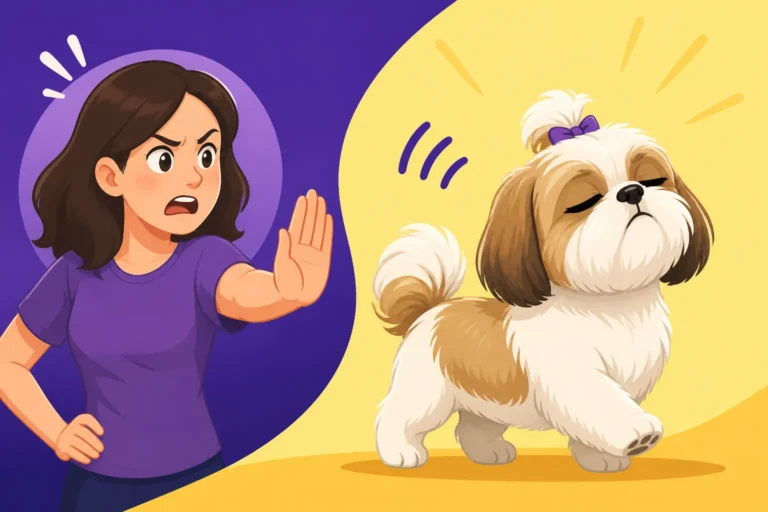
From the moment a Shih Tzu puppy comes home, they are encountering a world of new sensations, and the grooming process introduces some of the most intense. Imagine being held still, having loud clippers buzz near your ears, sharp scissors snip around your eyes, and unfamiliar hands touching every part of your body. For a small dog with delicate joints and a tendency towards anxiety, it can be terrifying. Many Shih Tzus are also highly sensitive to touch, especially in areas like their paws, faces, and tails. If not introduced properly, these sensations can trigger fear responses, leading to biting, squirming, and attempts to escape. This isn't stubbornness; it's often a genuine fear response.
Furthermore, their long, flowing coats are prone to matting, which can cause significant discomfort during brushing if not kept up daily. A matted coat pulls on the skin, and trying to brush it out can be painful, further associating grooming with negative experiences. This cycle of discomfort leading to resistance, and resistance leading to more matting, is one that many owners unfortunately fall into. Addressing this early and consistently is key to preventing bigger issues down the line. Why a Shih Tzu Double Coat Mats So Fast highlights just how quickly their fur can tangle.
Understanding the "Two-Hour Table" Expectation
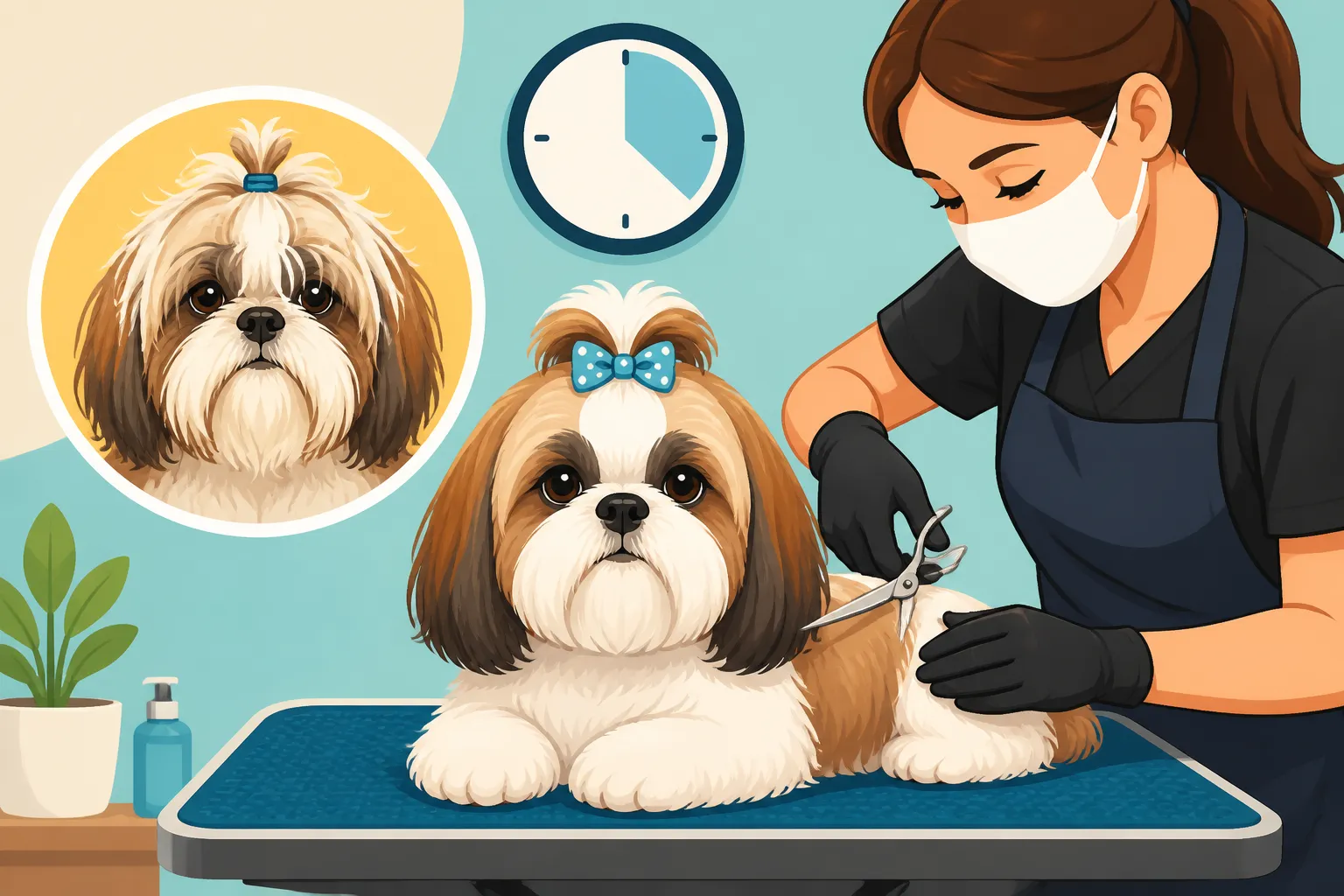
When a professional groomer tells you your Shih Tzu was on the table for two hours, it doesn't necessarily mean they were actively clipping or brushing for that entire time. It often includes breaks, desensitization work, and simply waiting for the dog to calm down enough to proceed safely. For a groomer, safety is paramount – both for themselves and for your dog. They cannot risk cutting a wiggling dog or having a fearful dog snap at them.
The "two-hour table" is often a reflection of a dog that hasn't been conditioned to accept handling. It means the groomer had to spend a significant portion of that time simply trying to get the dog comfortable enough to perform basic tasks like brushing, nail trimming, or even standing still for a face trim. While groomers are skilled, they are not magicians. A dog that is constantly fighting, trying to jump off the table, or snapping will take far longer to groom, and the quality of the groom may suffer because the dog cannot hold still for precise work. This prolonged stress is not good for your Shih Tzu either, impacting their overall wellbeing and making future grooms even harder.
Laying the Foundation: Early Training for a Lifetime of Patience
The secret to a patient Shih Tzu on the grooming table isn't some magic trick; it's consistent, positive training that starts from day one. Think of it as investing in their emotional well-being and physical comfort for their entire life. Just like you teach them "sit" or "stay," you need to teach them that grooming is a safe and even pleasant experience. This involves breaking down the complex act of grooming into tiny, manageable steps and rewarding cooperation at every turn.
Starting Grooming Desensitization as a Puppy
The best time to start is when your Shih Tzu is a puppy, ideally within their first few weeks at home. Puppies are naturally curious and more open to new experiences, and their fear responses are not yet fully developed. This is why Why Grooming Training Starts the First Week is so crucial. Begin by simply touching their paws, ears, tail, and face gently for very short periods. Pair these touches with high-value treats and praise. The goal is to create positive associations. Hold a brush near them, let them sniff it, then briefly touch their coat with it, immediately followed by a treat. Don't try to actually brush their entire coat at first; just get them used to the sensation.
Introduce them to the grooming table (or a sturdy, non-slip elevated surface) in the same way. Let them stand on it for a few seconds, give a treat, then let them down. Gradually increase the time they spend on the table. You can use a non-slip mat to help them feel more secure. If they show any signs of stress, such as licking lips, yawning, or trying to move away, ease up and try again at a lower intensity. The key is to keep these sessions short, positive, and frequent – five minutes a day is far more effective than one long, overwhelming session once a week. Consider looking into online puppy programs, like those offered by BAXTER & Bella, which often have modules dedicated to early handling and grooming desensitization, providing structured guidance for these vital first steps.
Positive Reinforcement: Making the Grooming Table a Happy Place
Positive reinforcement is your most powerful tool. This means rewarding behaviors you want to see repeated. When your Shih Tzu stands calmly, even for a second, praise them effusively and offer a delicious treat. If they tolerate a nail clip, celebrate it! This isn't about bribing them; it's about communicating that their cooperation leads to good things. For effective training, use treats that are small, soft, and highly palatable – something they don't get every day. Treats a Shih Tzu Can Eat Without Gaining can give you ideas for low-calorie options.
You can also incorporate classical conditioning. Before you start a grooming session, say a specific phrase like "Grooming time!" in a happy, upbeat voice, and immediately give a treat. Do this a few times before you even bring out the tools. Over time, that phrase will become associated with positive feelings, helping to set a calm tone. If you are struggling with techniques, an experienced positive reinforcement trainer can offer guidance; Finding a Trainer for a Toy Breed can help you locate a suitable professional who understands the unique needs of a Shih Tzu. Always remember, the goal is to make grooming something they want to participate in, not something they endure.
Essential Tools and Techniques for a Calm Grooming Session
Having the right tools and knowing how to use them effectively can make a huge difference in your Shih Tzu's comfort and patience during grooming. It's not just about the end result, but the journey to get there. Investing in quality items and learning proper techniques shows your dog that you're prepared to make this a good experience for them.
Choosing the Right Grooming Table and Restraints
While a professional grooming table is ideal, a sturdy, non-slip surface like a kitchen counter covered with a bath mat can work for home grooming, especially when you're just starting out. The elevation helps save your back and also creates a clear boundary for your dog, signaling that this is "work time." Always use some form of gentle restraint, even if it's just a grooming loop around their neck and attached to an overhead bar (if using a proper table), or simply keeping a hand on them. This isn't to punish them but to keep them safe and prevent them from jumping off and hurting themselves. You can find excellent, stable grooming tables and adjustable loops on platforms like Amazon, making it easier to recreate a professional setup at home.
For the actual grooming, ensure your tools are sharp and well-maintained. Dull clippers pull hair, causing pain, and blunt scissors can snag. For brushing, a slicker brush and a metal comb are indispensable for their double coat. Getting a Shih Tzu Used to a Slicker Brush can guide you on proper introduction. A good quality grooming arm and loop are paramount for safety on the table. Practice putting the loop on and taking it off, associating it with treats, long before you expect them to stand for a full groom.
Breaking Down the Grooming Process into Manageable Steps
Instead of attempting a full head-to-tail groom in one go, break it down into tiny, bite-sized tasks. Maybe one day you focus only on brushing their back, followed by high-value treats. The next day, you might focus on their paws. Don't feel pressured to complete everything at once, especially in the early stages.
Here’s a table outlining a phased approach to grooming training:
| Phase | Focus Area | Action Steps | Reward Strategy |
|---|---|---|---|
| Phase 1: Foundation | Handling & Touch | Gentle petting of all body parts (ears, paws, tail, mouth), lift onto grooming surface, brief stand. | High-value treats, verbal praise. |
| Phase 2: Introduction | Tools & Sounds | Let dog sniff brush/comb/clipper (off), brief touch with tools, turn on clippers (away from dog). | Treats, praise, positive association with equipment. |
| Phase 3: Short Sessions | Specific Body Parts | 2-5 minute sessions targeting one area (e.g., face trim, paw brush, nail clip), then break. | Treats after each small completed task. |
| Phase 4: Gradual Extension | Combining Tasks | Slowly combine 2-3 short tasks into one session, increasing duration as tolerance grows. | Frequent treats, breaks as needed. |
| Phase 5: Full Groom Prep | Simulated Professional Groom | Practice all aspects of a groom (bath, blow dry, brush, trim) in segments, mimicking a groomer's routine. | Consistent rewards for calm behavior. |
For face trims, which can be particularly sensitive, start with just holding the scissors near their face, then a tiny snip, then a treat. Do this repeatedly. Practicing Face Trims on a Shih Tzu Puppy offers more detailed advice. For hair around the eyes, tying a topknot can be an effective strategy. Tying a Shih Tzu Topknot Step by Step provides a great guide. If your Shih Tzu is resistant to buzzing tools, introduce the sound of clippers (turned on, but not touching them) from a distance, gradually moving closer over several sessions. This is a critical part of Desensitising a Shih Tzu to Clippers and Dryers.
Dealing with Resistance: Patience, Pauses, and Professional Help
If your Shih Tzu begins to resist, squirm, or even growl, do not punish them. Instead, calmly pause the session. This teaches them that resistance doesn't lead to punishment, but rather a break. When they calm down for a moment, even for a split second, praise them and then try one very small, easy step again, immediately rewarding any cooperation. If the resistance persists, end the session and try again later or the next day. Pushing through severe resistance can undo all your positive training.
Sometimes, despite your best efforts, a Shih Tzu might still be extremely anxious or aggressive during grooming. In these cases, it's essential to seek professional help. A veterinary behaviorist or a certified professional dog trainer specializing in fear and aggression can assess the situation and develop a tailored behavior modification plan. They can also help rule out any underlying pain that might be causing the resistance, such as Early Shih Tzu Back Pain Signs or joint issues. For severe cases, your vet might even recommend mild sedatives to make grooming less traumatic for everyone involved, especially for complex procedures like Anesthesia on a Flat-Faced Shih Tzu or Shih Tzu Dental Disease at 13 Percent of the Breed. Don't view this as a failure, but as a compassionate step to ensure your dog's wellbeing.
Maintaining a Calm Demeanor Between Professional Grooms
The work doesn't stop once you achieve a patient Shih Tzu on the grooming table. Regular maintenance at home is crucial not only for their coat health but also for reinforcing the positive associations with grooming. Every interaction, however small, is a chance to build on that foundation of trust and comfort.
Daily Home Care Habits That Build Trust
Daily brushing is the cornerstone of Shih Tzu coat care. Not only does it prevent painful mats, but it also provides a consistent, positive handling experience. Make it a calm, bonding ritual. Use a detangling spray to make the brush glide through their hair easily. Detangler Sprays That Work on a Shih Tzu can help you choose the right product. Focus on areas prone to matting, such as behind the ears, under the legs, and around the tail. The Mats That Form Behind Shih Tzu Ears are particularly common. If you notice a small mat forming, gently work it out with your fingers and a comb rather than pulling on it.
Beyond brushing, daily face cleaning is essential for Shih Tzus. Their flat faces and prominent eyes mean they are prone to tear staining and food residue collecting in their beard. Gently wiping their eyes and cleaning their beard after meals keeps them comfortable and reduces the risk of skin irritation. Wiping a Shih Tzu Face Twice a Day details the importance of this routine. Regularly checking their paws and ears also gets them used to being handled in these sensitive areas. You can use products from Amazon to help with tear stains or specific ear cleaning solutions. These small, frequent positive interactions prevent a large build-up of discomfort and help ensure your Shih Tzu always associates being touched with pleasant outcomes.
Recognizing When It's More Than Just Stubbornness
Sometimes, what appears to be stubbornness or defiance during grooming can actually be a sign of underlying issues. A sudden change in your Shih Tzu's tolerance for grooming might indicate pain or discomfort. If they suddenly start reacting negatively to being touched in a specific area, it’s worth a vet check. For example, yelping or snapping when their back is touched could be a sign of Shih Tzu Disc Disease and Sudden Back Pain. Similarly, increased sensitivity around their ears might mean an ear infection. Shih Tzu Ear Infections That Keep Returning are unfortunately common in the breed due to their heavy ear leather.
Keep a watchful eye on their overall behavior. Are they also exhibiting other signs of discomfort, such as lethargy, changes in appetite, or reluctance to jump or play? These could all point to a medical problem that needs addressing before grooming can proceed comfortably. Never force grooming on a dog that is showing signs of pain. Instead, contact your veterinarian to rule out any health concerns. Once any underlying medical issues are resolved, you can then restart your positive grooming desensitization, likely from an earlier phase, to rebuild their trust and comfort with the process. Your empathy and understanding during these moments are key to their long-term well-being and a patient demeanor.
Disclaimer
This article is for general informational purposes only and does not constitute professional advice. Laws, prices and regulations vary by location and change over time. Consult a qualified professional for guidance on your specific situation.