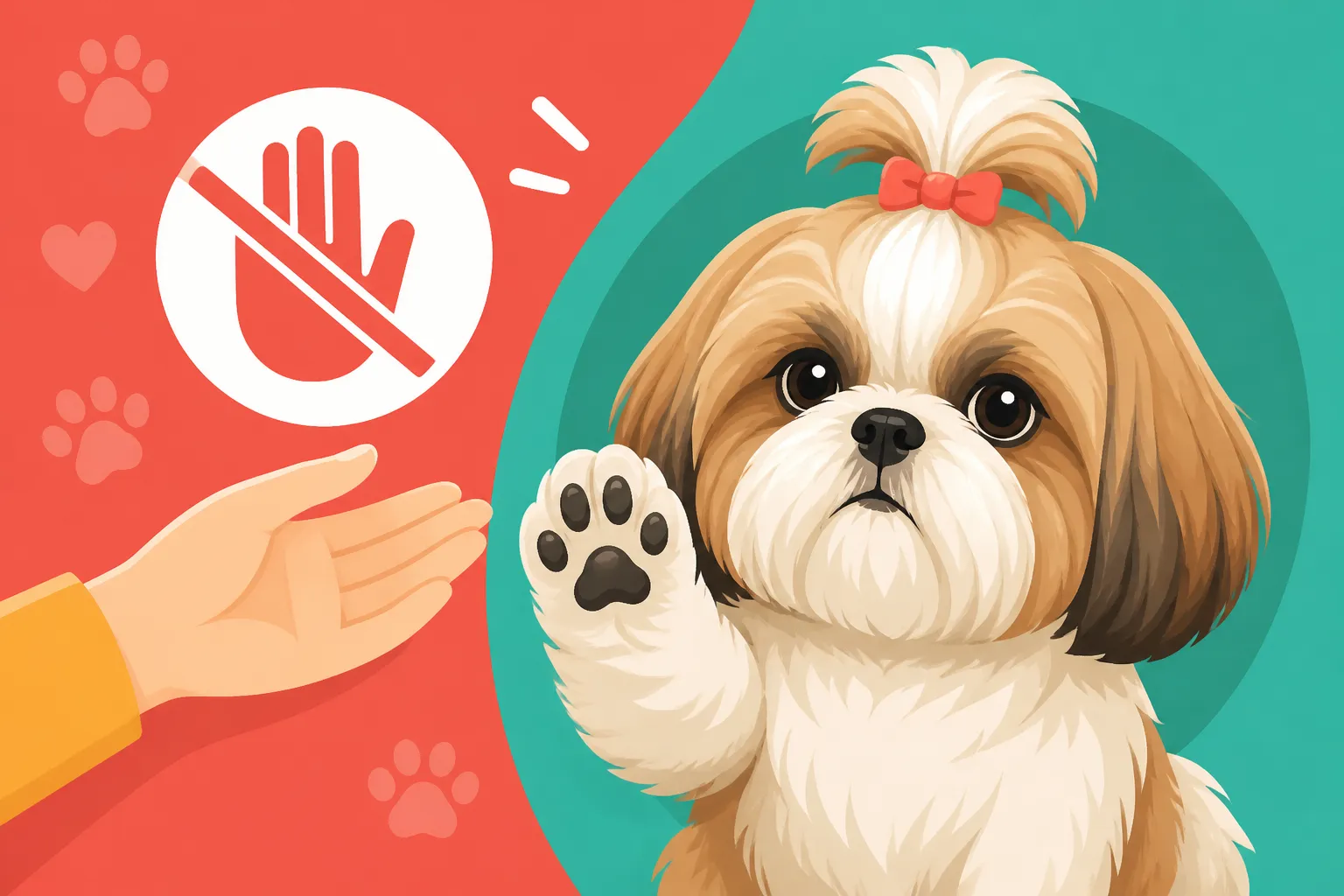
Giving a Shih Tzu a Way to Say No
It can be incredibly frustrating, and honestly, a little heartbreaking, when your sweet Shih Tzu suddenly growls, nips, or tries to escape during what you thought was a loving interaction or routine care. They can't use words to tell us they're uncomfortable, and too often, we miss their subtle cues until it escalates. This guide will walk you through how to understand your Shih Tzu's quiet ways of saying "no" and teach them more constructive, trusting ways to communicate their boundaries.
Decoding Your Shih Tzu's Subtle Signals of Discomfort
Shih Tzus are masters of subtle communication. Because they were bred as companions, often pampered, they might not have the same assertive "in-your-face" warnings as some larger breeds. Their "no" can be a blink, a shift in weight, or a slight turn of the head. Learning to read these quiet signals is the first, most crucial step in building a relationship built on mutual respect and preventing those startling, unwanted reactions. It's about looking beyond the cute fluff and truly seeing what your dog is trying to tell you.
The Silent Language: Ears, Eyes, and Tail
Think about your Shih Tzu's face. Those big, dark eyes are incredibly expressive, aren't they? When they're happy and relaxed, their eyes are usually soft, perhaps even squinting a little in contentment. But if they're feeling uneasy or want something to stop, you might see their eyes widen slightly, showing more of the whites, often called "whale eye." They might also avoid eye contact altogether, turning their head away, or even giving a hard stare, which can be a direct warning.
Their ears, hidden under all that beautiful fur, can also tell a story. While a perky, forward ear-set signals engagement, a Shih Tzu who is uncomfortable might pin their ears back slightly, flattening them against their head. This isn't always as dramatic as with some other breeds, but combined with other signs, it's a clear indicator. And the tail, often carried proudly over their back, can also drop or become stiff, or even be tucked completely if they are truly feeling threatened. It’s a whole symphony of small movements, not just one loud note.
A common scenario might be during grooming. You're brushing out a mat behind their ear, and you notice their eyes get a little wide, or they quickly look away. Instead of dismissing it as them being "fussy," recognize that they're telling you, "Hey, this is bothering me." Pushing through that signal can erode trust and make future grooming sessions even harder. It's truly about slowing down and observing those tiny shifts.
What a Lip Lick or Yawn Really Means
We often associate a yawn with being sleepy, and a lip lick with tasty food. But for a Shih Tzu, especially when no food is around, these can be stress signals or "calming signals" they use to try and diffuse a tense situation. Imagine you’re trying to clip your Shih Tzu's nails. They might yawn widely, or rapidly lick their lips, even if they've just had a drink. These aren't signs of tiredness or hunger; they're expressions of mild anxiety or discomfort. They're trying to tell you, "I'm a bit stressed here, could you ease up?"
It's a delicate dance of observation. If you're giving them a belly rub, and they suddenly do a quick lip lick, it might mean they're overstimulated or feeling a little trapped. Similarly, a full-body shake-off, even when they're dry, can be a way for them to "reset" and release tension after an uncomfortable interaction. We can learn so much if we just pay attention to these seemingly innocuous actions. Ignoring these subtle warnings often forces a dog to use clearer, more intense signals like growling or snapping, which is what we're trying to prevent in the first place. This is part of how we foster Positive Reinforcement With a Shih Tzu.
When Freezing or Turning Away is a "No"
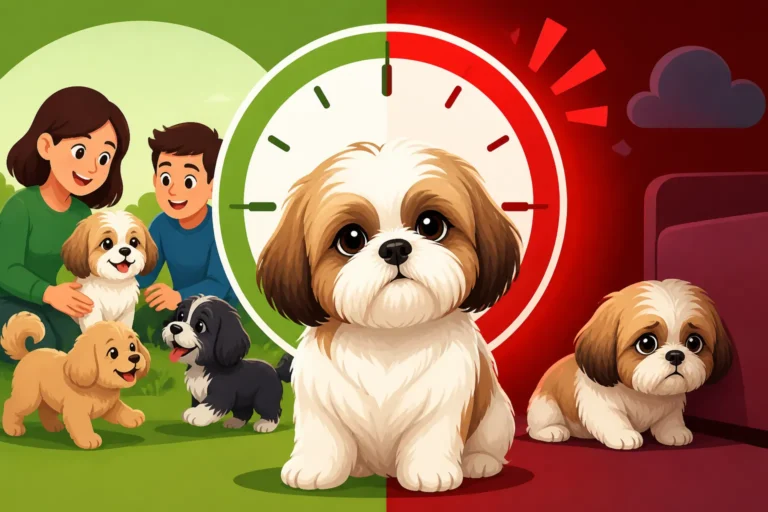
Sometimes, a Shih Tzu's "no" isn't an active protest; it's a passive one. One of the clearest, yet often overlooked, signs of discomfort is freezing. This is when your dog suddenly becomes completely still, their muscles tensed, their breath perhaps shallow. They're not moving because they're afraid that any movement might escalate the situation or incur a negative response. This is their way of saying, "I'm not okay with this, but I don't feel like I have another option right now."
Another subtle but important signal is turning away. If you're petting your Shih Tzu, and they shift their body or turn their head to disengage from your hand, they are politely requesting space. It's not a rejection of you, but a request for the current interaction to stop. Perhaps they’ve had enough petting, or that specific spot you’re rubbing is sensitive. Respecting these small turns is vital. Think about when you're A Shih Tzu That Bites During Eye Wiping; often, the biting is preceded by many smaller "no" signals that were missed. By recognizing and honoring these initial signals, you reinforce their ability to communicate in a gentle way, rather than pushing them to resort to more extreme measures.
Teaching a "Consent" Cue: Empowering Your Shih Tzu
Once you're attuned to your Shih Tzu's subtle signals, the next step is to actively empower them to communicate their choices more clearly. This is where "consent" training comes in. It's about teaching them that they have a say in interactions, which vastly improves their comfort, reduces stress, and strengthens your bond. It's a wonderful way to teach them that their voice matters, even if that voice is a quiet physical cue rather than a bark. This approach is rooted deeply in humane, force-free training methods and is incredibly rewarding for both owner and dog.
The "Touch" Game for Willing Participation
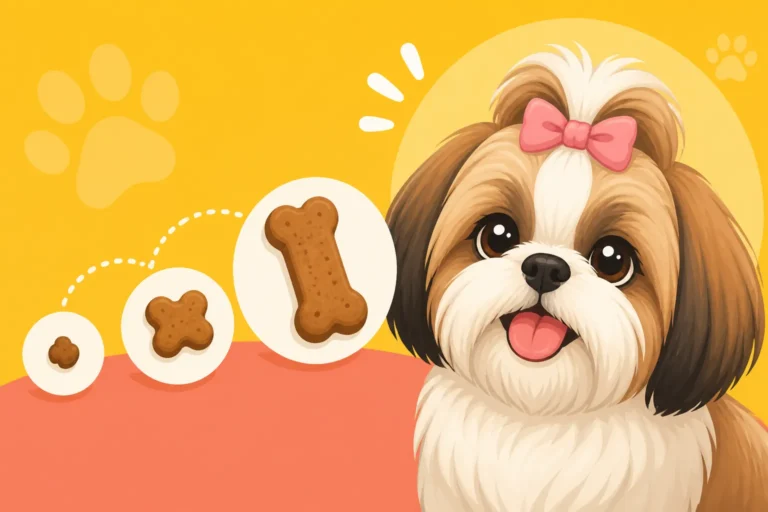
One excellent way to teach consent is through a simple "touch" game. The idea is to associate a specific touch (like on their shoulder or chest, somewhere they're generally comfortable) with a reward, and then give them a clear opportunity to opt-in or opt-out. Start by gently touching a non-sensitive area, like their chest, for just a second. Immediately reward with a tiny, high-value treat and praise. Repeat this a few times. The goal is for them to associate the touch with something positive.
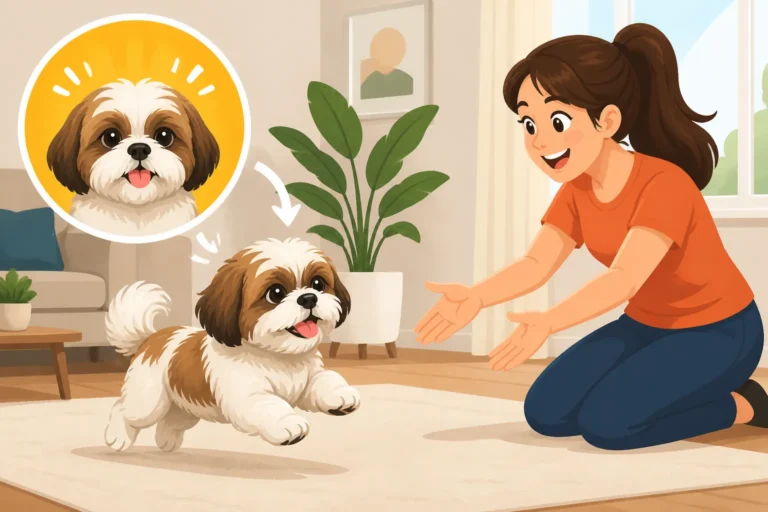
Once they're happy with the gentle touch-and-treat, introduce a choice. Present your hand for the touch, but pause just before contact. If they lean into your hand or actively seek the touch, proceed and reward. If they pull back, turn away, or simply remain still and don't lean in, respect that choice and do not touch them. Simply withdraw your hand and try again later. Over time, your Shih Tzu learns that initiating contact gets a reward, while retreating means the interaction stops. This empowers them with control, making them much more confident and less likely to resort to guarding or snapping because they feel heard. You can find many great resources for these positive training games on platforms like BAXTER & Bella, which emphasize building confidence through choice.
Offering a Choice in Daily Routines
Beyond specific touch games, you can integrate choice into everyday routines. Grooming is a huge one for Shih Tzus, given their long coats. Instead of simply grabbing the brush, present it to them. If they sniff it, or even just look at it calmly, reward them and then do one gentle stroke, then reward again. If they turn their head away or seem hesitant, put the brush down and try again later, or try a different type of brush that might be less irritating. We talk more about this in Getting a Shih Tzu Used to a Slicker Brush.
The same principle applies to putting on a harness, wiping their eyes, or even picking them up. Always give them a "micro-choice." Present the harness, let them sniff it. If they lean into it, proceed. If they back away, pause, and try to make it more appealing or try a different, more comfortable harness. If your Shih Tzu has A Shih Tzu That Will Not Jump on the Sofa due to back pain, you can offer them a ramp. This small act of offering a choice makes them a participant rather than a passive recipient, which significantly reduces their stress and builds trust.
Using a Mat or Bed as a Safe Zone
Establishing a designated "safe zone" is another powerful way to give your Shih Tzu a way to say no. This could be a specific mat or a comfortable dog bed. Teach them to go to their mat on cue and reward them heavily for settling there. Once they understand that the mat is a place of safety and relaxation, they can use it as their escape route when they feel overwhelmed.
For example, if guests are over and your Shih Tzu is starting to show signs of stress, you can direct them to their mat. If they choose to go there, it's their way of saying, "I need a break." Crucially, everyone in the household must respect the mat as a sanctuary. When your Shih Tzu is on their mat, they should not be disturbed, petted, or engaged in interactions they didn't initiate. This gives them agency and a physical boundary they can retreat to, preventing situations where they might feel cornered and resort to defensive behaviors. You can find durable, comfortable mats suitable for Shih Tzus on platforms like Amazon, ensuring they have a cozy retreat when they need it. This also ties into Building Alone Time for a Shih Tzu where they learn to be comfortable in their own space.
Managing Triggers and Respecting Boundaries
Understanding and teaching "no" is only part of the equation. We also need to actively manage the environment and our interactions to minimize situations where our Shih Tzu feels the need to say no in the first place. This proactive approach shows them that you're a benevolent leader who respects their needs and works to ensure their comfort, which in turn reinforces their trust in you. It's about being their advocate and setting them up for success.
Identifying Common "No" Situations for Shih Tzus
Every Shih Tzu is an individual, but there are some common scenarios that tend to trigger discomfort or stress in the breed. Grooming, as mentioned, is a huge one. Their long, double coats, sensitive skin, and propensity for mats mean that brushing, bathing, and clipping can be stressful if not introduced carefully and handled gently. Think about a Shih Tzu That Panics at the Clipper – that didn't happen overnight. Often, it started with small moments of discomfort that were ignored.
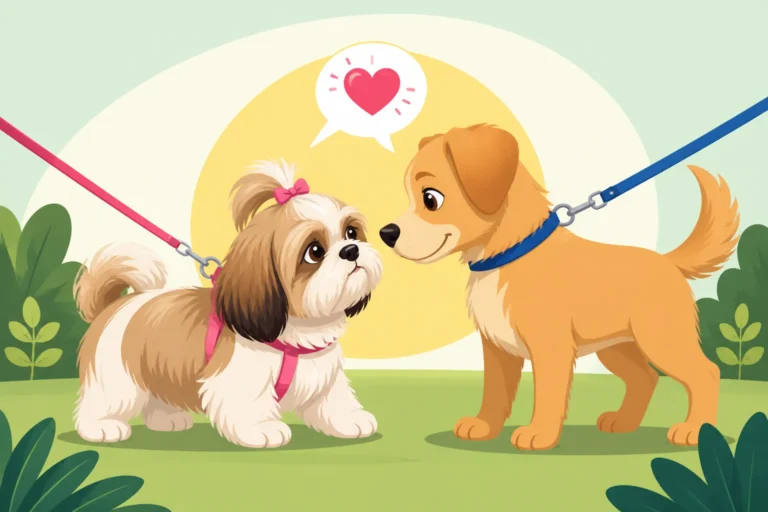
Another common trigger can be handling around their sensitive areas, like their eyes (which can be prone to issues like Shih Tzu Eye Proptosis, the Emergency Owners Miss) or their mouth (due to Shih Tzu Tooth Crowding in a Tiny Jaw). Some Shih Tzus also dislike being picked up, especially if it’s done suddenly or they feel insecure. Children, if not taught how to interact gently, can also be a source of stress, as can overly boisterous larger dogs. By knowing these potential pain points, you can be more prepared to observe for those subtle "no" signals and adjust your approach.
| Shih Tzu Discomfort Signal | Potential Meaning | Recommended Owner Action |
|---|---|---|
| Yawning, Lip Licking (no food) | Stress, mild anxiety | Pause interaction, re-evaluate, offer space |
| Turning Head/Body Away | Request for space, disengagement | Stop interaction, give distance |
| Freezing, Tensing Body | Overwhelmed, feeling trapped, fearful | Halt interaction, create safe distance, reduce pressure |
| "Whale Eye" (whites visible) | Anxiety, fear, tension | Observe carefully, remove stressor if possible |
| Flattened Ears (subtle) | Unease, apprehension | Check for other signals, proceed with caution or stop |
| Growling, Snapping (as last resort) | "STOP NOW!", feeling threatened | Immediately disengage, respect warning, seek professional help |
Modifying Interactions to Reduce Stress
Once you've identified common triggers, the next step is to modify how you approach these situations. For grooming, break it down into tiny, positive steps. Instead of a full brush-out, do five minutes of gentle brushing on a comfortable part of their body, then stop and reward. Use treats, praise, and make it a pleasant experience. For eye wiping, introduce a special treat they only get during that time, making it a positive association. We discussed Five Minute Sessions With a Shih Tzu earlier, and that principle applies to so many areas.
For interactions with children, teach both your dog and the child appropriate boundaries. Supervise all interactions closely. For picking up, always approach gently, use a consistent cue ("Up!"), and support their body fully, making them feel secure. If your Shih Tzu struggles with stairs due to a long back, consider Ramps for a Shih Tzu With a Long Spine to prevent discomfort. If they dislike car rides, slowly desensitize them with short, positive trips. The goal is to make potentially stressful events feel predictable, safe, and even pleasant through positive association and by allowing them agency.
When to Seek Professional Guidance
Despite our best efforts, sometimes our Shih Tzus develop significant anxieties or reactivity that requires more than just careful observation and gentle training. If your Shih Tzu consistently shows extreme fear, aggression (even subtle snapping), or severe withdrawal in certain situations, it might be time to bring in a professional. This isn't a sign of failure on your part, but a sign of a responsible owner seeking the best for their beloved companion.
Look for a certified professional dog trainer or a veterinary behaviorist who specializes in positive reinforcement and force-free methods. They can help you identify underlying causes for the behavior, develop a tailored training plan, and address complex issues that might be beyond the scope of general obedience. A good trainer, like those recommended by BAXTER & Bella or found through professional organizations, can be invaluable in these situations. They'll teach you how to further empower your Shih Tzu, communicate more effectively, and ensure both of you can live together happily and safely. Don't hesitate to seek help, especially if you're dealing with A Shih Tzu That Guards a Toy or displays behaviors that make you worry for their safety or yours.
Disclaimer
This article is for general informational purposes only and does not constitute professional advice. Laws, prices and regulations vary by location and change over time. Consult a qualified professional for guidance on your specific situation.