Introducing a Shih Tzu to Another Dog
Bringing a new dog into a home where a Shih Tzu already reigns can feel like walking a tightrope – you want everyone to get along, but the potential for misunderstandings, fear, or even outright squabbles is very real. Your Shih Tzu, a breed known for its companionable nature but also its strong personality and sometimes delicate frame, needs a carefully planned introduction to a new canine family member to ensure a smooth transition for everyone. This guide will walk you through the thoughtful steps to help your Shih Tzu and another dog not just coexist, but hopefully, become the best of friends.
Understanding Your Shih Tzu's Social Nature
Before you even think about introducing your Shih Tzu to another dog, it’s vital to understand the unique characteristics of the breed. Shih Tzus were bred for centuries as companion animals, often cherished within imperial courts. This background means they thrive on human companionship and can sometimes be a bit particular about sharing their people or their space.
The Shih Tzu's Natural Temperament
Shih Tzus are typically affectionate, outgoing, and friendly little dogs. However, their small size can sometimes make them feel vulnerable, especially around larger, more boisterous dogs. They might be prone to a "small dog syndrome" where they overcompensate for their stature with a surprisingly bold, sometimes bossy, attitude. On the flip side, some Shih Tzus can be quite shy or easily intimidated. Their individual personality, combined with their past experiences (or lack thereof), will heavily influence how they react to a new canine friend. If your Shih Tzu wasn't well-socialized as a puppy, they might be more reserved or even reactive. For more on early exposure, consider reading The Shih Tzu Socialization Deadline.
It's also worth noting that because they are so pampered and often treated like little princes or princesses, some Shih Tzus haven't had to share much in their lives. This can lead to resource guarding – of toys, beds, food, or even your lap – which needs careful management during introductions. This isn't about being mean; it's often rooted in insecurity and a lack of experience sharing. Your job is to make them feel secure while gently teaching them that sharing can lead to even better things.
Signs of Stress or Overwhelm
Recognizing the subtle (and sometimes not-so-subtle) signs of stress in your Shih Tzu is crucial. They can't tell you in words that they're feeling uncomfortable, so you need to be their advocate and interpreter. Common stress signals include yawning when not tired, lip licking, averting gaze, freezing, trembling, tucking their tail, or trying to hide behind your legs. More overt signs might be growling, snapping, or barking excessively. On the other hand, if they're overly excited or stiff, that can also be a sign of tension, not necessarily happiness.
A Shih Tzu that is suddenly panting heavily in a cool room, pacing, or even having a potty accident could be signaling that the situation is too much for them. It's not a failure on their part, or yours, to recognize these signs and step back. Pushing an overwhelmed Shih Tzu to interact can create a negative association with the other dog, making future introductions even harder. The goal is positive experiences, and sometimes that means a slower pace than you might initially hope for.
Importance of Early Socialization
A well-socialized Shih Tzu is generally more adaptable and confident when meeting new dogs. If your Shih Tzu had positive experiences with various dogs, people, and environments during their crucial developmental period (typically 3-16 weeks), they are more likely to approach a new canine companion with curiosity rather than fear or aggression. If your Shih Tzu missed out on this crucial period, don't despair! It just means you'll need to take an even slower, more patient approach, focusing on very controlled and positive exposures.
For an adult Shih Tzu who might be a bit wary, every new introduction is an opportunity to build positive associations. This isn't about throwing them into a dog park free-for-all; it’s about carefully orchestrated, safe encounters where they feel protected and rewarded. Remember, quality over quantity when it comes to social experiences. Even a few calm, brief encounters can go a long way in building their confidence and helping them learn appropriate social cues.
Preparing for the Big Introduction
Preparation is key to a successful introduction. You wouldn't throw two strangers into a room and expect them to become best friends instantly, and the same goes for dogs. Thoughtful planning can reduce stress for both your Shih Tzu and the new dog.
Scent Swapping Before the Meeting
Before your dogs ever lay eyes on each other, let them get to know each other through scent. This is a low-pressure way for them to learn about each other without the visual and physical intensity of a face-to-face meeting. Swap bedding, blankets, or even toys between the two dogs' areas. For instance, let the new dog sleep with a blanket from your Shih Tzu's bed, and vice versa. You can also gently wipe one dog down with a clean cloth and then let the other dog sniff it.
Observe their reactions. Is your Shih Tzu curious, calm, or does he seem agitated by the new scent? Mild curiosity is good. Any growling, snapping, or signs of fear mean you need to go even slower. Scent swapping helps to normalize the presence of the other dog, making the actual meeting less surprising and potentially less stressful. It's like reading a good book about someone before you meet them in person – you already feel like you know a little bit about them.
Choosing a Neutral Territory
The first actual meeting should ideally happen in a neutral territory – somewhere neither dog feels possessive of. This could be a park, a quiet street they've never walked together, or a friend's fenced yard. Avoid your own home or backyard for the initial meeting, as your Shih Tzu may feel the need to guard what they perceive as their domain.
If meeting outside isn't feasible, ensure you have plenty of space in your home and that all high-value resources (toys, food bowls, favorite sleeping spots) are put away. Having two people, one for each dog, is highly recommended. You can equip yourself with sturdy leashes – not retractable ones, as they don't offer good control – and plenty of high-value treats from a trusted brand like those available on Amazon to reward calm behavior. Remember, a neutral space helps both dogs feel less territorial and more open to a positive interaction.
Managing Resources and Space
Even after a successful first meeting, resource management is paramount, especially with a breed like the Shih Tzu who might be prone to guarding. This means providing separate food bowls, water bowls, beds, and toys. Do not expect them to share immediately, or ever, if it causes tension. Create distinct "safe zones" for each dog, where they can retreat and feel completely unbothered. This might involve setting up a crate for one in a quiet room and a bed for the other in a different part of the house.
Baby gates can be incredibly useful to manage space, allowing dogs to see and smell each other without direct, unsupervised contact. Brands like Amazon offer a variety of sturdy pet gates that can make managing separation much easier. This gradual exposure allows them to get used to each other's presence without feeling threatened or forced into interaction. Think of it as respectful boundaries, giving each dog the space they need to feel secure.
The First Meeting: Keeping It Calm and Controlled
The actual face-to-face introduction needs to be carefully orchestrated to maximize the chances of a positive outcome. Remember, safety first, always.
Leash Control and Body Language
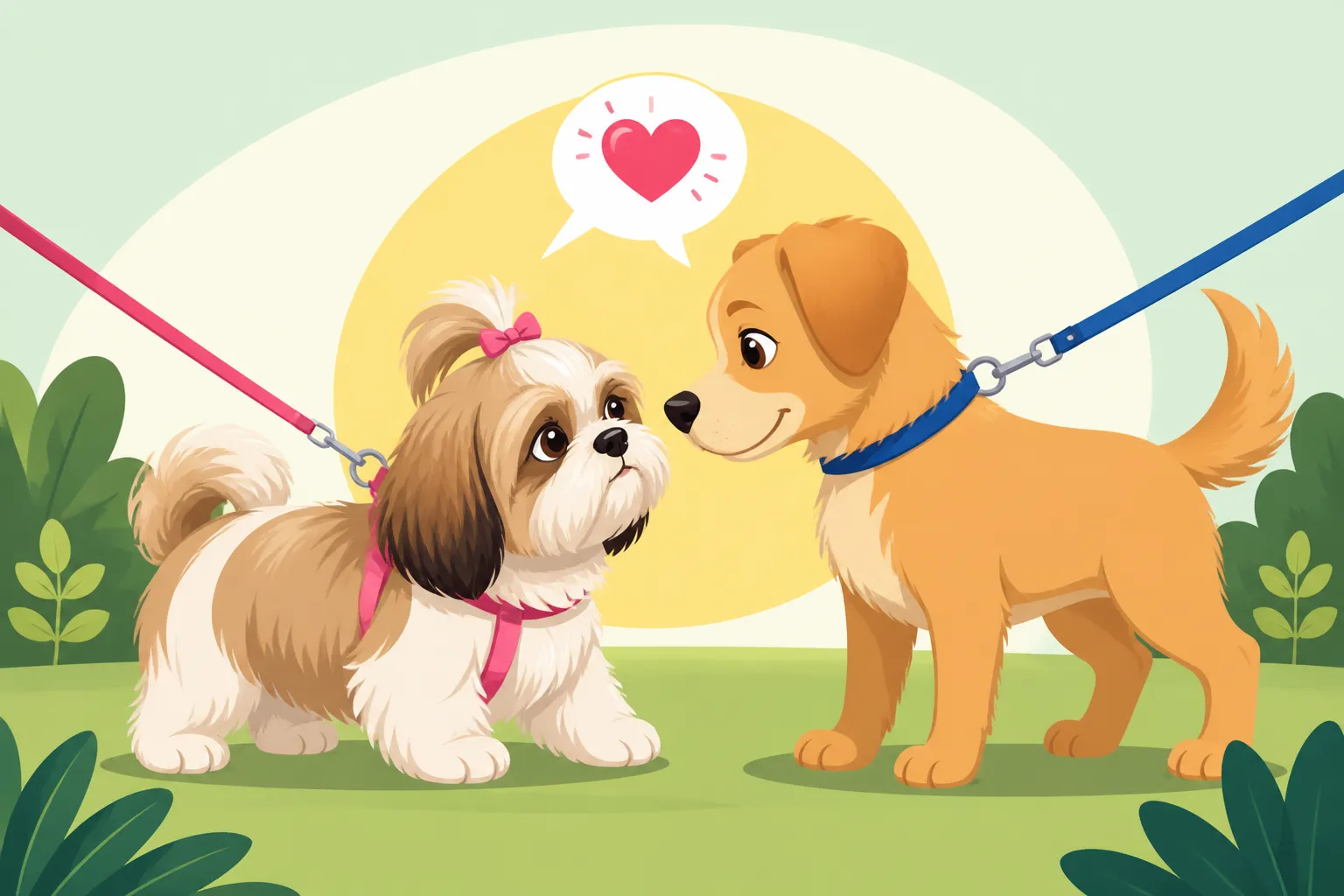
Both dogs should be on leashes, held by separate handlers, during their initial visual introduction. The leashes should be loose, not taut, as tension on the leash can translate to tension in the dog. Start with parallel walking, not a direct nose-to-nose meeting. Walk the dogs parallel to each other at a comfortable distance, allowing them to eventually pick up each other's scent as they move. Keep an eye on both dogs' body language – look for relaxed tails, loose bodies, and soft eyes. If either dog shows signs of stress (stiff body, tucked tail, direct stare, growling), increase the distance immediately.
Avoid forcing interaction. Let them dictate the pace. If they are calm during parallel walking, you can gradually decrease the distance. A quick sniff of each other's rear end is a perfectly normal and polite canine greeting. Don't let them stare intensely or engage in prolonged nose-to-nose greetings, which can be interpreted as confrontational. Keep the leashes loose, and be ready to calmly redirect or separate them if necessary.
Short, Positive Interactions
Keep initial meetings very short – just a few minutes, even seconds, of proximity. The goal is to end on a positive note, leaving both dogs wanting more, rather than overwhelming them. During these brief moments of interaction, liberally reward calm behavior with treats and praise. High-value treats are your best friend here. If your Shih Tzu loves a particular soft, tiny treat, make sure you have plenty. These small, palatable rewards are ideal for tiny mouths and quick consumption, letting you reward frequently without overfilling them. You can find excellent options for Treats Small Enough for a Shih Tzu Session.
Repeat these short, positive sessions multiple times a day over several days. It’s a marathon, not a sprint. Gradually increase the duration as both dogs show comfort and relaxed body language. A key aspect of successful training, which applies here, is constant positive reinforcement. Programs like BAXTER & Bella often emphasize this structured, reward-based approach, which can be invaluable when guiding dogs through new social situations.
When to Separate and Take a Break
Knowing when to call it quits is just as important as knowing how to initiate. If either dog shows clear signs of stress, fear, or aggression, it's time for a break. Don't wait for a fight to break out. Calmly separate the dogs, giving them each space to decompress. This isn't a punishment; it's a management strategy. You're teaching them that discomfort leads to distance, not conflict.
Take a break for a few hours, or even a day, and then try again with a fresh start, perhaps at an even greater distance than before. Sometimes, dogs just need a moment to process. It’s okay if they don’t become instant best friends. Friendship often develops over time, and some dogs are simply tolerant rather than truly bonded. Your priority is their safety and comfort. If things repeatedly go south, consider consulting a certified professional dog trainer or veterinary behaviorist for tailored guidance.
| Sign of Interaction | Interpretation | Recommended Action |
|---|---|---|
| Positive Signs | Loose body, wagging tail (low or mid-height), soft eyes, play bow, gentle sniffing, mutual ignoring, calm parallel walking | Reward with treats, maintain distance or allow brief, loose-leash sniffing |
| Neutral/Curious Signs | Stiff tail (not tucked), direct but not intense stare, sniffing ground, slow approach | Observe closely, continue parallel movement, be ready to intervene if signs shift |
| Negative Signs | Stiff body, tucked tail, growling, lip licking, yawning (not tired), averting gaze, freezing, trembling, hackles raised, direct hard stare | Immediately increase distance, separate dogs, take a break |
Integrating Your Shih Tzu and New Dog Into One Home
Once initial meetings go well, the real work of integrating them into a shared living space begins. This phase focuses on building a routine and trust within the home environment.
Supervised Interactions
In the beginning, all interactions within the home should be supervised. Never leave your Shih Tzu and the new dog alone together until you are absolutely certain they are comfortable and safe with each other. This can take weeks, even months. Use baby gates to separate them when you can't actively supervise. For instance, if you step out of the room to grab a drink, they should be separated. When you're watching TV, they can be together, but your attention needs to be on them.
Supervised time is an opportunity to continue positive reinforcement. Whenever they are calmly coexisting in the same room, reward them. If they ignore each other politely, that's a win! If they engage in calm play (pay attention to Shih Tzu Play Style With Bigger Dogs as Shih Tzus can be delicate), reward that too. Focus on creating positive associations with each other's presence. Play games with them separately, but in the same room, so they learn to be comfortable near each other without direct interaction.
Separate Feeding and Resting Areas
Maintaining separate feeding and resting areas is non-negotiable, especially in the early stages. Food can be a huge trigger for resource guarding, even in dogs that otherwise get along well. Feed them in separate rooms or crates, ensuring each dog can eat in peace without feeling watched or threatened. This also applies to treats and chews. If you give one a dental chew, the other should have one too, in a separate space.
Each dog should also have their own designated resting spot – a bed, a crate, or a comfy mat – where they can feel safe and undisturbed. This is particularly important for your Shih Tzu, who might appreciate a quiet, elevated bed away from the new dog's reach. Learning how to allow your Shih Tzu to settle on cue, perhaps on their own mat, can also be beneficial in managing shared spaces. Consider teaching your Shih Tzu to Teach a Shih Tzu to Settle on a Mat.
Continuing Positive Reinforcement
The process of integration is ongoing, and positive reinforcement remains your most powerful tool. Continue to reward all calm, polite, and positive interactions between the dogs. If they lie down peacefully near each other, toss them each a treat. If they briefly sniff each other and then move on, praise them both. The more positive experiences they have in each other's company, the stronger their bond will become.
Remember that any changes in behavior should be observed carefully. A sudden shift, like an increase in growling or snapping, could indicate a medical issue rather than a behavioral one. For instance, dogs who are in pain (e.g., from a back problem common in Shih Tzus) might become more irritable. Always rule out health issues first. Patience, consistency, and a keen eye for canine body language will pave the way for a harmonious multi-dog household. Bringing a new dog home is a journey, not a destination, but with care, your Shih Tzu can absolutely welcome a new friend.
Disclaimer
This article is for general informational purposes only and does not constitute professional advice. Laws, prices and regulations vary by location and change over time. Consult a qualified professional for guidance on your specific situation.