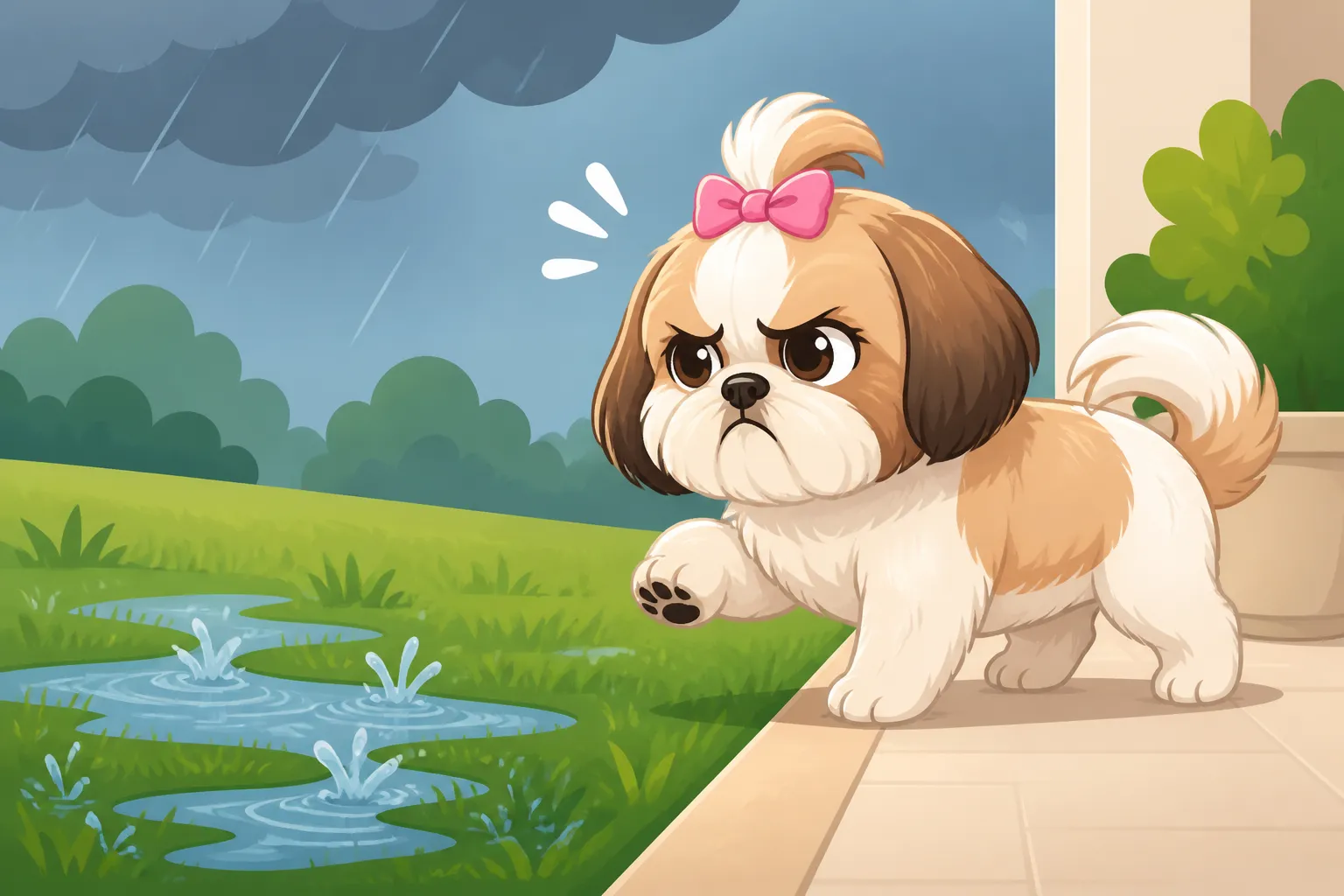
A Shih Tzu Refusing to Set Foot on Wet Grass
It’s a tale as old as time for Shih Tzu owners: you open the door, it’s drizzling or the grass is glistening with morning dew, and your fluffy companion plants their little feet firmly, looking at you with those big, soulful eyes that scream, "Absolutely not!" The struggle is real when your tiny lion dog decides that wet grass is akin to stepping into a swamp, and convincing them to brave the elements for a potty break can feel like an Olympic sport. This guide is here to walk you through understanding this common Shih Tzu quirk and offer practical, empathetic solutions to help your furry friend get comfortable with damp outdoor adventures, ensuring both their health and your sanity.
Understanding Why Wet Grass is a Dealbreaker for Your Shih Tzu
For many Shih Tzu owners, the "wet grass aversion" isn't just a funny quirk; it's a daily battle that can lead to frustration and even accidents indoors. But there's usually a very good reason behind their reluctance, rooted in their breed characteristics and past experiences.
The Shih Tzu's Delicate Nature and Comfort Preferences
Let's be honest, Shih Tzus were bred for luxury! These regal little dogs, originating from Tibetan monasteries and Chinese palaces, were companions to royalty. Their entire purpose was to be cherished indoors, not to brave the elements. This isn't to say they can't be adventurous, but their fundamental nature is geared towards comfort and warmth. Think about their long, flowing double coats – beautiful as they are, they’re not exactly quick-drying. When that luxurious hair gets wet, especially on their undersides or paws, it can feel cold, heavy, and downright uncomfortable. It mats easily when damp, too, which can lead to tugging and irritation even after they come inside.
Furthermore, their small size means they are much closer to the cold, wet ground than larger breeds. A little puddle that a Labrador might splash through without a second thought can feel like a small pond to a Shih Tzu. The cold seeping up from the wet grass can chill them quickly, especially if they’re not moving much. Their tiny paws, designed more for trotting across polished palace floors than muddy fields, can also be sensitive to the texture and cold of wet blades. It's not just about being spoiled; it's about their physical experience of the world being very different from ours. You might find some useful insights into managing their delicate health in articles like Shih Tzu Joint Problems in a Toy Frame or Shih Tzu Obesity on a Sixteen Pound Frame, which touch on how physical discomfort can influence their behavior.
Negative Associations and Experiences
Sometimes, a Shih Tzu's refusal isn't just about discomfort, but about past experiences. Imagine this: your puppy goes out, it's wet, and they step in something squishy or sharp that hurts their paw. Or maybe they were accidentally startled by a loud noise while out in the rain. These single events, especially when they're young and impressionable, can create a lasting negative association with wet outdoor conditions. They might generalize that feeling of unpleasantness to all wet grass.
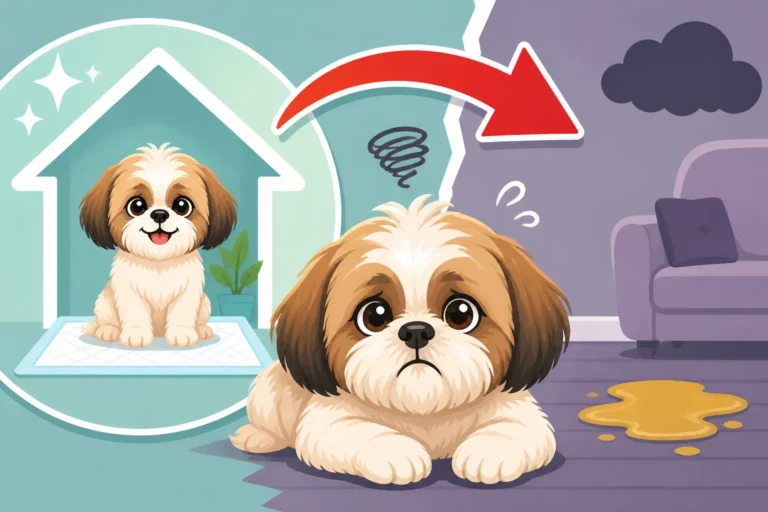
Moreover, if they've had urinary tract issues or bladder stones, the discomfort of needing to go combined with the aversion to the wet ground can create a real dilemma for them. They might learn that holding it until they're back inside on a familiar, dry surface is preferable, even if it leads to an accident. This makes it crucial to rule out any underlying medical conditions, as discussed in Shih Tzu Bladder Stones and Urinary Problems. Owners often unwittingly reinforce these fears by rushing or scolding them when they hesitate, which only solidifies the negative link. It’s a vicious cycle where their hesitation leads to our frustration, and our frustration makes them more hesitant.
Instinctual Aversion to Moisture and Temperature
Beyond their comfort, Shih Tzus, like many small brachycephalic (flat-faced) breeds, have specific physiological characteristics that make them more sensitive to temperature and humidity. Their unique facial structure, while undeniably cute, means they don't cool themselves as efficiently as long-nosed dogs. This also means sudden changes in temperature, or damp conditions that make them colder, can be more intensely felt. You can learn more about this in Why a Shih Tzu Cannot Cool Itself Well.
A wet, cold coat can rapidly lower their body temperature, especially on a windy day. They don't have the thick layer of fat or the robust build of a working dog designed to withstand the elements. For them, avoiding wet grass is often an instinctual self-preservation measure, even if it seems overdramatic to us. They're telling you, in their own way, that this environment isn't ideal for their little bodies.
Practical Strategies for Encouraging Outdoor Potty Breaks on Wet Days
So, if you've got a Shih Tzu who views wet grass as pure evil, what can you do? The good news is that with patience, consistency, and a little creativity, you can definitely improve the situation.
Creating Positive Associations with Wet Grass
The key here is to make wet grass synonymous with good things. This is all about positive reinforcement. Start by taking your Shih Tzu out on the wet grass for very short intervals. Don't pressure them to "go" immediately. The goal is just for them to be there. As soon as a paw touches the damp blades, offer a super high-value treat – something they absolutely adore and only get for this specific task. Think tiny pieces of cooked chicken, cheese, or specialized training treats. Praise them lavishly with a cheerful tone. "Good job, brave little one!"
Once they're comfortable just standing on it, gradually extend the time. If they do go potty on the wet grass, throw a mini party! More high-value treats, excited praise, and then bring them right back inside for warmth and comfort. The idea is to make the outdoor experience as positive and short as possible, reinforcing the desired behavior. Never scold them if they don't go or have an accident inside; that only adds to their stress and aversion. This kind of consistent positive reinforcement is a cornerstone of training, as discussed in Positive Reinforcement With a Shih Tzu. Think of it as building tiny, joyful bridges over their wet-grass fears.
Gear and Comfort Solutions
Sometimes, a little help from modern ingenuity is all it takes to make your Shih Tzu more comfortable.
- Dog Boots: These aren't just a fashion statement! High-quality, well-fitting dog boots can protect their paws from the cold, wet sensation of the grass. Look for options on platforms like Amazon that are specifically designed for small breeds, with good grip and a secure fit so they don't slip off. Introduce them gradually, letting your dog wear them for short periods indoors first. They might do a funny high-step dance at first, but many dogs adapt surprisingly well.
- Raincoats: A lightweight, waterproof raincoat can keep their precious double coat dry and prevent them from getting chilled. Again, Amazon offers a wide selection. Choose one that covers their back and ideally has a hood to keep their head and ears dry, too. The less wet and uncomfortable they feel, the more willing they'll be.
- Designated Sheltered Potty Areas: If possible, consider creating a small, covered area in your yard. This could be a small awning, a section under a porch, or even a pop-up canopy. If they can step onto a small patch of grass that is protected from the rain, it can make a huge difference.
By addressing the physical discomfort, you remove a major barrier to their outdoor potty success.
Consistent Training and Schedule Adherence
Shih Tzus thrive on routine. A predictable potty schedule helps them understand when they are expected to go, reducing anxiety and increasing the likelihood of success, even on wet days. Take them out at the same times every day: first thing in the morning, after meals, after naps, and before bed. On wet days, make the trip outside mandatory, even if it's just for a few minutes.
Use a specific potty cue, like "go potty" or "do your business," every single time you take them out. When they perform the action, immediately reward and praise them. This helps them connect the phrase with the act of elimination, regardless of the weather. For advanced training techniques, the BAXTER & Bella online puppy school offers comprehensive resources that can help with consistency and overcoming specific behavioral hurdles. Remember, patience is paramount. It might take weeks or even months to change a deeply ingrained aversion, so keep your approach calm and consistent. Consistency in schedule is also crucial for overall house training, as detailed in Why Shih Tzu House Training Takes Months.
Alternative Potty Solutions for Stubborn Shih Tzus
Sometimes, despite your best efforts, your Shih Tzu might simply refuse to budge on the wet grass issue. In these cases, having alternative solutions can be a lifesaver, both for your home and for your dog's comfort.
Indoor Potty Setups as a Backup
For those exceptionally rainy or cold days, or if you live in an apartment without easy access to a covered outdoor space, an indoor potty setup can be a fantastic alternative.
- Potty Pads: These absorbent pads can be placed in a designated area indoors. Many Shih Tzus take to them quite naturally, as they offer a dry, predictable surface. You can even get ones with attractive scents that encourage use.
- Artificial Grass Patches: These are often very popular with Shih Tzus, as they mimic the feel of grass without the wetness or cold. They come in various sizes, some with drainage systems, and can be a great compromise. Place it on a balcony, in a garage, or in a laundry room if you don't want it inside your main living space.
- Combining Solutions: You could even use a potty pad under an artificial grass patch for extra absorbency and easy cleaning. The key is to make this indoor spot consistently available and as appealing as possible. Be sure to clean any accidents thoroughly with an enzymatic cleaner to eliminate odors that might attract them back to the wrong spot. For more tips on managing accidents, see Cleaning Shih Tzu Accidents Properly.
These solutions can provide peace of mind and prevent accidents, especially if your Shih Tzu is older or has health issues that make rushing outside difficult.
Covered Outdoor Areas
As mentioned previously, a covered outdoor area can be a game-changer. This isn't just about sheltering them from active rain, but also about protecting a patch of grass from morning dew or recent showers. A small, roofed enclosure or a designated spot under an existing awning allows them to do their business on actual grass without experiencing the dreaded wetness.
Consider a dog run with a transparent roof or simply dedicating a portion of your porch that has grass in a planter box, offering a "best of both worlds" scenario. The permanence of such a setup can also provide a familiar, safe space for them, reducing the anxiety of an unpredictable outdoor environment. This is especially helpful if you live in an area with frequent inclement weather or during seasons when wet conditions are common.
Addressing Underlying Issues
If your Shih Tzu's aversion to wet grass is sudden, or if it's accompanied by other behavioral changes, it's always a good idea to consult your veterinarian. There could be an underlying medical reason for their discomfort. For example:
- Arthritis or Joint Pain: Older Shih Tzus, or those with Shih Tzu Joint Problems in a Toy Frame or Shih Tzu Disc Disease and Sudden Back Pain, might find the cold, damp ground exacerbates their pain. They may be reluctant to step out because they anticipate discomfort.
- Urinary Tract Infections or Bladder Issues: As noted, if it hurts to urinate, they might associate the discomfort with the place they typically go. Checking for these issues, as discussed in Shih Tzu Bladder Stones and Urinary Problems, is important.
- Vision Problems: An older Shih Tzu with Vision Loss in a Senior Shih Tzu might feel less secure on slippery, wet surfaces.
- General Anxiety: Some Shih Tzus are simply more prone to anxiety, and unpredictable weather conditions can be a trigger. A vet can rule out physical causes and, if necessary, recommend a behavioral specialist or discuss anti-anxiety measures.
If medical issues are ruled out, a certified professional dog trainer or behaviorist can offer tailored strategies. They might use counter-conditioning techniques or desensitization protocols to help your Shih Tzu overcome their specific fears. Sometimes, an outside perspective and expert guidance are exactly what you need to navigate these challenging behaviors.
| Reason for Refusal | Common Shih Tzu Behaviors | Practical Solutions |
|---|---|---|
| Physical Discomfort | Hesitates at door, lifts paws, shivers | Dog boots, raincoat, covered potty area |
| Negative Associations | Freezes, tries to run back inside, whimpers | High-value treats, positive praise, short outings |
| Fear/Anxiety | Trembling, hiding, refusing to move | Desensitization, consistent routine, sheltered spot |
| Underlying Medical Issue | Sudden change in behavior, straining to urinate, limping | Vet check-up, medical treatment, pain management |
It's clear that your Shih Tzu isn't trying to be difficult; they're simply communicating their discomfort or fear. By understanding their perspective and patiently implementing these strategies, you can help them navigate the world, wet grass and all, with greater confidence and comfort. It's all part of the unique, rewarding journey of sharing your life with these wonderful little dogs.
Disclaimer
This article is for general informational purposes only and does not constitute professional advice. Laws, prices and regulations vary by location and change over time. Consult a qualified professional for guidance on your specific situation.