The Mats That Form Behind Shih Tzu Ears
Oh, the sheer frustration of finding those stubborn mats nestled right behind your sweet Shih Tzu's ears! It's a tale as old as time for us Shih Tzu parents. One minute you're admiring their silky locks, and the next you discover a tiny, unforgiving knot that seems to have appeared out of thin air, pulling at their delicate skin. This guide is all about understanding why those dreaded ear mats form, how to prevent them from taking hold, and what to do when you inevitably find one, ensuring your furry friend stays comfortable and mat-free.
The Frustrating Reality of Shih Tzu Ear Mats: Why They Happen
It's not just you; almost every Shih Tzu owner has battled with mats behind the ears at some point. These little tangles can be incredibly painful for our dogs and a real headache for us to remove. Understanding the "why" behind their formation is the first step to conquering them.
The Intricate Double Coat and Fine Ear Hair
Our beloved Shih Tzus are famous for their magnificent double coats, a luxurious legacy from their Tibetan mountain ancestry. But this very beauty is a double-edged sword when it comes to matting. The outer coat is long and flowing, while the undercoat is soft, dense, and incredibly fine. This combination is a magnet for tangles. The hair around their ears, in particular, tends to be even finer and silkier than the rest of their body, making it exceptionally prone to knotting. It’s like trying to comb through a cloud – one wrong move and it’s a mess!
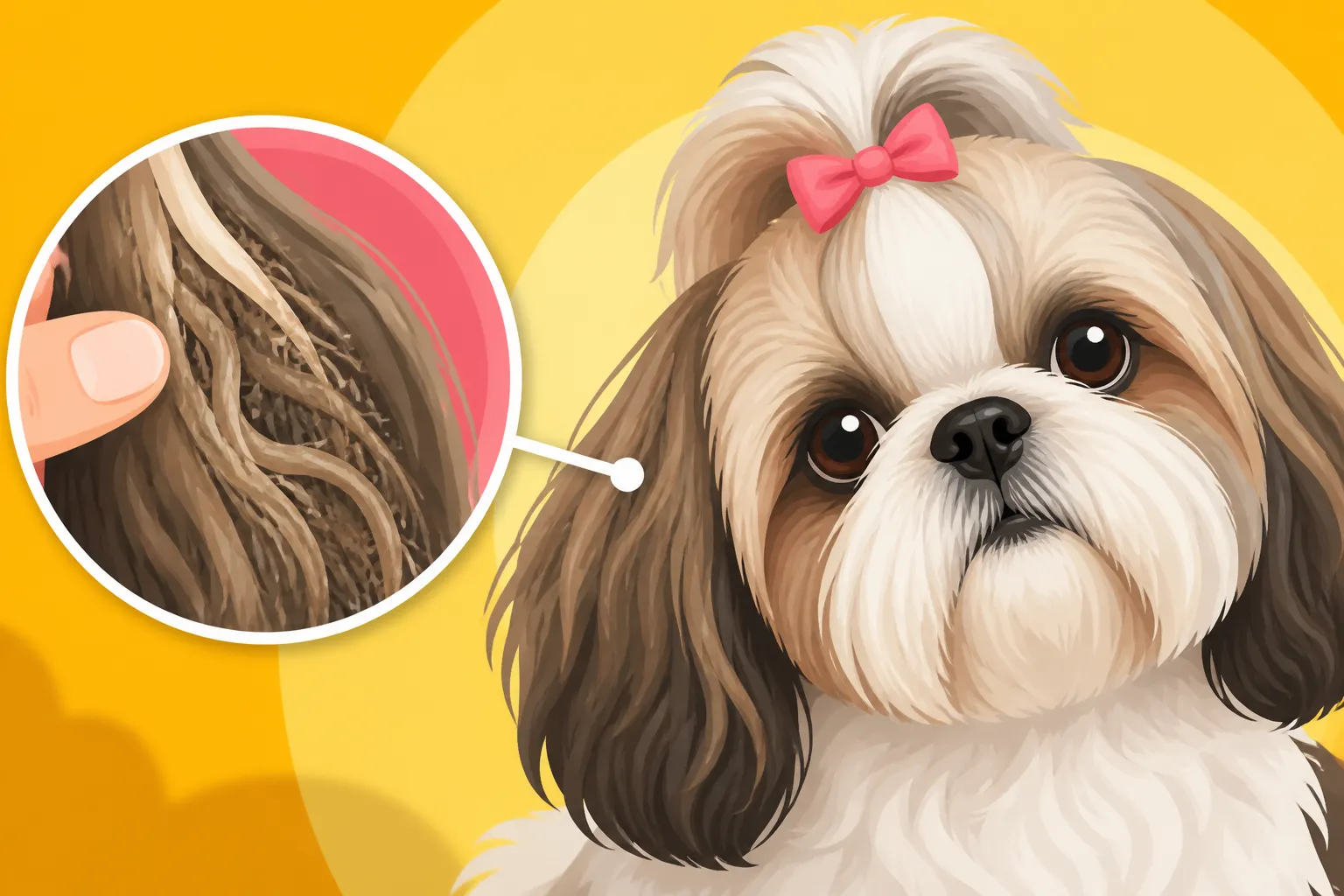
Think about it: this area is where the two layers of coat meet, often experiencing a lot of friction as the ear leather moves and shifts. The fine texture of the hair behind the ears seems almost designed to intertwine and bind together, creating those tight, uncomfortable knots. It’s a constant battle against the natural characteristics of their gorgeous fur, which can feel incredibly unfair when you're doing your best to keep them pristine.
Moisture, Friction, and the Perfect Storm for Tangles
Mats don't just happen by themselves; they're usually a result of a combination of factors, with moisture and friction being prime culprits. When your Shih Tzu shakes their head, plays, or even just scratches an itch, the hair behind their ears rubs against itself, against the collar, or even against furniture. This constant friction causes the individual hair strands to hook onto each other, initiating the matting process.
Add moisture to the equation, and you have a recipe for disaster. This could be anything from bath water not being thoroughly dried, humidity in the air, or even just residual dampness from your dog’s ear flaps after they've been playing or exploring. The natural oils in their skin, combined with dust and dirt that inevitably gets trapped in their long hair, further contribute to this sticky situation. It's a perfect storm for tiny tangles to quickly escalate into full-blown, painful mats that seem to adhere to the skin.
The Silent Creep of Neglected Grooming
Let's be honest, life gets busy. Sometimes a day of brushing gets missed, or maybe we don't quite get all the way down to the skin behind those ears. And that's precisely when those sneaky mats start to form. With a Shih Tzu’s rapidly growing and incredibly fine hair, a small tangle can become a tight, unmanageable mat in what feels like mere hours. It's not a judgment; it's just the reality of their high-maintenance coats.
Many owners focus on the body and topknot, sometimes overlooking the hidden areas. The hair right behind the ear is often out of sight, out of mind until it's too late. These areas need meticulous, daily attention because the consequence of even one missed brushing session can be weeks of trying to gently detangle a stubborn knot. It's the silent creep of neglected grooming that often catches us off guard, turning a beautiful coat into a challenge.
Proactive Strategies to Prevent Mats Behind the Ears
The old adage "an ounce of prevention is worth a pound of cure" couldn't be more true when it comes to Shih Tzu ear mats. Establishing a consistent, proactive grooming routine is your best defense against those painful tangles.
Your Daily Ear-Focused Brushing Ritual
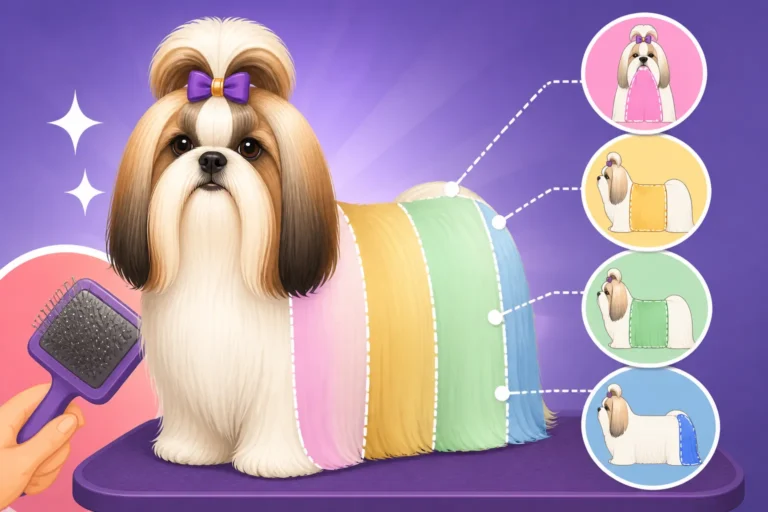
This is where the real work—and the real bonding—happens. Daily brushing isn't just a suggestion for a Shih Tzu; it's a necessity, especially for the areas behind the ears. You can't just skim the top; you need to get right down to the skin. Start by gently lifting your Shih Tzu's ear leather to expose the hair at the base. Use a high-quality slicker brush to carefully brush in sections, always brushing away from the skin. Then, follow up with a metal comb, using the narrow teeth to ensure there are no tangles lurking deep within the coat. Any little knot you find should be worked out immediately with your fingers or a little detangling spray. This meticulous process prevents small snags from becoming big problems.
Make this a positive experience for your dog. Offer praise and small, soft treats as you work. This isn't just about preventing mats; it's about teaching your Shih Tzu to tolerate and even enjoy their grooming time, making future sessions much easier for both of you. Consistency is absolutely crucial here; if you skip a day, you dramatically increase the chances of matting, particularly in that delicate ear area. Remember to always be gentle; pulling on a tender ear mat can quickly make your dog wary of future grooming sessions.
The Power of Professional Grooming and Strategic Trims
While daily home brushing is essential, regular professional grooming is an invaluable part of mat prevention. A skilled groomer understands the intricacies of the Shih Tzu coat and knows exactly where those sneaky mats like to hide. They can provide a thorough bath, blow-dry, and brush-out that reaches every corner you might miss. Scheduling Grooming a Shih Tzu Every Four to Six Weeks is ideal to maintain their coat in top condition.
Beyond regular maintenance, discuss strategic trims with your groomer. A "puppy cut" or a shorter trim around the ears can dramatically reduce the likelihood of matting. This isn't about compromising their adorable look; it's about practical comfort and health. A shorter length of hair behind the ears means less surface area for tangles to form and less friction. You can explain exactly what you're looking for, or ask for their professional advice on The Puppy Cut and What It Saves in terms of time and matting headaches. Sometimes, the peace of mind knowing a professional has thoroughly de-matted and trimmed that tricky area is worth its weight in gold.
Battling Moisture and Debris Around the Ears
Moisture is a mat's best friend, and it often collects around the ears. After baths, ensure you thoroughly dry the hair behind your Shih Tzu's ears. Don't just towel dry; use a cool setting on a handheld dryer and brush as you dry to ensure every strand is fluffed out and completely dry right down to the skin. Damp hair, especially a Shih Tzu's fine undercoat, will mat almost instantly as it dries if left undisturbed.
Beyond bath time, think about daily life. Does your Shih Tzu get food or water in their ear hair? Long ears and beards can easily dip into bowls, bringing moisture and debris to the delicate hair behind the ears. Consider using a snood during meal times to keep their ears and facial hair clean and dry. Regularly wiping their face and around their ears, perhaps with specialized Shih Tzu Eye Wipes and Tear Stain Products you might find on Chewy or Amazon, can also help keep the area free of moisture and sticky residue that encourages matting. This attention to detail can make a huge difference.
Dealing with Existing Ear Mats: When to Detangle and When to Seek Help
Finding an ear mat can feel like hitting a wall. Your heart sinks, knowing your furry friend is likely uncomfortable. The approach you take depends heavily on the severity of the mat.
How to Assess the Severity of the Mat
Before you dive in, take a deep breath and gently assess the situation. Is the mat small and loose, or is it a hard, dense pancake right against the skin? Can you easily insert your fingers under it to separate it from the skin? If the mat is loose and small, you might be able to handle it at home. However, if it’s tight, pulling at the skin, or widespread, it’s often best to leave it to a professional. Trying to force a comb through a dense mat will cause pain, potentially skin irritation, and could make your dog fearful of future grooming.
A good rule of thumb: if you can't easily see skin through the mat when you gently pull it, or if it's causing the skin to pucker, it's probably too tight for a DIY approach. Be particularly cautious around the ears because the skin there is very thin and easily torn. Never use scissors pointed towards your dog's skin, especially in a matted area where you can't tell where the hair ends and the skin begins.
| Mat Severity | Description | Recommended Action |
|---|---|---|
| Mild | Small, loose tangle; can feel skin beneath; not pulling. | Home detangling with care and products. |
| Moderate | Dime-sized to quarter-sized; slightly dense; pulls skin gently. | Extreme caution; try home detangling, but be ready for professional help. |
| Severe | Hard, felt-like patch; tight against skin; puckering; painful to touch. | Professional groomer or vet visit for shaving. |
| Extreme | Large areas of dense matting; restricting movement; potential skin issues. | Immediate vet attention; sedation might be needed. |
Step-by-Step Gentle Home Detangling
For those mild, superficial mats, you can attempt gentle detangling at home. First, arm yourself with patience, a slicker brush, a metal comb, a Detangler Sprays That Work on a Shih Tzu, and perhaps some cornstarch.
- Isolate the Mat: Gently separate the matted section from the surrounding hair. Hold the hair between the mat and the skin with your fingers to prevent pulling on the skin as you work. This is crucial for your dog’s comfort.
- Apply Detangler or Cornstarch: Spray a generous amount of detangling spray directly onto the mat. You can find excellent options on Chewy or Amazon. Alternatively, sprinkle a little cornstarch into the mat; it helps absorb oils and provides slip. Gently work it in with your fingers.
- Work from the Outside In: Do not try to comb through the entire mat at once. Starting from the very end of the mat, at the tips of the hair, use the edge of your metal comb or the tips of your slicker brush to tease out tiny sections of hair. Work slowly, one strand at a time if necessary, moving upwards toward the skin.
- Finger Power: Your fingers are your best tools here. Often, you can gently pull apart the mat into smaller sections before introducing the comb. Think of it like carefully unpicking a knot in yarn.
- Praise and Breaks: Keep sessions short and positive. If your Shih Tzu gets antsy or shows signs of discomfort, stop and take a break. You can always come back to it later. It might take multiple short sessions to completely remove a mat.
Remember, the goal is not speed, but gentleness and success without pain.
Knowing When to Call in the Experts
There are definitely times when DIY detangling is not just difficult, but potentially harmful. If you encounter a mat that is too tight, too large, or too close to the skin, it’s time to call a professional groomer. They have specialized tools, like safe electric clippers with various blade lengths, and the expertise to When a Shih Tzu Mat Has to Be Shaved Out without injuring your dog. They understand the anatomy of a dog's skin and how to carefully separate the mat from the body before shaving it off.
Sometimes, especially with severe or neglected mats, the skin underneath can be irritated, inflamed, or even infected. In such cases, a visit to your veterinarian might be necessary, as they can address any underlying skin conditions after the mat is safely removed. Never feel ashamed to ask for help; the health and comfort of your Shih Tzu are paramount. A groomer would much rather shave out a mat than have an owner accidentally cut their dog. They know that What a Groomer Adds for a Matted Shih Tzu often includes extra time and care to safely remove these painful tangles.
Cultivating a Lifelong Habit of Ear Health
Preventing ear mats isn't a one-time fix; it's an ongoing commitment to your Shih Tzu's comfort and well-being. By making ear health a part of your regular routine, you'll save both of you a lot of stress in the long run.
Consistency is Key for Mat-Free Ears
The secret to a mat-free Shih Tzu coat, especially around those sensitive ears, boils down to one word: consistency. This means making daily checks and brushing a non-negotiable part of your routine. Just five to ten minutes each day dedicated to thoroughly brushing out their entire coat, with special attention to the areas behind the ears, under the legs, and around the tail, will pay dividends. It's much easier to prevent a mat than to remove one. Think of it as your daily quality time, a calm moment where you can connect with your dog while also ensuring their comfort.
This consistent routine also allows you to catch any potential issues early, whether it's a budding mat, a skin irritation, or even an ear infection developing under the heavy ear leather. The Weekly Shih Tzu Ear Routine should extend beyond just mat checks to include gentle cleaning and checking for redness or odor, which can indicate deeper problems. By being diligent, you become intimately familiar with your dog's coat and skin, making you the best advocate for their health.
Investing in the Right Grooming Arsenal
You wouldn't try to sculpt a masterpiece with cheap tools, and the same goes for grooming your Shih Tzu. Investing in good quality grooming supplies is not an extravagance; it's a necessity. You'll need a durable pin brush, a soft slicker brush (many Shih Tzu parents swear by specific brands available on Chewy or Amazon for their soft pins), and a sturdy metal comb with both wide and fine teeth. These are the workhorses that will help you tackle their double coat effectively.
Additionally, a good detangling spray is a game-changer. These sprays lubricate the hair, making it easier for tangles to slip apart and preventing static that can contribute to matting. Keep a small pair of blunt-nosed scissors handy for carefully trimming around the eyes and paw pads, but never use them to cut out mats against the skin. Having these Home Grooming Tools a Shih Tzu Needs readily available makes your daily routine much more efficient and effective, empowering you to keep your Shih Tzu looking and feeling their best.
The Role of Overall Health in Coat Condition
While external grooming is paramount, remember that a healthy coat often starts from within. Your Shih Tzu's diet plays a significant role in the condition of their skin and coat. A diet rich in essential fatty acids, like Omega-3s and Omega-6s, can contribute to a healthy, shiny coat that is less prone to dryness and breakage, which can sometimes lead to matting. Look for high-quality dog foods, or consider fresh food options that prioritize whole ingredients. Companies like Ollie offer specially formulated fresh meals that can contribute to overall wellness.
If your Shih Tzu suffers from allergies or other skin conditions, these can also impact coat health, making it more susceptible to matting due to inflammation or excessive scratching. Addressing any underlying health issues with your veterinarian will not only improve your dog's general well-being but can also contribute to a healthier, more manageable coat. Everything works together, so a holistic approach to your Shih Tzu’s care truly makes a difference.
Disclaimer
This article is for general informational purposes only and does not constitute professional advice. Laws, prices and regulations vary by location and change over time. Consult a qualified professional for guidance on your specific situation.