The Everyday Foods That Harm a Shih Tzu
It's incredibly frustrating when you're just trying to share a little bit of your life, or even a tasty snack, with your beloved Shih Tzu, only to realize that what's perfectly safe for you could be truly dangerous for them. Our furry companions have different physiologies, and what seems like a harmless morsel can quickly turn into a terrifying emergency. This guide is here to shed light on those everyday foods hiding in your home that can cause real harm to your Shih Tzu, helping you keep your precious pup safe and sound.
Why Shih Tzus Are Especially Vulnerable to Certain Foods
You might think a little nibble here or there couldn't hurt, especially if your Shih Tzu is looking up at you with those irresistible big eyes. But our little lion dogs, with their unique charm, also come with some specific vulnerabilities that make them particularly susceptible to food-related hazards. It's not just about size, though that's a big part of it; it's also about their unique physical makeup and inherent curiosity.
Small Size and Potency of Toxins
Imagine if a human ate a spoonful of a toxic substance – it would likely be less impactful than if a tiny mouse ate the same amount. The principle is similar for our small Shih Tzus. Their compact body weight means that even a small amount of a toxic substance can lead to a much higher concentration in their system compared to a larger dog. What might give a Labrador a mild stomach upset could send a Shih Tzu to the emergency room. Their liver and kidneys, while perfectly formed for their size, have less capacity to process and eliminate toxins quickly. This means that every gram of something harmful packs a greater punch, demanding vigilant attention from us, their caregivers, to prevent accidental ingestion.
Brachycephalic Features and Respiratory Risks
Our Shih Tzus are famous for their adorable flat faces, those pushed-in noses, and large, expressive eyes. This "brachycephalic" structure, while endearing, unfortunately, comes with a host of potential health challenges, particularly concerning their respiratory system. When a Shih Tzu ingests something that causes vomiting or severe gastrointestinal upset, their already compromised airways can become even more problematic. Swelling in the throat from irritation or the physical act of vomiting can restrict breathing, quickly turning a digestive issue into a life-threatening respiratory crisis. This is a critical factor to remember, as it means typical responses to toxicity, like inducing vomiting, must be carefully considered by a vet, as they can sometimes exacerbate the brachycephalic breathing difficulties. This delicate balance means prevention is truly the best medicine for them. The Snoring That Means a Shih Tzu Airway Problem is a good read if you're concerned about your Shih Tzu's breathing.
Curious Natures and Counter-Surfing Tendencies
Let's be honest, Shih Tzus are often bolder and more adventurous than their fluffy exteriors might suggest! Many an owner has walked into the kitchen to find their little shadow exploring the floor, or worse, attempting to "counter-surf" – an impressive feat for such a small dog, often achieved by strategic climbing or leveraging. Their curious nature, combined with their keen sense of smell, means that any food left within reach on countertops, low tables, or even in open bags can become a target. They're not intentionally being naughty; they're simply following their instincts. This means owners must be incredibly diligent about food storage and keeping tempting items completely out of their Shih Tzu's investigative reach. A momentary lapse can lead to a quick gulp of something dangerous, highlighting the importance of understanding exactly what those dangers are.
The Absolute Must-Avoids: Common Kitchen Toxins
When we talk about foods that are dangerous for dogs, there are a few heavy hitters that absolutely top the list. These aren't just things that might give your Shih Tzu a mild tummy ache; these are items that can lead to severe illness, organ damage, or even death. Knowing these top offenders and keeping them strictly out of paw's reach is foundational to keeping your furry family member safe.
Chocolate and Caffeine: The Sweet Danger
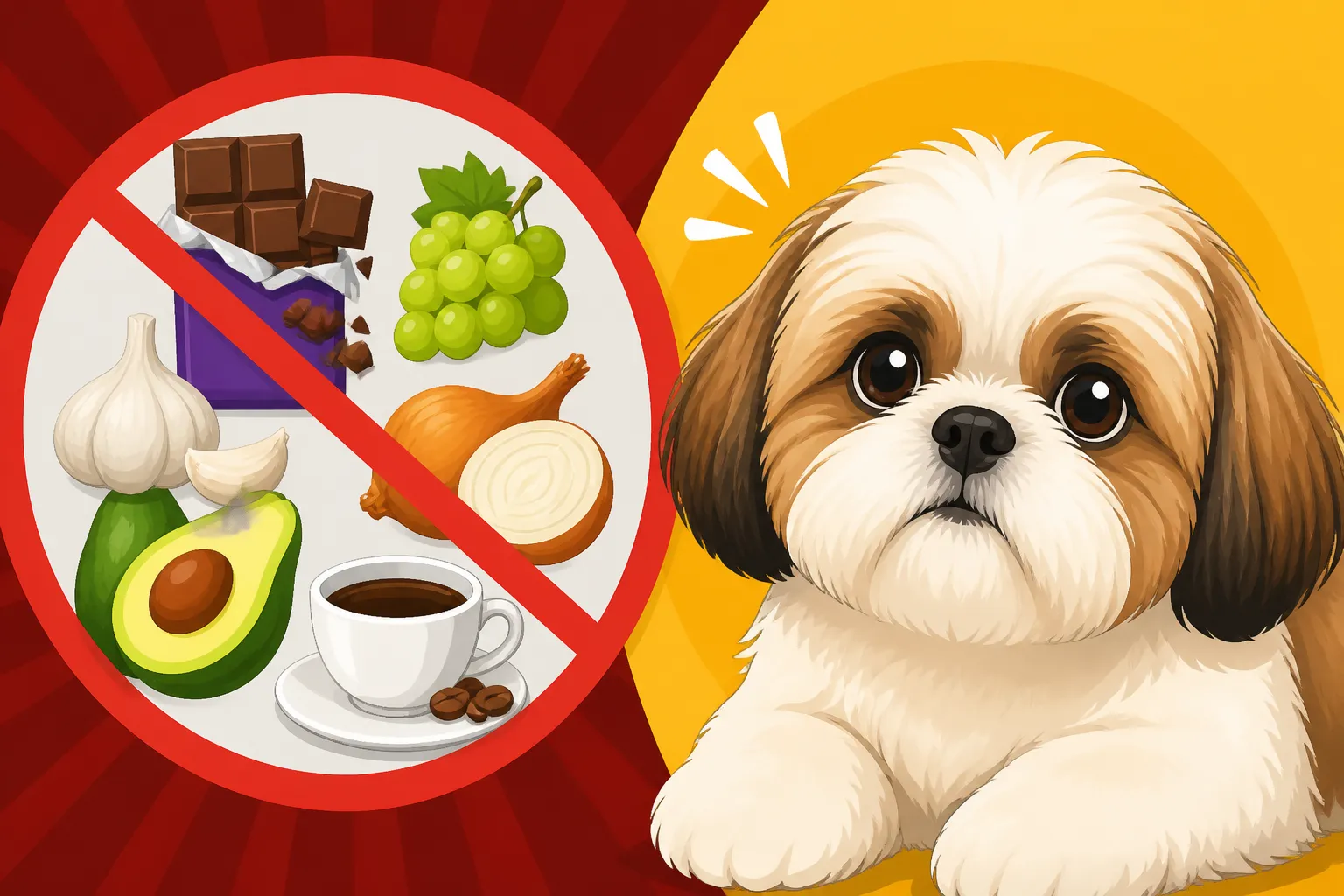
It’s almost a cliché, but for good reason: chocolate is profoundly dangerous for dogs, and particularly so for a small breed like a Shih Tzu. The culprit is a substance called theobromine, and to a lesser extent, caffeine, both of which are stimulants found in cacao beans. Unlike humans, dogs metabolize theobromine much more slowly, allowing it to build up to toxic levels in their system. The darker the chocolate, the higher the concentration of theobromine, making baking chocolate and dark chocolate especially hazardous. Even a few squares of dark chocolate can cause significant problems for a tiny Shih Tzu. Symptoms can range from mild gastrointestinal upset, like vomiting and diarrhea, to hyperactivity, tremors, seizures, heart arrhythmias, and even death. Think of it this way: your Shih Tzu's system can't efficiently clear it out, so it just keeps circulating and causing trouble.
And it’s not just chocolate bars. Beware of chocolate-flavored items, cocoa powder, coffee beans, coffee grounds, tea bags, and energy drinks. Even some chocolate-flavored protein bars or desserts can contain enough to be harmful. Always assume any chocolate product is a no-go zone. If you have children, this becomes doubly important, as a dropped chocolate chip cookie might seem innocent but could be devastating. Keeping all chocolate products securely stored away, ideally in high, closed cupboards, is crucial. This also applies to things like chocolate-covered espresso beans or chocolate-dipped fruit, which combine two potentially toxic elements. The smaller the Shih Tzu, the smaller the amount of chocolate needed to cause a severe reaction, reinforcing the need for absolute vigilance.
Xylitol: A Hidden and Deadly Sweetener
Xylitol is one of the most insidious dangers in our kitchens because it's often found in products you wouldn't immediately suspect. It's a sugar alcohol that's commonly used as an artificial sweetener in many sugar-free human foods. While perfectly safe for people, it is profoundly toxic to dogs. Even a small amount can cause a rapid and severe drop in blood sugar (hypoglycemia) because a dog's pancreas mistakes it for real sugar and releases a surge of insulin. This insulin then drives actual sugar out of the bloodstream, leading to a sudden, life-threatening energy crash. Symptoms of xylitol poisoning can appear very quickly, sometimes within 15-30 minutes, and include vomiting, weakness, staggering, collapse, and seizures. If left untreated, it can also lead to liver failure.
You'll find xylitol in surprising places: sugar-free gum, candies, breath mints, certain brands of peanut butter, toothpaste, sugar-free baked goods, some medications, and even chewable vitamins. It's vital to read ingredient labels on everything before offering any human food or product to your Shih Tzu, or even letting them lick a spoon. Always check the label of any peanut butter before giving it as a treat or using it to administer medication, as many brands now contain xylitol. For safe treat options, consider commercial dog treats from reputable retailers like Chewy that clearly list ingredients safe for dogs, or fresh food brands like Ollie that focus on whole, dog-safe ingredients. A tube of human toothpaste with xylitol can be particularly dangerous, as the sweet flavor might entice a dog to lick it, leading to a significant dose in a short amount of time. Always opt for dog-specific toothpaste and keep your own out of reach.
Grapes and Raisins: Small but Mighty Threat
This is one of the most puzzling and frustrating toxicities because the exact mechanism of action for grapes and raisins in dogs isn't fully understood, but their danger is undeniable. What we do know is that ingestion can lead to acute kidney failure in some dogs. There's no clear dose-response relationship, meaning some dogs can eat a handful with no ill effects, while others become critically ill after consuming just one or two grapes or raisins. This unpredictable nature makes them especially dangerous for a small breed like the Shih Tzu; you simply can't risk it.
Symptoms can include vomiting, diarrhea, lethargy, dehydration, increased thirst, and decreased appetite, typically appearing within 6-12 hours of ingestion. If kidney failure develops, symptoms will worsen, and the outlook can be grim without immediate veterinary intervention. This includes all forms of grapes and raisins – fresh, dried, in baked goods like cookies or bread, and even grape juice or currants (which are often dried Zante grapes). It’s crucial to keep fruit bowls out of reach and be mindful of dropped food when snacking on these items. Given the tiny size of a Shih Tzu, even a single fallen raisin can be a serious concern. It's always better to err on the side of extreme caution when it comes to grapes and raisins, no matter how small the amount.
Produce Section Perils: Fruits, Vegetables, and Alliums
While many fruits and vegetables are excellent, healthy treats for dogs, some common produce items found in our kitchens pose significant risks. It's important to know the difference, especially when you're looking for natural, low-calorie snack alternatives for your Shih Tzu. Not everything that grows from the earth is safe for our canine companions.
Onions, Garlic, and Chives: The Allium Family
The entire allium family – which includes onions, garlic, chives, and leeks – is toxic to dogs. These vegetables contain compounds called thiosulphates, which can cause damage to a dog's red blood cells, leading to a condition called hemolytic anemia. This means their body starts destroying its own oxygen-carrying cells, leading to weakness, lethargy, and potentially organ damage due to lack of oxygen. While it often takes a significant amount to cause severe poisoning in larger dogs, for a small Shih Tzu, even a moderate portion can be dangerous. The effects might not even be immediate; symptoms can sometimes be delayed for a few days after ingestion, making diagnosis tricky if you don't recall an exposure.
It's not just raw onions and garlic that are problematic. Cooked, dried, powdered, or even in soup broths and sauces – any form of these ingredients can be toxic. Think about dishes like stir-fries, gravies, pizza, or even baby food that might contain onion or garlic powder. These can be easy to overlook, but highly concentrated. Always double-check ingredient lists on prepared human foods if there's any chance your Shih Tzu might get a taste. Even the water from cooked onions can be problematic. When preparing meals, be diligent about immediately cleaning up any dropped pieces and securing waste bins, especially if your Shih Tzu is a curious scavenger.
Avocado: A Moderate Risk to Consider
Avocado presents a somewhat controversial risk. The main concern is a fungicidal toxin called persin, which is found in the avocado fruit, pit, leaves, and bark. For most dogs, particularly in the fruit's flesh, the amount of persin is generally considered to be low and often only causes mild gastrointestinal upset, like vomiting or diarrhea. However, some sources suggest that larger quantities could be problematic for certain breeds or individuals, and the potential for a more severe reaction in a small dog like a Shih Tzu means caution is warranted.
Beyond the persin, the large pit of the avocado presents a significant choking hazard, especially for a small Shih Tzu. If swallowed, it can also cause an obstruction in the digestive tract, which would be a serious and potentially life-threatening emergency requiring surgery. The high fat content of avocado can also be a concern, potentially leading to pancreatitis in sensitive dogs. Pancreatitis, an inflammation of the pancreas, can be incredibly painful and dangerous for any dog, and particularly risky for a breed like the Shih Tzu. Pancreatitis in a Shih Tzu After Table Food is a serious read. While a tiny taste of the flesh might not cause immediate harm, given the other risks and the existence of many safer fruit and vegetable alternatives, it's generally best to avoid feeding avocado to your Shih Tzu altogether.
Pits and Seeds: Choking and Cyanide Concerns
Many fruits that are otherwise safe for dogs contain pits or seeds that can be dangerous. Apples, for example, are a healthy treat, but their seeds contain small amounts of cyanide. While a few apple seeds are unlikely to harm a larger dog, for a Shih Tzu, consistent ingestion of seeds or a large amount all at once could potentially be problematic, though actual cyanide poisoning from apple seeds is rare. The bigger concern with pits and seeds from fruits like cherries, peaches, plums, and apricots is the physical danger they pose.
These pits are not only a choking hazard for a small Shih Tzu but also contain cyanide-producing compounds. If your dog chews or breaks the pit, these compounds can be released. More commonly, if swallowed whole, these hard pits can cause a gastrointestinal obstruction. Imagine a peach pit getting stuck in the tiny digestive tract of a Shih Tzu – it would be a critical situation requiring immediate veterinary attention and likely surgical removal. Always remove pits and seeds before offering any fruit to your Shih Tzu. Better yet, avoid offering whole fruits with large pits altogether unless you are absolutely sure you have removed all dangerous components. Sticks and stems can also present choking hazards or splinters, so ensure any fruit pieces are clean and manageable for their small mouths.
Dairy, Fats, and Other Kitchen Staples
It's tempting to share a bit of your breakfast or a piece of a rich meal with your furry friend, but many common household staples in these categories can cause significant discomfort or even serious health problems for your Shih Tzu. Our dogs' digestive systems are not designed to process everything we eat.
Dairy Products: Upset Stomachs and More
While a tiny lick of ice cream might seem harmless, many dogs, including Shih Tzus, are lactose intolerant. As puppies, they have an enzyme called lactase to digest their mother's milk, but as they mature, this enzyme often decreases or disappears entirely. This means that dairy products like milk, cheese, and ice cream can lead to uncomfortable gastrointestinal symptoms such as vomiting, diarrhea, gas, and abdominal pain. Imagine the intense cramping and discomfort you'd feel from severe lactose intolerance – your Shih Tzu can experience the same.
Beyond the immediate digestive distress, many dairy products are also high in fat. As we've discussed, high-fat foods can trigger pancreatitis, an extremely painful and dangerous inflammation of the pancreas. This is especially true for rich cheeses or full-fat ice cream. If you want to offer your Shih Tzu a cooling treat, opt for plain, unsweetened yogurt in very small quantities, as the fermentation process reduces lactose, or better yet, frozen pet-safe treats. Always remember that even a small amount of dairy for a sensitive Shih Tzu can lead to hours of discomfort, and a larger amount could lead to a vet visit. It's simply not worth the risk for a moment of shared indulgence.
Fatty Foods and Cooked Bones: Pancreatitis and Perforation
This is a big one. Rich, fatty foods are a major culprit behind one of the most agonizing conditions dogs can face: pancreatitis. Bacon grease, fatty cuts of meat, skin from poultry, butter, gravy, and any fried foods are extremely dangerous. The sudden influx of high fat can overwhelm a dog's pancreas, causing it to become inflamed. Pancreatitis is excruciatingly painful and can range from mild to life-threatening, often requiring hospitalization, aggressive fluid therapy, and pain management. For a small Shih Tzu, the impact can be severe and recovery can be prolonged.
Cooked bones are another absolute no-go. While raw bones, under strict supervision and appropriate size, can be a debated topic among some owners, cooked bones are universally dangerous. The cooking process makes bones brittle and prone to splintering into sharp shards. These shards can cause serious damage anywhere along your Shih Tzu's digestive tract, from puncturing the esophagus or stomach to causing tears in the intestines. They can also lead to blockages or severe constipation. Never give your Shih Tzu cooked bones from chicken, turkey, beef, or pork. These are not treats; they are hazards. Always make sure any food scraps from your plate or cooking area are completely free of fat and bones before offering, and ideally, just stick to dog-specific treats.
Yeast Dough: Bloat and Alcohol Toxicity
Unbaked yeast dough is a double threat for dogs, and it’s a particular danger if your Shih Tzu gets into it while you're baking. Firstly, the warm, moist environment of a dog's stomach is the perfect place for yeast to continue to rise. As the dough expands, it can cause severe bloating and distention of the stomach, leading to immense pain and potentially a life-threatening condition called gastric dilation-volvulus (GDV), commonly known as bloat. While bloat is more common in large, deep-chested breeds, any dog can be affected, and the intense abdominal pressure alone can be very serious for a small Shih Tzu.
Secondly, as the yeast ferments the sugars in the dough, it produces alcohol. This alcohol is rapidly absorbed into your Shih Tzu's bloodstream, leading to alcohol poisoning. Symptoms of alcohol toxicity include staggering, disorientation, vomiting, tremors, hypothermia, and in severe cases, respiratory depression, coma, and death. It's a truly frightening scenario. Keep any unbaked dough, whether for bread, pizza, or other baked goods, completely out of reach and sight. If you suspect your Shih Tzu has ingested yeast dough, it's an emergency that requires immediate veterinary attention. Don't wait for symptoms to appear; time is critical in preventing serious complications from both the bloat and the alcohol.
Pantry and Snack Dangers
Our pantries and snack stashes hold many convenient and tasty treats for us, but they're often full of hidden dangers for our Shih Tzus. These are items that might seem innocuous but can quickly turn into an emergency if your curious pup gets a hold of them.
Nuts: From Choking Hazards to Toxins
The world of nuts is a mixed bag for dogs, with some being benign, others posing physical hazards, and a few being truly toxic. The biggest universal concern for a small Shih Tzu with any type of nut is the choking hazard. Their small airways can easily become obstructed by a whole nut. Beyond that, nuts are generally very high in fat, which, as we've discussed, can lead to painful pancreatitis. This applies to peanuts (which are legumes, not true nuts, but still high in fat), almonds, cashews, and walnuts. While these aren't typically toxic, their fat content means they should only be given in very tiny, occasional amounts, if at all, and always chopped into minuscule pieces appropriate for a Shih Tzu's mouth.
However, some nuts are specifically toxic. Macadamia nuts are a unique and serious concern (more on those in a moment). Black walnuts are also known to be toxic, potentially causing tremors and seizures. Moldy walnuts, which can grow fungi, can produce tremorgenic mycotoxins that are highly dangerous. So, while a small, unsalted, unseasoned, and finely chopped almond might be okay as a rare treat, it's far safer to avoid nuts entirely. Many mixed nuts also contain dangerous ingredients, seasonings, or even xylitol in some coatings. Stick to dog-specific treats, or vet-approved safe human foods, to avoid any confusion or risk.
Alcohol and Hops: Obvious but Overlooked
It might seem obvious that alcohol is bad for dogs, but sometimes, during celebrations or casual gatherings, drinks can be left within reach. Dogs are much more sensitive to the effects of alcohol than humans due to their smaller size and different metabolism. Even a small amount can cause significant intoxication, leading to vomiting, diarrhea, disorientation, difficulty walking, tremors, breathing difficulties, coma, and even death. This includes not just alcoholic beverages like beer, wine, and spirits, but also food products containing alcohol, such as rum cake, wine-infused sauces, or even some fermented fruit.
Another less obvious danger is hops, an ingredient used in brewing beer. Ingesting hops can lead to a condition called malignant hyperthermia in dogs, where their body temperature rises dangerously high, sometimes to fatal levels. This can happen whether the hops are fresh, dried, or even cooked within the spent grains after brewing. If you homebrew, be extremely careful about where you store your ingredients and spent hops. Always keep alcoholic drinks, and any food containing alcohol, safely away from your Shih Tzu. If you suspect your dog has ingested any amount of alcohol, treat it as an emergency and contact your vet immediately. The After-Hours Bill for a Shih Tzu Eye is a good reminder that emergencies can happen at any time and often come with unexpected costs.
Macadamia Nuts: Unique to Dogs
Macadamia nuts deserve their own special mention because they are uniquely toxic to dogs, unlike many other nuts. While the exact toxic compound isn't fully understood, ingestion can cause a range of debilitating symptoms. These typically include weakness, lameness in the hind limbs (they may appear to be unable to stand or walk normally), joint pain, vomiting, fever, abdominal pain, and tremors. These symptoms usually appear within 12 hours of ingestion and can last for 24-48 hours.
The good news is that macadamia nut toxicity is rarely fatal, but it is incredibly uncomfortable and distressing for the affected dog and their owner. For a tiny Shih Tzu, the impact of these symptoms would be particularly pronounced. Even a small quantity can cause a reaction. You often find macadamia nuts in cookies, trail mixes, and other baked goods, making accidental ingestion more likely. The best course of action is to keep all macadamia nuts, and any products containing them, strictly away from your Shih Tzu. If you have guests, make sure they are aware of the dangers as well, as they might not realize the severity of the threat these seemingly harmless nuts pose.
Recognizing the Signs of Food Poisoning in Your Shih Tzu
Spotting the signs of food poisoning in a Shih Tzu can be incredibly stressful, and because they're so small, their condition can deteriorate rapidly. It's crucial for owners to know what to look for and, perhaps even more importantly, when to drop everything and head to the veterinary emergency room. Early intervention can make a world of difference.
Common Symptoms and Their Urgency
The symptoms of food poisoning in a Shih Tzu can vary widely depending on the type of toxin ingested, the amount consumed, and the individual dog's sensitivity. However, there are several common signs that should immediately raise a red flag. The most frequent early indicators are gastrointestinal upsets: repeated vomiting, often more than once in an hour or two, and diarrhea, which can range from soft stools to watery explosive episodes. You might also notice a loss of appetite, refusing even their favorite treats, and a general sense of lethargy or weakness. Your normally spirited Shih Tzu might seem unusually quiet, reluctant to play, or just want to sleep.
Other signs to watch for include increased thirst, frequent urination (especially if kidney toxins like grapes are involved), abdominal pain (they might whimper when touched, or assume a hunched-over "prayer position" with their front paws down and hind end up), drooling, or tremors. With specific toxins like chocolate, you might see hyperactivity, restlessness, or even seizures. With xylitol, a sudden collapse or disorientation due to low blood sugar is a dire sign. For a Shih Tzu, due to their small size, any of these symptoms escalating quickly is a cause for concern. A single episode of vomiting after eating something new might just be an upset stomach, but persistent vomiting, severe diarrhea, or any neurological symptoms like tremors or disorientation demand immediate attention.
When to Seek Veterinary Help Immediately
This is the most critical takeaway: if you know or even strongly suspect your Shih Tzu has ingested a toxic food, do not wait for severe symptoms to develop. Contact your veterinarian or an emergency animal hospital immediately. Time is often of the essence, as early intervention can sometimes prevent toxins from being fully absorbed or mitigate their damage. Don't try to Google remedies or induce vomiting at home without professional guidance, especially with a brachycephalic breed like a Shih Tzu, where inducing vomiting can lead to aspiration pneumonia or breathing difficulties.
Beyond known ingestion, certain symptoms warrant an immediate emergency vet visit, regardless of whether you saw them eat something specific. These include:
- Repeated or projectile vomiting: More than a couple of times within a short period.
- Severe, persistent diarrhea: Especially if it contains blood or is black and tarry.
- Weakness, collapse, or inability to stand.
- Seizures or uncontrollable tremors.
- Difficulty breathing: Open-mouth panting, labored breathing, blue gums.
- Severe abdominal pain or distension.
- Extreme lethargy or unresponsiveness.
- Any sudden, drastic change in behavior or alertness.
When you call the vet, be prepared to tell them: what your Shih Tzu ate (if known), how much, when, and what symptoms you're observing. It can be incredibly scary, but clear communication helps them assess the situation quickly. For general health insights, keeping up with regular vet check-ups is essential, and reading articles like The Puppy Check a Shih Tzu Needs at Eight Weeks can help you recognize normal vs. abnormal. Remember, for a small Shih Tzu, their reserve capacity is limited, and their condition can decline very rapidly. When in doubt, always default to seeking professional veterinary care.
Preventative Measures and Safe Alternatives
Keeping your Shih Tzu safe from toxic foods isn't just about reacting to emergencies; it's mostly about proactive prevention and making smart choices every single day. Creating a dog-safe environment and understanding what is safe to offer can go a long way in ensuring your furry companion lives a long, healthy life free from preventable food-related incidents.
Secure Food Storage and Counter Surfing Prevention
The easiest way to prevent your Shih Tzu from ingesting harmful foods is to make sure they can't get to them in the first place. This means rethinking your kitchen and food storage habits. Always store toxic human foods, especially chocolate, grapes, raisins, onions, and products containing xylitol, in secure, elevated cabinets or pantries that your Shih Tzu cannot access. Don't leave groceries unattended on the floor or low counters. Even if you think your Shih Tzu can't reach, they can be surprisingly resourceful climbers and jumpers, especially when motivated by a tempting scent. Ramps for a Shih Tzu With a Long Spine are often suggested for joint health, but they can also provide unexpected access to areas you thought were safe!
Develop the habit of immediately clearing plates, wiping crumbs, and putting away all food after meals and snacks. Invest in sturdy trash cans with secure, tight-fitting lids that your Shih Tzu cannot easily knock over or pry open. Even a tiny piece of discarded onion or a few leftover crumbs could be enough to cause issues. If you have children, educate them about which foods are dangerous for your Shih Tzu and encourage them to always put their food away and not leave snacks lying around. This is a family effort. Consider using baby gates to block off kitchen access during meal prep or when the kitchen is unattended, especially if your Shih Tzu is a persistent counter-surfer. You can find many secure storage containers and pet-safe bins on platforms like Amazon to help you organize your pantry.
Safe Human Foods as Treats
While we've focused heavily on what not to feed, there are plenty of wholesome human foods that, in moderation, can be perfectly safe and enjoyable treats for your Shih Tzu! These can offer nutritional benefits and satisfy their craving for variety without the risk. Always ensure any human food given is plain, unseasoned, and offered in very small, appropriate portions for their size. Remember, Daily Calories for a Shih Tzu are not many, so treats should be a tiny percentage of their overall intake.
Here are some good options:
- Plain cooked chicken or turkey: Skinless, boneless, and unseasoned.
- Lean beef: Cooked, unseasoned, and trimmed of fat.
- Carrots: Great for crunch and dental health, cut into small pieces.
- Green beans: Cooked or raw, plain.
- Cooked sweet potato: Plain and mashed or cubed.
- Apple slices: Core and seeds completely removed.
- Blueberries, strawberries, raspberries: Small amounts, in season, and free from stems or leaves.
- Bananas: In small, infrequent slices due to sugar content.
- Plain rice or pasta: Cooked without salt or butter, can be helpful for an upset tummy.
- Plain, unsweetened yogurt: Very small amounts, if your Shih Tzu isn't lactose intolerant, as a probiotic boost.
Commercial Dog Treats and Meal Options
When in doubt, reaching for commercial dog treats or specially formulated dog foods is always the safest bet. These products are designed with canine nutritional needs and safety in mind, and reputable brands rigorously test their ingredients. Look for treats that are specifically made for small breeds or that can be easily broken into small pieces to prevent choking. When choosing treats, prioritize those with limited, wholesome ingredients. Many owners find success with freeze-dried single-ingredient treats (like liver or chicken) or dental chews that are sized appropriately for a Shih Tzu's tiny mouth and jaw.
For daily meals, a high-quality commercial dog food provides all the necessary nutrients without you having to worry about hidden toxins. There are many fantastic options available, from traditional kibble to wet food to fresh food delivery services. For instance, brands like Ollie offer fresh, human-grade meal plans tailored to your dog's specific needs, which can be an excellent way to ensure they're getting balanced nutrition with safe ingredients. Retailers like Chewy offer an enormous selection of trusted brands, making it easy to find foods and treats that are free from common allergens and dangerous ingredients. When considering any new food or treat, always read the ingredient list carefully and introduce new items slowly to monitor for any digestive upset. This careful approach to Feeding a Shih Tzu at Nine to Sixteen Pounds ensures a happy and healthy companion.
| Food Item | Primary Concern | Typical Symptoms | Urgency (1-5, 5=Emergency) |
|---|---|---|---|
| Chocolate/Caffeine | Theobromine, caffeine toxicity | Vomiting, diarrhea, hyperactivity, tremors, seizures, heart issues | 5 |
| Xylitol | Rapid drop in blood sugar, liver damage | Vomiting, weakness, staggering, collapse, seizures, liver failure | 5 |
| Grapes/Raisins | Acute kidney failure | Vomiting, lethargy, dehydration, increased thirst, decreased appetite, kidney failure | 5 |
| Onions/Garlic/Chives | Red blood cell damage (anemia) | Lethargy, weakness, pale gums, increased heart rate, dark urine, vomiting, diarrhea | 4 |
| Avocado (pit/persin) | Choking hazard, intestinal obstruction, mild GI upset | Vomiting, diarrhea, abdominal pain (from obstruction or pancreatitis) | 3-5 (depending on part ingested) |
| Cooked Bones | Choking, splintering, internal damage, obstruction | Vomiting, constipation, abdominal pain, lethargy, blood in stool | 5 |
| Fatty Foods | Pancreatitis | Vomiting, diarrhea, severe abdominal pain, hunched posture, fever, lethargy | 4 |
| Yeast Dough | Bloat, alcohol poisoning | Swollen abdomen, retching, weakness, disorientation, tremors, coma | 5 |
| Macadamia Nuts | Unique toxicity (unknown mechanism) | Weakness, lameness (especially hind legs), tremors, joint pain, vomiting, fever | 3 |
| Alcohol | Alcohol poisoning | Vomiting, staggering, disorientation, tremors, breathing difficulties, coma | 5 |
Disclaimer
This article is for general informational purposes only and does not constitute professional advice. Laws, prices and regulations vary by location and change over time. Consult a qualified professional for guidance on your specific situation.