Wrapping a Show Shih Tzu Coat
The sheer dedication required to maintain a show-quality Shih Tzu coat is something many outside the fancy simply don't understand. It's not just a quick brush; it's a labor of love that involves preventing tangles, breakage, and damage to that flowing double coat. This guide is here to walk you through the intricate, yet incredibly rewarding, process of wrapping a Shih Tzu's coat, ensuring it stays pristine and protected, ready to dazzle in the show ring.
Why the Art of Wrapping a Shih Tzu Coat is Essential for Show Dogs
If you've ever seen a Shih Tzu in full show coat, you know it's a breathtaking sight: a luxurious cascade of hair that seems to defy gravity and dirt. But achieving and maintaining that level of perfection isn't just about good genetics and regular grooming appointments. For serious competitors, wrapping the coat is an indispensable technique that safeguards every strand, allowing it to grow to its full potential while minimizing daily wear and tear.
Imagine spending months, even years, growing out a Shih Tzu's coat, only to have it break, tangle, or become matted because of everyday activities. Shih Tzus, by their very nature, are playful and curious dogs, and their long coats are magnets for debris, food, and anything else they might brush against. Wrapping acts as a protective shield, keeping the hair contained and clean. It’s a proactive measure against split ends, yellowing, and the inevitable damage that comes from friction and environmental exposure. It also helps manage the coat, making daily care more efficient, even if it looks intimidating at first glance.
Beyond protection, wrapping also facilitates growth. When hair is constantly snagged, pulled, or walked on, it simply won't reach its genetic potential length. By carefully securing sections of the coat in wraps, you provide an environment where the hair can continue to grow without interference. This is particularly crucial for the long flowing hair that is the hallmark of a show-quality Shih Tzu. It’s an investment in length and health, ensuring that when the time comes for the show ring, your dog's coat is truly magnificent.
Gathering Your Tools: What You'll Need for Successful Shih Tzu Coat Wrapping
Before you dive into the actual wrapping process, having all your supplies neatly organized is half the battle. This isn't a task you want to interrupt because you're missing a crucial item. Think of it like preparing for a delicate art project; each tool plays a specific role in achieving that perfect, secure wrap. You'll quickly discover that while the list might seem extensive, each item is designed to protect your dog's precious coat.
First and foremost, you'll need the right wrapping papers. These aren't just any papers; they are specially designed to be thin, yet strong enough to hold the hair, and often have a waxy or oil-resistant quality to prevent moisture from seeping through. Many dedicated groomers and show enthusiasts prefer latex papers or specialty rice papers. You can find a good selection of these on sites like Amazon or through specialized grooming supply stores. Then, you'll need a reliable source of grooming bands – the small, sturdy latex or silicone bands that secure the wrap. Make sure they are soft and flexible, yet strong enough not to snap. You might find a good variety on Chewy or at your local pet supply shop.
Beyond the papers and bands, a few other essentials are absolutely critical. A high-quality metal comb with both wide and fine teeth is indispensable for detangling and sectioning the hair cleanly. A slicker brush, specifically designed for double coats, is necessary for making sure the coat is completely free of tangles before you even think about wrapping. Remember, you want to avoid mats forming inside the wraps, so a thorough brush-out is paramount. A good detangling spray will also be your best friend, helping to work through any stubborn knots gently, reducing breakage. Lastly, a sturdy grooming table with an arm and noose is highly recommended, not just for safety, but also for comfortable, consistent positioning of your dog, which makes the whole process much smoother for both of you.
| Item | Description | Purpose |
|---|---|---|
| Wrapping Papers | Thin, durable, often waxy/oily paper (latex or rice paper) | Protects hair from dirt, moisture, and breakage; holds sections of hair |
| Grooming Bands | Small, soft, flexible latex or silicone bands | Secures the paper wraps around the hair sections |
| Metal Comb | Dual-tooth comb (wide and fine) | Detangles, sections hair, and ensures smooth, knot-free strands |
| Slicker Brush | Brush with fine, wire bristles designed for double coats | Thoroughly brushes out the coat, removing loose hair and mats |
| Detangling Spray | Conditioning spray to loosen knots and reduce static | Aids in gentle detangling, minimizes hair breakage during brushing |
| Scissors/Shears | Small, sharp grooming scissors (blunt-tip preferred for safety) | Trimming stray hairs, cutting wrapping paper to size |
| Grooming Table | Elevated table with adjustable arm and noose | Provides a stable, comfortable, and safe platform for grooming |
| Hair Clips/Sectioners | Small clips to hold sections of hair out of the way | Helps keep brushed-out sections separate during the wrapping process |
Step-by-Step: The Process of Wrapping a Shih Tzu's Luxurious Coat
Now for the main event: the actual wrapping! This process takes patience, practice, and a gentle touch. Remember, your Shih Tzu needs to be comfortable and cooperative, so short, positive sessions are always better than long, frustrating ones. Start with a completely clean, dry, and thoroughly brushed-out coat. Any moisture or existing tangles will lead to mats forming inside the wraps, which defeats the entire purpose. Think of it as preparing a canvas before painting; the cleaner and smoother the foundation, the better the final result.
Begin by sectioning the hair. You'll typically start with the topknot area, as this is often the most visible and needs meticulous care. Carefully part a section of hair, making sure it’s free of any knots. The size of the section should be manageable—not too thick that it won't dry properly if it gets damp, and not too thin that it breaks easily. Many owners will work on individual sections of hair on the back, sides, and tail, envisioning the overall flow of the coat. Don't forget the hair on the legs and tummy, which is equally prone to matting and breakage. Working a Shih Tzu Coat in Sections is key here.
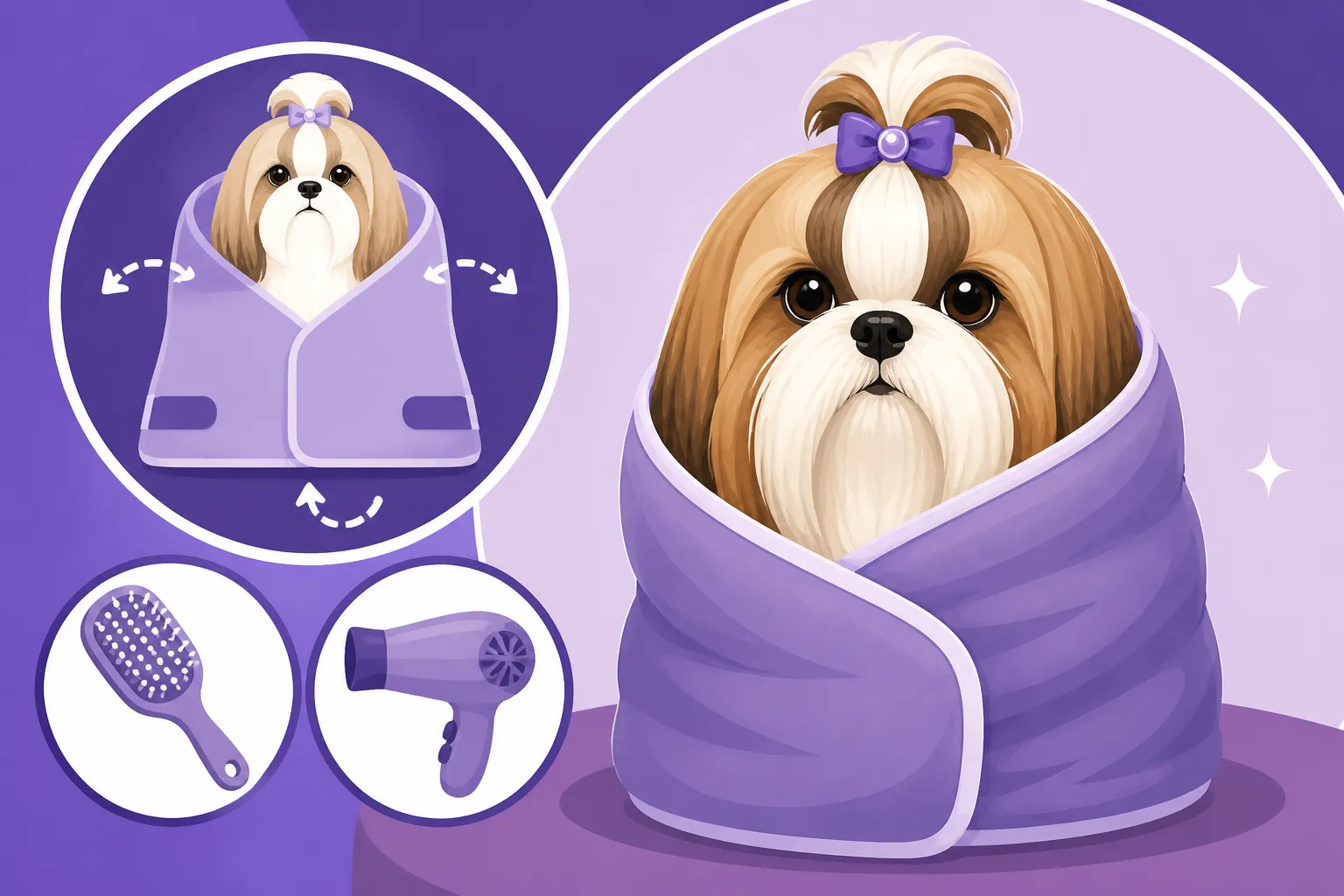
Once you have a section isolated, you'll lay it onto a piece of wrapping paper. The paper should be a bit wider than the section of hair and long enough to fully enclose it. Carefully fold the paper around the hair, ensuring the hair lies flat within the paper, without any kinks or twists. Some handlers like to place a tiny amount of coat dressing or oil on the hair before folding it into the paper, to add extra conditioning and protection. Then, starting from the top (closest to the skin), carefully roll or fold the paper down towards the end of the hair. Once rolled, secure the entire bundle with a grooming band. The band should be snug enough to hold the paper and hair in place, but never so tight that it pulls on the skin or restricts blood flow. Repeat this process methodically, section by section, until the entire coat is wrapped. It's a skill that improves with practice, so don't be discouraged if your first attempts aren't perfect.
Living with Wrapped Locks: Maintenance and Troubleshooting
Having a Shih Tzu with a fully wrapped coat isn't a "set it and forget it" situation. It requires ongoing attention and a regular schedule to ensure the wraps remain effective and the coat beneath stays healthy. Think of it as a commitment; these wraps are working tirelessly to protect your dog's beautiful hair, but they need your help to do their job properly. Neglecting wrapped hair can lead to even bigger problems than if it were left unwrapped, such as large, painful mats hidden within the paper.
A general rule of thumb is to change the wraps at least once a week. Some owners, especially those with very active dogs or during humid weather, might refresh them every few days. When changing them, carefully remove each band and paper, gently brush out the section of hair, check for any mats or tangles (paying special attention to areas like behind the ears and under the legs where The Mats That Form Behind Shih Tzu Ears or Mats Under a Shih Tzu's Front Legs are common), and then re-wrap. This regular re-wrapping gives you a chance to inspect the skin for any irritation, clean any collected debris, and reapply any conditioning treatments. It's also an excellent opportunity to ensure the coat is clean and moisturized.
Troubleshooting is an inevitable part of living with a wrapped Shih Tzu. If you notice any redness or tenderness around the base of a wrap, it's likely too tight. Remove it immediately and reapply more loosely. If hair is consistently breaking, consider a different type of wrapping paper or adding a more intensive conditioning routine. Sometimes, despite best efforts, a mat might form within a wrap. If this happens, don't panic. Gently work it out using a detangling spray and your fingers, rather than trying to brush it through forcefully. You might consider using a product like a professional detangler from Chewy or Amazon. Remember that the goal is always the health and comfort of your Shih Tzu, as a happy dog with a healthy coat is what truly shines.
Disclaimer
This article is for general informational purposes only and does not constitute professional advice. Laws, prices and regulations vary by location and change over time. Consult a qualified professional for guidance on your specific situation.