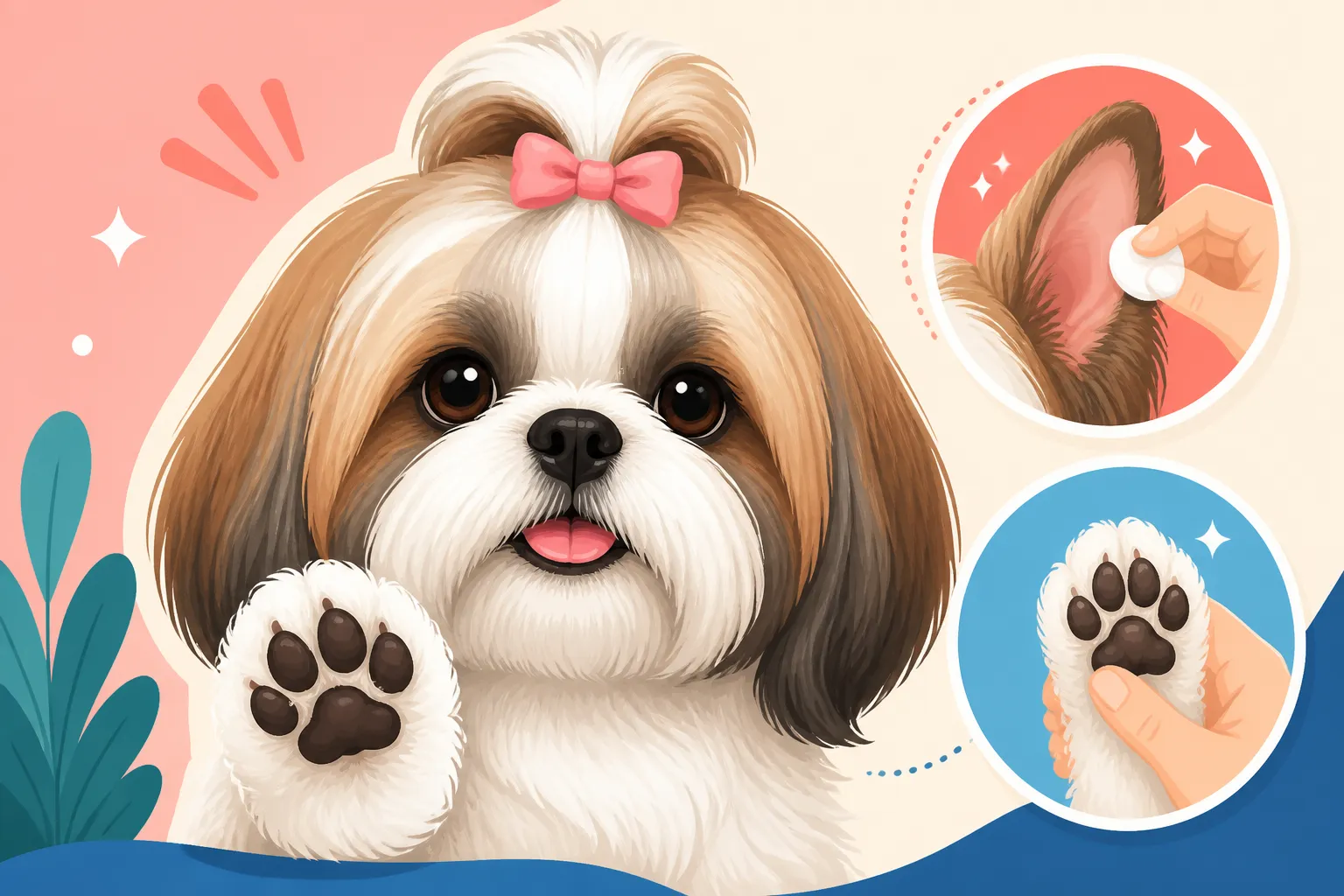
Shih Tzu Ear and Paw Care
One of the trickiest parts of sharing your life with a delightful Shih Tzu is managing their unique physical traits, especially their ears and paws. Many owners find themselves battling recurrent ear infections or struggling with overgrown paw hair and nails, feeling overwhelmed and frustrated by the constant upkeep. It's a common struggle, but with the right knowledge and consistent care, you can keep your beloved Shih Tzu comfortable, healthy, and happy. This comprehensive guide will walk you through everything you need to know about proactive ear and paw care, from understanding their specific vulnerabilities to mastering effective grooming techniques at home.
Understanding Shih Tzu Ear Anatomy and Challenges
Those adorable, floppy ears that frame your Shih Tzu's sweet face are also a magnet for trouble. Unlike breeds with upright ears, the Shih Tzu's ear structure creates a warm, moist, and dark environment—the perfect breeding ground for bacteria and yeast. It's not just about aesthetics; understanding this anatomy is the first step in preventing uncomfortable and often painful issues.
The Double-Coated, Droopy Ear Leather
Imagine trying to keep a tiny, fur-lined cave clean and dry. That's essentially what you're dealing with when it comes to your Shih Tzu's ears. Their long, heavy ear leathers, covered in that luxurious double coat, hang down, effectively sealing off the ear canal from fresh air. This lack of ventilation is the primary culprit behind many ear problems. The beautiful long hair that often blends seamlessly with the body coat also covers the ear openings, further trapping moisture and debris inside. It’s like wearing earmuffs all the time, which sounds cozy for us, but for a dog's ear canal, it’s a recipe for disaster. This unique feature means you can’t just ignore their ears; they demand regular attention.
The density of their coat, especially the undercoat, also plays a role. When their outer coat gets wet, that moisture can wick down into the ear leather, making it even harder for the area around the ear canal to dry completely. A quick splash in a puddle or even just a humid day can set the stage for a problem if those ears aren't thoroughly dried. This is why drying is just as important as cleaning.
Hair Growth Inside the Ear Canal
Beyond the outer ear leather, Shih Tzus often grow hair inside their ear canals. This isn't just a few stray strands; it can be quite dense, forming a tangled mat that further obstructs airflow and traps wax, dirt, and moisture. This internal fur acts like a net, catching everything that tries to escape the ear, building up a perfect environment for microorganisms. It’s a frustrating cycle where the very thing that makes them so cute – all that glorious hair – also creates a significant health challenge.
This trapped hair and debris can lead to itching, which prompts your Shih Tzu to scratch, potentially causing further irritation or even injury to the delicate ear canal lining. Think about trying to clean a drain that's already full of hair; it's a similar challenge. Regularly addressing this internal hair growth is crucial for maintaining good ear health. Neglecting it often leads to persistent issues.
Why Their Ears Are Prone to Infections
Given the combination of trapped moisture, poor ventilation, and internal hair, it's no surprise that Shih Tzu ears are highly prone to infections. Bacteria and yeast thrive in these conditions, multiplying rapidly and leading to inflammation, discomfort, and a host of other symptoms. It's a constant battle against nature, and without diligent care, you're likely to see your vet more often for ear issues than almost anything else.
One of the most common culprits is yeast, which naturally lives on a dog's skin but can overgrow when the conditions are right. Bacterial infections often follow, creating a smelly, painful mess. Owners often feel helpless when faced with recurring infections, but understanding why they happen empowers you to break the cycle. It's not just bad luck; it's a predisposition rooted in their breed characteristics. You might find it helpful to read more about Shih Tzu Ear Infections Under Heavy Ear Leather to get a deeper understanding of this common issue.
A Step-by-Step Guide to Shih Tzu Ear Cleaning
Regular ear cleaning is not just important; it’s absolutely essential for a Shih Tzu. This isn't a once-a-month task; for many, it becomes a weekly or bi-weekly ritual. Getting your Shih Tzu accustomed to the process early on will make both your lives much easier. Consistency and a gentle touch are your best friends here.
Gathering Your Essential Ear Cleaning Supplies
Before you begin, have all your tools ready. This makes the process smoother and less stressful for both you and your dog. You’ll need a good quality ear cleaning solution specifically formulated for dogs. Avoid using rubbing alcohol or hydrogen peroxide, as these can irritate delicate ear tissues. A good canine ear cleaner will help break down wax and dry quickly. You'll also need cotton balls or gauze pads – never cotton swabs, as they can push debris further into the canal. For some, a pair of blunt-tipped tweezers or hemostats might be helpful for ear hair plucking, but use extreme caution if you choose this method.
Having a favorite high-value treat on hand is also crucial for positive reinforcement. A small towel might be useful to catch any drips, and good lighting will help you see what you're doing. You can find many excellent ear cleaning solutions and cotton pads on platforms like Chewy or Amazon, making it easy to stock up on necessary supplies without a special trip.
The Gentle Art of Ear Hair Plucking (or Not)
This is a hot topic among Shih Tzu owners and even veterinarians: should you pluck the hair from inside your Shih Tzu's ears? The truth is, there's no single right answer, and it depends on your dog's individual needs and your vet's recommendation. Some vets advocate for it to improve airflow and reduce trapped debris, while others argue that plucking can cause micro-trauma, leading to inflammation and actually increasing the risk of infection. If your Shih Tzu has very dense hair growth inside the canal and suffers from recurrent infections, your vet might suggest it.
If you do decide to pluck, or if your groomer does, it must be done gently and sparingly. Only pull out small amounts of hair at a time, using your fingers or blunt-tipped tweezers. Always pull in the direction of hair growth. Never try to yank out large clumps. Many professional groomers offer this service, and they are usually well-versed in what's appropriate for different breeds. For some Shih Tzus, simply keeping the surrounding hair trimmed and using a good cleaner is enough without the need for plucking. For more detail, consider reading Whether Ear Hair Causes Shih Tzu Infections.
Effective Ear Cleaning Techniques
Once your supplies are ready and you've decided on the hair-plucking approach, it's time for the cleaning itself. Start by gently holding your Shih Tzu's ear flap up, exposing the ear canal. If you're plucking, do this first, taking care not to cause discomfort. Then, apply the ear cleaning solution directly into the ear canal, filling it up. Don't be shy; you need enough solution to really flush things out.
Once the solution is in, gently massage the base of the ear for about 20-30 seconds. You should hear a squishing sound, which means the cleaner is working to break up wax and debris. After massaging, let your Shih Tzu shake their head. This is important as it helps dislodge all the loosened gunk. Finally, use a cotton ball or gauze pad to wipe away any visible debris from the outer ear canal and the underside of the ear flap. Remember, only clean what you can see; never insert anything deeply into the ear canal. Repeat with fresh cotton balls until no more dirt appears. A consistent The Weekly Shih Tzu Ear Routine can make all the difference.
Recognizing and Preventing Shih Tzu Ear Infections
Even with diligent care, ear infections can still crop up, especially in a breed as predisposed as the Shih Tzu. Knowing the signs and taking swift action can prevent a minor irritation from escalating into a serious and painful problem. Early detection is key to a faster, less complicated recovery.
Common Signs of an Ear Infection
Your Shih Tzu can’t tell you their ear hurts, so it’s up to you to be observant. The most obvious sign is often excessive scratching or pawing at their ear, or rubbing their head along furniture or the floor. You might also notice a foul odor emanating from the ear, often described as a yeasty or sweet smell, particularly if it's a Yeast Infections in a Shih Tzu Ear. Redness, swelling, or crusting around the ear opening are also clear indicators.
Sometimes, the ear canal itself might appear red or inflamed when you look inside. Your dog might also hold their head tilted to one side, or seem generally lethargic and irritable due to the discomfort. Discharge from the ear can vary in color and consistency – it could be dark brown and waxy, yellow, or even bloody, depending on the type and severity of the infection. If you spot any of these signs, it's time to act quickly.
Factors Contributing to Recurring Infections
It’s incredibly frustrating when your Shih Tzu gets one ear infection after another. You might feel like you're doing everything right, but there are often underlying factors at play. One of the biggest culprits, as we discussed, is the lack of airflow due to their floppy ears and internal hair. Environmental allergies can also play a huge role, causing inflammation and itching that makes the ears more susceptible to infection. Just like people, dogs can have allergies that manifest as skin and ear problems. Shih Tzu Skin Allergies and Hot Spots can often be linked.
Another common factor is improper or inconsistent cleaning. If ears aren't dried thoroughly after baths or swims, or if the cleaning solution isn't effectively breaking down wax, problems can persist. Sometimes, an underlying health condition, such as hypothyroidism or certain autoimmune diseases, can predispose a dog to recurrent infections. It's crucial to work with your vet to identify and address these root causes, rather than just treating the symptoms each time.
When to Seek Veterinary Attention
If you suspect an ear infection, don't delay in contacting your veterinarian. While some mild irritations might resolve with a thorough cleaning, an actual infection requires medical attention. Your vet will examine your Shih Tzu's ears with an otoscope, collect a sample of the discharge, and look at it under a microscope to identify whether it's yeast, bacteria, or both. This allows them to prescribe the correct medication, which might include topical ear drops, oral antibiotics, or anti-fungals.
Ignoring an ear infection can lead to chronic pain, hearing loss, and in severe cases, even spread to the inner ear, causing neurological issues. Never try to self-diagnose or treat a suspected infection with old medications without veterinary guidance. A professional diagnosis ensures your Shih Tzu gets the most effective treatment and prevents future complications.
Deciphering Shih Tzu Paw Anatomy and Issues
Those cute, furry little paws carry your Shih Tzu through their daily adventures, but they're also a surprisingly common source of discomfort and grooming challenges. Just like their ears, their paws have specific characteristics that require special attention to keep them healthy and happy. Neglecting paw care can lead to pain, mobility issues, and even systemic problems.
The Delicate Structure of Shih Tzu Paws
Shih Tzu paws are small and relatively delicate, yet they bear the full weight of the dog. They consist of multiple small bones, joints, tendons, and ligaments, all working together to provide support and shock absorption. The paw pads themselves are tough, protective layers of skin designed to withstand various terrains, but they are still susceptible to injury, dryness, and irritation. Unlike larger, more robust breeds, a Shih Tzu's smaller frame and gait can sometimes put different kinds of stress on their paws.
The soft skin between the paw pads is particularly vulnerable. It's often covered by fine hair, which further complicates matters. This area is prone to moisture accumulation, foreign objects getting trapped, and irritation from allergens. Understanding this delicate structure helps you appreciate why careful maintenance is so important.
Hair Growth Between the Paw Pads
One of the biggest paw care challenges for Shih Tzu owners is the prolific hair growth between their paw pads. This seemingly innocuous fur can become a real problem if not managed. It mats easily, trapping dirt, debris, tiny pebbles, and even parasites between the toes. These mats can pull on the skin, causing pain and discomfort with every step. Imagine walking with tiny stones constantly jammed between your toes – that's what a Shih Tzu with overgrown paw pad hair might experience.
Furthermore, this excess hair reduces traction on smooth surfaces, turning your hardwood floors into a slippery hazard zone. It also retains moisture, creating a damp environment that encourages yeast and bacterial infections, much like the ears. This is why regular trimming of this hair is a non-negotiable part of Shih Tzu grooming. You can learn more about this specific task in Cleaning Hair From Between Shih Tzu Pads.
The Impact of Environment on Paw Health
The environment your Shih Tzu lives and walks in has a significant impact on their paw health. Hot pavement in summer can burn their delicate pads, leading to painful blisters and peeling. Icy sidewalks and salted roads in winter can cause cracks, dryness, and irritation from chemical exposure. Even seemingly harmless surfaces, like rough concrete or gravel, can cause abrasions.
Indoor environments aren't entirely off the hook either. Dusty floors can lead to irritation, and prolonged exposure to dampness (like from lingering potty accidents) can soften pads and encourage infections. Being mindful of where your Shih Tzu walks and providing appropriate protection, whether it's paw balm for dryness or boots for extreme weather, is a critical part of their overall paw care. This environmental awareness complements your grooming routine to keep those paws in top condition.
A Comprehensive Approach to Shih Tzu Paw Care
Just like with ear care, consistency is paramount when it comes to Shih Tzu paw maintenance. Regular checks and grooming will prevent minor issues from becoming painful, costly problems. Think of it as part of their overall hygiene, just like brushing their teeth.
Essential Tools for Paw Maintenance
To properly care for your Shih Tzu's paws, you'll need a few key tools. A good quality pair of nail clippers is essential. For toy breeds, scissor-style clippers are often preferred over guillotine-style, as they offer more precision. If you’re nervous about clipping, a Dremel tool or nail grinder can be an excellent alternative, allowing you to gradually file down the nail. Styptic powder should always be on hand in case you accidentally cut too close to the quick.
For trimming the hair between the paw pads, small, blunt-tipped grooming scissors are ideal, or a small, quiet pair of pet clippers (like a mini-trimmer). You'll also want a paw balm or moisturizer for dry pads, and perhaps some paw wipes for quick clean-ups after walks. Many of these specialized tools can be found on Amazon, with a wide variety of brands and price points to suit your needs.
Trimming Paw Pad Hair for Safety and Comfort
Trimming the hair between your Shih Tzu's paw pads is vital for their comfort, traction, and hygiene. Aim to trim this hair every 2-4 weeks, or whenever you notice it becoming unruly. Start by getting your Shih Tzu comfortable with having their paws handled. Gently hold one paw, separating the pads to expose the hair. Using your blunt-tipped scissors or trimmers, carefully snip the hair so that it's flush with the pads. Be incredibly cautious not to cut the pads themselves or the delicate skin between them.
If your dog is particularly wiggly, consider enlisting a second person to help hold them steady, or use short, frequent sessions. For very matted hair, a small electric trimmer is often safer than scissors, as it's less likely to snag skin. Keeping this hair short will prevent debris from getting trapped, reduce slipping on smooth surfaces, and promote better hygiene.
Nail Trimming: A Crucial Component of Paw Health
Overgrown nails are not just unsightly; they can cause significant pain and lead to long-term joint and posture problems for your Shih Tzu. When nails get too long, they push back into the paw, making walking uncomfortable and altering their natural gait. This extra pressure can affect their toes, wrists, and even their spine. Imagine wearing shoes that are too small all the time – that’s the equivalent for your dog.
Aim to trim your Shih Tzu's nails every 2-4 weeks, or whenever you hear them clicking on the floor. If you're using clippers, take small snips to avoid cutting the quick (the pink part of the nail that contains blood vessels and nerves). For more detailed guidance, refer to Cutting Shih Tzu Nails Without a Groomer. If you're unsure or nervous, ask your vet or groomer to show you how to do it correctly. Regular nail trims are a fundamental part of keeping your Shih Tzu's paws healthy and their mobility unhindered.
Addressing Common Shih Tzu Paw Problems
Even with consistent care, specific paw problems can arise for Shih Tzus. Knowing how to identify and address these issues promptly will save your dog from prolonged discomfort and prevent minor problems from escalating. From allergies to slippery floors, proactive management is key.
Irritated Paw Pads and Allergies
Shih Tzus, like many breeds, can suffer from allergies that manifest in their paws. If you notice your dog constantly licking, chewing, or scratching their paws, or if the pads appear red, swollen, or inflamed, allergies could be the culprit. This intense itching can be incredibly frustrating for your dog and lead to secondary bacterial or yeast infections if the skin is broken. A Shih Tzu Licking Its Paws Raw is a clear sign that something is amiss.
Allergens can be environmental (pollen, dust mites) or food-related. Your vet can help determine the cause through allergy testing or an elimination diet. In the meantime, cool compresses, paw soaks, and protective boots during walks can offer some relief. Keeping the hair trimmed between the pads will also help prevent allergens from getting trapped and reduce moisture, which can exacerbate yeast growth.
Preventing Slipping and Falls on Smooth Surfaces
Shih Tzus are prone to slipping on hardwood floors, tiles, or other smooth indoor surfaces, especially if their paw pad hair is long or their nails are overgrown. This isn't just a minor inconvenience; repeated slipping can lead to strains, sprains, and even serious injuries to their delicate backs and joints. For a breed already prone to back issues, like disc disease, preventing falls is crucial. You can read more about Why a Shih Tzu Slips on Wood Floors.
Keeping paw pad hair trimmed short is the first line of defense. Consider using paw grips or traction socks for extra stability, particularly for older Shih Tzus or those with mobility issues. Strategically placed rugs or runners can also create safer pathways throughout your home. Making your home safe will give your Shih Tzu the confidence to move around freely without the risk of injury.
Dealing with Cracks and Dryness
Just like human skin, your Shih Tzu's paw pads can become dry, cracked, and rough, especially after exposure to harsh weather, rough terrain, or irritating chemicals. Dry, cracked pads can be painful, making walking uncomfortable, and they're also more susceptible to infection. You might notice your dog favoring a paw or licking at it excessively if it's bothering them.
Regularly applying a veterinarian-approved paw balm or moisturizer can keep their pads supple and prevent cracking. Look for natural ingredients like shea butter, coconut oil, or beeswax. Gently massage the balm into their pads before bedtime, giving it time to soak in. In winter, consider protective boots to shield their paws from ice, snow, and salt. If cracks are deep or bleeding, consult your vet, as they may require special treatment to prevent infection.
Integrating Ear and Paw Care into Your Grooming Routine
Successfully managing your Shih Tzu's ear and paw health isn't about isolated tasks; it's about integrating these vital elements into a consistent, positive, and overall grooming routine. This holistic approach ensures no area is neglected and helps your Shih Tzu view grooming as a normal, even pleasant, part of their life.
Establishing a Consistent Schedule
The key to preventing problems is consistency. Don't wait for an issue to arise before you address your Shih Tzu's ears and paws. For most Shih Tzus, a weekly ear check and clean is a good baseline, though some may need it more frequently depending on their individual ear hair growth and propensity for infections. Paw pad hair often needs trimming every 2-4 weeks, and nails usually require attention within the same timeframe.
By establishing a regular schedule – perhaps every Sunday evening – you build a routine that your dog will come to expect. This predictability can significantly reduce their anxiety around grooming tasks. Pair these sessions with positive reinforcement, offering praise and high-value treats after each successful step. Over time, your Shih Tzu will learn that grooming means good things, making the entire process less of a chore. For a more detailed guide on daily grooming, check out Brushing a Shih Tzu Double Coat Every Day.
Making Grooming a Positive Experience
No one wants to wrestle their dog every time they need a nail trim or ear clean. The trick is to start early, make it positive, and keep sessions short and sweet. Introduce tools gradually. Let your Shih Tzu sniff the clippers, reward them, then touch the clippers to a nail without actually clipping, then reward again. Build up slowly. Use a calm, reassuring voice throughout the process.
If your Shih Tzu becomes stressed or agitated, take a break. Push too hard, and you risk creating a negative association that will make future grooming nearly impossible. Reward generously with treats and praise for even small successes. The goal is for your Shih Tzu to tolerate, and ideally enjoy, the handling involved in ear and paw care. This positive association is invaluable for a lifetime of comfortable grooming.
Professional Grooming vs. Home Care
Many Shih Tzu owners opt for professional grooming every 4-8 weeks, and this can be a fantastic way to keep their coat, ears, and paws in top condition. Professional groomers have the right tools, expertise, and experience to handle these tasks efficiently and safely. They can expertly pluck ear hair, trim paw pads, and clip nails, often spotting potential issues you might miss. Regular professional grooming also takes the pressure off you to perform all these tasks at home. You can read more about what to expect with Shih Tzu Grooming at $500 to $1,080 a Year.
However, even with professional grooming, home care is still essential. A professional groomer might only see your dog every month or two, but ear and paw maintenance often requires more frequent attention. Daily or weekly checks, quick ear wipes, and touch-up trims of paw hair or nails are still your responsibility. The best approach for most Shih Tzu owners is a partnership: regular professional grooming for the heavy lifting, combined with diligent home care in between appointments. This ensures continuous health and comfort for your furry friend. You can also equip yourself with some Home Grooming Tools a Shih Tzu Needs to handle the in-between upkeep.
| Task | Frequency | Supplies Needed | Benefits |
|---|---|---|---|
| Ear Check & Wipe | Daily/Every 2-3 Days | Cotton balls, dog-specific ear wipes | Early detection of issues, removes superficial dirt |
| Ear Cleaning & Drying | Weekly/Bi-weekly | Dog ear cleaner, cotton balls, towel | Prevents infections, removes wax and debris, improves airflow |
| Ear Hair Plucking | As Needed/Vet Advised | Blunt-tipped tweezers (optional) | Improves ventilation (if done correctly), reduces debris trapping |
| Paw Pad Hair Trim | Every 2-4 Weeks | Small grooming scissors or mini-trimmer | Prevents matting, improves traction, reduces trapped debris |
| Nail Trim/Grind | Every 2-4 Weeks | Nail clippers or Dremel, styptic powder | Prevents pain, maintains proper gait, protects joints |
| Paw Pad Balm Application | As Needed | Dog paw balm | Prevents dryness and cracking, soothes irritation |
| Paw Inspection | Daily | Your eyes! | Checks for cuts, foreign objects, redness, or swelling |
Disclaimer
This article is for general informational purposes only and does not constitute professional advice. Laws, prices and regulations vary by location and change over time. Consult a qualified professional for guidance on your specific situation.