How Far a Shih Tzu Should Walk in a Day
It's easy to assume all dogs need long, vigorous walks to be healthy, but for Shih Tzu owners, pushing your little companion too hard can actually do more harm than good. These adorable, sturdy little dogs have a unique physiology that means their exercise needs are quite different from many other breeds. This guide will help you understand just how far and how much activity your Shih Tzu truly needs each day, ensuring they stay happy, healthy, and safe without overexertion.
Understanding the Unique Shih Tzu Physiology for Exercise
Shih Tzus are a brachycephalic breed, meaning they have those wonderfully charming flat faces. While undeniably cute, this physical trait profoundly impacts their ability to breathe and regulate body temperature, making their exercise requirements a nuanced topic. Their compact size and delicate structure also mean certain movements and excessive exertion can pose risks to their joints and spine.
The Impact of Brachycephaly on Stamina
Their distinctive flat faces, characterized by shortened snouts and often narrow nostrils, mean that Shih Tzus don't breathe as efficiently as dogs with longer muzzles. This makes them much more susceptible to respiratory distress and overheating, especially during physical activity. Imagine trying to run a marathon while breathing through a straw – that's a bit like what intense exercise can feel like for a Shih Tzu. Their airways are often constricted, and their elongated soft palates can sometimes obstruct their windpipe further, leading to noisy breathing, snorting, and even gagging when they get excited or overexerted. This inherent limitation means sustained, high-intensity exercise is simply not safe or comfortable for them. Overheating is a real and present danger, and it can escalate quickly, leading to serious health emergencies. For a deeper dive into this, you can read about Brachycephalic Breathing in a Shih Tzu.
Because of these factors, their stamina is naturally lower. They can't cool themselves down as effectively through panting as other breeds can. The moisture evaporation from their tongues and respiratory tracts is the primary way dogs cool down, and if that process is compromised, their core body temperature can rise dangerously fast. This means a walk that might be a pleasant stroll for a Labrador could be a strenuous, even life-threatening, endeavor for a Shih Tzu if it's too long or too hot. We have to be their advocates and protectors, understanding that their eager spirit might sometimes push them further than their bodies safely allow.
Joint and Spinal Health Considerations
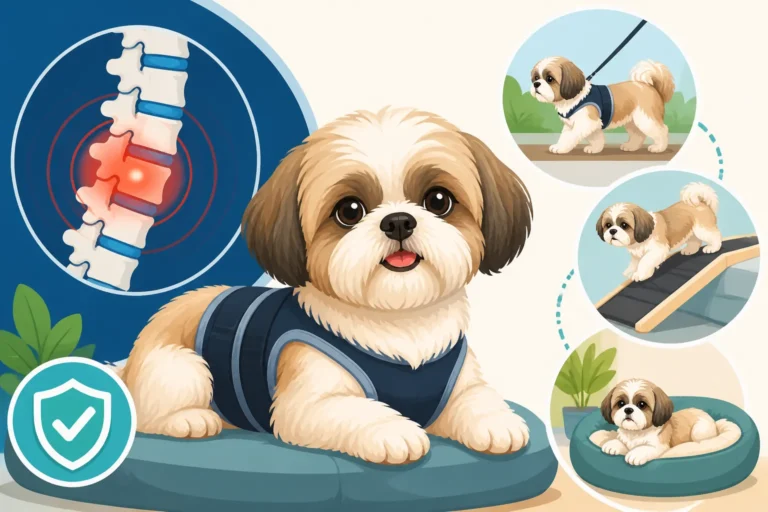
Beyond their breathing, Shih Tzus also have a predisposed vulnerability to certain musculoskeletal issues that influence how much and what kind of exercise is appropriate. Their long backs relative to their short legs, a hallmark of many small breeds, make them more prone to intervertebral disc disease (IVDD) or Shih Tzu Back Problems and Disc Disease. High-impact activities like jumping off furniture, running up and down stairs frequently, or vigorous, sudden movements can put undue strain on their spines, leading to painful disc herniations. Even a seemingly innocent leap from the sofa can cause significant discomfort and require extensive veterinary care.
Furthermore, many Shih Tzus can experience Patellar Luxation in a Shih Tzu, a condition where their kneecaps slip out of place. While mild cases might just cause a skip in their step, more severe luxation can be quite painful and might require surgical correction. Excessive running, jumping, or sustained high-impact activity can exacerbate this condition or even contribute to its development. Therefore, low-impact, consistent exercise is always the best approach. Think gentle walks on even surfaces, not agility courses or long-distance hikes. We need to be mindful of their compact, toy frame and protect their delicate joints and backs from unnecessary stress throughout their lives.
Tailoring Walks to Your Shih Tzu's Age and Life Stage
Just like people, a Shih Tzu's exercise needs evolve significantly throughout their life. What's perfect for a boisterous puppy might be far too much for a senior, and vice-versa. Understanding these stages is key to providing appropriate activity levels.
Puppyhood: Short Bursts of Play and Exploration
Shih Tzu puppies are bundles of boundless energy, often engaging in zoomies and short, intense bursts of play. However, their developing bones and joints are extremely vulnerable to damage from overexertion. Long, structured walks aren't really necessary for a young puppy, and they can actually be detrimental. Think about it: their little legs are still growing, and their growth plates haven't fully closed. Pushing them too hard can lead to long-term orthopedic problems.
Instead of distance, focus on frequency and short duration for their outings. Multiple short potty breaks throughout the day, combined with dedicated indoor play sessions, are ideal. These could be 5-10 minute sniff-and-stroll sessions around the block, allowing them to explore scents and new sights at their own pace. Supervised playtime in a secure, safe area, with soft surfaces, is much better than hard pavement. They get their energy out through play with toys, chasing after you, and exploring their immediate environment. Puppy classes are also fantastic for socialization and controlled play with other appropriately sized puppies. As a general rule, a good guideline for puppies is about five minutes of exercise per month of age, twice a day. So, a three-month-old puppy might get two 15-minute bouts of activity a day, which includes both walks and play. Remember, they tire easily and need lots of rest for healthy development.
Adulthood: Gentle Strolls and Consistent Activity
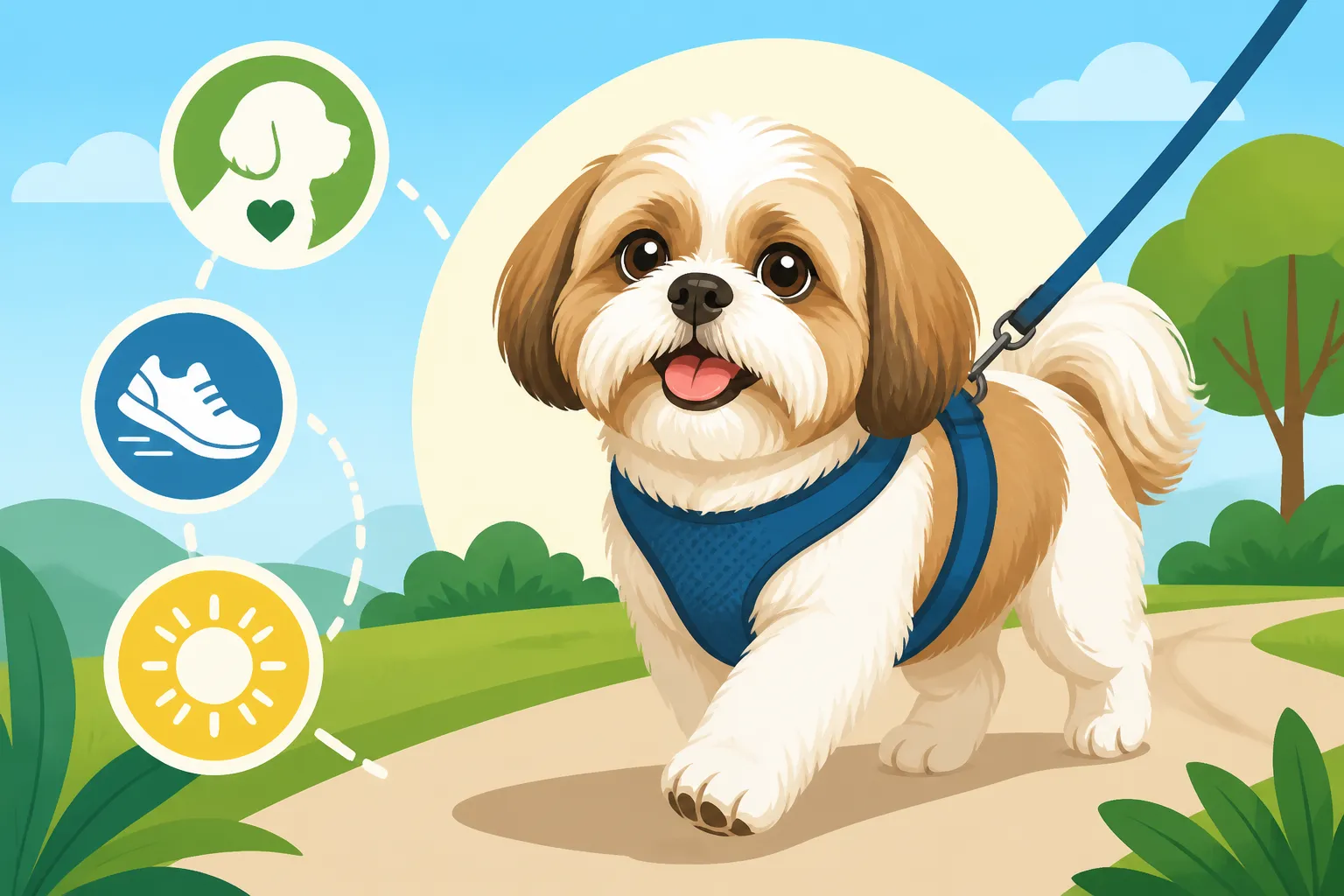
Once your Shih Tzu is fully grown, typically around 10-12 months, their exercise routine can become a bit more structured. For most adult Shih Tzus, a good starting point is two to three walks per day, each lasting between 15 and 30 minutes. The key here is gentle and consistent. These aren't power walks; they're opportunities for sniffing, exploring, and moving their bodies at a leisurely pace. Think of it as their daily constitutional rather than a cardio workout.
The exact duration and intensity will, of course, depend on your individual dog's energy levels, health, and what they enjoy. Some Shih Tzus are content with short, ambling strolls, while others might happily trot along for a full half-hour. Pay close attention to their cues: if they slow down, start lagging behind, or pant excessively, it's time to head home. The goal is regular, moderate activity to maintain a healthy weight, stimulate their minds, and keep their muscles toned, without putting strain on their breathing or joints. Indoor play, like a game of fetch with soft toys or hide-and-seek, can supplement these walks, especially on days when the weather isn't cooperating. This kind of routine helps prevent conditions like Shih Tzu Obesity on a Sixteen Pound Frame which can exacerbate joint and breathing issues.
Senior Years: Prioritizing Comfort and Low Impact
As your Shih Tzu enters their golden years, typically past the age of ten, their exercise needs will naturally decrease further. Senior Shih Tzu Care Past the Age of Ten emphasizes the importance of adjusting routines to accommodate aging bodies. Arthritis, joint stiffness, and decreased stamina are common in older dogs, and their ability to regulate temperature might also diminish even more. Walks should become shorter and more frequent, focusing on comfort and gentle movement.
Instead of aiming for a specific duration, observe your senior Shih Tzu closely. A 10-15 minute leisurely stroll might be just perfect, perhaps two or three times a day. The ground should be soft, even, and non-slippery to prevent falls or strain on arthritic joints. Avoiding stairs and high-impact activities becomes even more crucial. Some days, a simple potter around the garden or a short wander down the driveway might be all they can comfortably manage. The goal is to keep them moving to maintain muscle mass and joint flexibility, without causing pain or exhaustion. Consider using a dog stroller for longer outings so they can still enjoy being outside and stimulated by new sights and smells without having to walk the entire distance. This allows them to participate in family activities and enjoy the outdoors without overtaxing their delicate systems.
| Age Stage | Recommended Walk Duration (Each Session) | Frequency Per Day | Focus | Key Considerations |
|---|---|---|---|---|
| Puppy (2-6 mo) | 5-15 minutes | 3-5 times | Exploration, controlled play, potty breaks | Avoid overexertion, protect developing joints, short bursts, soft surfaces |
| Adolescent (6-12 mo) | 15-20 minutes | 2-3 times | Building stamina, socialization, consistent routine | Monitor for fatigue, introduce new environments, keep it fun |
| Adult (1-7 yrs) | 15-30 minutes | 2-3 times | Moderate activity, mental stimulation, weight management | Observe individual energy, avoid overheating, consistent, low-impact |
| Senior (8+ yrs) | 10-15 minutes | 2-3 times | Comfort, gentle movement, joint support | Prioritize pain-free movement, use ramps, avoid stairs, short and frequent |
Navigating Environmental Factors: Weather, Terrain, and Hazards
The environment plays a huge role in how far and when your Shih Tzu can safely walk. Ignoring these factors can quickly turn a pleasant outing into a dangerous situation, especially for a breed as susceptible as the Shih Tzu.
The Dangers of Heat and Humidity
This is perhaps the single most critical factor for Shih Tzus. Due to their brachycephalic structure, Why a Shih Tzu Cannot Cool Itself Well is a vital piece of information every owner needs to understand. They struggle immensely in warm and humid conditions because they cannot pant efficiently enough to regulate their body temperature. What might feel like a mild day to you can be dangerously hot for your Shih Tzu. Humidity compounds this problem, making it even harder for the little moisture they can evaporate to actually cool them down.
Walking your Shih Tzu in temperatures above 70°F (21°C) or in high humidity, even if the temperature is lower, significantly increases their risk of heatstroke. Signs of overheating include excessive panting, drooling, lethargy, red gums, stumbling, and in severe cases, collapse. If you notice these symptoms, get them to a cool place immediately and contact your vet. To avoid this, plan walks for the coolest parts of the day: early mornings before the sun is strong, or late evenings after it has set and the pavement has cooled. Always feel the pavement with the back of your hand; if it's too hot for your hand, it's too hot for their paws. On truly hot or humid days, it's best to skip outdoor walks entirely and opt for indoor play or a quick potty break on a shaded, grassy patch. Carrying a portable water bottle and a collapsible bowl is also a good habit, ensuring they stay hydrated, though hydration alone won't prevent overheating in extreme conditions. Many Shih Tzu owners invest in cooling vests or mats, available from retailers like Chewy or Amazon, to help manage temperatures, but these are aids, not solutions for walking in dangerous heat. You can also learn more about Shih Tzu Exercise Intolerance in Summer.
Cold Weather and Precipitation Considerations
While heat is the primary concern, cold weather and precipitation also require careful consideration for your Shih Tzu. Despite their double coat, if kept in a "puppy cut" or a shorter trim, they can get cold easily. Their small size means they lose body heat more quickly than larger breeds. Walking in freezing temperatures, especially with wind chill, can lead to hypothermia or frostbite on their exposed paws and ears.
Rain and snow present their own challenges. Many Shih Tzus absolutely hate getting wet. Trying to force a walk in a downpour can be stressful and counterproductive. Wet fur can also lead to mats and skin irritation if not dried thoroughly. Consider a water-resistant coat or sweater for walks in chilly, damp weather, particularly if your Shih Tzu has a shorter cut. Again, assess the conditions. A light drizzle on a mild day might be fine for a quick sniff around, but heavy rain, sleet, or deep snow should mean indoor exercise. You might even find special booties to protect their paws from snow, ice, salt, and freezing pavement, though getting a Shih Tzu to accept booties can be an adventure in itself! Remember, the goal is comfortable, safe exercise, not adherence to a strict schedule regardless of the elements.
Terrain and Surface Impact
The type of surface your Shih Tzu walks on can also affect their comfort and safety. Hard, abrasive surfaces like concrete or asphalt can be tough on their delicate paw pads and can exacerbate joint issues over time. Uneven terrain, steep hills, or areas with many obstacles can pose a tripping hazard for their short legs and put strain on their backs. Remember that long back and its vulnerability to Shih Tzu Disc Disease and Sudden Back Pain.
Ideally, Shih Tzus should walk on softer, more forgiving surfaces. Grassy parks, well-maintained dirt paths, or even indoor carpeted areas are much kinder to their joints. If you primarily walk on pavement, keep the walks shorter and consider supplementing with more indoor playtime. Always check the ground for sharp objects, broken glass, or harsh chemicals like de-icing salts, which can injure their paws. Avoiding stairs during walks, especially downward stairs, is a good practice to protect their spine and knees. If your home has many stairs, consider installing Ramps That Keep a Shih Tzu Off the Jump to reduce daily impact. The environment is not just about the air temperature; it's about what's under their paws too.
Beyond the Leash: Enriching Your Shih Tzu with Indoor Exercise and Play
While outdoor walks are great for mental stimulation and potty breaks, they shouldn't be your Shih Tzu's only source of exercise. Especially with their sensitivities to weather and potential physical vulnerabilities, incorporating engaging indoor activities is crucial for their overall well-being.
Structured Indoor Play Sessions
Indoor play is a fantastic way for your Shih Tzu to burn off energy in a safe, controlled environment, regardless of the weather outside. These sessions don't need to be long; 10-15 minutes of active play a few times a day can make a big difference. Think about games that encourage movement without putting excessive strain on their joints. A gentle game of fetch in a hallway or a large room with soft, lightweight toys is perfect. Many owners find their Shih Tzus love chasing small, soft balls or crinkly toys. You can toss them short distances, encouraging them to retrieve and bring them back.
Hide-and-seek is another wonderful activity that provides both physical and mental stimulation. Hide a favorite toy or a small, healthy treat (perhaps from a fresh food provider like Ollie, known for their quality ingredients) and encourage your Shih Tzu to find it. This engages their powerful sense of smell and their natural problem-solving instincts. You can also use puzzle toys, which dispense treats when manipulated correctly, offering extended mental engagement without much physical exertion. Remember to keep the play gentle; avoid roughhousing that encourages jumping or twisting, which could injure their backs or eyes. Indoor Play for a Shih Tzu is a vital component of their daily routine.
Mental Stimulation and Enrichment Activities
Exercise isn't just about physical movement; it's also about keeping your Shih Tzu's clever mind engaged. Mental stimulation can be just as tiring, if not more so, than physical activity. For a breed bred for companionship and interaction, having their brains challenged helps prevent boredom, which can often lead to unwanted behaviors.
Interactive toys are a great starting point. Snuffle mats, for example, allow you to hide kibble or treats, making your Shih Tzu "hunt" for their food, simulating natural foraging behavior. This can turn mealtime into an enriching activity. Lick mats, spread with a small amount of dog-safe peanut butter or plain yogurt, provide a calming, self-soothing activity that can occupy them for a good while. Basic training refreshers, even for cues they already know, are also excellent for mental exercise. Practicing "sit," "stay," "down," or even learning a new trick like "spin" for a few minutes each day keeps their brains active and reinforces your bond. You can find a wide variety of these enrichment toys and treats on Amazon or Chewy. Remember, a tired mind often leads to a happy, well-behaved dog, even if their physical energy output is low.
The Role of Indoor Potty Areas
For many Shih Tzu owners, especially those living in apartments or facing inclement weather, indoor potty solutions can be a lifesaver. These can range from traditional puppy pads to more sophisticated indoor grass patches. While not a replacement for outdoor walks entirely, they allow for frequent potty breaks without having to brave harsh conditions, reducing the need for long outdoor excursions purely for elimination.
Having a designated indoor potty area can be particularly beneficial for puppies during critical house-training periods or for senior Shih Tzus who may have less bladder control or struggle with mobility. It provides a safe, accessible spot for them to relieve themselves, reducing stress and accidents. For instance, an artificial grass pad in a tray can mimic an outdoor experience, and many dogs take to it quite readily. Just be sure to clean these areas regularly to prevent odors and maintain hygiene. While it doesn't offer the same physical exercise or external stimulation as an outdoor walk, it provides a crucial layer of convenience and safety, ensuring your Shih Tzu's needs are met even when outdoor walks are not feasible. This approach gives you flexibility and peace of mind when considering how far a Shih Tzu should walk in a day.
Recognizing When Your Shih Tzu Needs Less or More Activity
Your Shih Tzu can't tell you in words if they're feeling under the weather or if they're bursting with energy, so it's up to us, their devoted owners, to read their subtle cues. Learning to recognize these signs is fundamental to providing them with the right amount of daily activity.
Signs of Overtiredness or Discomfort
One of the biggest mistakes we can make is pushing our Shih Tzus too hard, assuming their eager tail wags mean they're ready for anything. Often, their desire to be with us overrides their physical limitations. Watch for these crucial signs that your Shih Tzu might be overtired, too hot, or in discomfort:
- Excessive panting or labored breathing: This is a red flag, especially if it continues after stopping activity. It indicates their brachycephalic airway is struggling.
- Dragging behind or refusing to walk: If your Shih Tzu is usually a willing walker but starts lagging or simply sits down, it's their way of saying, "I'm done." This is a common sign you might see from a dog that needs Twenty Minutes of Walking for a Shih Tzu rather than an hour.
- Stumbling or limping: Any unsteadiness, favoring a leg, or visible lameness is a clear indicator of pain or exhaustion. It could be a minor muscle strain or a sign of an underlying joint issue like Shih Tzu Hip Dysplasia at Toy Size.
- Seeking shade or cool surfaces: If they actively try to lie down on cool tile or gravitate towards shady spots during a walk, they're telling you they're too warm.
- Changes in gait: A stiff or unsteady walk, particularly in the hindquarters, can signal back pain or joint discomfort. Early Shih Tzu Back Pain Signs can be subtle but vital to catch.
- Excessive drooling: While some drooling is normal for flat-faced breeds, an unusual amount, especially when paired with heavy panting, can be a sign of overheating.
- Lethargy or unusual quietness: If your normally playful Shih Tzu is unusually subdued, quiet, and just wants to lie down after what seemed like a normal walk, they might be overexerted.
If you observe any of these signs, immediately stop the activity, get your Shih Tzu to a cool, quiet place, offer water, and consider consulting your veterinarian, especially if symptoms persist or worsen. It's always better to err on the side of caution.
Signs of Underexertion or Boredom
On the flip side, some Shih Tzus, even with their lower energy needs, can become bored or restless if they're not getting enough appropriate activity. While not typically a high-energy breed, mental and physical stimulation is still vital for their well-being.
Here are some signs your Shih Tzu might need a bit more activity:
- Destructive chewing: Chewing on furniture, shoes, or other inappropriate items can be a sign of boredom and pent-up energy. They're looking for something to do, and if you don't provide it, they'll find their own entertainment.
- Excessive barking: While some Shih Tzus are naturally vocal, continuous barking, especially when paired with other restless behaviors, can indicate they're under-stimulated. This could manifest as A Shih Tzu Barking at the Doorbell or just generalized demand barking.
- Restlessness or pacing: If your Shih Tzu can't settle down, paces around the house, or constantly seeks attention in an insistent way, they might have energy to burn or a mind that needs engaging.
- Weight gain: While diet is a huge factor, a lack of consistent, moderate exercise can contribute to your Shih Tzu gaining extra pounds, which puts additional strain on their already delicate joints and breathing.
- Demand barking or nudging: Constantly nudging your hand for attention, pawing at you, or barking directly at you can be a plea for interaction, playtime, or a walk.
- Mischievous behavior: Stealthily stealing items, darting away when called, or generally being "naughty" can sometimes be a sign they're looking for mental engagement and aren't getting it.
If you notice these behaviors, try increasing the frequency of short walks, adding more indoor play sessions, incorporating puzzle toys, or even starting some new, fun training exercises. A balance of physical activity and mental enrichment is the sweet spot for a happy and healthy Shih Tzu. Understanding The Short Walks a Shih Tzu Is Built For is key to avoiding both extremes of under or over-exercising your beloved companion.
Disclaimer
This article is for general informational purposes only and does not constitute professional advice. Laws, prices and regulations vary by location and change over time. Consult a qualified professional for guidance on your specific situation.