Hair Falling Into a Shih Tzu’s Eyes
One of the most common, and frankly, most exasperating, challenges Shih Tzu owners face is keeping that magnificent facial hair out of their beloved companion's eyes. It's not just an aesthetic issue; persistent irritation from hair can lead to serious eye problems, discomfort, and even pain for your little lion dog. This comprehensive guide will walk you through why this happens, the potential consequences, and most importantly, how to effectively manage and prevent hair from causing issues for your Shih Tzu's precious eyes.
Understanding the Shih Tzu's Unique Facial Anatomy
The Shih Tzu's endearing "chrysanthemum face" and long, flowing coat are signature traits, but they also contribute to a predisposition for eye issues. Their short muzzle, prominent eyes, and abundant facial hair combine to create a perfect storm for irritation if not managed diligently. It’s a design that’s beautiful but requires a commitment to care.
Why the Shih Tzu is Prone to Eye Issues
Shih Tzus are a brachycephalic breed, meaning they have a shortened skull and a flat face. This anatomical feature means their eye sockets are often shallower than other breeds, making their eyes more prominent and, consequently, more exposed to the environment. When you add long hair to this equation, the eyes are constantly vulnerable. Think of it like a beautiful but delicate flower that needs constant protection. The hair isn't just an occasional nuisance; it's a structural factor that interacts directly with their unique eye placement. This inherent vulnerability means owners must be extra vigilant. Shih Tzu Eye Proptosis, the Emergency Owners Miss highlights how sensitive their eyes are to physical trauma, and hair irritation, while less dramatic, is a constant, low-grade trauma.
Moreover, the way their facial skin folds and the direction of hair growth can funnel tears and debris directly towards the eye, or cause individual hairs to grow in troublesome directions. These aren't just random occurrences; they are consequences of selective breeding that prioritized aesthetics. Without our intervention, nature's design, in this case, sets them up for discomfort. It’s why you might find your Shih Tzu squinting or rubbing their face more than other dogs – they're constantly battling something in their eye, often their own hair.
The Double Coat and Facial Hair Growth
A Shih Tzu's coat is a thing of beauty, a luxurious double layer of hair that grows continuously. This isn't just fur; it's true hair, much like human hair, and it grows everywhere, including around the face and eyes. The topcoat is long and silky, while the undercoat is softer and dense. Both contribute to the volume that can easily fall into the eyes. This continuous growth means that what was perfectly clear one week might be an obstruction the next.
The hair on their muzzle and around their eyes grows forward and upward, creating that characteristic "chrysanthemum" effect. While charming, this growth pattern means that without regular intervention, the hair will naturally sweep inward and make contact with the cornea. It's a constant battle against gravity and natural growth. Understanding this growth pattern is key to implementing effective grooming strategies. You're not just trimming randomly; you're actively redirecting and shortening hair that inherently wants to grow into a sensitive area.
Immediate Problems Caused by Hair in the Eyes
When hair consistently gets into a Shih Tzu's eyes, it's not just a minor irritation. It can lead to a cascade of problems ranging from mild discomfort to severe medical conditions that require veterinary intervention. The cumulative effect of constant rubbing and foreign material can really take a toll on their delicate eyes.
Irritation and Rubbing
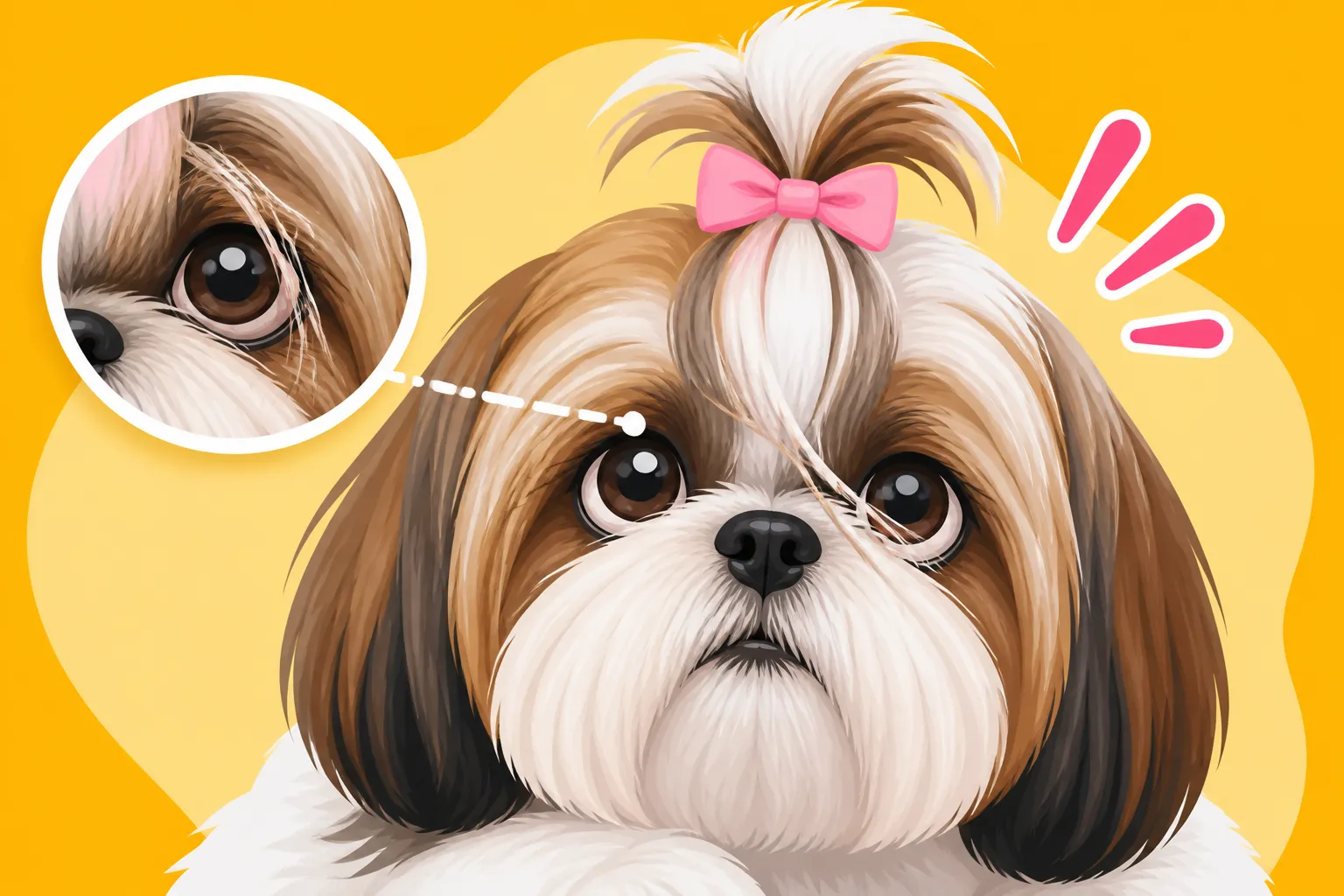
The most immediate and obvious problem is irritation. Imagine having a hair constantly poking your eye – it's maddening, isn't it? For a Shih Tzu, a stray strand of hair acts like a tiny irritant, scratching the surface of the eye or getting trapped under the eyelid. This leads to your dog pawing at their face, rubbing their eyes on furniture or carpets, or persistently blinking and squinting.
This constant rubbing, while an attempt to alleviate discomfort, only exacerbates the problem. It can introduce bacteria from their paws or the environment into the eye, potentially leading to infections. The physical friction also puts undue stress on the delicate structures around the eye. Shih Tzu Corneal Ulcers From a Shallow Socket explains how easily their eyes can be damaged, and rubbing vigorously is a direct path to such injuries. What seems like a minor annoyance can quickly escalate into a more serious issue if left unaddressed.
Eye Discharge and Tear Stains
Hair in the eyes can also stimulate excessive tear production as the eye tries to flush out the foreign object. These tears, rich in porphyrins, can then collect in the hair around the eyes and oxidize, leading to those unsightly reddish-brown tear stains that so many Shih Tzu owners are familiar with. It's a visible sign that the eyes are constantly working overtime to cope with irritation.
Beyond aesthetics, this chronic dampness creates a breeding ground for yeast and bacteria on the skin, which can lead to skin irritation or even infection in the folds around the eyes and nose. This adds another layer of discomfort and can make existing tear staining worse. Cleaning becomes a daily ritual, and if the underlying cause (the hair) isn't addressed, you'll be fighting a losing battle against the staining and potential skin issues. Dry Eye in a Shih Tzu and Lifelong Drops is another common eye issue, and while different from hair irritation, both can contribute to chronic eye discharge.
Risk of Corneal Damage and Ulcers
Perhaps the most serious consequence of unchecked hair in the eyes is the risk of corneal damage. The cornea is the clear outer layer of the eye, and it's incredibly delicate. A stiff piece of hair repeatedly brushing against it can cause abrasions, much like sandpaper. These tiny scratches can develop into painful corneal ulcers, which are open sores on the eye's surface. Corneal ulcers are not only incredibly painful but can also lead to vision impairment or even blindness if left untreated.
Symptoms of a corneal ulcer include severe squinting, excessive tearing, redness, cloudiness of the eye, and intense pain. It's an emergency situation that requires immediate veterinary attention. Preventing hair from ever reaching this critical point is paramount. This isn't a problem that will just "go away"; it requires active, consistent prevention. Ignoring it puts your Shih Tzu at risk of significant pain and potential long-term eye damage.
Proactive Grooming Strategies to Prevent Eye Hair Issues
Preventing hair from getting into your Shih Tzu's eyes is an ongoing commitment, not a one-time fix. It involves a combination of daily care and regular professional or at-home grooming techniques. Think of it as a beauty and health regimen rolled into one.
The Essential Role of Daily Face Grooming
Daily face grooming is the cornerstone of preventing eye irritation. This isn't just about brushing; it's about checking the eyes, wiping away any discharge, and ensuring no stray hairs are migrating inward. Consistency is truly key here. A quick, gentle session each morning can make all the difference.
Use a fine-toothed comb, often called a flea comb or a facial comb, to carefully comb the hair away from the eyes. Be incredibly gentle, as the skin around the eyes is very sensitive. Follow this with a soft, damp cloth or a specialized pet eye wipe to clean away any crusts, mucus, or tear stains. Products specifically designed for eye cleaning are readily available at pet stores or online retailers like Chewy. This routine helps to remove debris before it hardens and reduces the buildup that can lead to infections. It also desensitizes your Shih Tzu to having their face handled, making future grooming and vet visits much smoother.
Topknots, Bands, and Clips
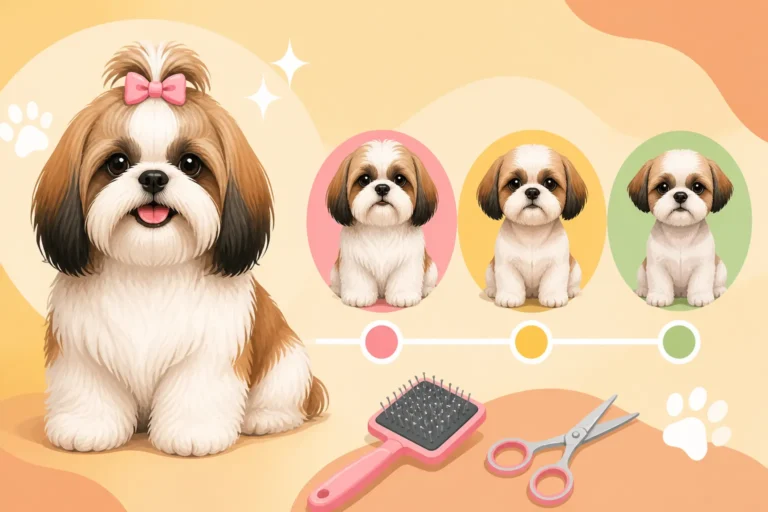
One of the most effective ways to keep long facial hair out of a Shih Tzu's eyes is to tie it back in a topknot. This classic Shih Tzu style isn't just for show; it's a functional necessity. Gather the hair from the bridge of the nose and the forehead, pulling it gently but firmly up and away from the eyes, then secure it with a small, coated elastic band or a tiny clip.
When choosing bands or clips, opt for those specifically designed for pet hair, as human hair ties can be too tight and cause breakage. Make sure the topknot isn't pulled too tight, which can be uncomfortable or even cause skin irritation. Regularly check the topknot throughout the day to ensure it hasn't slipped or become loose. For puppies or dogs with shorter hair, a simple clip might be more effective. Tying a Shih Tzu Topknot Step by Step offers a detailed guide, but the core principle is simple: gather and secure the hair to create a barrier. This technique is a game-changer for many owners, dramatically reducing daily eye-poking incidents.
Regular Trimming of the Facial Fringe
Even with topknots, some hair around the eyes will inevitably grow too long and need trimming. This is a delicate operation and should be approached with caution, especially if you're not experienced. Using blunt-nosed scissors, carefully trim the hair directly around the eyes, aiming to create a clean perimeter that doesn't touch the eyeball.
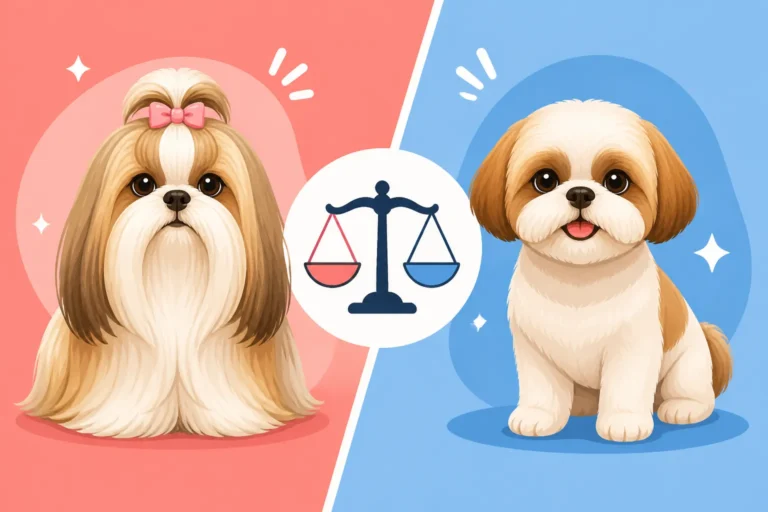
If you're nervous about doing this yourself, a professional groomer is your best friend. They are skilled at safely trimming this sensitive area and can maintain a "puppy cut" or a shorter face trim that minimizes the risk of hair intrusion. Practicing Face Trims on a Shih Tzu Puppy emphasizes starting this early. A good groomer understands the unique needs of a Shih Tzu and can help you maintain a manageable length. Regular trims, whether at home or by a professional, are crucial for keeping the area clear and preventing irritation. You might only need to do a full trim every few weeks, but combined with daily topknots, it provides comprehensive protection.
Addressing Underlying Factors and Other Eye Conditions
While hair is a primary culprit, it's important to remember that other factors can contribute to Shih Tzu eye problems. A holistic approach that considers diet, environment, and overall health is essential for truly healthy eyes.
Dealing with Excessive Tear Production
Sometimes, excessive tearing isn't just about hair; it can be a symptom of an underlying issue. Allergies (food or environmental), blocked tear ducts, or even certain medications can lead to an increase in tear production. If you notice persistent, watery eyes despite diligent grooming, it's time for a vet visit.
Your vet can diagnose the cause of excessive tearing. For allergies, dietary changes (perhaps exploring limited ingredient diets or even fresh food options like those from Ollie) or antihistamines might be recommended. If tear ducts are blocked, a minor procedure might be necessary to clear them. Addressing these underlying causes will not only reduce tear staining but also improve your Shih Tzu's overall eye comfort. Simply wiping tears away without addressing the root cause is like bailing out a boat with a hole in it – you need to fix the leak!
The Importance of Regular Vet Check-ups
Routine veterinary examinations are vital for all dogs, but especially for Shih Tzus with their predisposition to eye issues. A vet can spot early signs of problems that you might miss, such as changes in the cornea, developing cataracts, or the beginnings of dry eye. Early detection often means easier and more effective treatment.
During a check-up, your vet will perform a thorough eye examination, looking for abnormalities, testing tear production, and checking for any signs of infection or injury. They can also provide guidance on the best eye care products and techniques for your individual dog. Think of it as proactive maintenance for those delicate peepers. The Senior Panel a Shih Tzu Needs at Ten is a reminder that regular check-ups become even more crucial as your Shih Tzu ages, as many eye conditions are more prevalent in older dogs.
Diet and Environmental Allergies Affecting Eye Health
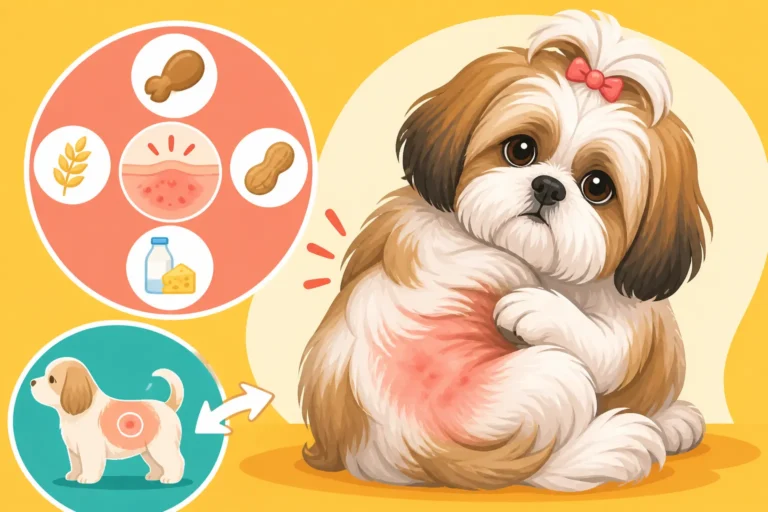
Believe it or not, what your Shih Tzu eats and what they're exposed to in their environment can significantly impact their eye health. Food allergies can manifest as itchy skin, ear infections, and yes, even watery, irritated eyes. Common allergens include certain proteins like chicken or beef, or grains like wheat and corn.
Similarly, environmental allergens such as pollen, dust mites, or certain cleaning products can trigger allergic reactions that lead to inflamed, itchy eyes. Identifying and eliminating these triggers can dramatically improve your Shih Tzu's eye comfort and reduce tearing. Your vet might suggest an elimination diet to pinpoint food allergies or recommend air purifiers and frequent cleaning to reduce environmental allergens. Even ordering specialized allergy relief products or sensitive skin dog food from platforms like Amazon can make a difference. Addressing these factors contributes to overall health, which in turn reflects in clearer, healthier eyes.
Choosing the Right Tools and Products
Having the right grooming tools and eye care products makes the task of managing your Shih Tzu's facial hair and eye health much easier and safer. Don't just grab any old scissors or human wipes; invest in items specifically designed for pets.
Brushes, Combs, and Scissors for Eye Area
For daily face grooming, a small, stainless steel comb with both fine and medium teeth is indispensable. This allows you to gently work through the hair and remove any tangles or debris without pulling. A small slicker brush can also be useful for the broader facial hair if your Shih Tzu tolerates it, but always keep it away from the immediate eye area.
When it comes to trimming, blunt-nosed grooming scissors are a must. The blunt tips significantly reduce the risk of accidentally poking your dog's eye if they move unexpectedly. Never use sharp-tipped scissors around their face. You might also find a small, quiet pair of pet clippers helpful for the bridge of the nose or between the eyes, but again, extreme caution and proper technique are essential. Investing in quality tools ensures both effectiveness and safety during grooming sessions.
Gentle Eye Cleaners and Wipes
Standard human baby wipes or tissues are not suitable for your Shih Tzu's eyes. Human products can contain perfumes, alcohol, or other chemicals that are irritating or even harmful to a dog's sensitive eyes. Always opt for pet-specific eye wipes or a dedicated eye cleaning solution.
Look for products that are pH-balanced, non-irritating, and free from harsh chemicals. Many contain soothing ingredients like aloe vera or witch hazel. These cleaners help to dissolve crusts, reduce tear staining, and gently cleanse the area around the eyes. You can find a wide variety of these products from reputable brands through online retailers like Chewy or your local pet supply store. Always follow the product instructions, and if your dog shows any signs of irritation, discontinue use and consult your vet.
Safe Shampoos and Conditioners for Facial Hair
When it's bath time, the type of shampoo and conditioner you use matters, especially for the delicate facial area. Choose a tearless puppy shampoo or a specialized facial shampoo for dogs. These products are formulated to be extra gentle and won't sting or irritate the eyes if a little gets in during the bath.
Conditioner is also crucial for a Shih Tzu's long coat, including their facial hair. A good conditioner helps to keep the hair soft, silky, and less prone to tangles and matting, which can make daily grooming easier. After shampooing, apply a small amount of conditioner to the facial hair, allow it to sit for a minute or two, then rinse thoroughly. Ensure all product is rinsed away to prevent residue buildup, which can also irritate the skin. Shampoo That Suits a Shih Tzu Double Coat goes into more detail about general bathing, but remember the facial considerations when washing your Shih Tzu.
Conclusion
Living with a Shih Tzu means embracing their beautiful, flowing coat, but also understanding the daily commitment required to keep their eyes clear and healthy. Hair falling into their eyes isn't just a minor annoyance; it's a potential pathway to chronic irritation, pain, and serious medical issues. By understanding their unique anatomy, implementing consistent daily grooming practices like topknots and careful trimming, and being proactive with vet check-ups and addressing underlying issues, you can ensure your Shih Tzu's eyes remain bright, healthy, and comfortable. It's a labor of love, but one that ensures your cherished companion enjoys a life free from preventable eye problems.
Disclaimer
This article is for general informational purposes only and does not constitute professional advice. Laws, prices and regulations vary by location and change over time. Consult a qualified professional for guidance on your specific situation.