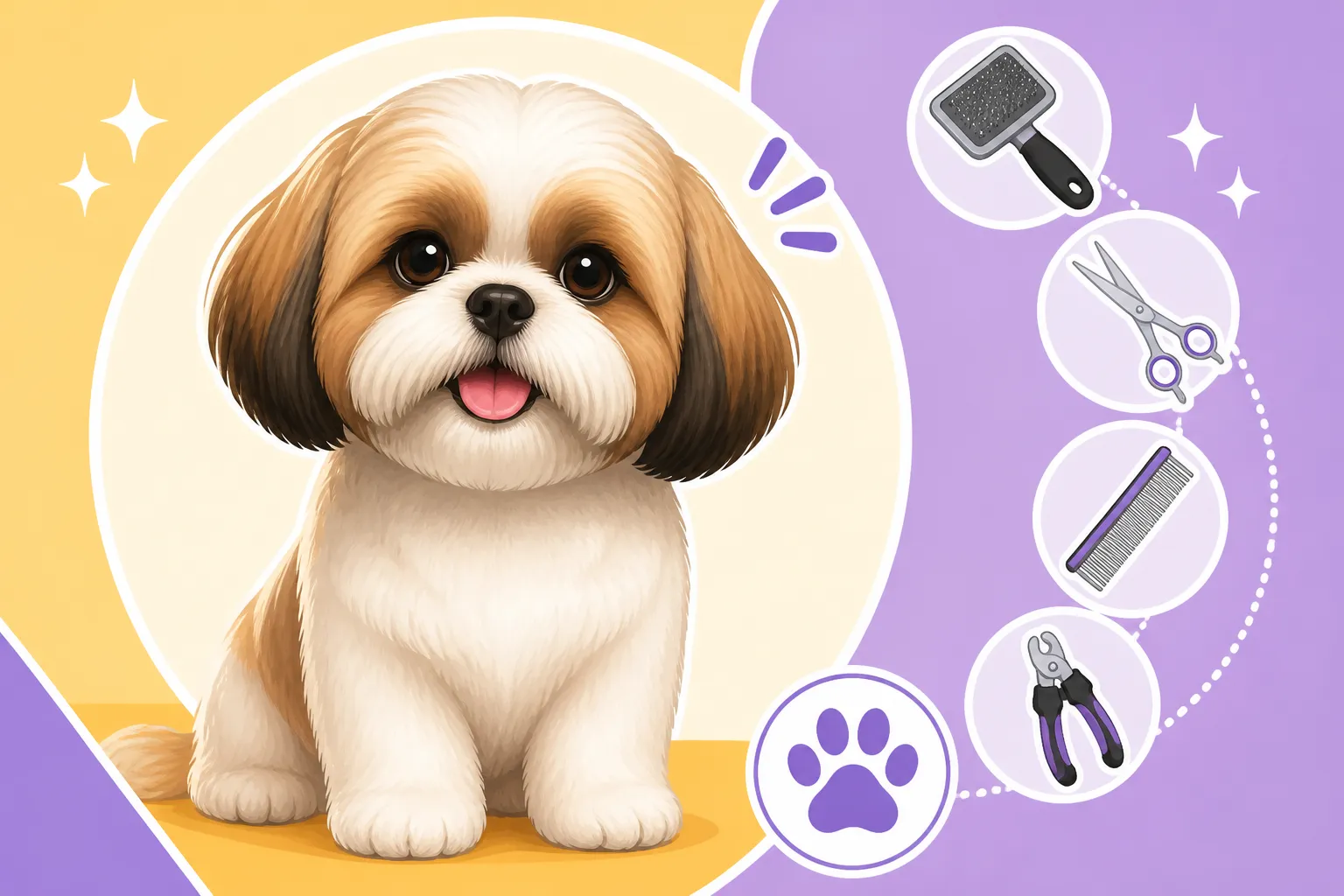
The Shih Tzu Puppy Cut and Its Upkeep
If you've ever found yourself battling seemingly endless tangles, hidden mats, or a perpetually damp beard on your beloved Shih Tzu, you know the struggle of maintaining that beautiful, flowing double coat. Many owners, after countless hours of brushing and grooming appointments, start to wonder if there’s an easier way to keep their little lion dog comfortable and clean. That's where the "puppy cut" comes in, offering a practical and adorable solution to the demands of a high-maintenance coat, while still preserving that irresistible Shih Tzu charm. This guide will walk you through everything you need to know about the puppy cut, from what it actually means to how to keep it looking fresh.
Understanding the "Puppy Cut" Concept for Shih Tzus
The term "puppy cut" is thrown around a lot in the grooming world, and it can be a little confusing because it doesn't refer to one single, precise style. Instead, it's more of a general approach that prioritizes comfort and manageability over the traditional long, flowing show coat. For many Shih Tzu owners, the puppy cut is a sigh of relief, offering a way to enjoy their dog without the daily commitment to intense brushing and de-matting.
What Defines a Puppy Cut
At its heart, a puppy cut for a Shih Tzu means trimming the body hair to a uniformly short length, typically between half an inch and two inches. The goal is to create a soft, plush look that is easy to care for and keeps the dog feeling light and airy. Think of it as a complete refresh for their coat, leaving enough length to protect their skin but short enough to dramatically reduce matting potential. This style moves away from the elaborate topknots and floor-length coats often seen in conformation shows, focusing instead on a practical, everyday look that suits an active companion.
Unlike a full shave, which can sometimes expose the skin too much or lead to coat damage, a good puppy cut leaves a decent amount of fluff. It’s about balance—keeping enough hair to maintain the Shih Tzu's iconic look, but cutting it back significantly enough to make life easier for both dog and owner. The exact length can vary greatly depending on personal preference and the groomer's skill, but the common thread is always a shorter, more uniform appearance across the body.
Why It's Misleading
The name "puppy cut" is a bit of a misnomer, as it's not exclusively for puppies! While puppies certainly benefit from shorter hair that's less prone to tangles during their playful, often messy early months, adult Shih Tzus are the primary beneficiaries of this style. The name likely stems from the fact that it gives an adult dog a youthful, rounded, and perpetually "puppy-like" appearance. It implies a soft, fluffy texture, much like a young pup's coat before it grows out into its full adult length.
The misleading part often comes from owners expecting a very specific look, when in reality, it's more of a category. One person's puppy cut might be an inch all over, while another's could be two inches with a slightly longer face. It's crucial to communicate clearly with your groomer about the exact length and style you're aiming for, perhaps even showing a photo, rather than just asking for "a puppy cut." This clarity ensures you and your furry friend leave the salon happy.
The Appeal for Owners
The appeal of the puppy cut for Shih Tzu owners is undeniable. The most immediate benefit is the dramatic reduction in daily grooming time. Instead of spending 30 minutes or more meticulously brushing out a long coat to prevent mats, a shorter coat might only require a quick brush-through every day or two. This frees up time for more walks, playtime, or simply cuddling on the sofa. Shih Tzu Grooming at $500 to $1,080 a Year is a significant expense and time commitment, and while a puppy cut doesn't eliminate professional grooming, it can make the intervals between appointments more manageable.
Beyond saving time, the puppy cut offers enhanced comfort for the dog. Shorter hair means less heat retention, which is a major concern for brachycephalic breeds like the Shih Tzu, especially in warmer climates. It also means less hair dragging in their food and water bowls, reducing the chance of stained beards and matted chest hair. Owners often report their Shih Tzus seem happier and more energetic with a shorter coat, able to move more freely and stay cleaner with less effort. It transforms the grooming routine from a chore into a simple maintenance task.
Benefits Beyond Aesthetics: Why Many Owners Choose a Puppy Cut
While the "puppy cut" certainly gives Shih Tzus an adorable, youthful appearance, its popularity isn't just about looking cute. For many owners, the real advantages lie in the practical benefits that make day-to-day life with a Shih Tzu significantly easier and more comfortable for their furry companion. These benefits extend to hygiene, health, and overall quality of life, especially for dogs that lead active lifestyles or live in warmer environments.
Reducing Mats and Tangling
The number one reason most Shih Tzu owners opt for a puppy cut is to combat matting. The Shih Tzu's double coat, while beautiful, is a notorious mat magnet. Even with diligent daily brushing, Brushing a Shih Tzu Double Coat Every Day can feel like an endless battle against tangles, especially behind the ears, under the legs, and around the sanitary areas. Mats aren't just unsightly; they can be incredibly painful, pulling on the skin and creating hot spots or skin infections hidden beneath the matted fur.
With a puppy cut, the hair is trimmed short enough that it doesn't have the length to intertwine and form tight mats as easily. While shorter hair can still tangle, especially if neglected for too long, these tangles are typically much looser and easier to brush out. This dramatically reduces the stress and discomfort for the dog during brushing sessions, making grooming a much more pleasant experience for everyone involved. It’s a game-changer for dogs who might have sensitive skin or dislike being brushed for extended periods.
Easier Hygiene and Cleanliness
Anyone who has a Shih Tzu with a long coat knows the challenge of keeping them clean, especially around their face, ears, and hindquarters. A long beard can constantly dip into food and water, leading to stained, wet, and smelly fur. Long hair around the eyes can cause irritation and tear staining, requiring constant wiping and cleaning. And then there's the sanitary area, which can become messy very quickly.
A puppy cut addresses these issues head-on. With a shorter beard and face trim, food and water are less likely to stick, reducing the severity of tear stains and making daily face wiping much more effective. Shih Tzu Tear Staining and Face Cleaning becomes less of a monumental task. A shorter cut around the body means less fur to pick up dirt, leaves, and other outdoor debris, especially after a romp in the yard. The sanitary trim, which is often incorporated into a puppy cut, ensures that bathroom breaks are cleaner, preventing fecal matter from getting trapped in the fur. This overall cleanliness contributes to a healthier skin and coat, reducing the risk of infections or odors.
Better Heat Management
Shih Tzus, being a brachycephalic (flat-faced) breed, are particularly susceptible to overheating. Their compressed airways already make it harder for them to cool themselves down efficiently through panting. Add to that a thick, long double coat, and you have a recipe for discomfort, especially in warm climates or during periods of physical activity. Why a Shih Tzu Overheats So Easily is a critical concern for owners.
A puppy cut helps immensely with thermal regulation. By trimming down the thick coat, it allows for much better air circulation close to the skin, helping the dog release excess body heat more effectively. While a dog's coat does offer some insulation from both heat and cold, for a Shih Tzu with a full coat, the insulating properties often work against them in summer. Many owners observe that their Shih Tzus are more active, playful, and generally more comfortable during warmer months after receiving a puppy cut. It enables them to enjoy their outdoor time, whether it's a short walk or a play session, without becoming dangerously overheated too quickly. This isn't just about comfort; it's a significant health benefit that can potentially prevent heatstroke, a serious and life-threatening condition for brachycephalic breeds.
Choosing the Right Length and Style for Your Shih Tzu's Puppy Cut
Deciding on a puppy cut isn't just about going short; there's a spectrum of lengths and styles within this popular grooming choice. What works best for one Shih Tzu might not be ideal for another, depending on their individual coat type, lifestyle, and your personal preferences for upkeep. The beauty of the puppy cut is its versatility, allowing you to tailor it to your specific needs while still keeping that adorable, easy-care vibe.
The "Teddy Bear" Face
One of the most defining and beloved features of a Shih Tzu puppy cut is often the "teddy bear" face. This style focuses on keeping the hair around the face and head slightly longer and more rounded than the body, creating a soft, plush, and undeniably cute appearance reminiscent of a teddy bear. Instead of a neatly clipped, angular look, the hair is scissored to frame the face in a gentle, fluffy manner.
Achieving this look requires a skilled groomer who understands the unique facial structure of a Shih Tzu. The hair around the muzzle might be left a bit longer and rounded, while the hair on the top of the head can be blended seamlessly into the body length or left slightly longer for a soft, fluffy crown. Care must always be taken to trim the hair away from the eyes to prevent irritation and ensure clear vision. It’s a balance of preserving the characteristic Shih Tzu charm while ensuring practicality.
Body Length Variations
As mentioned earlier, the term "puppy cut" encompasses a range of body lengths. The most common lengths typically fall between half an inch to two inches all over, but some owners might opt for slightly shorter or longer variations.
- Half-inch to One-inch: This is a very popular choice for maximum ease of care. It dramatically reduces matting, keeps the dog exceptionally cool, and is very quick to brush through. It's often favored by owners with very active Shih Tzus, those living in hot climates, or individuals who prefer minimal grooming at home. The coat still feels soft and plush, but it's very low maintenance.
- One to Two-inch: This length offers a slightly fuller look while still providing significant relief from matting. It maintains a bit more of the Shih Tzu's natural "fluff" and can be a good compromise for owners who like a slightly longer, softer feel but still want manageable care. This length might require slightly more frequent brushing than the super-short cut, but it's still far less demanding than a full show coat.
- Blended or Layered Options: Some owners might ask for a slightly blended or layered look, where the body hair is kept shorter but perhaps the legs or tail are left a little longer and blended. This can add a touch of elegance while still being mostly practical. However, longer sections will always require more attention to prevent mats.
It’s important to remember that the specific length your groomer can achieve will depend on their tools, skill, and your dog's coat texture. A very fine, silky coat might lay flatter at shorter lengths, while a coarser coat might appear fluffier.
Considering Your Dog's Lifestyle
When choosing the ideal puppy cut length, it's wise to consider your Shih Tzu's daily life. A dog that spends a lot of time outdoors, playing in dirt or leaves, or frequently visiting dog parks, will benefit greatly from a shorter cut, perhaps in the half-inch to one-inch range. This minimizes the amount of debris they track inside and makes cleanup a breeze.
On the other hand, if your Shih Tzu is more of an indoor companion, enjoys being pampered, and you don't mind a bit more brushing, a slightly longer two-inch puppy cut might be perfectly suitable. If you have children or other pets, a shorter, more durable cut might also be a better choice to withstand rougher play or frequent handling. Ultimately, the best puppy cut is one that makes life more enjoyable and comfortable for both you and your furry friend. Don't be afraid to experiment with lengths over a few grooming appointments to find what truly suits your Shih Tzu best.
At-Home Upkeep: Maintaining the Puppy Cut Between Professional Grooms
Just because your Shih Tzu has a puppy cut doesn't mean you can throw out your grooming tools entirely! While significantly easier to manage than a full coat, a shorter cut still requires regular at-home attention to keep it looking neat, prevent minor tangles, and ensure your dog stays comfortable and clean. Consistent home care will also make your professional grooming appointments smoother and potentially less costly.
Daily Brushing and Combing
Even with a short puppy cut, daily or every-other-day brushing is still highly recommended. Shorter hair can still get tangled, especially in friction areas like behind the ears, under the armpits, and where a harness sits. Without regular brushing, these smaller tangles can quickly become stubborn mats, especially as the coat starts to grow out.
You'll want a good quality slicker brush and a metal comb for this. The slicker brush will help remove loose hair and minor tangles, while the comb is essential for checking for any hidden mats. Make sure you get the comb all the way down to the skin, especially in those trouble spots. A detangler spray can be a huge help here too, making the comb glide through easier. Brands like Chewy and Amazon offer a wide selection of brushes and combs specifically designed for dog coats, so you can easily find the right tools to maintain your Shih Tzu's puppy cut. Just a few minutes each day can prevent a much bigger problem down the line and keep your Shih Tzu's coat looking fresh and fluffy.
Bathing and Drying Techniques
Regular bathing is still necessary for a Shih Tzu with a puppy cut, typically every two to three weeks, or as needed if they get particularly dirty. You'll want to use a gentle dog shampoo and conditioner, working it thoroughly into the coat. Pay special attention to their face and beard, as even short facial hair can get grimy.
The drying process is just as important, even with shorter hair. You might think a shorter coat will air dry quickly, but the Shih Tzu's double coat means that if the undercoat stays damp, it can create a breeding ground for bacteria or cause the hair to mat as it dries. Use a low-heat setting on a dog-specific forced air dryer or a human hairdryer held far away, brushing as you dry to ensure the coat is completely dry down to the skin. Bathing a Shih Tzu Every Two to Three Weeks and Drying a Shih Tzu Right Through the Undercoat are skills worth mastering, even with a shorter cut, to prevent skin issues and maintain coat health. Never let your Shih Tzu air dry fully, especially if they have any length to their coat, as this is a prime time for mats to form.
Essential Tools for Home Grooming
To effectively maintain a puppy cut at home, you don't need a professional salon's worth of equipment, but a few key items are indispensable:
- Slicker Brush: Essential for removing loose hair and surface tangles. Look for one with fine, bent wires.
- Metal Comb: A good quality steel comb with both fine and wide teeth is crucial for checking for mats, especially in those hard-to-reach areas. It ensures you've brushed all the way to the skin.
- Detangling Spray: A conditioning spray can make brushing easier, add moisture to the coat, and help prevent static.
- Dog Shampoo and Conditioner: Choose formulas designed for dogs, ideally tearless for the face.
- Dog-Specific Clippers (Optional): If you're confident, a good pair of clippers can help with face trims, sanitary trims, or tidying up between professional grooms. Many online retailers like Amazon offer starter kits for home grooming.
- Blunt-Nosed Scissors: Perfect for carefully trimming hair around the eyes, paws, or sanitary areas.
- Ear Cleaner and Cotton Balls: For routine ear maintenance.
- Nail Clippers or Grinder: Keeping nails trimmed is important for overall paw health.
Investing in quality tools, easily found on platforms like Chewy or Amazon, will make your home grooming routine more efficient and enjoyable for both you and your Shih Tzu. Remember, consistency is key, and these tools will empower you to keep your Shih Tzu looking their best between professional salon visits.
Professional Grooming for the Puppy Cut: What to Expect and How to Communicate
While at-home upkeep is vital, professional grooming is still essential for maintaining a Shih Tzu puppy cut. A skilled groomer has the tools and expertise to create a precise, even cut and handle areas that are difficult for owners, like paw pads, ears, and sanitary trims. Knowing what to expect and how to effectively communicate your desires will lead to the best results for your furry friend.
Finding a Shih Tzu-Savvy Groomer
Not all groomers are created equal, and finding one with specific experience with Shih Tzus and their unique grooming needs is paramount. A good Shih Tzu groomer understands:
- Brachycephalic Challenges: They know how to handle flat-faced dogs safely, recognizing signs of stress or overheating, and using appropriate drying techniques. Shih Tzu Anesthesia Risk From a Flat Face highlights the general care needed for this breed.
- Coat Type: They understand the Shih Tzu's double coat and how it behaves when cut at different lengths, ensuring a natural and fluffy appearance rather than a harsh, clipper-burned look.
- Facial Structure: They know how to expertly trim around the delicate eye area and create that adorable "teddy bear" or rounded face shape without compromising safety or vision.
- Temperament: Shih Tzus can be sensitive, and an experienced groomer will use gentle handling techniques to make the experience as positive as possible.
Don't hesitate to ask potential groomers about their experience with Shih Tzus, ask to see photos of their work, or even observe their salon. Word-of-mouth recommendations from other Shih Tzu owners in your area can also be incredibly valuable.
Communicating Your Desired Length
This is perhaps the most crucial step. Simply asking for a "puppy cut" can lead to wildly different results because, as we've discussed, it's a broad term. To ensure your groomer understands exactly what you want:
- Be Specific about Length: Instead of "short," say "I'd like about one inch of hair on the body" or "I want it fluffy, around two inches." Bring a ruler if you need to!
- Use Visual Aids: Show pictures! Collect photos of Shih Tzus with puppy cuts you admire. This gives your groomer a clear visual reference.
- Discuss Face and Tail: Clarify if you want a rounded "teddy bear" face, or if you prefer the hair around the muzzle to be shorter. Discuss the tail – many owners prefer to leave the tail plume longer to maintain a bit of the traditional Shih Tzu look, or at least blended rather than sharply cut.
- Mention Problem Areas: Point out any areas where your dog tends to mat easily (e.g., behind ears, armpits) or specific hygiene concerns (tear stains, sanitary trim).
- Talk About Lifestyle: Explain your dog's activity level and environment. This helps the groomer suggest a practical length.
A good groomer will listen attentively, ask clarifying questions, and potentially offer suggestions based on your dog's coat type and condition. A clear, open conversation before the clippers even come out sets the stage for a successful groom.
Establishing a Grooming Schedule
Even with a puppy cut, regular professional grooming appointments are necessary. The frequency will depend on how quickly your Shih Tzu's hair grows and your preferred length, but generally, most puppy cut Shih Tzus benefit from grooming every 6 to 8 weeks.
- Every 4-6 Weeks: For those who prefer a very short look (under one inch) or whose dogs have very fast-growing coats. This frequency keeps the coat consistently neat and prevents any significant matting from developing. Grooming a Shih Tzu Every Four to Six Weeks is often recommended to maintain ideal length.
- Every 6-8 Weeks: This is a common sweet spot for many puppy cut owners, offering a balance between maintaining the desired length and keeping costs manageable. The hair will have grown out a bit, but typically not to the point of severe matting if you're doing regular brushing at home.
- Every 8-10 Weeks: This might work for dogs with slower-growing coats or those whose owners are meticulous with daily home grooming. However, pushing beyond eight weeks can sometimes lead to more tangles and potential matting, especially in high-friction areas.
Discussing a schedule with your groomer is a good idea. They can assess how quickly your dog's coat grows and recommend a frequency that keeps your Shih Tzu looking and feeling their best. Booking appointments in advance helps ensure you get your preferred slot and maintain consistency.
Common Challenges and Troubleshooting with the Puppy Cut
While the puppy cut significantly eases the burden of grooming, it’s not a magic bullet that eliminates all coat-related issues. Owners can still encounter specific challenges, even with shorter hair. Understanding these potential pitfalls and how to address them can help you maintain your Shih Tzu's comfort and appearance effectively.
Preventing Mats in Shorter Hair
It might seem counterintuitive, but even a short puppy cut can develop mats. These tend to be smaller, tighter, and often occur in specific "hot zones" where friction is common. Ignoring these smaller mats can lead to larger, more painful tangles that necessitate shaving down.
- Friction Areas are Key: Pay extra attention to behind the ears, under the armpits, inner thighs, and where a collar or harness rubs. These are the most common spots for mats to form in shorter hair. Even a few days of neglect can turn a slight tangle into a tight knot. The Mats That Form Behind Shih Tzu Ears are particularly common due to the fine hair and constant movement.
- Daily Brush-Through: A quick daily brush and comb through these high-friction areas is your best defense. It only takes a minute or two but can save you a lot of trouble.
- Proper Drying After Baths: As mentioned, ensure the coat is completely dry down to the skin after bathing. Damp undercoat, even if short, can clump and mat as it dries. Use a forced air dryer or a cool-setting human dryer and brush continuously.
- Harness Choice: Opt for harnesses that don't chafe or have minimal contact with the coat. Some materials are more prone to causing friction than others.
If you do find a small mat, try to gently work it out with your fingers, a detangling spray, and a comb. Never pull harshly, as this can hurt your Shih Tzu. If it's too tight, it's better to consult your groomer than risk injuring your dog.
Dealing with Tear Stains and Face Maintenance
Even with a shorter face, tear stains can still be a persistent issue for many Shih Tzus. Their prominent eyes and shallow eye sockets can lead to excessive tearing, which, when combined with natural yeast and bacteria, causes reddish-brown stains around the eyes and on the beard.
- Daily Wiping: This is non-negotiable. Gently wipe your Shih Tzu's face at least once or twice a day with a soft, damp cloth or a specialized dog eye wipe. This removes moisture and discharge before it can stain.
- Keep Hair Trimmed: Even in a puppy cut, hair around the eyes can grow quickly. Regularly trim stray hairs away from the eye area with blunt-nosed scissors to prevent irritation that can lead to more tearing.
- Address Underlying Causes: If staining is severe, consult your vet. It could be due to allergies, diet, blocked tear ducts, or Shih Tzu Eyelashes Growing Into the Eye. Sometimes, simply changing their food or water bowl (stainless steel is best) can make a difference.
- Products for Stains: There are many products available on platforms like Chewy and Amazon designed to help reduce tear staining, from topical cleansers to supplements. Always research and choose products carefully, ensuring they are safe for internal use if ingested, as dogs will lick their faces.
- Clean Beard After Meals: If your Shih Tzu is still getting a wet beard from eating or drinking, gently wipe it dry after each meal to prevent staining and odors.
Consistency in face care, even with a shorter cut, is the key to minimizing these unsightly and sometimes irritating stains.
Growing Out a Puppy Cut
Sometimes, after enjoying the ease of a puppy cut, an owner might decide they want to try growing their Shih Tzu's coat out a bit longer, perhaps to a slightly shaggier look or even eventually back to a full coat. This transition requires patience and a renewed commitment to grooming.
- The Awkward Stage: Be prepared for an "awkward stage" where the coat isn't quite short and neat, but not yet long and flowing. This can be frustrating, as the hair may seem to tangle more easily during this in-between length.
- Increased Brushing: As the hair grows, you'll need to increase your brushing frequency and thoroughness. What was once a quick daily brush for a puppy cut might need to become a more dedicated session, potentially twice a day, focusing on getting through both the topcoat and undercoat.
- Regular Trims: You'll still need regular trips to the groomer, but instead of an all-over clipper cut, they'll focus on shaping, blending, and perhaps just trimming the ends to keep the coat healthy and prevent split ends. They can also tidy up the face and sanitary areas while letting the body hair grow.
- Patience is Key: Growing out a full Shih Tzu coat can take many months, even over a year, to reach significant length. During this time, continue with good nutrition, conditioning sprays, and diligent brushing to keep the coat healthy and free of damage. This period is a true test of dedication, but the results can be stunning if you stick with it.
| Puppy Cut Length | Key Benefits | At-Home Grooming Needs | Professional Grooming Frequency |
|---|---|---|---|
| 0.5 – 1 inch | Maximum mat prevention, excellent for cooling, very low maintenance | Daily quick brush-through, regular face wipes | Every 4-6 weeks |
| 1 – 2 inches | Good balance of fluff and manageability, aids cooling, less matting than full coat | Daily thorough brush-through, regular face wipes | Every 6-8 weeks |
| "Teddy Bear" Face | Adorable, youthful look | Daily gentle combing, careful eye wiping and trimming | At each professional groom |
| Full Coat (for comparison) | Traditional show look, beautiful flow, insulation | Daily extensive brushing (30+ min), detangling | Every 2-4 weeks (or more) |
Disclaimer
This article is for general informational purposes only and does not constitute professional advice. Laws, prices and regulations vary by location and change over time. Consult a qualified professional for guidance on your specific situation.