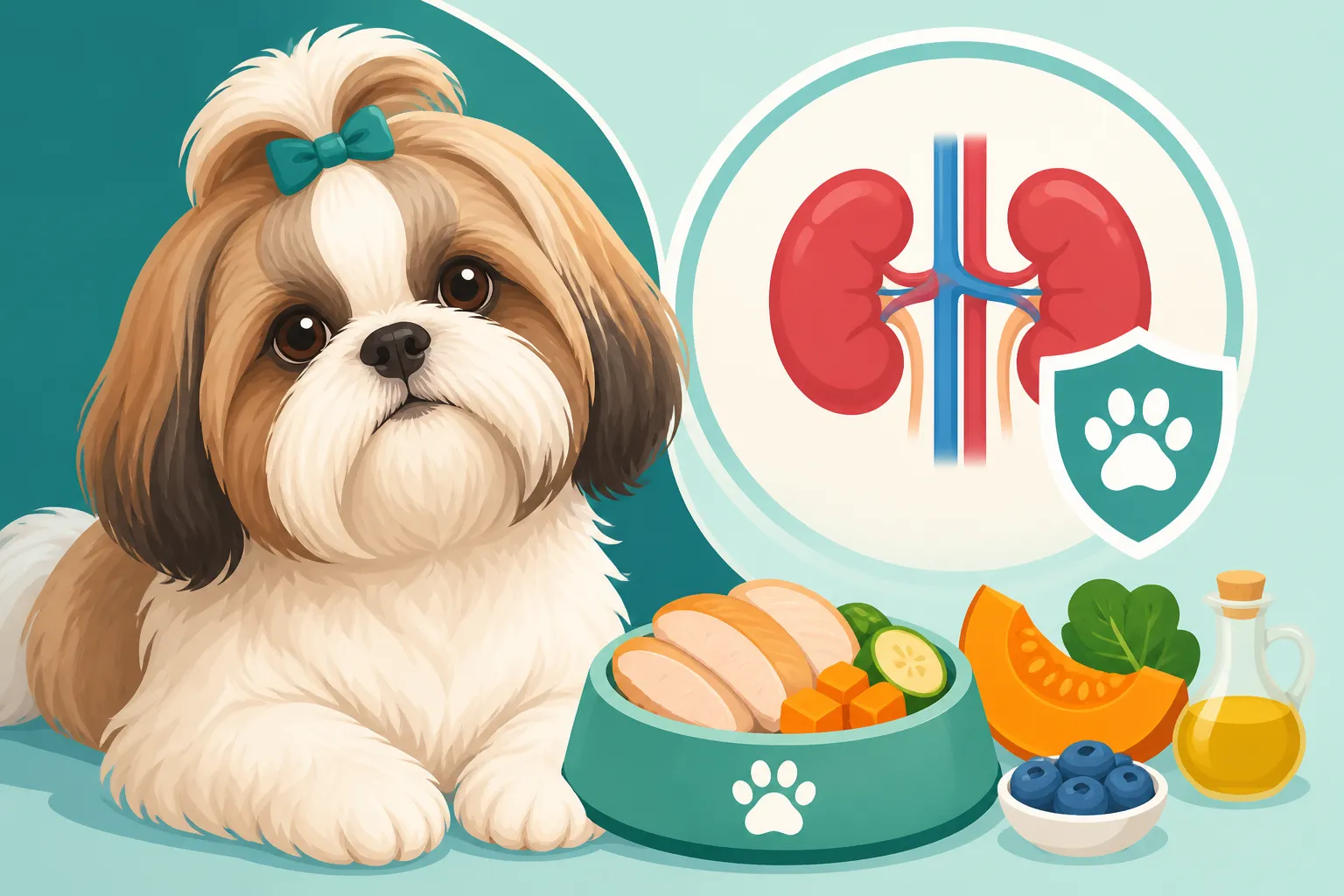
Renal Diets for a Shih Tzu With Dysplasia
Learning your beloved Shih Tzu has been diagnosed with renal dysplasia is a truly unsettling moment, often leaving you feeling lost and overwhelmed about how best to support their health. The immediate thought is usually centered around their comfort and longevity, and at the heart of managing this condition is their diet. This comprehensive guide will walk you through understanding renal dysplasia, the critical role of specialized diets, and how to navigate the choices available to give your furry family member the best possible quality of life.
Understanding Renal Dysplasia and Its Impact on Your Shih Tzu
Renal dysplasia is a congenital kidney disease, meaning a Shih Tzu is born with kidneys that haven't developed properly. Unlike chronic kidney disease, which often develops later in life due to wear and tear or other illnesses, dysplasia is present from birth, though signs might not become apparent until your Shih Tzu is a puppy, adolescent, or even a young adult. This diagnosis can feel particularly cruel because it's something your dog was born with, not something preventable.
How the Kidneys Work in a Shih Tzu
To really grasp why diet is so vital, it helps to understand what healthy kidneys actually do for your Shih Tzu. Think of their kidneys as a pair of incredibly efficient filtering systems for the body. Every day, they tirelessly work to remove waste products like urea and creatinine from the blood, regulate blood pressure, produce hormones essential for red blood cell production, and maintain the delicate balance of fluids and electrolytes. They also play a crucial role in maintaining healthy bone density by regulating calcium and phosphorus levels. When kidneys are healthy, they manage all this without you even thinking about it.
The Impact of Dysplasia on Kidney Function
With renal dysplasia, however, the kidney tissue is abnormal and simply cannot perform these vital functions effectively. Instead of the intricate network of filtering units (nephrons) found in healthy kidneys, a Shih Tzu with dysplasia might have fewer, underdeveloped, or disorganized nephrons. This means their kidneys struggle to filter waste, leading to a build-up of toxins in the bloodstream – a condition called uremia. They also have difficulty concentrating urine, causing excessive thirst and urination, and can't properly regulate minerals or blood pressure. This impaired function often progresses over time, leading to worsening symptoms and a decline in overall health. You might notice signs like increased drinking and urinating, poor appetite, lethargy, or even vomiting. Recognizing these early signs and getting a diagnosis is key, as discussed in Renal Dysplasia Signs in a Shih Tzu Puppy.
Why Standard Diets Worsen Kidney Disease
A typical commercial dog food diet, while perfectly fine for a healthy Shih Tzu, can actually exacerbate kidney disease in a dog with renal dysplasia. The main culprits are often high levels of protein, phosphorus, and sodium. When the kidneys are compromised, processing these nutrients becomes an enormous burden. High protein intake, while necessary for muscle and tissue repair, produces more waste products that dysfunctional kidneys struggle to eliminate. Similarly, high phosphorus levels cannot be properly excreted, leading to a dangerous buildup that can further damage the kidneys and upset the delicate calcium balance, weakening bones. Too much sodium can contribute to high blood pressure, putting additional strain on an already struggling system. It's a cruel cycle, and this is why a specifically formulated renal diet isn't just a recommendation—it's often a necessity.
The Core Principles of a Renal Diet for Shih Tzus
The goal of a renal diet isn't to "cure" renal dysplasia, as it's a structural problem, but rather to slow the progression of the disease, minimize the workload on the remaining healthy kidney tissue, and manage the uncomfortable symptoms. It's about optimizing nutrition to support their compromised kidneys, giving them the best chance at a comfortable, longer life. This typically involves carefully controlled levels of specific nutrients.
Careful Protein Restriction: Quality Over Quantity
When your Shih Tzu has renal dysplasia, protein restriction is usually the first thing that comes to mind, and it's certainly important. However, it's not about cutting out protein entirely, but rather providing a reduced amount of high-quality protein. Why? Because while protein produces waste, it's also absolutely essential for maintaining muscle mass, repairing tissues, and supporting immune function. If protein levels are too low, your Shih Tzu could lose muscle and become weak. High-quality protein sources are those that are highly digestible and provide all the essential amino acids with less waste byproduct. Think about ingredients like eggs, lean chicken, or fish. These sources are utilized efficiently by the body, meaning less waste for the kidneys to filter. Your vet will guide you on the precise level of protein your Shih Tzu needs, balancing the need for nutrition with the reduction of kidney workload.
Phosphorus Limitation: A Critical Factor
Perhaps even more critical than protein restriction is the limitation of phosphorus. Healthy kidneys excrete excess phosphorus, but damaged kidneys can't. When phosphorus builds up in the blood, it can cause secondary hyperparathyroidism, which leads to calcium being pulled from the bones, weakening them. It also directly contributes to further kidney damage. A renal diet significantly reduces phosphorus levels to prevent this buildup. This often means avoiding ingredients naturally high in phosphorus, such as many common meat and bone meals found in standard pet foods. Your vet might also prescribe phosphorus binders to be given with meals, which work by attaching to phosphorus in the gut, preventing its absorption into the bloodstream. This is a key area where specialized renal diets truly excel, as they are meticulously formulated to hit these crucial low phosphorus targets.
Sodium and Fatty Acid Considerations
Beyond protein and phosphorus, other dietary components play an important supporting role.
Controlling Sodium Intake
Sodium restriction is another vital aspect, particularly for Shih Tzus who may develop high blood pressure (hypertension) as a complication of kidney disease. Excess sodium can exacerbate hypertension and contribute to fluid retention, placing an extra burden on the heart and kidneys. Renal diets are typically low in sodium to help manage blood pressure and reduce strain on the cardiovascular system. This is why table scraps, especially salty human foods, are an absolute no-go for a Shih Tzu with kidney issues.
The Power of Omega-3 Fatty Acids
In contrast to restrictions, increasing certain nutrients can be beneficial. Omega-3 fatty acids, particularly EPA and DHA found in fish oil, are often incorporated into renal diets. These powerful fatty acids have anti-inflammatory properties that can help reduce inflammation within the kidneys, potentially slowing the progression of kidney disease. They also support heart health and maintain a healthy coat, which is always a bonus for a Shih Tzu! Many vets recommend specific fish oil supplements alongside a renal diet.
Navigating Commercial Renal Diets and Home-Cooked Options
Once you understand what a renal diet entails, the next step is figuring out how to provide it. This can feel overwhelming with all the options out there, but working closely with your veterinarian is paramount. They will help you choose the best path for your individual Shih Tzu.
Prescription Renal Diets: The Gold Standard
For most Shih Tzus diagnosed with renal dysplasia, prescription renal diets are the recommended course of action. These diets are meticulously formulated by veterinary nutritionists to meet the precise, complex nutritional requirements of dogs with kidney disease. They offer carefully controlled levels of protein, phosphorus, and sodium, often enriched with omega-3 fatty acids, antioxidants, and B vitamins (which can be lost in increased urination). They come in various forms – dry kibble, wet food, and sometimes even treats – to cater to different preferences and stages of disease. Brands like Hill's Prescription Diet k/d, Royal Canin Veterinary Diet Renal Support, and Purina Pro Plan Veterinary Diets NF Kidney Function are commonly prescribed and have extensive research backing their efficacy. You can often purchase these directly from your vet's office or with a prescription from online retailers like Chewy or Amazon, which can sometimes be more convenient or offer different sizing options.
It's crucial to understand that these aren't just "special" foods; they are therapeutic diets designed to manage a medical condition. Trying to replicate their precise balance with over-the-counter options or homemade food is incredibly challenging and often counterproductive.
Over-the-Counter "Kidney Support" Options: Proceed with Caution
You might see various over-the-counter dog foods marketed for "kidney support" or "senior health." While some of these might have slightly reduced protein or phosphorus compared to standard adult diets, they generally do not meet the strict nutritional requirements of a prescription renal diet. They are not formulated to the same rigorous standards and may not provide the necessary therapeutic benefit for a Shih Tzu with diagnosed renal dysplasia.
Using these without your vet's explicit approval could be detrimental, as inadequate dietary management can accelerate disease progression. They might be appropriate for very early stages of kidney disease, or as a transitional food, but always, always consult your veterinarian. They can advise if any over-the-counter option, perhaps available through a broad retailer like Amazon, is suitable, or if a specific supplement found there might complement a primary prescription diet.
The Challenges of Homemade Renal Diets
The idea of cooking fresh, wholesome meals for your ailing Shih Tzu can be very appealing, especially if your dog is a picky eater or has other sensitivities. Companies like Ollie that offer fresh, human-grade food have gained popularity for good reason – many dogs thrive on them. However, preparing a truly balanced and therapeutically effective homemade renal diet is extraordinarily complex and requires the expertise of a board-certified veterinary nutritionist.
It's not as simple as just reducing meat or adding more vegetables. Every ingredient needs to be meticulously weighed and calculated to ensure the correct balance of protein (type and amount), phosphorus, calcium, sodium, and other essential vitamins and minerals. Getting it wrong can lead to nutritional deficiencies or, worse, exacerbate kidney disease. For instance, too much fat without enough protein can lead to muscle wasting, and an imbalance of minerals can cause further health problems. If you are determined to explore a homemade diet, your veterinarian can refer you to a nutritionist who can formulate a specific recipe tailored to your Shih Tzu's exact needs and stage of disease. This service is invaluable, but it's important to be realistic about the time and precision involved in daily preparation.
Making the Transition and Ongoing Management
Once you and your vet have chosen a renal diet, the journey isn't over. Successfully transitioning your Shih Tzu to the new food and consistently managing their condition will be an ongoing process that requires patience, observation, and regular veterinary care. It's a team effort between you, your dog, and your vet.
Introducing New Food Gradually: Patience is Key
Shih Tzus, bless their stubborn little hearts, can be notoriously picky eaters. Suddenly switching their food can lead to outright refusal, which is the last thing you want when dealing with a medical condition. The key is a slow, gradual transition over 7-10 days, or even longer if your Shih Tzu is particularly sensitive.
Start by mixing a small amount of the new renal food with their old food. Over several days, slowly increase the proportion of the new food while decreasing the old. Monitor their appetite, stool, and general demeanor closely. If they show any signs of digestive upset like vomiting or diarrhea, slow down the transition even further. Warming wet food slightly or adding a tiny bit of low-sodium chicken broth (approved by your vet) can sometimes entice a hesitant eater. Remember, consistent intake of the appropriate diet is far more important than a rapid switch. For a Shih Tzu, ensuring they eat enough is critical, as they can lose weight quickly, and managing their specific needs is a journey, as explored in Feeding a Shih Tzu at Twelve Pounds.
Monitoring and Adjusting the Diet: Regular Vet Checks Are Non-Negotiable
A renal diet isn't a "set it and forget it" solution. Because renal dysplasia is progressive, your Shih Tzu's nutritional needs will change over time. Regular veterinary check-ups, typically every 3-6 months, are essential. These visits will usually involve blood work to monitor kidney values (like BUN, creatinine, and phosphorus) and urine tests to check urine concentration and protein levels. Your vet will also likely monitor your Shih Tzu's blood pressure, as hypertension is a common complication.
Based on these results, your vet may recommend adjustments to the specific renal diet formula, the amount of food, or additional medications. For example, if phosphorus levels remain too high even on a renal diet, your vet might increase the dose of phosphorus binders. If your Shih Tzu isn't eating enough, they might suggest appetite stimulants. Keeping accurate records of their eating habits, water intake, and urination can be incredibly helpful for your vet in making these decisions, much like keeping detailed records for other health issues as discussed in The Eye and Kidney Records to Keep on a Shih Tzu.
Supplements and Medications: Beyond Diet
While diet is foundational, it's often not the only component of managing renal dysplasia. Your vet may prescribe a range of medications and supplements to support kidney function and manage symptoms. These can include:
- Phosphorus binders: As mentioned, these reduce phosphorus absorption.
- Antihypertensive medications: To manage high blood pressure.
- Calcitriol: A form of Vitamin D that helps regulate calcium and phosphorus, often given when kidney disease affects these levels.
- B vitamins: As mentioned, these are often supplemented because they are water-soluble and can be lost through increased urination in dogs with kidney disease.
- Potassium supplements: Some dogs with kidney disease can lose too much potassium, requiring supplementation.
- Anti-nausea medications or appetite stimulants: To help if your Shih Tzu feels unwell and won't eat.
Always administer medications exactly as prescribed and discuss any concerns with your vet. Combining these treatments with a carefully managed renal diet provides the most comprehensive approach to caring for a Shih Tzu with renal dysplasia, helping to ensure their comfort and extending their quality of life. The financial considerations of such ongoing care are significant, highlighting the importance of understanding the long-term costs, which can differ significantly from earlier years, as touched upon in Shih Tzu Costs in the First Year Against the Eighth.
| Component | Standard Adult Dog Food | Renal Diet (Prescription) | Key Purpose in Renal Diet |
|---|---|---|---|
| Protein | Moderate to High | Reduced but High-Quality | Minimize waste products, maintain muscle |
| Phosphorus | Moderate to High | Significantly Restricted | Prevent buildup, protect kidneys & bones |
| Sodium | Moderate | Restricted | Manage blood pressure, reduce fluid retention |
| Omega-3 Fatty Acids | Variable | Increased | Anti-inflammatory, supports kidney & heart |
| Calcium | Regulated | Carefully balanced with Phos | Maintain bone health, prevent mineral imbalance |
| Potassium | Regulated | Often Supplemented | Address potential losses due to increased urination |
| B Vitamins | Present | Increased | Replenish water-soluble vitamins lost in urine |
Disclaimer
This article is for general informational purposes only and does not constitute professional advice. Laws, prices and regulations vary by location and change over time. Consult a qualified professional for guidance on your specific situation.