Feeding a Shih Tzu at Twelve Pounds
Bringing a Shih Tzu into your life is an absolute joy, but let's be real, figuring out how much and what to feed that adorable fluffball can feel like a guessing game. Many owners struggle to find the right balance, worrying about overfeeding a small dog who looks up at them with those big, soulful eyes, or ensuring they get all the nutrients they need without piling on unnecessary pounds. This comprehensive guide is here to walk you through everything you need to know about feeding a twelve-pound Shih Tzu, from understanding their unique biology to choosing the best foods and managing their mealtimes.
Understanding Your Shih Tzu's Unique Nutritional Needs
When you look at your Shih Tzu, it's easy to see them as just a tiny, cuddly companion. But beneath that luxurious coat is a body with very specific needs, especially when it comes to diet. A twelve-pound Shih Tzu isn't just a smaller version of a larger dog; their unique breed characteristics play a significant role in how they should eat.
Why Twelve Pounds Matters for a Shih Tzu
For a Shih Tzu, twelve pounds often represents a healthy, well-maintained weight, typically falling right in the middle of their ideal range, which can span anywhere from nine to sixteen pounds. However, even a couple of extra ounces on such a small frame can make a big difference to their overall health and mobility. Think about it: an extra two pounds on a 12-pound dog is a much larger percentage of their body weight than it would be on, say, a 50-pound Labrador.
This means that small fluctuations in diet or activity can quickly lead to weight gain. Owners often don't realize the impact until it's become a noticeable problem, partly because the Shih Tzu's long, flowing coat can cleverly hide those extra pounds. That's why being precise with their food intake at this healthy weight is crucial; it helps prevent added stress on their joints, heart, and other vital organs, ensuring they remain active and happy. It's a fine line to walk, but understanding that even What Two Extra Pounds Do to a Shih Tzu can be significant helps us be more diligent.
The Impact of Their Brachycephalic Anatomy on Eating
The Shih Tzu's distinctive flat face, or brachycephalic structure, is undeniably charming, but it comes with a few considerations when it's mealtime. Their short snout and often undershot jaw can make it challenging for them to pick up certain kibble shapes and sizes. Sometimes, they might even struggle to chew thoroughly, leading to gulping.
Gulping food isn't just messy; it can cause indigestion, gas, and in some cases, even exacerbate breathing difficulties common in brachycephalic breeds, like the occasional reverse sneeze. Moreover, their crowded mouths, often discussed in relation to Why a Shih Tzu Mouth Cannot Hold Forty-Two Teeth, mean they're prone to dental issues. The shape and texture of their food can either help or hinder their dental health, so choosing wisely is paramount to avoiding expensive vet bills down the line for things like Shih Tzu Dental Disease at 13 Percent of the Breed.
Balancing Energy Needs and Weight Management
Let's face it, Shih Tzus are typically not the marathon runners of the canine world. They were historically bred as companion dogs, designed to grace laps and offer endless affection, rather than herd sheep or chase pheasants. This means their energy levels are generally on the lower to moderate side. While they certainly enjoy a good romp in the living room or a leisurely stroll around the block, they don't typically require the intense exercise that a high-energy working breed might.
Because their activity level is generally lower, their caloric needs are also relatively modest. This makes weight management a continuous consideration. It’s incredibly easy for loving owners to accidentally overfeed their Shih Tzu, especially when those adorable eyes are begging for another treat. A few extra calories here and there, day after day, can quickly add up, leading to unwelcome weight gain. This is exactly why many Shih Tzus end up facing issues like Shih Tzu Obesity on a Sixteen Pound Frame, putting them at risk for various health complications.
Decoding Food Labels and Choosing the Right Diet
Walking down the pet food aisle can feel utterly overwhelming. With so many brands, ingredients, and claims, how do you possibly choose the best food for your twelve-pound Shih Tzu? Understanding how to read a food label and what different types of food offer is your superpower in this quest.
Essential Ingredients and What to Avoid
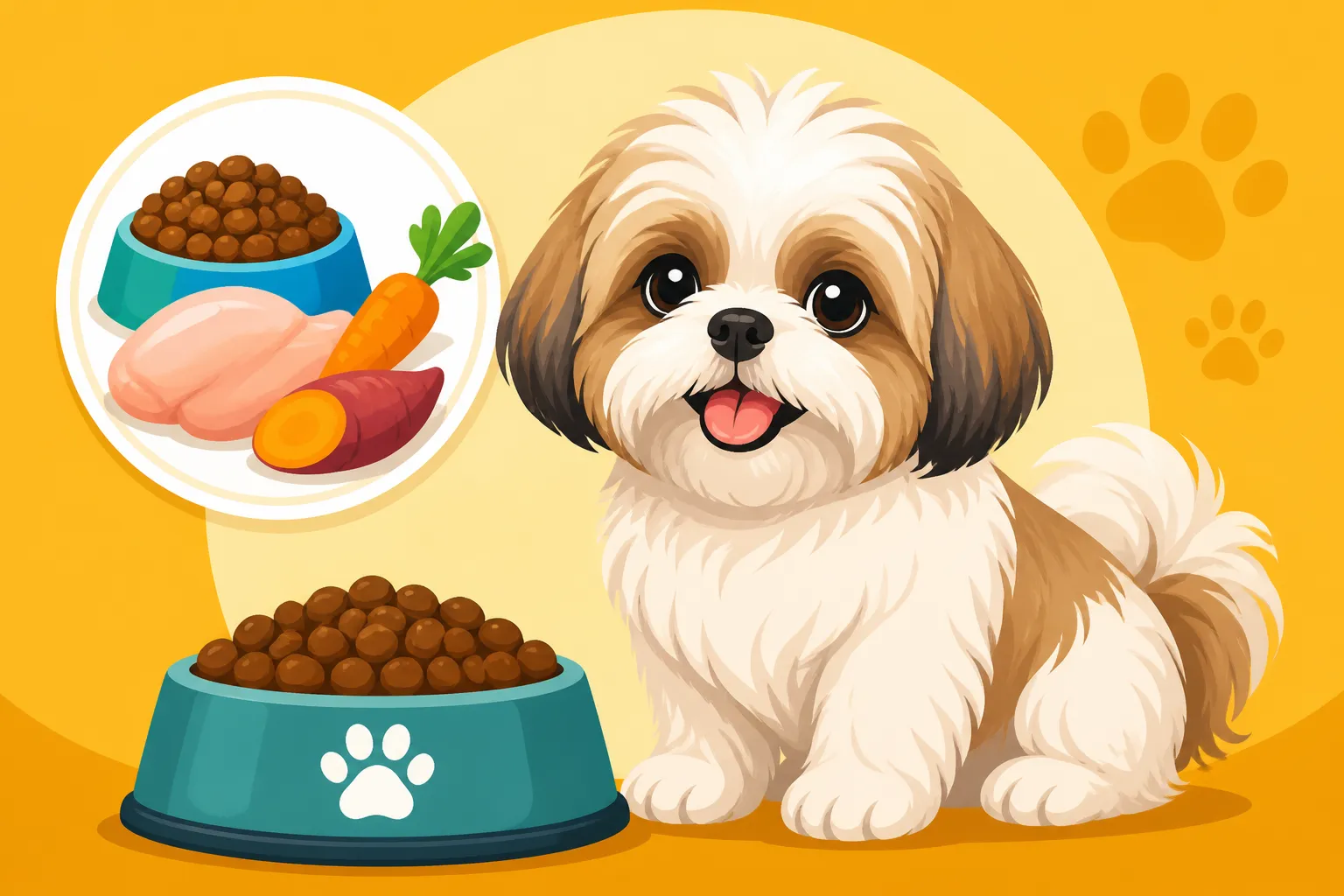
When you pick up a bag or can of dog food, the first few ingredients on the label tell you a lot. You want to see a named meat source, like "chicken," "lamb," or "salmon," as the very first ingredient. This indicates a high-quality protein source, which is vital for muscle maintenance and overall health. Look for healthy fats, such as chicken fat or fish oil (rich in Omega-3 fatty acids, fantastic for a healthy coat and skin), and complex carbohydrates like sweet potatoes, brown rice, or oats, which provide sustained energy.
Conversely, there are ingredients you want to minimize or avoid altogether. These include vague terms like "meat by-products" without specific sources, artificial colors, flavors, and preservatives (often listed as BHA, BHT, or ethoxyquin). Also, be wary of excessive "filler" ingredients like corn, wheat, and soy, especially if your Shih Tzu shows signs of sensitivities. Some Shih Tzus can have allergies, and understanding what's in their food is the first step in addressing issues like diet changes that Settle Shih Tzu itching.
Finding the Perfect Kibble Size and Texture
The size and shape of kibble are surprisingly important for a Shih Tzu. Given their flat faces and delicate jaws, they can struggle with kibble that's too large or too small. If the pieces are too big, they might find it difficult to pick up and chew properly, leading to frustration or simply swallowing them whole. On the other hand, if the kibble is too tiny, they might inhale it without chewing, increasing the risk of gagging or digestive upset.
Many brands offer "small breed" formulas, which often feature appropriately sized kibble that's easier for a Shih Tzu to manage. A crunchy texture is also beneficial as it can help scrape away plaque and tartar, contributing to better dental hygiene in between professional cleanings. Remember, while kibble can offer some dental benefits, it's never a substitute for regular toothbrushing.
Exploring Beyond Dry Kibble: Wet, Fresh, and Raw Options
While dry kibble is a popular and convenient choice, it's not the only option on the menu for your Shih Tzu. Many owners explore other food types, each with its own set of advantages and challenges.
Wet food is highly palatable and offers excellent hydration, which can be a huge plus for picky eaters or dogs who don't drink enough water. However, it's often more expensive, and its softer texture doesn't provide the same dental benefits as crunchy kibble. Be ready for a messier beard after mealtimes!
Fresh food, often delivered through subscription services like Ollie, has gained popularity for its human-grade ingredients and customized nutritional plans. This option often appeals to owners looking for less processed alternatives, and it can be incredibly appetizing for Shih Tzus. However, it typically comes with a higher price tag and requires refrigeration. Just like wet food, it can also lead to a messier beard that requires regular cleaning.
Raw food diets aim to mimic a canine's ancestral diet. Proponents suggest benefits like improved coat health, better digestion, and even cleaner teeth from raw bones. However, raw feeding requires extensive research to ensure nutritional completeness, proper handling to prevent bacterial contamination, and careful supervision, especially if offering raw bones, due to potential choking hazards. It’s certainly not for every owner or every dog, and a thorough discussion with your vet or a veterinary nutritionist is always recommended before making such a significant dietary shift, especially considering issues like Feeding an Old Shih Tzu With Missing Teeth.
Here's a quick comparison of the different food types:
| Food Type | Pros for Shih Tzus | Cons for Shih Tzus | Key Considerations |
|---|---|---|---|
| Dry Kibble | Convenient, cost-effective, aids dental health (if well-chewed), easy portioning | Can be less palatable, lower moisture, requires appropriate kibble size | Choose small breed formulas, check ingredients for quality protein |
| Wet Food | High moisture content, very palatable, good for picky eaters or older dogs | More expensive, less dental benefit, can stain beard, higher calorie density | Look for whole ingredients, portion carefully, clean face after meals |
| Fresh Food | Highly palatable, high quality, customized nutrition, often human-grade | High cost, short shelf life, requires fridge space, may not be nutritionally complete without formulation | Consider subscription services like Ollie, vet consultation for balance, prone to beard staining |
| Raw Food | Mimics ancestral diet, potential for better coat/digestion, dental benefits (raw bones) | High risk of bacterial contamination, requires careful balance, controversial, can be messy | Consult vet or veterinary nutritionist, proper handling crucial, not for all dogs |
Precision in Portioning: Calculating and Monitoring Intake
Once you've chosen a high-quality food, the next crucial step is determining exactly how much to feed your twelve-pound Shih Tzu. This isn't just about pouring some kibble into a bowl; it's about precise portion control to maintain their ideal weight and health.
Calculating Your Shih Tzu's Daily Caloric Needs
Calculating your Shih Tzu's exact caloric requirements can feel a bit like a science experiment, but it’s an essential part of responsible feeding. While the guidelines on pet food packaging are a good starting point, they're often broad and don't account for individual differences. A common approach involves estimating their Resting Energy Requirement (RER), which is the energy needed for basic bodily functions. From there, you multiply the RER by a factor based on their age, activity level, and whether they need to gain, lose, or maintain weight.
For a healthy, spayed/neutered adult Shih Tzu weighing around twelve pounds, their daily caloric intake might range from roughly 300 to 450 calories, depending on their activity level. However, this is just an estimate! A sedentary Shih Tzu will need fewer calories than one who is more active. Online calculators can help, but the best approach is always to consult your veterinarian, who can provide personalized guidance based on your dog's specific metabolism and health status. Remember, these calculations are a starting point, and you'll need to observe and adjust.
The Perils of Inaccurate Measuring
This might sound obvious, but inaccurate measuring is one of the most common reasons small dogs like Shih Tzus become overweight. Using a random scoop or "eyeballing" portions might seem convenient, but it can lead to significant overfeeding over time. Even a slight excess, say an extra tablespoon of kibble, adds up daily. For a twelve-pound dog, that small amount could easily translate to hundreds of extra calories a week.
To ensure precision, invest in a proper kitchen scale to weigh your dog's food. This is the most accurate method, especially for kibble. If weighing isn't feasible, use standardized measuring cups, not coffee scoops or old plastic containers. Measure level, not heaped, and be consistent. Consistency is key to knowing exactly how much your dog is consuming and making informed adjustments when necessary.
Recognizing Weight Changes Under a Full Coat
One of the biggest challenges for Shih Tzu owners is monitoring their dog's weight. That beautiful, flowing double coat, while lovely, can be a master of disguise, concealing weight gain until it's become quite substantial. You can't just look at a Shih Tzu and easily tell if they've put on a few too many pounds.
To accurately assess their body condition, you need to get hands-on. Perform the "rib test" regularly: gently feel along their sides. You should be able to feel their ribs without pressing hard, much like feeling the back of your hand. If you can see their ribs, they're too thin; if you can't feel them at all, they're likely overweight. You should also be able to feel a distinct waistline tucked in behind their ribs when viewed from above. Regular weigh-ins at home or during vet visits are crucial. Early detection of weight changes is vital to prevent long-term issues like Shih Tzu Joint Problems in a Toy Frame or other health complications that excess weight exacerbates.
Establishing a Harmonious Feeding Environment
Feeding your Shih Tzu isn't just about what they eat and how much; it's also about how and where they eat. Creating a calm, consistent, and comfortable feeding environment can greatly contribute to their overall well-being and positive relationship with food.
Optimal Meal Frequency and Schedule
For an adult twelve-pound Shih Tzu, feeding two meals a day is generally recommended – typically once in the morning and once in the evening. This schedule offers several benefits. Splitting their daily caloric intake into two meals helps with digestion, preventing them from feeling overly full or excessively hungry. It also provides a consistent routine, which dogs thrive on, helping to regulate their metabolism and energy levels throughout the day.
This consistent schedule also makes it easier for you to monitor their appetite. If your Shih Tzu suddenly skips a meal or shows a lack of interest, it can be an early indicator of a potential health issue, allowing you to address it promptly. For puppies, the frequency is often higher, typically three meals a day, gradually reducing to two as they mature, as outlined in guides like Shih Tzu Puppy Training Month by Month.
Creating a Calm and Consistent Feeding Space
Where your Shih Tzu eats is just as important as when. Choose a quiet, low-traffic area of your home where they can eat undisturbed. This minimizes distractions, allowing them to focus on their meal and reducing any potential stress or anxiety around food. Avoid feeding them in a chaotic environment where children or other pets might interrupt them.
For brachycephalic breeds like Shih Tzus, the type of bowl and its placement can also make a difference. Some owners find that an elevated bowl improves their eating posture, making it easier for them to swallow and potentially reducing the amount of air they ingest with their food. The height should allow them to eat without excessive bending or stretching of their neck. Experiment to see what works best for your individual dog.
Ensuring Adequate Hydration with the Right Water Bowl
Fresh, clean water should always be available to your Shih Tzu. Hydration is critical for every bodily function, from digestion to temperature regulation. Ensure their water bowl is cleaned daily to prevent bacterial growth and refilled with fresh water multiple times a day.
When it comes to water bowls, material matters. Stainless steel or ceramic bowls are generally preferred over plastic, as plastic can harbor bacteria and potentially cause skin irritation or "chin acne" in some dogs. Keeping a Shih Tzu's beard dry can be a challenge, as their long facial hair often dips into the water. Look for "beard saver" bowls with a narrower opening or use a snood to keep their fur out of the water, preventing dampness that can lead to skin irritation or matting.
Special Dietary Considerations and Treats
Feeding your Shih Tzu isn't just about their main meals; it also involves smart choices about treats and understanding when supplements might be beneficial, especially if they have unique health needs.
Smart Snacking: Choosing Healthful Treats
Treats are an invaluable tool for training, bonding, and simply showing your Shih Tzu some love. However, they're also a sneaky source of extra calories that can quickly derail even the most careful feeding plan. It's crucial to remember that all treats contribute to your dog's daily caloric intake, so they should be accounted for when calculating their total food for the day.
Opt for single-ingredient, low-calorie treats. Small pieces of cooked, plain chicken, carrots, green beans, or blueberries make excellent, healthy snacks. Many commercial treats are also designed specifically for small breeds or for training, meaning they are appropriately sized and often lower in calories. Brands like those found on Chewy offer a vast selection of these types of treats, making it easier to find healthy options that your Shih Tzu will love without overdoing it. Avoid high-fat, sugary, or artificially flavored human snacks entirely.
The Role of Supplements in a Shih Tzu's Diet
For most healthy Shih Tzus on a balanced, high-quality diet, additional supplements aren't strictly necessary. However, under certain circumstances or as they age, supplements can play a beneficial role. For instance, fish oil, rich in Omega-3 fatty acids, can do wonders for maintaining a healthy, lustrous coat and promoting skin health, a topic explored further in Fish Oil for a Shih Tzu Double Coat.
As Shih Tzus get older, particularly past the age of eight or nine, joint supplements containing glucosamine and chondroitin might be recommended by your vet to support joint health and mobility, especially considering their predisposition to conditions like patellar luxation or disc disease. Probiotics can also be helpful for digestive health, particularly if your Shih Tzu has a sensitive stomach or is prone to digestive upsets. Always, always consult your veterinarian before introducing any new supplements into your Shih Tzu's diet to ensure they are appropriate and won't interact negatively with any other medications or health conditions. For more on this, you can check out Joint Support for a Shih Tzu Back and Knees.
Navigating Food Allergies and Sensitivities
Despite their sweet dispositions, Shih Tzus can be prone to food allergies or sensitivities, which can manifest in a variety of uncomfortable ways. Common signs include persistent itching, skin irritation (often leading to hot spots or recurring ear infections, linking to Shih Tzu Ear and Skin Infections Under the Coat), excessive paw licking, and gastrointestinal upset like vomiting or diarrhea.
If you suspect a food allergy, the most effective diagnostic tool is typically an elimination diet, conducted under the strict guidance of your veterinarian. This involves feeding a novel protein or hydrolyzed protein diet for several weeks to see if symptoms resolve, then gradually reintroducing ingredients to identify the culprit. This process requires patience and discipline but can be incredibly effective in bringing relief to your Shih Tzu. Managing the often chronic nature of food allergies can also lead to significant vet bills for diagnostics and ongoing care, making it a situation where some owners consider pet insurance from providers like Healthy Paws to help mitigate these unexpected costs.
Troubleshooting Common Feeding Behavior
Even with the perfect food and a well-planned schedule, you might encounter some common behavioral quirks or challenges at mealtime. Addressing these proactively can make feeding a more pleasant experience for both you and your Shih Tzu.
Addressing a Picky Eater's Reluctance
Shih Tzus, with their regal heritage, can sometimes develop a reputation for being picky eaters. It's incredibly frustrating when your dog turns up their nose at a perfectly good meal. The first step, however, is always to rule out any underlying medical issues. Dental pain, often caused by Shih Tzu Dental Disease at 13 Percent of the Breed, or an upset stomach could easily make them reluctant to eat. A quick vet check can confirm or deny these concerns.
If medical issues are ruled out, it might simply be a preference. Some strategies include warming their food slightly to enhance its aroma, adding a small amount of low-sodium chicken broth, or rotating different protein sources to keep things interesting. Avoid continuously offering new, more palatable options every time they refuse a meal, as this can inadvertently teach them that holding out will get them something better. Establish a feeding time, put the food down for 15-20 minutes, and if they don't eat, pick it up until the next scheduled meal. They'll eventually eat when they're hungry.
Tackling Begging and the Dangers of Table Scraps
The Shih Tzu's expressive eyes and charming demeanor make them expert beggars. It's incredibly difficult to resist when they sit politely by your feet during dinner, but sharing table scraps is a habit best avoided for several important reasons. Many human foods are simply not good for dogs; they can be too high in fat, sugar, or sodium, leading to digestive upset, weight gain, or even serious conditions like pancreatitis (a common concern for breeds like the Shih Tzu, as detailed in Pancreatitis in a Shih Tzu After Table Food).
Furthermore, some human foods are outright toxic to dogs, including chocolate, grapes, onions, and xylitol (a common artificial sweetener). The best way to manage begging is through consistency: never feed them human food from the table. If you want to share, offer them a dog-safe treat in their bowl after your meal. Training them to go to their mat or bed during your mealtimes can also be very effective.
Managing Speedy Eaters and Digestive Upset
While some Shih Tzus are picky, others are the opposite – they inhale their food as if it's their last meal! Eating too quickly can lead to indigestion, gas, stomach upset, and even the risk of choking. It can also exacerbate issues like reverse sneezing, as mentioned in The Reverse Sneeze Every Shih Tzu Owner Hears, if they gulp air along with their food.
To slow down a rapid eater, consider investing in a slow feeder bowl. These bowls have internal obstacles or ridges that force your dog to eat around them, making them take smaller bites and more time. Puzzle toys or treat-dispensing toys can also turn mealtime into a fun, engaging activity that naturally slows down consumption. Splitting their daily food allowance into three smaller meals instead of two larger ones can also help prevent them from feeling ravenously hungry and rushing through their food.
Disclaimer
This guide is intended for informational purposes only and is not a substitute for professional veterinary advice. Always consult your veterinarian for specific dietary recommendations, especially if your Shih Tzu has any health concerns, allergies, or is on medication. Nutritional needs can vary greatly depending on age, activity level, and individual health conditions.